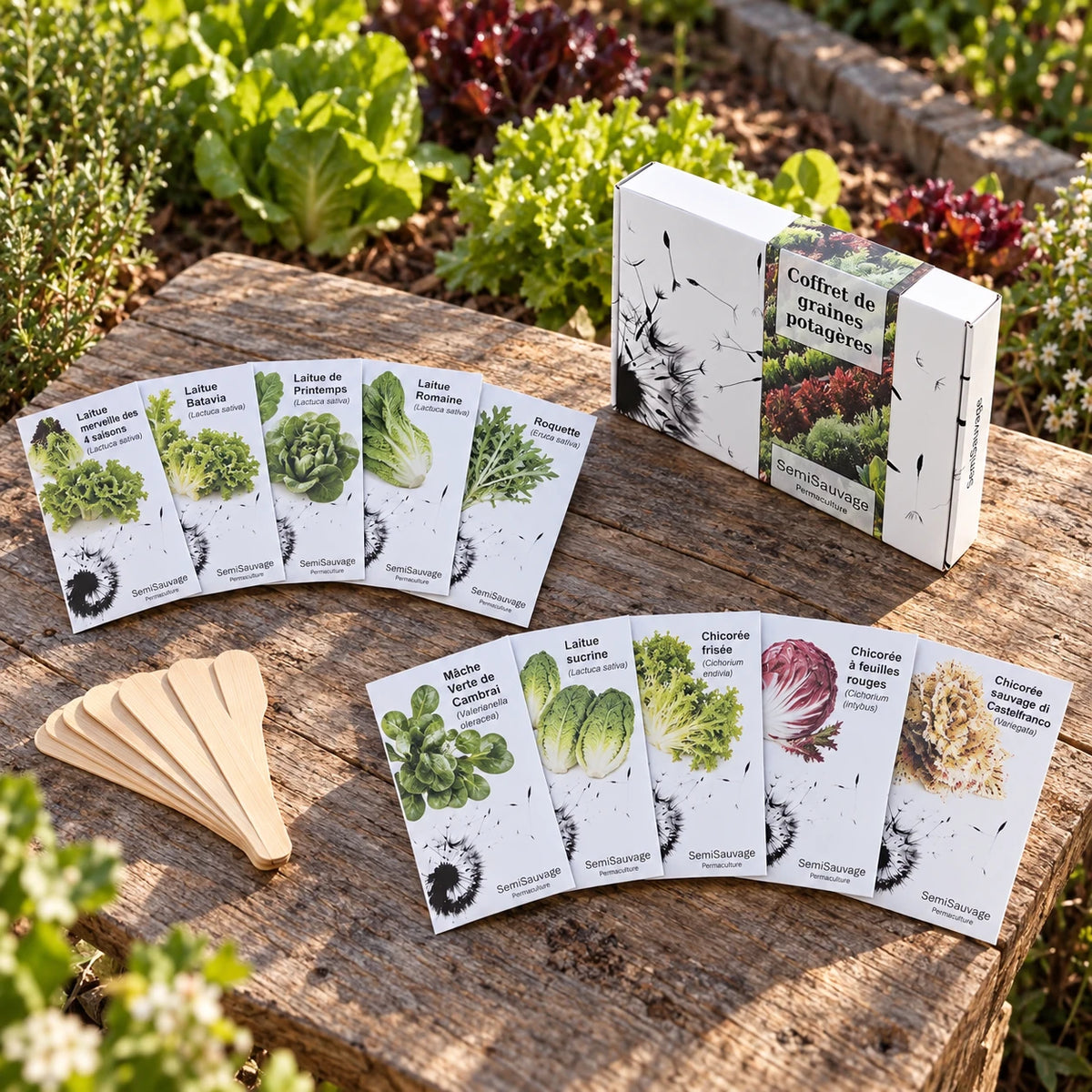
A crunchy leaf, a tender rosette, a hint of rocket… Growing your own salad greens means having a choice when it is time to prepare a meal. The Special Salad Seed Box brings together lettuces, corn salad, rocket, and chicories, offering different flavors and foliage to discover at your garden’s pace.
Ten varieties for creating your salads
The varieties are offered as open-pollinated, non-hybrid seeds. This box contains 10 packets and 2,700 seeds, accompanied by wooden labels for identifying the crops. Sowing instructions are printed on the back of the packets. The 15 × 10 × 3 cm box is easy to store between seasons and makes a thoughtful gift for anyone who enjoys gardening and cooking.
You can start with a few varieties, save others for a cooler period, and sow only a small portion of each packet. The pleasure lies as much in the diversity of the leaves as in being able to pick them as needed. A small, well-tended area is an excellent place to start: you do not need a large garden to discover this selection.
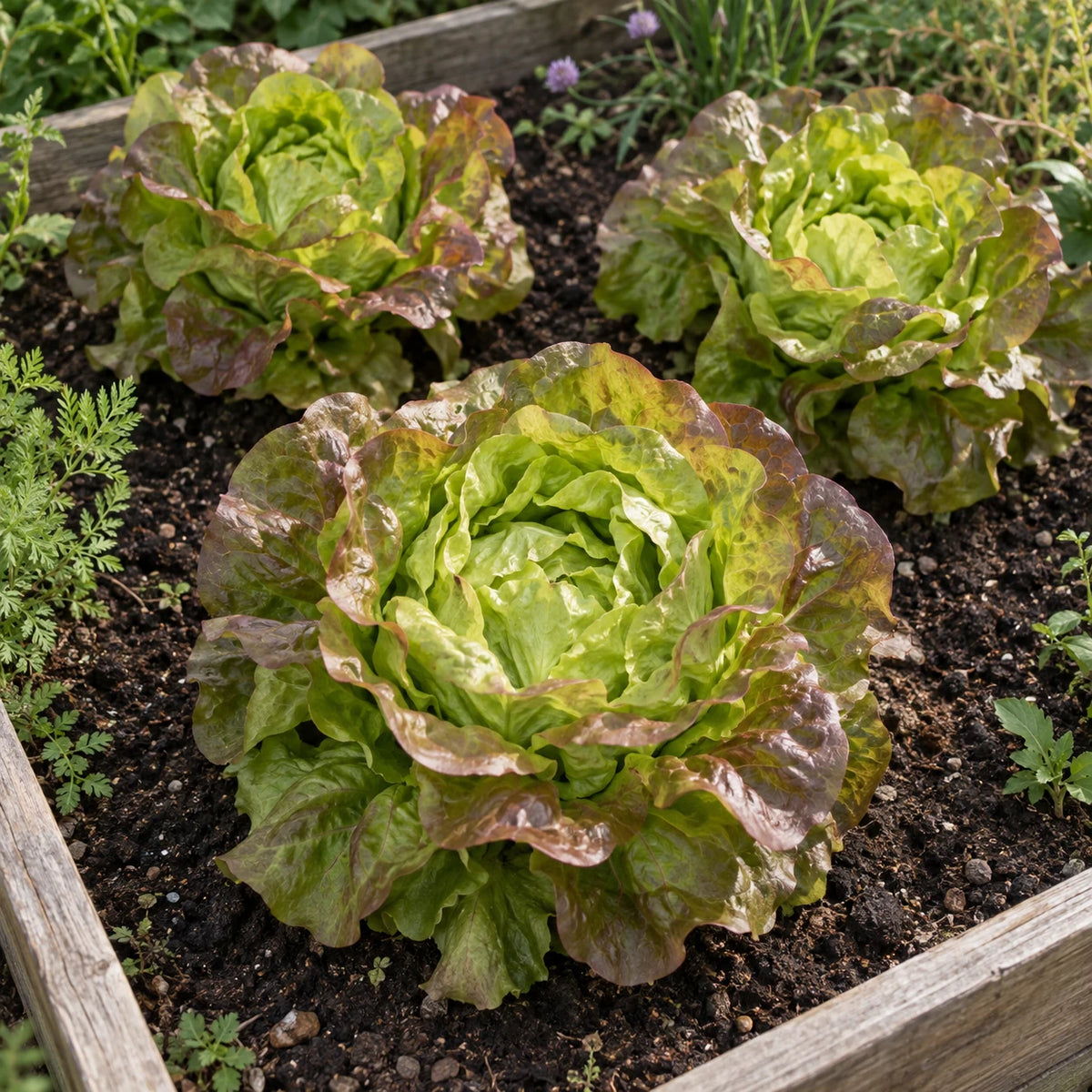
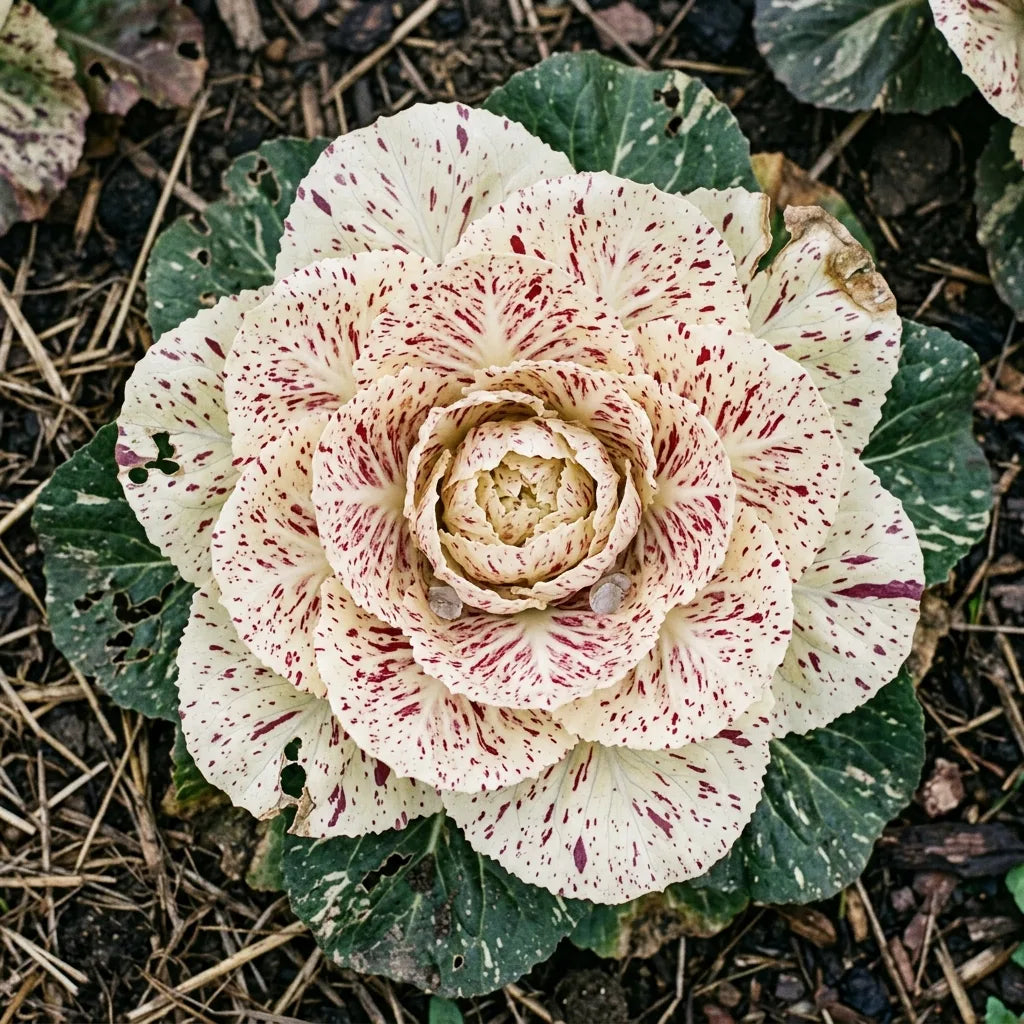
A pale rosette speckled with red, decorative and edible.
A vegetable garden that changes with the seasons
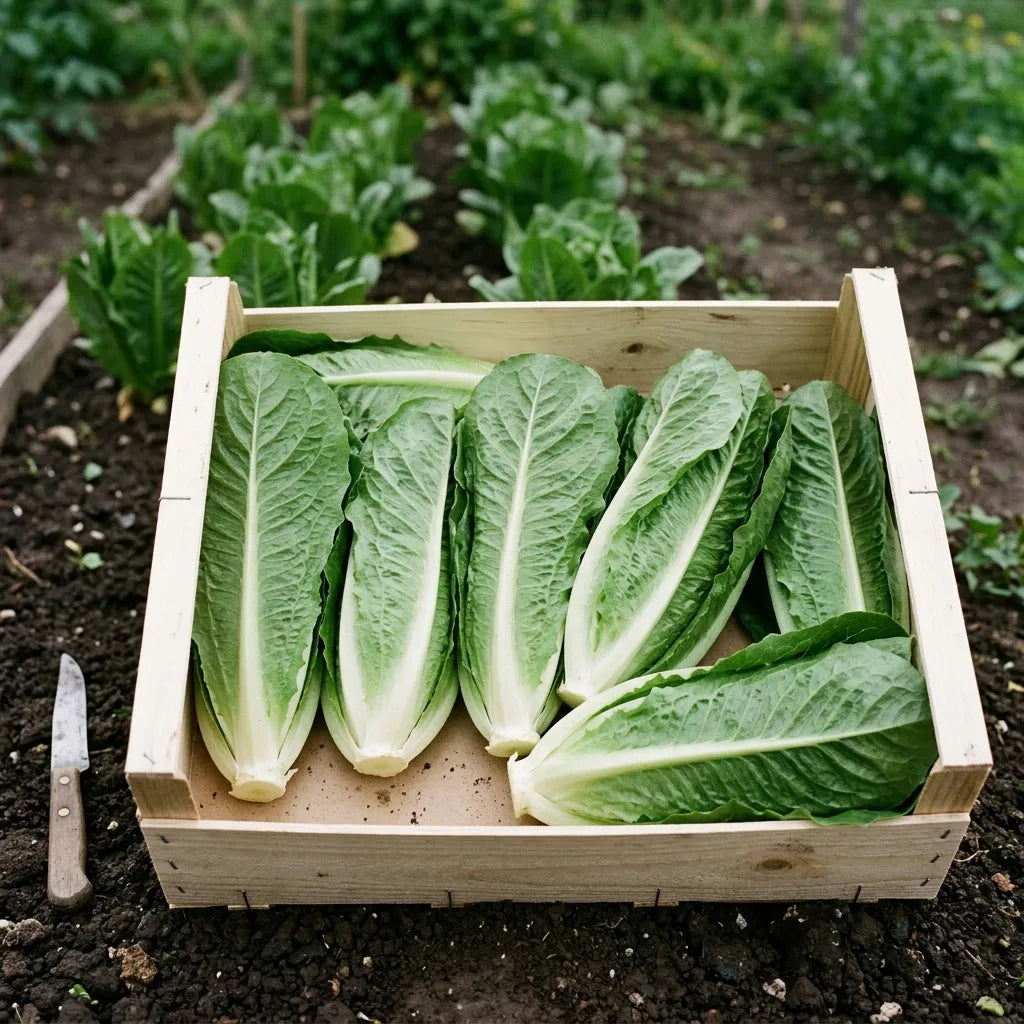
In spring, lettuces naturally find their place in the garden again. Spring Lettuce is a great way to start with a variety suited to this time of year, while Batavia, Romaine, Sucrine, and Four Seasons Wonder let you compare different shapes and textures. Stagger your sowings rather than trying to have all the heads ready at the same time.
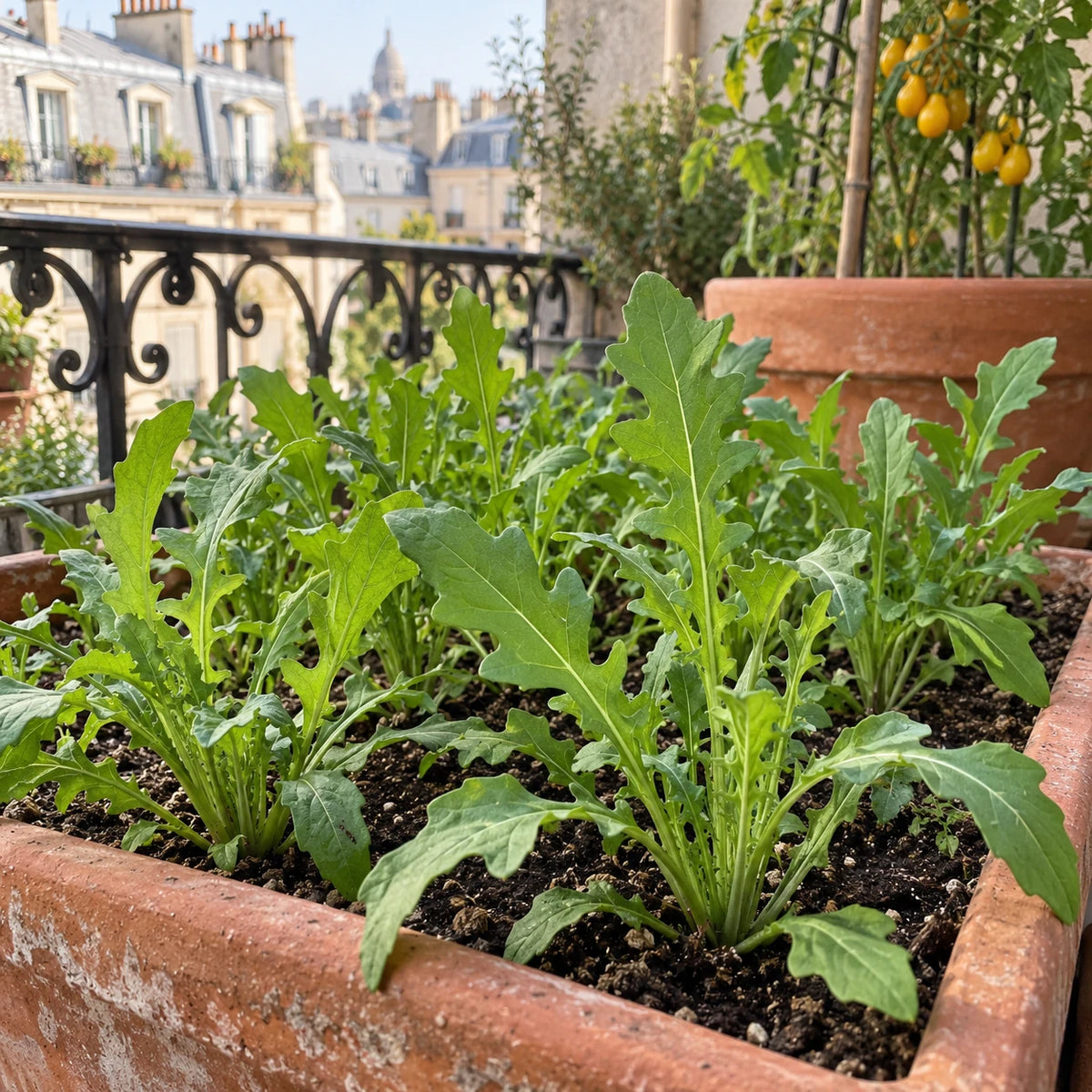
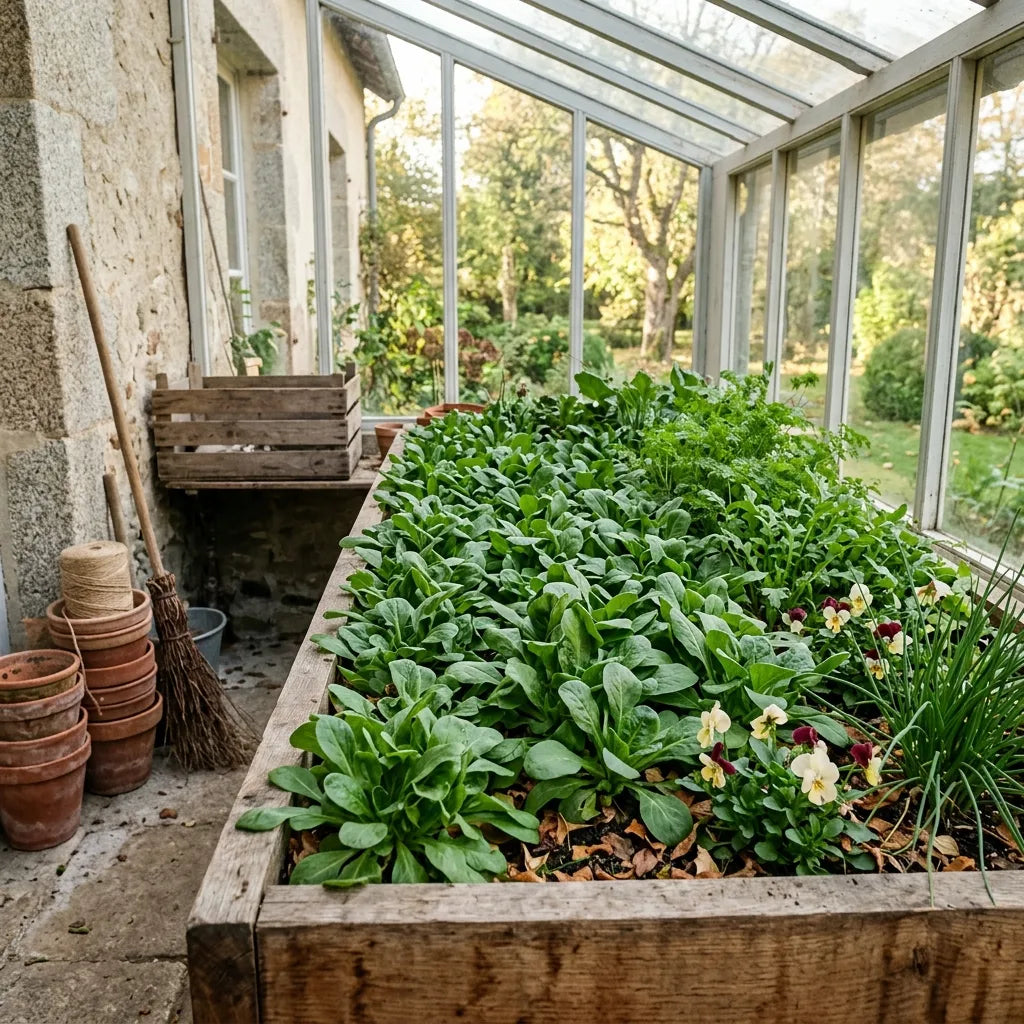
Arugula adds another flavor to the mix. Lamb’s lettuce and chicories extend the vegetable garden’s interest into the cool season, depending on the sowing dates, variety, and your climate. They are not all grown in the same way: check the guidance specific to each packet before choosing your sowing window.
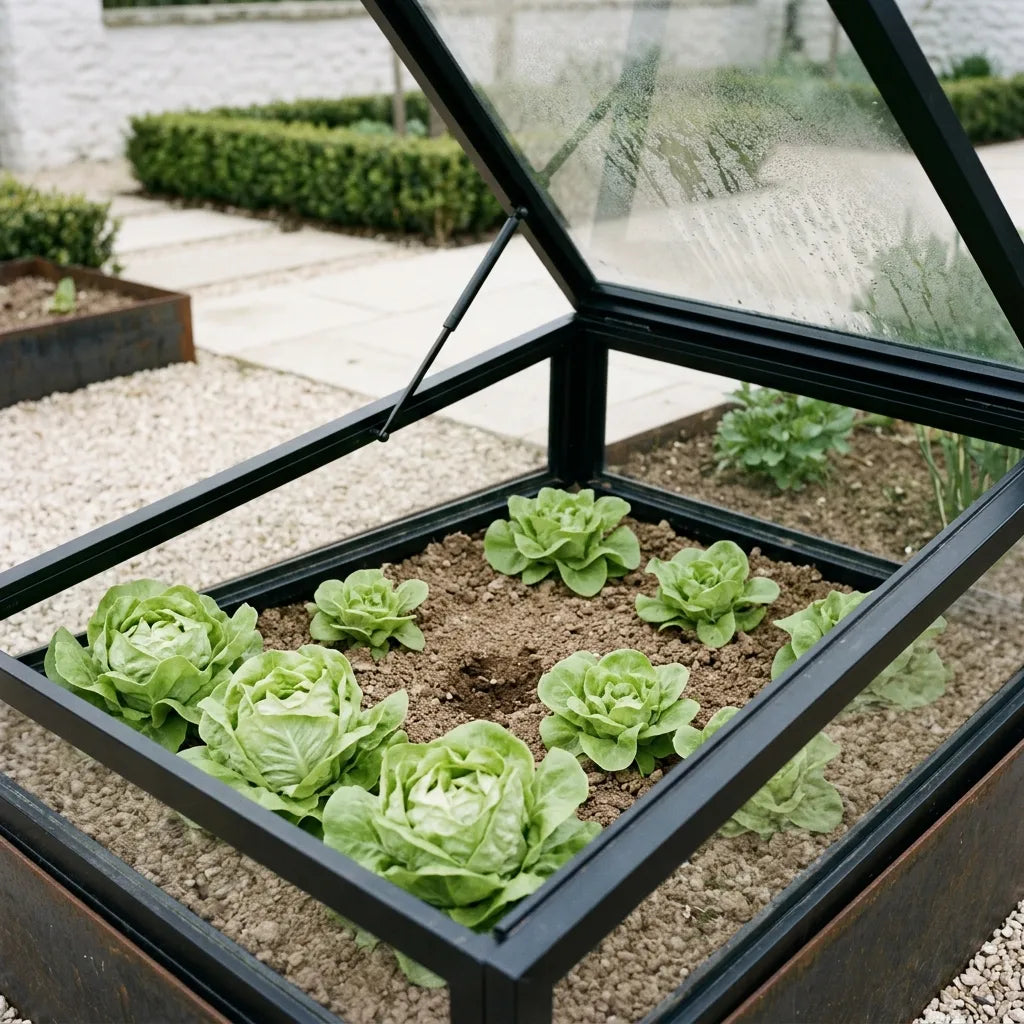
Harvests over several seasons do not mean a guaranteed harvest every month. A heatwave, a harsh winter, altitude, or a lack of light can slow growth. A cold frame or fleece may be useful at the right time, without replacing a suitable variety and sowing date. The kit gives you the flexibility to find your own schedule.
Sow a little, then start again
Prepare a fine surface layer, free of large clods. Carefully distribute the small seeds, following the depth indicated on each packet, then water gently so you do not displace them. Write the name and date on a label: you will be able to compare germination and adjust your next attempts.
For lettuces, making small, staggered sowings over time prevents all the plants from being ready to harvest at once. Sowing in pots or trays allows you to prepare a few plants to install later in available spaces. Arugula and lamb’s lettuce can also be sown directly in their growing location.
When seedlings are too crowded, thin them out so the leaves can develop. When planting lettuces, keep the center clear and avoid burying the crown. Adjust the spacing to the mature size: a small Sucrine and a fully developed Romaine do not take up the same amount of space. To review the essential steps, see our guide to sowing methods.
Choosing the right spot, in the garden or in a container
Fertile soil that retains moisture without staying waterlogged makes it easier to care for salad greens. In the garden, adding mature compost can help prepare the growing surface. Place your plants where you can easily observe and water them, rather than in a forgotten corner at the back of the garden.
A planter with drainage holes or a sufficiently wide container can accommodate part of the selection. Give the heads room to form and check moisture more often than you would in the ground. Do not try to pack all ten mature varieties into a single small container: distribute them among several areas or several periods.
Choose the exposure according to the season as well. Lettuces appreciate good light; during the hottest hours of summer, light shade can reduce stress. A spot that is favorable in spring may become too scorching in July. Observe the sun’s path before planting the next batches.
Keep the soil cool and watch the leaves
High temperatures and a lack of water can accelerate bolting in lettuces. Water according to the weather and the soil’s actual moisture, without allowing young seedlings to dry out for long periods. In summer, if germination becomes difficult, look for a cooler location for sowing rather than scattering more seeds in the same place.
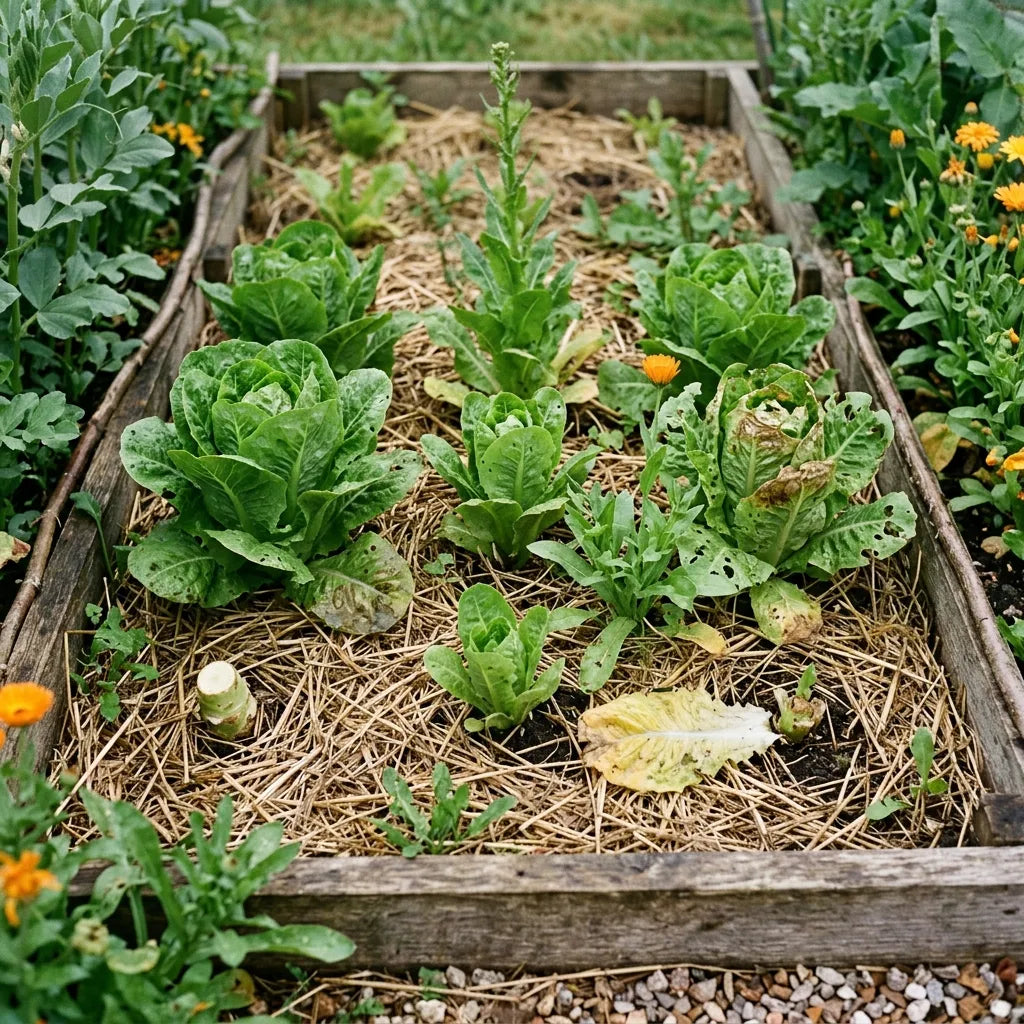
Once the plants are established, suitable mulch helps cover the soil between them. However, keep the center of the lettuces clear and the surface fine enough for seeds that still need to be sown. Mulch supports watering; it does not eliminate the need to observe the plants’ needs.
Watch the young leaves, especially after a wet period, to spot damage from slugs or snails. Act early and target your efforts. Remove badly damaged leaves and prevent overcrowded plants from remaining constantly in a humid atmosphere.
Harvest for the meal, vary what’s on your plate
A lettuce can be harvested as a head when it has reached the size you want, or provide a few outer leaves depending on its stage of growth. For arugula, pick young leaves and leave the center intact if you want to continue harvesting. Lamb’s lettuce is harvested in small rosettes; chicories provide leaves with a more pronounced flavor.
Mix the crispness of Batavia or Romaine with the sweetness of lamb’s lettuce and a hint of arugula. The red leaves and marbling of Castelfranco add color without complicating preparation. Choose the accompanying ingredients according to your cuisine and the season.
Preferably harvest when it is cool, clean the produce carefully, and prepare only the amount you need. This is one of the joys of this vegetable garden: choosing a few leaves just before sitting down to eat, then letting the other plants continue growing.
Making room for salads in a living garden
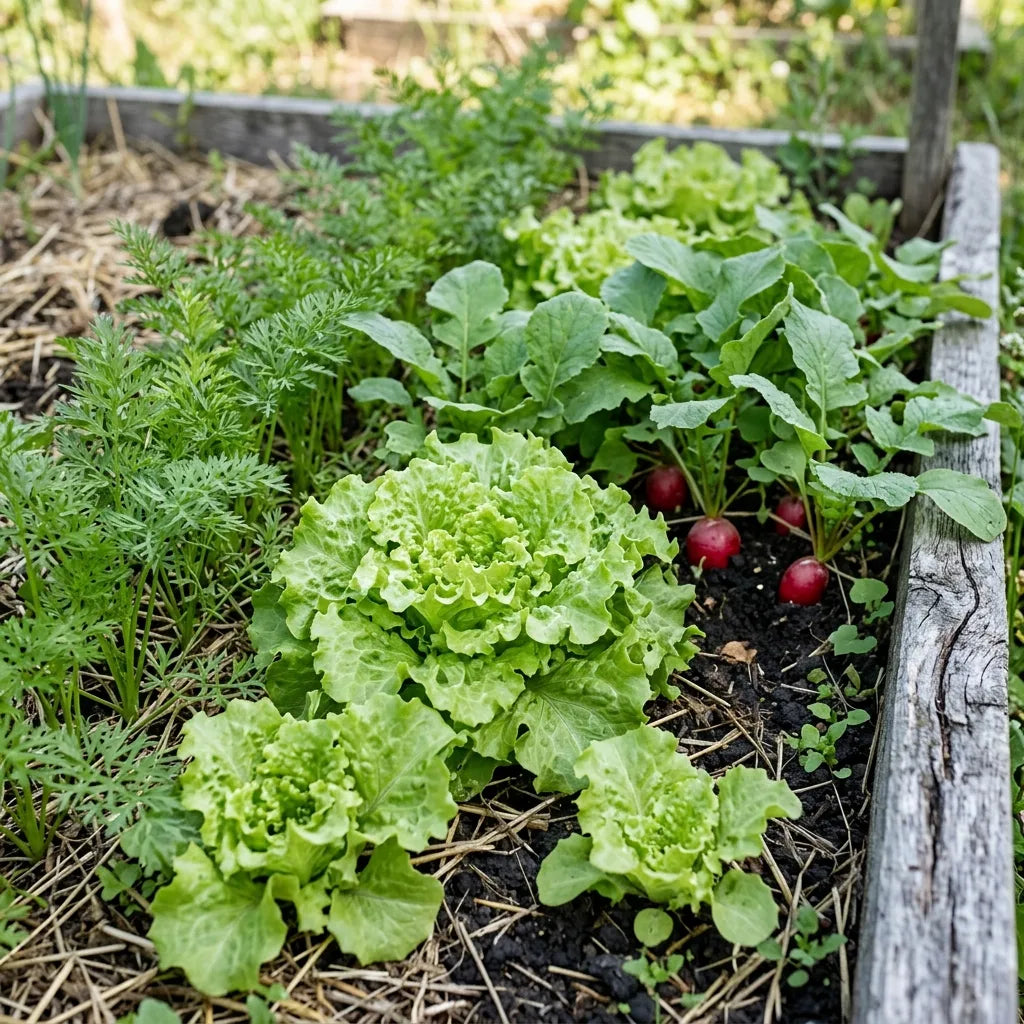
Salads can form an edible border, fill a temporarily open space, or create small groups among other crops. In a garden inspired by permaculture, the goal remains practical: cover the soil, use the available space, and keep paths open for harvesting without compacting the growing area.
Vary heights and periods of presence rather than packing plants closely together to create an immediate effect of abundance. A spot that seems empty today may be needed by a neighboring crop in a few weeks. The flowers and companion plants in the garden complement the setting; they are not part of this kit's composition.
By letting a selected plant flower, you can also observe another stage of its life cycle. Set aside a spot where it will not interfere with ongoing crops: plants grown for seed become taller than salads harvested young.
Storing seeds and rediscovering the joy of sowing
After use, reseal each packet and store it in a dry, cool place away from light. Keep the variety name and lot information with the seeds. Their germination capacity changes over time and with storage conditions: keeping a packet does not guarantee the same emergence several years later.
To continue the experience with seeds harvested from the garden, learn about pollination and the risks of cross-pollination specific to each species. Several lettuces or closely related chicories may require particular organization to preserve the desired characteristics. Our seed storage guide will help you with the first steps of putting them away.
With SemiSauvage, this kit offers a simple way to bring diversity back to meals and observation to the heart of the garden. Start with a few plants, note your preferences, and let your next salads tell the story of the season.