Lactuca sativa
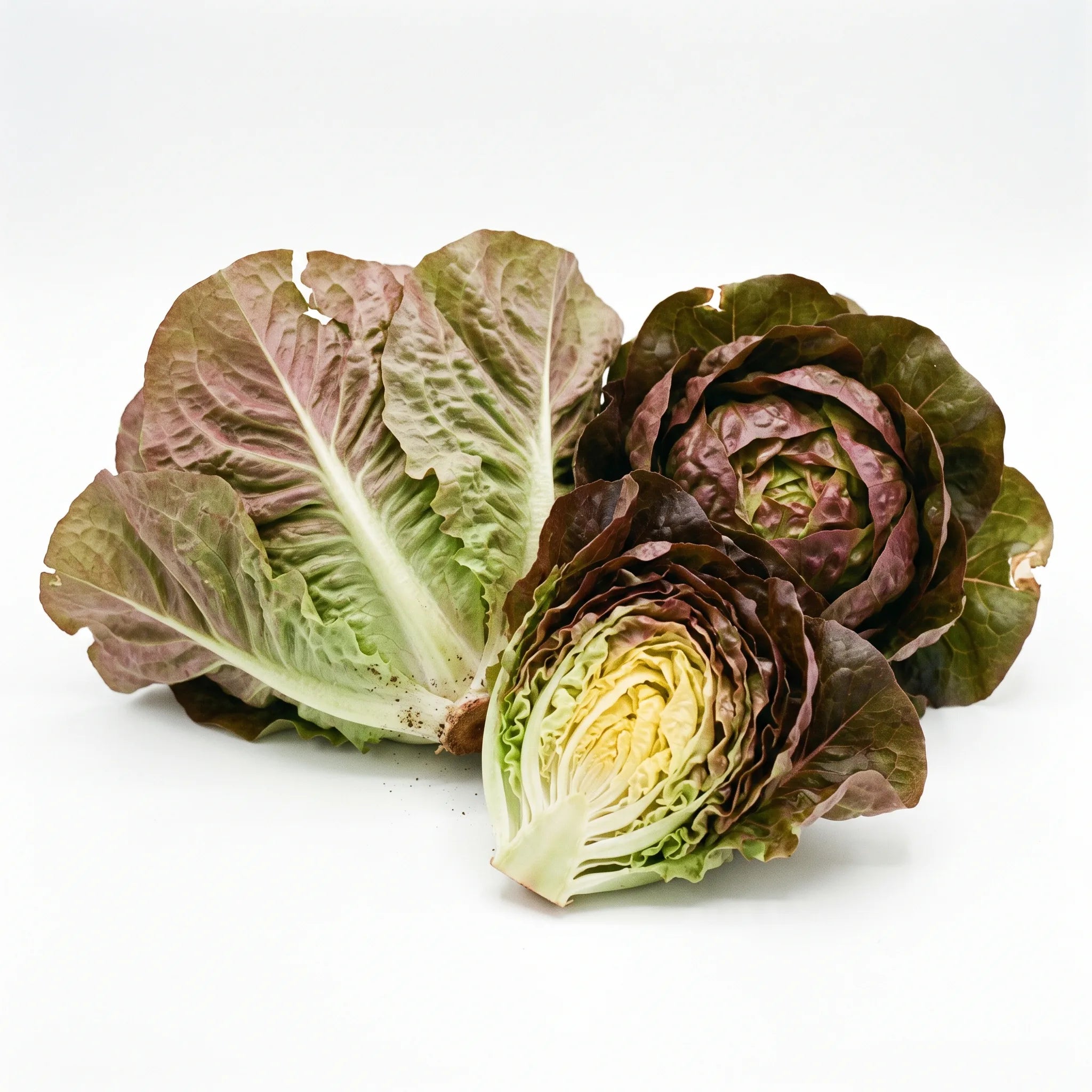
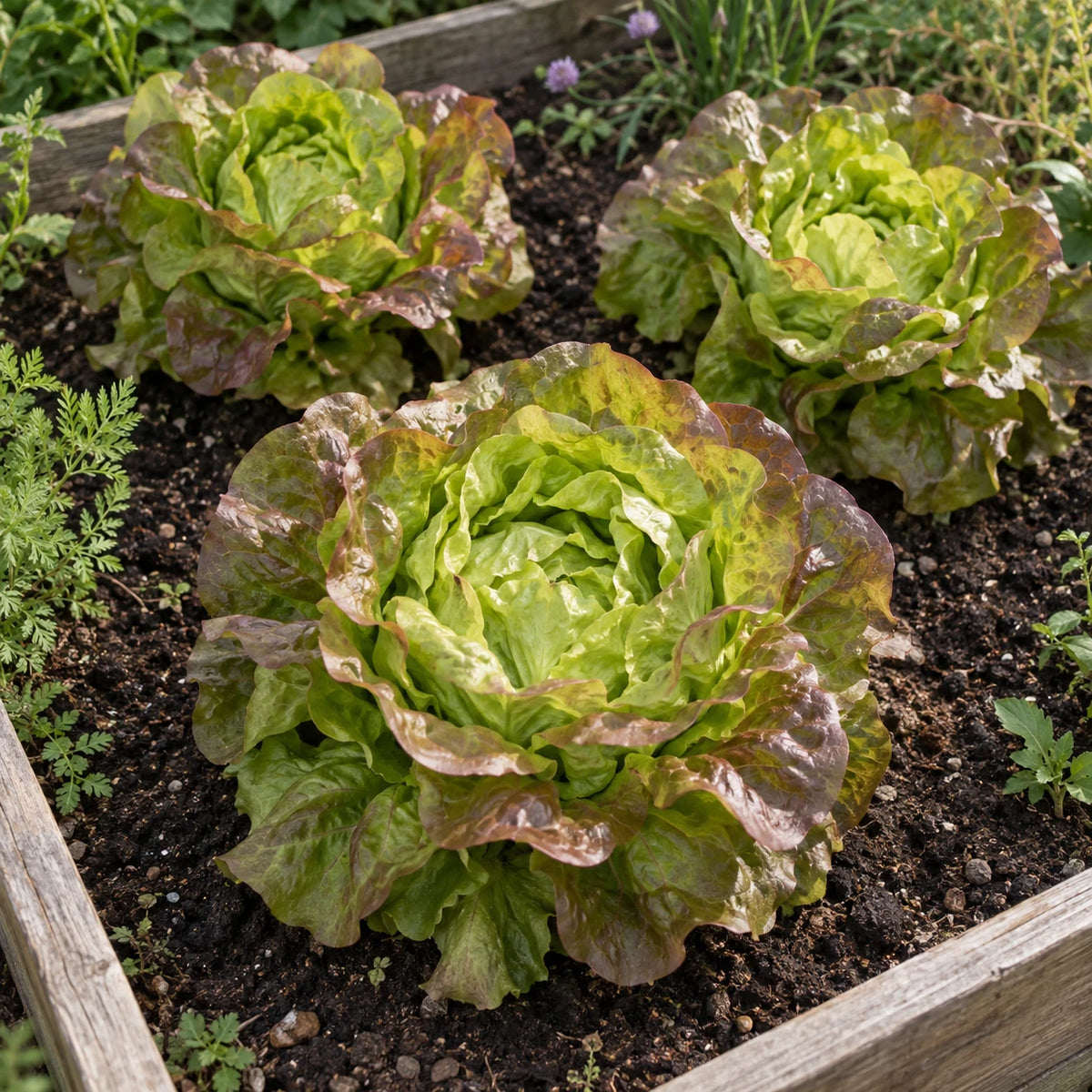
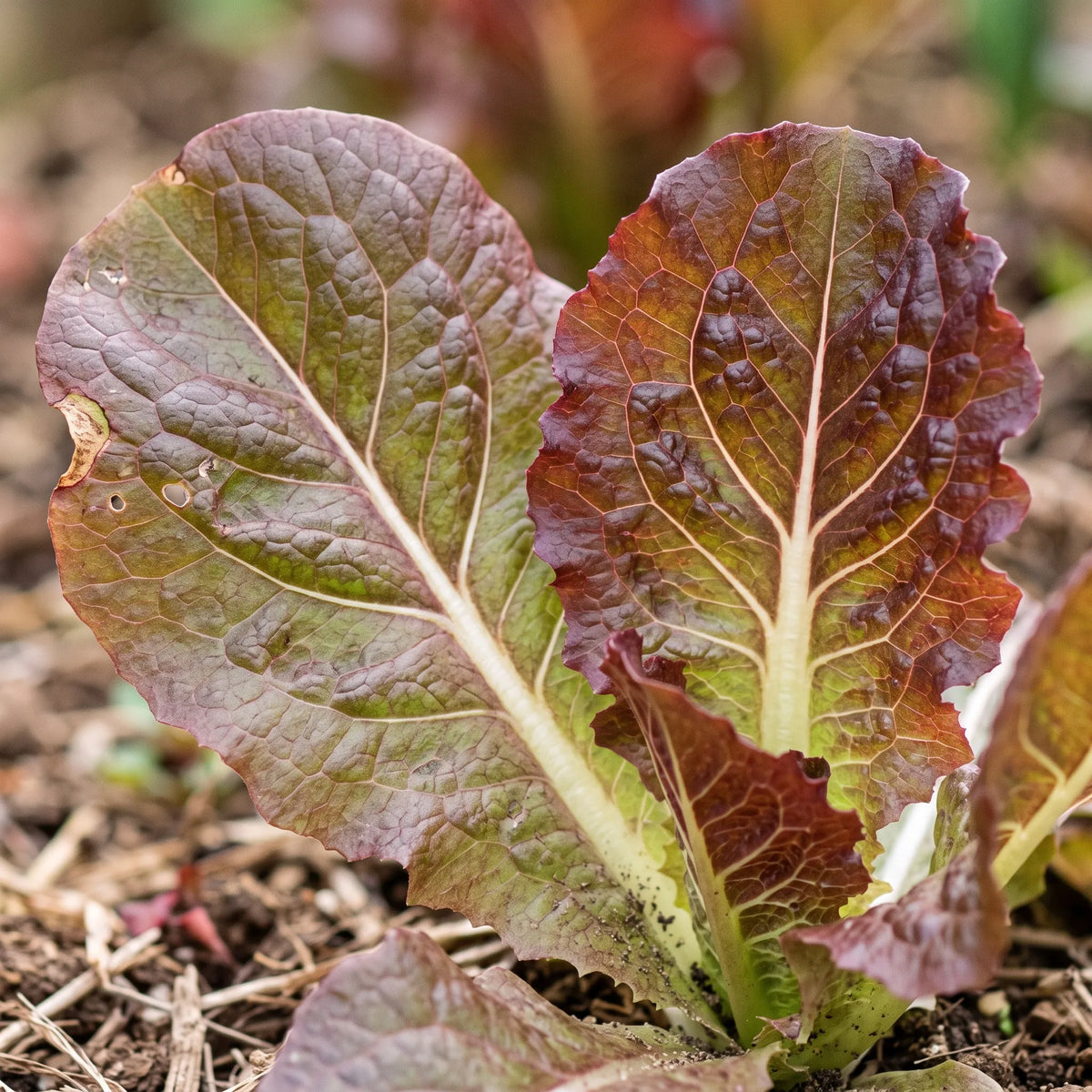
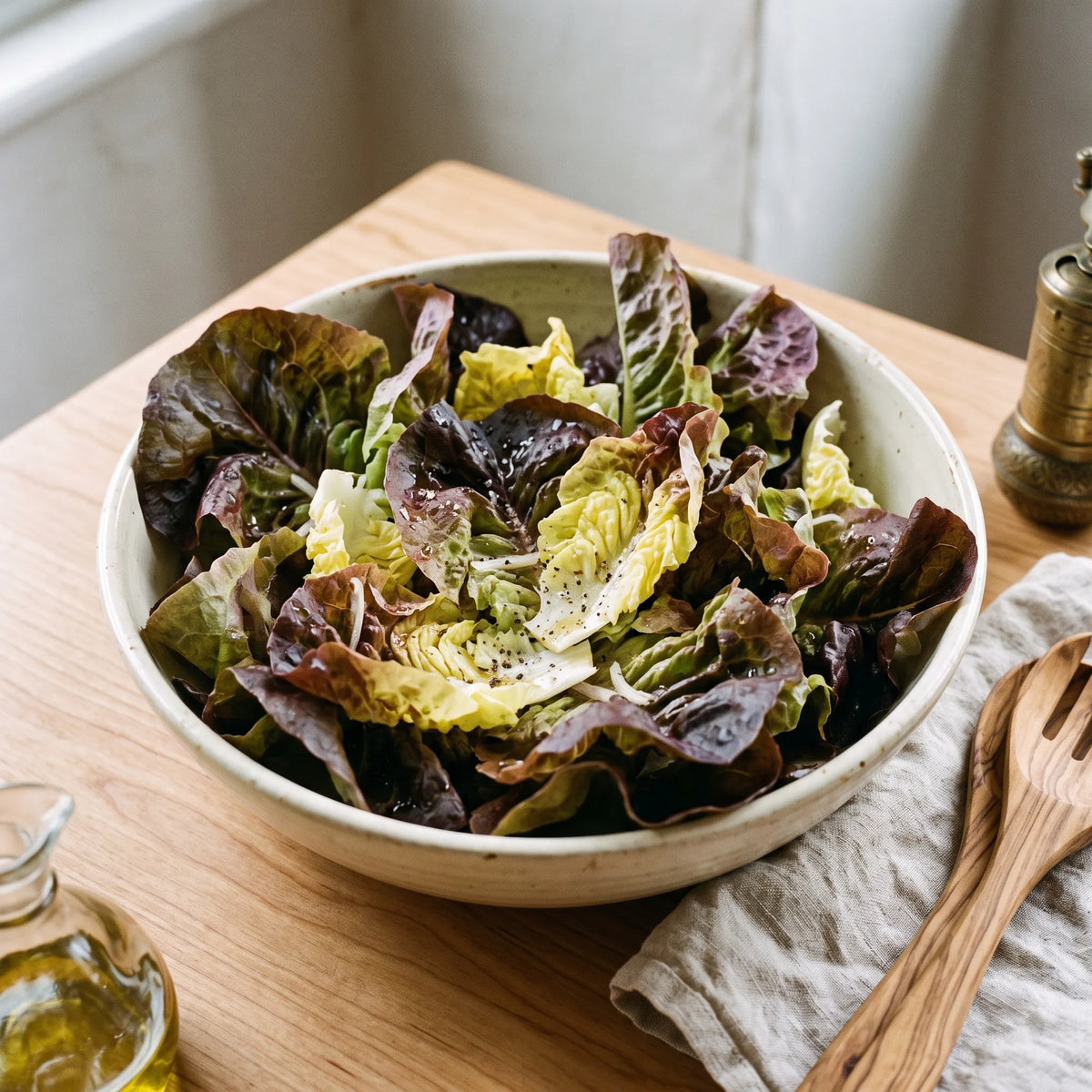
Marvel of Four Seasons lettuce, Four Seasons Marvel, red-headed lettuce: this French variety from the 19th century lives up to its name — it can be sown from spring through autumn, whereas most lettuces are limited to a single season. Its bronze-red outer leaves surround a tender, crisp golden heart, a contrast that gives it all its charm in a salad bowl.
Characteristics:
-
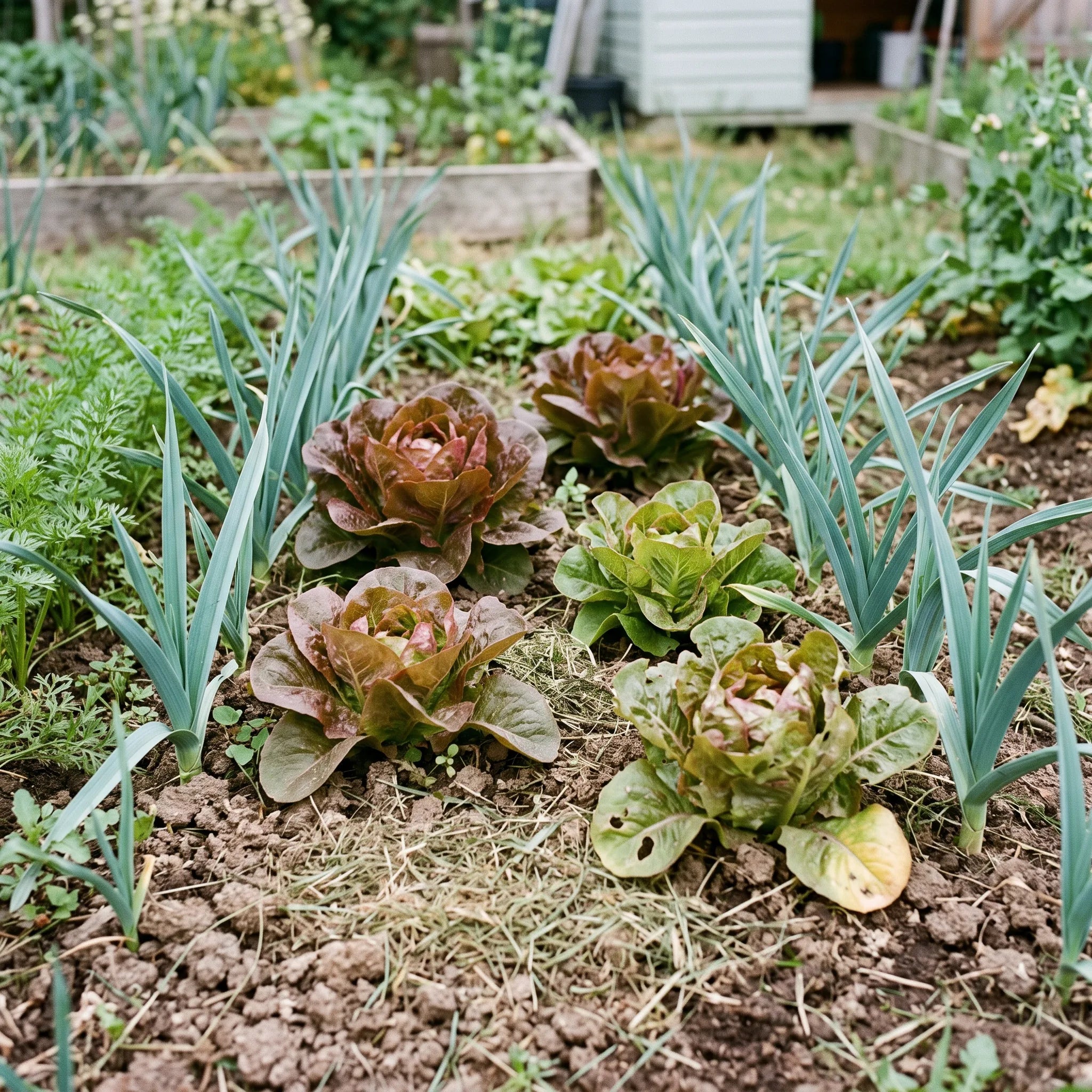
Two-tone foliage: bronze-red outer leaves and a tender, crisp golden heart.
-
Versatile variety: staggered sowings from March to September, hence its name.
-
Heritage variety: developed in the 19th century, it has never disappeared from vegetable gardens.
-
Good cold resistance: it tolerates the cool temperatures at the beginning and end of the season.
Sowing advice:
-
Exposure: sunny in spring and autumn, partial shade in midsummer. Like all lettuces, heat combined with long days triggers bolting.
-
Soil: cool, loose, humus-rich and well drained. Adding compost is beneficial. A decisive point: the soil must remain consistently moist — even brief drying causes the lettuce to bolt and turn bitter.
-
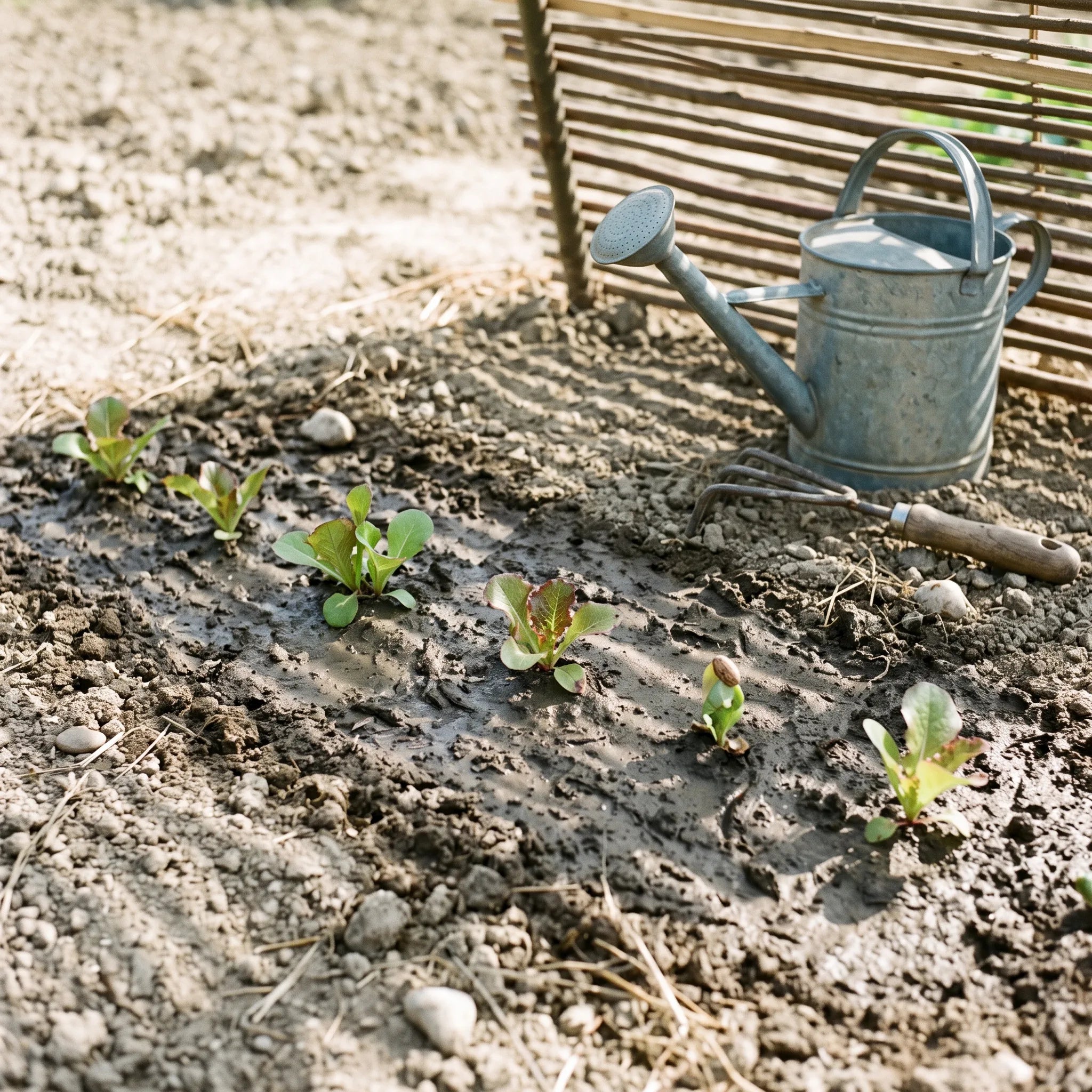
Method: sow barely covered, as the seeds need light to germinate. Stagger sowings from March to September every two weeks, directly in the ground, under a cold frame or in a tunnel. Warning: above 25 °C, lettuce seeds enter dormancy and no longer germinate — sow in the shade or at the end of the day in midsummer. See how to sow your seeds.
Planting advice:
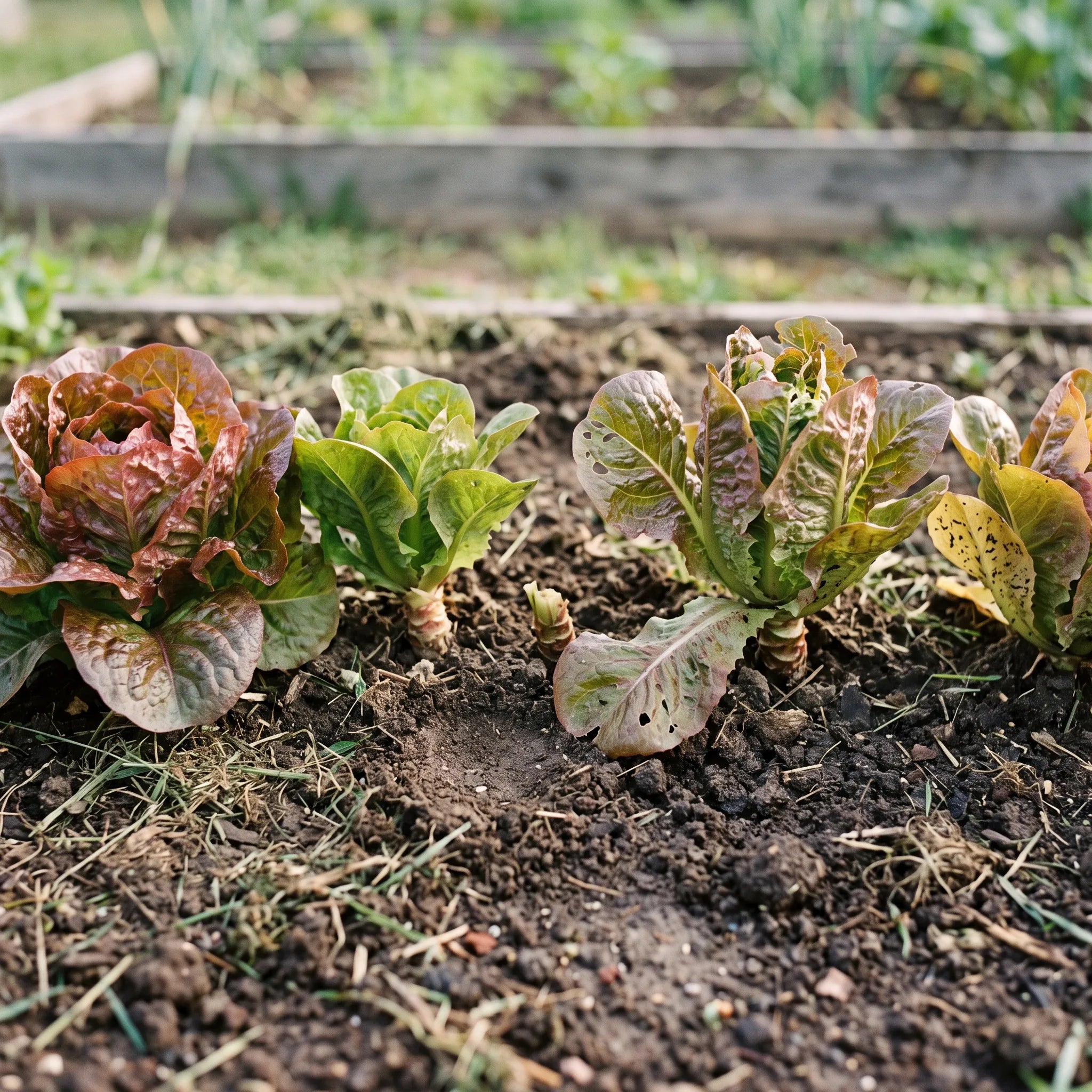
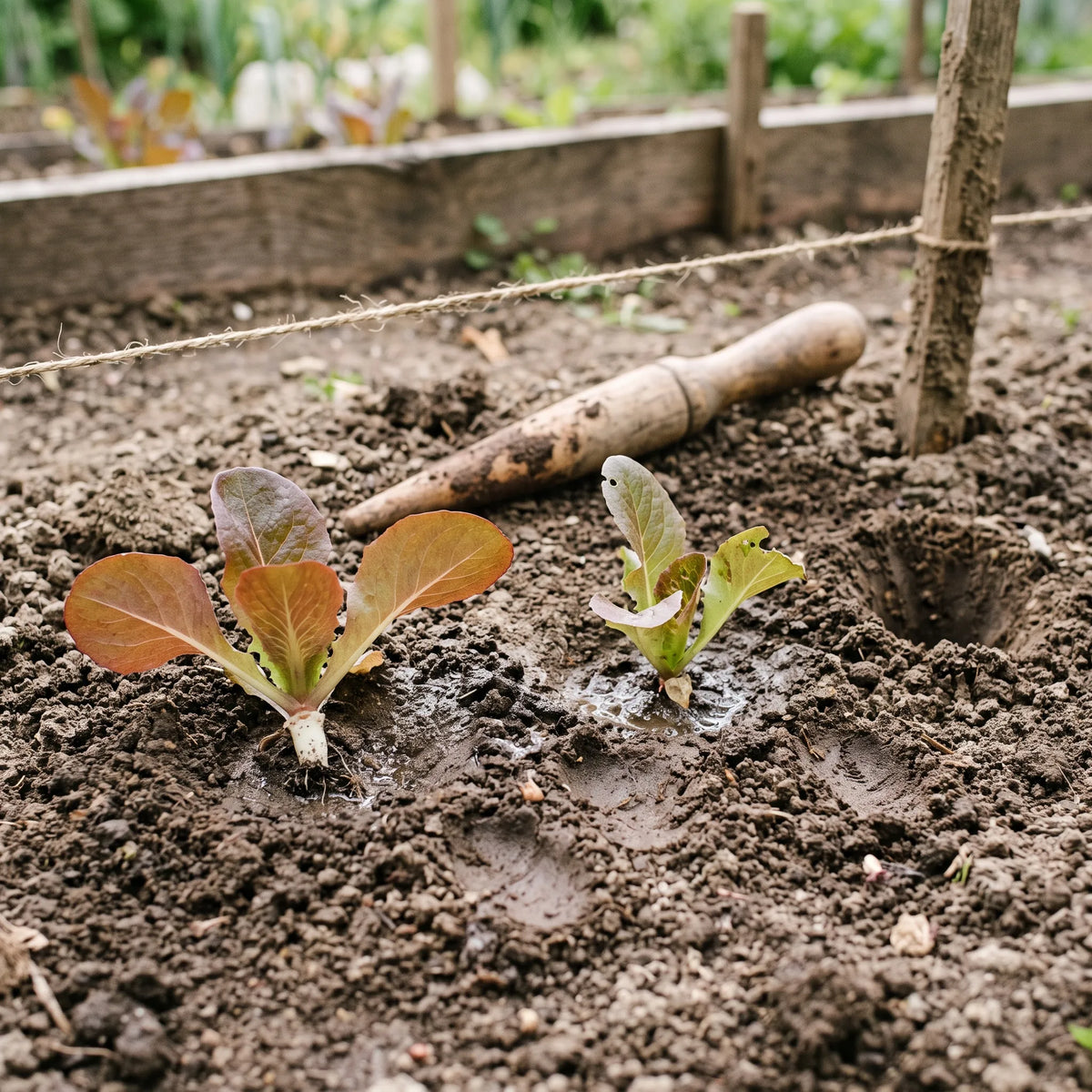
- Transplant at the 4- or 5-leaf stage, spacing plants 30 cm apart, without burying the crown: this is the main cause of rot in young lettuces.
Care advice:
- Water regularly at the base, preferably in the morning, without wetting the foliage.
- Hoe lightly and mulch to retain soil moisture.
Harvesting advice:
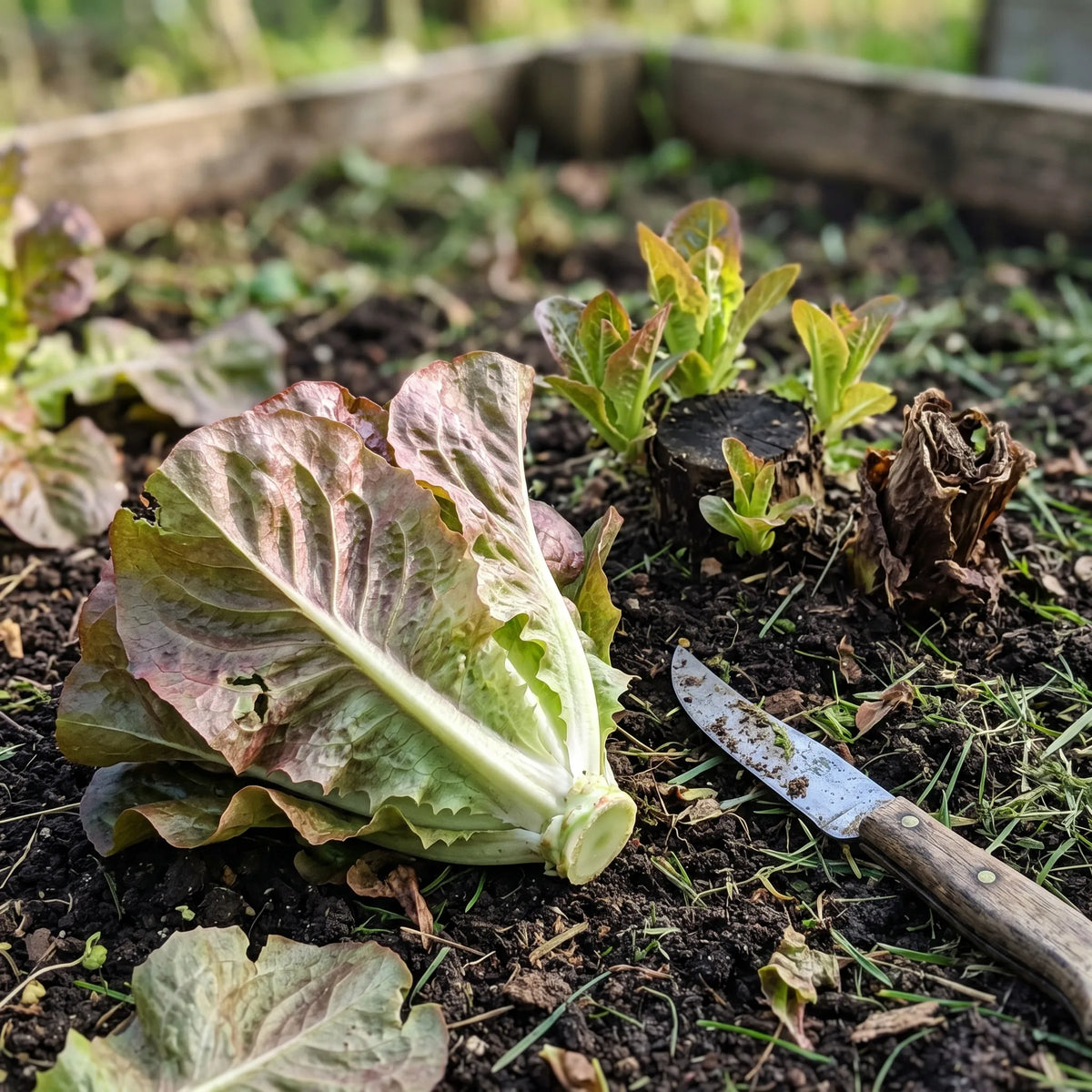
- Harvest the whole head by cutting it at ground level as soon as it is well formed. Do not wait: a lettuce that is beginning to rise in the center is about to bolt and will become bitter.
- Tip: leave the stump in the ground; it often produces a few tender regrowths.
Beneficial pairings:
Benefits for biodiversity:
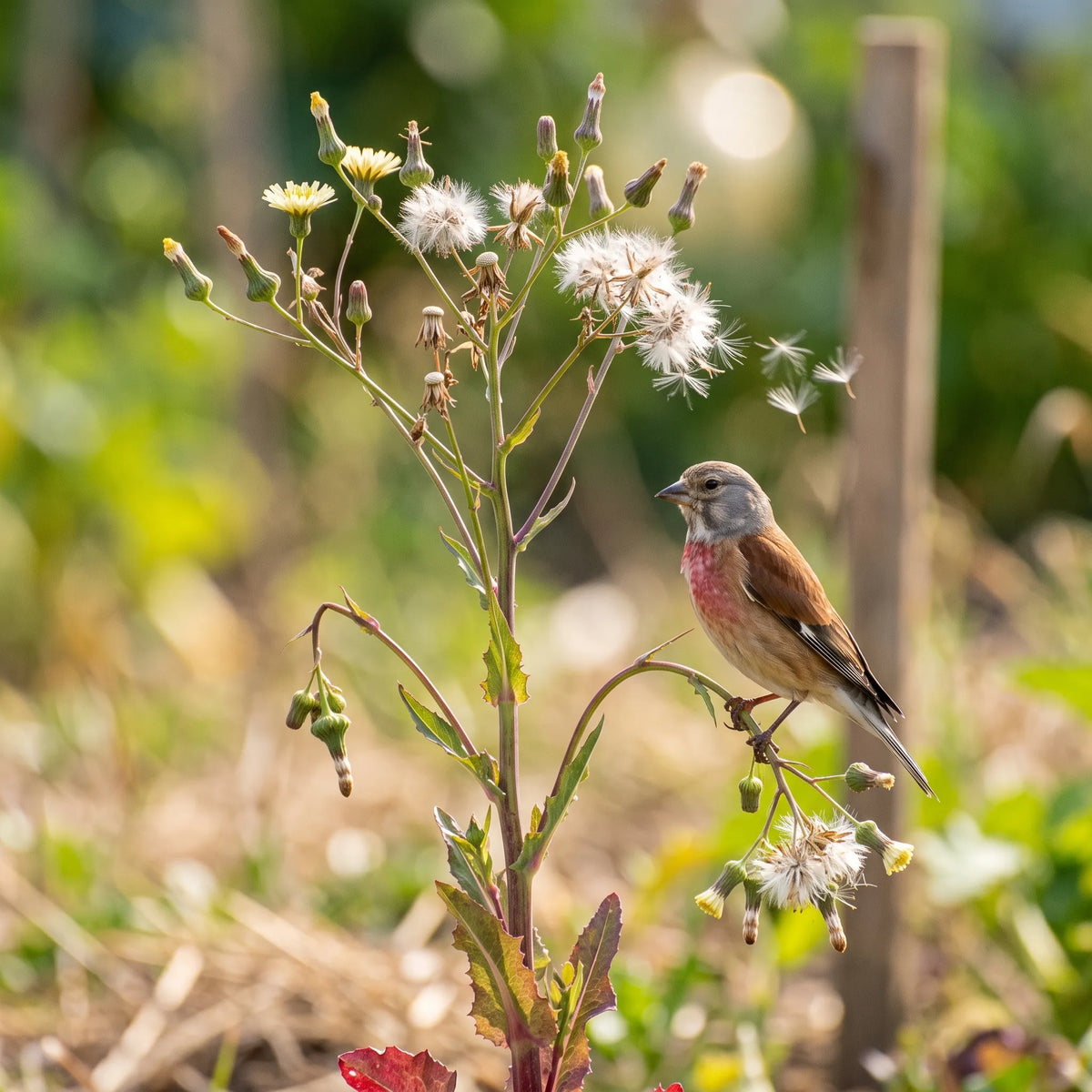
- Let one plant bolt at the end of the season: its small yellow flowers are visited by hoverflies and solitary bees, and its seeds feed goldfinches.
- Its rapid growth helps keep the soil covered between two main crops.
Uses:
- Raw in salads, sandwiches or wraps. The firmer outer leaves can also be cooked: braised, in a velouté or à la française with peas.
Harvesting your own seeds:
Let a strong plant go to seed: it produces a tall flower stalk, followed by achenes with fluffy tufts. Harvest them as they ripen, as maturity is staggered. Since lettuce is self-pollinating, the risk of cross-pollination is low — it is one of the simplest species for beginners producing their own seeds. See how to store your seeds.
Commitment to Quality: at SemiSauvage - Permaculture, we grow and select our seeds with respect for all living things as our guiding principle. Based near the Auvergne Volcanoes, we choose reproducible, non-hybrid varieties, test them for germination rates, and carefully sort and package them, without any chemical treatment. Our belief: to give gardeners back the ability to resow, year after year, seeds that truly belong to them.
An heirloom two-tone variety, suitable for sowing almost all year round.