Cichorium intybus
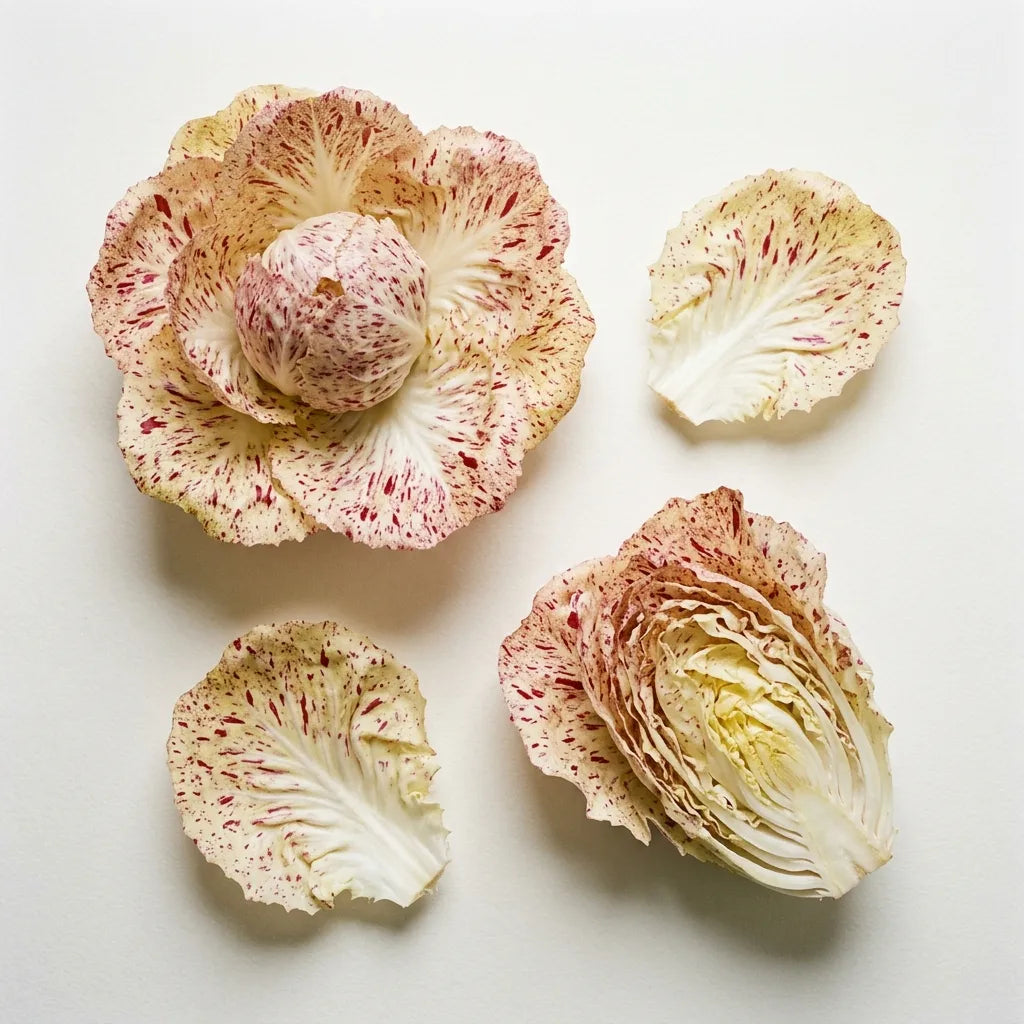
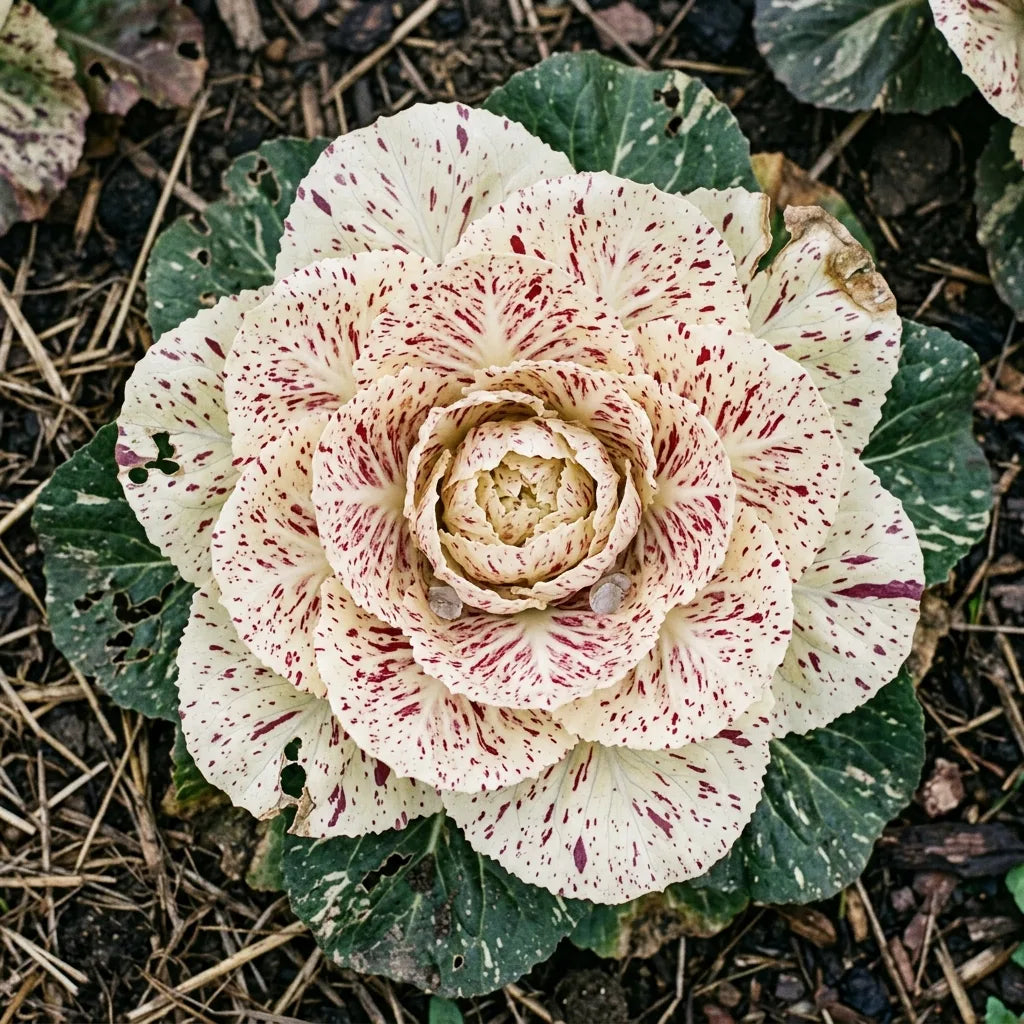
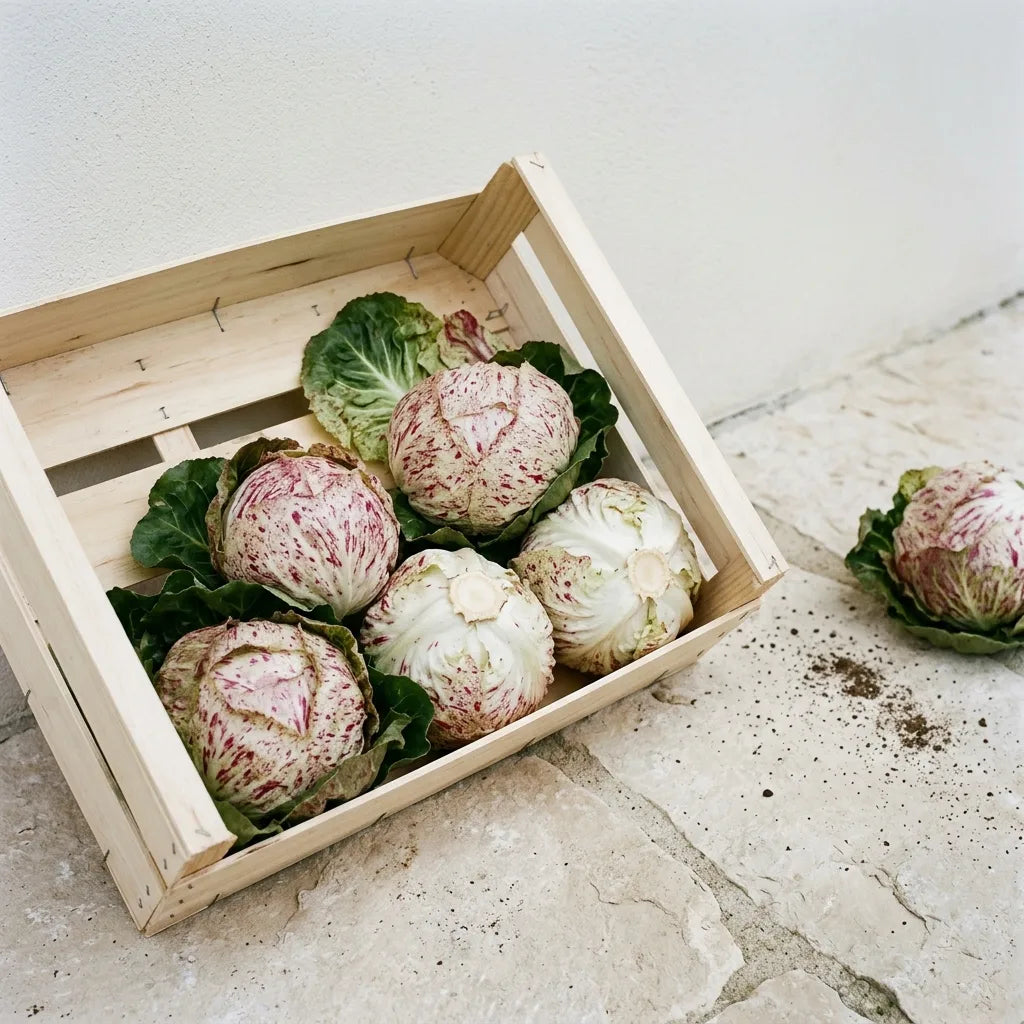
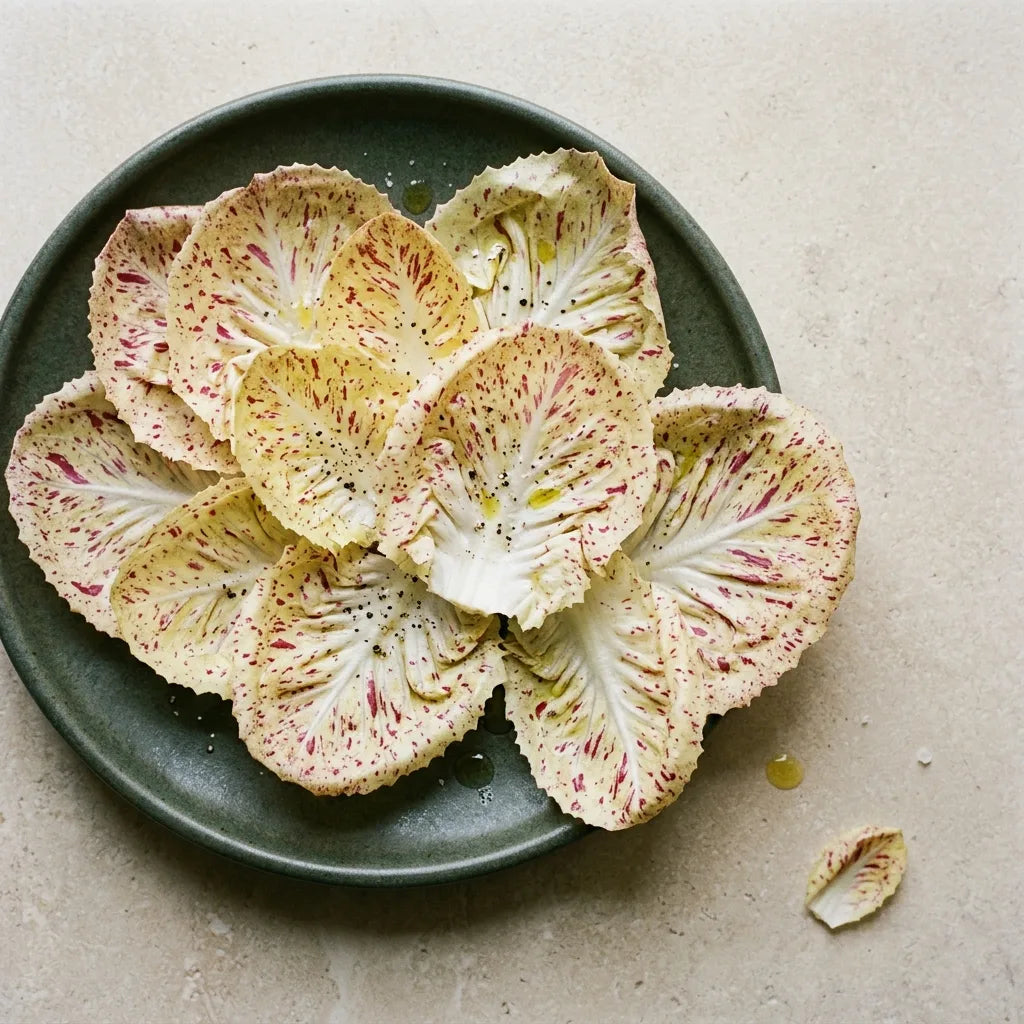
Castelfranco chicory, variegated Castelfranco radicchio, Castelfranco rose: originally from Veneto, this Italian variety is nicknamed “the edible flower.” Its open head, creamy white marbled with red and violet, does indeed resemble a blooming rose—and its colors only fully reveal themselves after the first frosts.
Characteristics:
-
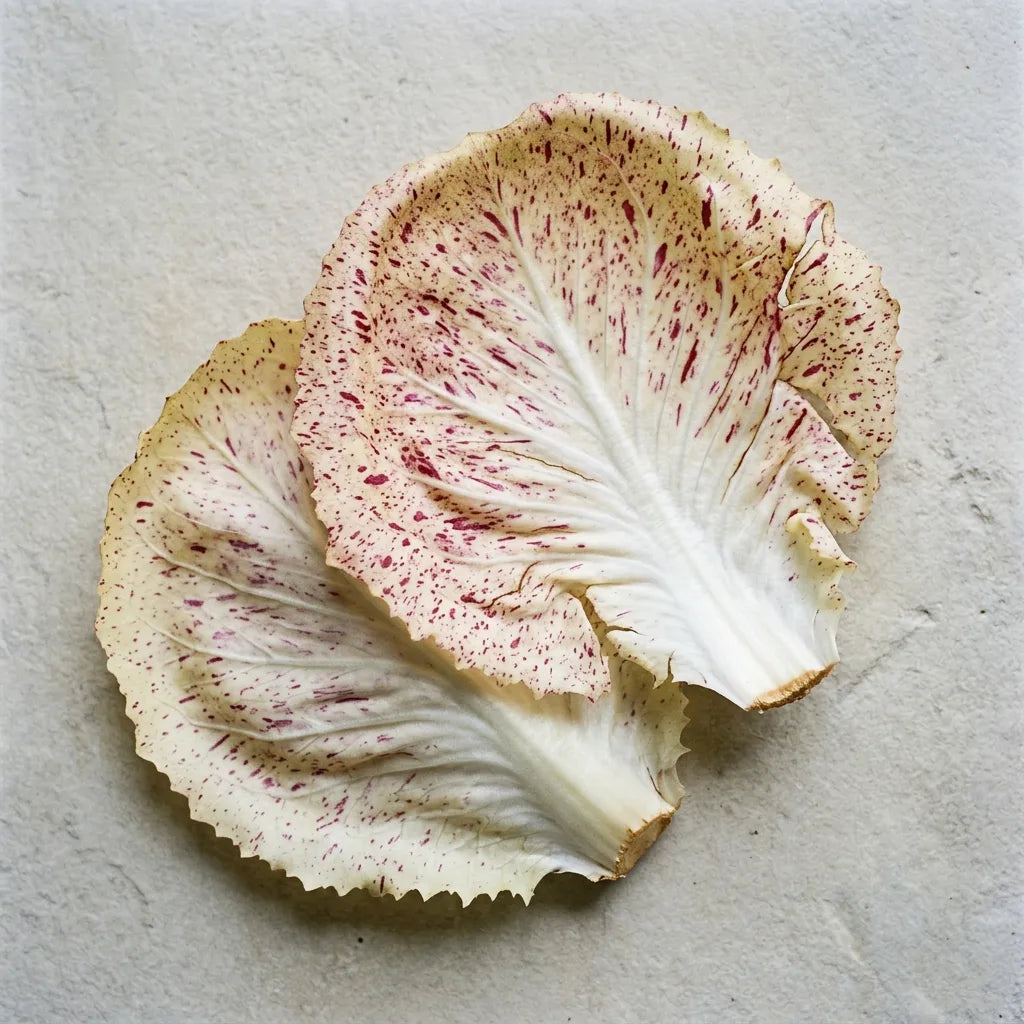
Spectacular foliage: creamy white, streaked and marbled with red and light violet, forming a round, open head.
-
Late variety: harvested at the end of the season, when the vegetable garden has emptied.
-
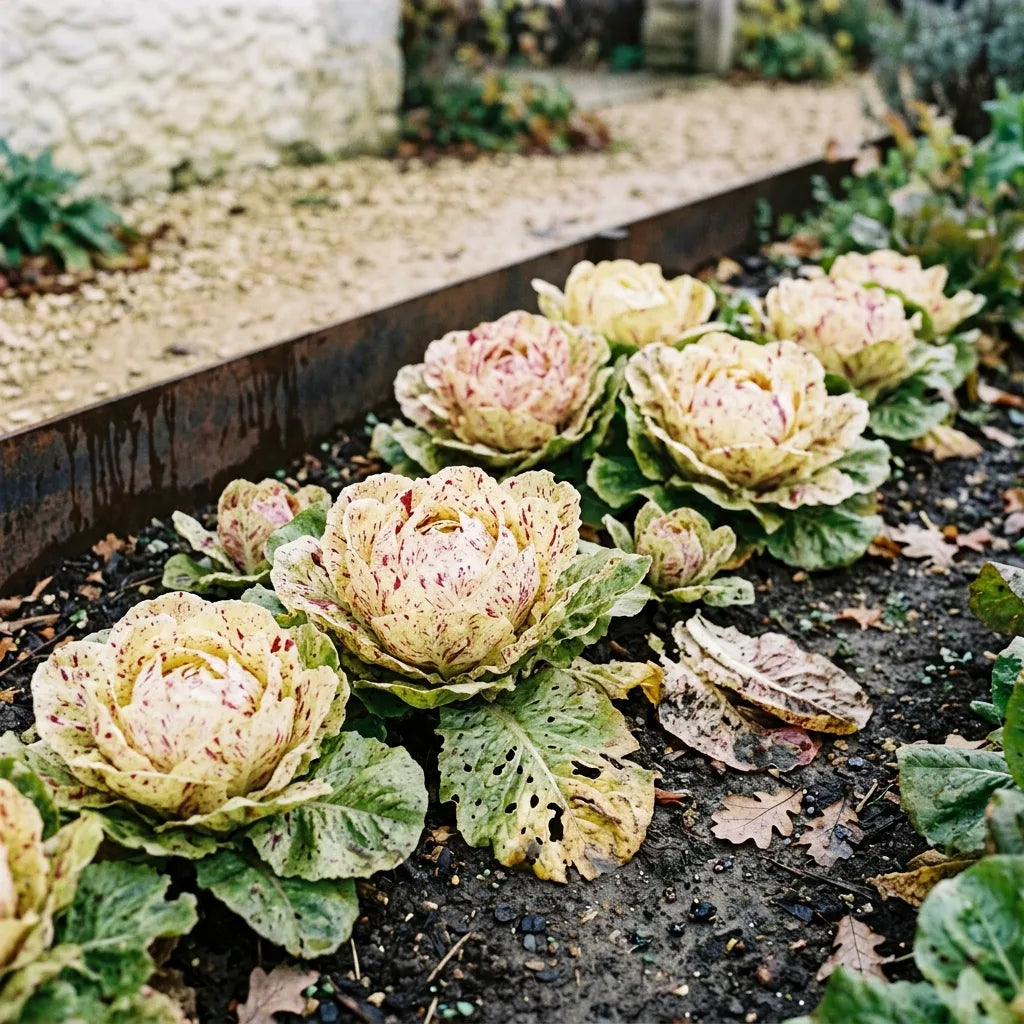
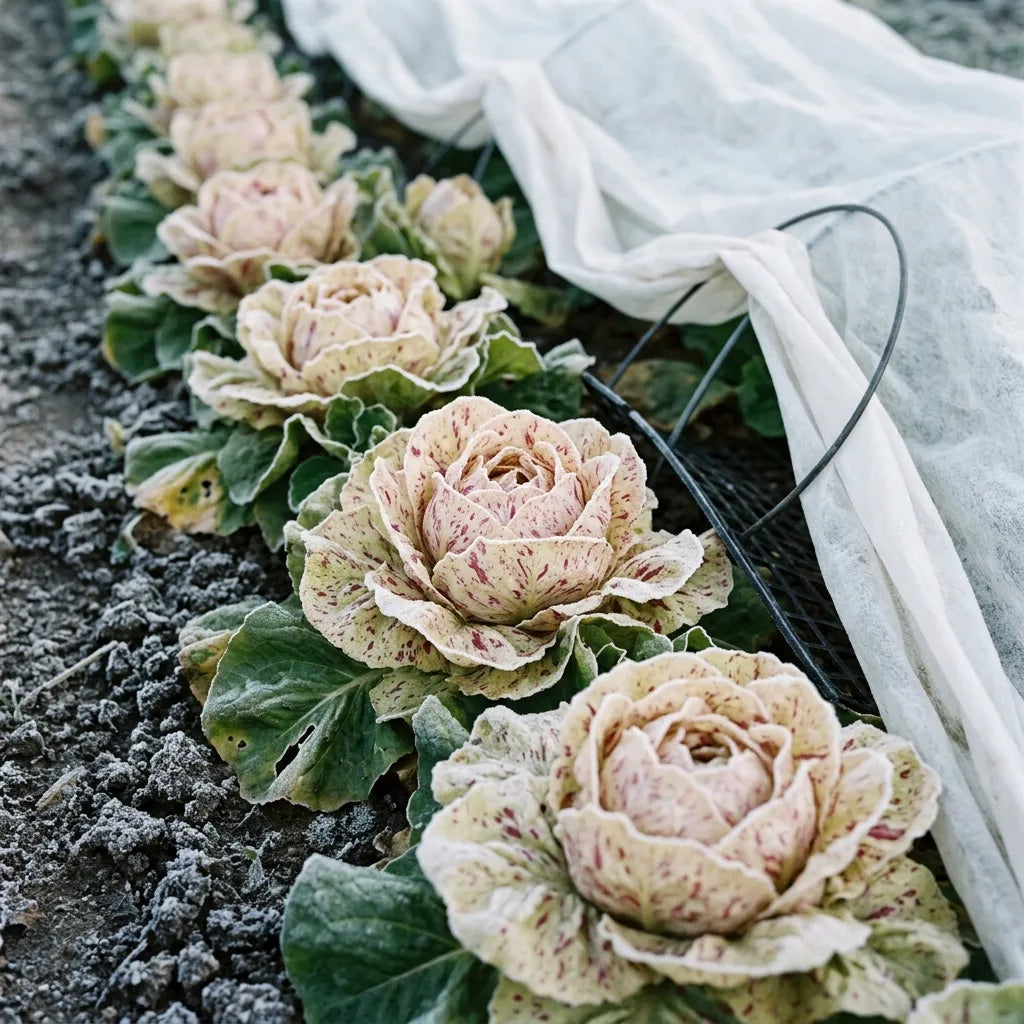
Very cold-hardy: it remains vigorous through frosts, which even improve its appearance.
-
Delicate bitterness: milder than other radicchios, it is excellent raw.
Sowing advice:
-
Exposure: sunny.
-
Soil: deep, loose, cool and well drained. It does not need very rich soil, but its long taproot benefits from deeply worked earth. Avoid standing water, which causes the heart to rot.
-
Method: sow from May to September, directly in place—its taproot does not tolerate transplanting well. Sow 1 cm deep, in rows spaced 30 cm apart. See how to sow your seeds.
Care advice:
- Thin to 25–30 cm apart. Water regularly to keep the soil cool, without excess standing water.
-
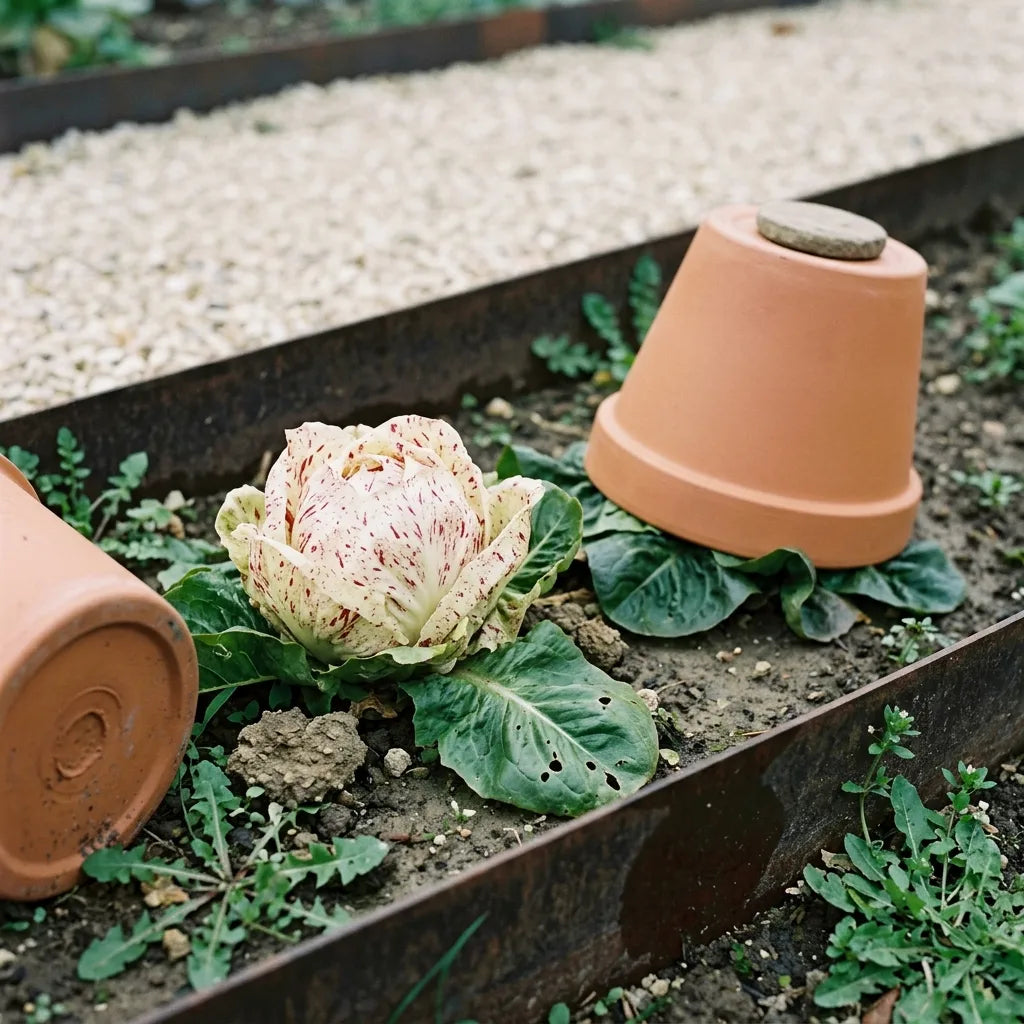
The step that reveals the variety: two to three weeks before harvesting, tie the outer leaves together or cover the head with an opaque pot. Deprived of light, the inner leaves blanch, lose their bitterness and reveal their red and violet marbling.
Harvesting advice:
- Harvest late, after the first light frosts: they soften the bitterness and intensify the colors. Cut the head at the crown.
- The plants can remain in the ground for much of the winter, protected with fleece in case of severe frost.
Beneficial combinations:
Benefits for biodiversity:
- Its winter presence maintains plant cover where the soil would otherwise be bare, protecting the soil and microfauna.
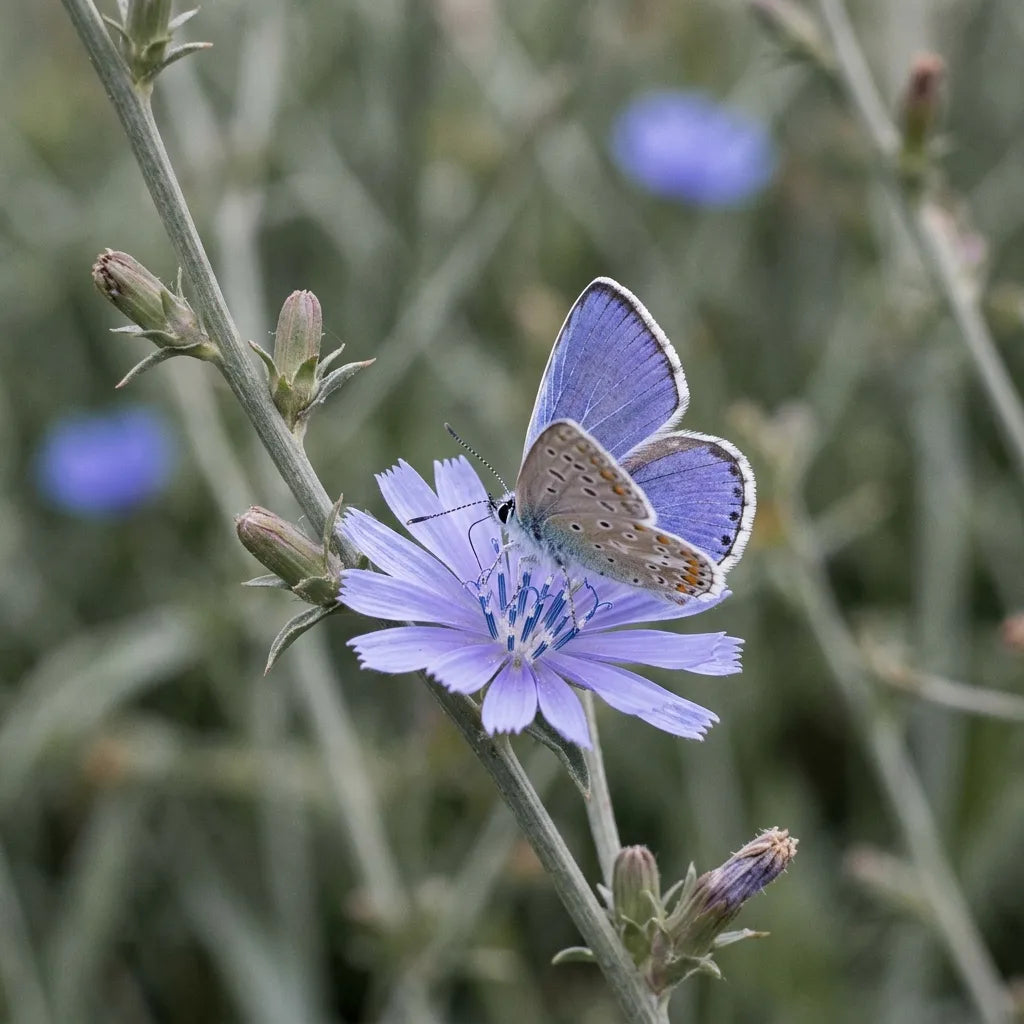
- If allowed to flower in its second year, it produces the characteristic blue flowers of chicories, which are frequently visited by solitary bees.
Uses:
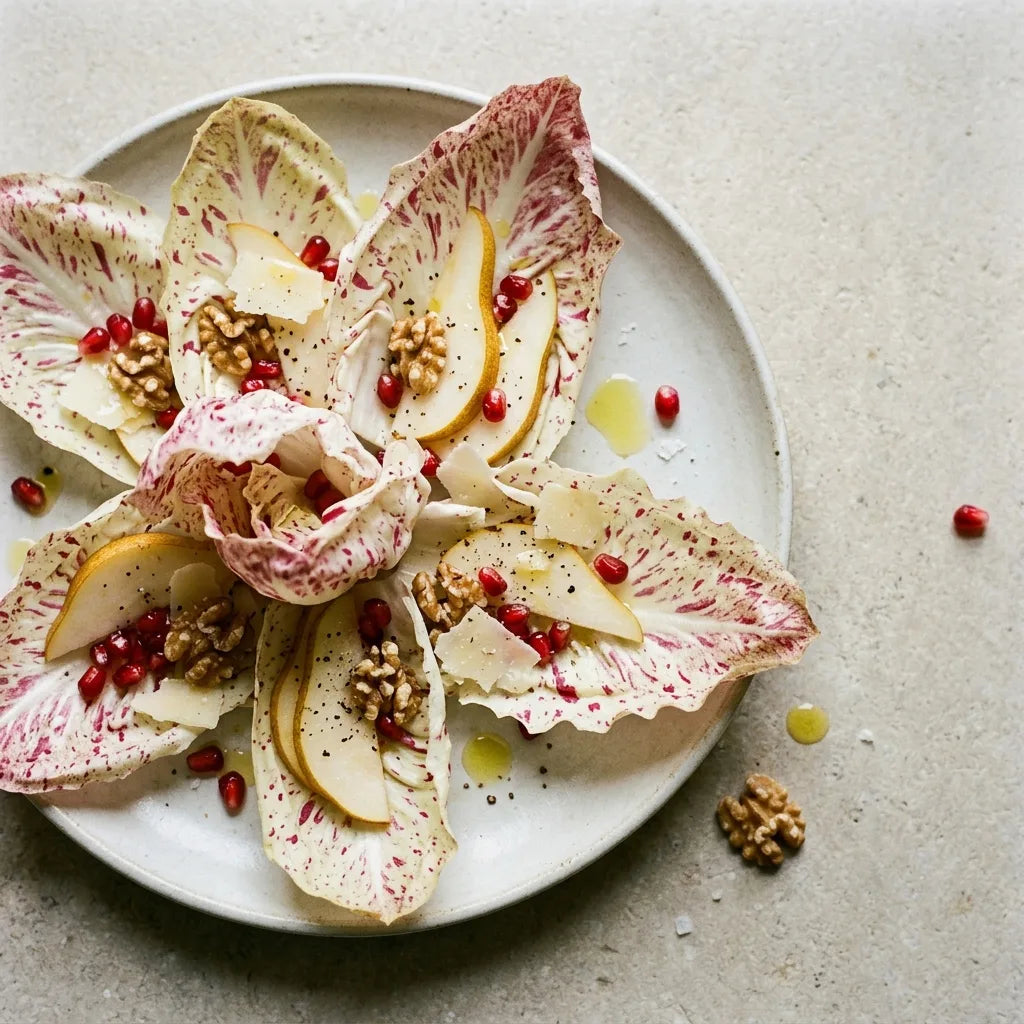
- Raw in salads, where its marbling creates a striking effect; grilled or pan-fried in the Italian style, in risotto, or braised with a drizzle of balsamic vinegar to balance its bitterness.
Harvesting your own seeds:
Leave one plant to overwinter: it will produce blue flowers the following spring, then form achenes that can be harvested when dry. Caution: chicories cross easily with one another, so isolate your seed plant. See saving your seeds.
Commitment to Quality: at SemiSauvage - Permaculture, we grow and select our seeds with respect for all living things as our guiding principle. Based near the Auvergne volcanoes, we choose open-pollinated, non-hybrid varieties, tested for their germination rate, carefully sorted and packaged, with no chemical treatment. Our conviction: to give gardeners back the ability to resow, year after year, seeds that truly belong to them.
The most beautiful winter salad, harvested when the vegetable garden has fallen silent.