Valerianella locusta
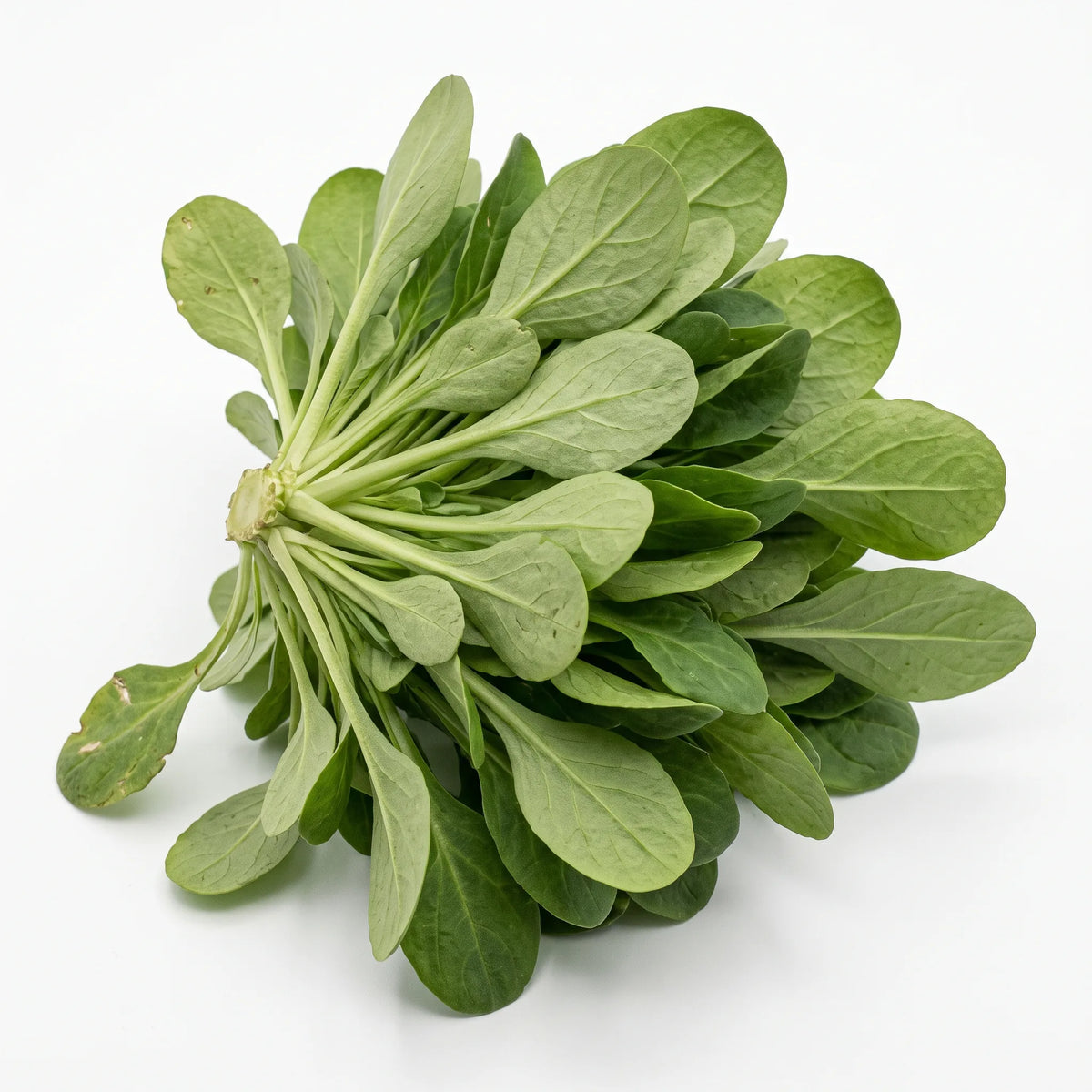
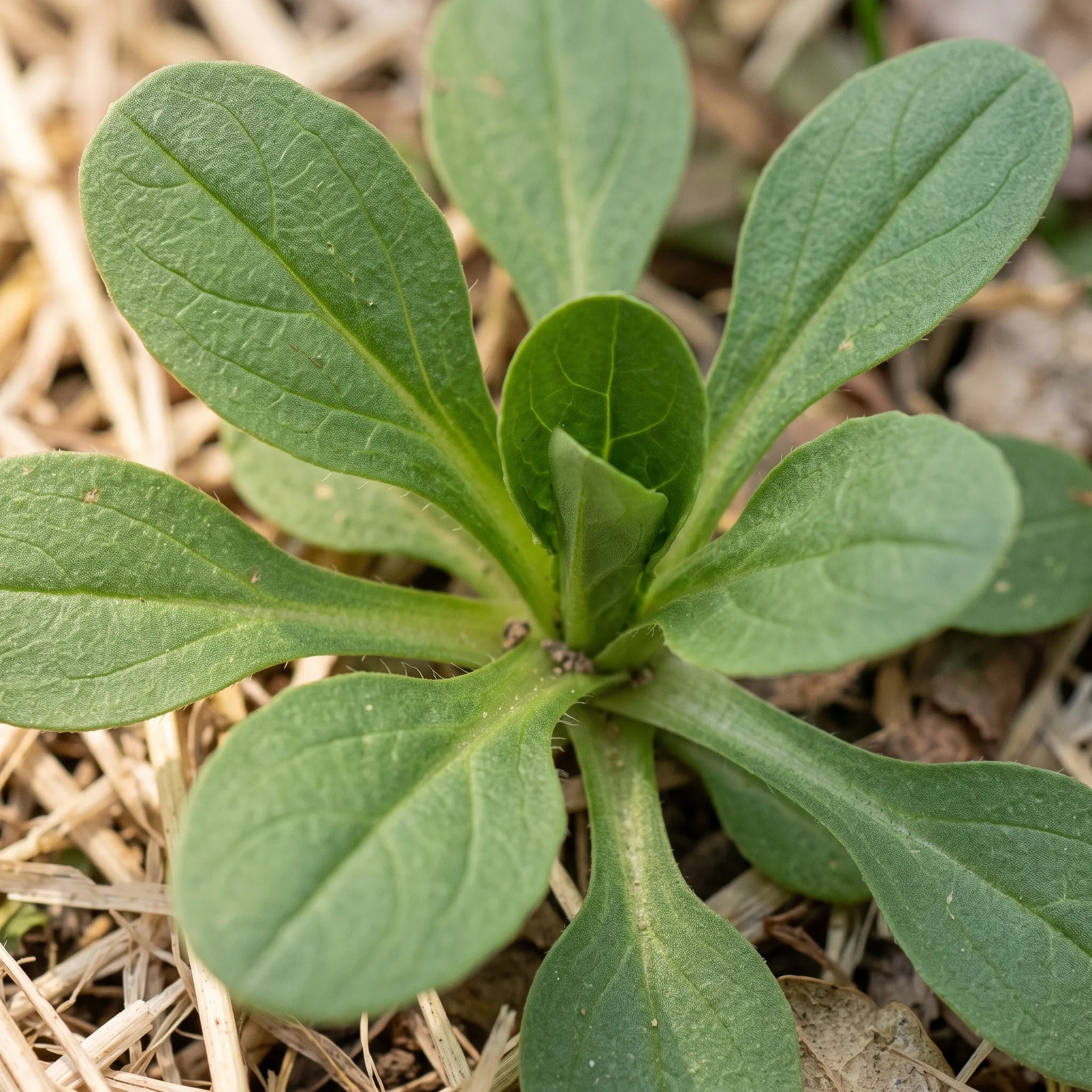
Green Cambrai lamb’s lettuce, corn salad, mâche, field salad, lamb’s lettuce: the latter name, “corn salad,” comes from its former habit of growing spontaneously in stubble fields after the harvest. It is the ultimate winter salad, growing when nothing else does — and one of the few plants content with barely worked soil.
Characteristics:
-
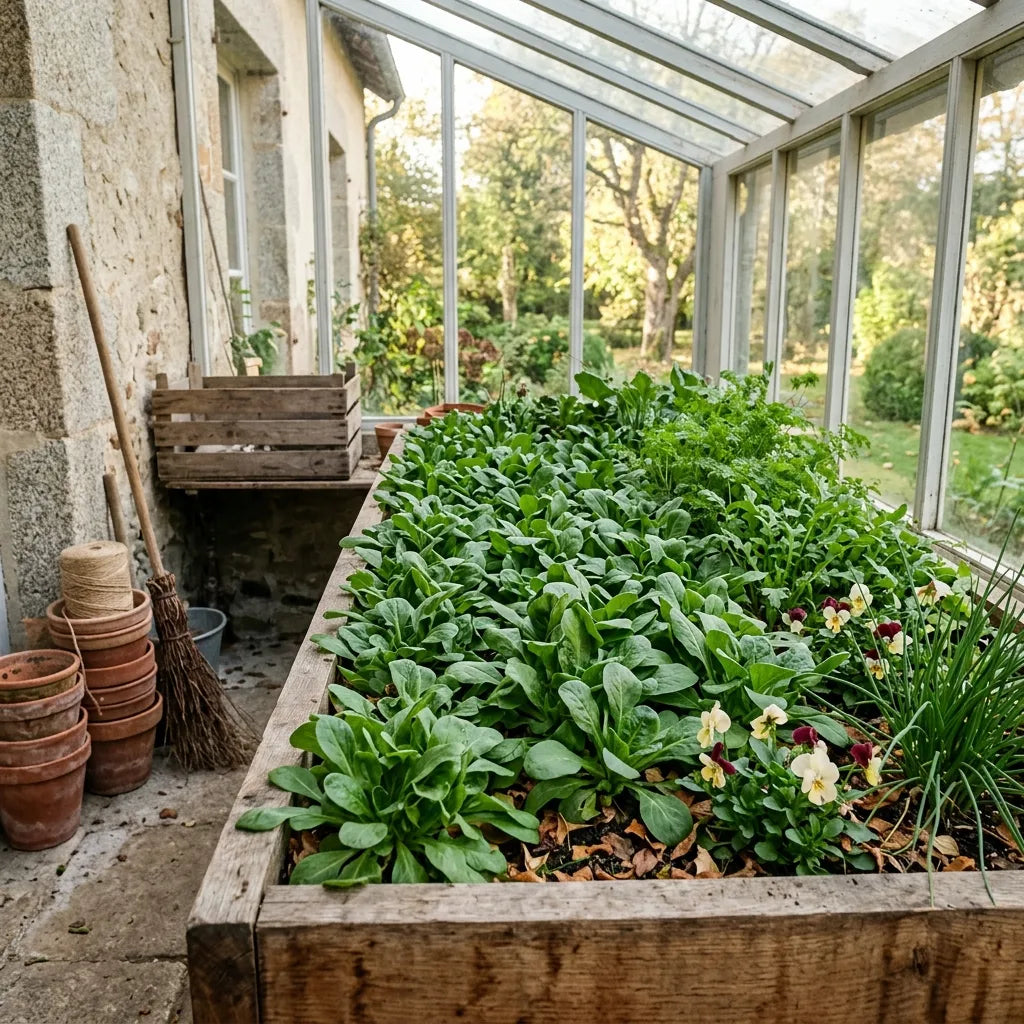
Winter salad: harvested from October to March, when the vegetable garden is empty.
-
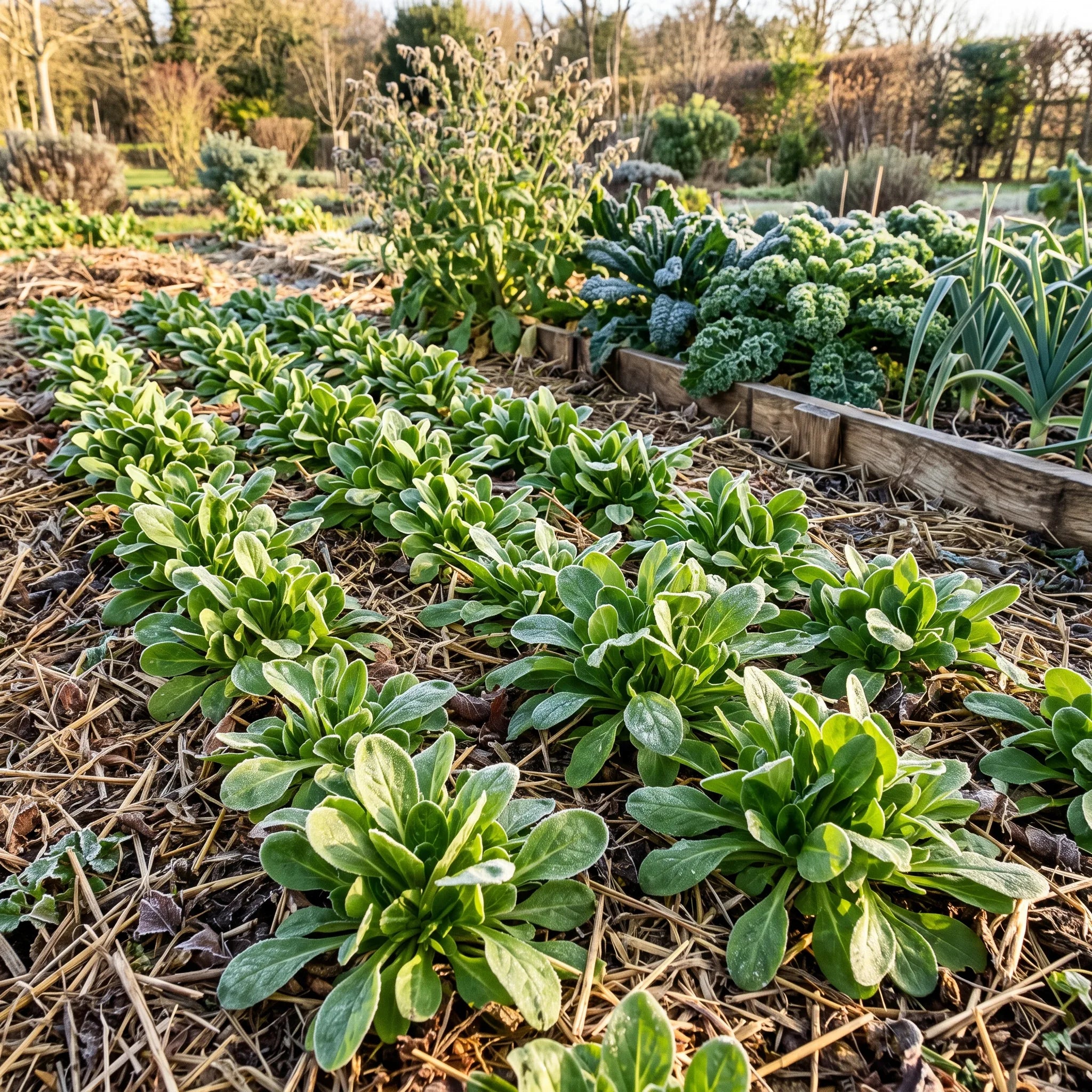
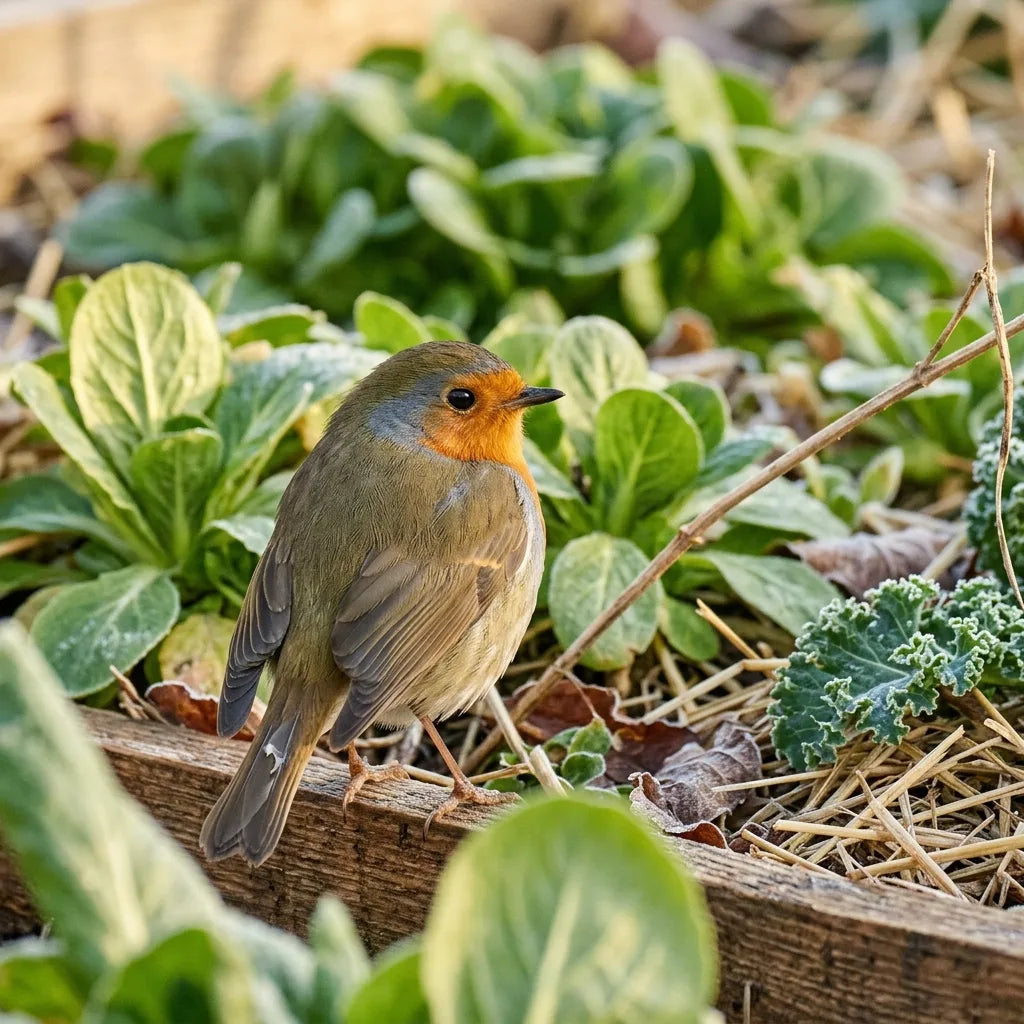
Very hardy: withstands frost without protection and regrows after severe freezes.
-
Mild flavor: delicate, slightly nutty taste and a characteristically tender texture.
-
Undemanding: grows in lightly worked soil and requires very little maintenance.
Sowing advice:
-
Exposure: full sun to partial shade.
-
Soil: ordinary, moist, and above all firm rather than worked. This is its great peculiarity: unlike most vegetables, it dislikes freshly dug soil and prefers ground left firm after a previous crop. No amendment needed.
-
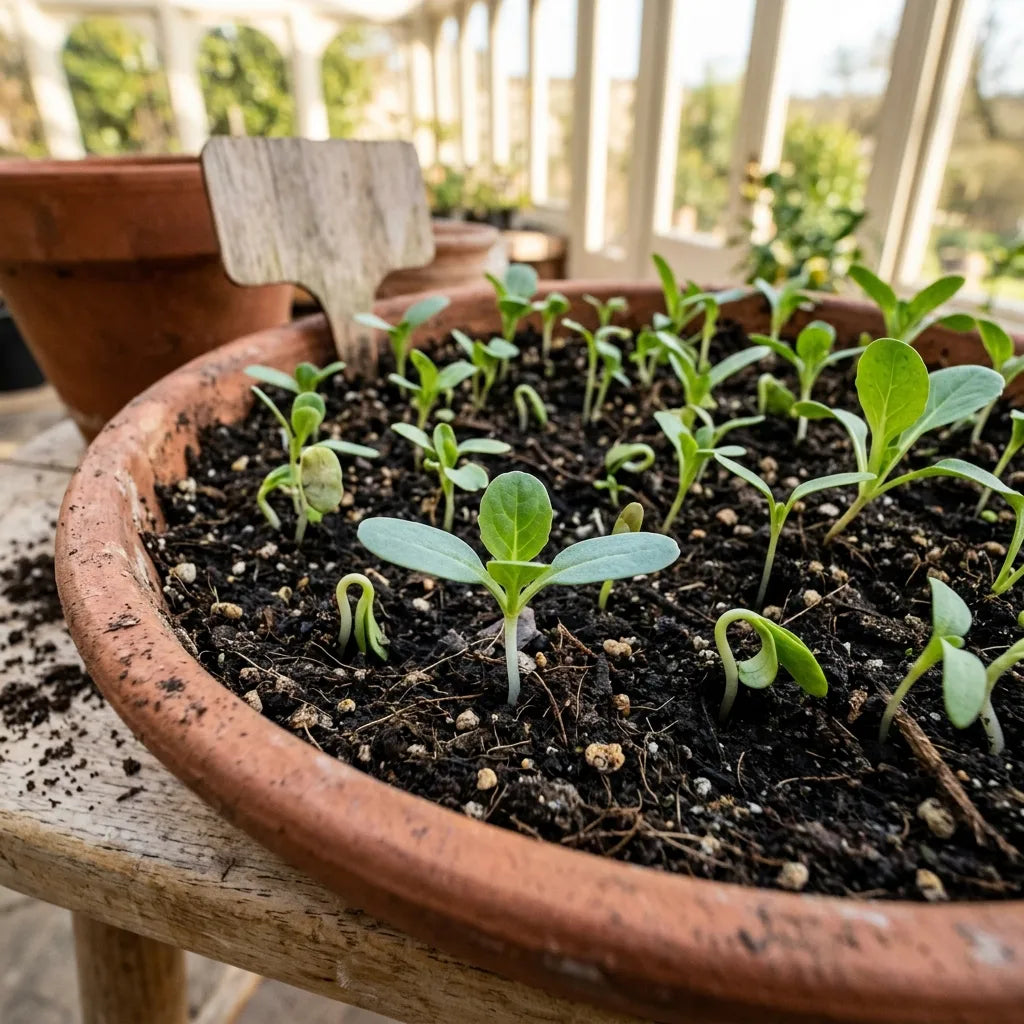
Method: sow from July to September for a winter harvest, broadcasting or in rows 20 cm apart. Firm the soil after sowing — press it down firmly with the back of a rake or a board: this is the decisive step for good germination. Barely cover the seeds and keep them moist. See how to sow your seeds.
Care advice:
- Water with a fine spray until germination, while late summer weather is still warm. After that, there is almost nothing to do.
- No thinning necessary: lamb’s lettuce is grown densely, as a carpet.
Harvesting advice:
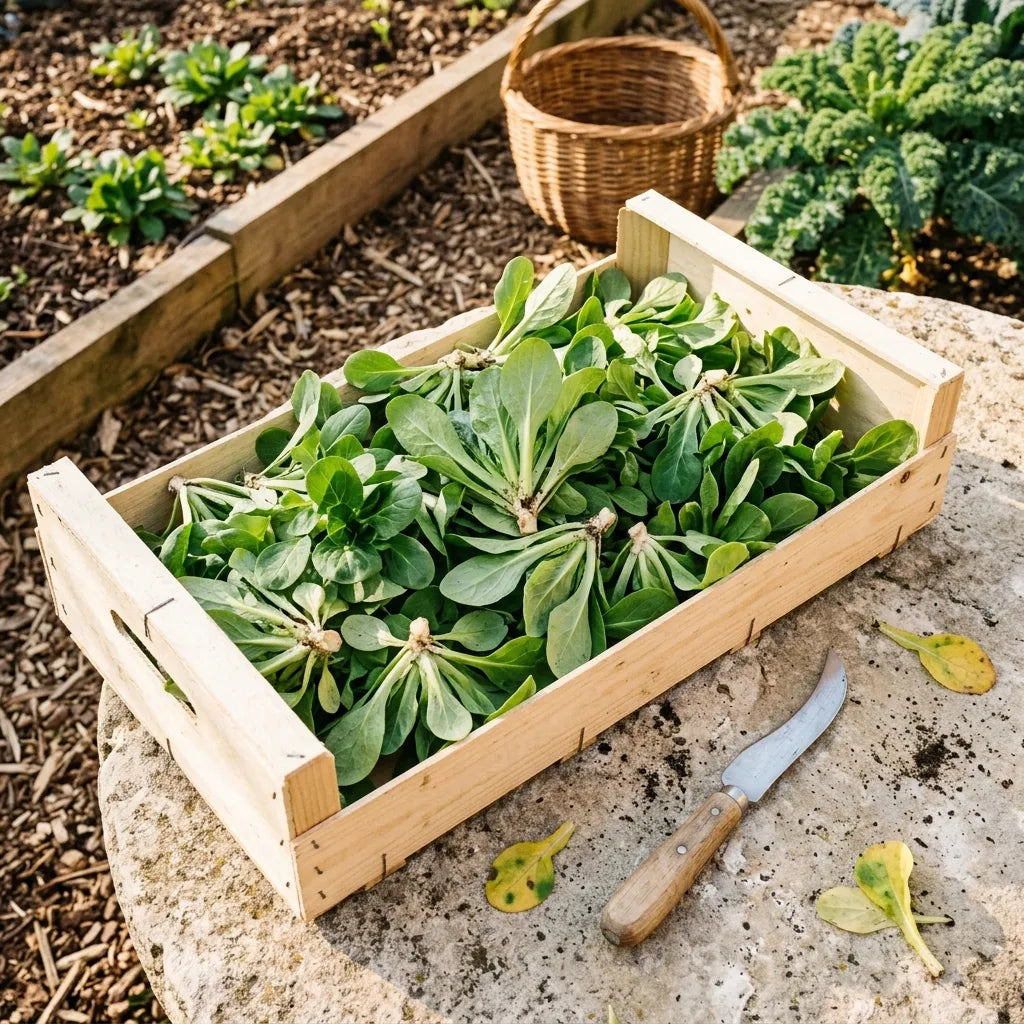
- Cut the whole rosettes at ground level with a knife rather than pulling them up: the soil stays clean and washing is much quicker.
- Harvest as needed: it keeps perfectly well in the ground all winter, even under snow.
Beneficial associations:
Benefits for biodiversity:
- Its dense carpet covers the soil throughout winter, protecting it from leaching, erosion, and frost — a real service to soil life during the harshest season.
- If left to flower in spring, its tiny pale blue flowers are visited by the year’s very first small pollinators.
Uses:
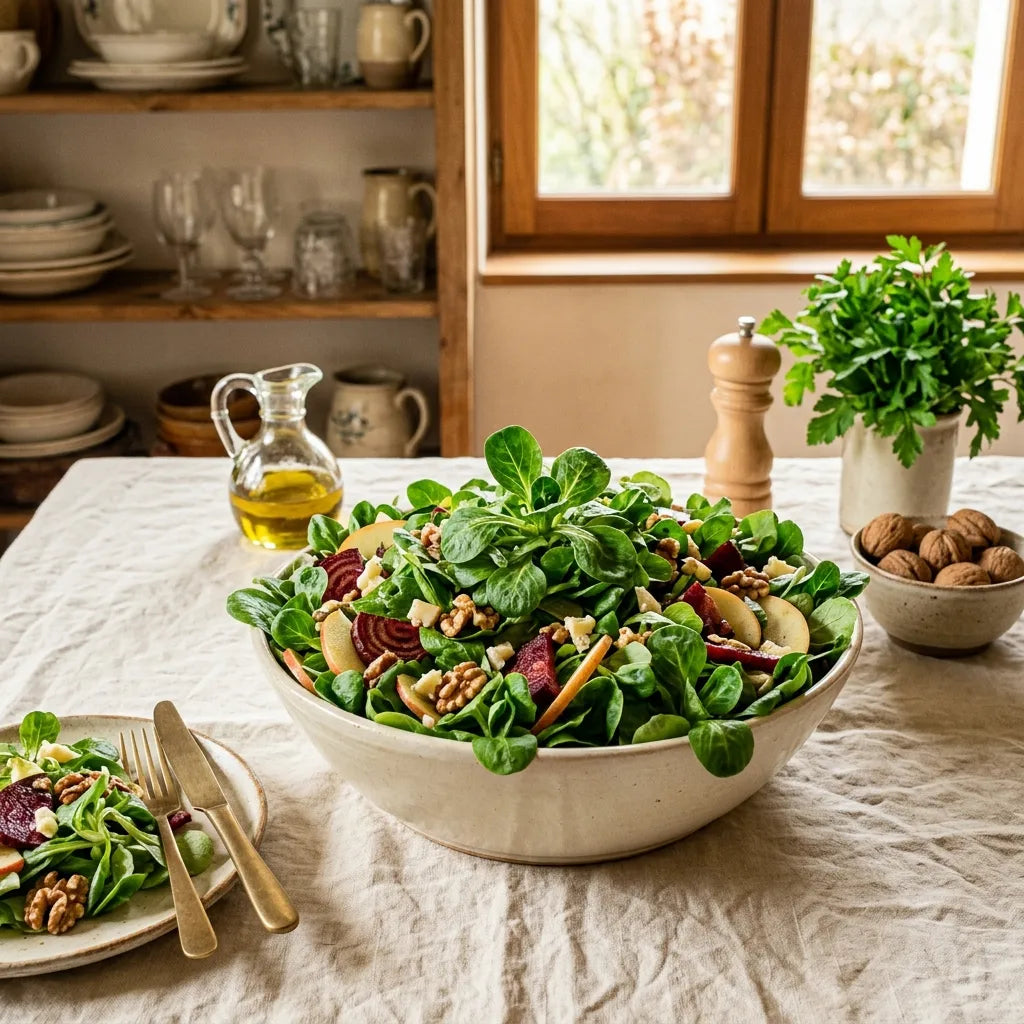
- Raw in salads, alone or with beetroot and walnuts — the classic combination of northern France. It can also be cooked like spinach or made into a velouté. Wash it carefully, as sand lodges in the center of the rosettes.
Harvesting your own seeds:
As a biennial, it goes to seed the following spring: leave a few rosettes to flower, then harvest the stems when the seeds turn brown, before they fall. Lamb’s lettuce also readily self-seeds from one year to the next. See how to save your seeds.
Commitment to Quality: at SemiSauvage - Permaculture, we grow and select our seeds with respect for living things as our guiding principle. Based near the Auvergne volcanoes, we choose open-pollinated, non-hybrid varieties, tested for their germination rate, carefully sorted and packaged, with no chemical treatment. Our belief: to give gardeners back the ability to resow, year after year, seeds that truly belong to them.
The salad that grows when nothing else does.