Lactuca sativa var. capitata
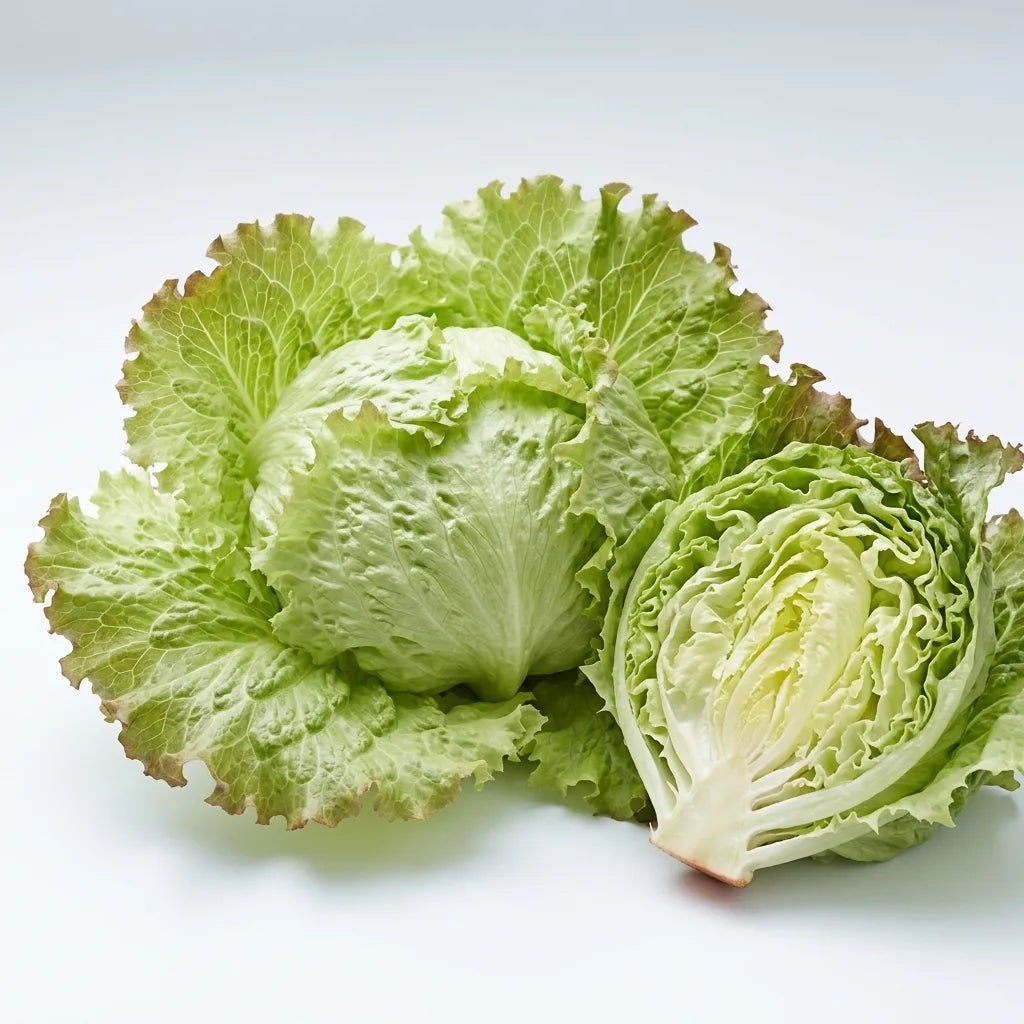
Batavia lettuce, blonde Batavia, crisphead lettuce: halfway between butterhead lettuce and loose-leaf lettuce, it forms a loose head with wavy, blistered leaves. Its greatest asset can be summed up in one word: crunch. Where butterhead lettuces are soft and melting, Batavia lettuce holds its texture when bitten into and stands up better to dressing.
Characteristics:
-
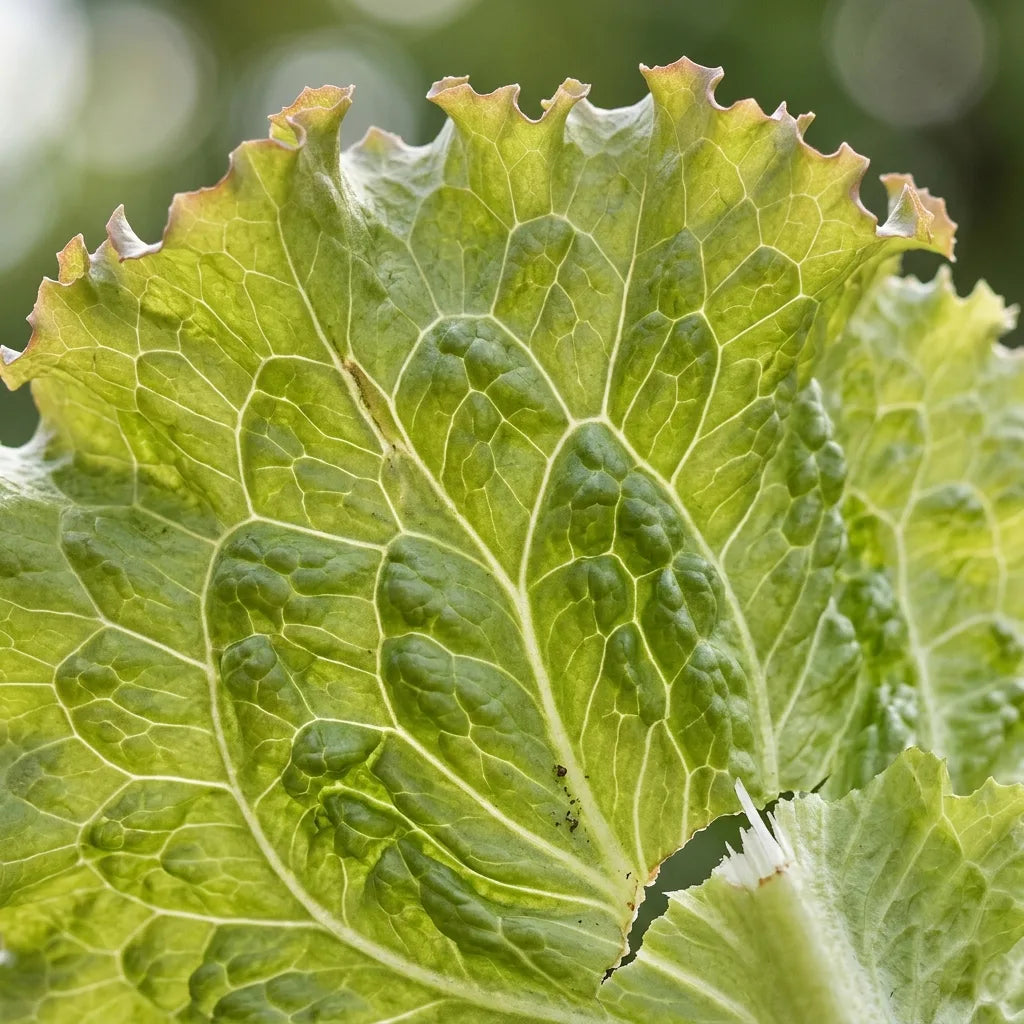
Crunchy foliage: thick, wavy and blistered leaves with a characteristically firm texture.
-
Old variety: a reliable choice for the vegetable garden, valued for its tenderness and good texture.
-
Holds its shape on the plate: it does not immediately wilt once dressed.
-
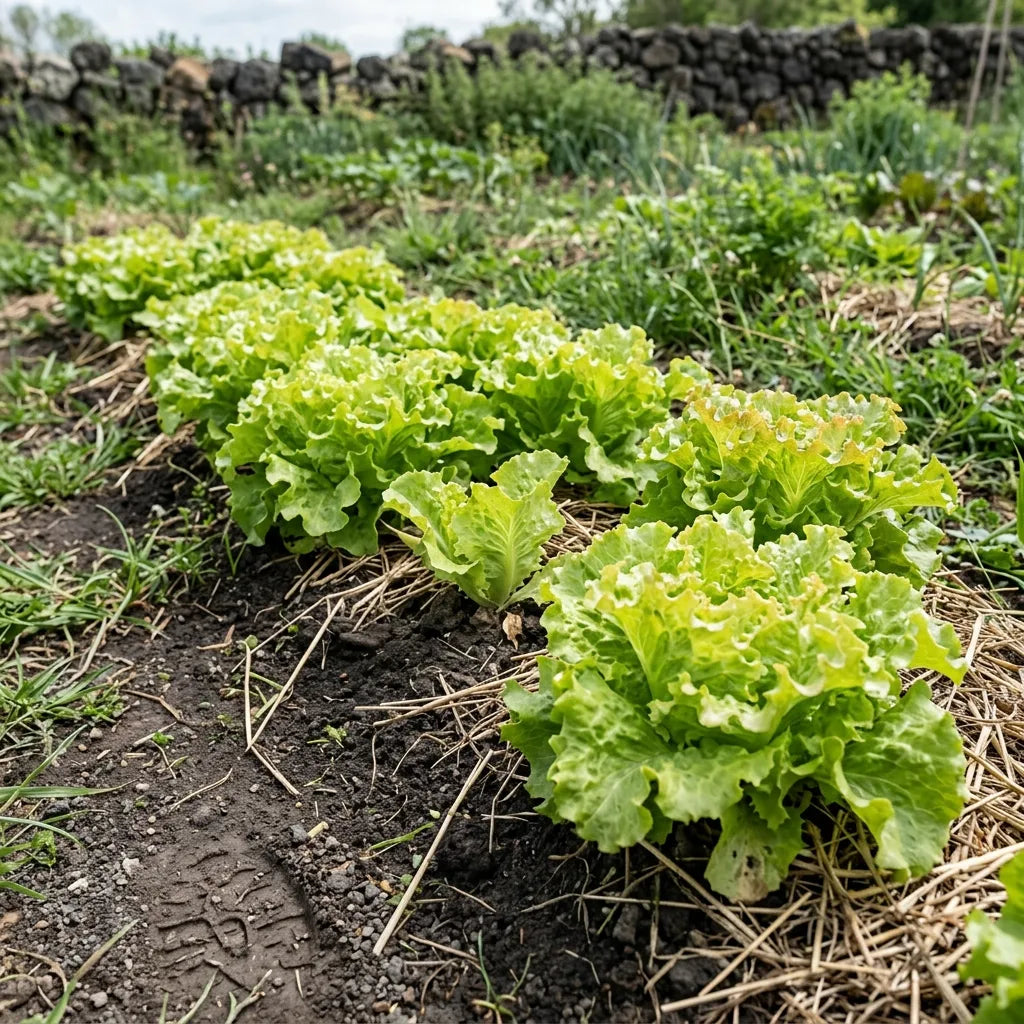
Flexible cultivation: outdoors, under a cold frame or in a polytunnel, depending on the season.
Sowing advice:
-
Exposure: full sun for the first spring sowings, partial shade in summer: like all lettuces, heat and long days trigger bolting.
-
Soil: rich in humus, cool and well drained. If your soil is heavy, lighten it with sand and compost. The soil must remain consistently moist: drying out causes lettuce to bolt and become bitter.
-
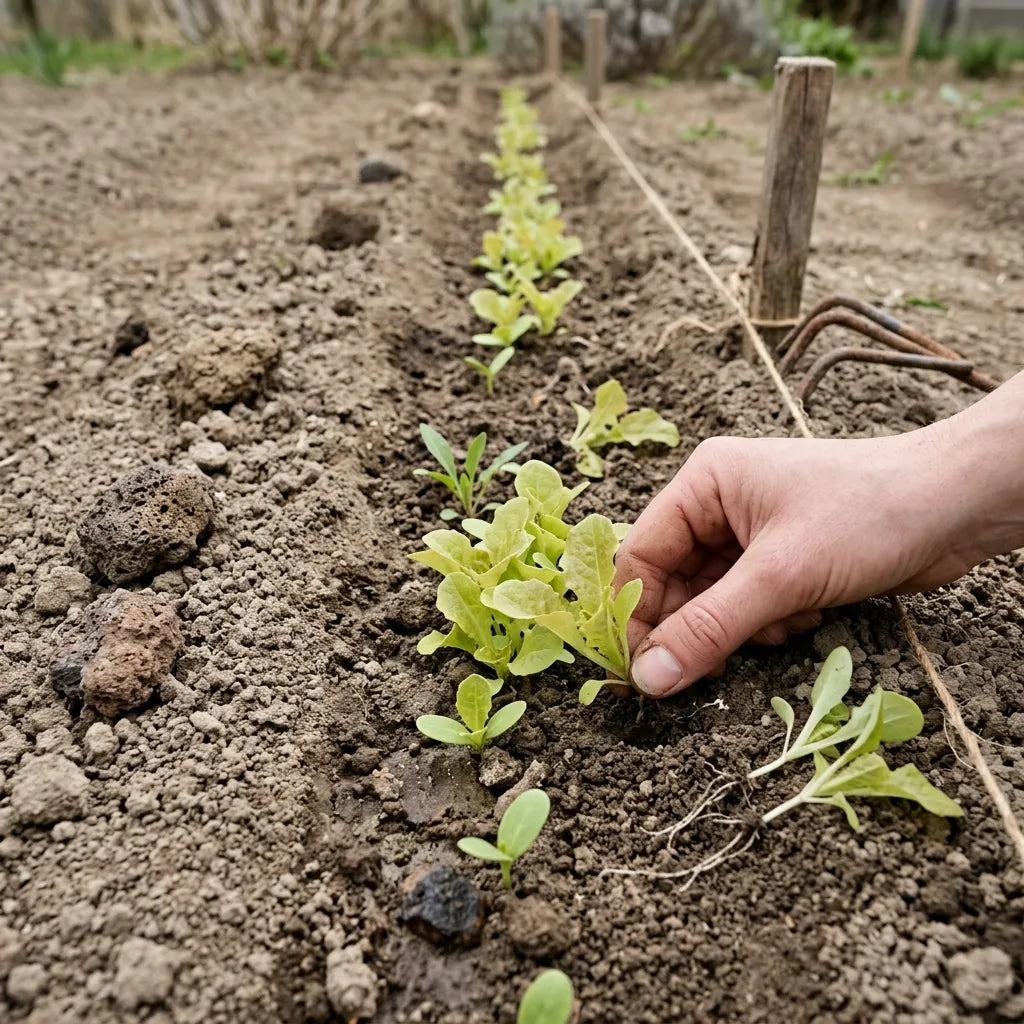
Method: sow barely covered, as the seeds need light to germinate. From March to May, sow directly in the ground every two weeks to stagger the harvest. Warning: above 25 °C, lettuce seeds enter dormancy and will no longer germinate — sow in the shade or at the end of the day in very hot weather. See how to sow your seeds.
Planting advice:
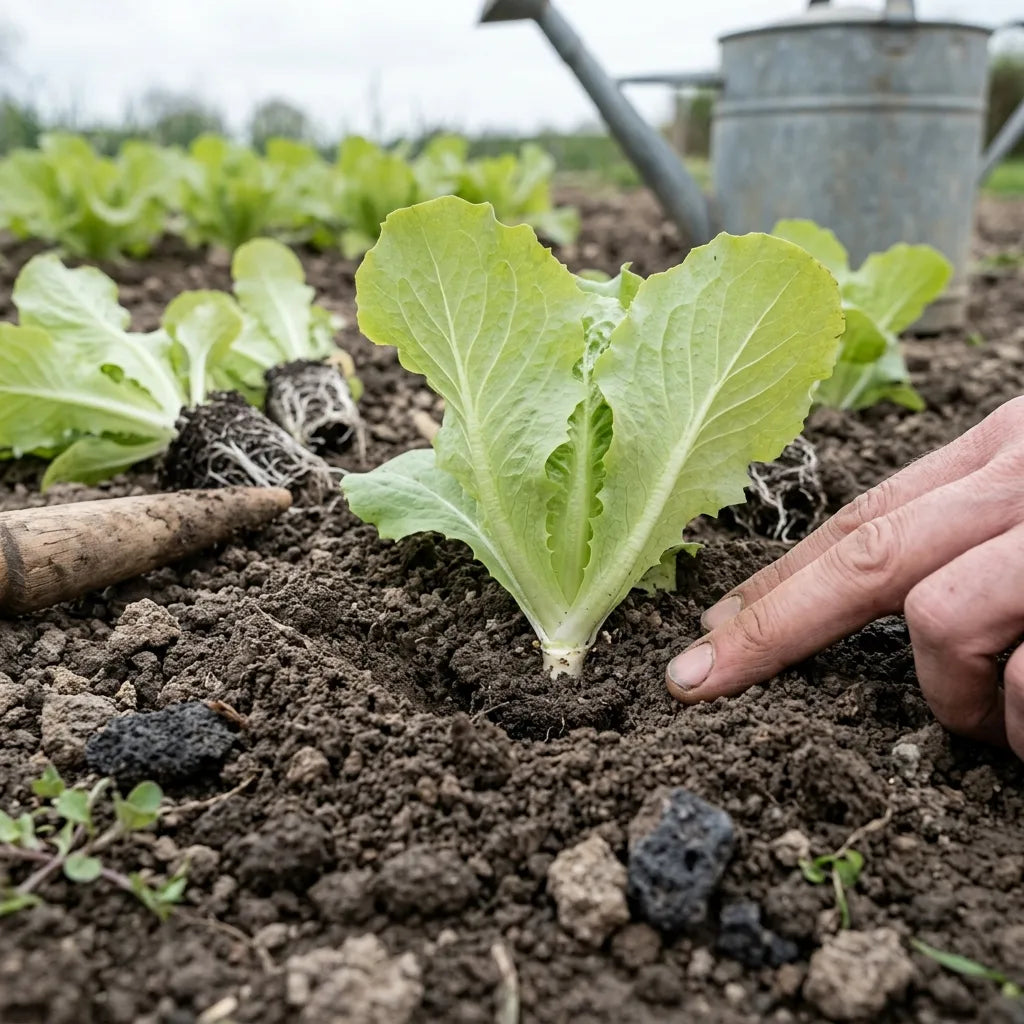
- Transplant at the 4- or 5-leaf stage, spacing plants 30 cm apart, without burying the crown: this is the main cause of rot in young lettuces.
Care advice:
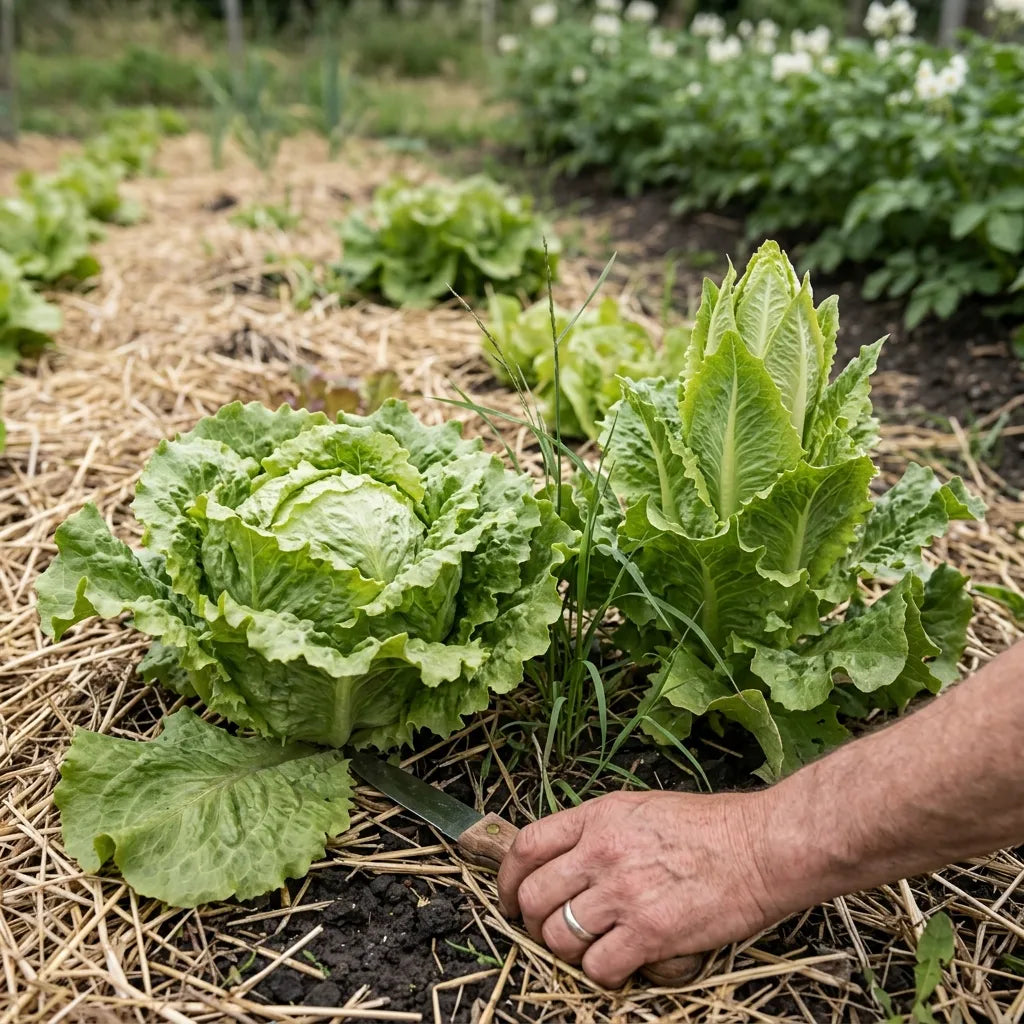
- Water regularly at the base, in the morning, without wetting the foliage. Mulch to retain moisture.
- Lightly hoe between the rows to aerate the soil.
Harvesting advice:
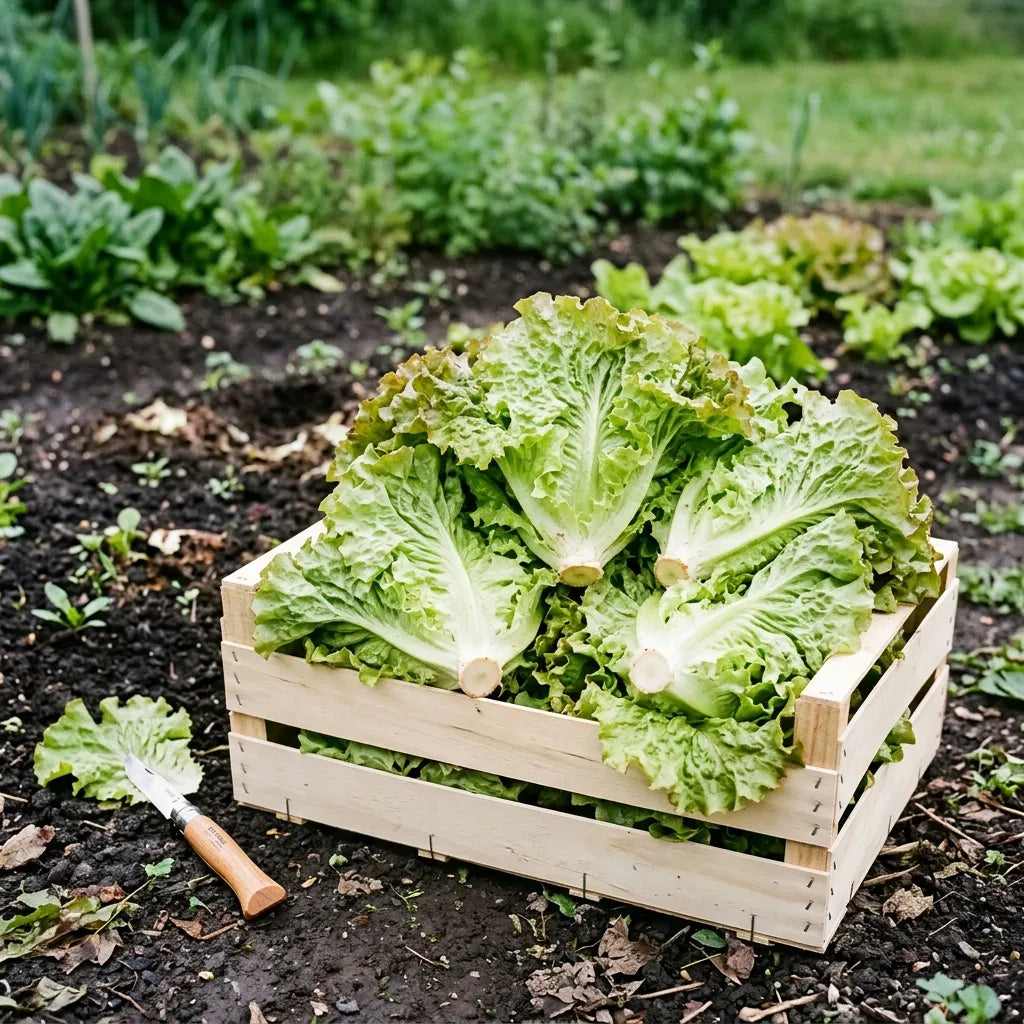
- Cut the head at ground level as soon as it is well formed. Do not wait: as soon as the centre begins to rise, bolting has begun and bitterness sets in.
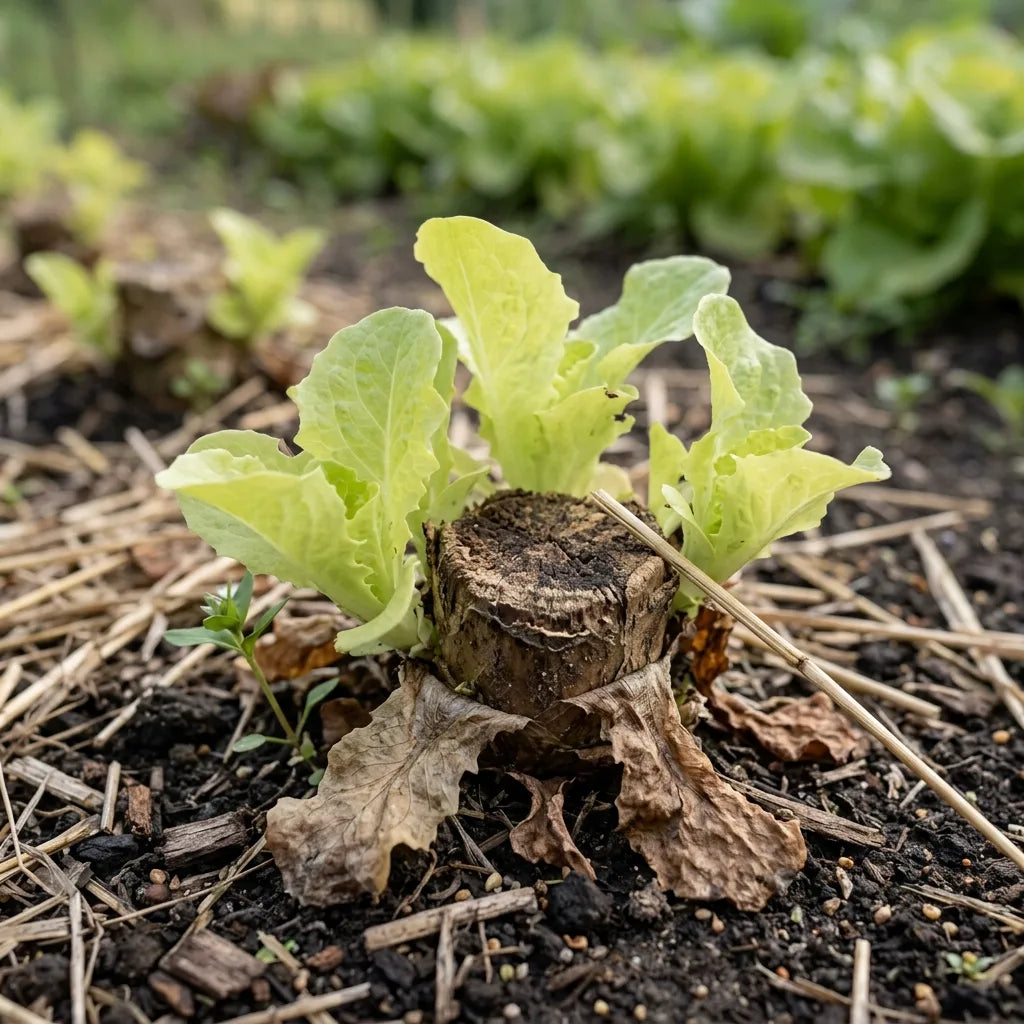
- Leave the stump in the ground: it often produces a few tender shoots to harvest.
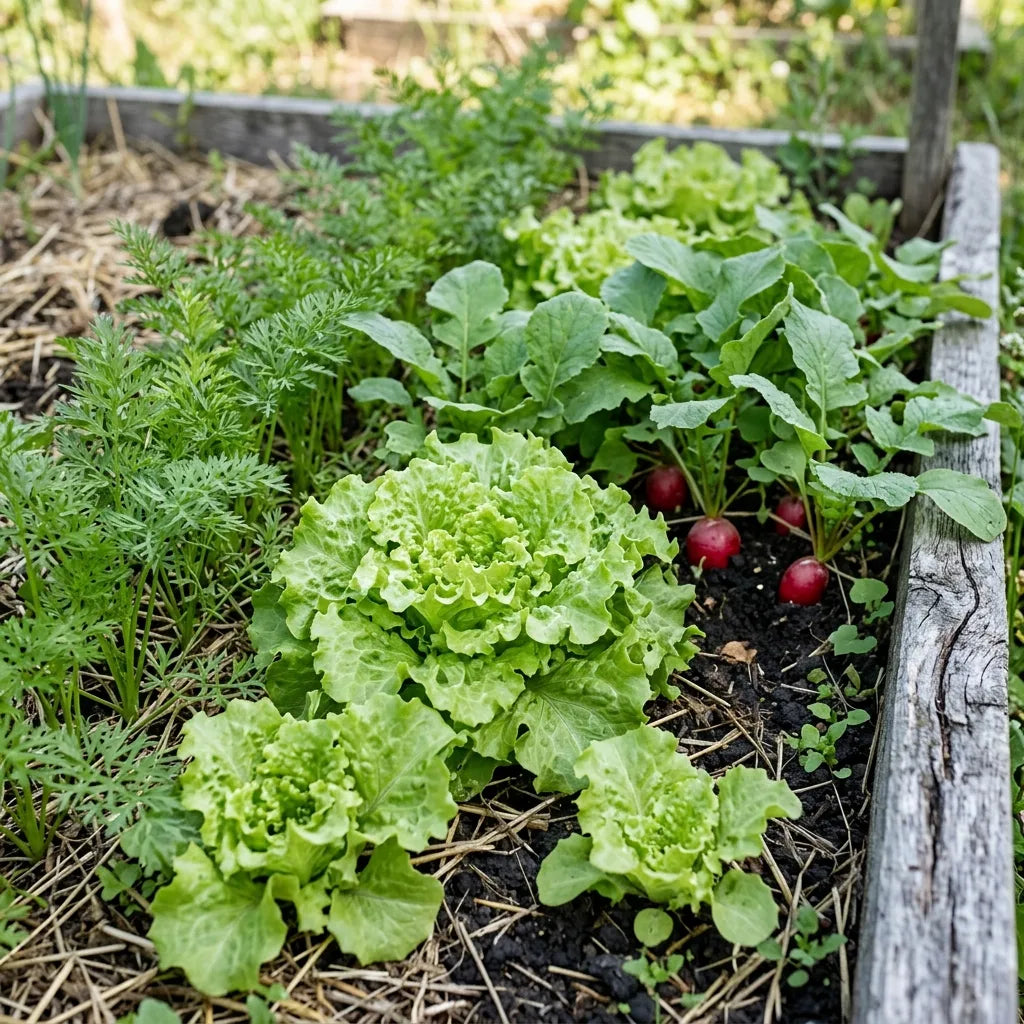
Beneficial associations:
Benefits for biodiversity:
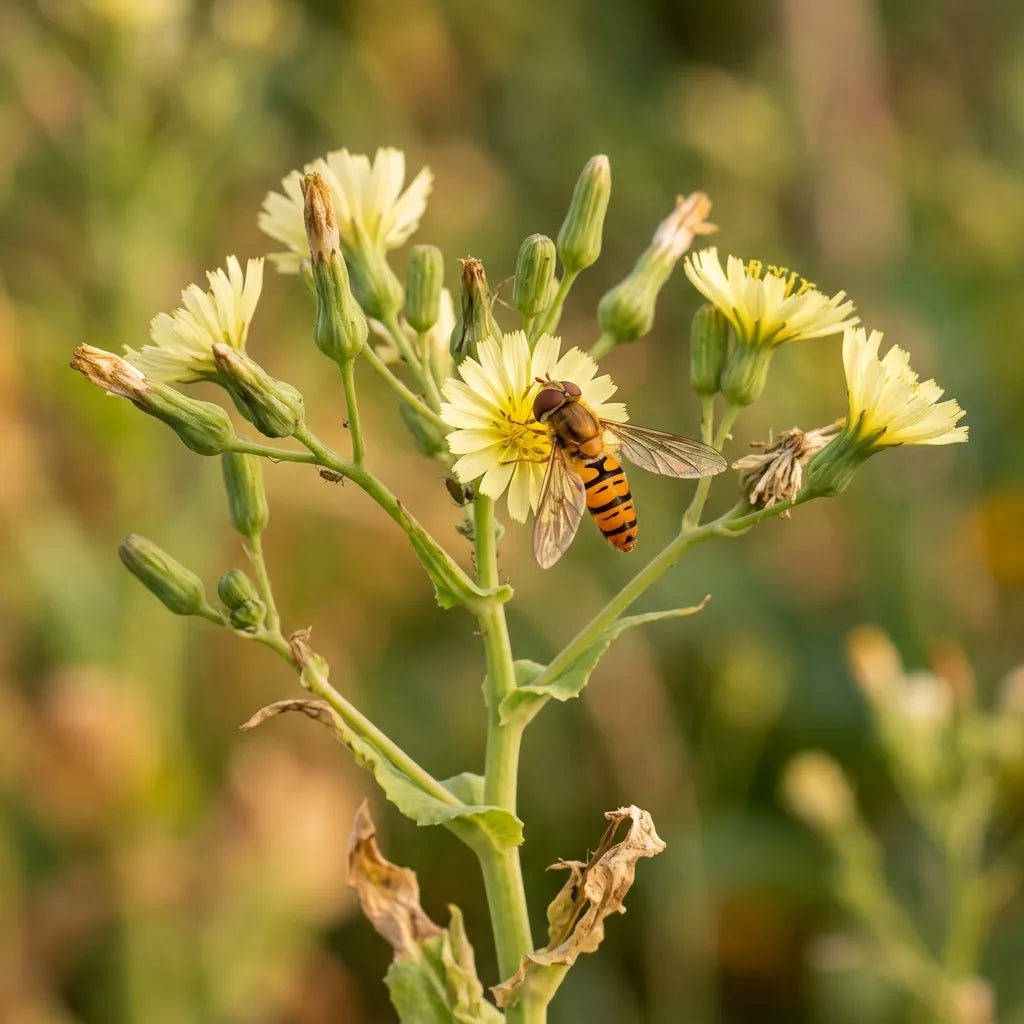
- Let one plant bolt at the end of the season: its small yellow flowers attract hoverflies and solitary bees, while its seeds feed goldfinches.
- Its rapid growth helps keep the soil covered between two main crops.
Uses:
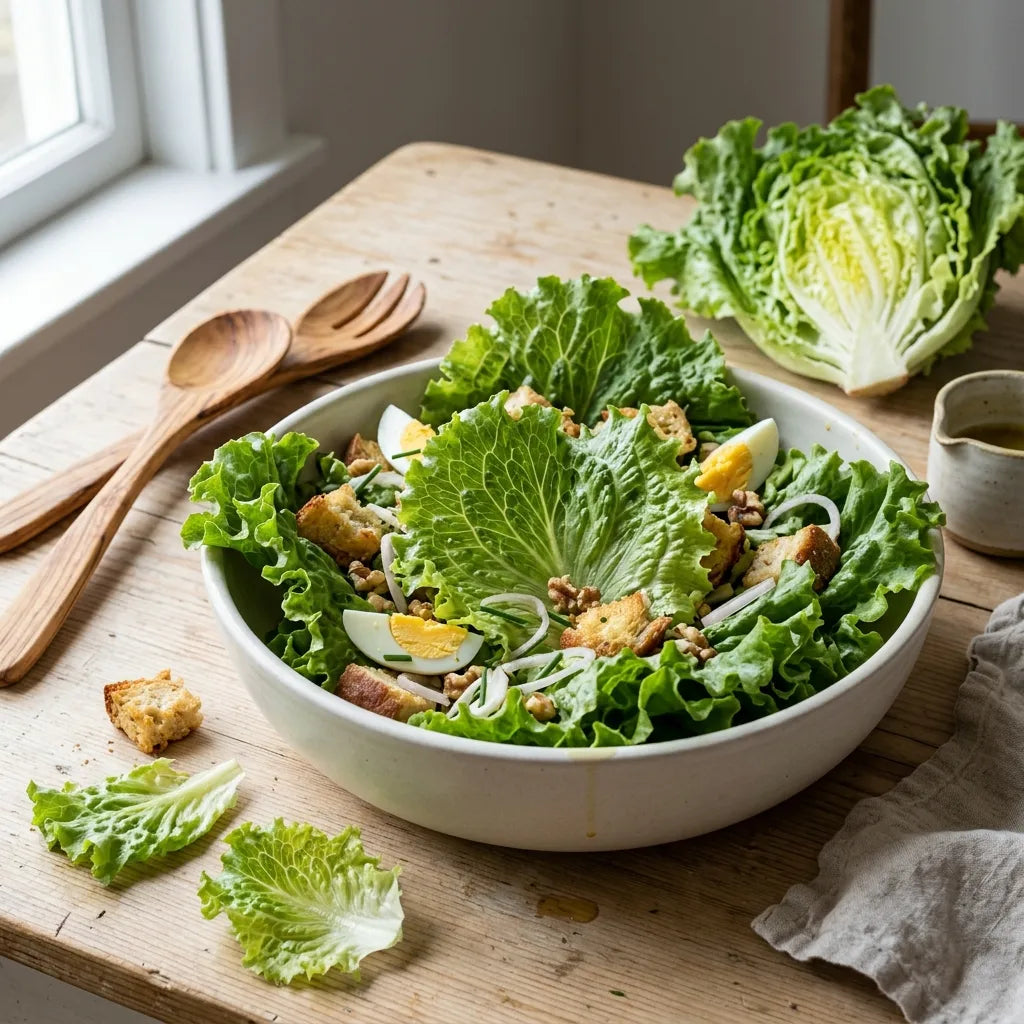
- Raw in salads, where its crunch makes all the difference, or in burgers and sandwiches — it holds up much better than butterhead lettuce. The outer leaves can be braised or used in a velouté.
Harvesting your own seeds:
Let a healthy plant bolt: it produces a tall flower stalk followed by tufted achenes, which should be harvested as they reach maturity in stages. As lettuce is self-pollinating, cross-pollination is rare — making it an ideal species for beginners in seed production. See how to save your seeds.
Commitment to Quality: at SemiSauvage - Permaculture, we grow and select our seeds with respect for living things as our guiding principle. Based near the Auvergne Volcanoes, we choose reproducible, non-hybrid varieties, test them for germination rates, and carefully sort and package them, without any chemical treatment. Our conviction: to give gardeners back the ability to resow, year after year, seeds that truly belong to them.
The crunchy lettuce, the one that holds its own in the salad bowl.