Lactuca sativa var. longifolia
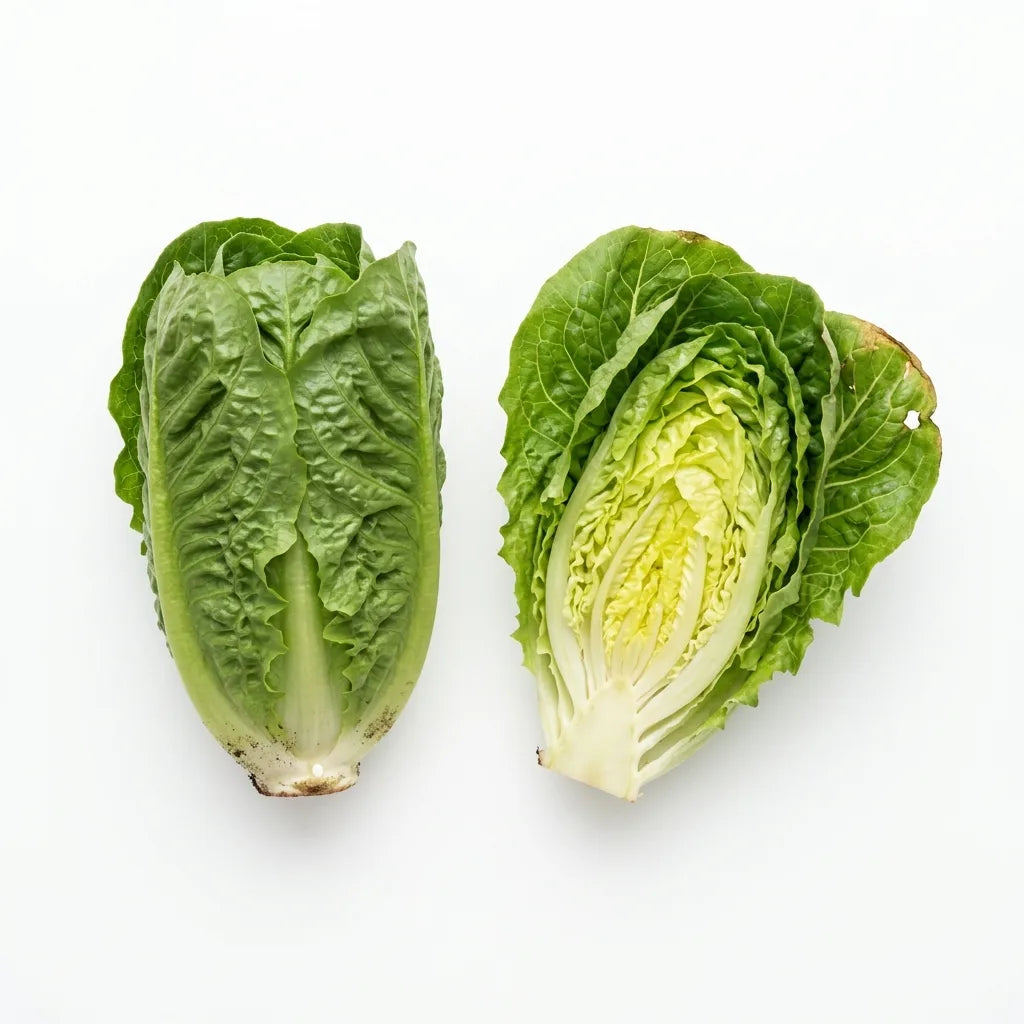
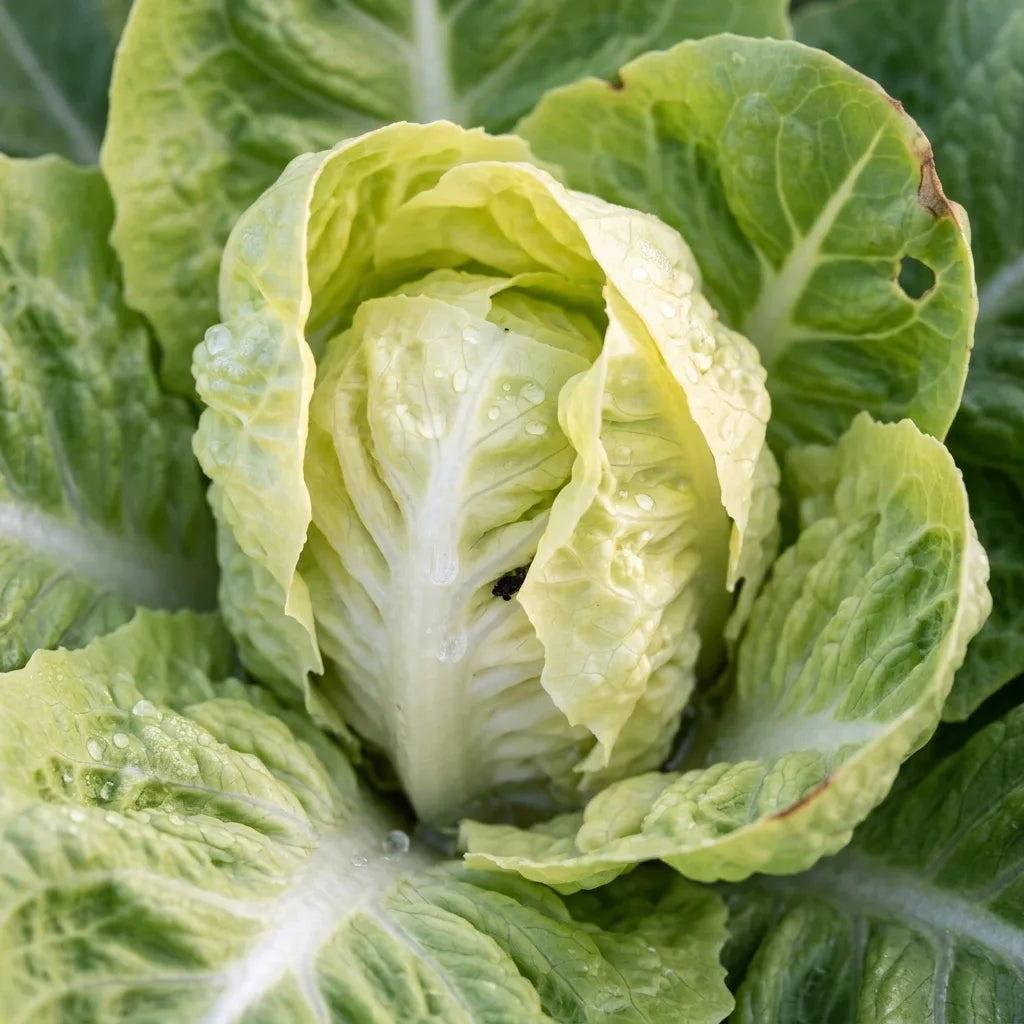
Sugar lettuce, little romaine, Bordeaux sugar lettuce: this is a miniature romaine, denser and milder. Its name does not mislead—it is the sweetest of lettuces, without the bitterness that can sometimes be found in others. Its small size makes it the ideal lettuce for one or two people, harvested whole as needed.
Characteristics:
-
Mild and sweet flavor: the least bitter of lettuces, much appreciated by children.
-
Thick leaves: both tender and crisp, with a prominent central rib.
-
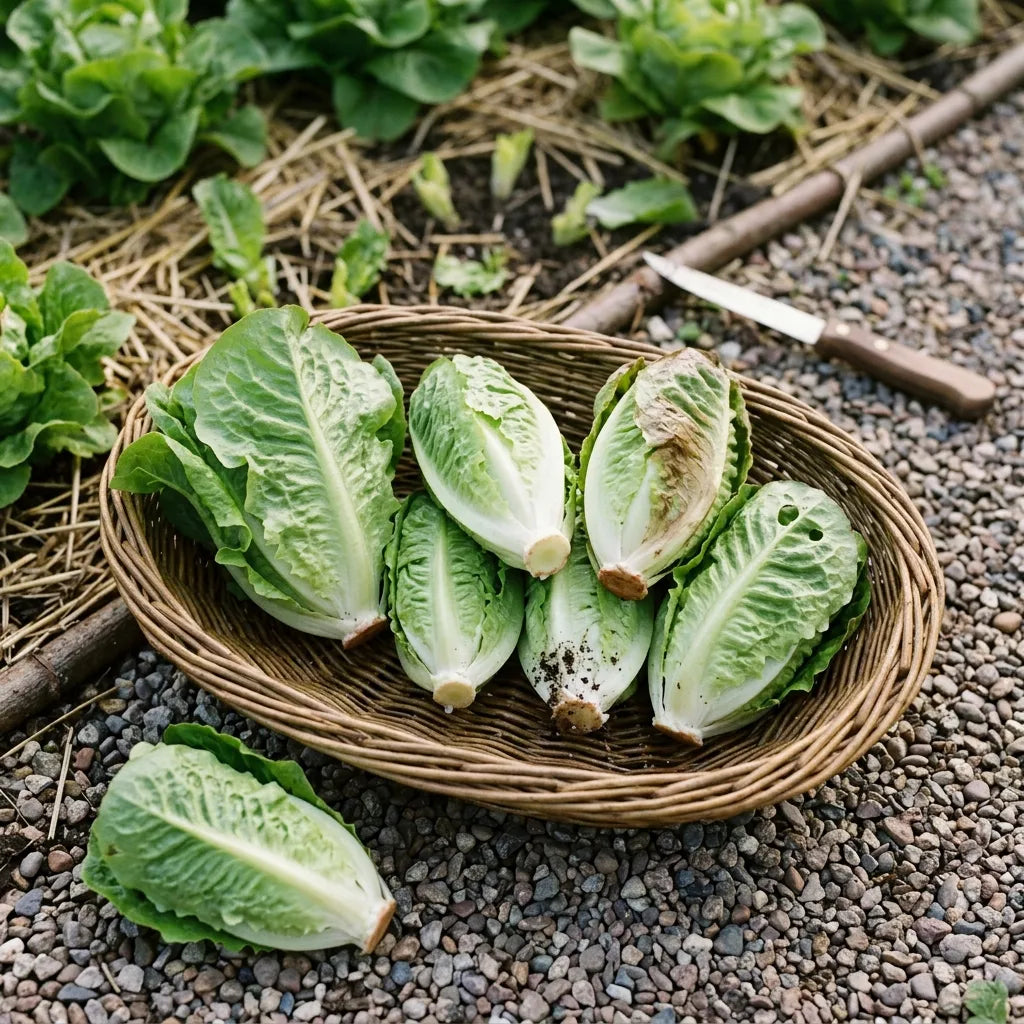
Individual size: a small, dense head, perfect for harvesting one at a time.
-
Good heat tolerance: it bolts less quickly than most lettuces, making it well suited to summer.
Sowing advice:
-
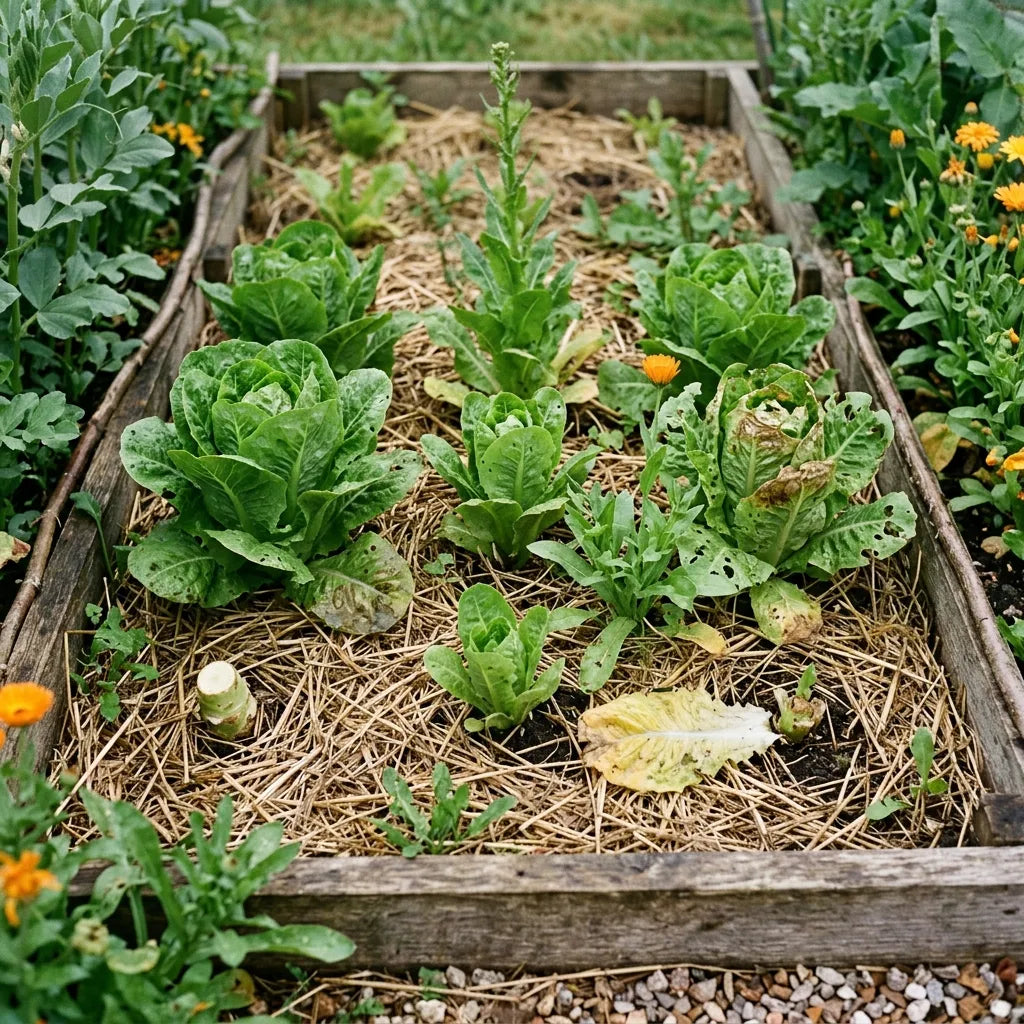
Exposure: sunny in spring and autumn, partial shade in midsummer. It tolerates heat better than other lettuces, though it is not completely unaffected by it.
-
Soil: cool, loose, rich in humus, and well drained. Consistent soil moisture remains essential: drying out causes the lettuce to bolt and develops bitterness.
-
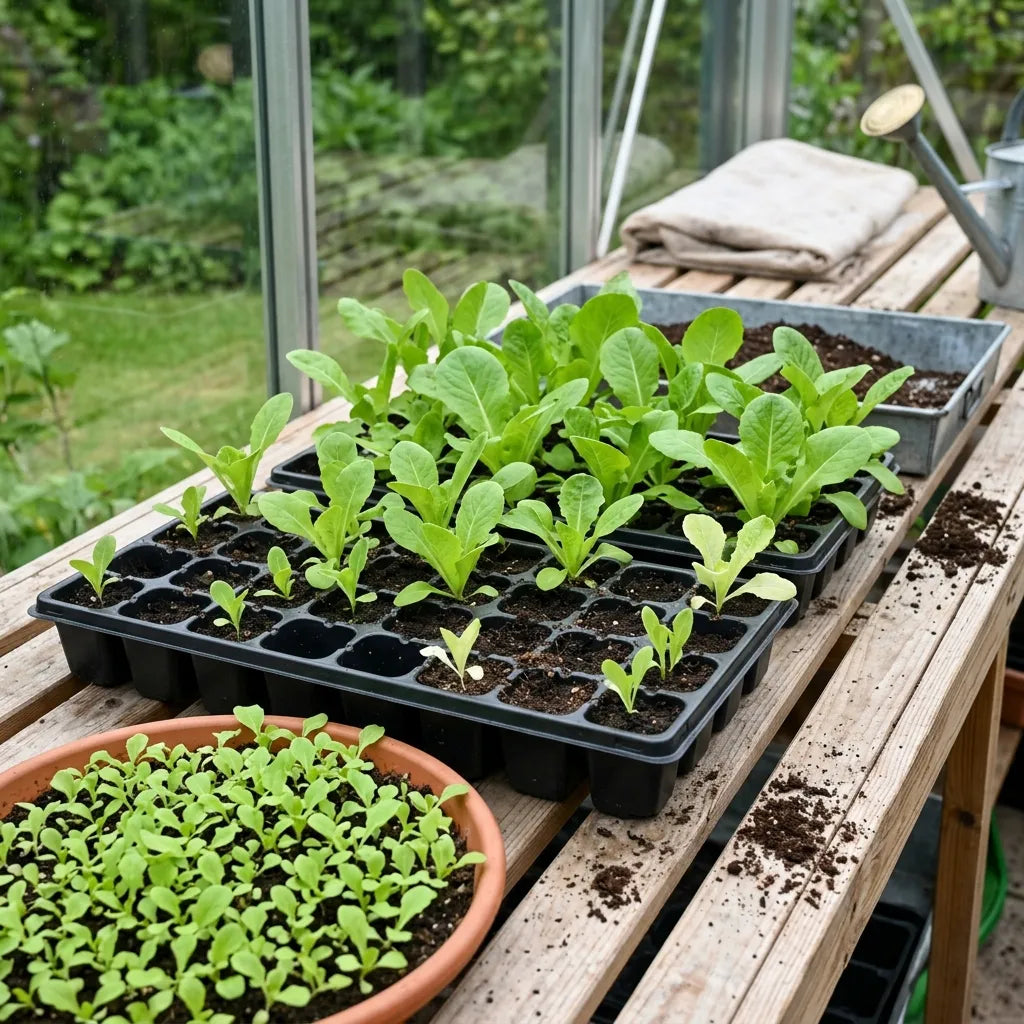
Method: sow barely covered, as the seeds need light to germinate. In a nursery, directly in the ground, or in a pot, from March to August, staggering sowings every two weeks. Warning: above 25 °C, lettuce seeds enter dormancy and no longer germinate—sow in the shade or at the end of the day during hot weather. See how to sow your seeds.
Planting advice:
- Transplant at 4 or 5 leaves, spacing plants only 20 cm apart—its small size allows it to be planted more closely than other lettuces, a real advantage in a small vegetable garden or container.
-
Do not bury the crown, as this may cause rot.
Care advice:
- Water regularly at the base in the morning, without wetting the foliage. Mulch to retain moisture.
Harvesting advice:
- Cut the entire head at ground level as soon as it is well formed—it is generally eaten all at once, which is its main advantage.
- Leave the stump in the ground: it often produces a few tender regrowths.
Beneficial combinations:
Benefits for biodiversity:
- Let one plant bolt at the end of the season: its small yellow flowers attract hoverflies and solitary bees, while its seeds feed goldfinches.
- Its rapid growth helps keep the soil covered between two main crops.
Uses:
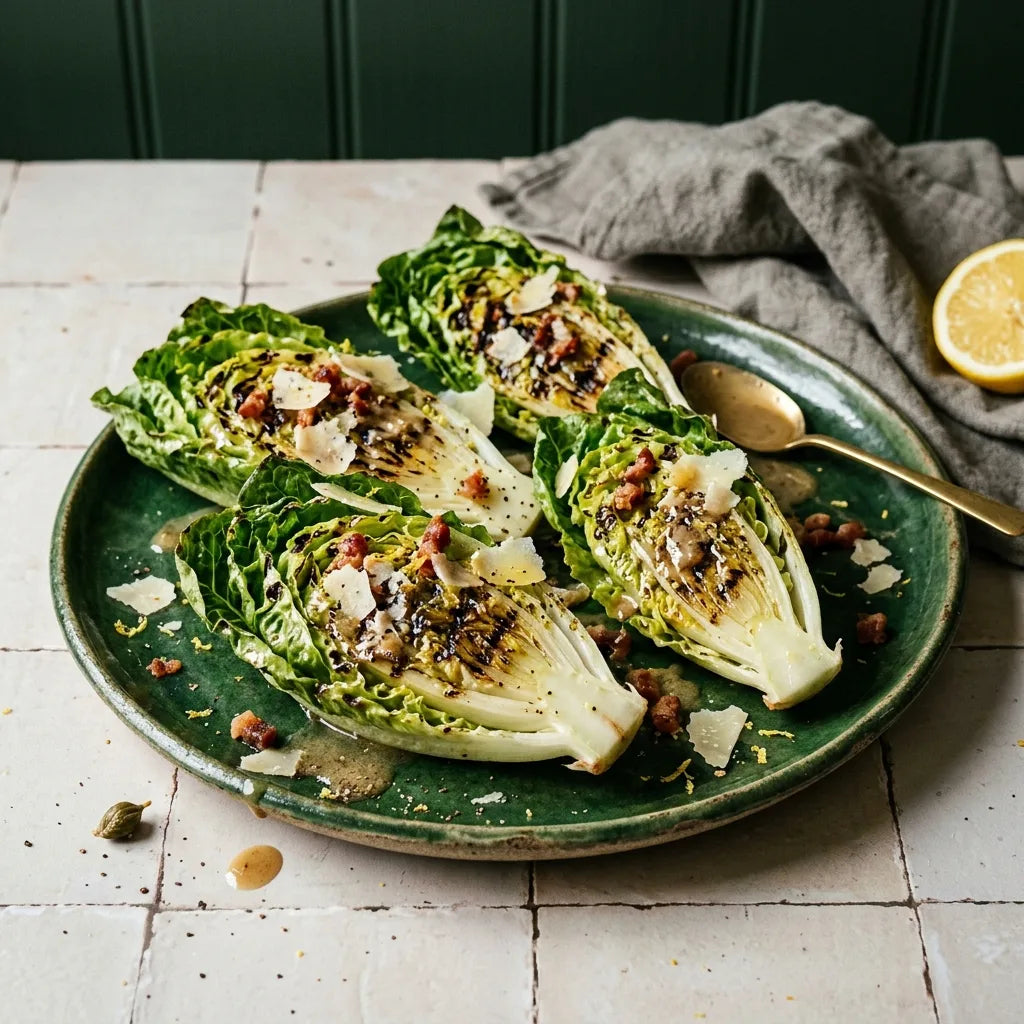
- Raw in salads, its mildness needs nothing more than a simple drizzle of oil. It is also excellent halved and grilled on a plancha, or braised whole as a side dish.
Harvesting your own seeds:
Let a strong plant bolt: it produces a flowering stalk followed by tufted achenes, which should be harvested as they mature successively. Since lettuce is self-pollinating, cross-pollination is rare—making it an ideal species for beginners in seed production. See how to save your seeds.
Commitment to Quality: at SemiSauvage - Permaculture, we grow and select our seeds with respect for living things as our guiding principle. Based near the Volcanoes of Auvergne, we choose reproducible, non-hybrid varieties, tested for their germination rate, carefully sorted and packaged, with no chemical treatment. Our belief: to give gardeners back the ability to resow, year after year, seeds that truly belong to them.
The mildest of lettuces, in an individual size.