Lactuca sativa
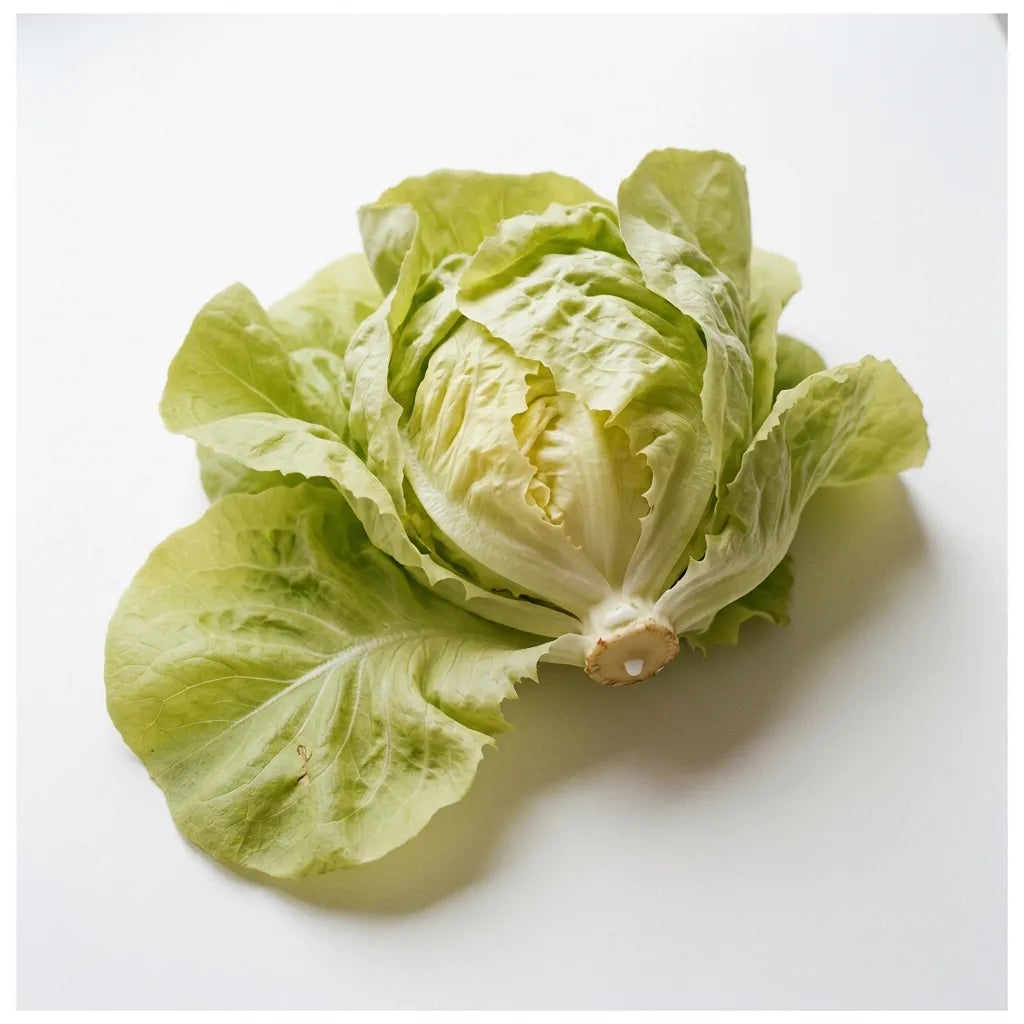
Spring lettuce, spring butterhead lettuce, early butter lettuce: this is the salad of the first fine days, selected to germinate and form heads in still-cool temperatures. Its tender head and supple leaves make it the first fresh salad of the year, arriving before all the others.
Characteristics:
-
Early maturity: it forms a head early, when other lettuces are only just getting started.
-
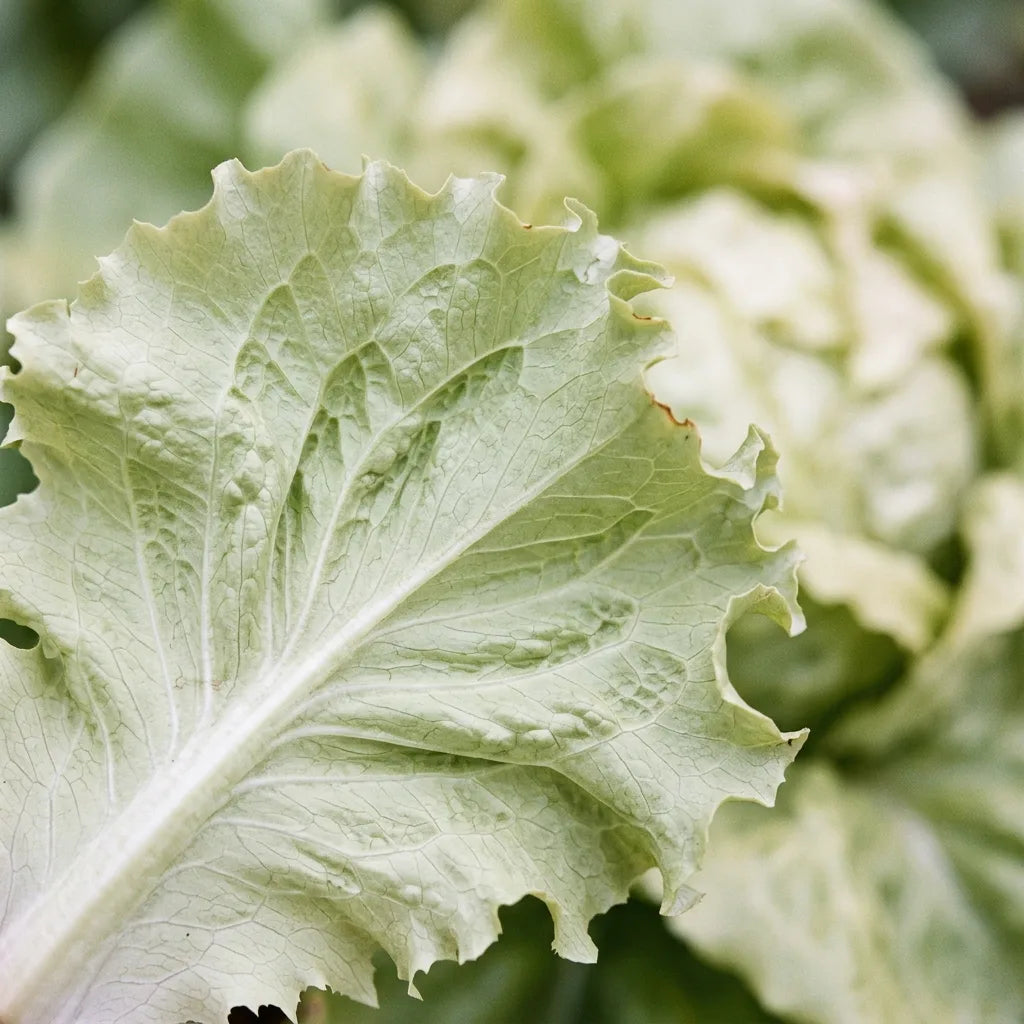
Tender leaves: supple and delicate, with a mild, refined flavor.
-
Cold tolerant: it tolerates the low temperatures of the beginning of the season.
-
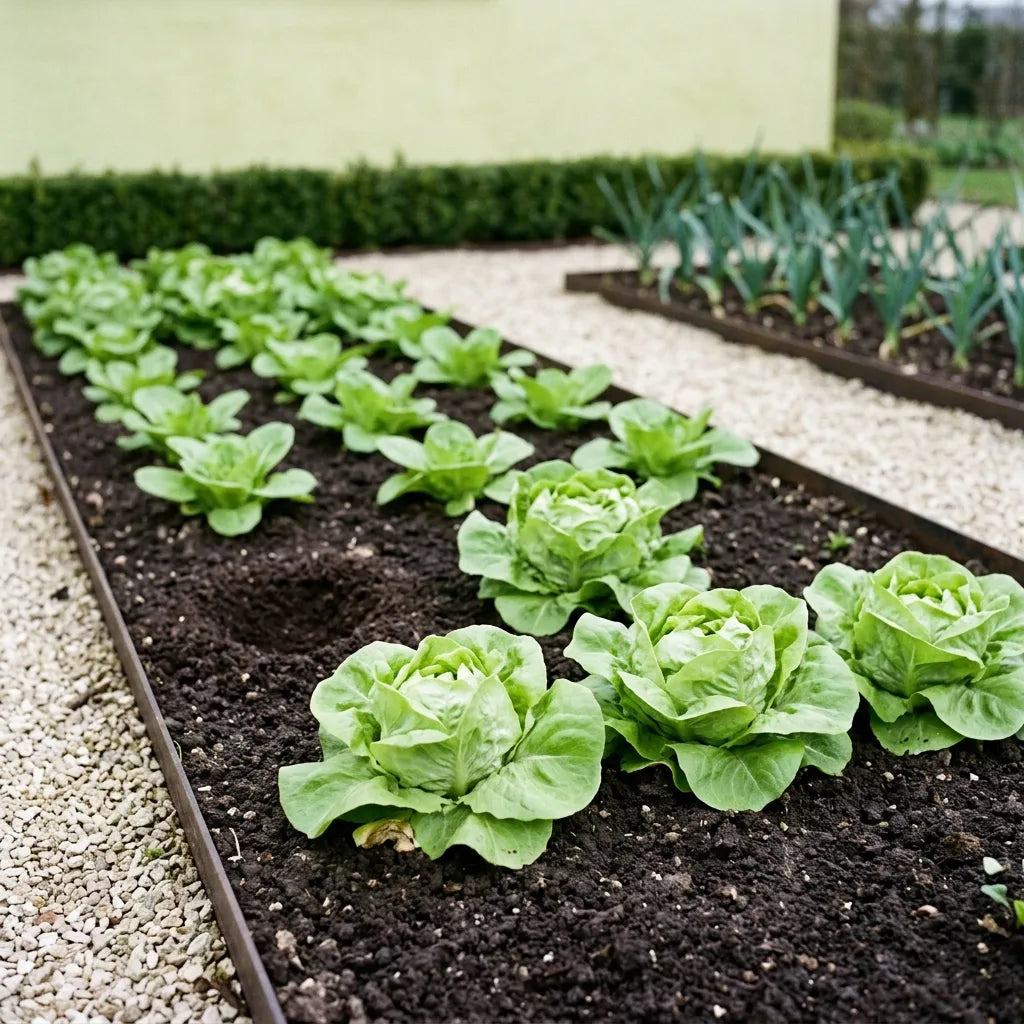
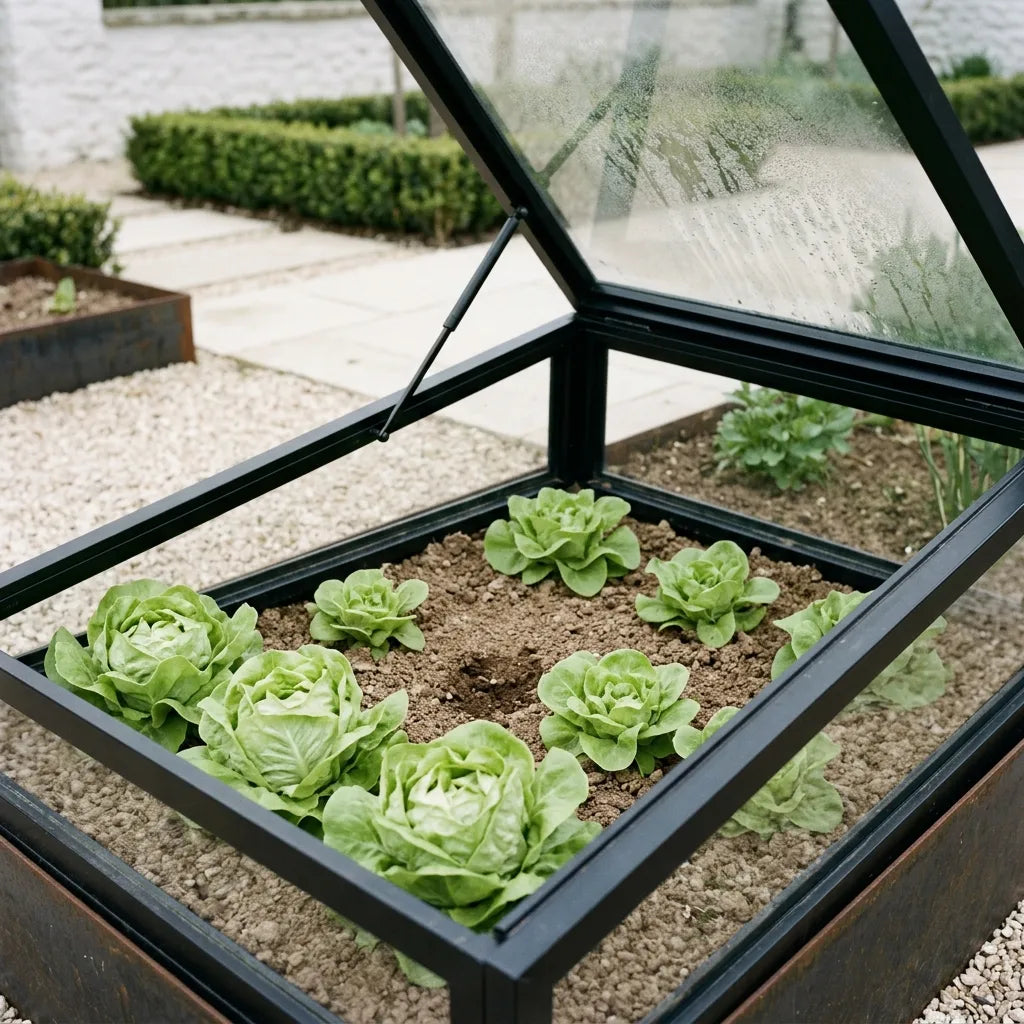
Flexible growing: outdoors, under a cold frame, or in a tunnel to gain a few more weeks.
Sowing advice:
-
Exposure: sunny — at the beginning of the season, it needs all the available light.
-
Soil: cool, loose, rich in humus, and well drained, enriched with compost. Constant soil moisture remains crucial, even in spring.
-
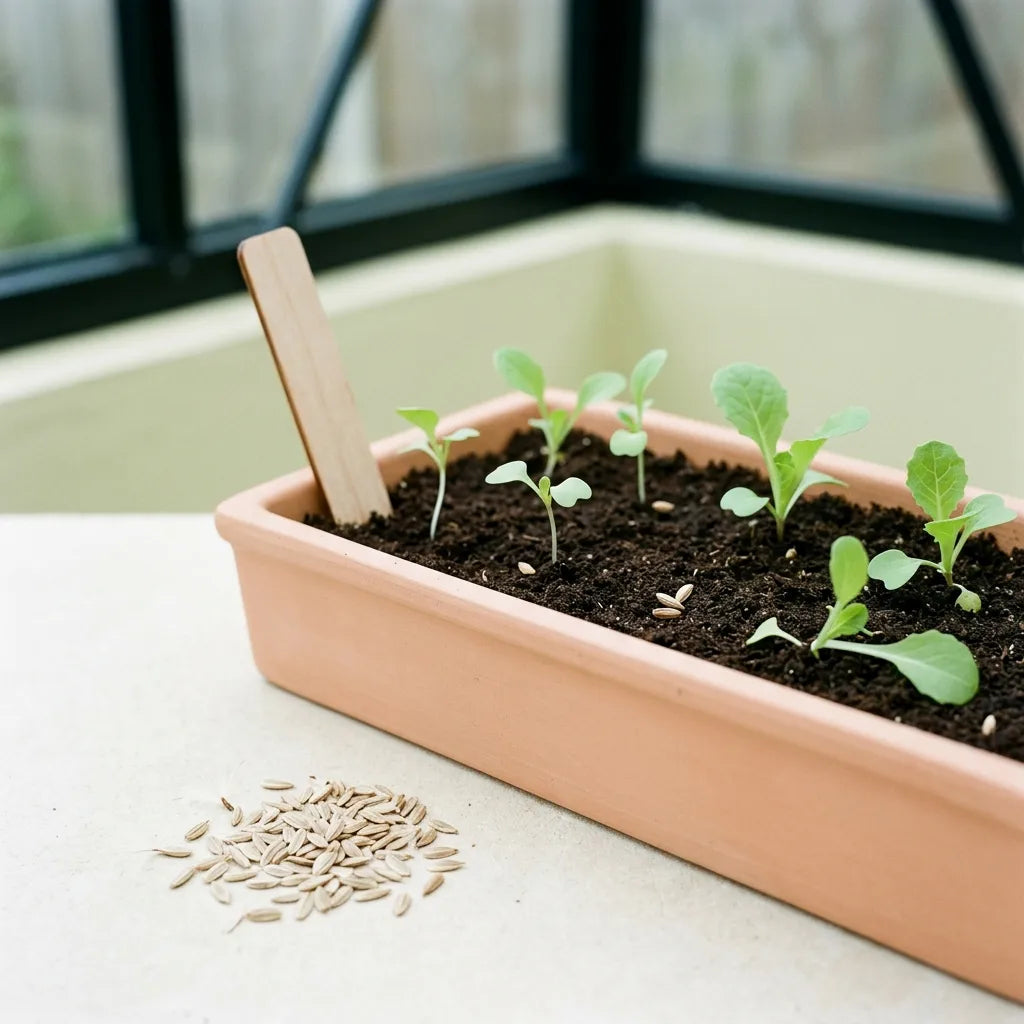
Method: sow barely covered, as the seeds need light to germinate. From February to mid-May, sowing every two weeks. Under a cold frame or tunnel in February–March, then outdoors. See how to sow your seeds.
Planting advice:
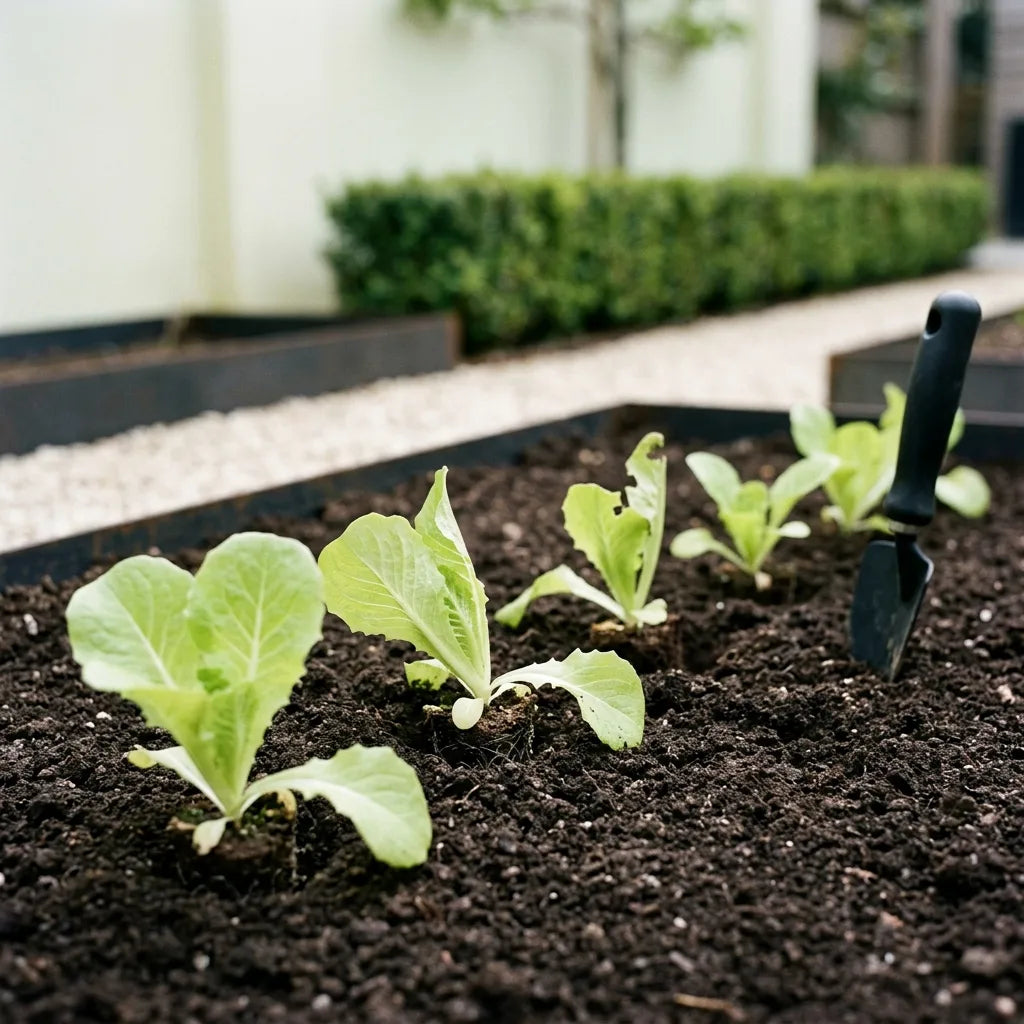
- Transplant at the 4- or 5-leaf stage, spacing plants 25 to 30 cm apart, without burying the crown: this is the main cause of rot in young lettuces, especially in spring when the soil remains damp.
Care advice:
- Water moderately at the base in the morning, without wetting the foliage — moisture on the leaves encourages downy mildew in spring.
- Hoe lightly to warm and aerate the soil between the rows.
Harvesting advice:
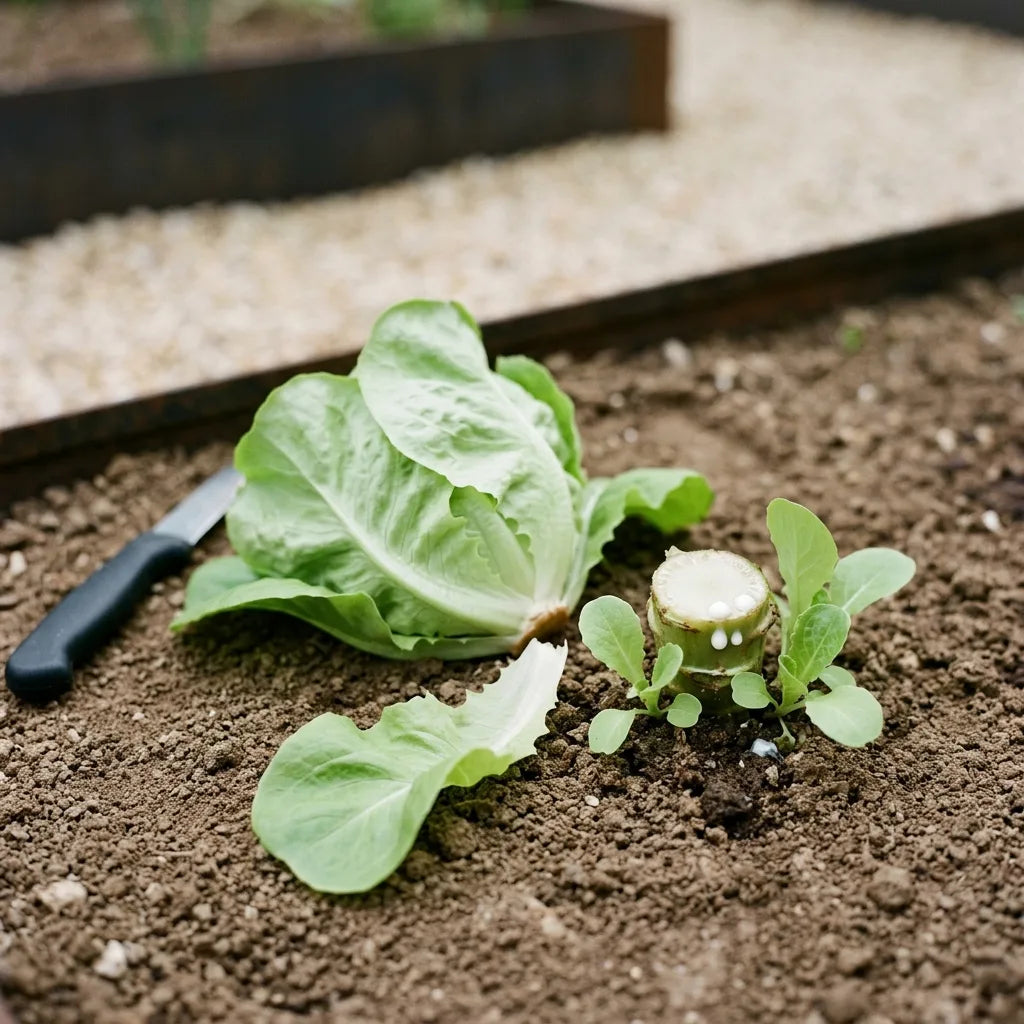
- Cut the head at ground level as soon as it is well formed. Do not delay: as the days lengthen, bolting comes quickly.
- Leave the base in the ground; it often produces a few tender regrowths.
Beneficial companions:
Benefits for biodiversity:
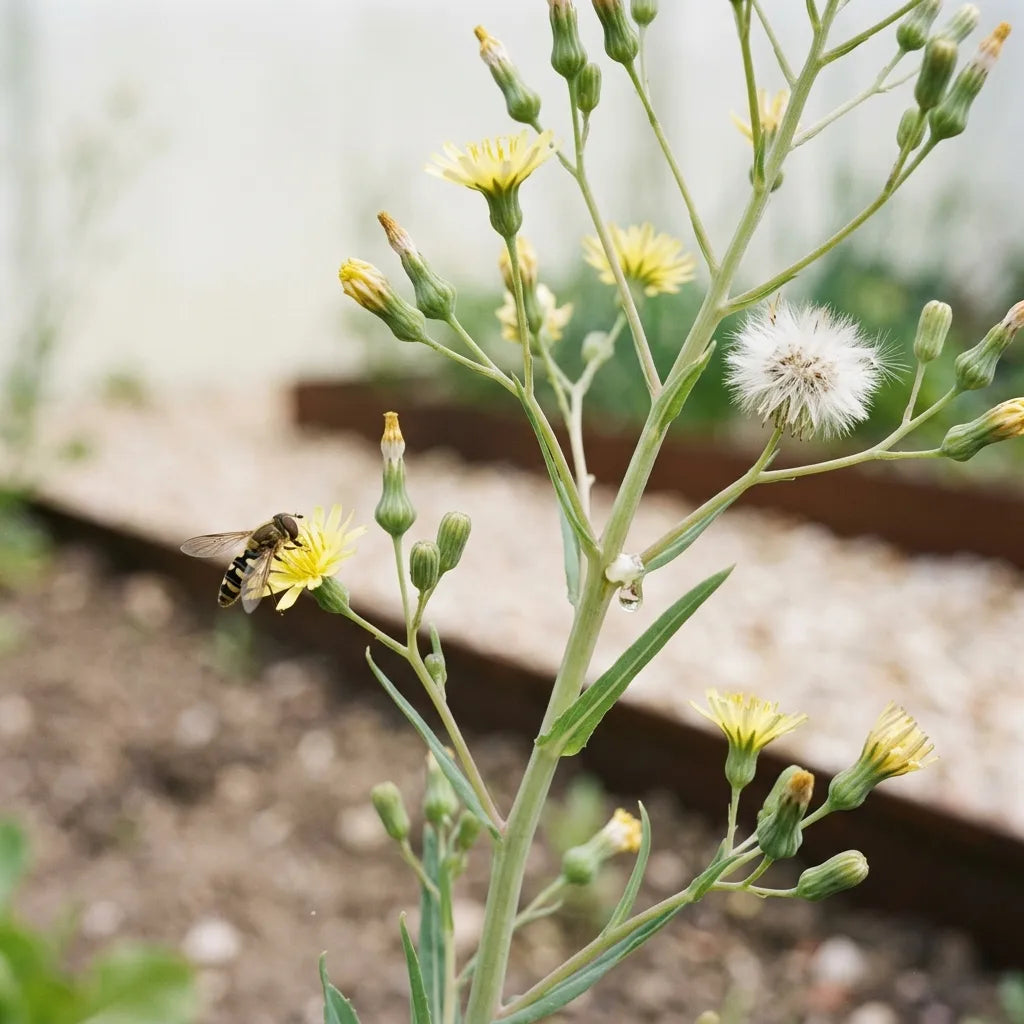
- Let one plant bolt at the end of its cycle: its small yellow flowers attract hoverflies and solitary bees, at a time when resources are still limited.
- Its early cultivation helps cover the soil from the beginning of spring, when the vegetable garden is still largely bare.
Uses:
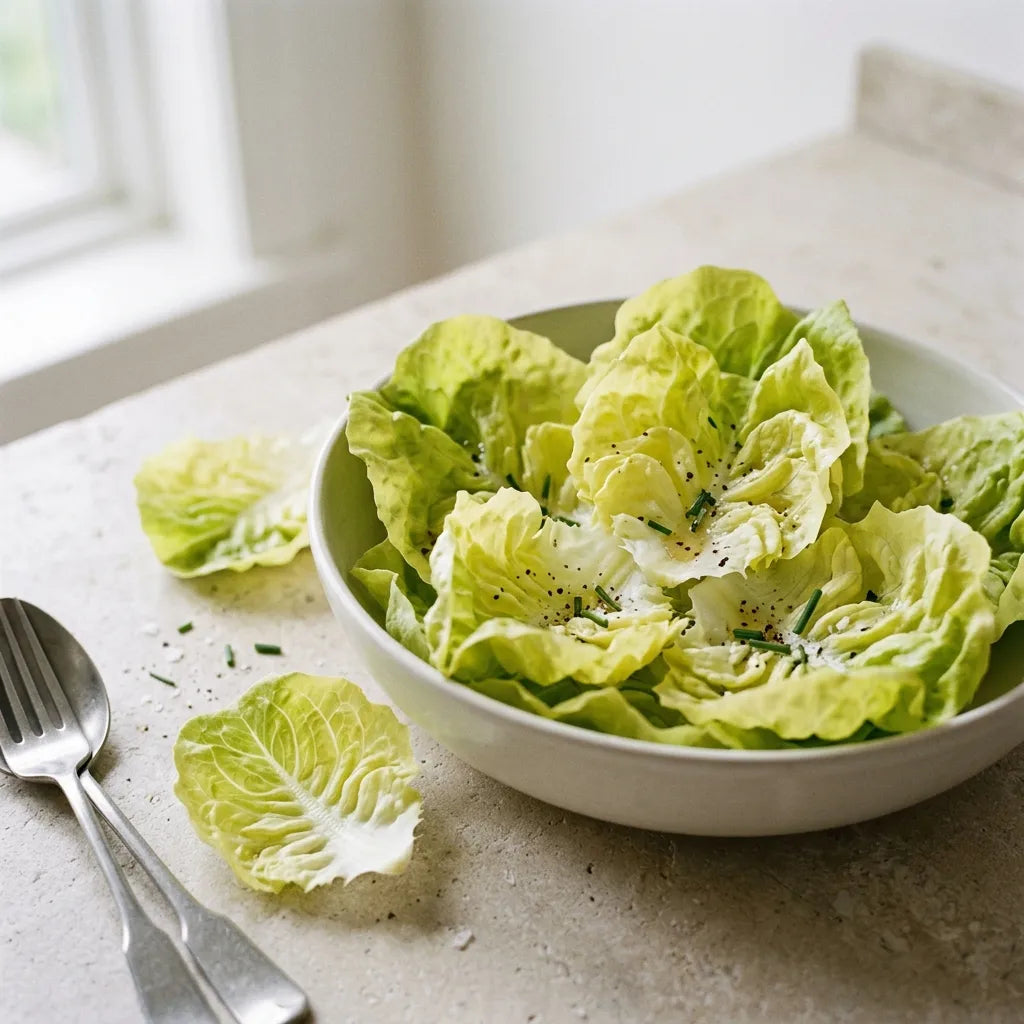
- Raw in salads, its tenderness needs only a simple vinaigrette. Its supple leaves are also excellent in spring veloutés and petits pois à la française.
Harvesting your own seeds:
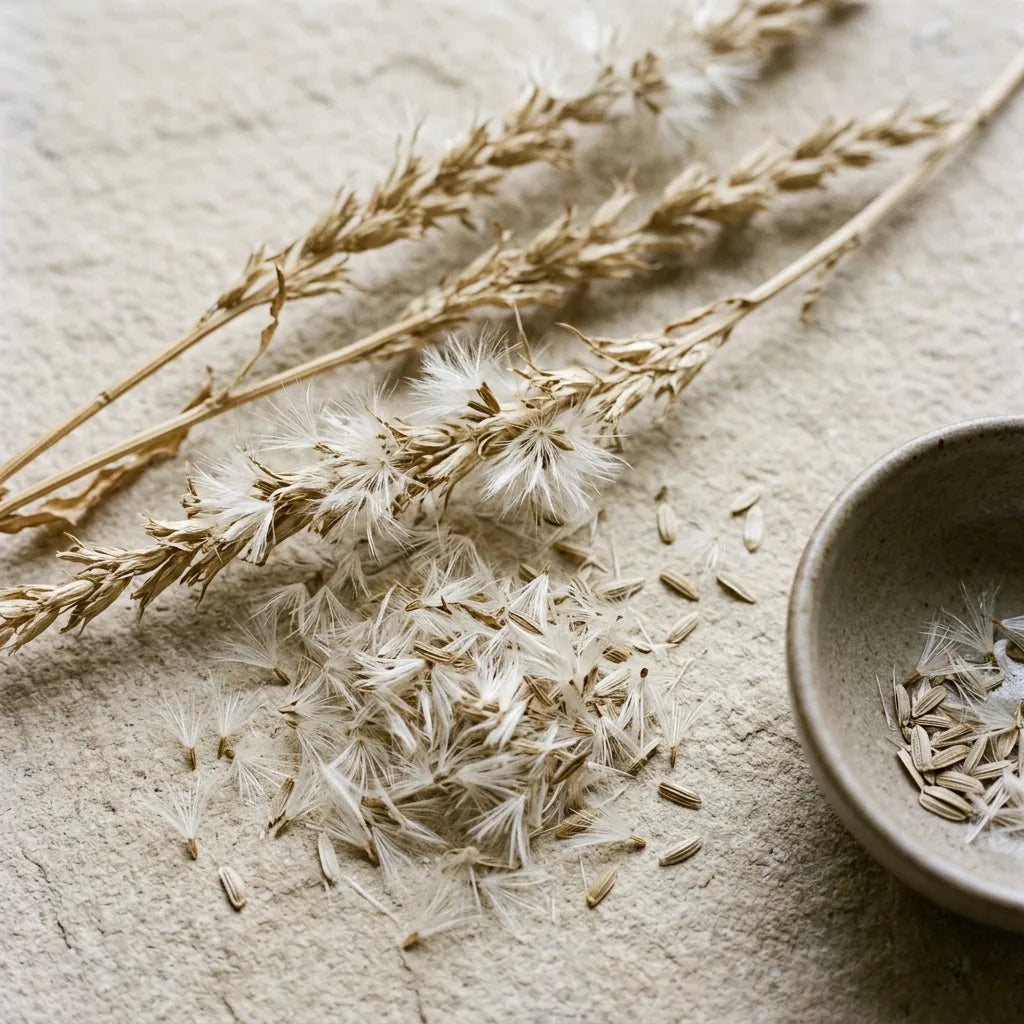
Let a healthy plant bolt: it produces a flowering stalk, followed by achenes with tufts, which should be harvested as they reach maturity at different times. Since lettuce is self-pollinating, cross-pollination is rare — an ideal species for beginners in seed production. See storing your seeds.
Commitment to Quality: at SemiSauvage - Permaculture, we grow and select our seeds with respect for all living things as our guiding principle. Based near the Auvergne Volcanoes, we choose open-pollinated, non-hybrid varieties, tested for their germination rate, sorted and carefully packaged, with no chemical treatment whatsoever. Our conviction: to give gardeners back the ability to resow, year after year, seeds that truly belong to them.
The first fresh salad of the year.