Brassica oleracea var. capitata f. rubra
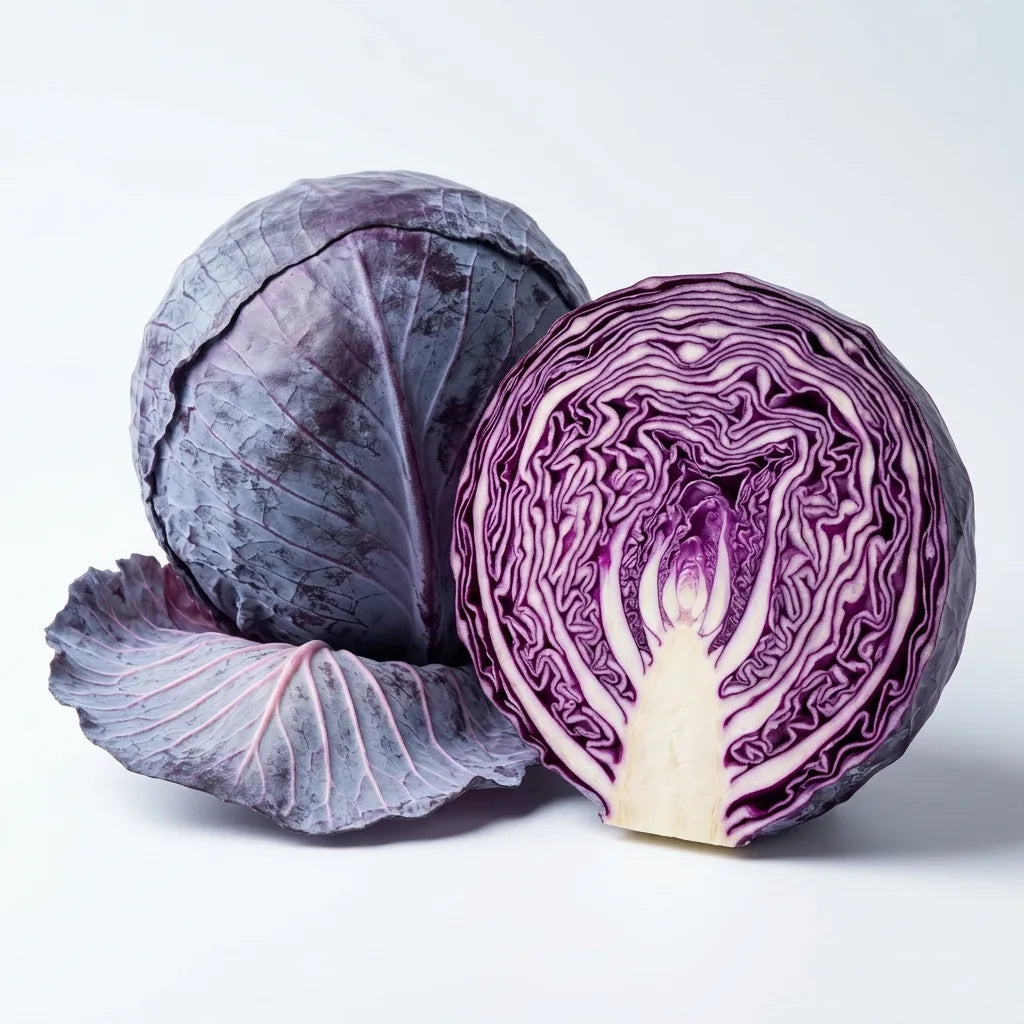
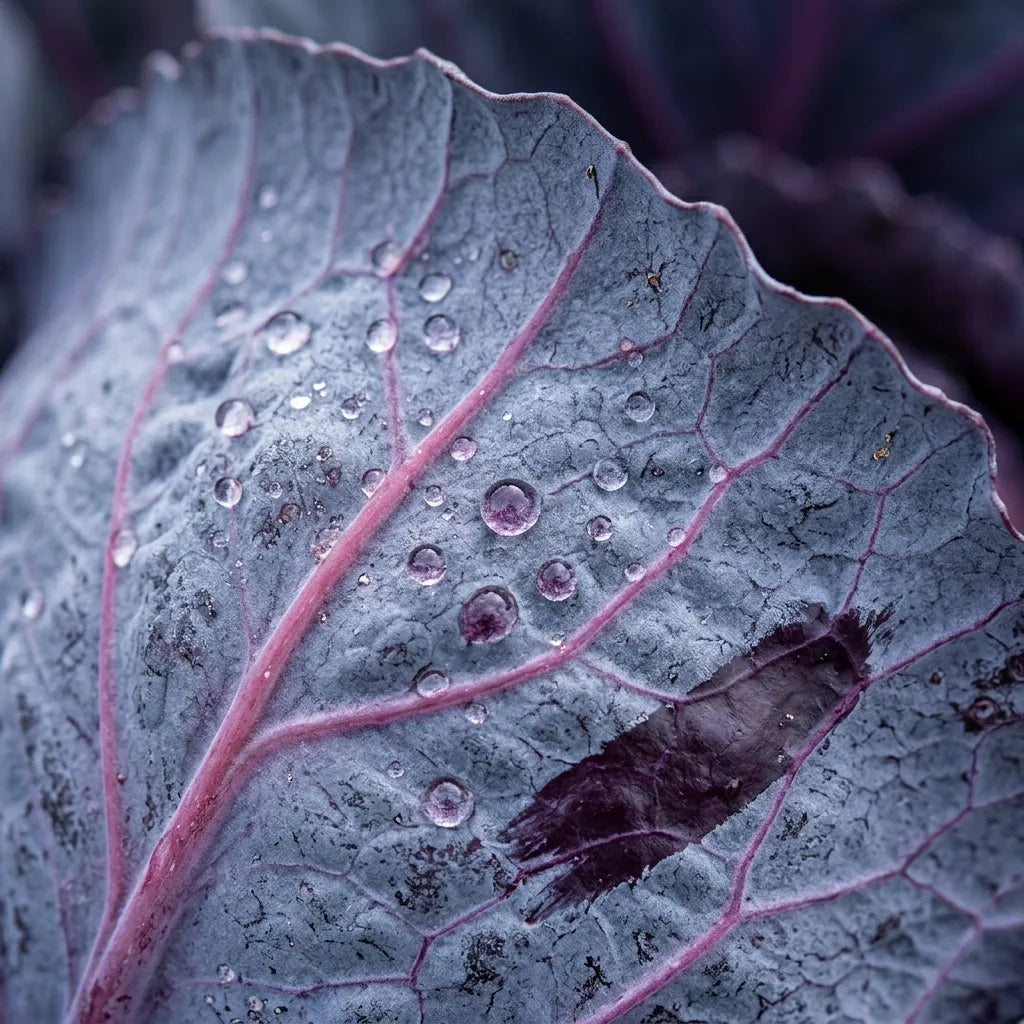
Red cabbage, red-headed cabbage, red ballhead cabbage: its color comes from anthocyanins, pigments with the particular ability to react like a pH indicator. Add vinegar during cooking and it stays bright red; without acid, it turns an unappetizing blue-violet. A small chemistry lesson that explains why traditional recipes always add an apple or a splash of vinegar.
Characteristics:
-
Dense, colorful head: tightly packed purple leaves, very crisp.
-
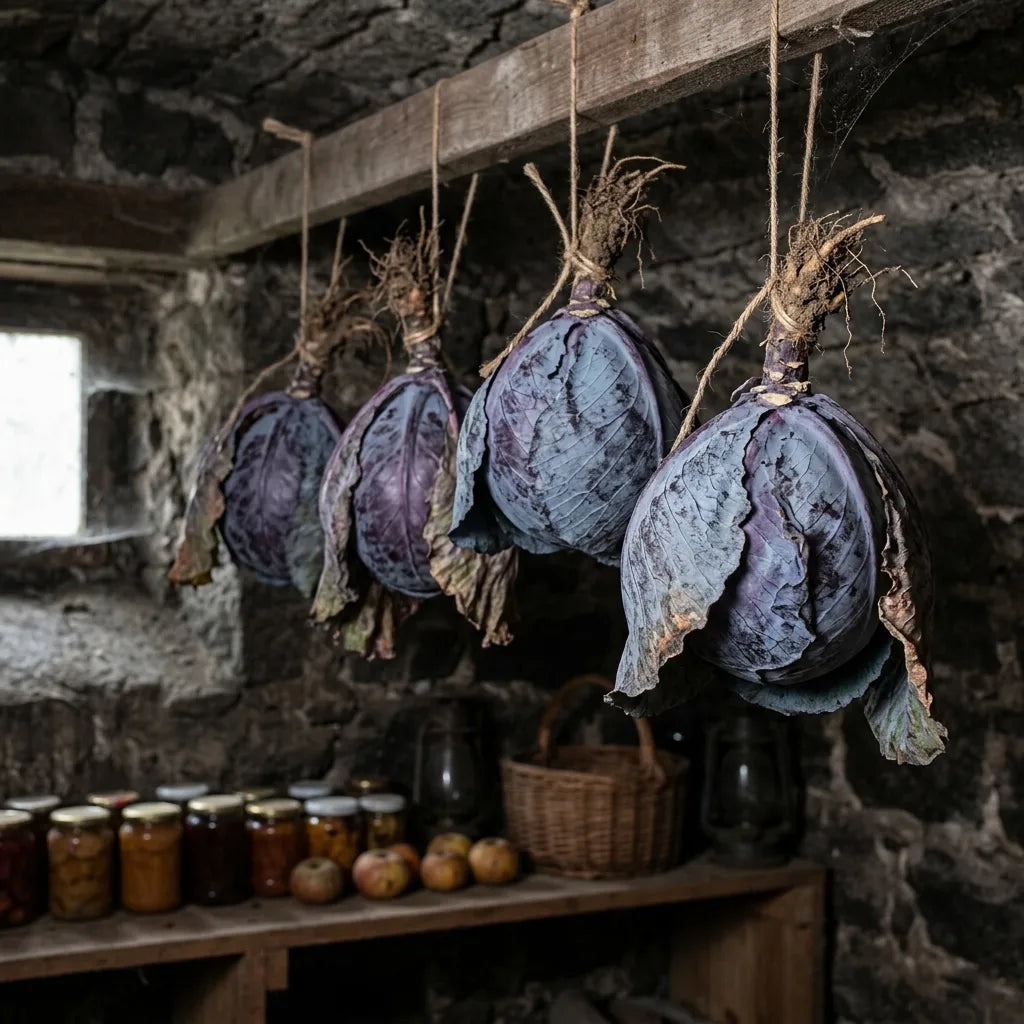
Excellent storage: it keeps for several months in a cellar after harvest.
-
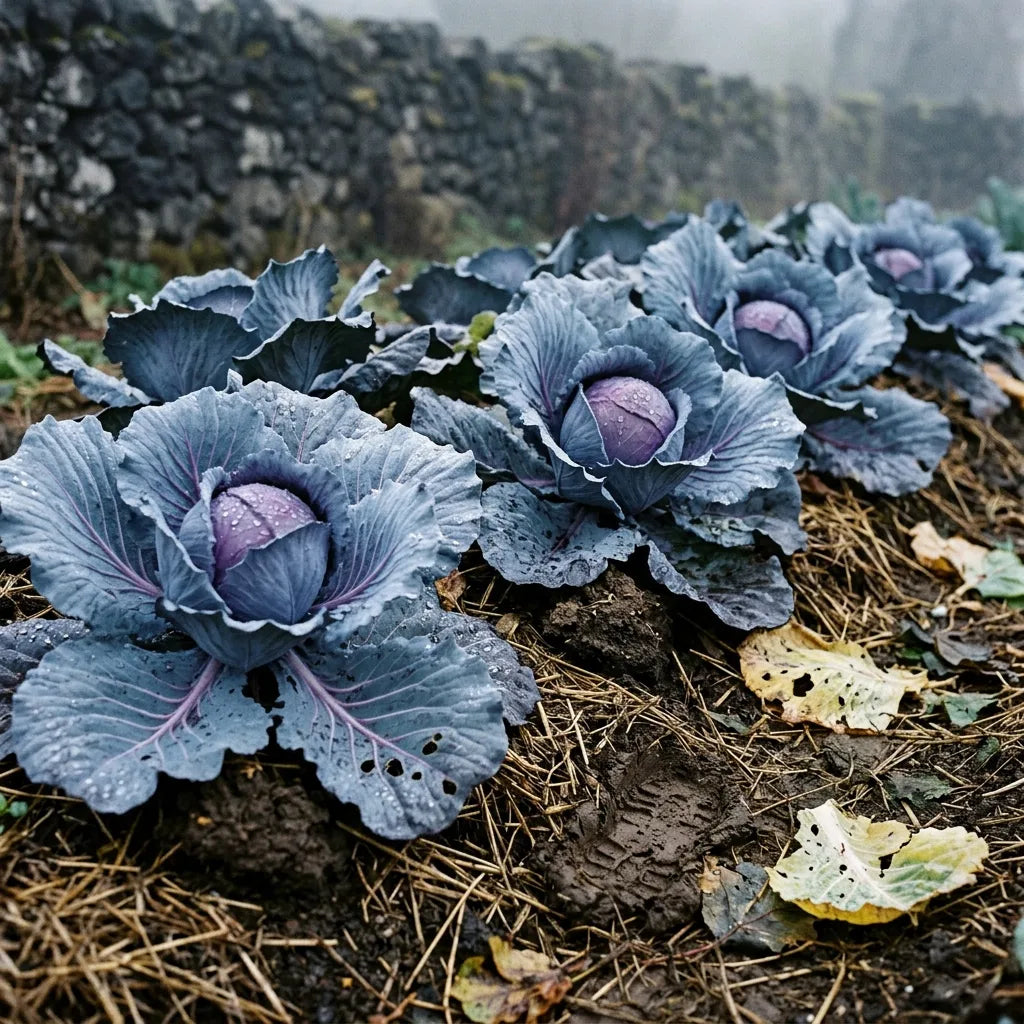
Hardy: it tolerates cold well and is harvested late in the season.
-
Raw or cooked: finely sliced in salads or slowly braised, it has two distinctly different lives.
Sowing advice:
-
Exposure: sunny.
-
Soil: deep, cool, rich, and well supplied with organic matter. Like all cabbages, it is a heavy feeder: a generous addition of well-rotted compost benefits it. Avoid growing it where another brassica has grown during the previous three years, because of clubroot.
-
Method: sow from March to June — under a cold frame in March–April, or outdoors from May to June — at a depth of 1 cm, in a nursery bed or in pots. See how to sow your seeds.
Planting advice:
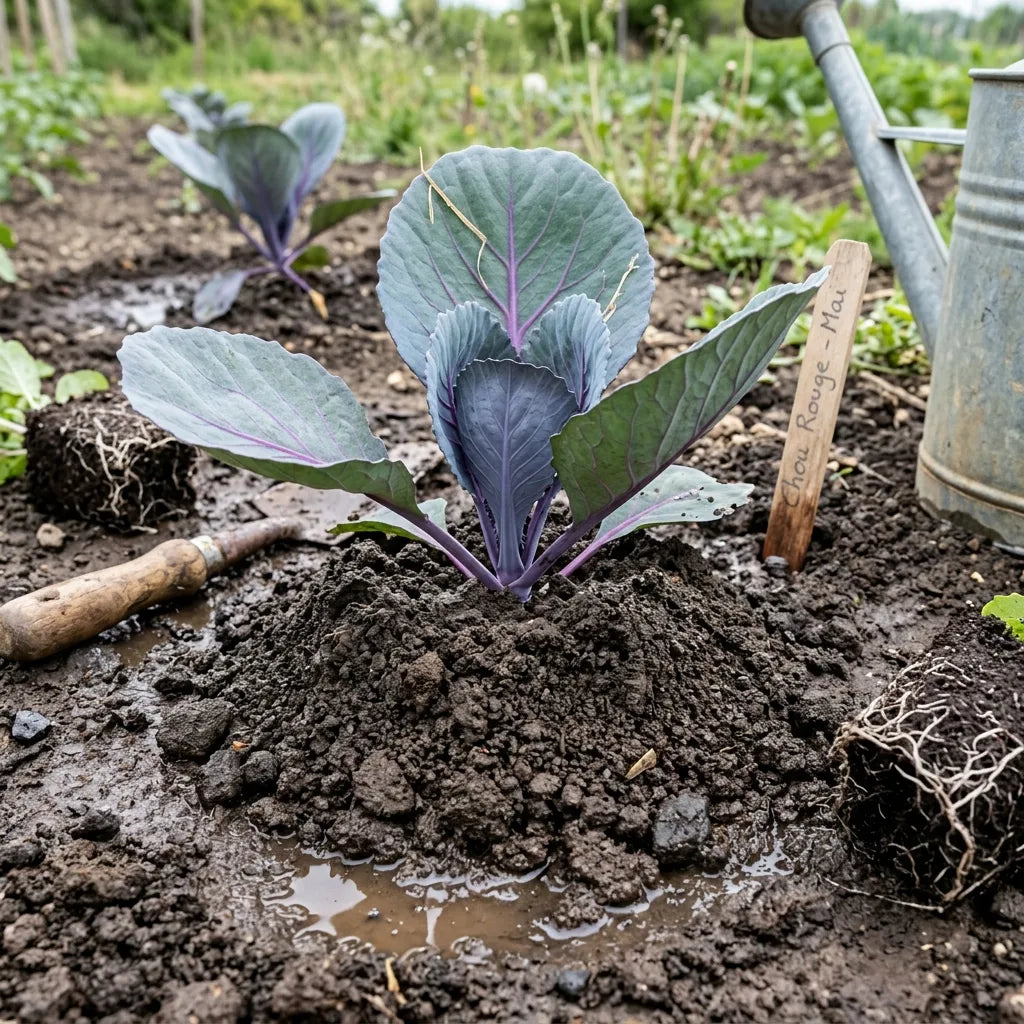
- Transplant at the 5- or 6-leaf stage, spacing plants 50 to 60 cm apart. Bury them up to the first leaves and earth up the base: the head becomes heavy and the plant can easily topple.
Care advice:
- Water regularly, as cabbage is sensitive to drought. Mulch generously.
- An insect-proof mesh cover placed immediately after planting effectively prevents cabbage white butterflies and cabbage root flies, without any treatment.
Harvesting advice:
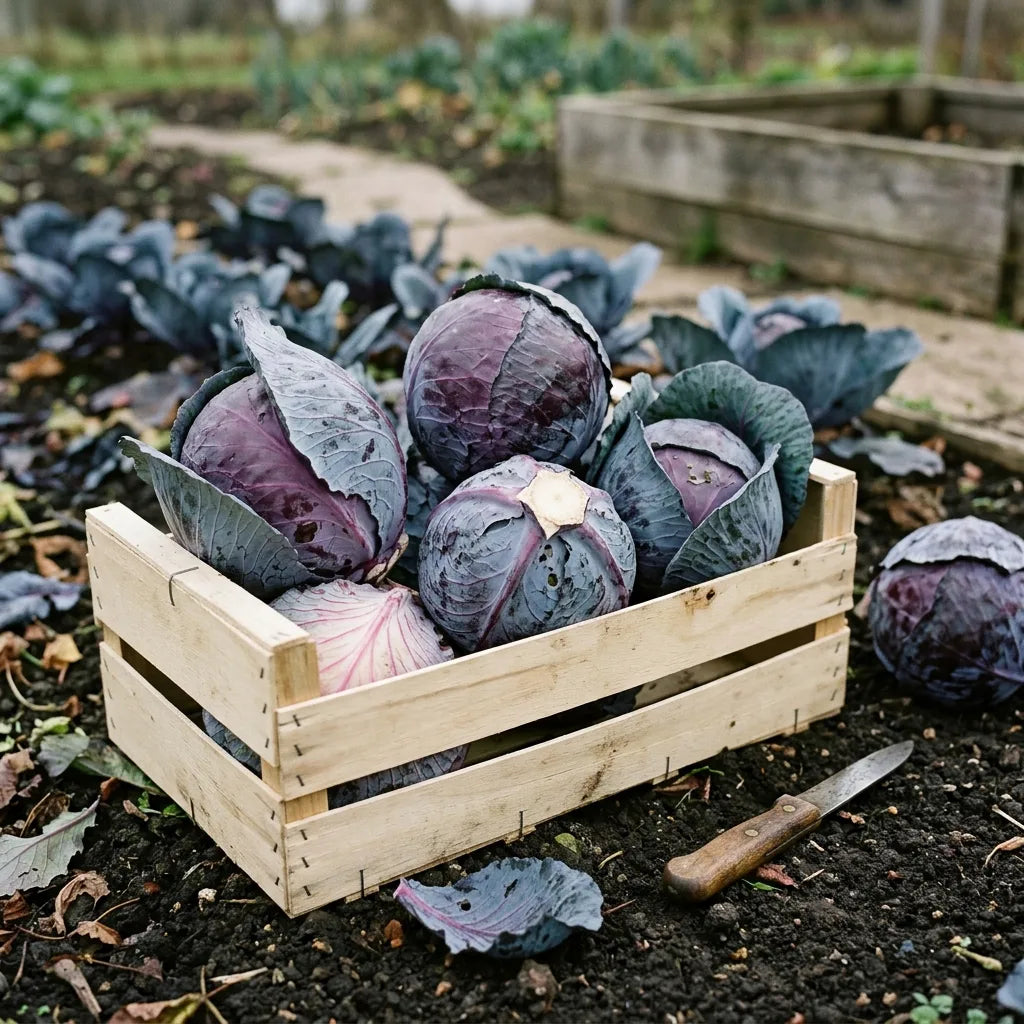
- Harvest when the head feels firm to the touch, before severe frosts. Cut at ground level, leaving the stalk in the soil: it often produces small edible shoots.
- Hung by the root in a cool, well-ventilated cellar, it keeps throughout the winter.
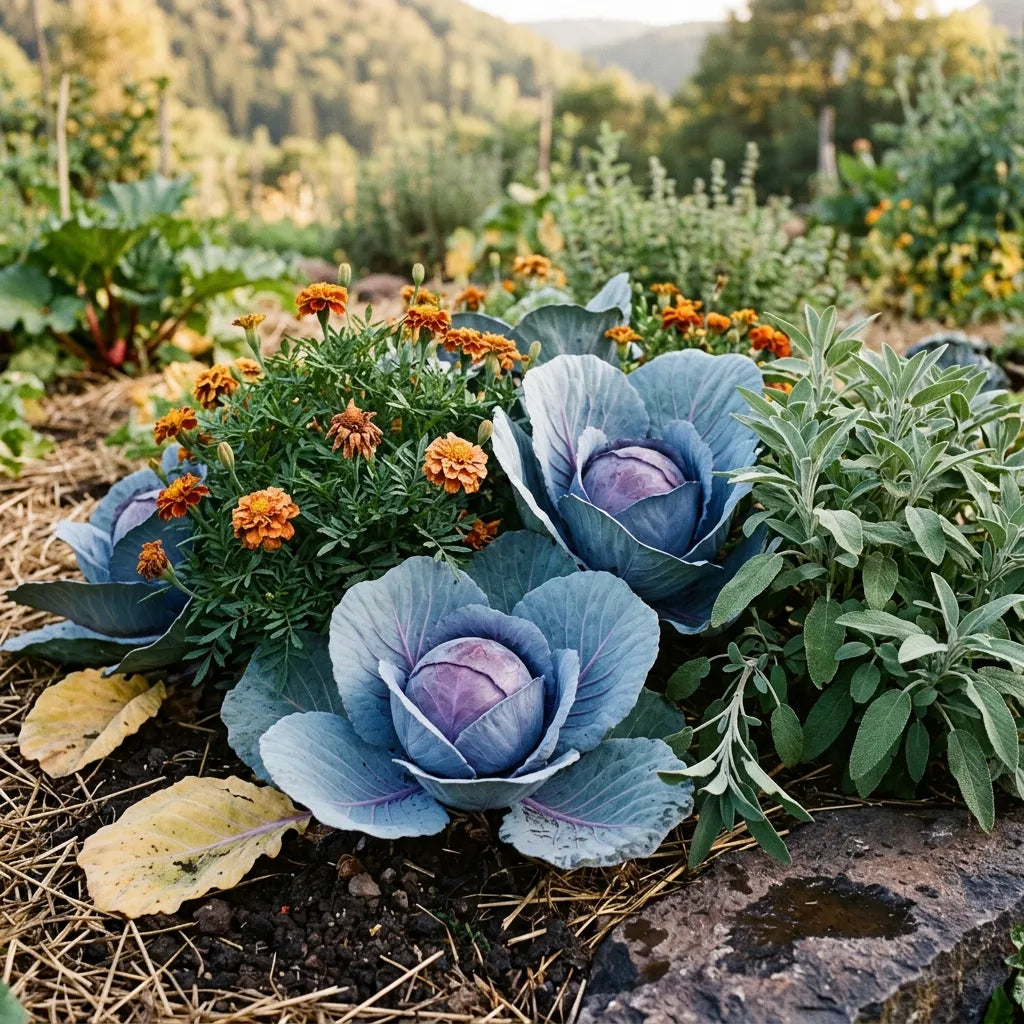
Beneficial companion plants:
Benefits for biodiversity:
- Its extended presence maintains plant cover in the kitchen garden through winter, protecting the soil and providing shelter for ground beetles and beneficial insects.
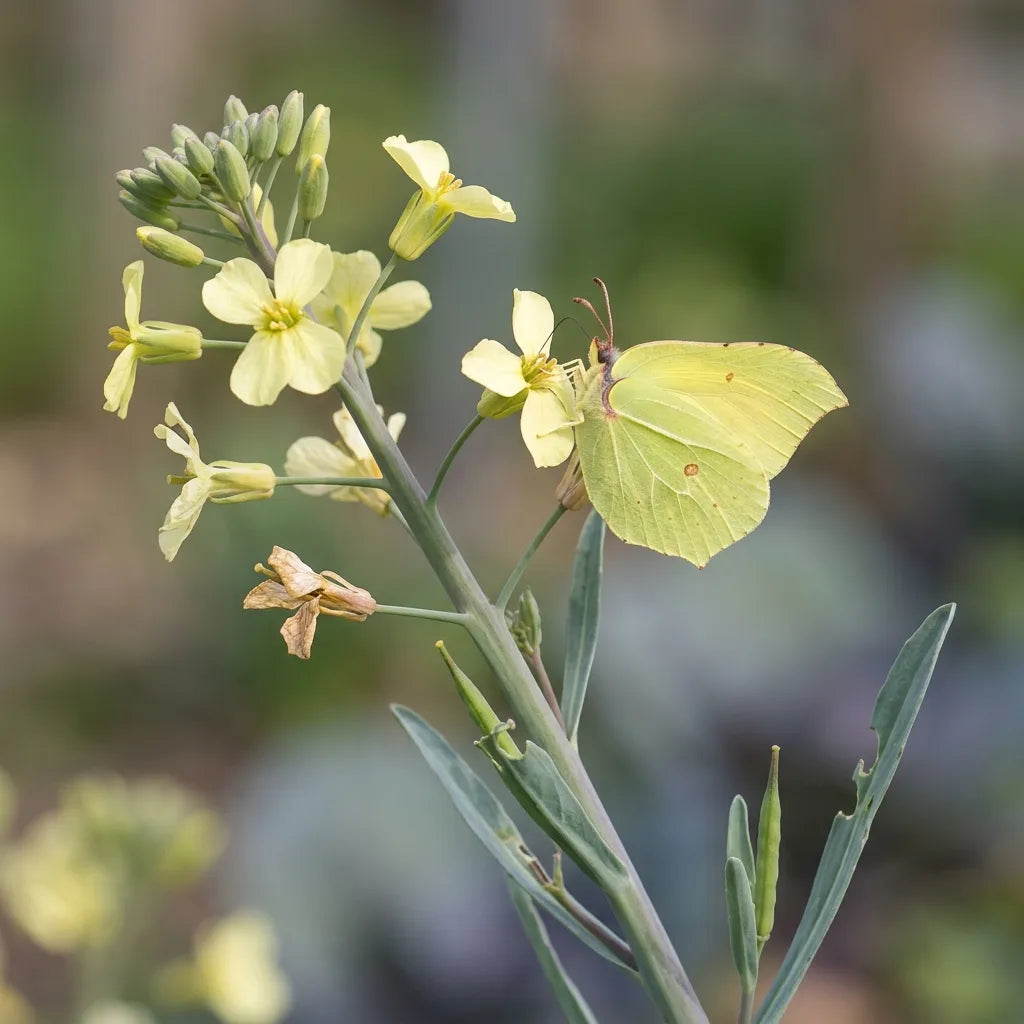
- If left to flower in its second year, it produces highly nectar-rich yellow clusters, valuable at the very beginning of spring.
Use:
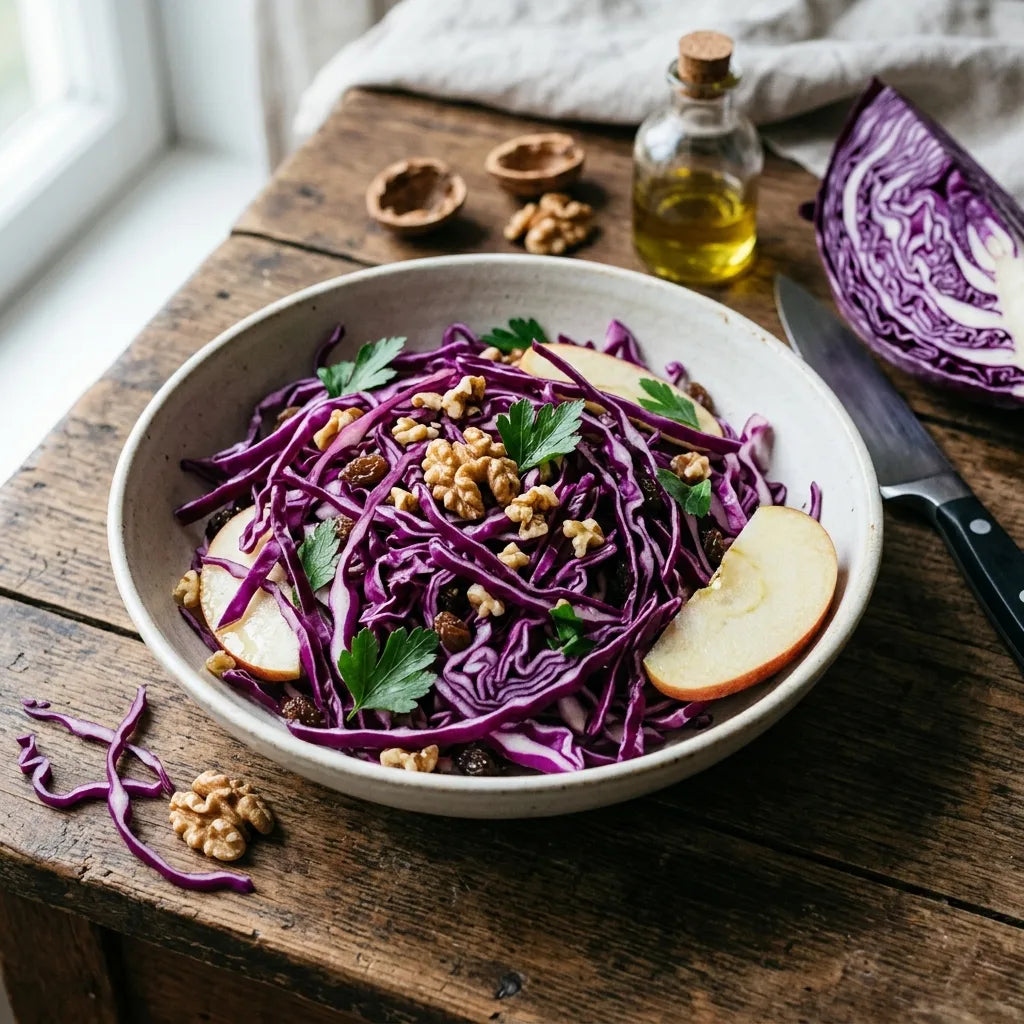
- Finely sliced raw in a salad with apple and walnuts, or slowly braised with bacon and chestnuts. Always add an acid — vinegar, lemon, or apple — to preserve its color during cooking. It is also very well suited to lacto-fermentation.
Saving your own seeds:
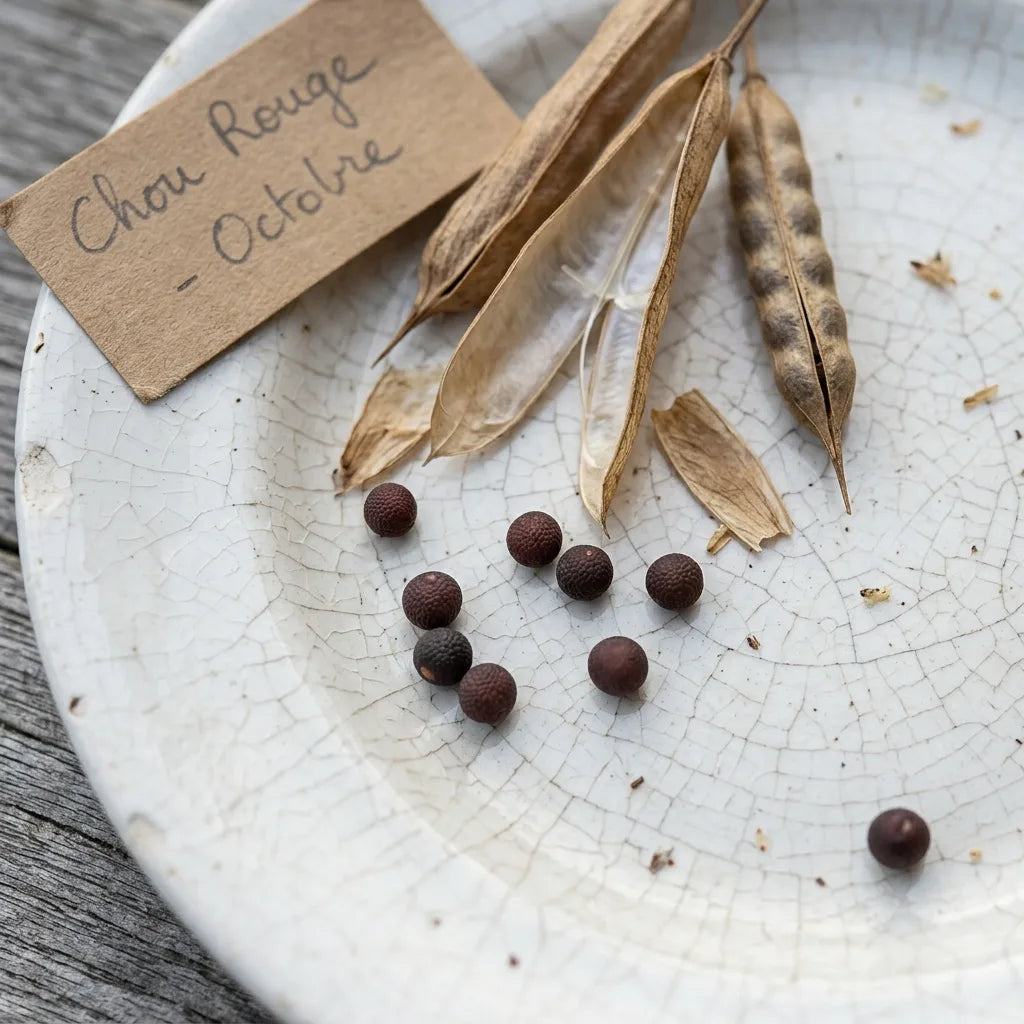
As a biennial, it produces seeds in its second year. Leave one plant in the ground over winter — in cold regions, store it in a cellar and replant it in spring — then harvest the brown, dry seed pods. Brassica oleracea varieties cross very easily with one another: isolate your seed plant. See how to save your seeds.
Commitment to Quality: at SemiSauvage - Permaculture, we grow and select our seeds with respect for all living things as our guiding principle. Based near the Auvergne Volcanoes, we choose open-pollinated, non-hybrid varieties, tested for their germination rate, carefully sorted and packaged, with no chemical treatment. Our conviction: to give gardeners back the ability to resow, year after year, seeds that truly belong to them.
Color in the kitchen garden, and a vegetable that lasts all winter.