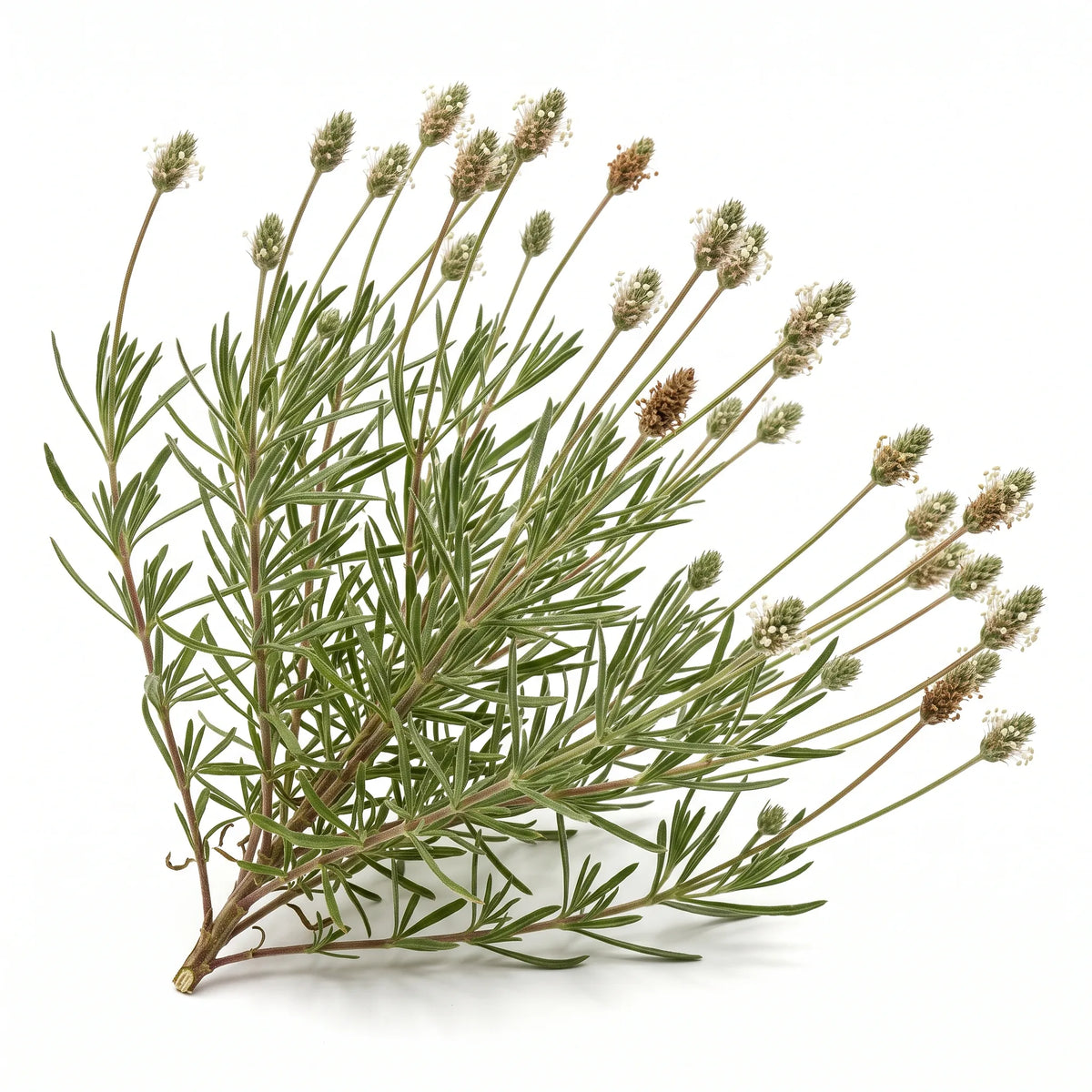
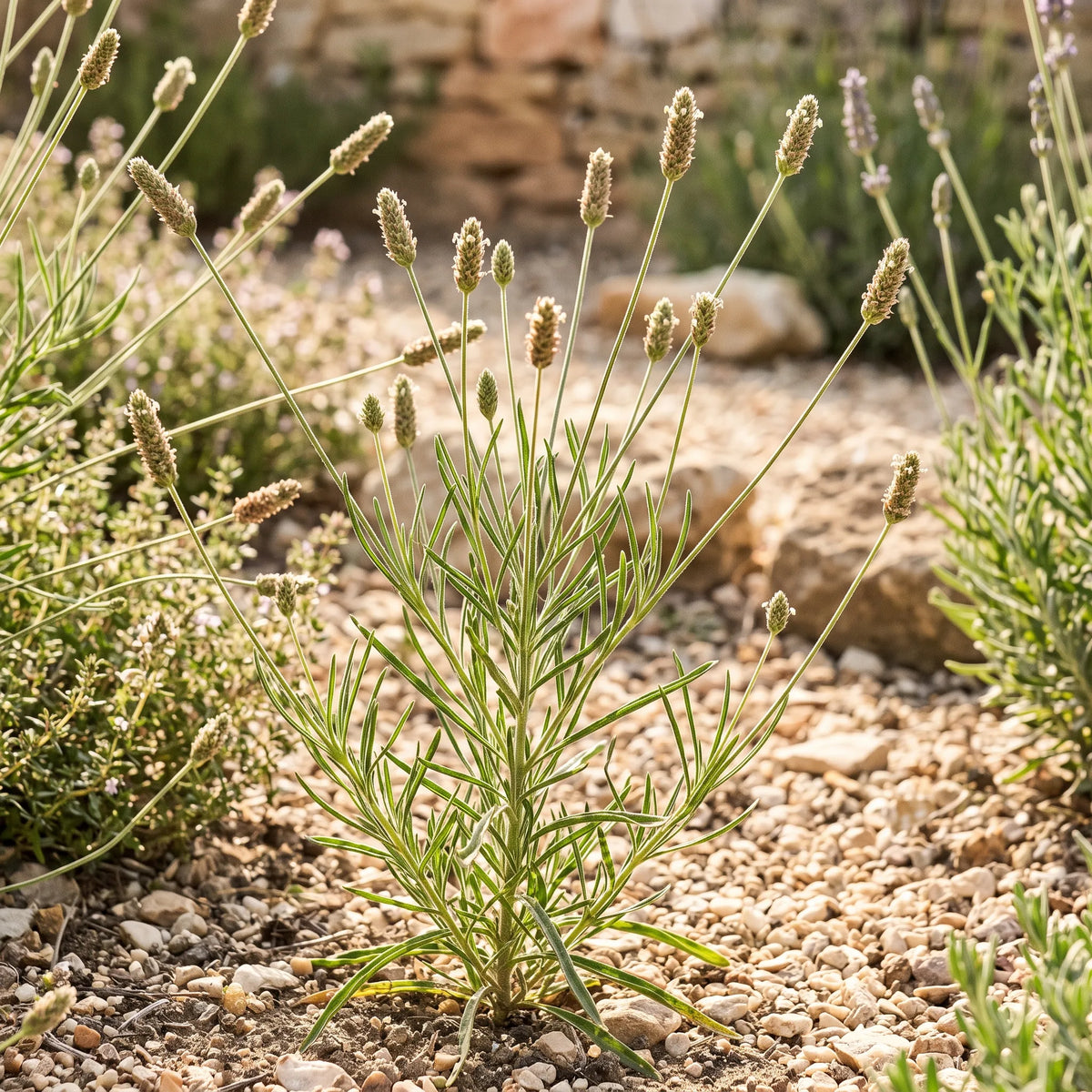
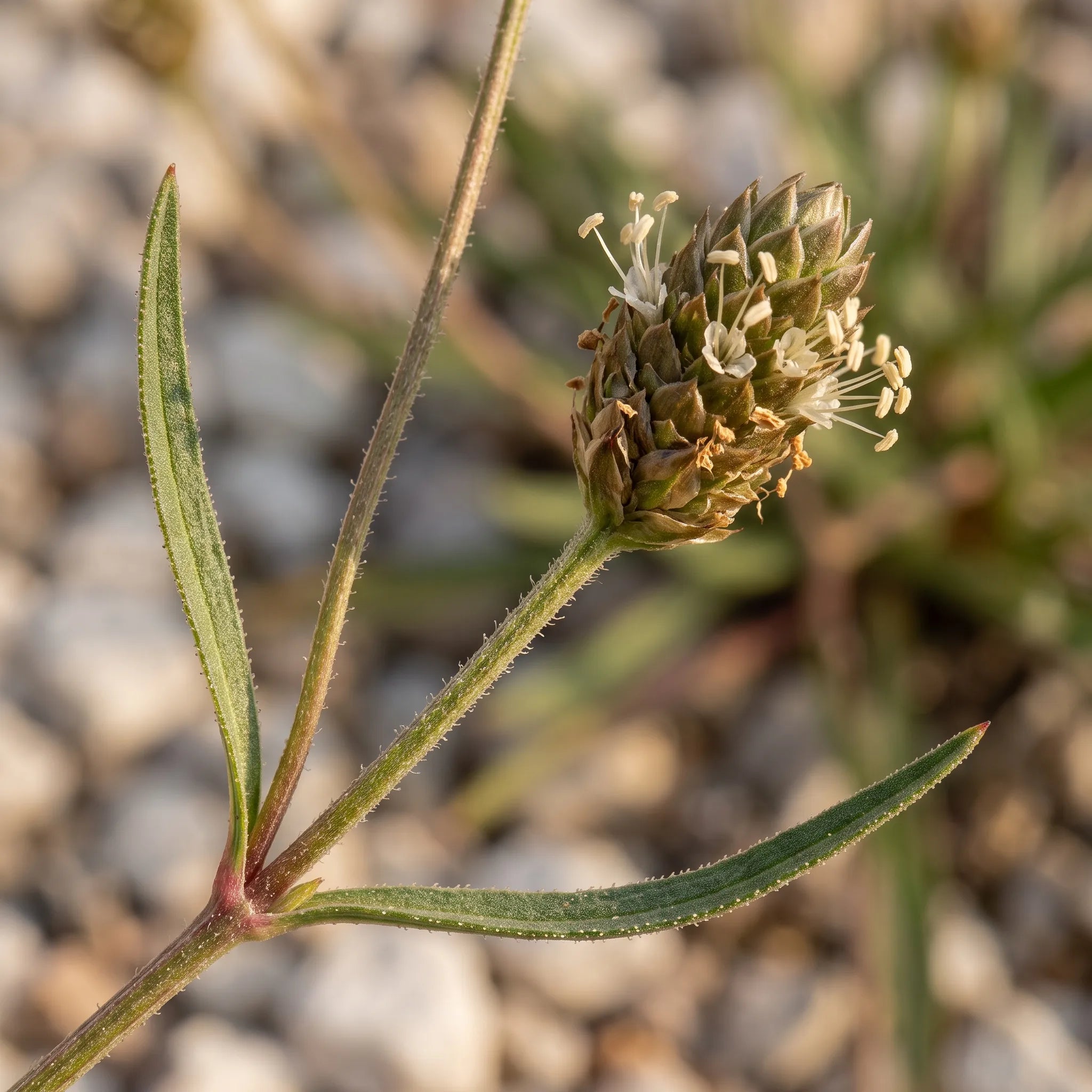
Plantago afra
Brown psyllium, sand plantain, flea herb, Provence psyllium: its nickname, flea herb, comes from its tiny, brown, shiny seeds, which look remarkably like the insect. This is French psyllium, historically cultivated in Provence and listed in the French Pharmacopoeia — to be carefully distinguished from its Indian cousin.
Characteristics:
-
Brown seeds: tiny and shiny, they are the harvested part of the plant.
-
Very frugal: it is content with poor soils and survives droughts without complaint.
-
Cold-hardy: it acclimatizes to most temperate regions.
-
Undemanding: an easy crop, ideal for a dry, inhospitable corner of the garden.
Good to know:
- Do not confuse it with Indian plantain (Plantago ovata), sold under the name blond psyllium: these are two distinct species. Brown psyllium is the variety historically cultivated in France.
- A traditional medicinal plant listed in the French Pharmacopoeia, whose use is subject to professional supervision.
Sowing advice:
-
Exposure: full sun.
-
Soil: loamy, light, sandy and above all well-drained. It is perfectly happy in poor soil — this is even preferable. No fertilization is necessary.
-
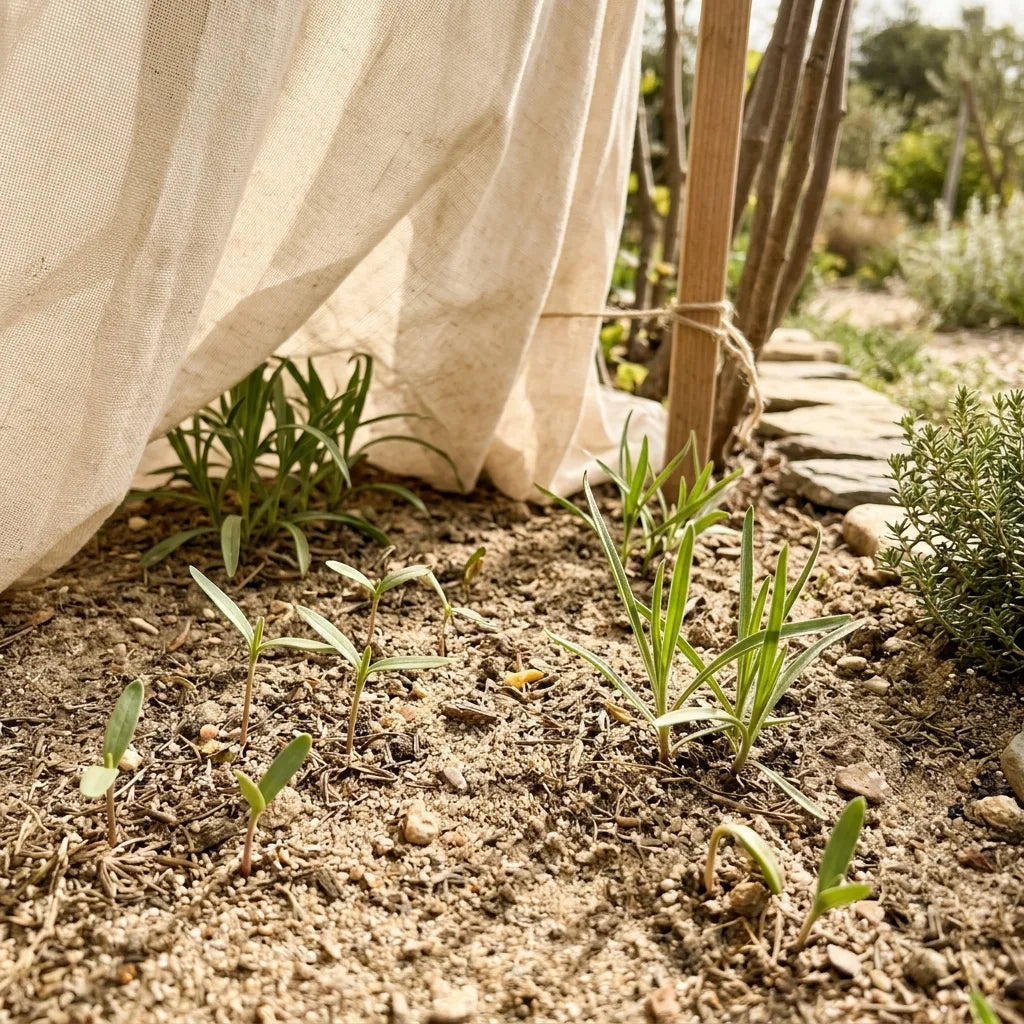
Method: sow directly in place from March to May, on the surface or barely covered: the seeds are extremely fine. Simply firm them down and keep them slightly moist until emergence. See how to sow seeds.
Care advice:
- Virtually none. Water very sparingly: excess water harms it far more than drought.
-
Important point: summer rain during ripening can jeopardize the harvest, as the seeds become gelatinous when in contact with water. Choose a well-exposed location and monitor the weather as harvest approaches.
Harvest advice:
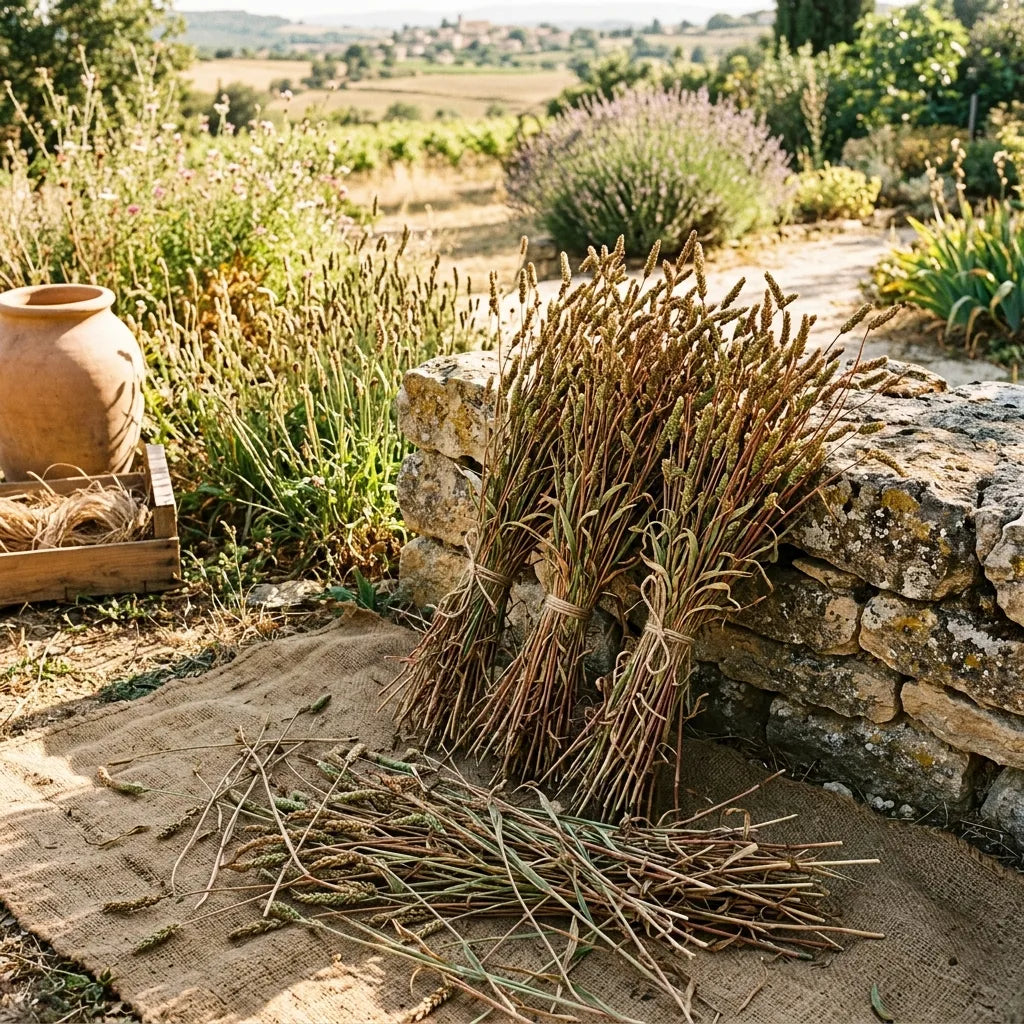
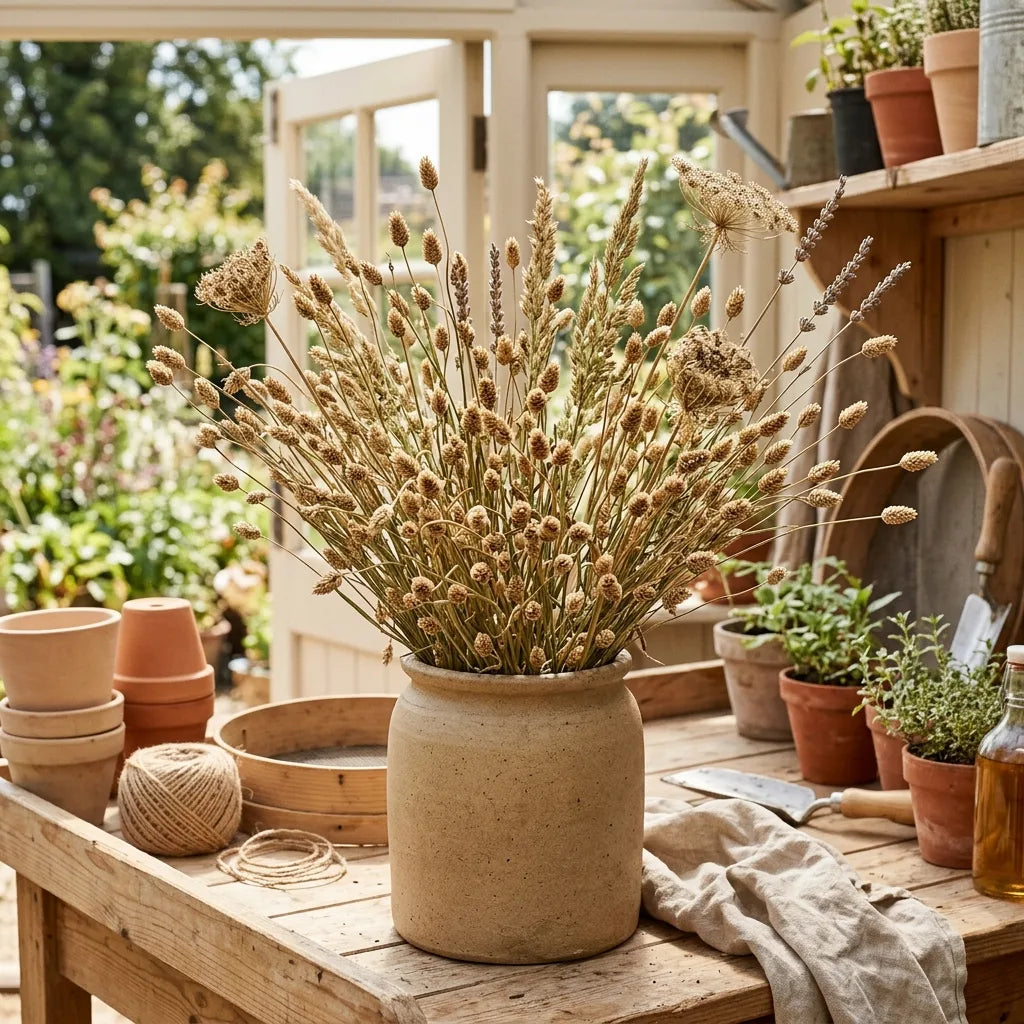
- Harvest the spikes in dry weather, when they turn brown and before they shed their seeds, then dry them completely under cover before rubbing them over a container.
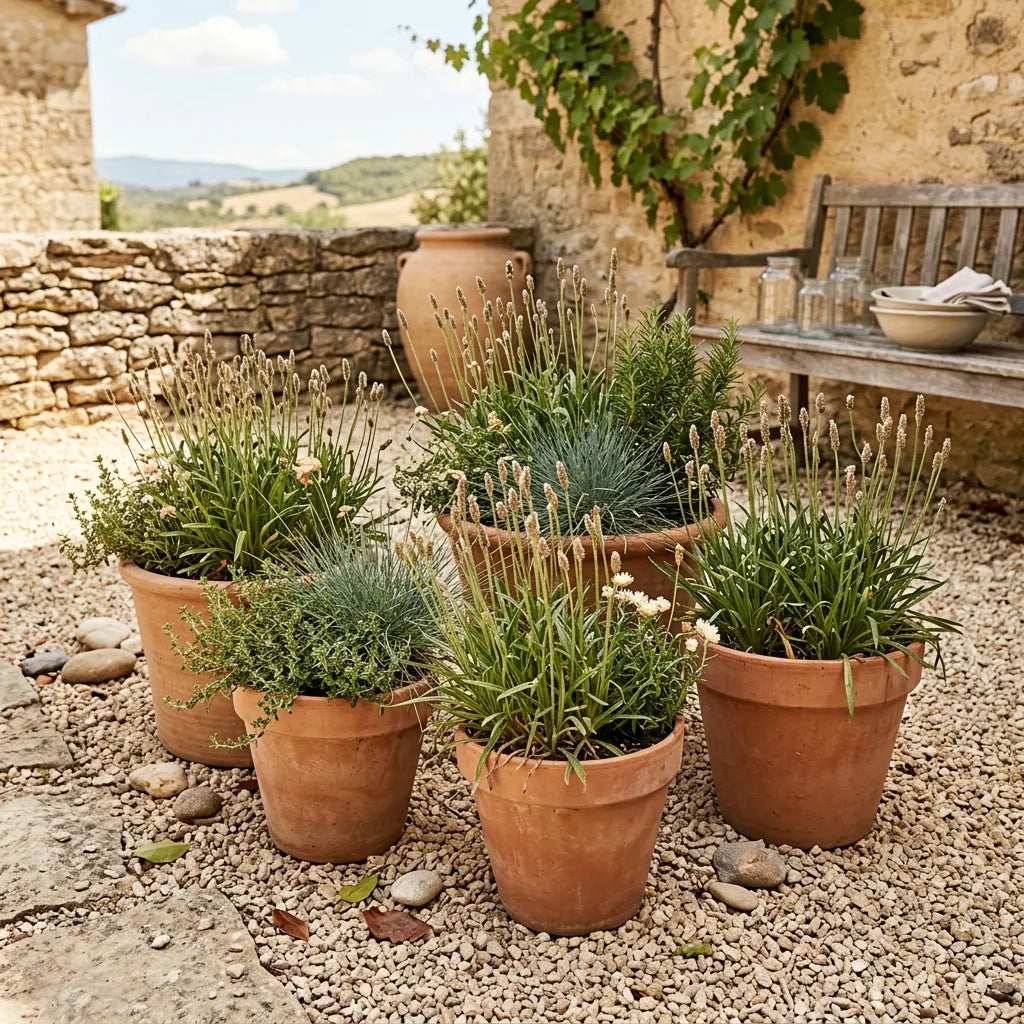
Beneficial pairings:
Benefits for biodiversity:
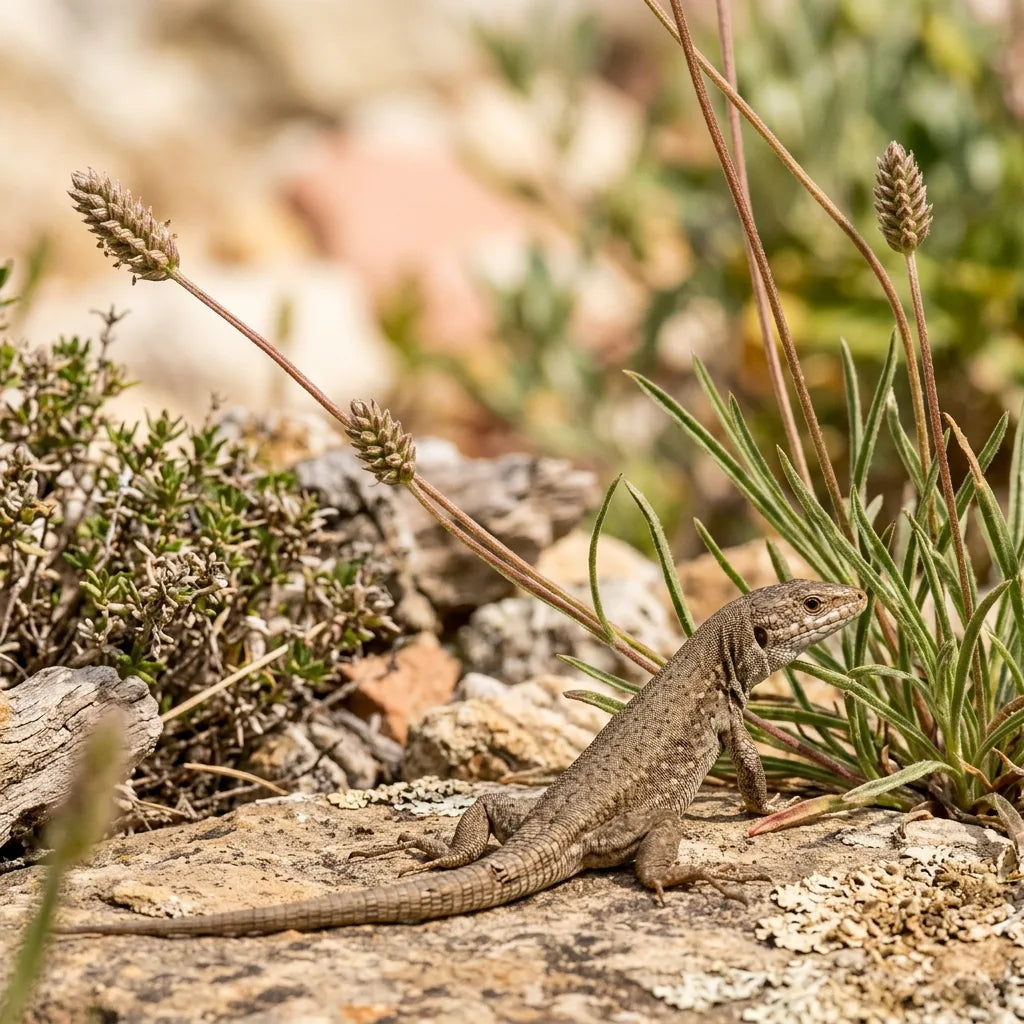
- Its inconspicuous spikes produce pollen appreciated by small pollinators, and its seeds feed seed-eating birds at the end of the season.
- Its drought tolerance makes it a good candidate for water-efficient gardens.
- Cultivating this Provençal species helps preserve a traditional crop plant that has become rare in France.
Uses:
- A traditional medicinal plant listed in the French Pharmacopoeia, cultivated in Provence for centuries. See our medicinal plants to sow.
- Also of interest as a botanical curiosity and a reminder of a heritage crop.
Harvesting your own seeds:
This is the harvest itself: keep some of the seeds for the following sowing. Let a few spikes ripen completely on the plant in dry weather, then dry them under cover. See storing your seeds.
Commitment to Quality: at SemiSauvage - Permaculture, we grow and select our seeds with respect for all living things as our guiding principle. Based near the Volcanoes of Auvergne, we choose reproducible, non-hybrid varieties, test them for germination rates, and carefully sort and package them without any chemical treatment. Our belief: to give gardeners back the ability to resow, year after year, seeds that truly belong to them.
Authentic French psyllium, a heritage crop from Provence.