Lavandula angustifolia
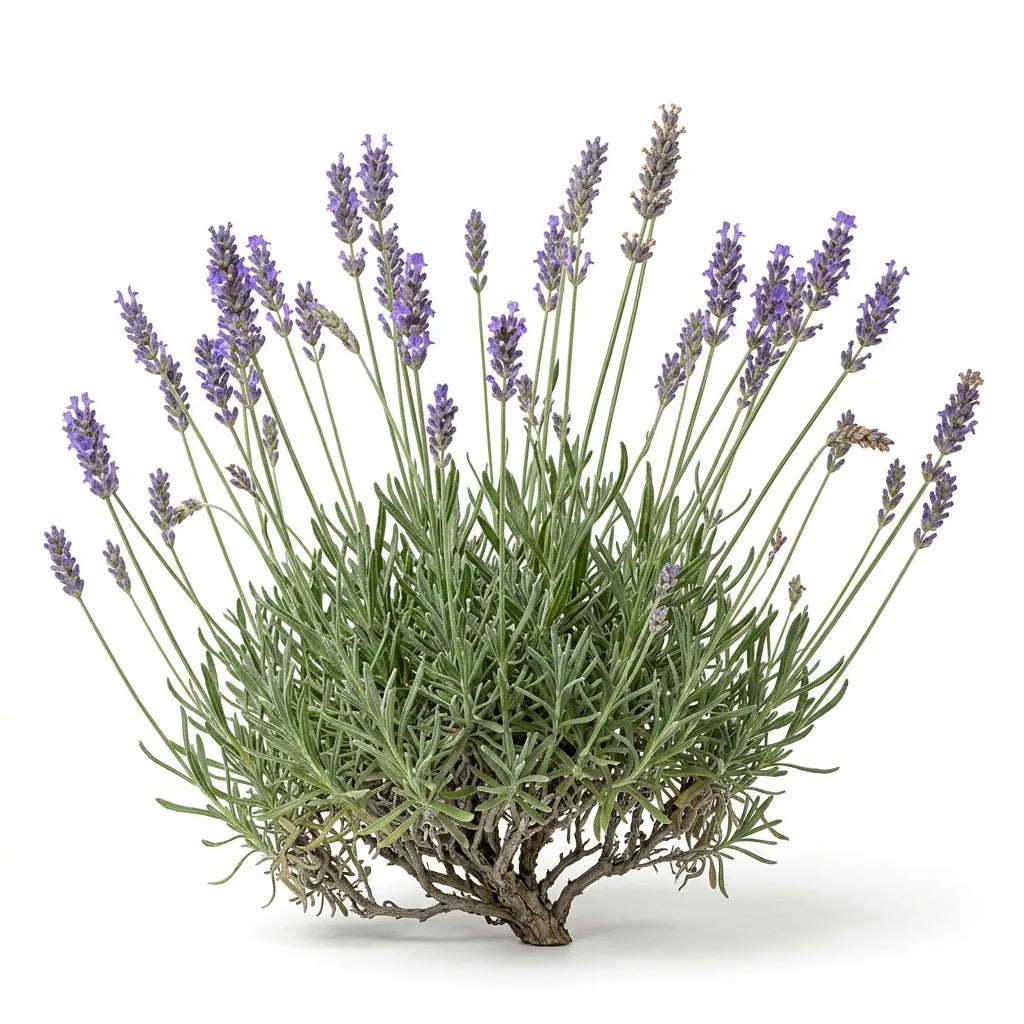
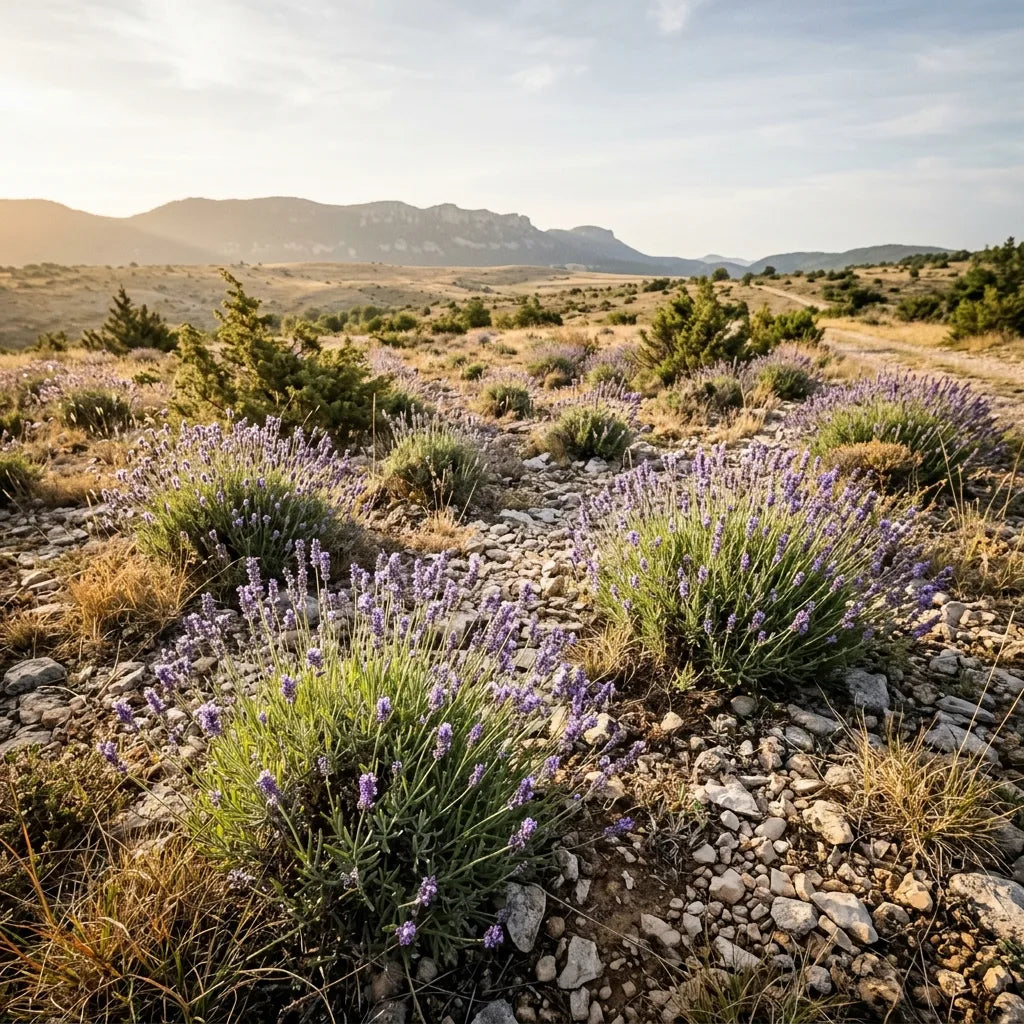
English lavender, fine lavender, true lavender: whatever name you give it, this shrub remains inseparable from the image of Provence. Its purple fields streaking the plateaus of Haute-Provence have made the perfume industry of Grasse world-famous for centuries.
Characteristics:
-
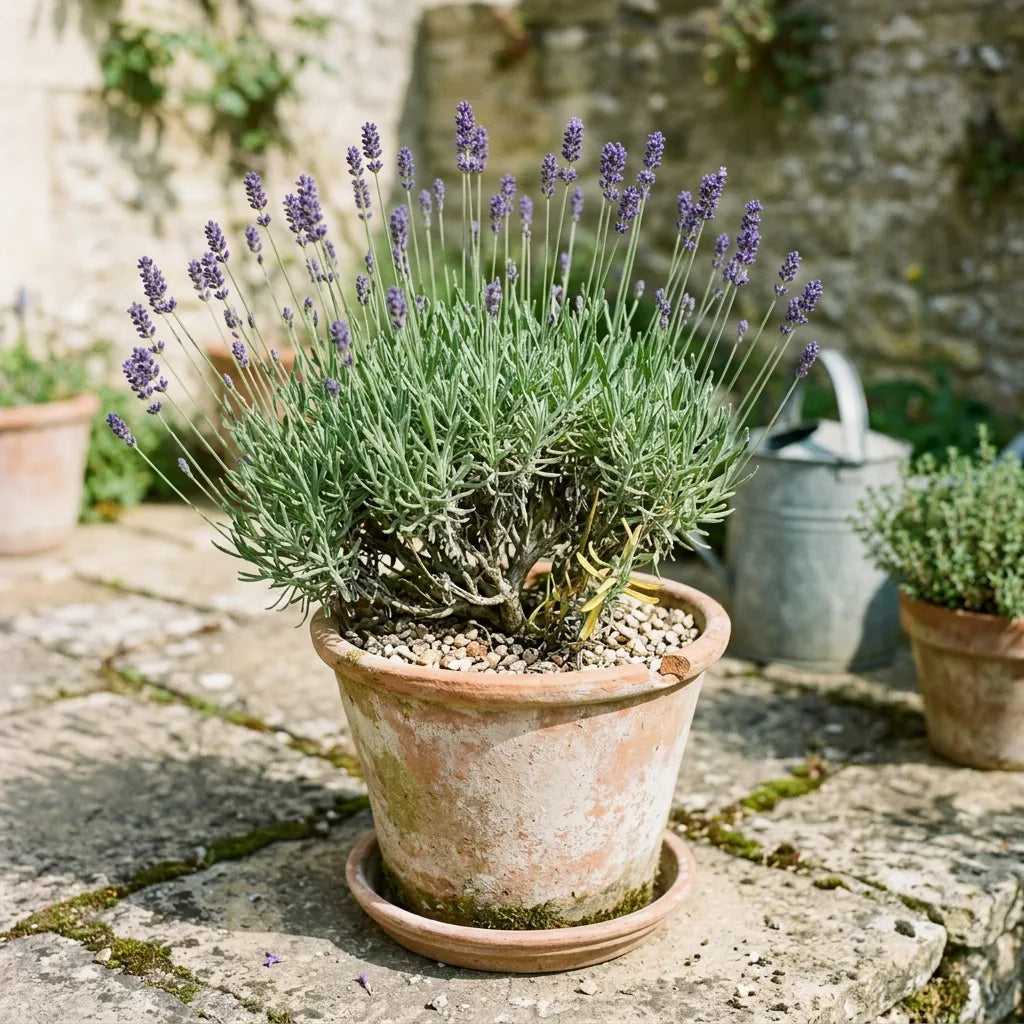
Fragrant shrub: bushy, upright branches and evergreen, ash-green foliage.
-
Long flowering period: white, pink, blue, or mauve flower spikes with a sweet, penetrating fragrance, from April to September depending on the region.
-
Long lifespan: when well cared for, lavender can live for around ten years in the garden.
Sowing advice:
-
Exposure: full sun is essential, ideally in a warm, well-ventilated position.
-
Soil: light, poor, stony, chalky, and above all very well drained — this is the critical point. It dies in heavy, clayey, or waterlogged soil in winter. Never fertilize: poor soil produces a more intense fragrance and a more compact plant. In heavy soil, plant on a mound or incorporate gravel.
-
Method: the seeds require cold stratification to germinate properly — see our guide to cold stratification. Then sow in pots under cover at the end of winter, on the surface because they need light to germinate.
Planting advice:
- Transplant in spring after the last frosts (or in autumn in southern regions), spacing plants 40 to 50 cm apart.
- It is perfectly suited to rock gardens, slopes, borders, or large pots. It is generally hardy between -12 °C and -15 °C.
Care advice:
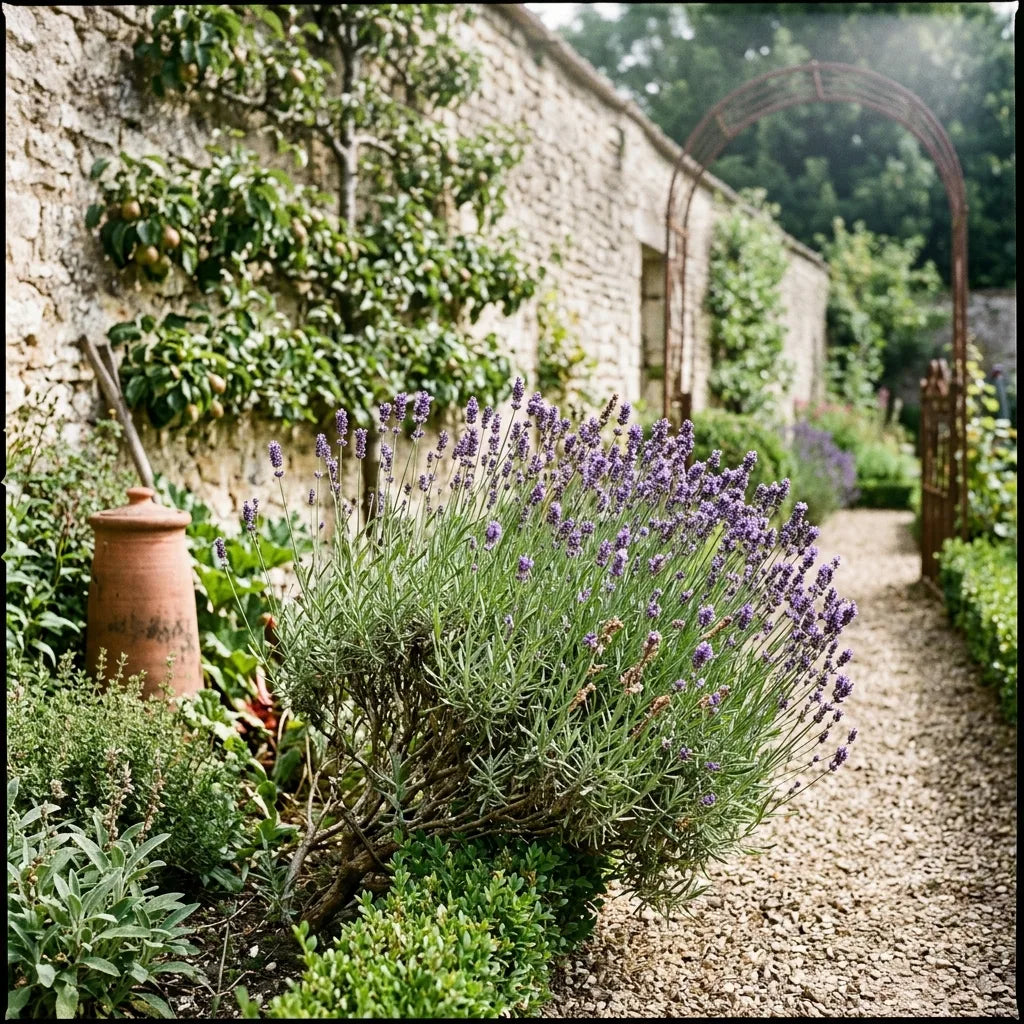
- Prune lightly each year after flowering, never cutting into the old wood: this is what determines its longevity and rounded shape.
- Almost no watering is needed once established — it is the quintessential drought-resistant garden plant.
Harvesting advice:
- Pick the flower spikes at the beginning of flowering, in the morning after the dew has dried, when the fragrance is at its strongest. Dry them in hanging bunches upside down, in the shade and in a dry place.
Beneficial associations:
- It has the same requirements as other Mediterranean plants such as the thornless perennial caper plant, with which it creates a harmonious dry rock garden.
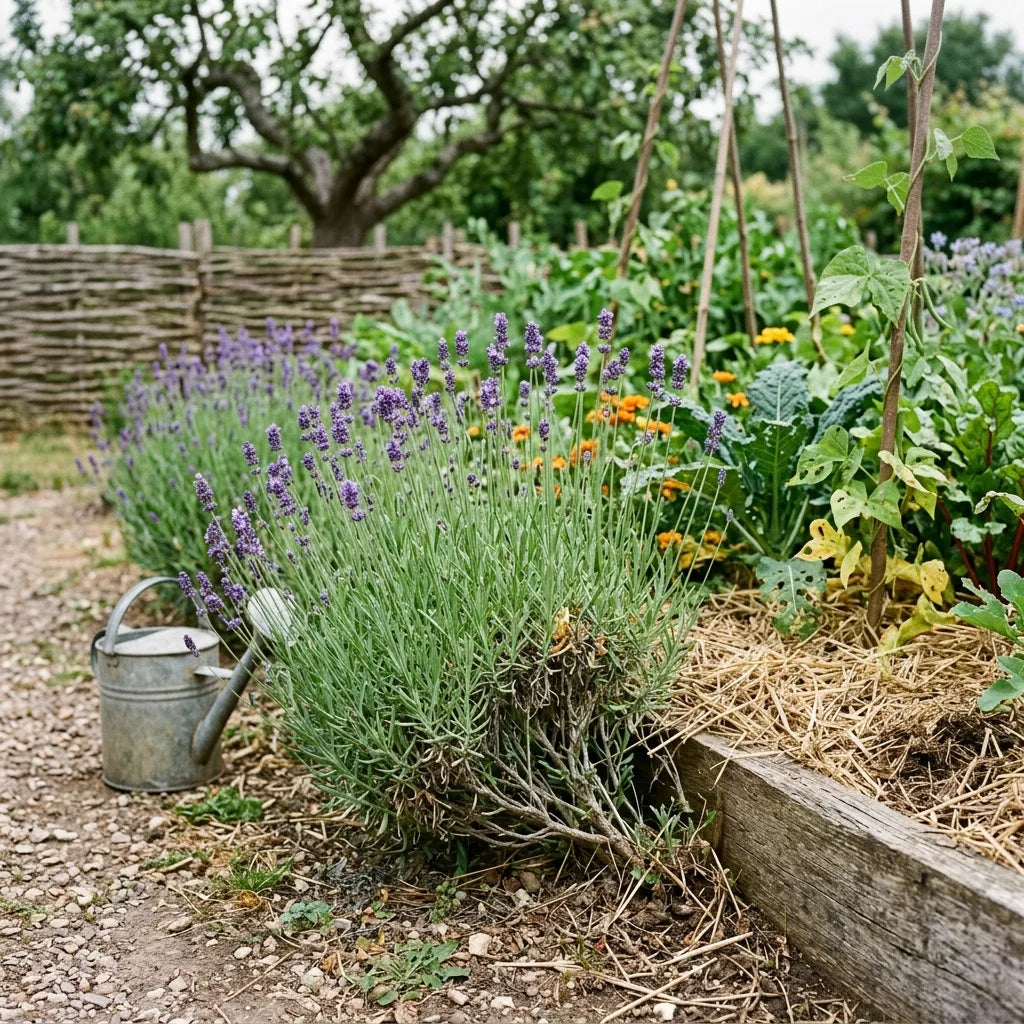
- Planted near roses or the vegetable garden, its scent disrupts certain unwanted insects — see repellent plants.
Benefits for biodiversity:
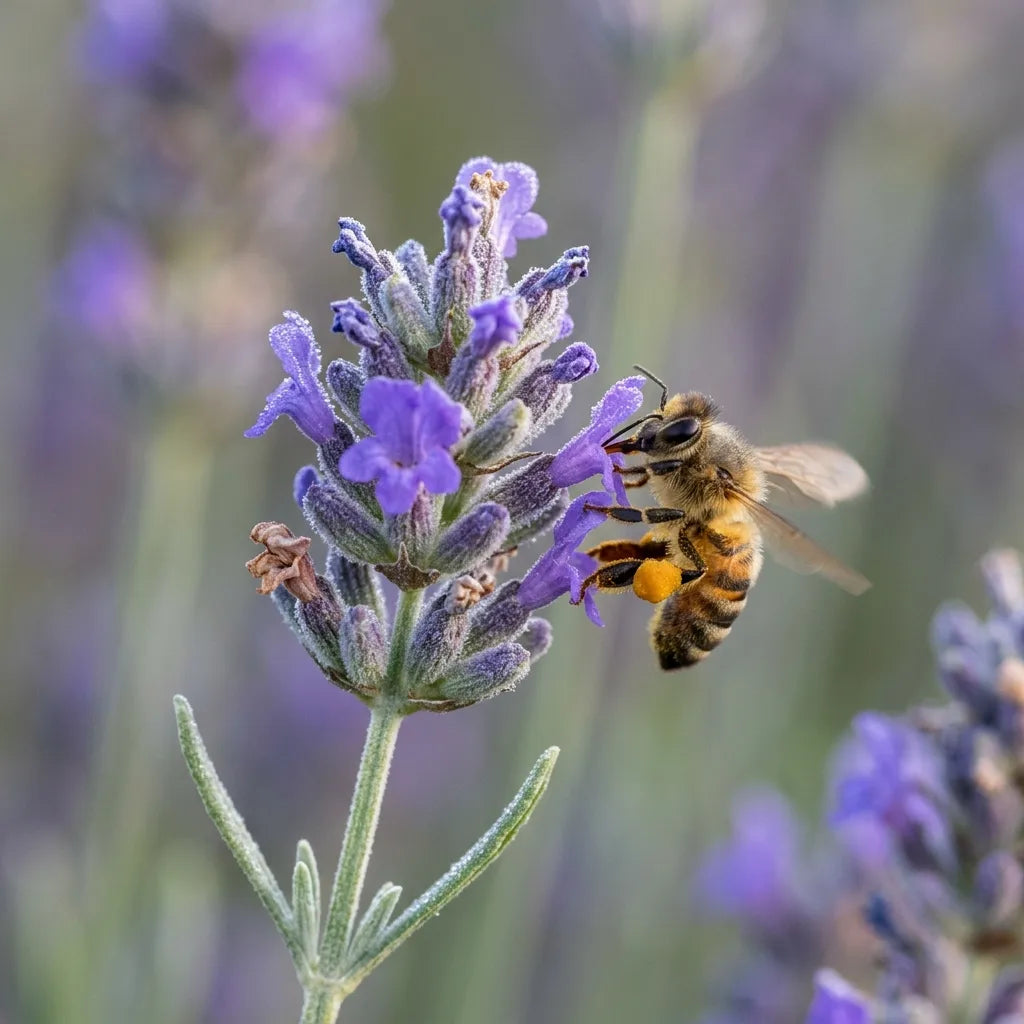
- An iconic nectar-producing plant, it is one of the most visited by both domestic and wild bees, as well as butterflies, throughout its long summer flowering period.
Uses:
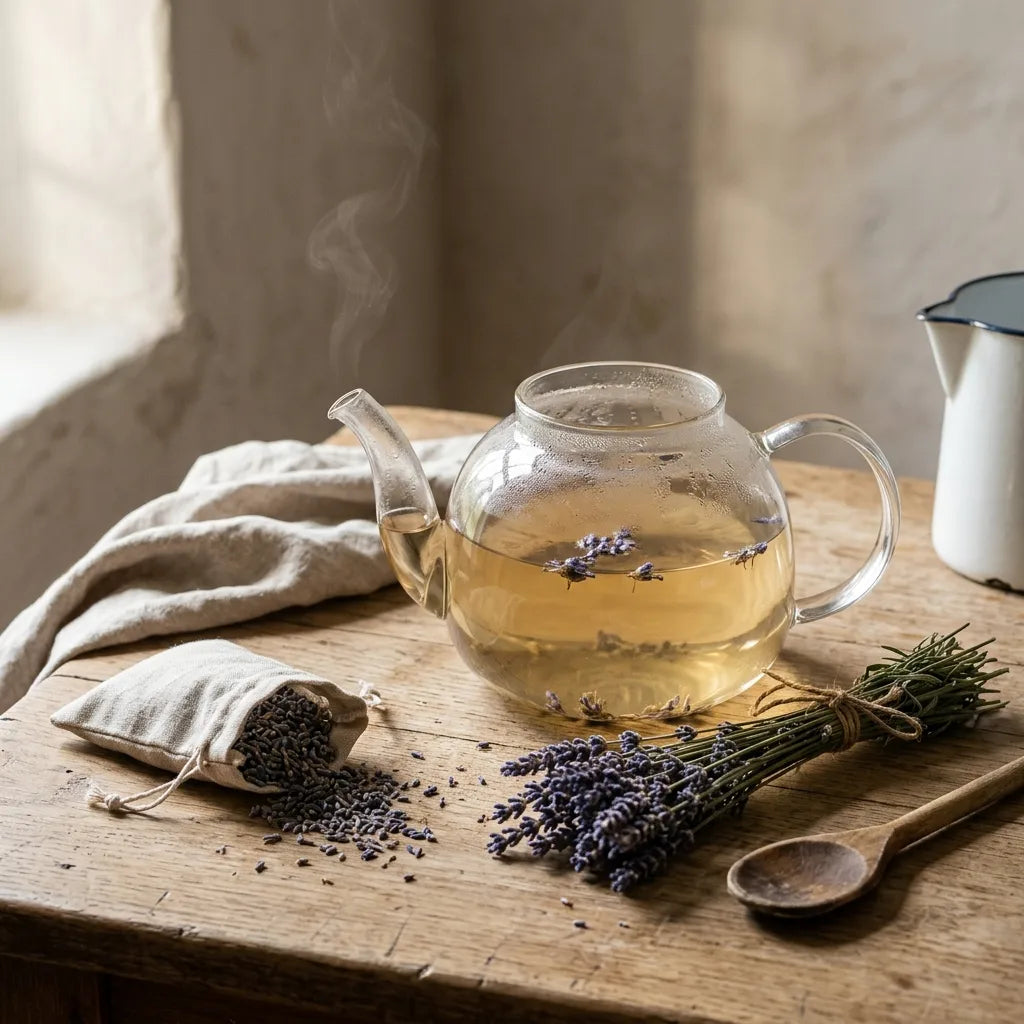
- The dried flowers scent laundry, are used in Herbes de Provence, and are traditionally used in herbal infusions.
Symbolism:
Lavender is inseparable from Provençal identity, to the point of becoming the floral emblem of an entire region and a historic pillar of the French perfume industry.
Harvesting your own seeds:
Leave a few flower spikes to turn brown and dry completely on the plant after flowering, then rub them over a container to release the seeds. Note that lavenders cross-pollinate easily: harvested seeds may produce plants that differ slightly from the parent plant. See storing your seeds.
Commitment to Quality: at SemiSauvage - Permaculture, we grow and select our seeds with respect for living things as our guiding principle. Based near the Volcanoes of Auvergne, we choose open-pollinated, non-hybrid varieties, tested for their germination rate, carefully sorted and packaged, with no chemical treatment. Our belief: to restore gardeners' ability to resow, year after year, seeds that truly belong to them.
Add these lavender seeds to your garden to enjoy their iconic beauty and fragrance.