Brassica oleracea var. capitata
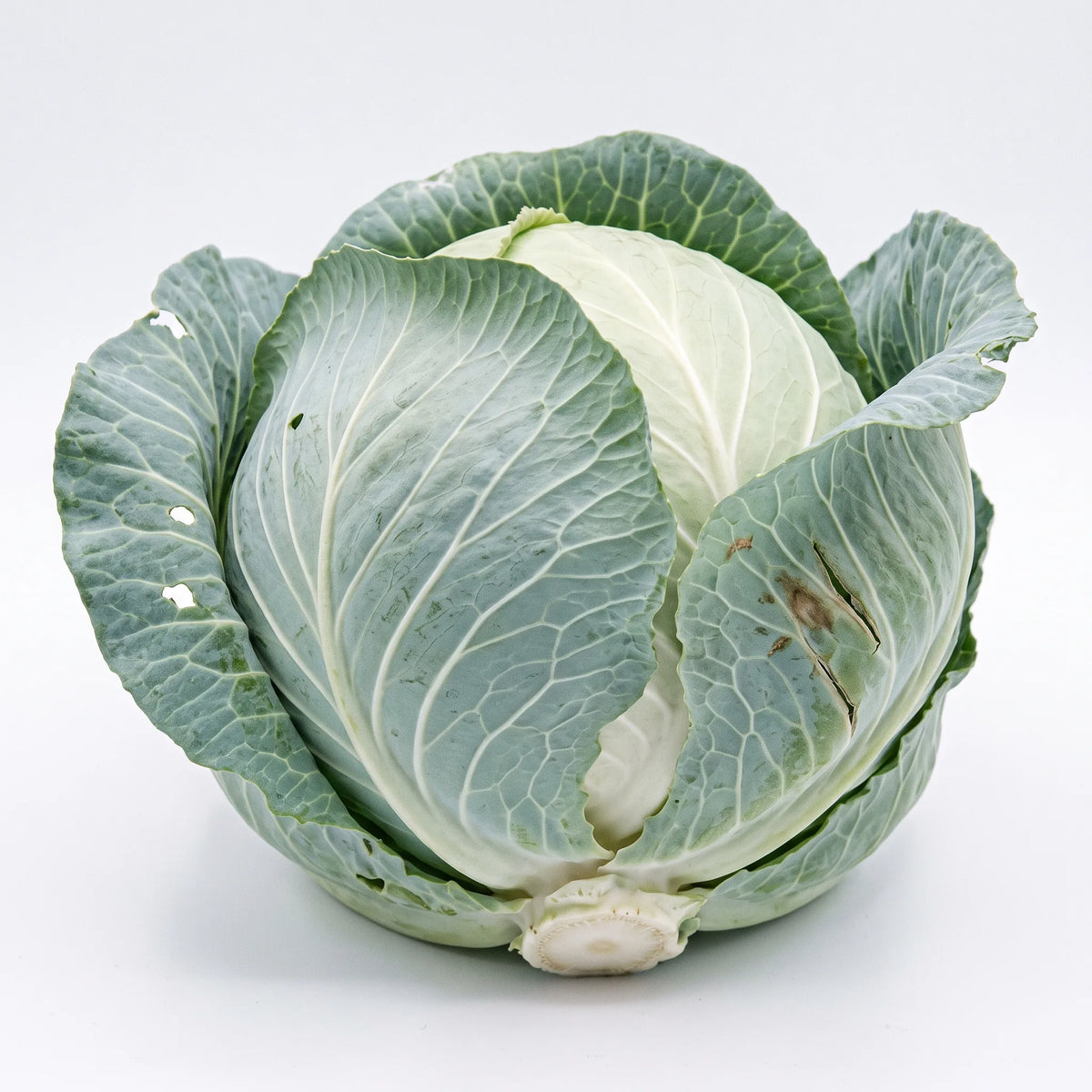
White cabbage, headed cabbage, smooth-headed cabbage, quintal cabbage: this is cabbage par excellence, the one from which sauerkraut and all traditional country stews are made. Its smooth, tightly packed leaves form a dense head that keeps for months—and its exceptional hardiness, down to -15 °C and below, once made it the food security of winter.
Characteristics:
-
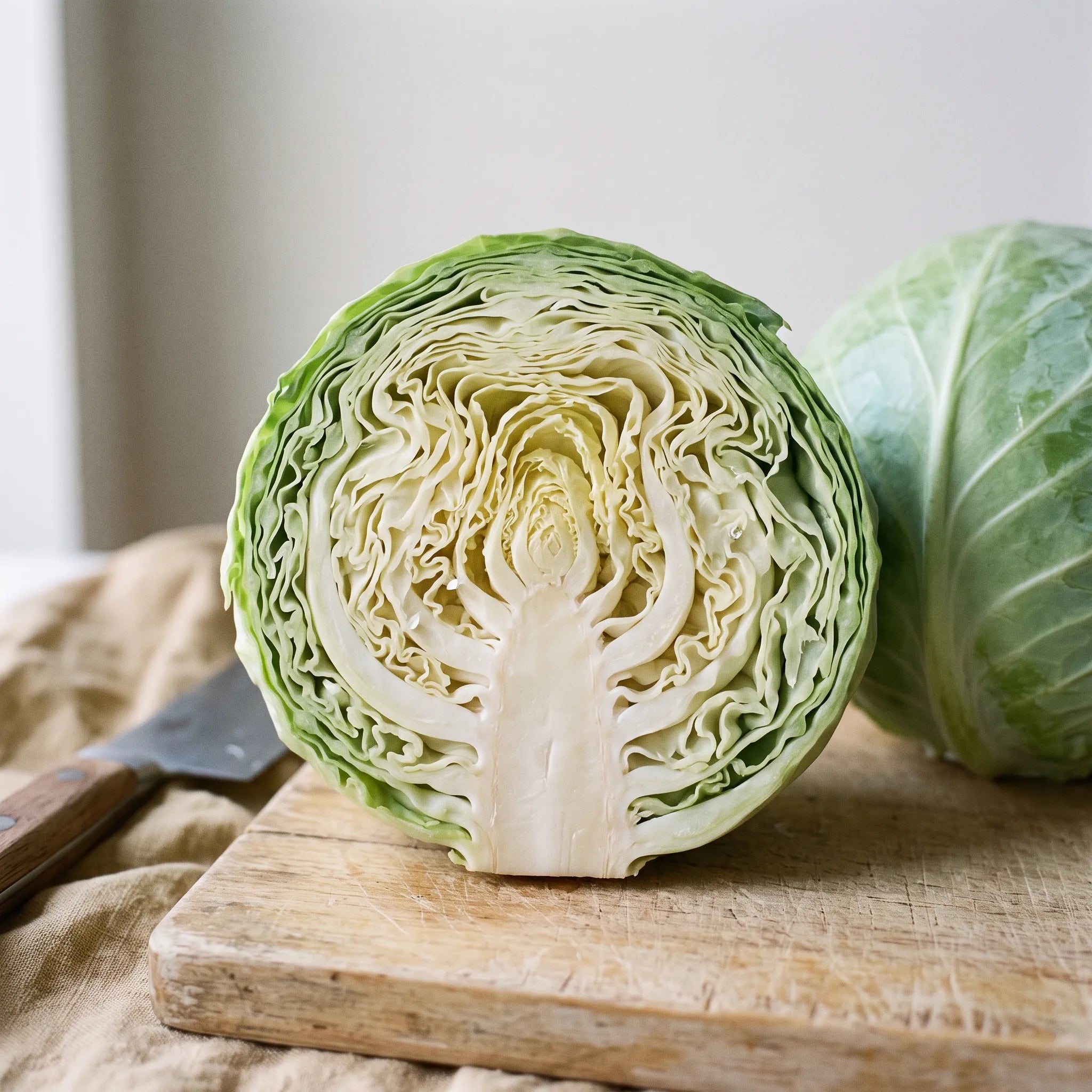
Smooth, dense head: tightly packed leaves, white to pale green, very crisp.
-
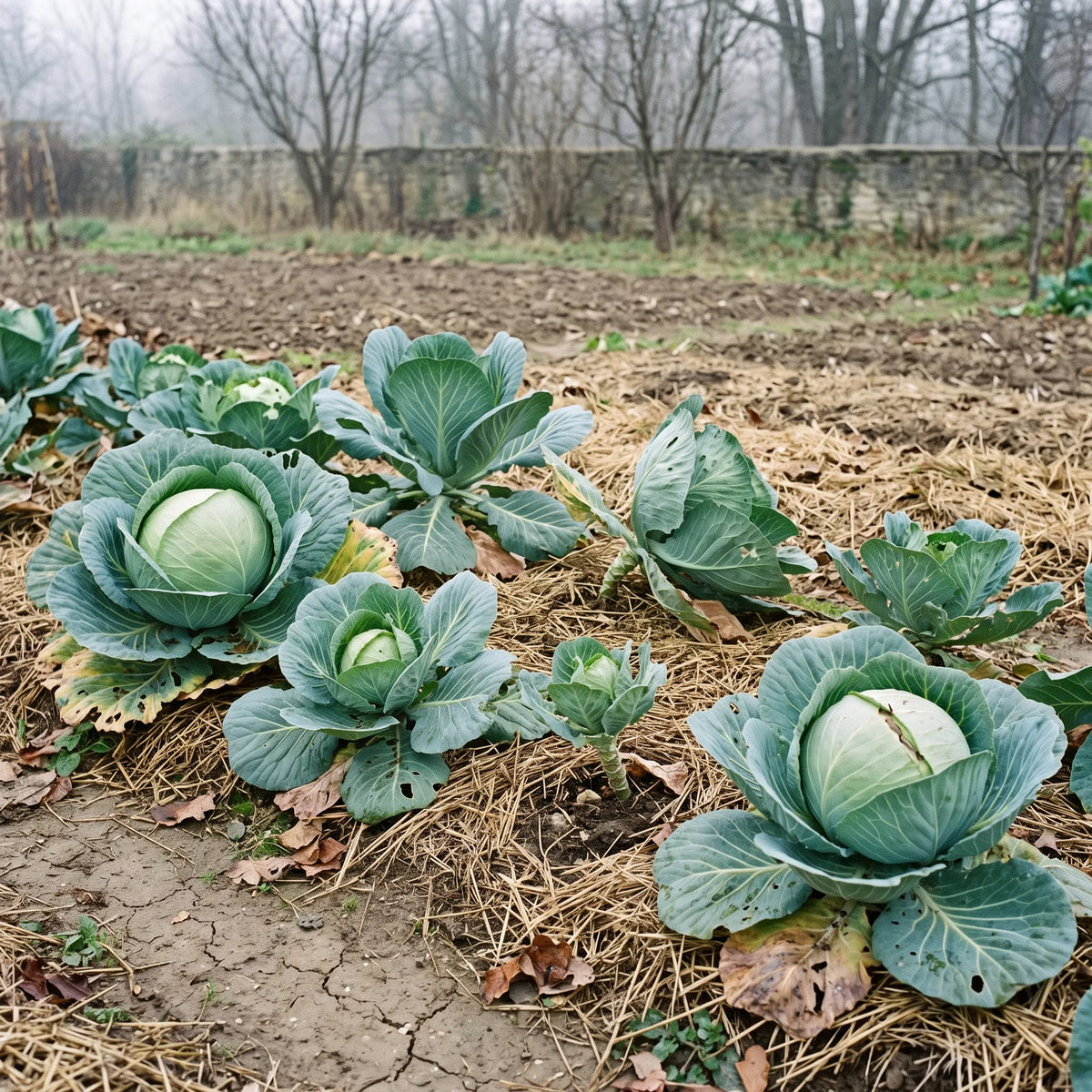
Very hardy: it tolerates -15 °C and below without protection.
-
Almost continuous cultivation: staggered sowings from February to September, depending on the region.
-
Heritage vegetable: one of the oldest crops cultivated in Europe, and one of the simplest.
Sowing advice:
-
Exposure: full sun in the North, partial shade in the South.
-
Soil: deep, cool, rich and slightly alkaline. Add well-rotted manure and mature compost in the autumn before cultivation—cabbage is a heavy feeder, but does not appreciate fresh organic matter at planting time. Avoid growing it where a brassica has grown during the previous three years, because of clubroot.
-
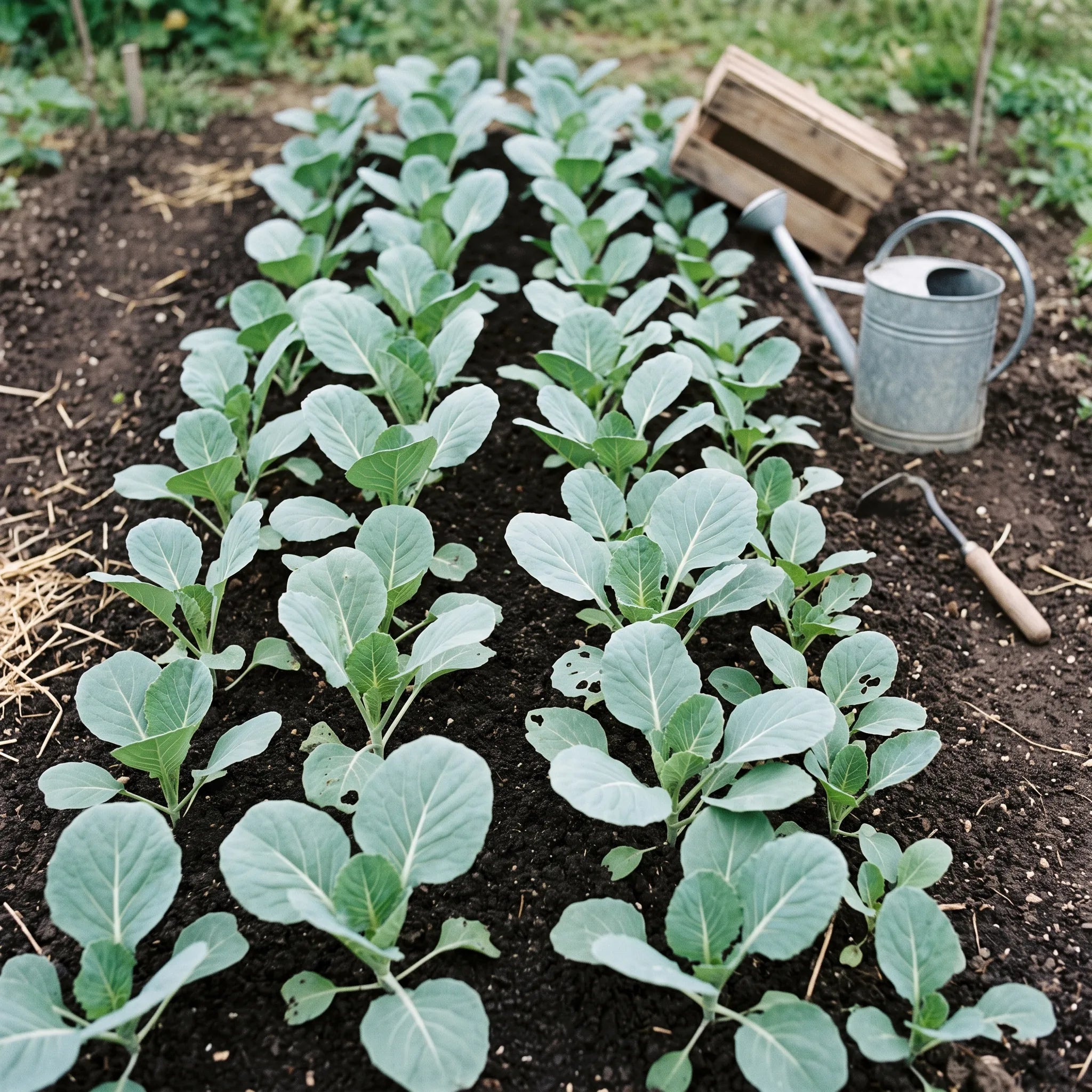
Method: sow from February under cover, then in a nursery from March to June, or from mid-August to September for spring harvests. Sow 1 cm deep. See how to sow your seeds.
Planting advice:
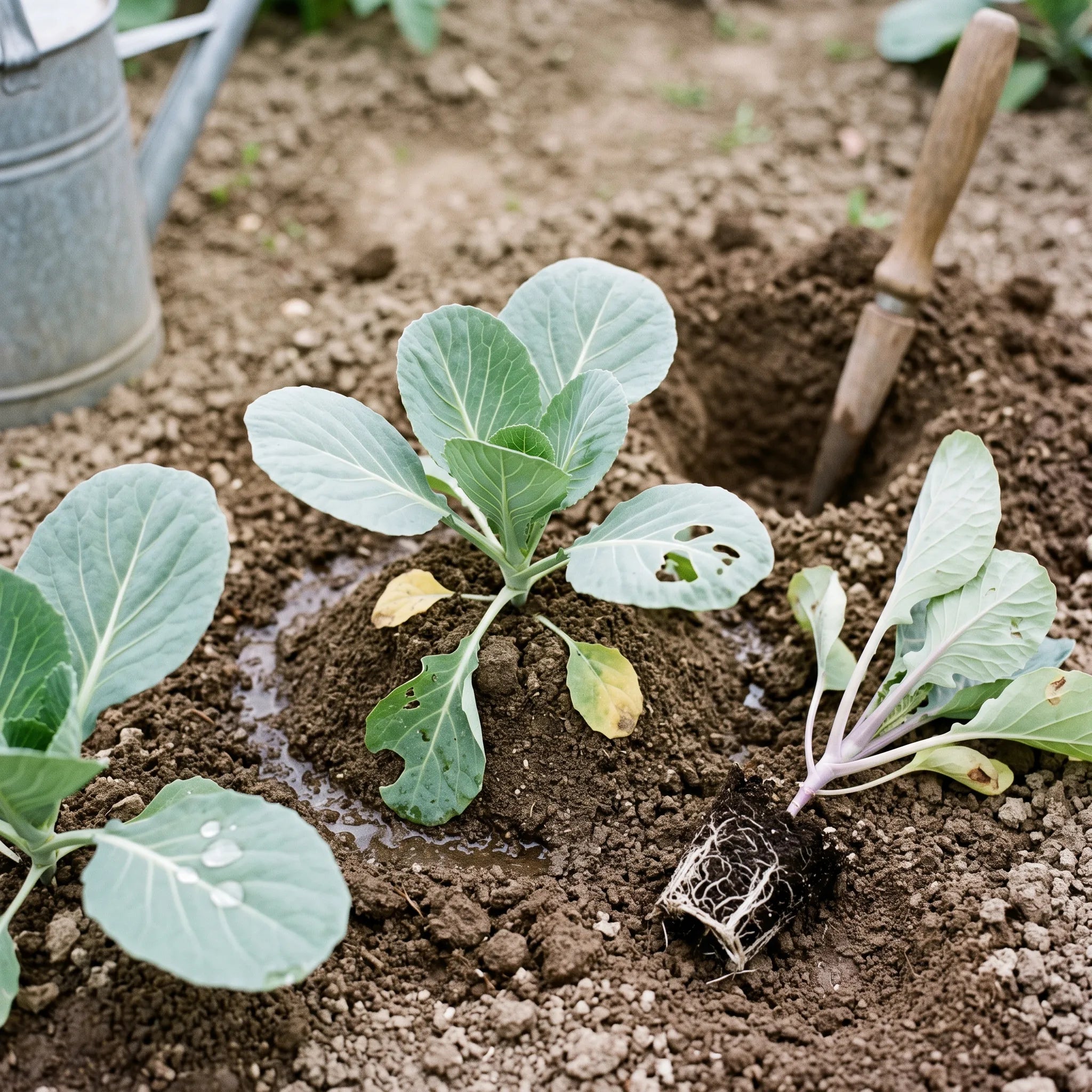
- Transplant at the 5- or 6-leaf stage, spacing plants 50 to 60 cm apart. Bury up to the first leaves and earth up the base: the head becomes heavy and the plant may topple.
Care advice:
- Water regularly, as cabbage is sensitive to drought. Mulch generously.
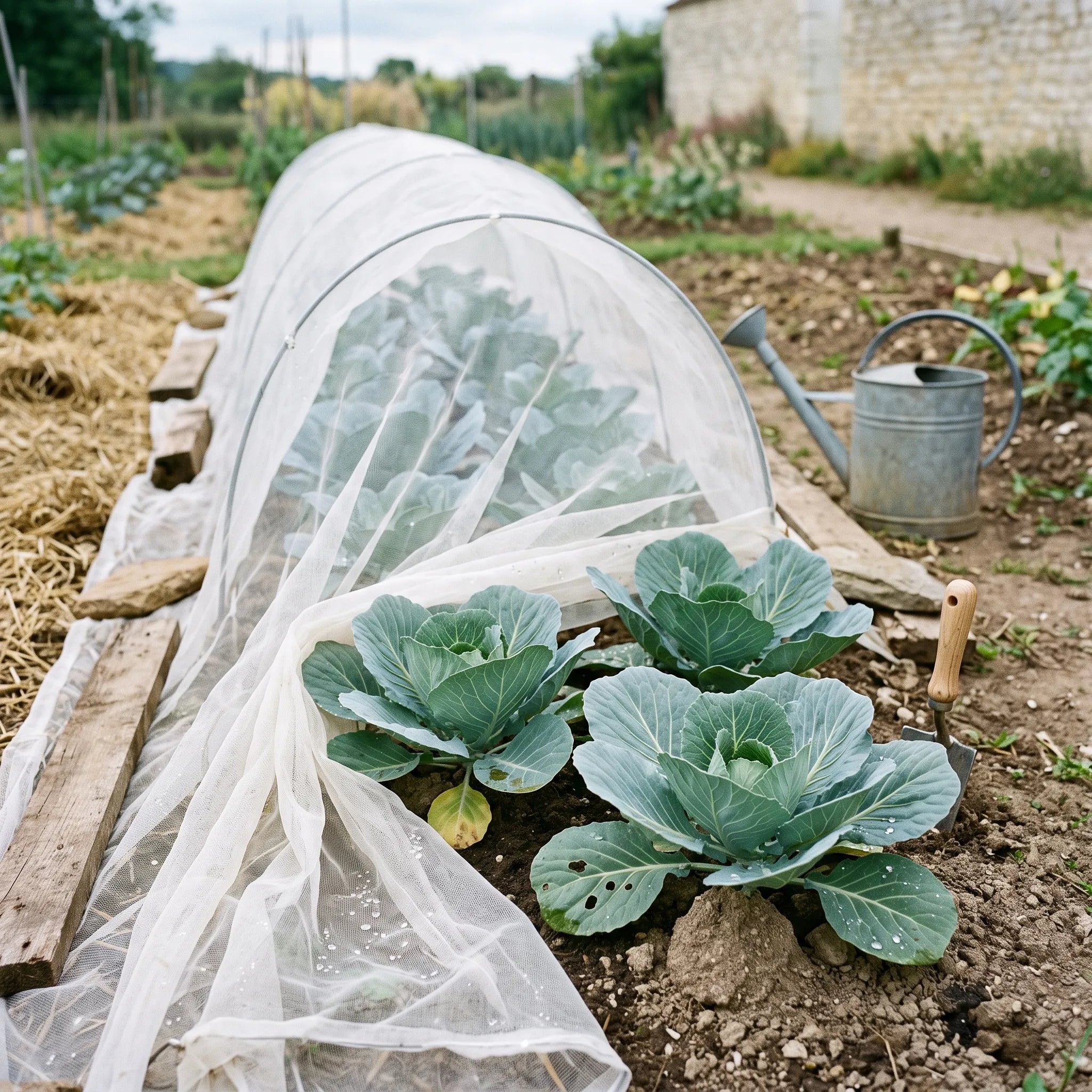
- An insect-proof net installed at planting effectively prevents cabbage white butterflies and cabbage flies, without any treatment.
Harvesting advice:
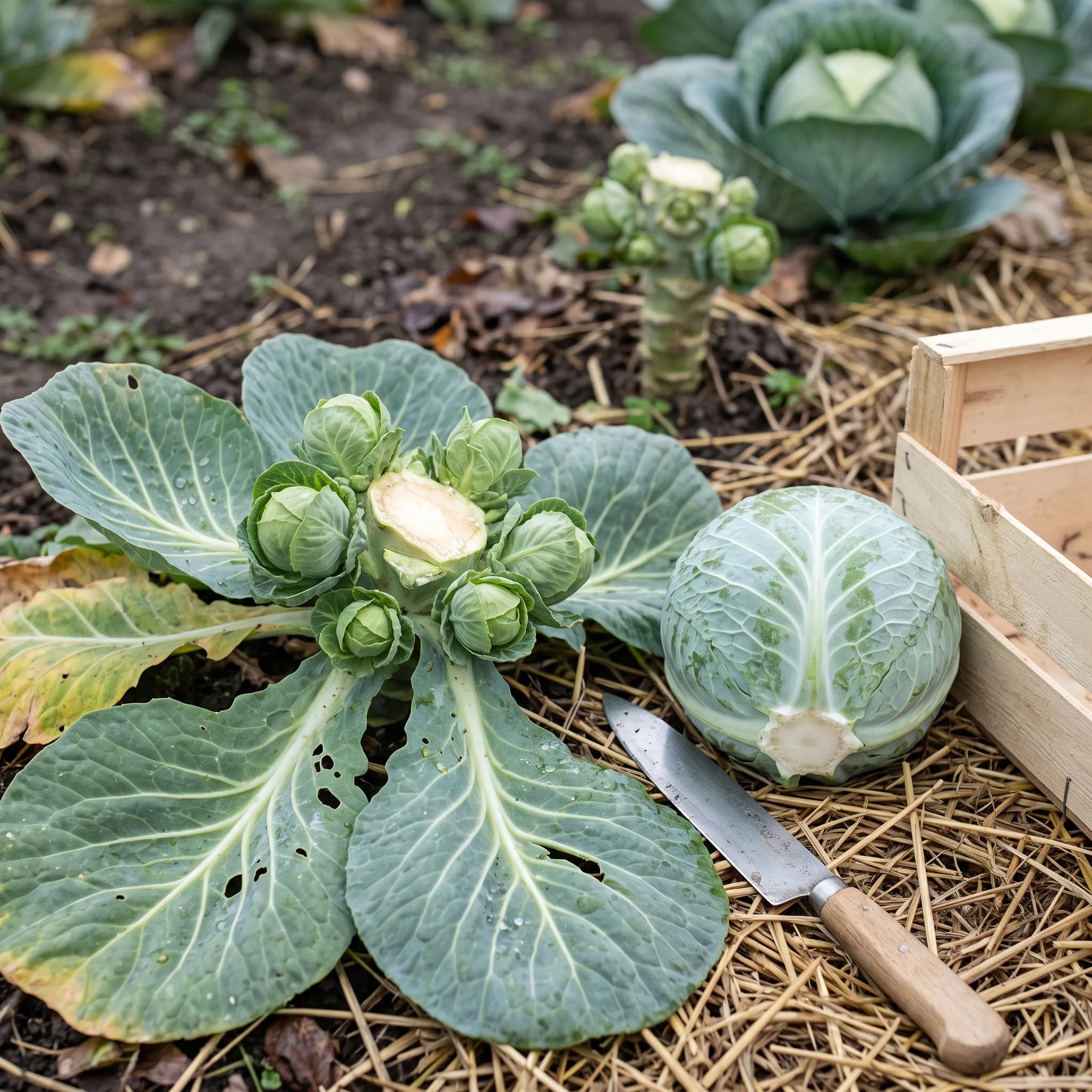
- Harvest when the head feels firm to the touch, as needed. Cut close to the base while leaving the stalk in the ground: it often produces small edible shoots.
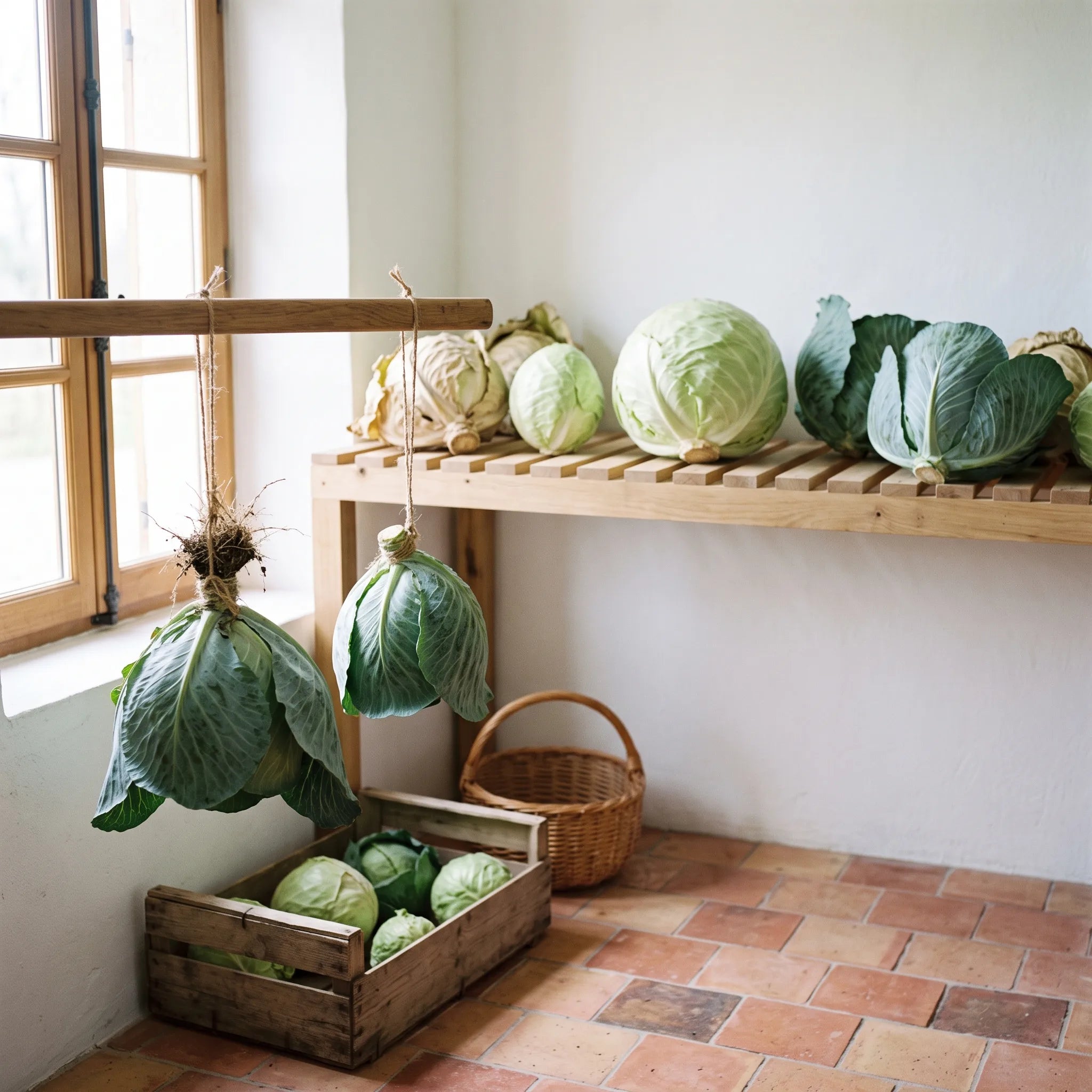
- Hung by the root in a cool, well-ventilated cellar, it keeps throughout the winter.
Beneficial associations:
Benefits for biodiversity:
- Its presence through winter maintains plant cover where the soil would otherwise be bare, protecting the soil and sheltering ground beetles and beneficial insects.
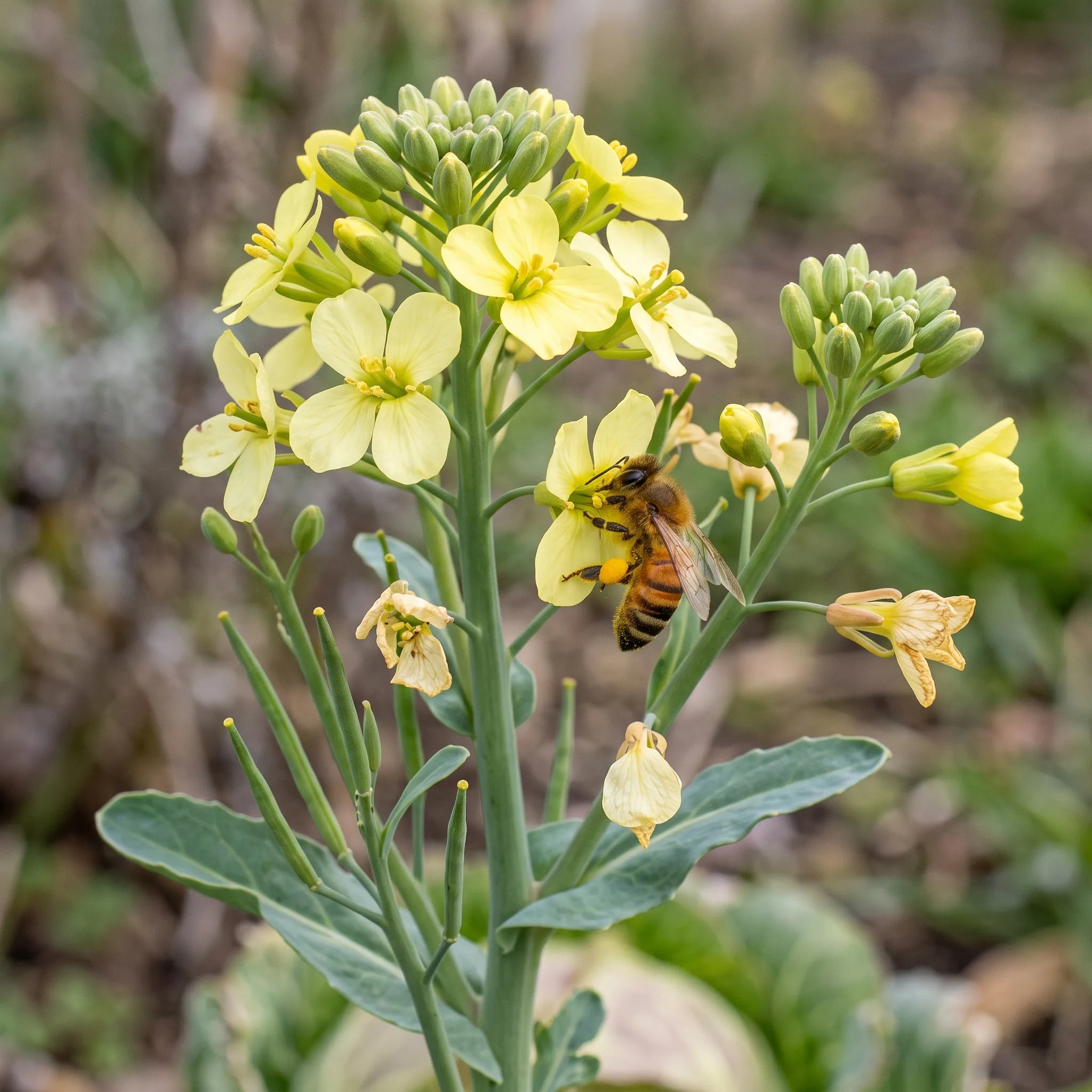
- If left to flower in its second year, it produces highly nectar-rich yellow clusters, valuable in very early spring.
Uses:
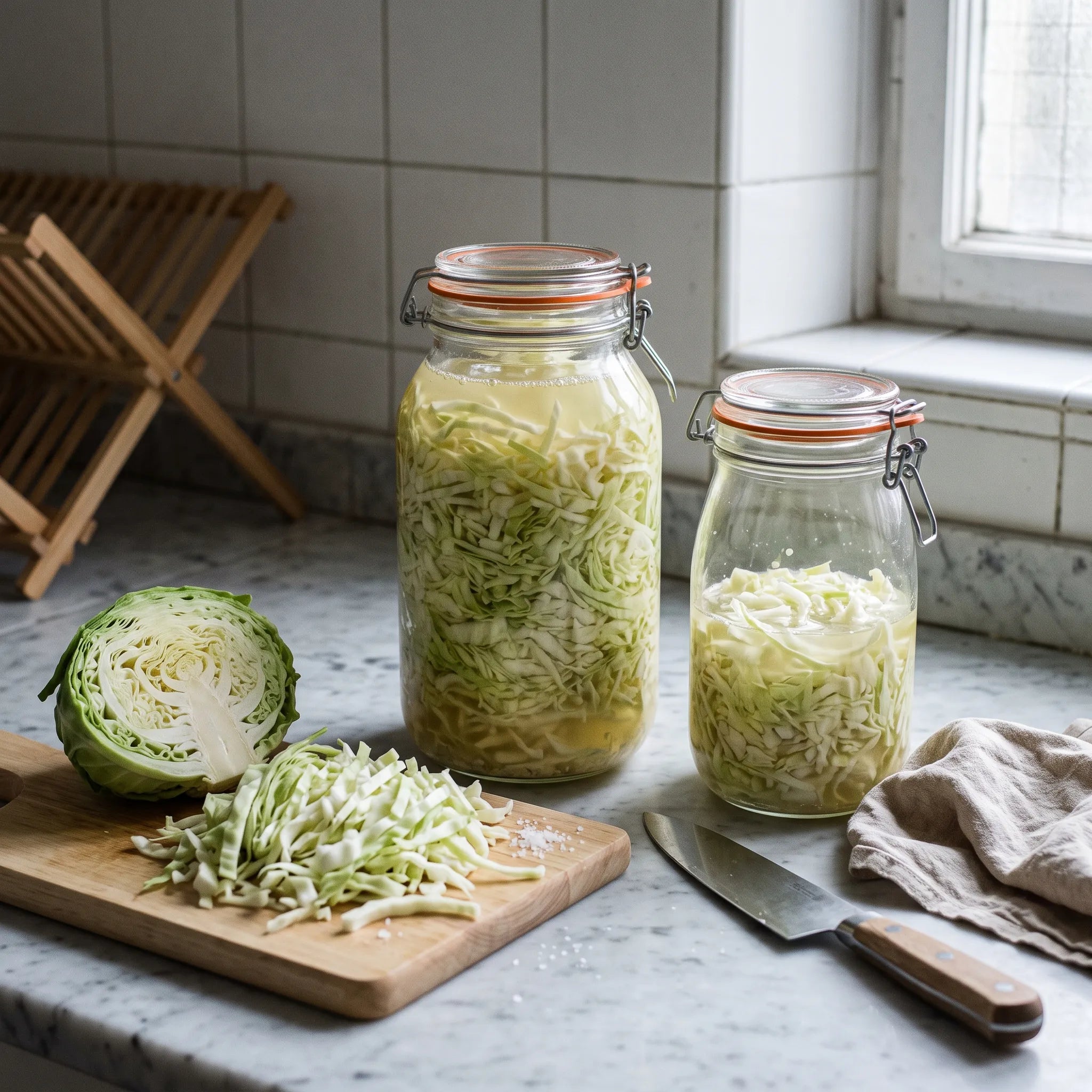
- In sauerkraut, stews, raw cabbage salad, stuffed or braised. This is the ultimate cabbage for lactic fermentation: finely sliced, salted and pressed into a jar, it keeps for months and becomes easier to digest.
Saving your own seeds:
As a biennial, it produces seeds in its second year. Leave one plant in the ground over winter, then harvest the brown, dry seed pods. Tip: cut a cross into the head in spring to help the flower stalk emerge. Warning: Brassica oleracea varieties cross very easily with one another, so isolate your seed plant. See how to save your seeds.
Commitment to Quality: at SemiSauvage - Permaculture, we grow and select our seeds with respect for all living things as our guiding principle. Based near the Volcanoes of Auvergne, we choose open-pollinated, non-hybrid varieties, tested for their germination rate, carefully sorted and packaged, with no chemical treatment. Our belief: to give gardeners back the ability to sow, year after year, seeds that truly belong to them.
The cabbage for stews and sauerkraut, indestructible in the vegetable garden.