Cichorium intybus
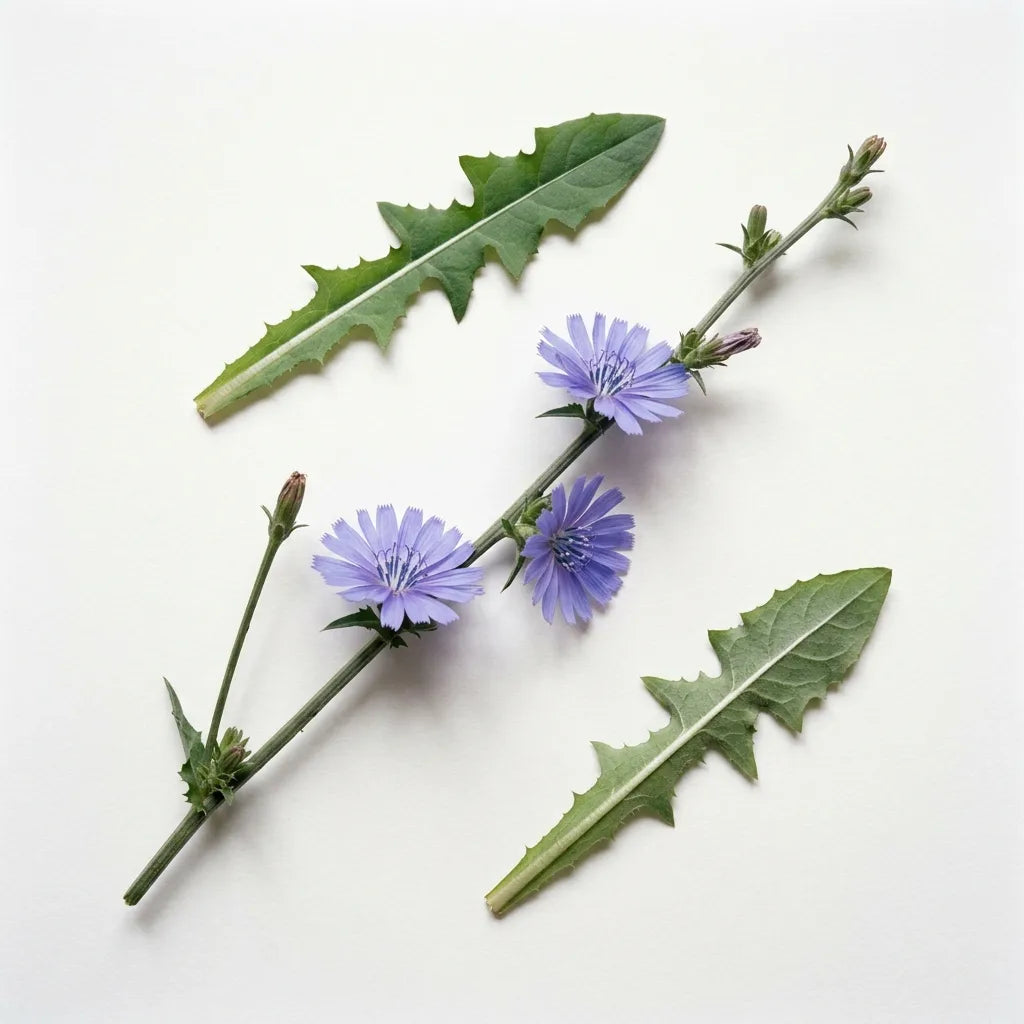
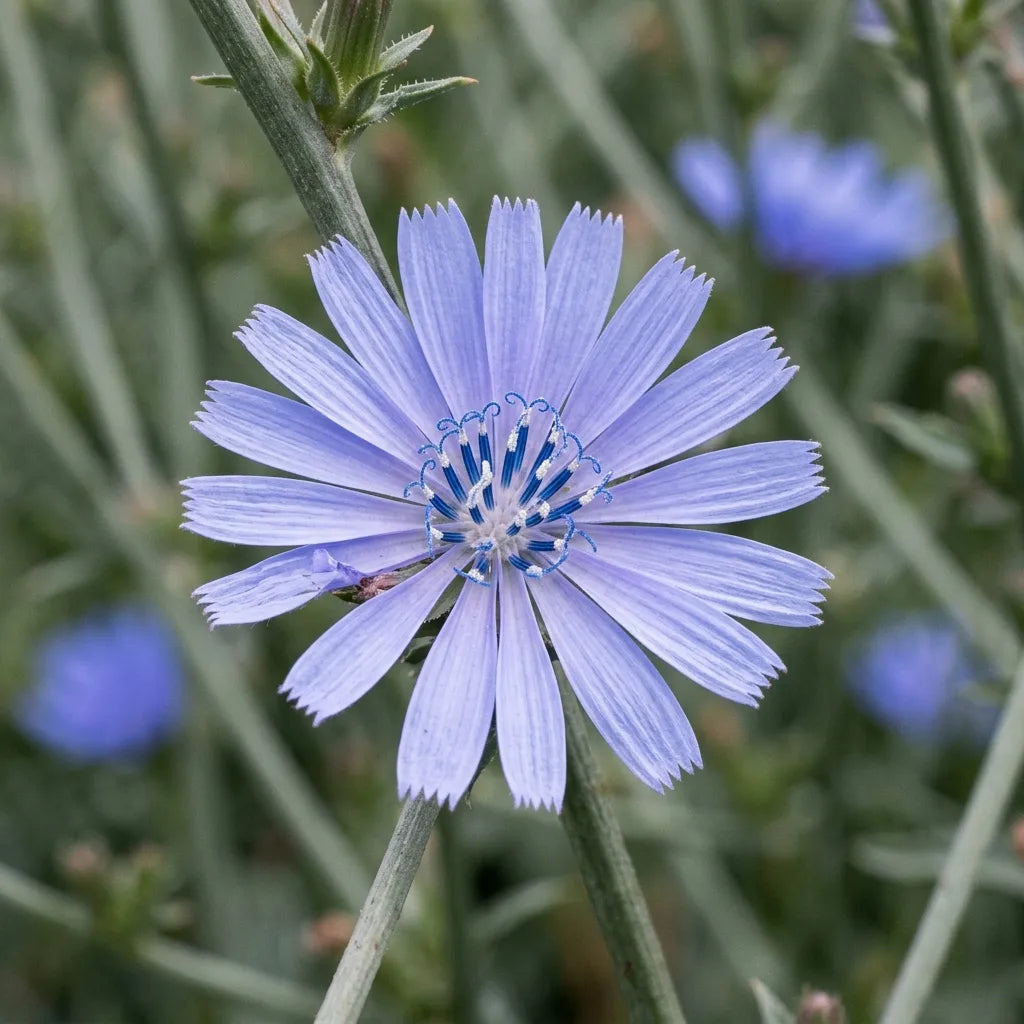
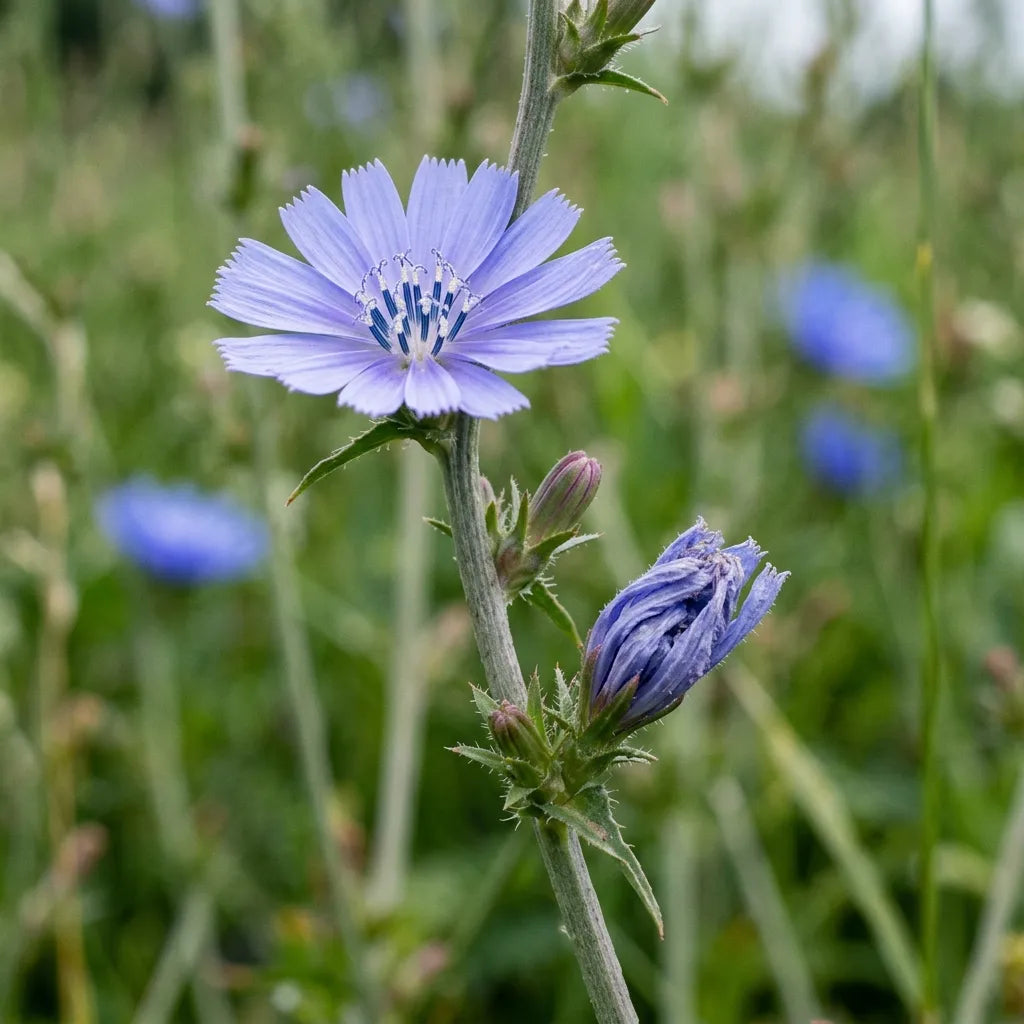
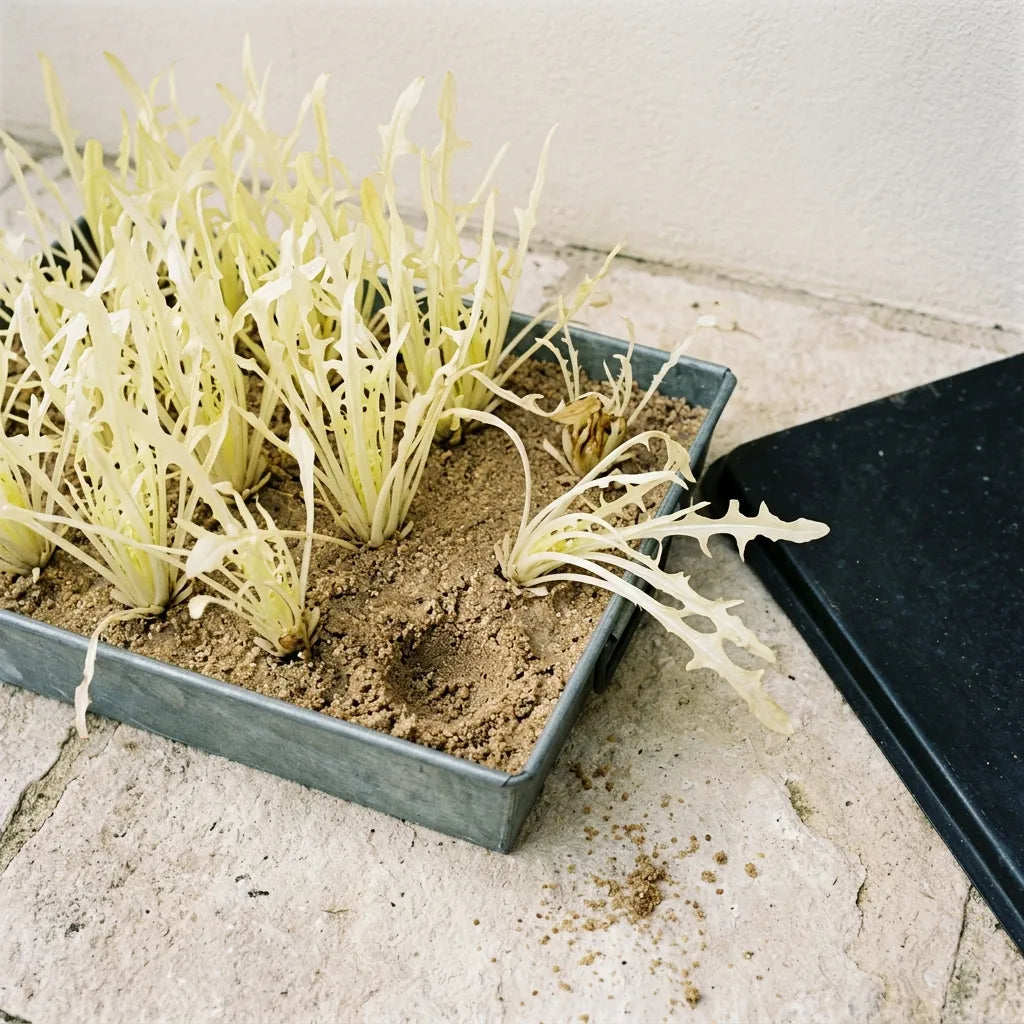
Wild chicory, capuchin beard, bitter chicory, Christ's eye: this wayside plant owes its name “capuchin beard” to a forcing technique inherited from the 19th century, in which its roots were grown in darkness in cellars to produce tender white leaves in the middle of winter. Its pure blue flowers last only one morning each.
Characteristics:
-
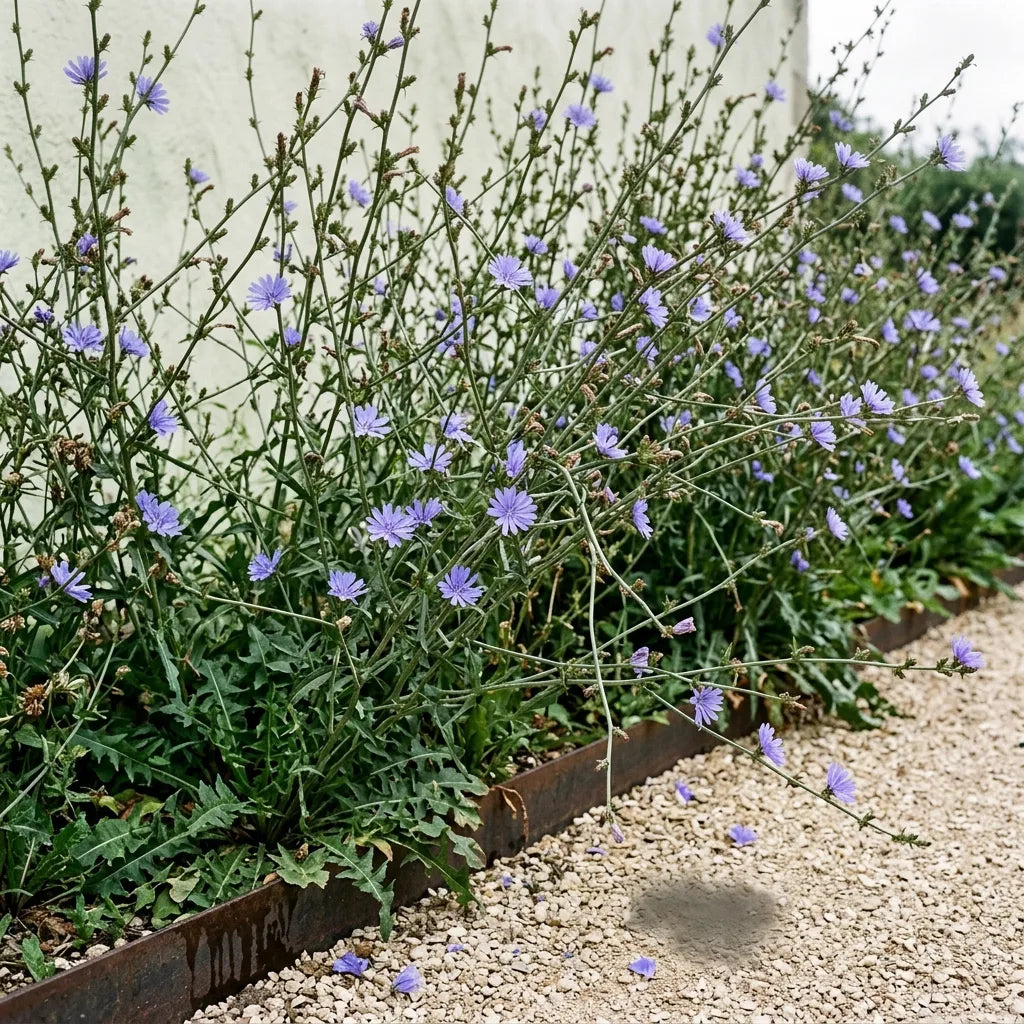
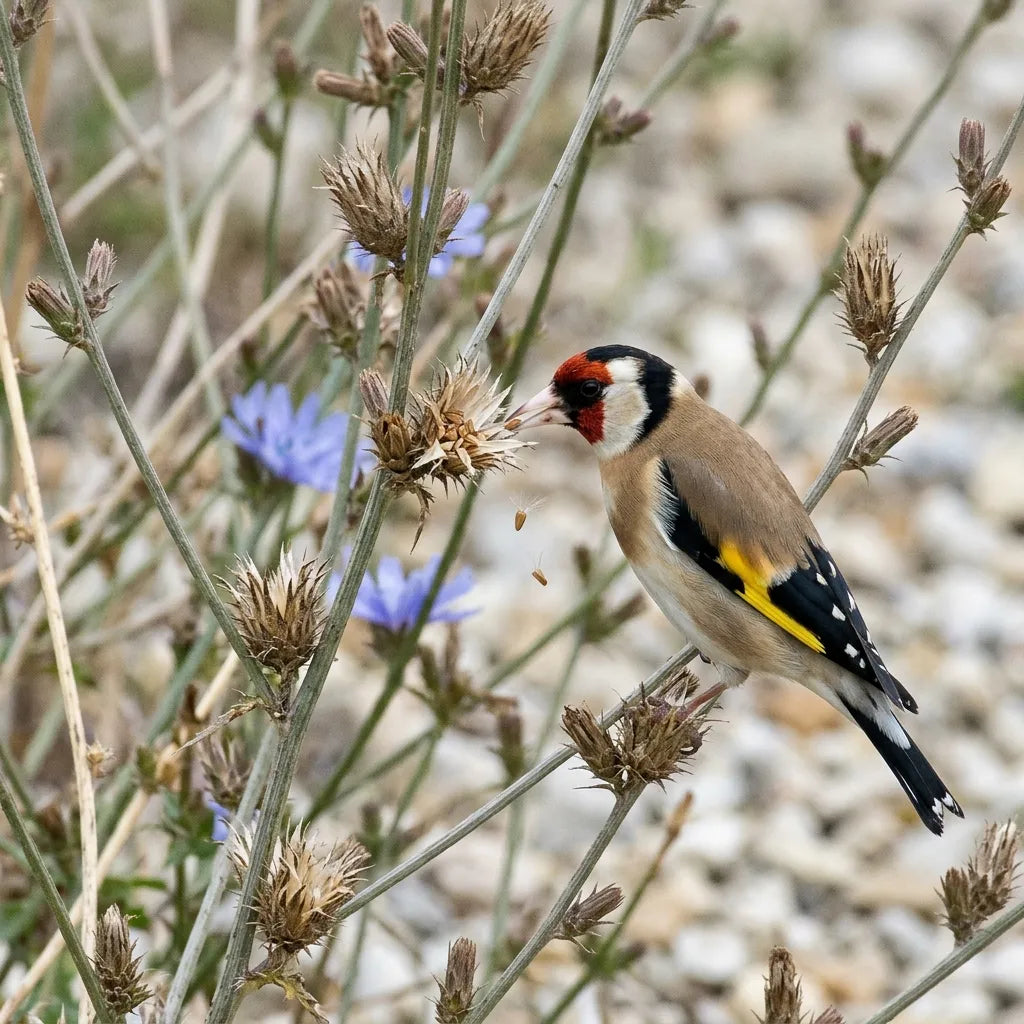
Blue flowering: a multitude of remarkable blue flowers, from May to September, on tall, rigid stems.
-
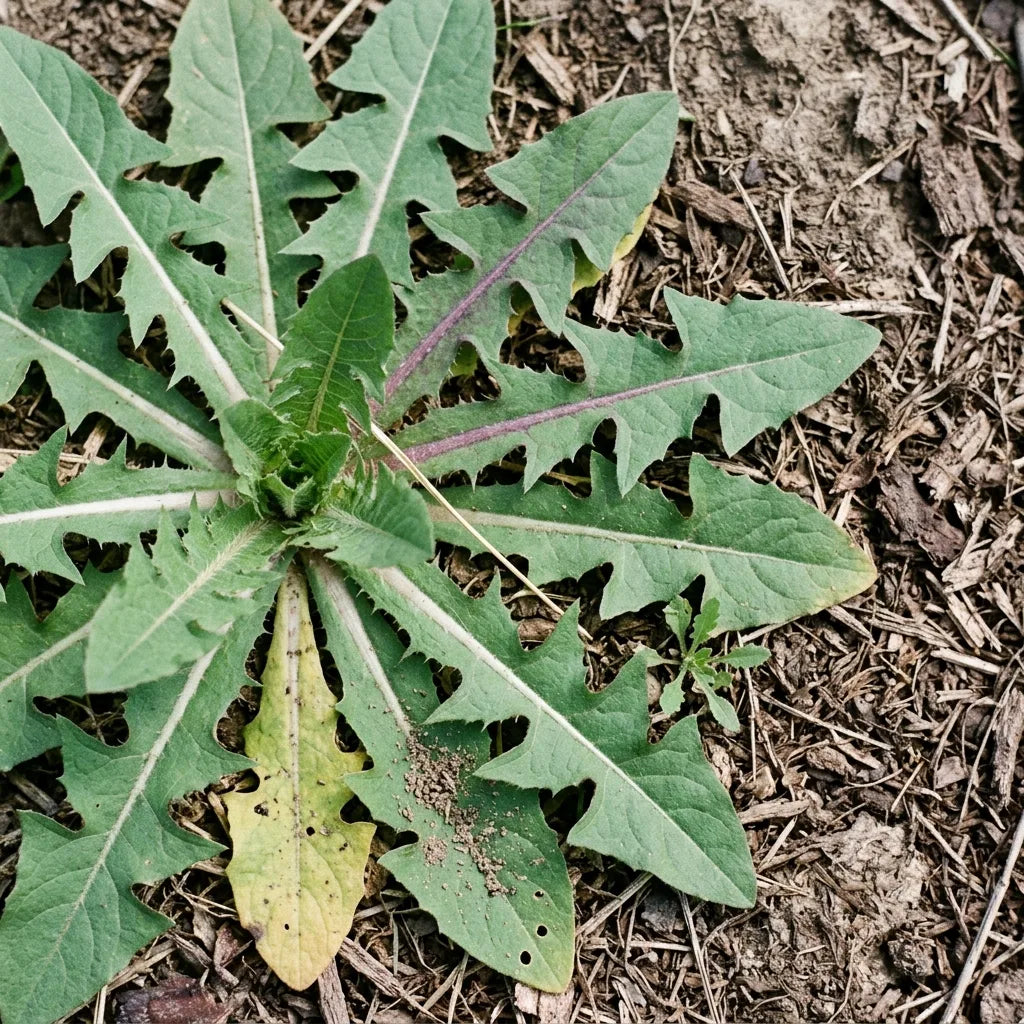
Bitter leaves: forming low rosettes, they add character to salads.
-
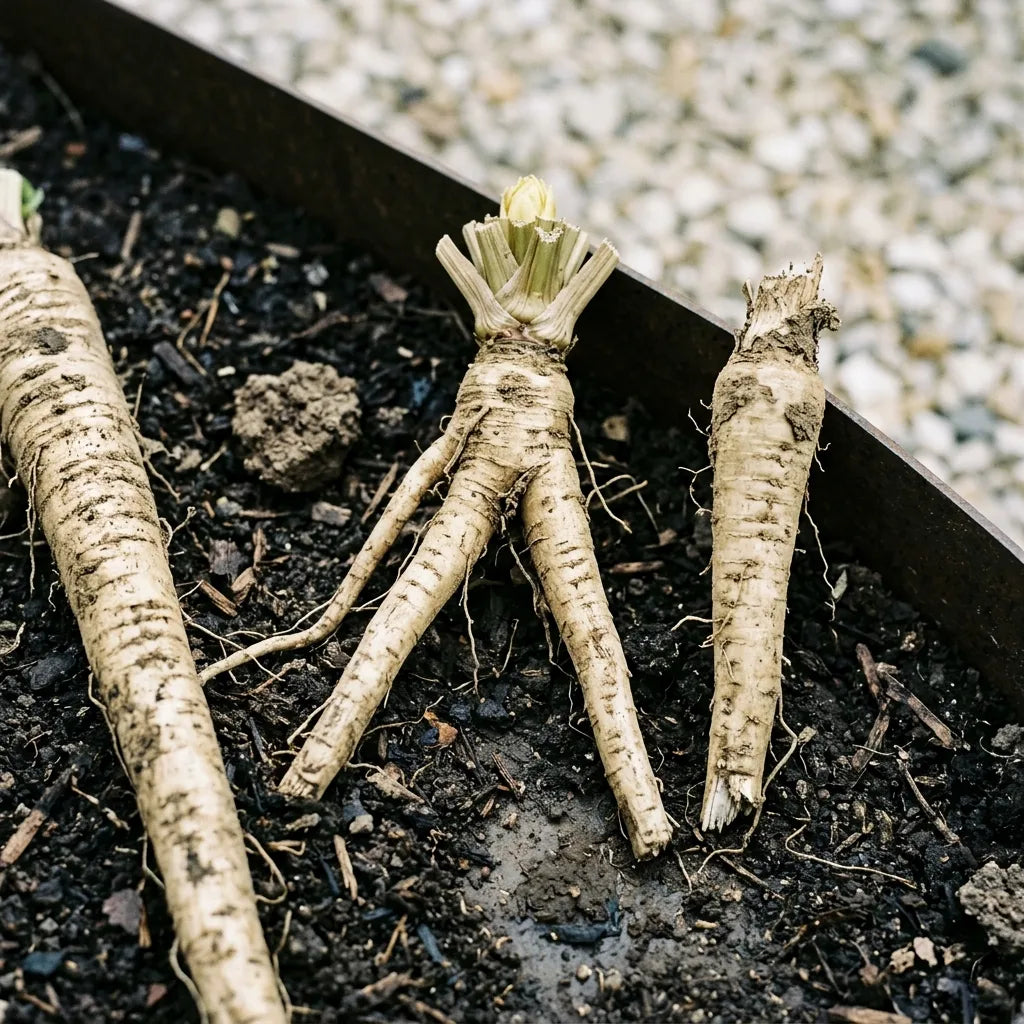
Hardy and perennial: its deep taproot enables it to withstand both drought and winter.
Sowing advice:
-
Exposure: sunny.
-
Soil: ordinary, deep, preferably calcareous and well-drained — it grows spontaneously on embankments and wasteland, proof of its frugality. Its long taproot thrives in loose, deep soil; avoid compacted or waterlogged soils. No fertilization is necessary.
-
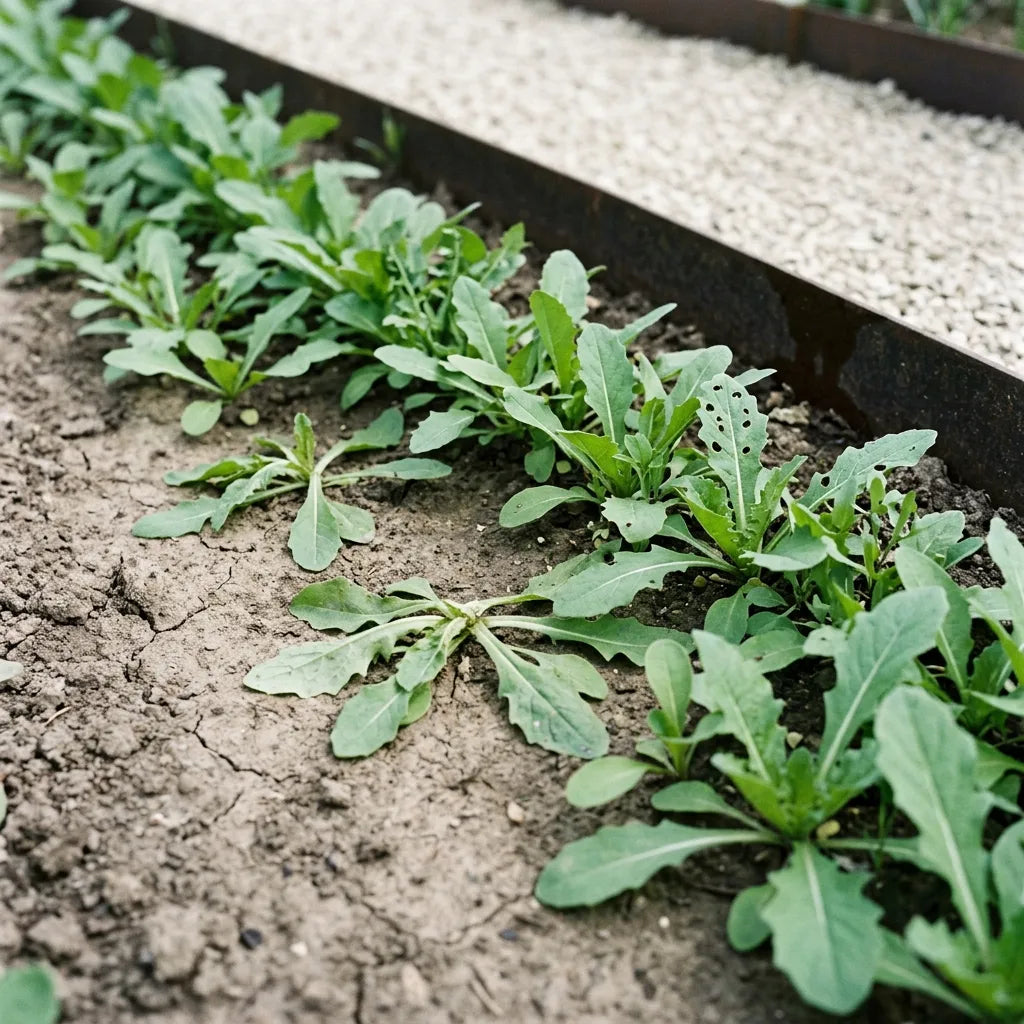
Method: sow directly in place in spring, in rows, 1 cm deep. Its taproot does not tolerate transplanting well: avoid pots. Thin to 25–30 cm apart. See how to sow your seeds.
Care advice:
- Undemanding. Simple hoeing and watering during very dry periods are sufficient.
Harvesting advice:
- Harvest the leaves as needed once they are sufficiently developed.
- For capuchin beard: pull up the roots at the beginning of winter, replant them close together in a box of sand, and place everything in darkness in a cellar at 10–15 °C. The blanched leaves, much less bitter, will be ready in 3 to 4 weeks.
Beneficial pairings:
Benefits for biodiversity:
- Its blue flowers are frequently visited by solitary bees and hoverflies over a long flowering period.
- Its seeds feed seed-eating birds at the end of the season, especially goldfinches.
Uses:
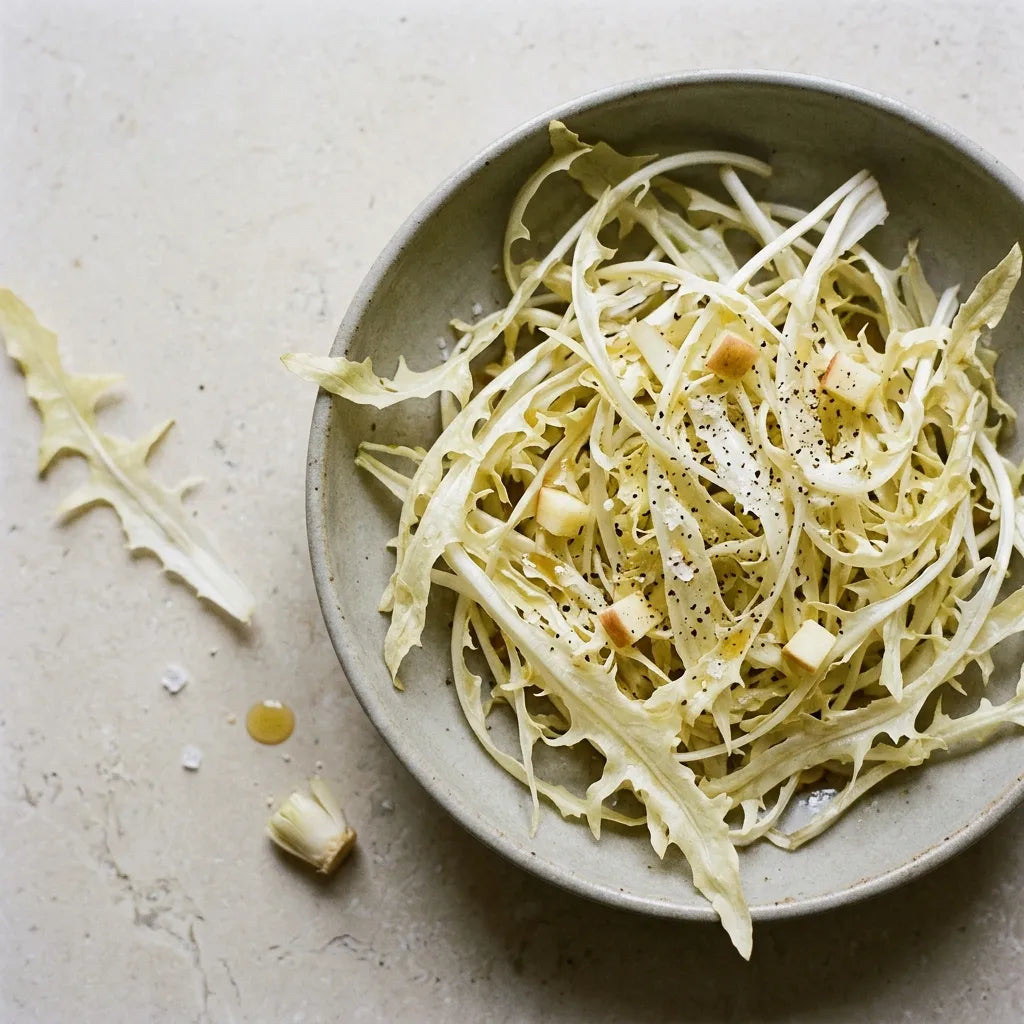
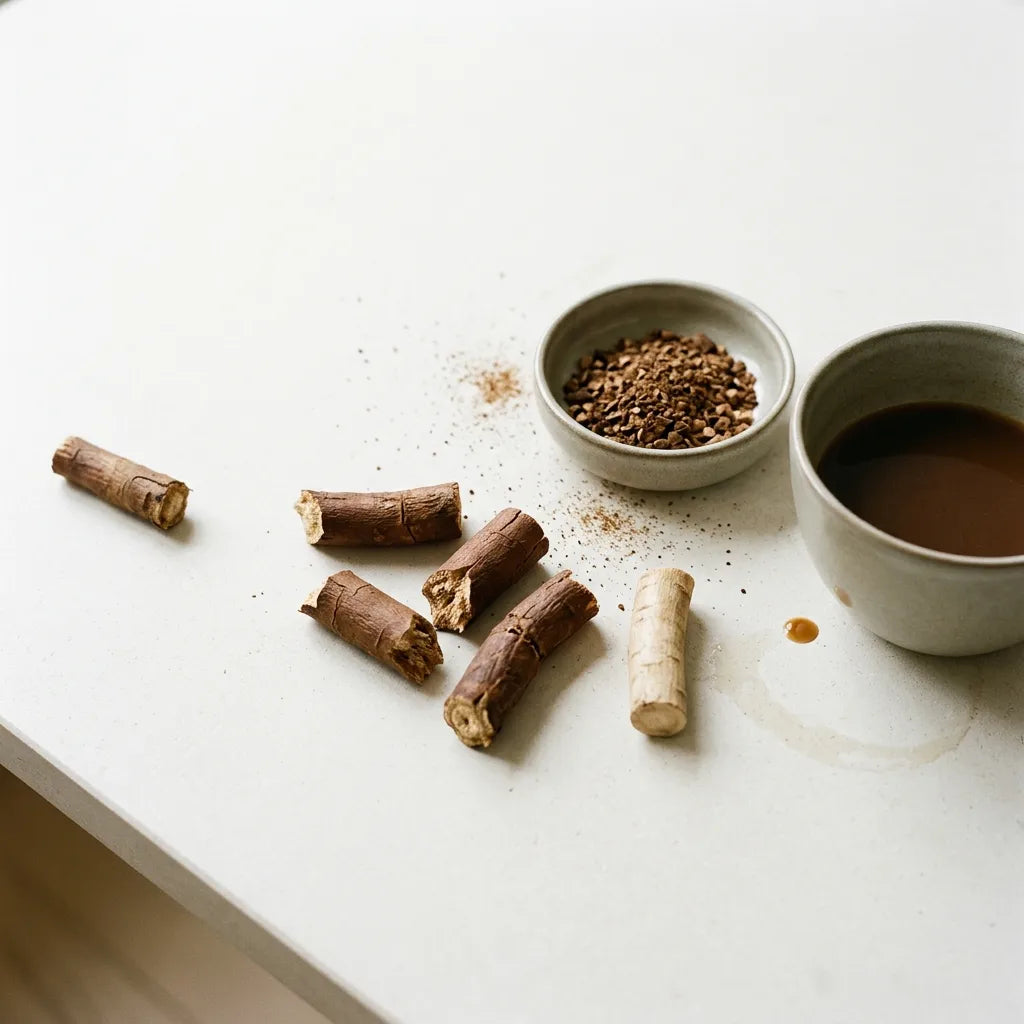
- Young leaves in salads for their characteristic bitterness, or blanched as capuchin beard. Its roasted root has traditionally been used as a coffee substitute.
Harvesting your own seeds:
Let a few stems go to seed: harvest the dry flower heads at the end of summer, then rub them between your fingers to release the seeds. Chicory also readily self-seeds in the garden. See how to store your seeds.
Commitment to Quality: at SemiSauvage - Permaculture, we grow and select our seeds with respect for living things as our guiding principle. Based near the Auvergne volcanoes, we choose reproducible, non-hybrid varieties, tested for their germination rate, carefully sorted and packaged, with no chemical treatment whatsoever. Our conviction: to give gardeners back the ability to resow, year after year, seeds that truly belong to them.
Rediscover a forgotten vegetable garden flavor with these wild chicory seeds.