Capsicum annuum
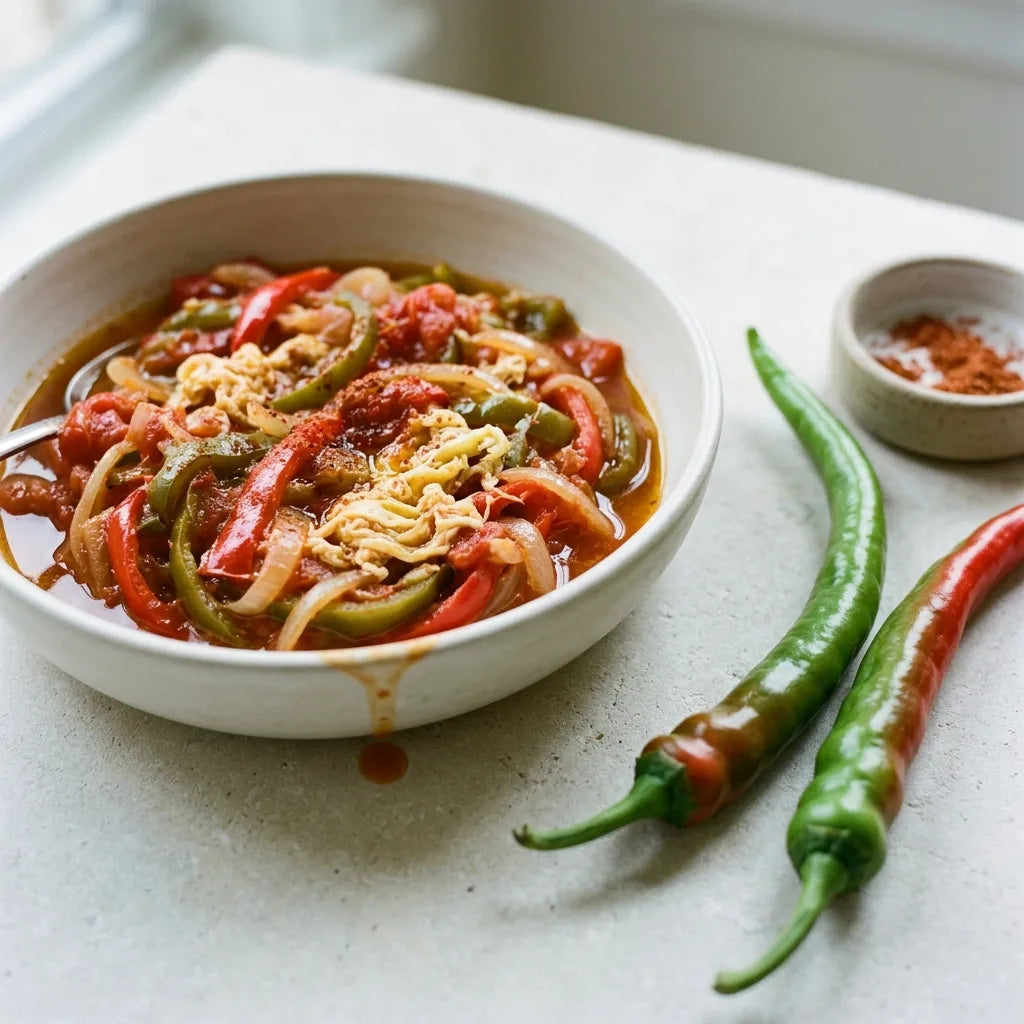
Very Long Sweet Landes Pepper, Landes sweet pepper: an old variety from southwestern France, it has long accompanied Basque and Landes cuisine. Its very thin skin — so thin that it often does not need to be peeled — and its sweet flesh make it one of the ingredients in piperade, alongside Espelette pepper.
Characteristics:
-
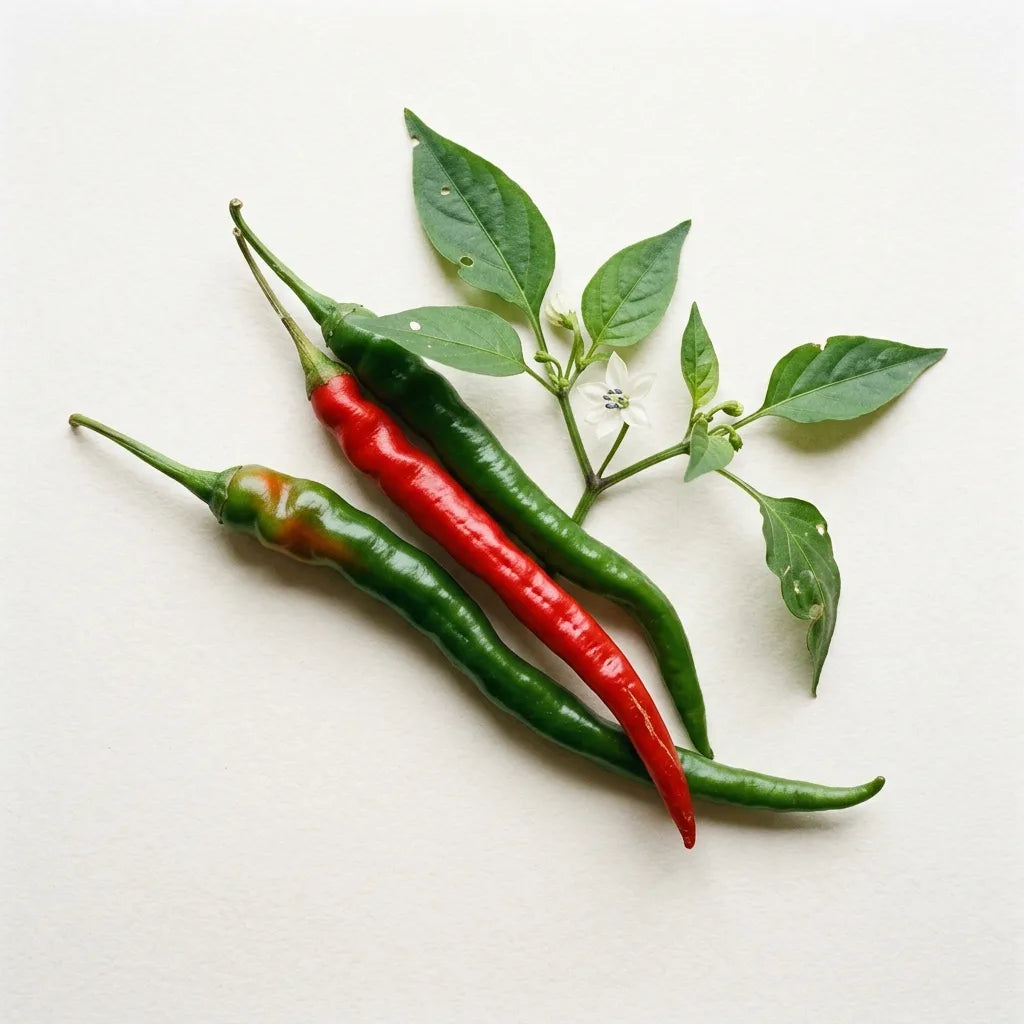
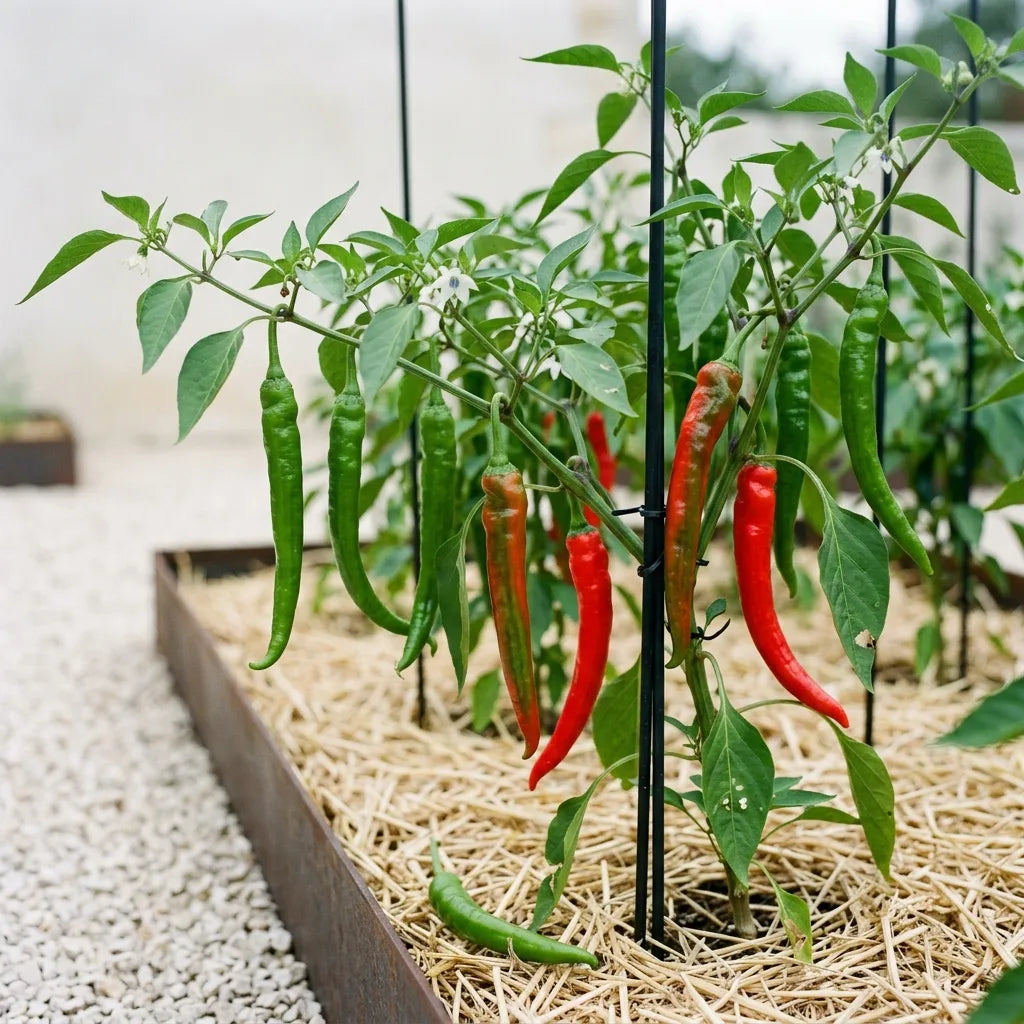
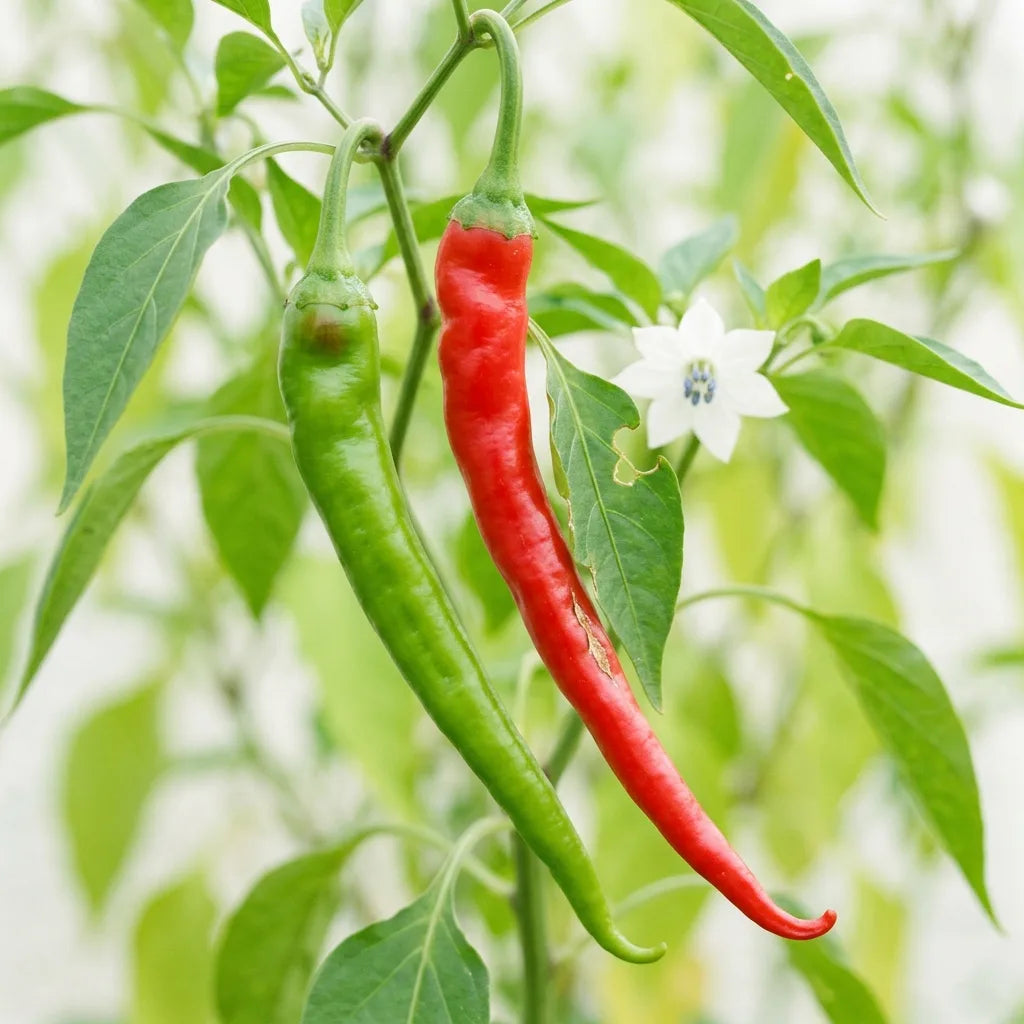
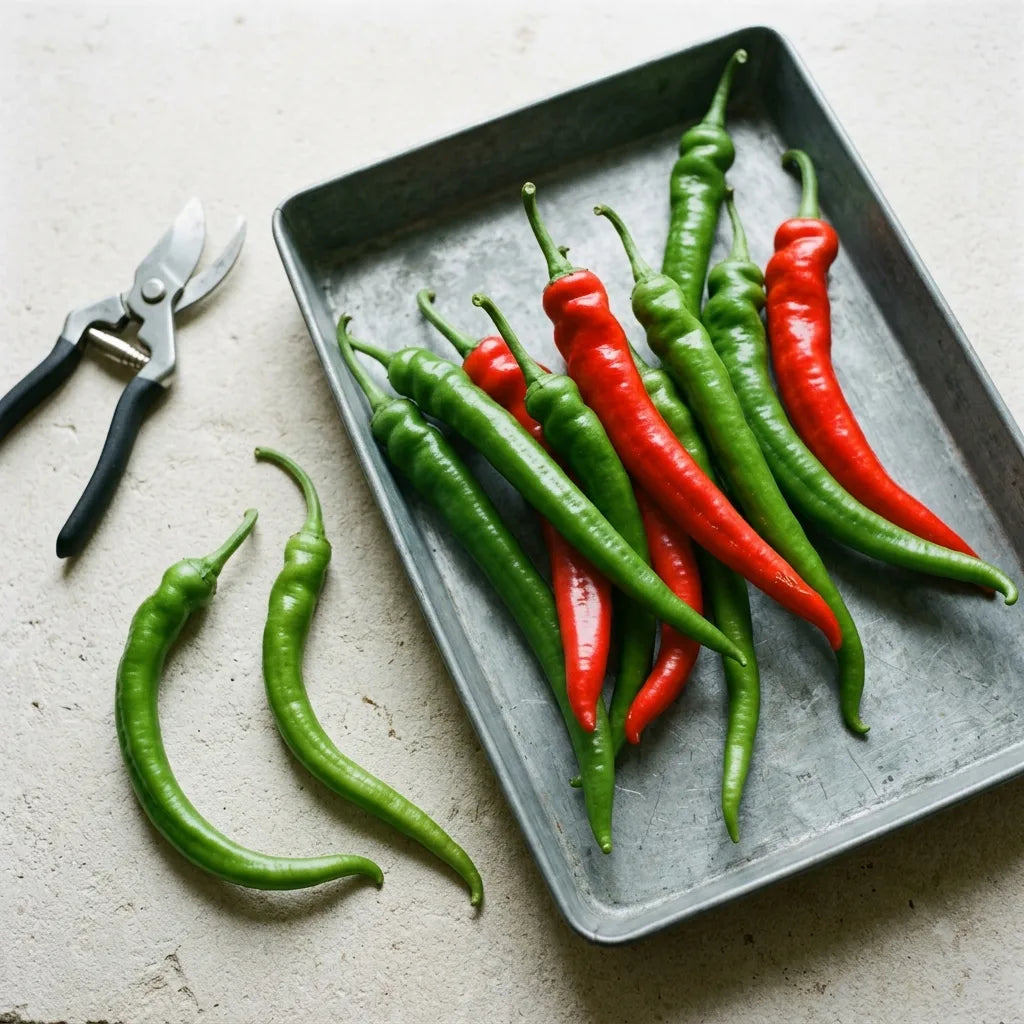
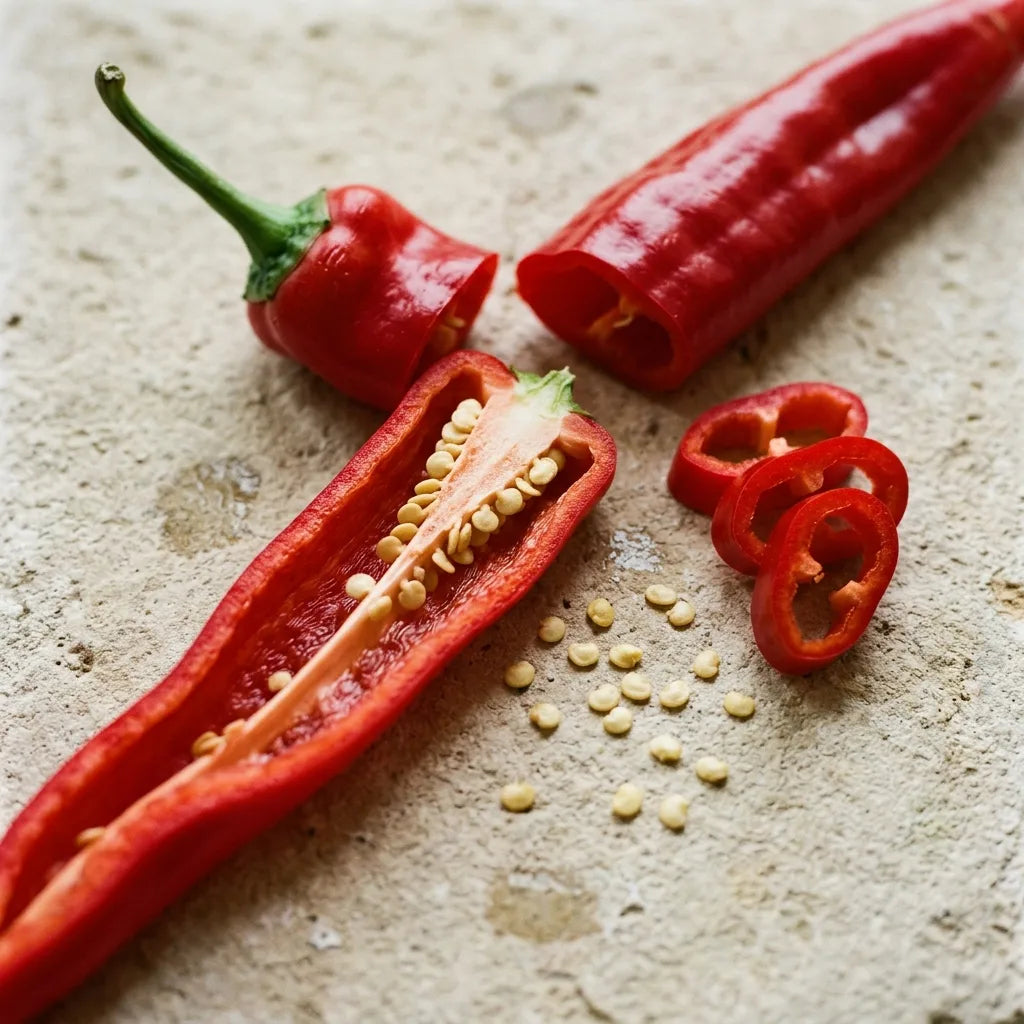
Very long, very slender fruits: 20 to 25 cm long and barely 3 cm wide, slender and slightly wavy, hanging straight under their own weight. Nothing like a stubby bull's horn pepper: this is a slender, elongated fruit, green then bright red when ripe.
-
Very thin skin: its main distinguishing feature, making it pleasant to eat raw and often eliminating the need to peel it after cooking.
-
Sweet, fragrant flavor: with no heat at all.
-
Very productive: an old variety selected for yield.
Sowing advice:
-
Position: full sun, sheltered from the wind.
-
Soil: deep, rich and well drained. In a pot, mix potting soil and coarse sand in a deep container.
-
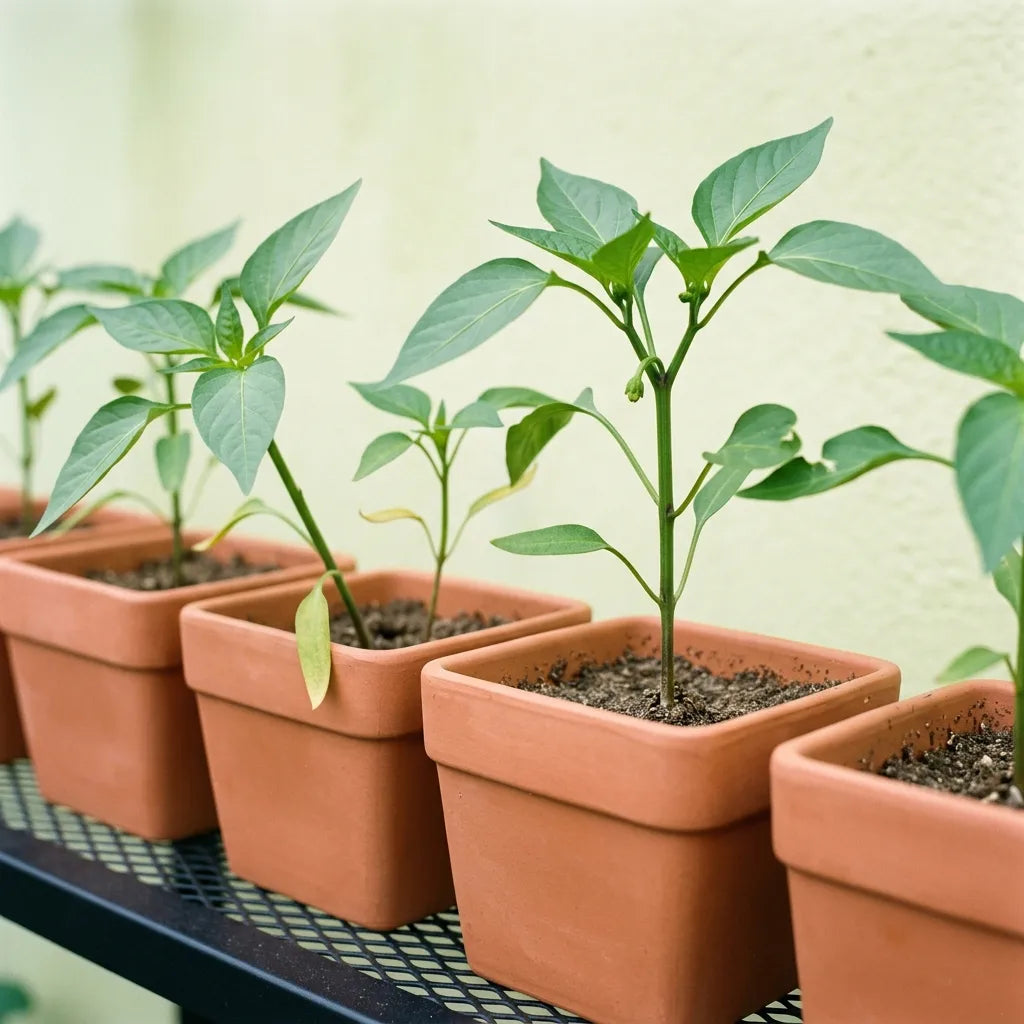
Method: sow from February to April under cover, at 20-25 °C: below 18 °C, the seeds will not germinate. Cover with 5 mm of soil. Germination takes 2 to 3 weeks. See how to sow your seeds.
Planting advice:
- Transplant when nighttime temperatures stay above 12 °C, spacing plants 50 cm apart. Unlike tomatoes, do not bury the stem: peppers do not form adventitious roots, and a buried crown will rot.
- Stake the plants: the long fruits make the branches bend, and they can break in the wind.
Care advice:
- Water regularly at the base and avoid fluctuations: irregular watering causes blossom-end rot, the black spot at the tip of the fruit. Mulch generously.
-
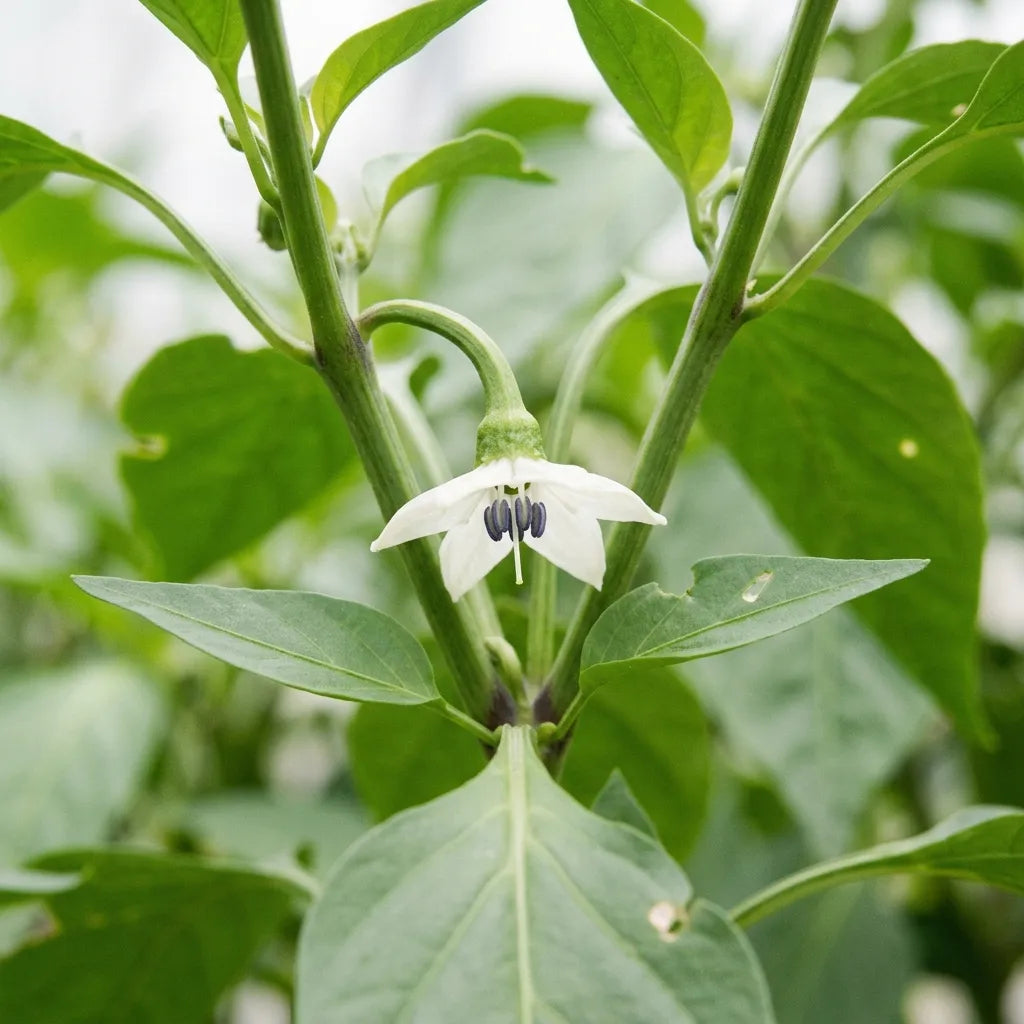
The market gardener's tip: pinch out the first flower, known as the king flower, which appears at the fork of the stem. The plant will then branch out more and produce many more fruits afterward.
- Use a three- to four-year rotation: do not grow it after tomatoes, eggplants or potatoes.
Harvesting advice:
- Cut with pruning shears, leaving a piece of stem attached.
- When green, it is still firm and herbaceous; if left to turn red, it becomes distinctly sweet — this is when it is best in piperade.
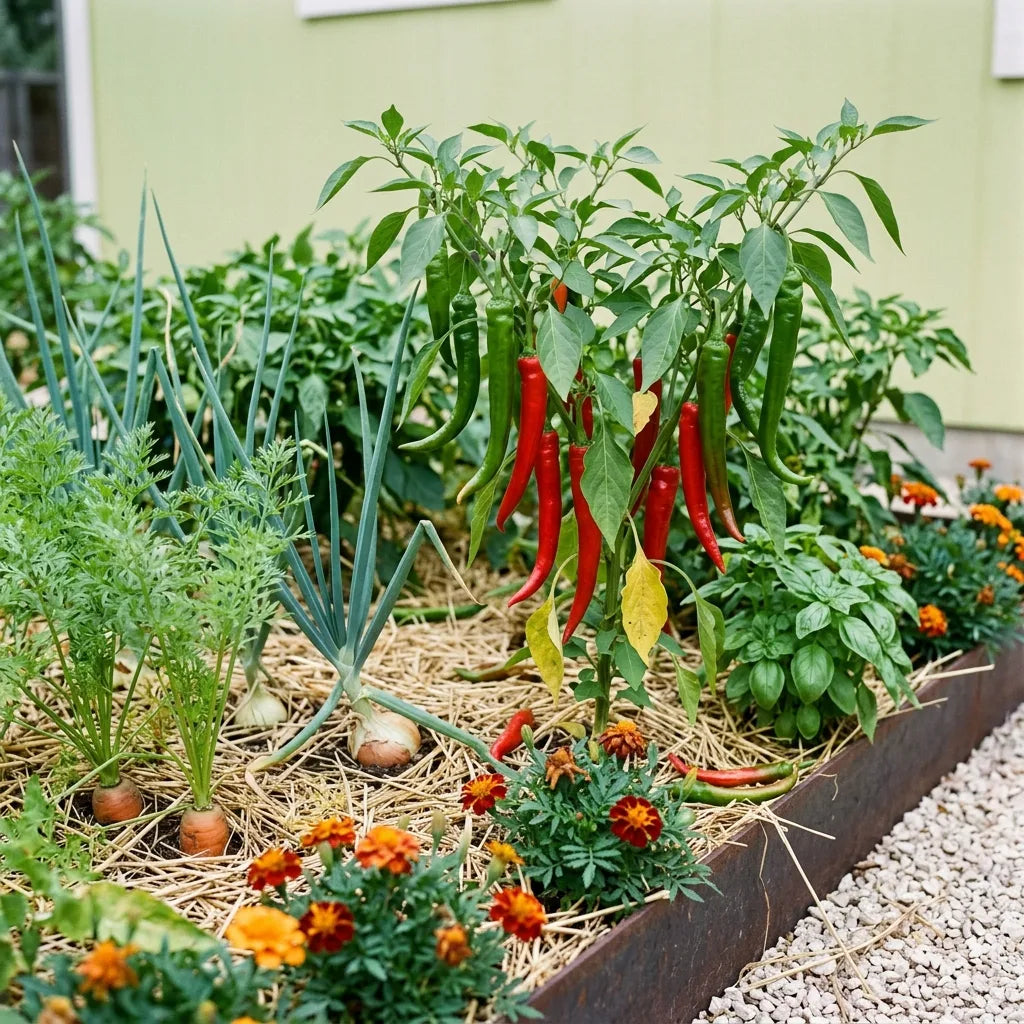
Beneficial companions:
Benefits for biodiversity:
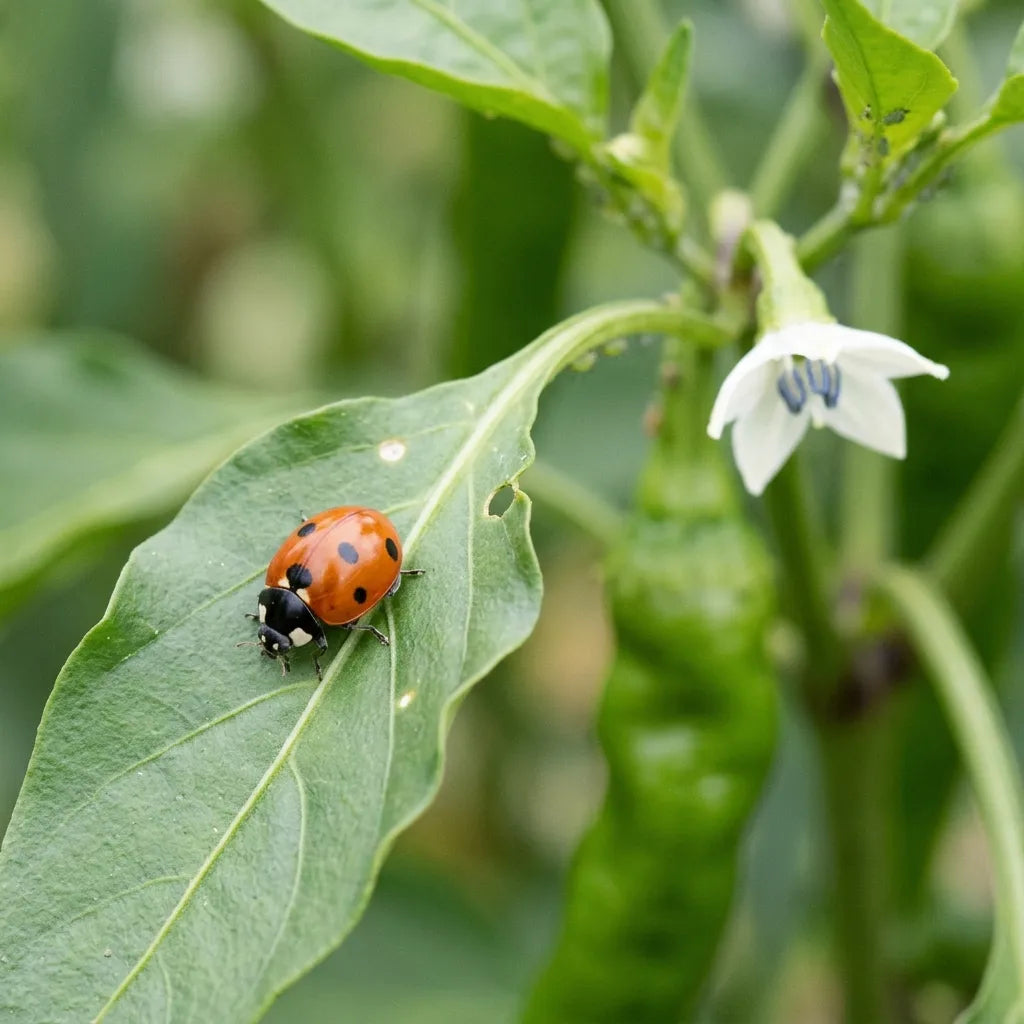
- Its white flowers are visited by bees and bumblebees all summer.
- An old, regionally adapted and seed-saving variety: growing it helps keep the vegetable-garden heritage of southwestern France alive. See our heirloom seeds.
Uses:
- In piperade with tomatoes, onions and Espelette pepper, pan-grilled, preserved in oil or eaten raw in salads. Its thin skin generally means it does not need to be peeled.
Saving your own seeds:
Leave a fine fruit to ripen completely on the plant, open it, remove the seeds and dry them flat for a few days. Be aware that sweet peppers cross readily with hot peppers grown nearby: isolate your seed plant if you are also growing hot varieties. See how to save your seeds.
Commitment to Quality: at SemiSauvage - Permaculture, we grow and select our seeds with respect for all living things as our guiding principle. Based near the Auvergne Volcanoes, we choose open-pollinated, non-hybrid varieties, tested for their germination rate, carefully sorted and packaged, with no chemical treatment. Our conviction: to give gardeners back the ability to resow, year after year, seeds that truly belong to them.
The piperade pepper, with skin so thin it does not need peeling.