Lactuca sativa var. capitata
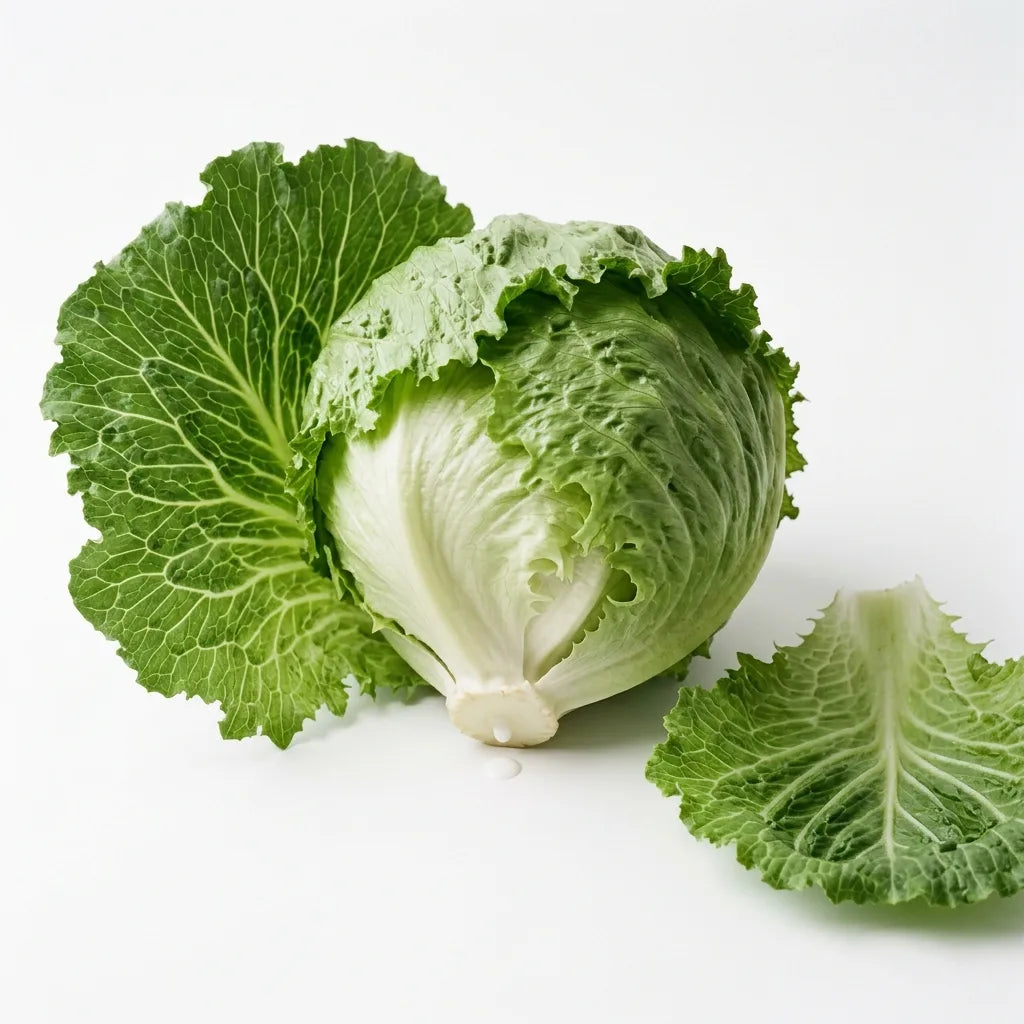
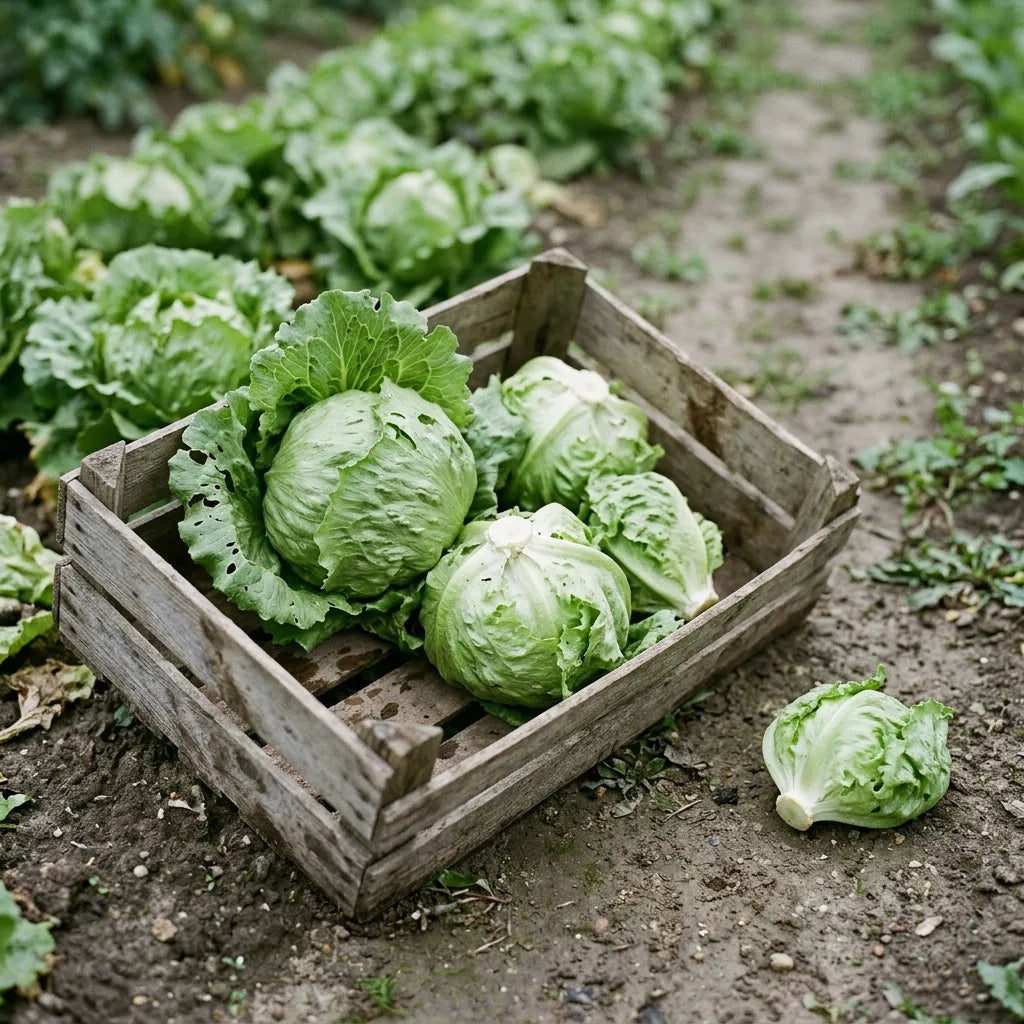
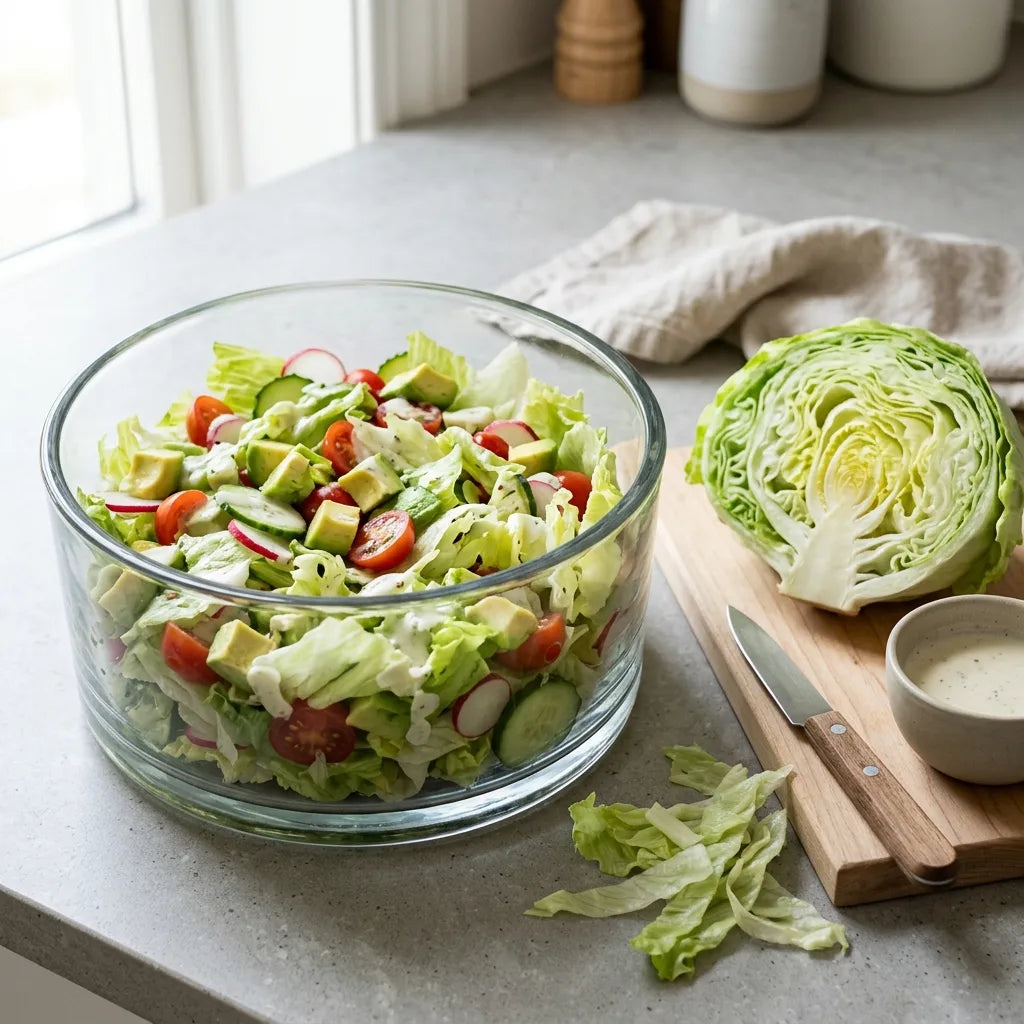
Iceberg lettuce, crisp lettuce, American head lettuce: its name comes from railway transport in the 1920s, when Californian railcars shipped it under mounds of crushed ice—railway workers said they could see “icebergs” arriving. Its dense head and exceptional crispness have made it the most widely cultivated lettuce in the world.
Characteristics:
-
Very compact head: tightly packed, fleshy leaves forming a dense, firm ball.
-
Unmatched crispness: no other lettuce holds up so well when you bite into it.
-
Excellent storage: it stays crisp for several days in the refrigerator, whereas butterhead lettuces wilt.
-
Good heat tolerance: more tolerant than most lettuces, though not completely unaffected.
Sowing advice:
-
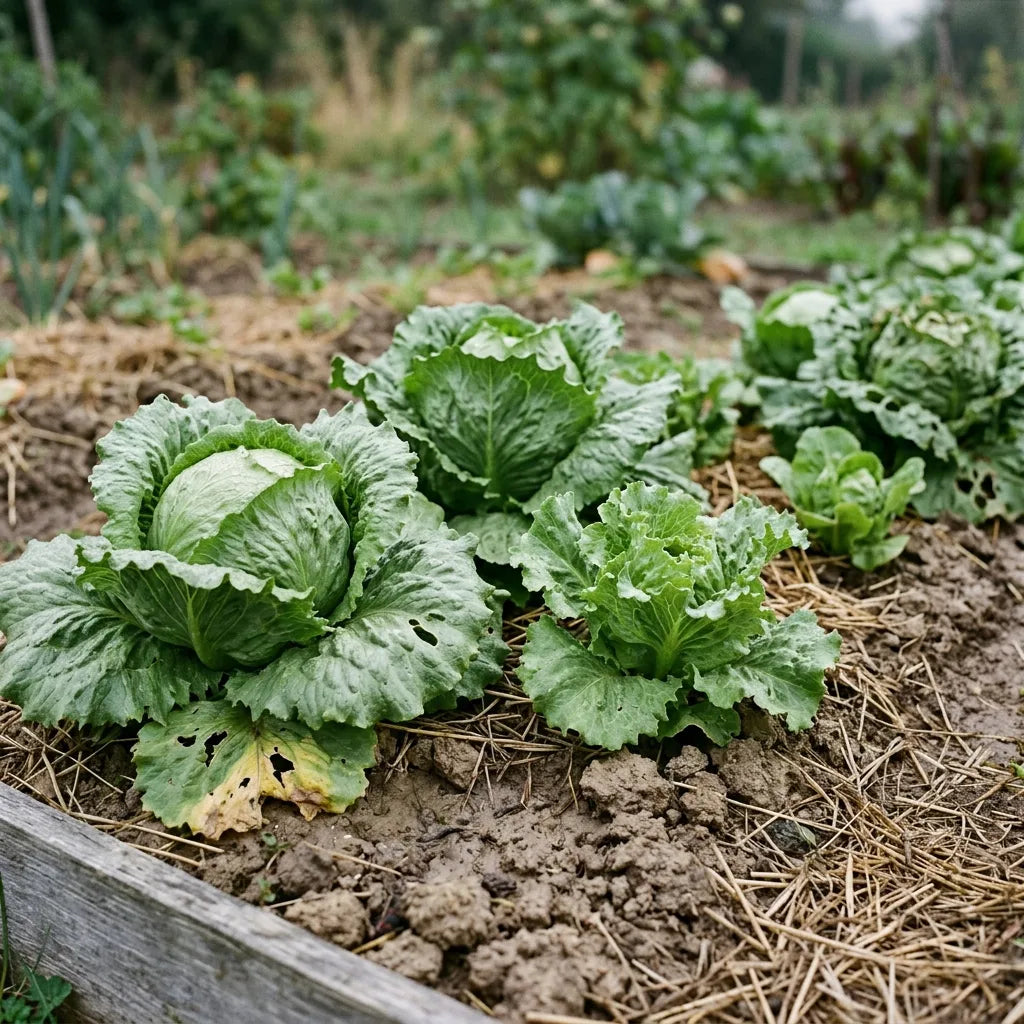
Exposure: sunny in spring and autumn, partial shade in midsummer. It tolerates heat better than other lettuces, but spring and autumn crops remain the safest.
-
Soil: cool, loose, well-drained, and lightly amended with compost. The soil must remain consistently cool: even brief drying triggers bolting and causes bitterness.
-
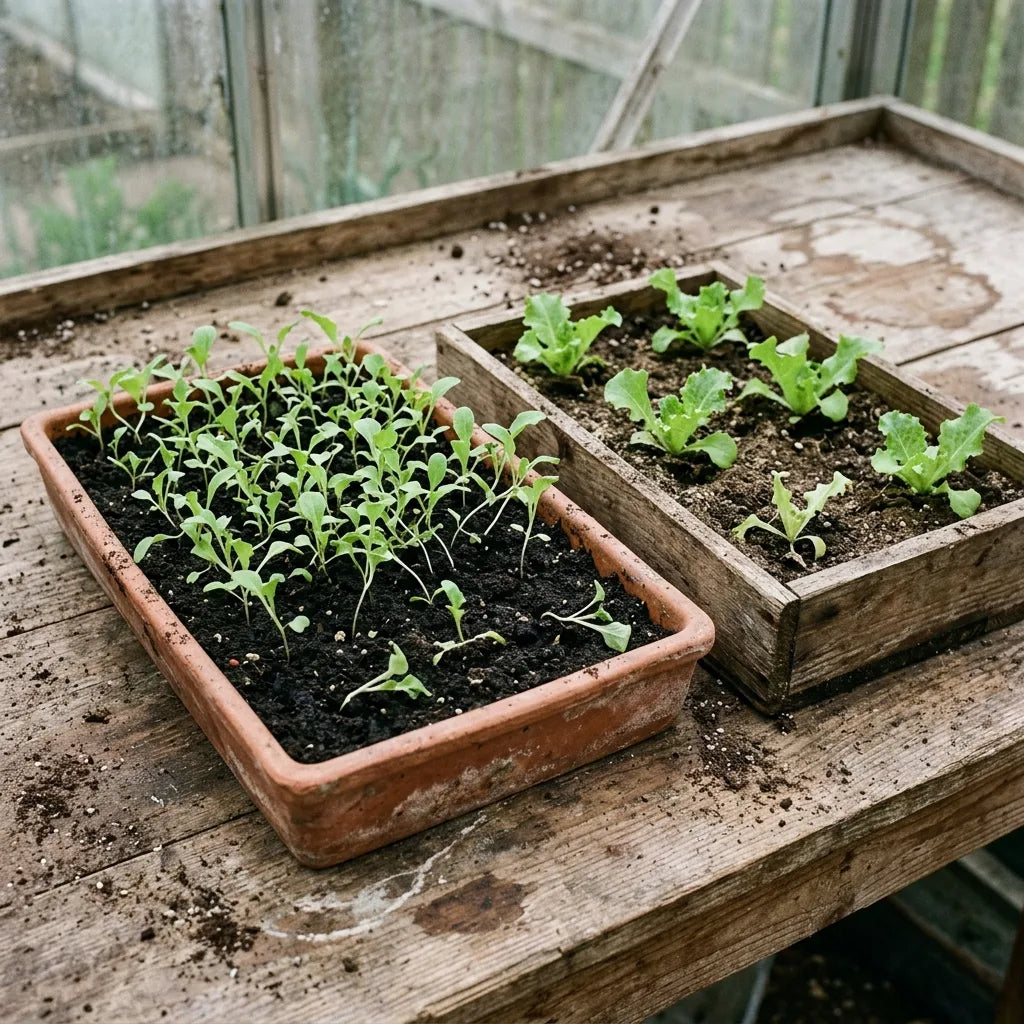
Method: sow barely covered, as the seeds need light to germinate. Stagger sowings from March to August, every two weeks. Warning: above 25°C, lettuce seeds enter dormancy and will no longer germinate—sow in the shade or at the end of the day during hot weather. See how to sow your seeds.
Planting advice:
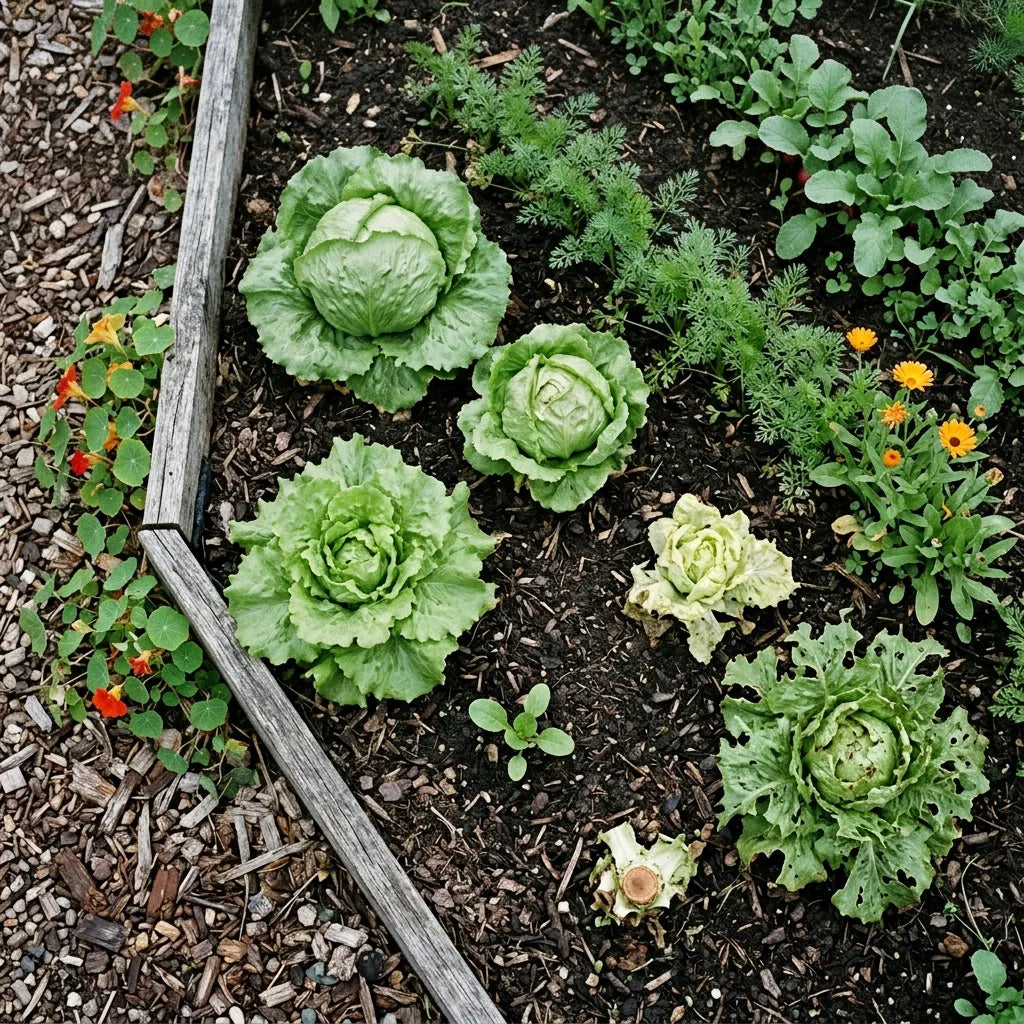
- Transplant at 4 or 5 leaves, spacing plants 30 to 35 cm apart—it needs more room than other lettuces to form its head. Do not bury the crown, as this may cause rot.
Care advice:
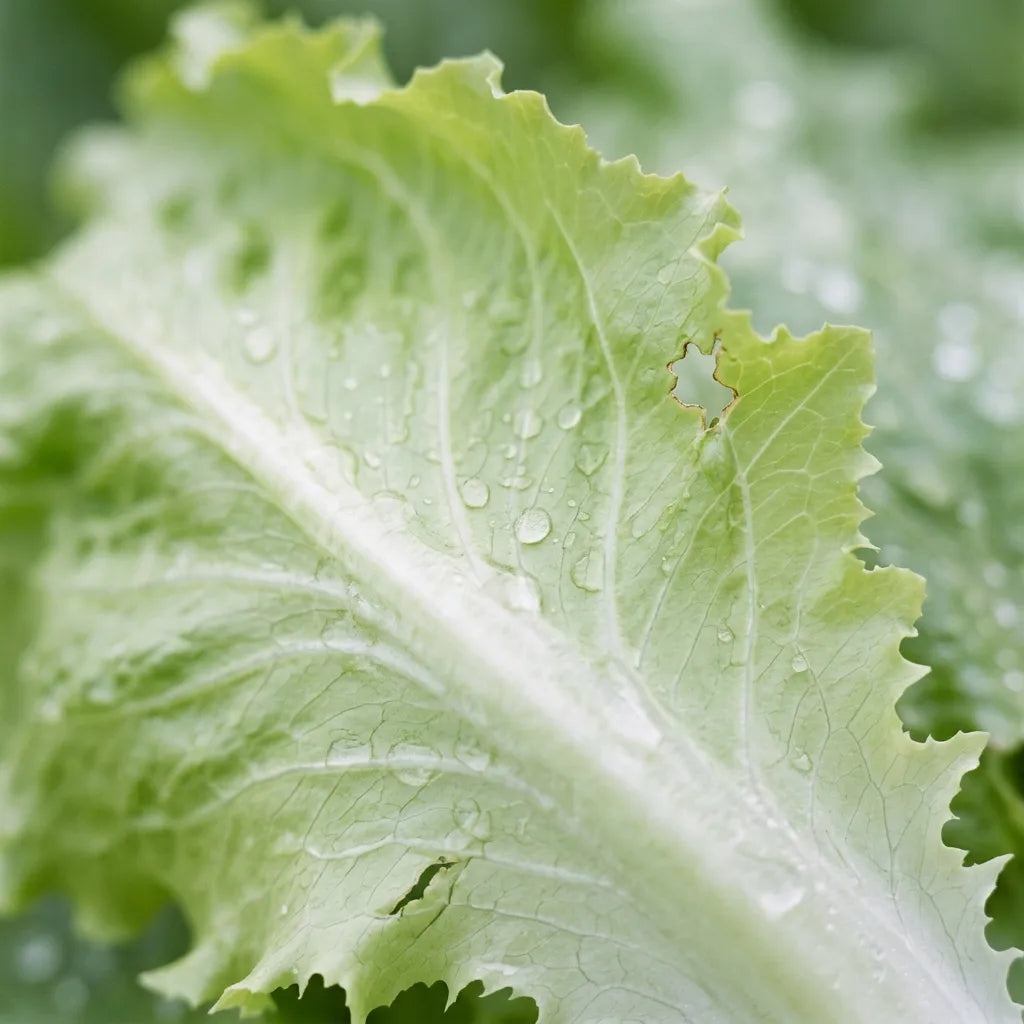
- Water regularly at the base, in the morning, without wetting the foliage. Mulch to maintain soil moisture.
- Lightly hoe between the rows.
Harvesting advice:
- Harvest when the head feels very firm in your hand, cutting it at ground level. A head left too long becomes soft at the core and bitter.
- Tip: it stores remarkably well, unwashed and wrapped in a damp cloth at the bottom of the refrigerator.
Beneficial companions:
Benefits for biodiversity:
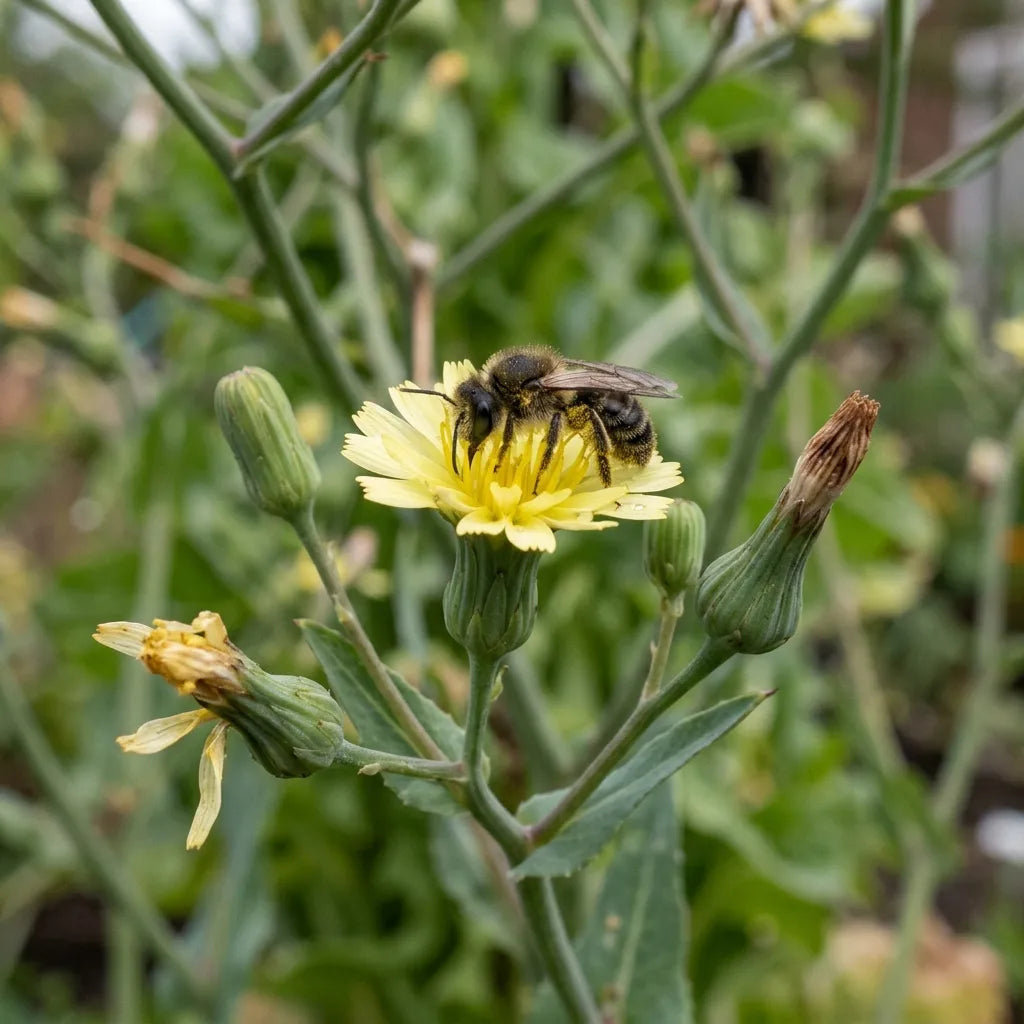
- Let one plant bolt at the end of the season: its small yellow flowers attract hoverflies and solitary bees, while its seeds feed goldfinches.
- Its rapid growth helps keep the soil covered between two main crops.
Uses:
- Raw in salads, but especially in burgers, sandwiches, wraps, and tacos, where its crispness and firmness make all the difference. Finely shredded, it also pairs very well with Asian dishes.
Harvesting your own seeds:
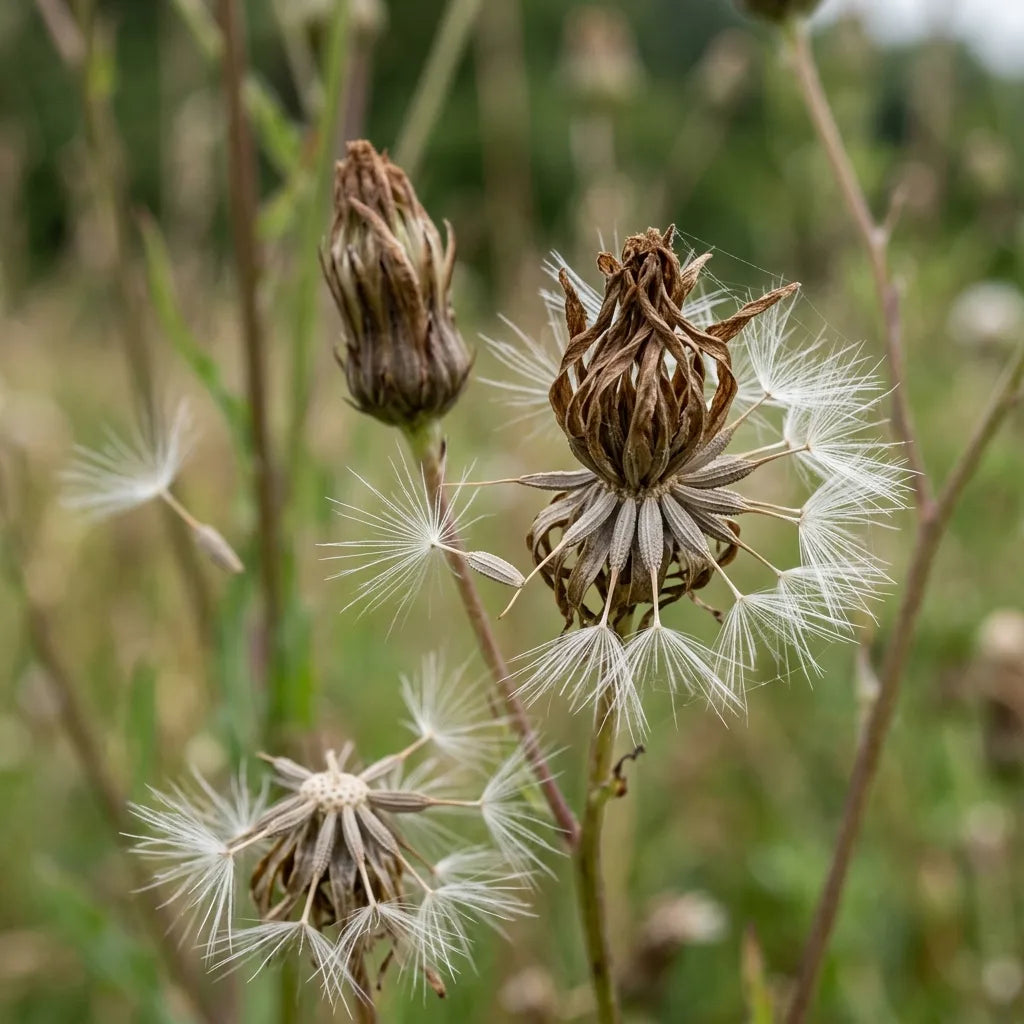
Let one healthy plant bolt: it produces a tall flower stalk followed by achenes with tufts, which should be harvested as they reach maturity over time. Tip for Iceberg: because its head is very dense, cut a cross into the top to help the flower stalk emerge. Lettuce is self-pollinating, so cross-pollination is rare. See how to save your seeds.
Commitment to Quality: at SemiSauvage - Permaculture, we grow and select our seeds with respect for all living things as our guiding principle. Based near the Volcanoes of Auvergne, we choose reproducible, non-hybrid varieties, tested for their germination rate, carefully sorted and packaged, with no chemical treatment. Our belief: to give gardeners back the ability to resow, year after year, seeds that truly belong to them.
The crispiest lettuce, the one that holds up in a burger.