Brassica oleracea var. botrytis
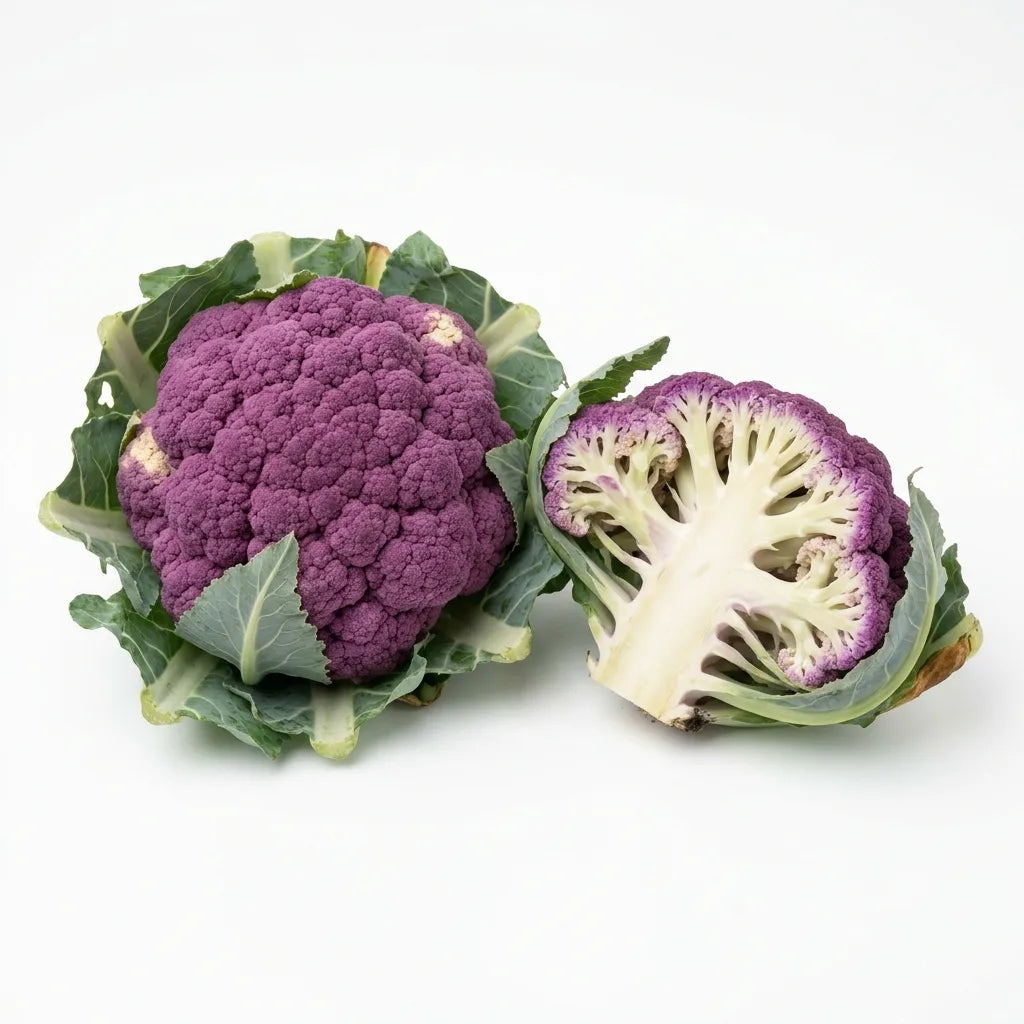
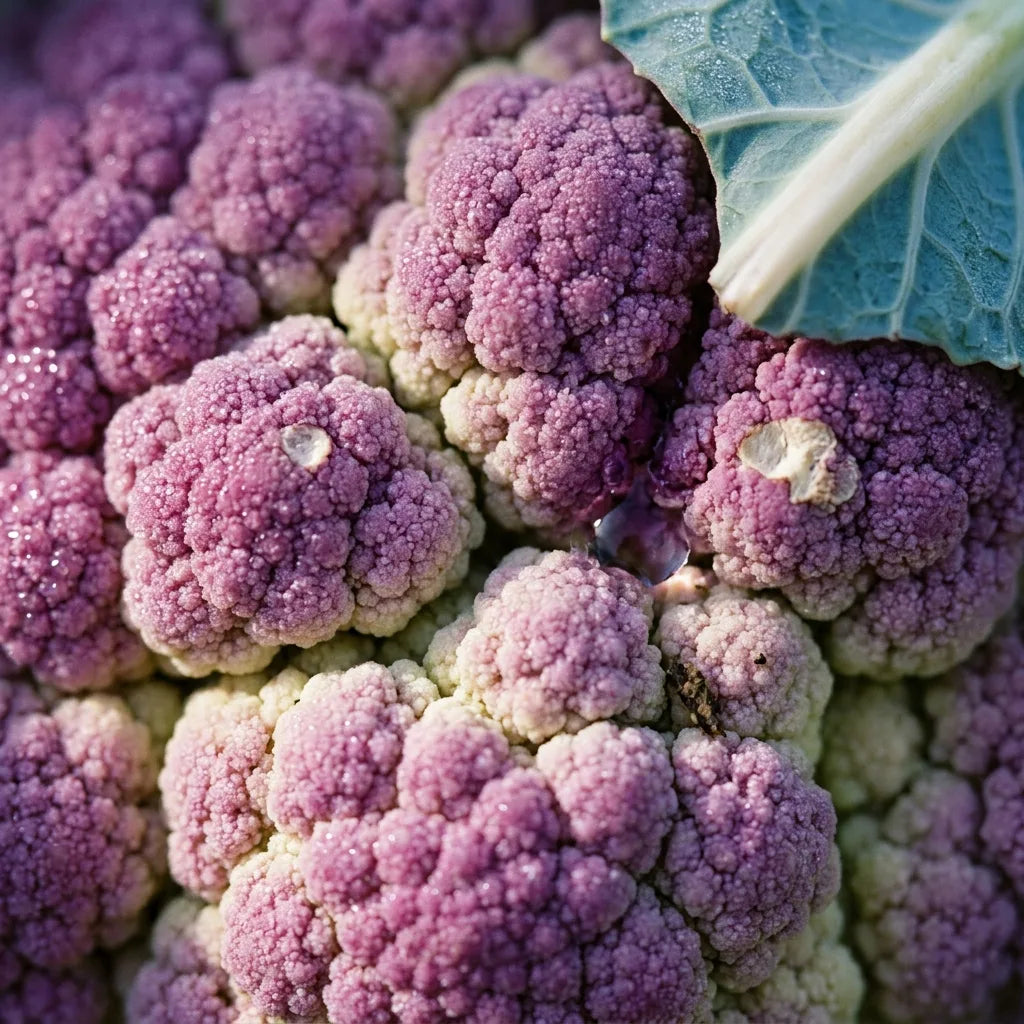
Purple cauliflower, purple cauliflower, Sicilian cauliflower: its color comes from anthocyanins, the same pigments found in red cabbage. One important detail to know before cooking it: the purple turns blue-green in boiling water. Steamed, roasted, or eaten raw, however, it retains all its intensity. That is what distinguishes a successful preparation from a disappointment.
Characteristics:
-
Purple florets: a spectacular color, surrounded by light green leaves.
-
Mild flavor: very similar to that of white cauliflower, without bitterness.
-
Rare variety: uncommon at market stalls, it always makes an impression.
-
Bonus: unlike white cauliflower, it does not need blanching — sunlight actually intensifies its color.
Sowing advice:
-
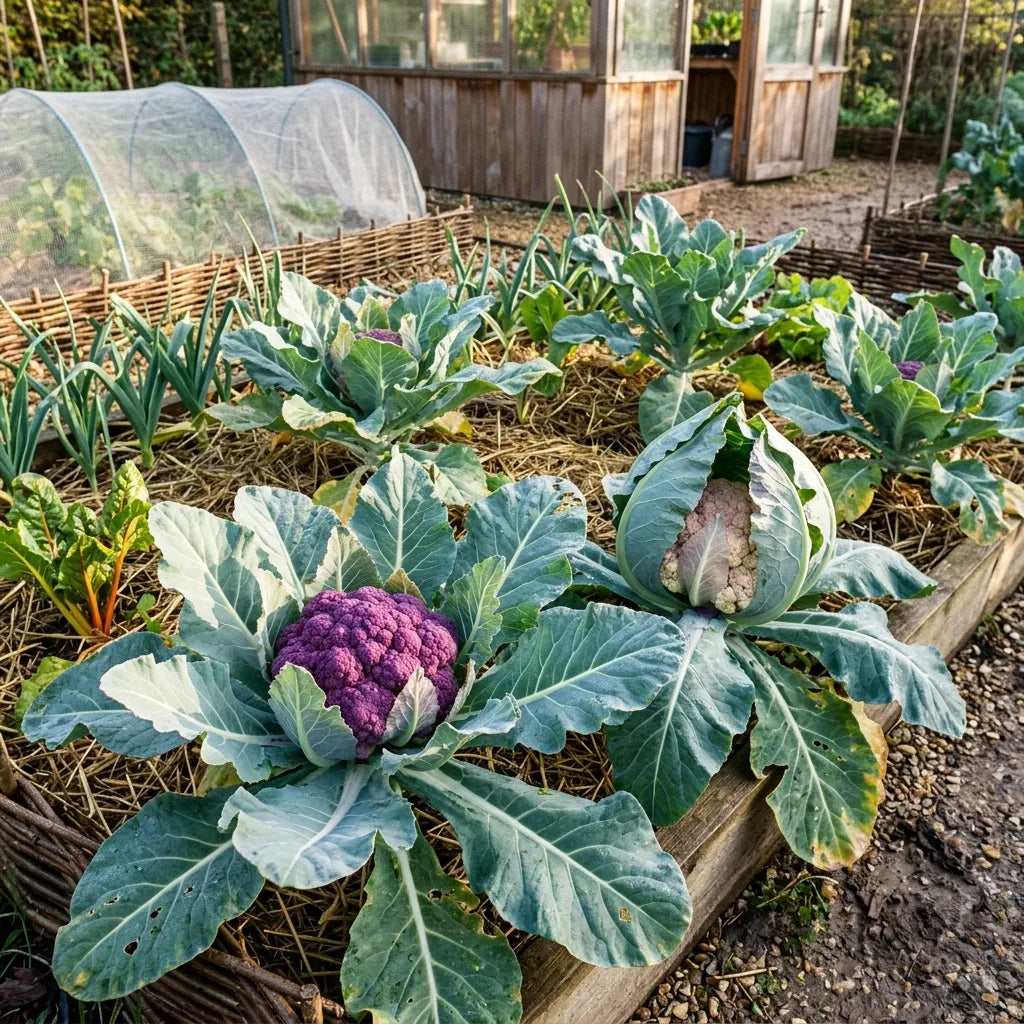
Exposure: sunny — sunlight intensifies the color — but partial shade in hot regions, as it dislikes excessive heat.
-
Soil: deep, cool, humus-rich, and slightly clayey. Like all cauliflowers, it is very nutrient-hungry: a generous supply of well-rotted compost is essential. Avoid growing it where a brassica has grown during the previous three years.
-
Method: sow in a seedbed from March to April, 1 cm deep. See how to sow your seeds.
Planting advice:
- Transplant when the plants are 10–15 cm tall, spacing them 50 to 70 cm apart. Transplant in cloudy weather and water generously: difficult establishment permanently prevents the head from forming.
Care advice:
-
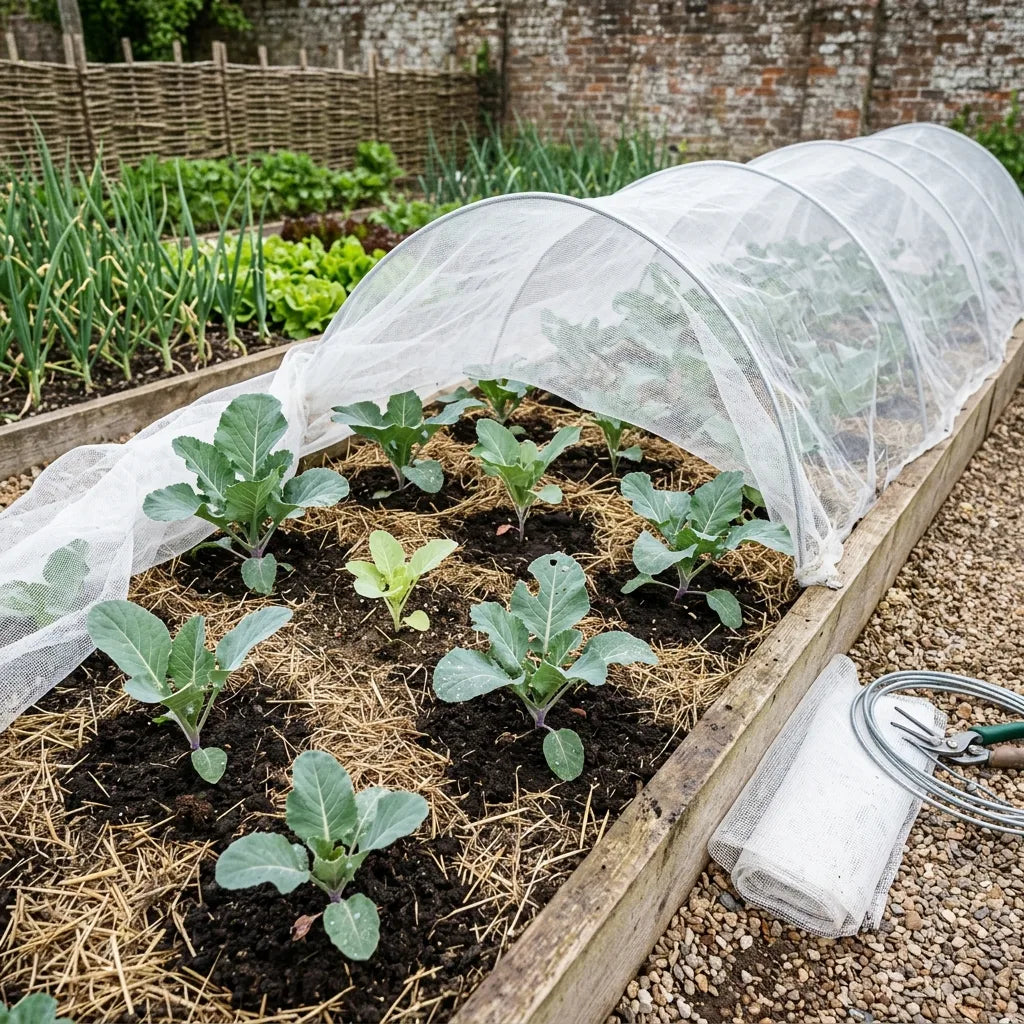
The critical point: keep the soil continuously moist. Cauliflower does not tolerate any fluctuations — water stress results in a tiny head or causes it to bolt straight into flower. Mulch heavily.
- An insect-proof net installed as soon as it is planted helps prevent cabbage white butterflies and cabbage flies.
Harvesting advice:
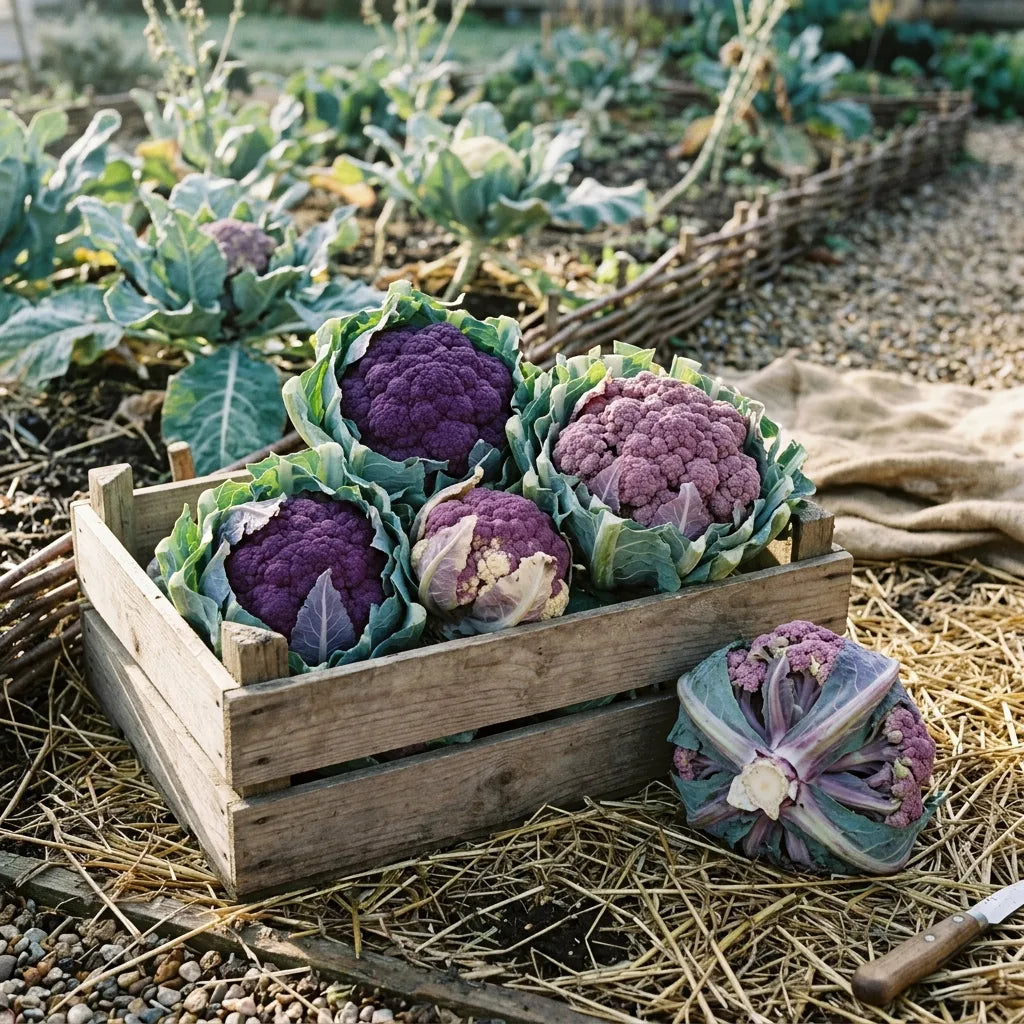
- Harvest as soon as the head is full and still tight. Do not wait: when the florets begin to separate, the texture and color deteriorate quickly.
- The leaves and peeled stalk can also be cooked.
Beneficial companions:
Benefits for biodiversity:
- A cauliflower allowed to bolt produces a huge yellow, extremely nectar-rich inflorescence — if a head escapes you, let it flower rather than pulling it out.
- Growing rare, colorful varieties helps preserve cultivated diversity, which has been greatly reduced by standardization.
Uses:
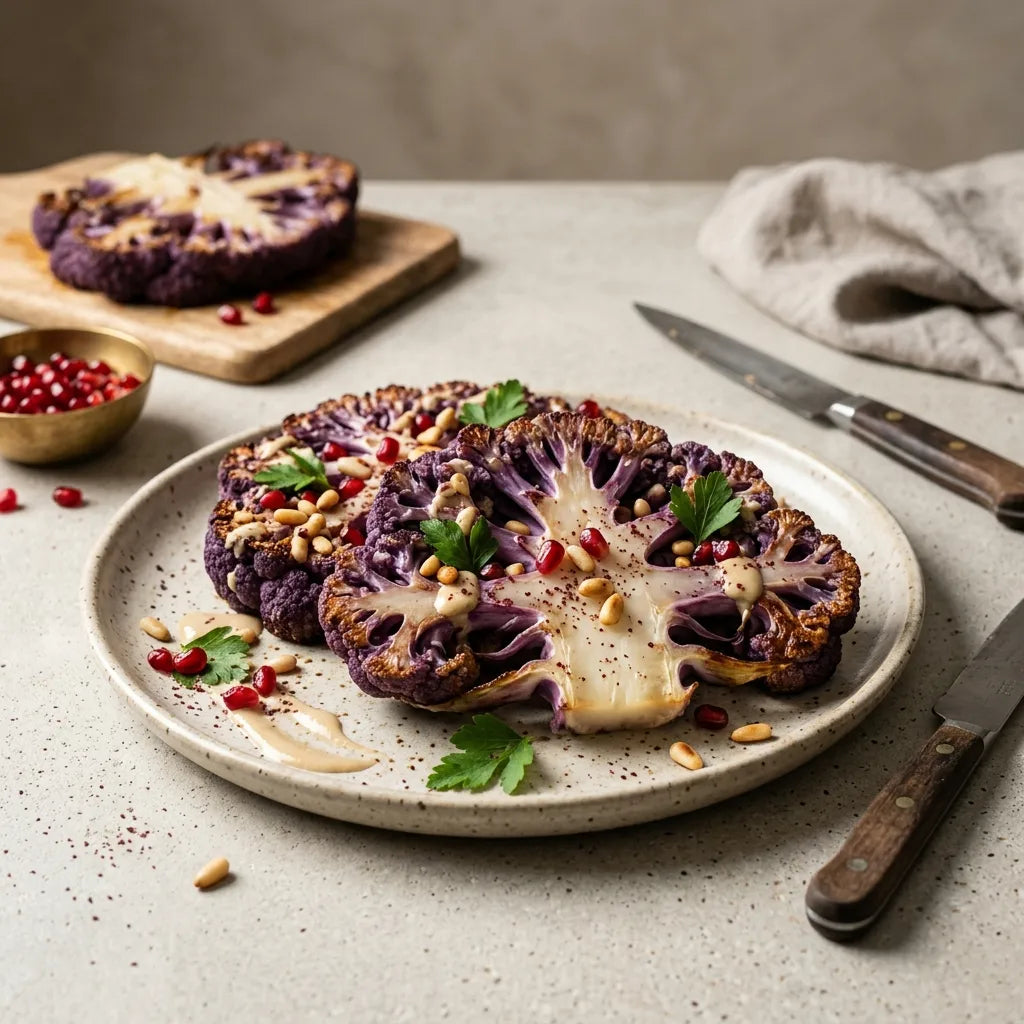
- Raw in salads or as an appetizer to fully enjoy its color, roasted in the oven as florets, or made into pickles — vinegar fixes and brightens the purple. Avoid boiling in plenty of water, which fades its color.
Saving your own seeds:
Allow one head to bolt and then form its seed pods, harvesting them when brown and dry. Be careful: Brassica oleracea varieties cross very easily with one another, so isolate your seed plant from other cabbages. See saving your seeds.
Commitment to Quality: at SemiSauvage - Permaculture, we grow and select our seeds with respect for living things as our guiding principle. Based near the Auvergne Volcanoes, we choose reproducible, non-hybrid varieties, tested for their germination rate, carefully sorted and packaged, with no chemical treatment. Our conviction: to give gardeners back the ability to resow, year after year, seeds that truly belong to them.
A rare variety that turns the vegetable garden into a painting.