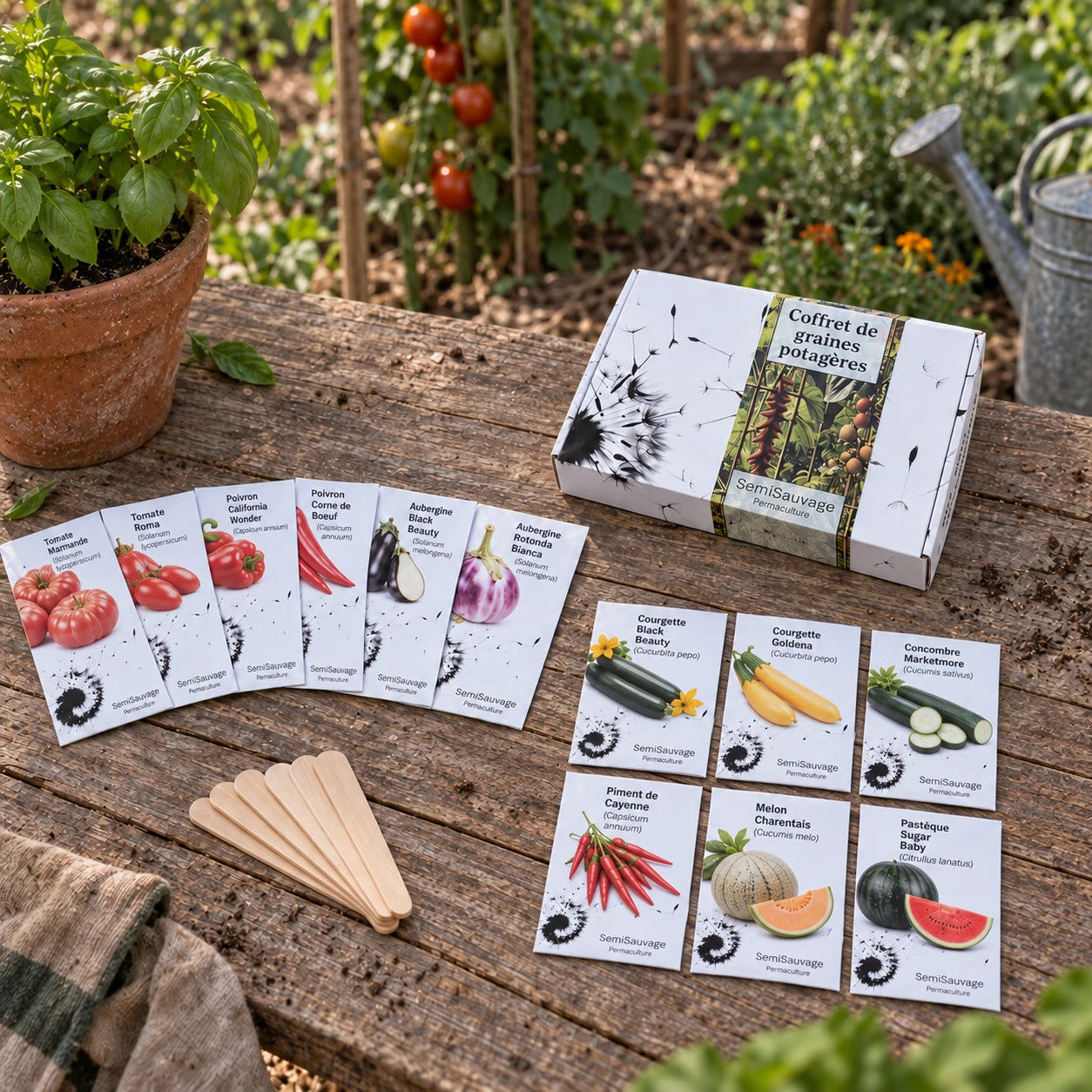
The flavor of a ripe-picked tomato, a yellow zucchini among the leaves, the first eggplants to cook… The Special Sun-Loving Vegetables Seed Box brings together twelve varieties to create a colorful, delicious summer vegetable garden. A selection to sow at your own pace, directly in the ground or, for some crops, in large, well-positioned containers.
Twelve varieties for preparing summer harvests
The varieties are offered as open-pollinated, non-hybrid seeds. This box contains 12 packets, totaling 455 seeds, as well as wooden labels for identifying the crops. Sowing instructions are printed on the back of the packets. Its 15 × 10 × 3 cm box brings together vegetables for cooking and two summer fruits to share: melon and watermelon.
It is a gift idea for someone who enjoys vegetable gardening, but also a selection to explore at home, gradually. You do not have to sow everything in the same year. Start with the crops suited to your space, equipment, and the time you wish to devote to them. A well-sized vegetable garden is easier to manage than a collection of plants installed too close together.
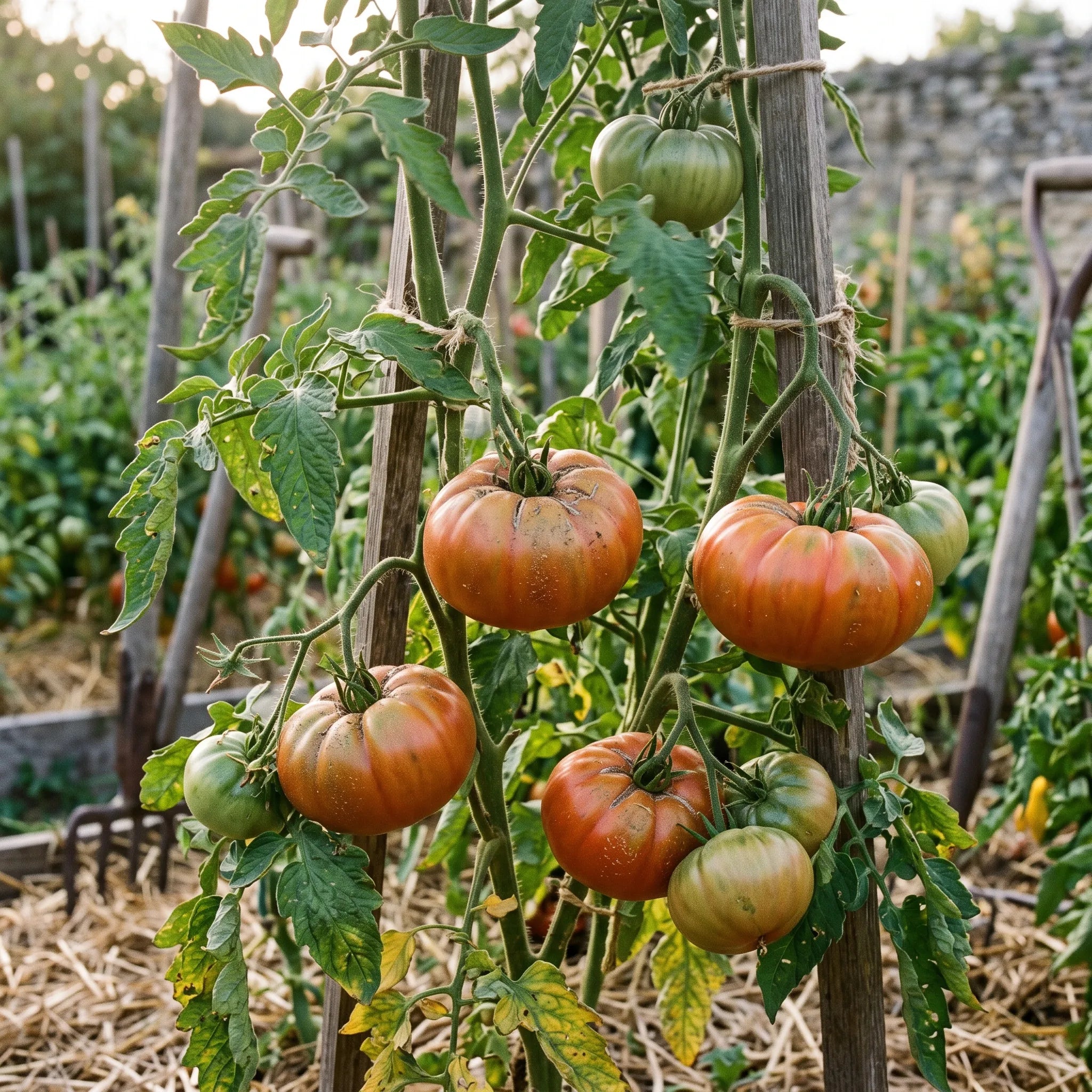
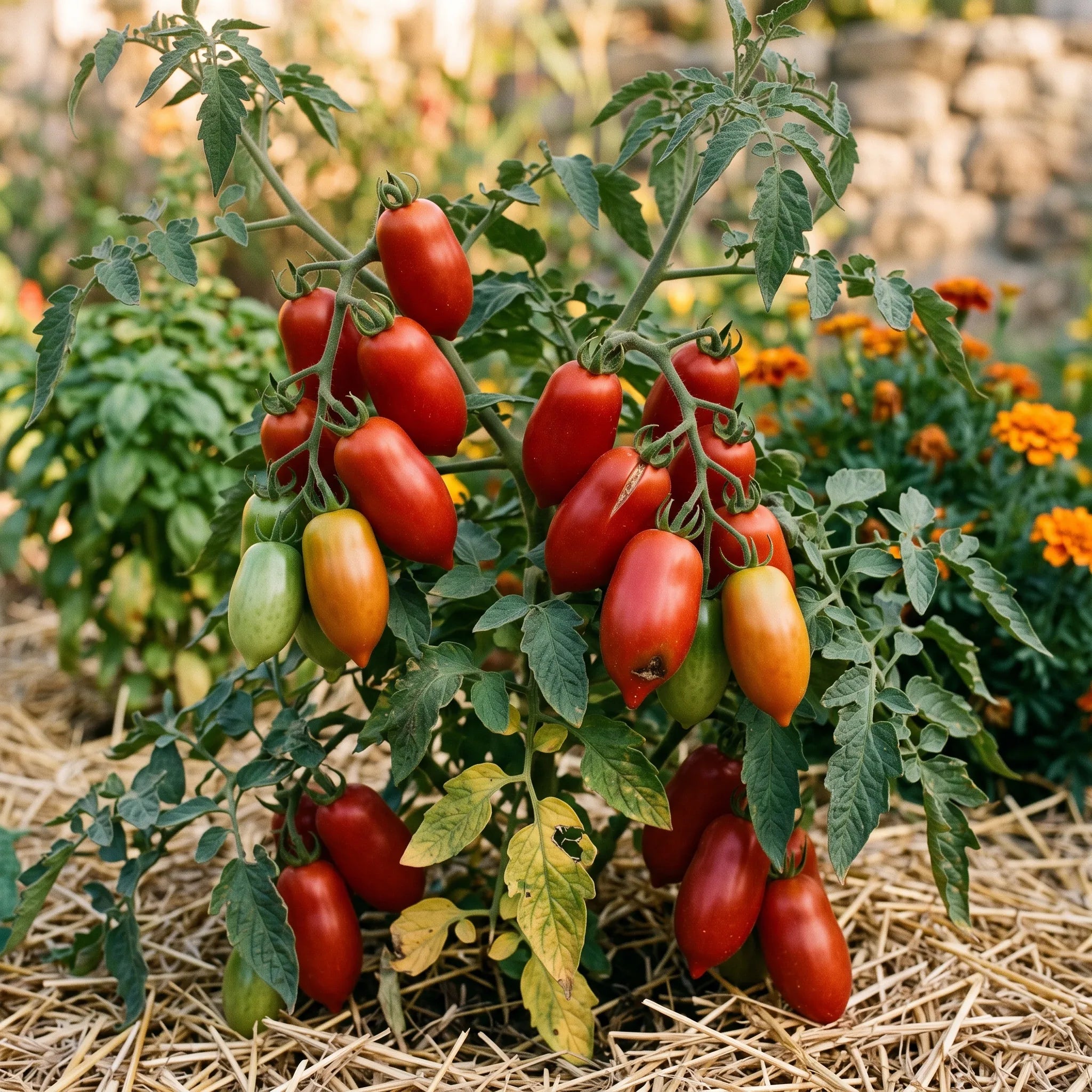
Marmande and Roma offer two complementary uses: ribbed tomatoes to slice or stuff, and elongated fruits with dense flesh for sauces. California Wonder and Corne de Bœuf peppers let you compare square and tapered shapes, while Cayenne adds a distinctly spicy note.
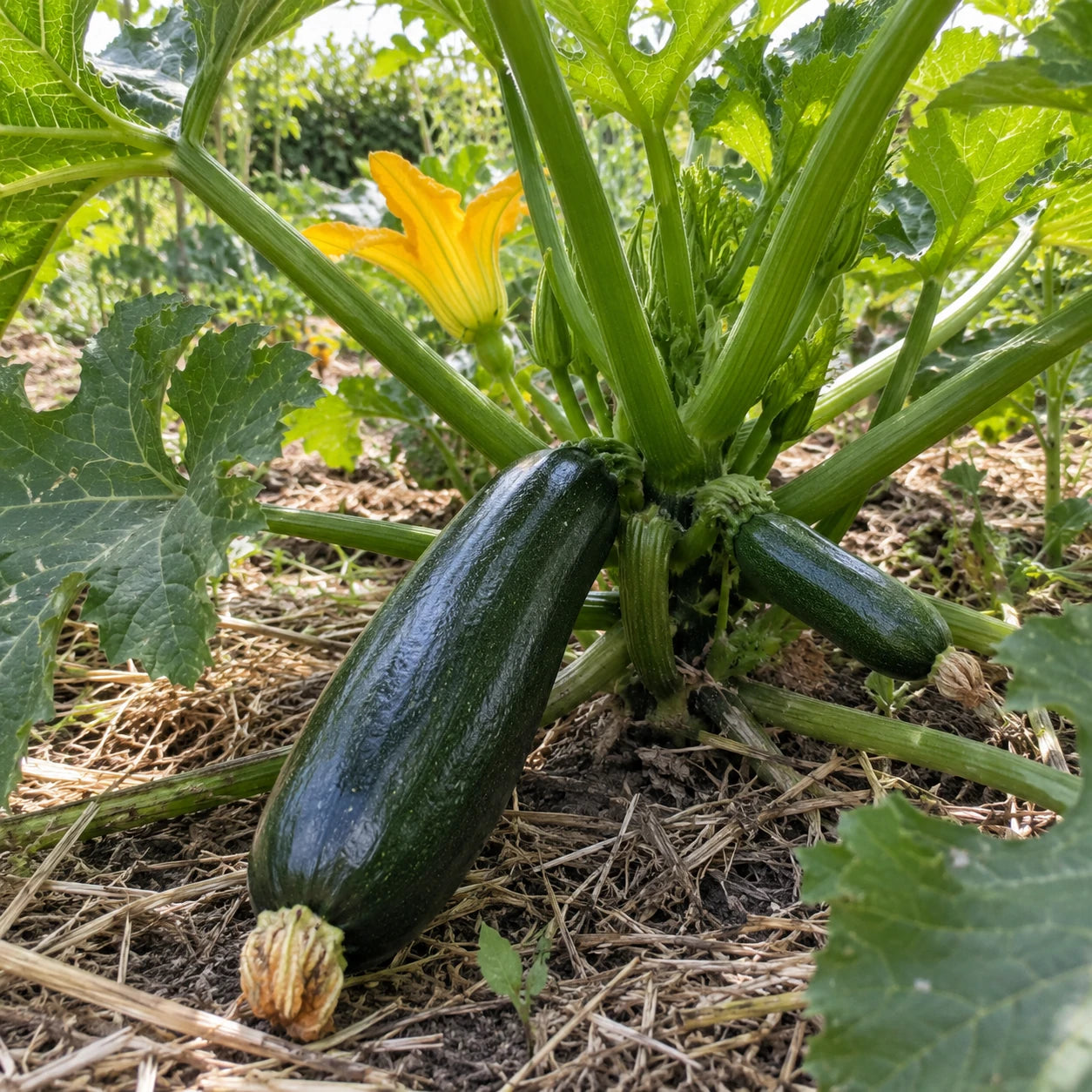
Black Beauty and Rotonda di Bianca eggplants contrast in color and shape. Black Beauty and Goldena zucchini appear dark green and yellow in the harvests. Marketmore cucumber adds freshness to meals; Charentais melon and Sugar Baby watermelon round out the selection for late summers that are warm enough.
The box’s diversity makes it possible to create different meals without trying to harvest everything on the same day. Plants have their own rhythms. Some fruits are picked young, while others require waiting until the desired maturity.
Stagger sowing according to plant families
These twelve varieties should not all be sown as early as February. Peppers, hot peppers, and eggplants get off to a slow start: their seeds are generally sown in warmth in late winter or early spring, with sufficient light after germination. Tomatoes are also sown under cover, adjusting the date to when you will actually be able to plant them outdoors.
Zucchini, cucumbers, melons, and watermelons get started more quickly. Prepare their plants later in spring, in individual pots, to avoid a long wait in a container that has become too small. Direct sowing may be considered when the soil and temperatures are warm enough, depending on the crop and region.
The dates on the packets are guidelines to adjust according to the climate, altitude, and your shelter. A dark windowsill is no substitute for a bright setup. Sow small quantities, label the pots, and monitor growth before starting another batch. Our guide to sowing methods covers the useful steps for getting started.
Plant seedlings when the warmth arrives
Before planting, gradually acclimate young plants to the outdoors. Choose a bright location sheltered from cold winds, and wait until the risk of frost has passed. For the most cold-sensitive crops, still-chilly nights and cold soil can slow development, even when the days are pleasant.
Prepare soil rich in well-decomposed organic matter, well-drained and able to remain moist. Handle root balls carefully, especially those of cucurbits. Water after planting and observe the plants over the following days: steady establishment matters more than planting very early.
In a cool region, a shelter can be useful for peppers, eggplants, or melons. Ventilate it when the temperature rises and keep the plants accessible for care. The name “Sun-Loving Vegetables” points to a need for warmth; it does not guarantee the same harvest in every climate.
Plan for space, supports, and water
Install stakes or supports before the plants become unwieldy. Support tomatoes with soft ties. Cucumbers can be trained on a suitable support; peppers and eggplants may need support when carrying fruit. Choose the training method according to each variety’s growth habit, without applying a single pruning method to the entire box.
Zucchini form broad mounds. Melons and watermelons develop vines that require available surface area: plan for their spread from the outset. Their presence is not limited to the volume of fruit to harvest. Also leave an access path for watering and picking without crushing the foliage.
Large containers with drainage holes can accommodate some crops, provided you adapt the volume, support, and watering. Distribute the plants among several pots rather than trying to group the selection in a single container. Whether in the ground or in containers, check moisture below the surface and avoid prolonged alternation between drought and excess water.
Mulch applied to sufficiently warmed soil helps retain moisture and cover the ground. Keep the bases of the stems clear and observe the plants’ actual needs. Heat-loving vegetables also need a consistent water supply during growth.
A lively, accessible, well-observed vegetable garden
In a permaculture-inspired garden, summer vegetables find their place in varied beds, with covered soil and flexible pathways. Mixing heights can be useful, provided the plants retain enough light and space. Diversity does not eliminate their individual needs.
The flowers of zucchini, melons, and other crops attract pollinating insects. Keep the garden welcoming and avoid permanently blocking access to the flowers with unsuitable protection. Under cover, ventilation and observing flowering remain important tasks.
Take time regularly to look at young shoots, the undersides of leaves, and the fruit. A plant that lacks water, a poorly tied stem, or a badly damaged leaf is easier to spot during short, frequent visits. Companion plants that may already be present in your garden complement this environment; they are not included in the twelve packets.
Harvest at the right stage, enjoy simply
Pick zucchini while still young and cucumbers before they become too large. Eggplants are harvested when the fruits are well formed and the skin is still glossy. Peppers can be picked green or left to develop color; tomatoes take their place in the kitchen according to their ripeness and the intended use.
For melons and watermelons, observe the signs specific to the variety rather than relying on a single indicator or a fixed date. Available heat and growing conditions affect ripeness. The individual product sheets provide reference points to consult as the fruits begin to form.
A modest basket can already provide enough for roasted vegetables, a tomato salad, or a zucchini-based meal. Roma tomatoes are suitable for sauces; Cayenne peppers can be dried for measured seasoning. Wear gloves when handling hot peppers and avoid touching your eyes. An abnormally bitter cucurbit fruit should not be eaten.
Keep the packets, prepare for the following seasons
Reseal opened packets and store them in a dry, cool place away from light, keeping the names and lot information. Seed longevity varies by species and storage conditions: a well-kept reserve is useful, but no storage method guarantees unchanged germination indefinitely.
Harvesting your own seeds then requires understanding each species’ pollination. The two zucchini varieties in this box belong to the same species and may cross-pollinate; several closely related peppers or hot peppers also require particular care to preserve the desired characteristics. Read the appropriate advice before selecting seed plants. Our seed storage guide helps you organize storage and preserve important information.
This SemiSauvage box invites you to discover different shapes, flavors, and ways of growing. Choose the varieties that appeal to you, make room for observation, and build, season after season, a vegetable garden suited to you.