Citrullus lanatus “Sugar Baby”
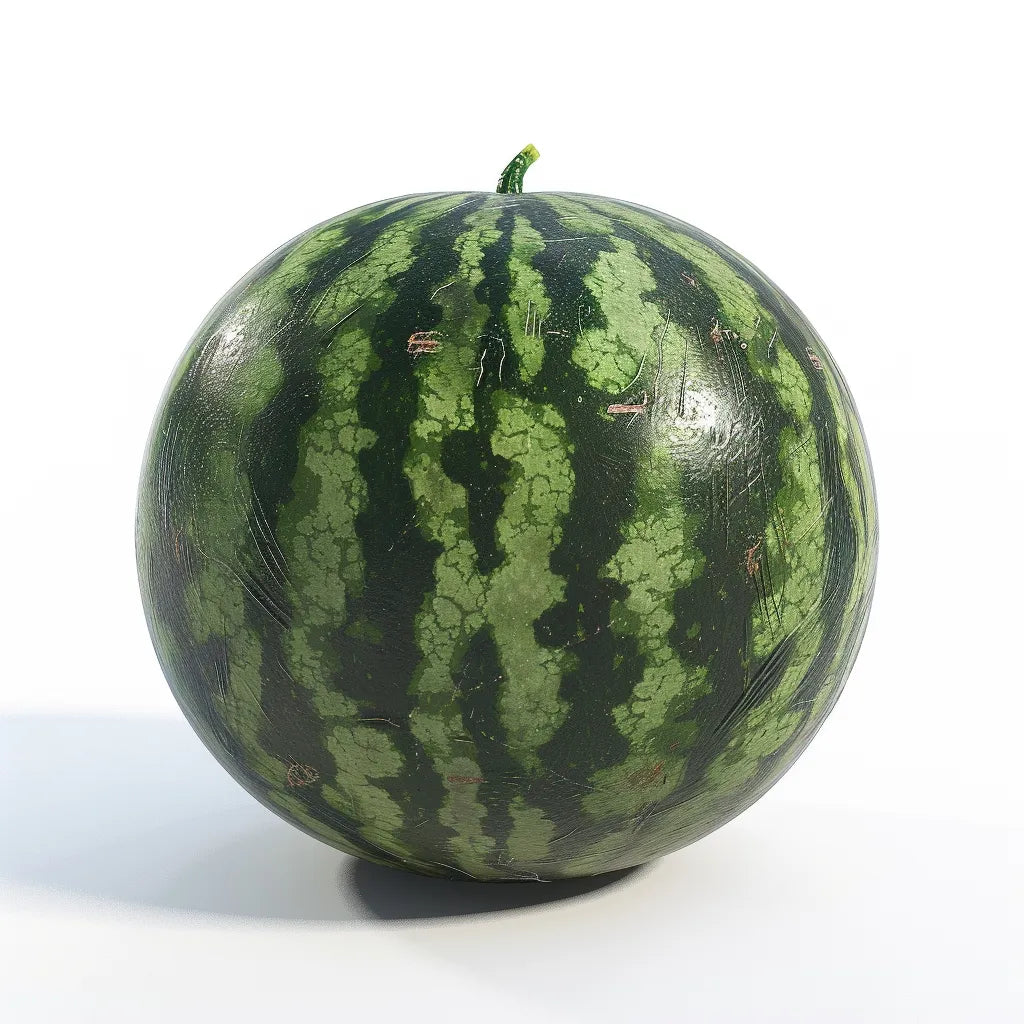
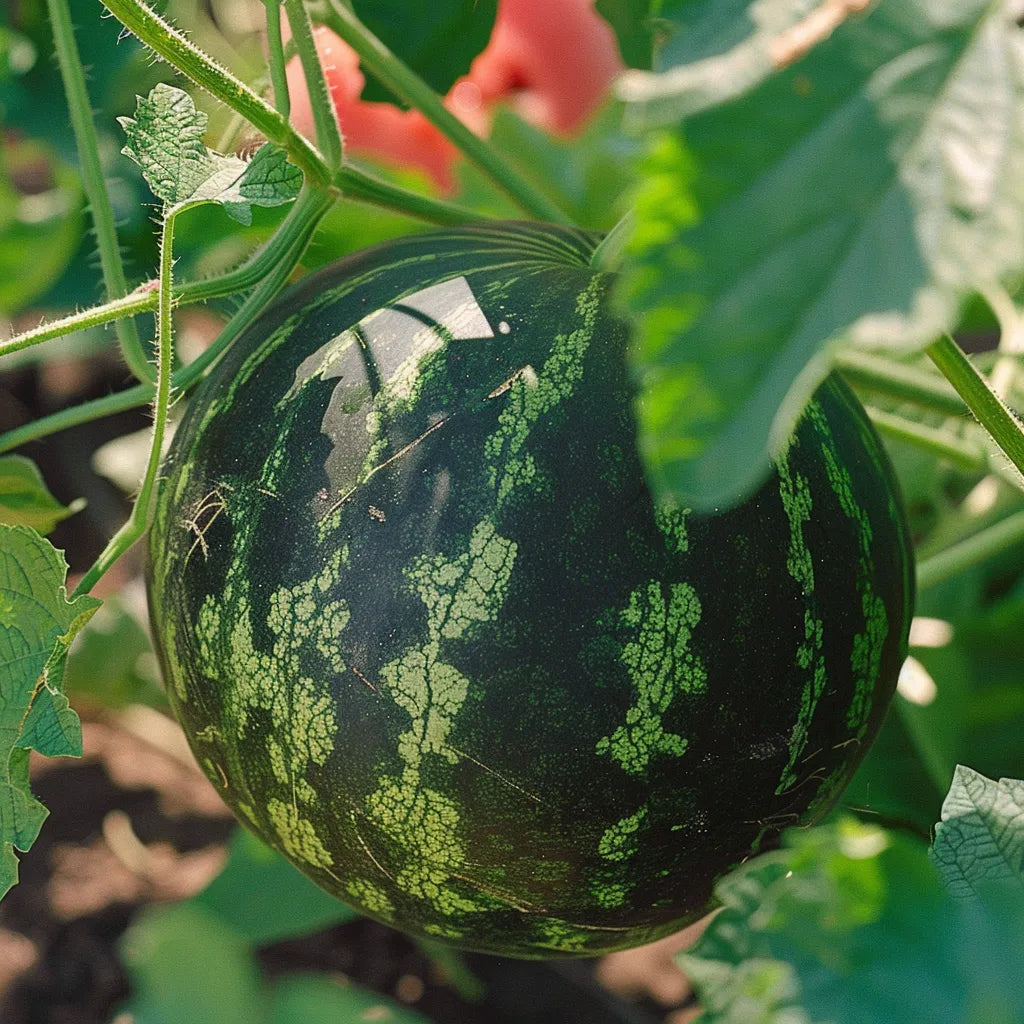
Sugar Baby watermelon: developed in the United States in the 1950s, this variety was designed for gardens and short growing seasons. Where classic watermelons require long summers and plenty of space, Sugar Baby produces 3–4 kg fruits in a considerably shorter cycle—making it suitable for cultivation well beyond the Mediterranean region.
Characteristics:
-
Reasonably sized fruits: 3–4 kg, slightly oval, with a uniformly dark green rind.
-
Red, sweet flesh: firm and juicy, with few black seeds.
-
Very early: its short cycle makes it successful in less warm climates.
-
Drought-resistant: once established, it tolerates dry summers well.
Sowing advice:
-
Exposure: full sun, in a warm, sheltered location—this is the essential condition for sweet fruit.
-
Soil: rich, deep, loose and rather sandy, with good drainage. It is a hungry plant: a planting hole filled with well-rotted compost makes all the difference. It does not tolerate standing water around the crown.
-
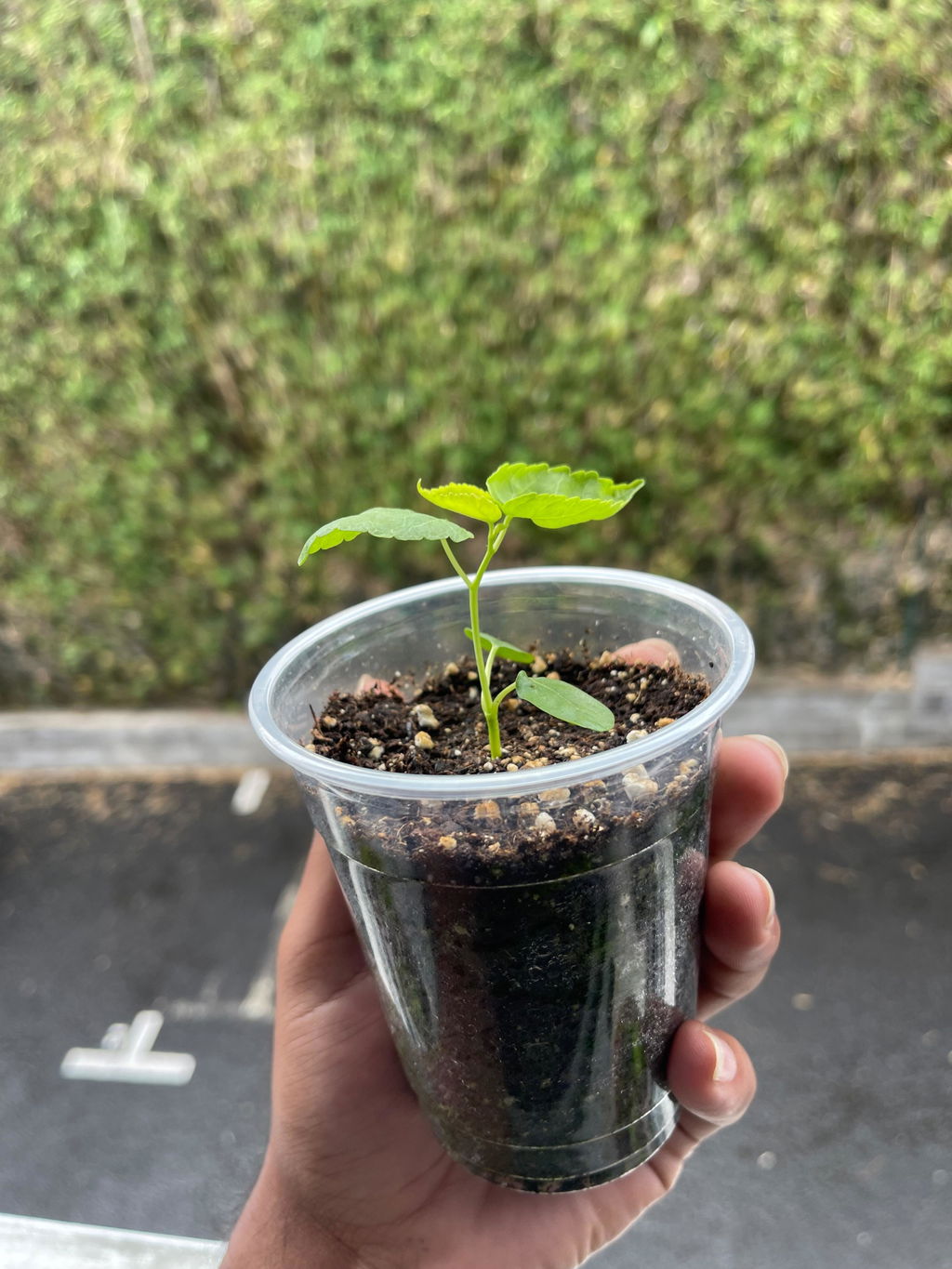
Method: sow in individual pots under cover at 22–25 °C from April onward, 2 cm deep, placing the seed on its edge. Soaking the seeds for 12 hours in lukewarm water speeds up germination. See how to sow your seeds.
Planting advice:
- Transplant in May–June with the root ball intact, taking care never to disturb the roots, into compost-filled holes spaced 1–2 metres apart. Dark mulch warms the soil and significantly speeds up fruit production.
Care advice:
- Water generously during growth, then reduce watering considerably as soon as the fruits begin to swell: this is what concentrates the sugars. Too much water at the end of the cycle produces bland watermelons.
- Limit each plant to 3 or 4 fruits and slide a tile or board underneath each one to keep it away from damp soil.
Harvesting advice:
- Three signs together indicate ripeness: the tendril closest to the fruit has dried out, the ground spot has changed from white to creamy yellow, and the fruit sounds hollow when tapped. Watermelons do not ripen after picking.
Beneficial companion plants:
Benefits for biodiversity:
- Like melon, it depends entirely on bees to set fruit: without pollinators, there are no watermelons. This is an excellent reason to sow nectar-rich flowers nearby.
- Its spreading foliage broadly covers the soil and protects it from drying out during summer.
Uses:
- Simply chilled, in a salad with feta and mint, as juice or sorbet. The white rind can be candied very successfully—a traditional recipe that helps prevent waste.
Harvesting your own seeds:
Take the black seeds from a perfectly ripe fruit, rinse them to remove the pulp and dry them flat for several days. Watermelons cross-pollinate with other watermelon varieties but not with melons or squash. See saving your seeds.
Our commitment to Quality: at SemiSauvage - Permaculture, we grow and select our seeds with respect for all living things as our guiding principle. Based near the Auvergne Volcanoes, we choose open-pollinated, non-hybrid varieties, test them for germination rates, and carefully sort and package them without any chemical treatment. Our belief: to give gardeners back the ability to resow, year after year, seeds that truly belong to them.
Watermelons within reach of gardens in both the North and the South.