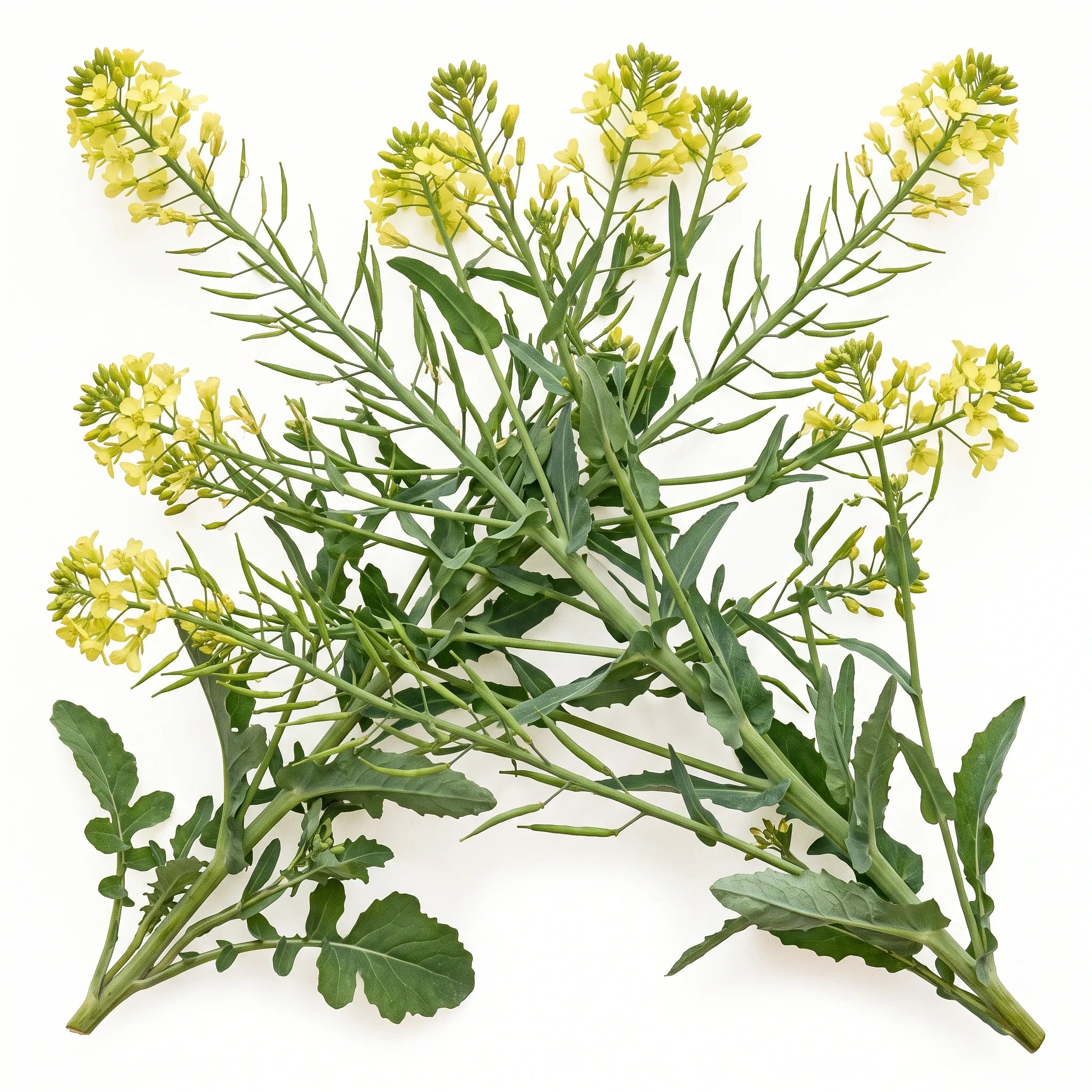
Brassica napus
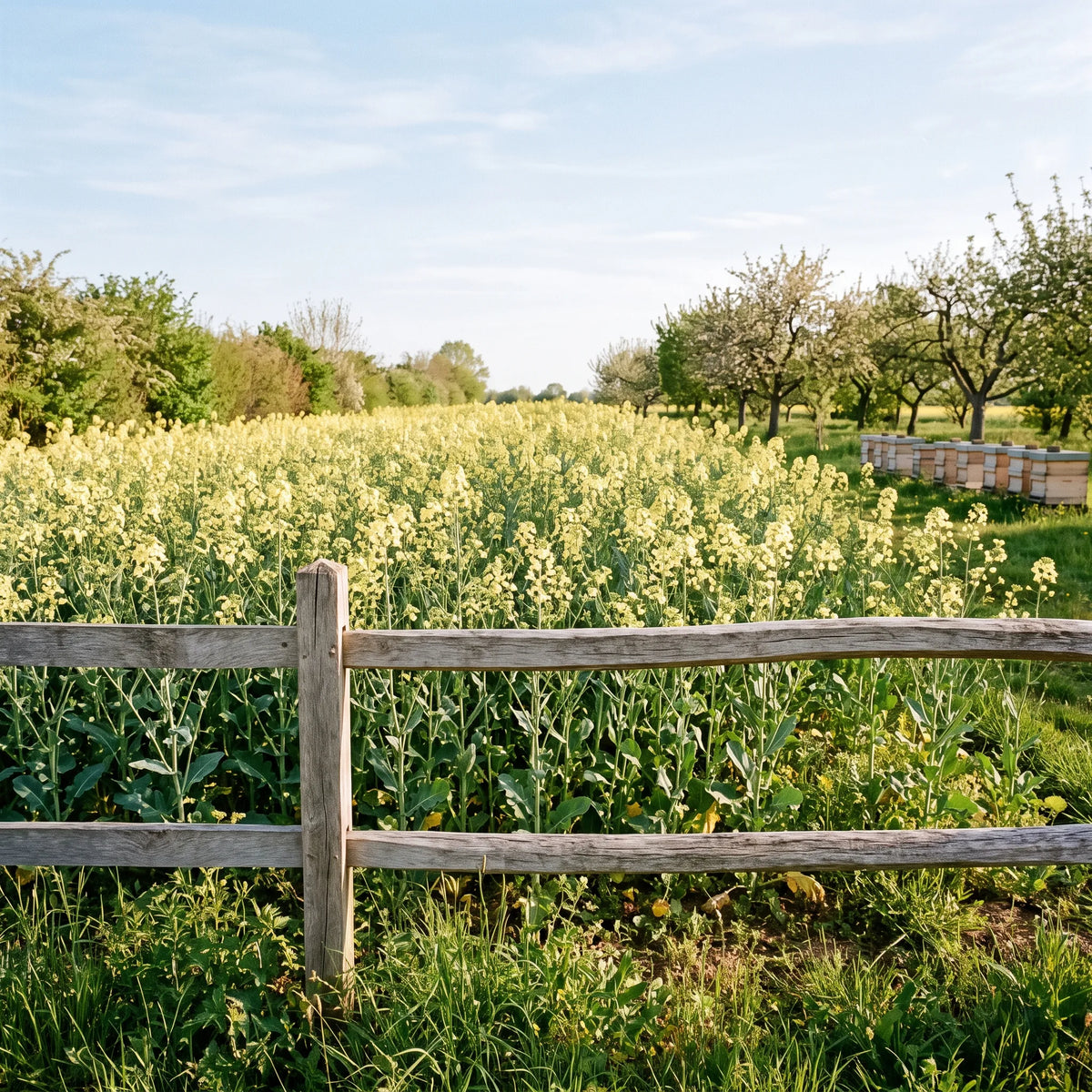
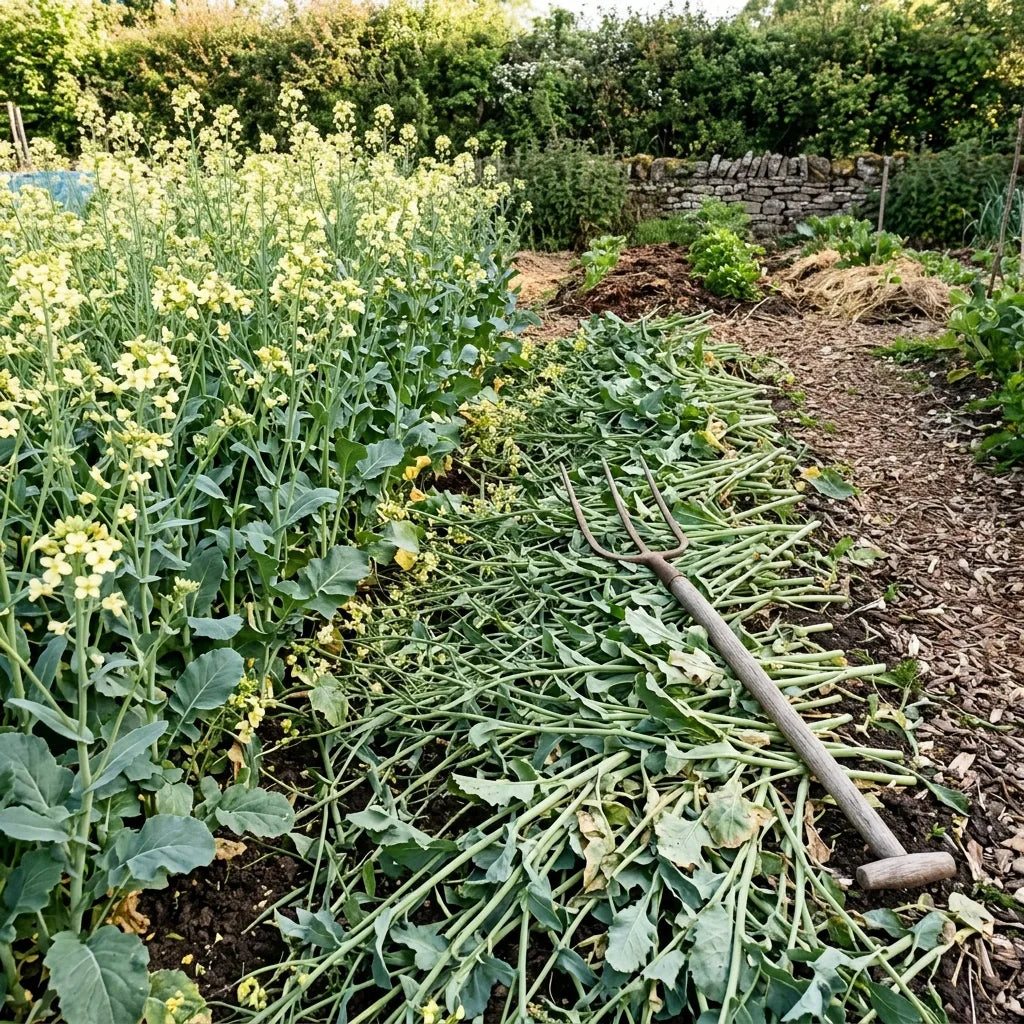
Winter rapeseed, turnip rape, oilseed cabbage: this plant is not a wild species but the result of an ancient natural cross between cabbage and turnip rape, which occurred a few thousand years ago. Its bright yellow fields in spring are part of the French landscape, but in the garden, it is above all an exceptionally effective green manure.
Characteristics:
-
Powerful roots: its deep taproot loosens compacted soil and brings up minerals from deeper layers.
-
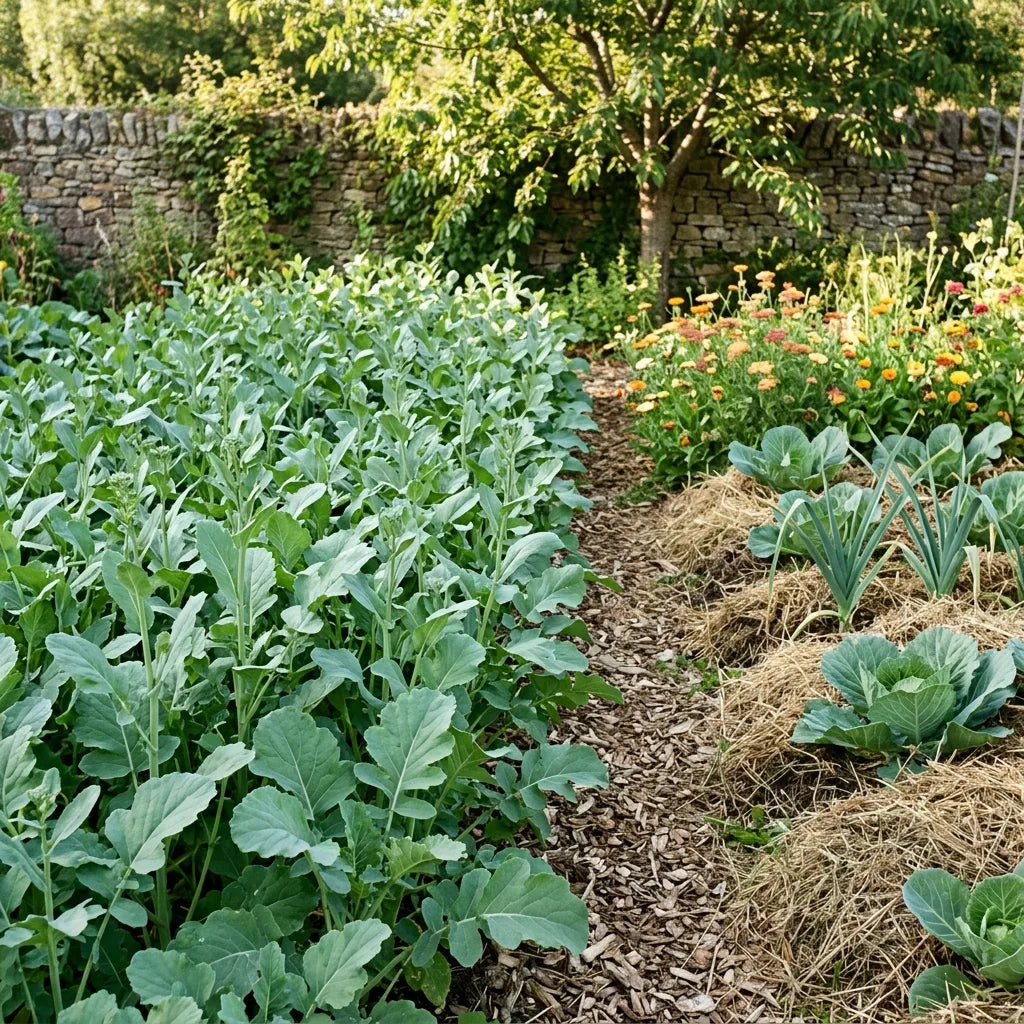
Winter ground cover: ideal for protecting bare soil during the cold season and preventing weeds from taking hold.
-
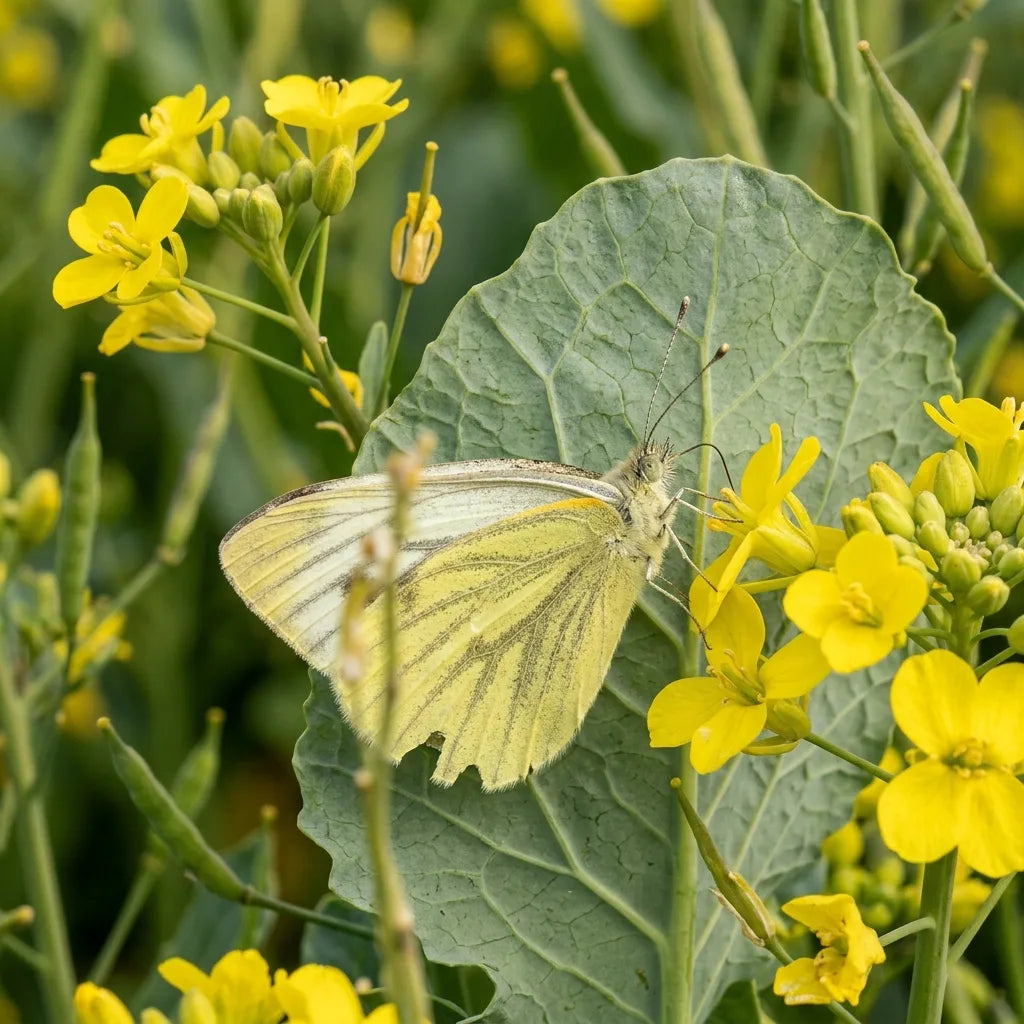
Bright yellow flowering: highly attractive to bees in spring.
Sowing advice:
-
Exposure: full sun.
-
Soil: deep and cool, preferably clay-loam, without excessive stagnant moisture. It is particularly beneficial in somewhat heavy soils, which it helps to structure. No fertilization needed: it will return nutrients to the soil as it decomposes.
-
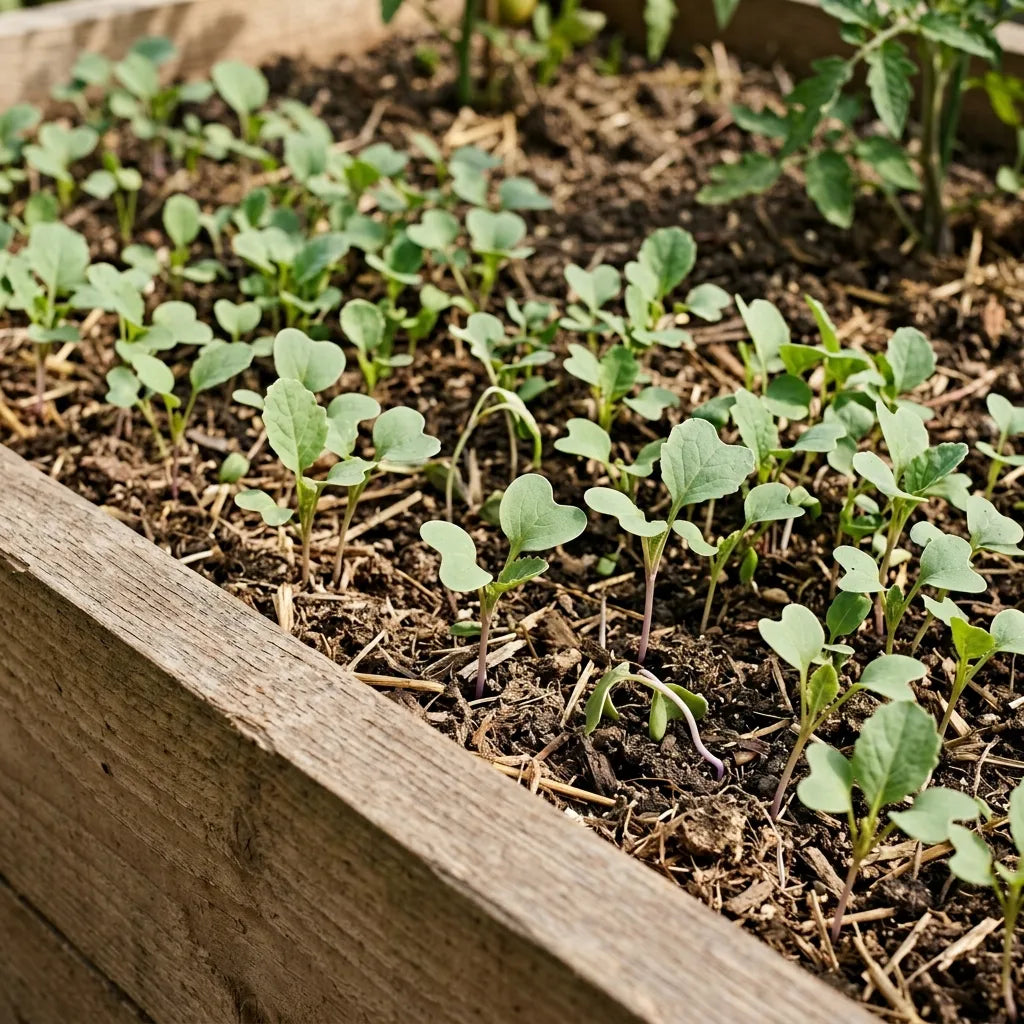
Method: broadcast sow directly in place, ideally in late summer or early autumn for winter cover, or in spring. Rake lightly to bury the seeds 1 to 2 cm deep. No pots and no soaking. See how to sow your seeds.
Care advice:
- None. Mow before it goes to seed and leave it in place as mulch, or incorporate it shallowly 3 to 4 weeks before the next crop.
Beneficial combinations:
Benefits for biodiversity:
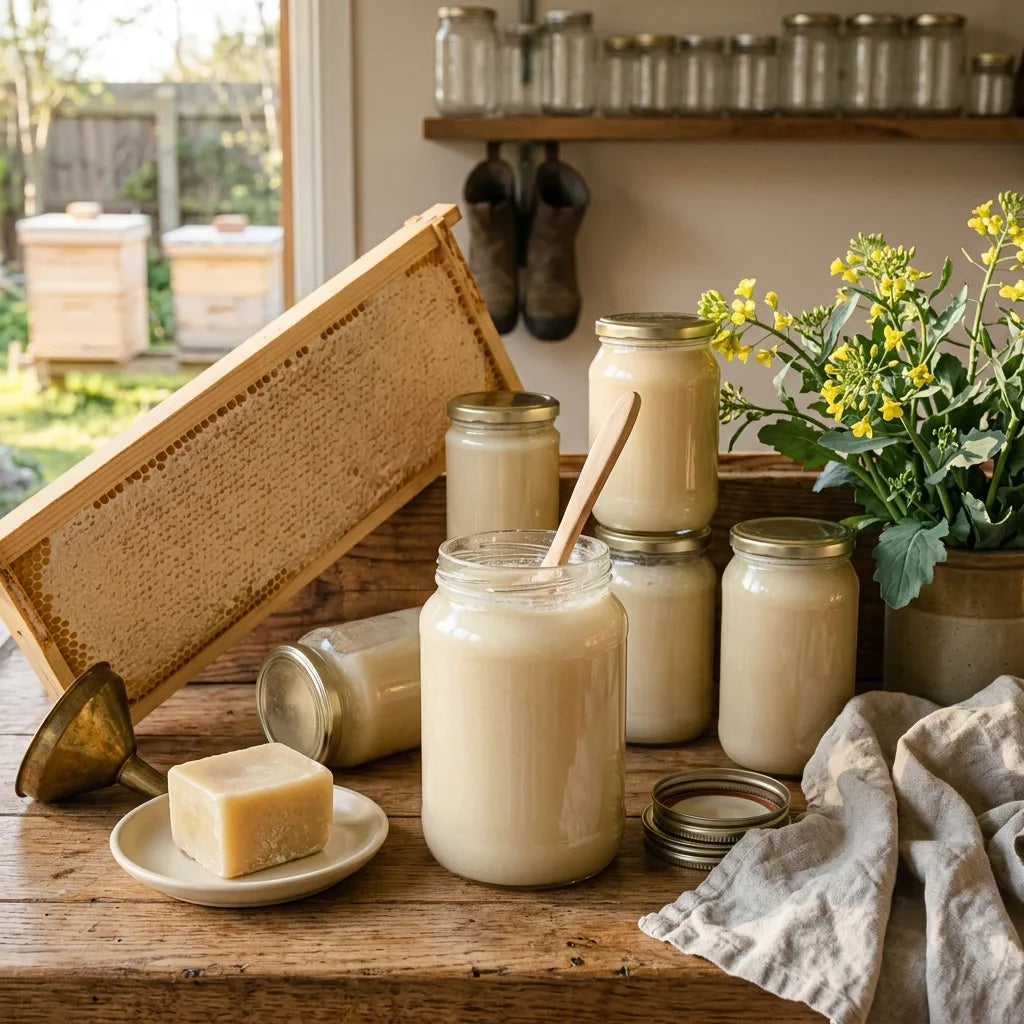
- Its early and abundant flowering provides one of the year's first major sources of nectar and pollen for bees emerging from hibernation.
- Its winter cover shelters soil fauna and protects microorganisms from frost and leaching — see the basics of living soil.
Uses:
- The young leaves can be eaten cooked like spinach, within 3 days of harvesting (washed and rolled in a damp towel in the refrigerator, or blanched and frozen).
- The flowers are best enjoyed fresh within a few hours of picking.
Harvesting your own seeds:
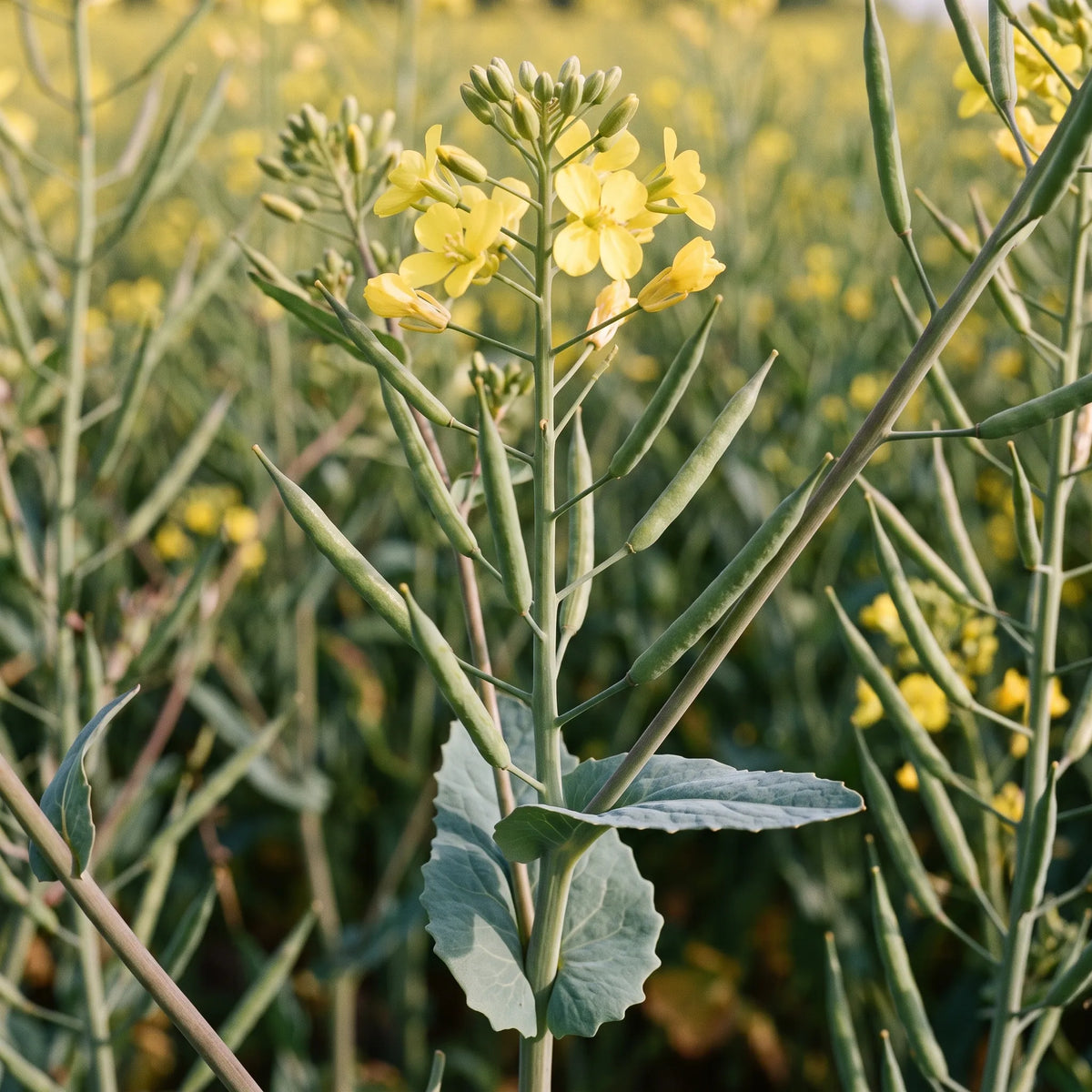
Leave a few plants to go to seed: the pods turn brown and dry on the plant, and can then simply be emptied over a container. Caution: rapeseed readily cross-pollinates with other brassicas in the garden. See saving your seeds.
Commitment to Quality: at SemiSauvage - Permaculture, we grow and select our seeds with respect for living organisms as our guiding principle. Based near the Volcanoes of Auvergne, we choose open-pollinated, non-hybrid varieties, tested for their germination rate, carefully sorted and packaged, with no chemical treatment. Our belief: to give gardeners back the ability to resow, year after year, seeds that truly belong to them.
Enrich your soil and support pollinators with these rapeseed seeds.