Sinapis alba
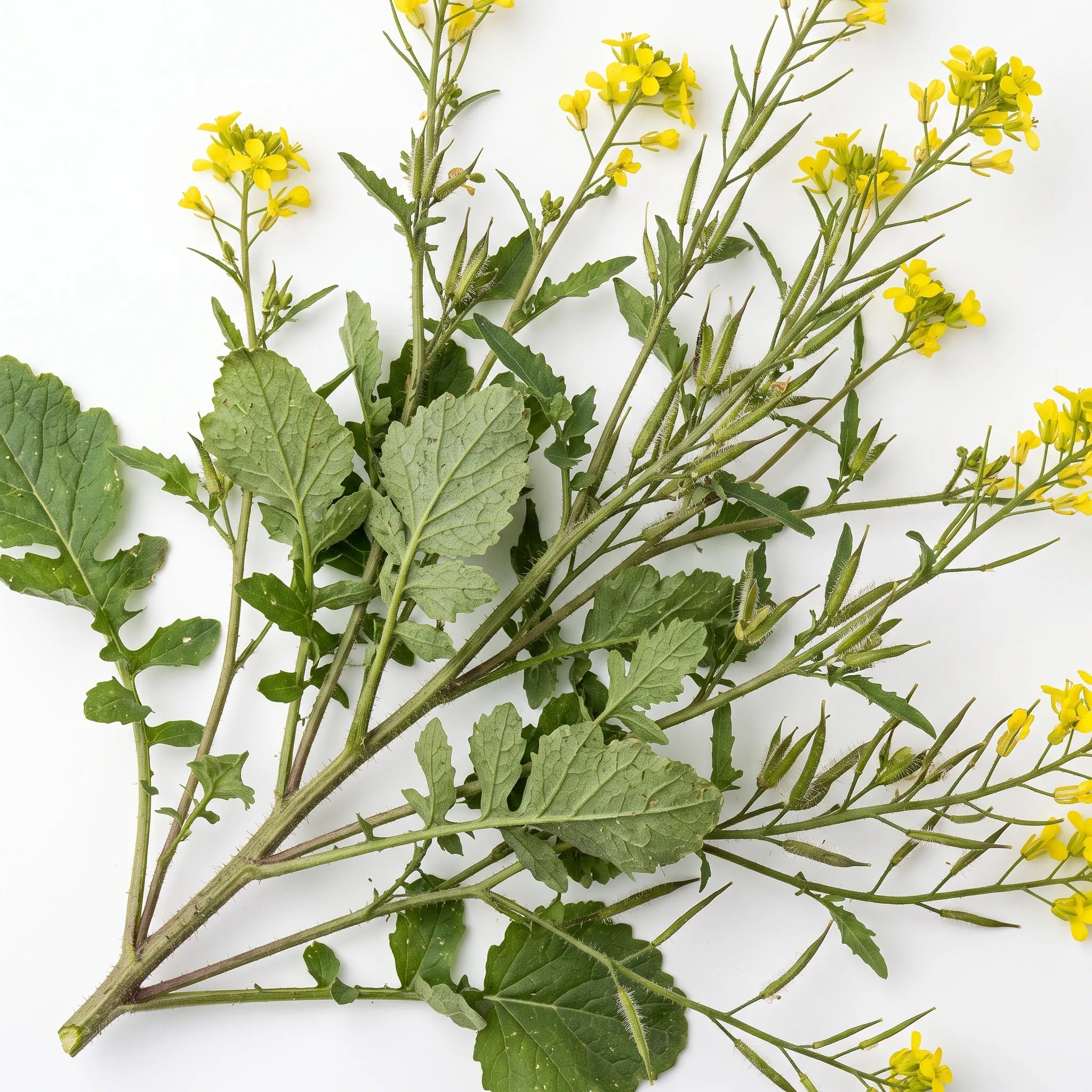
White mustard, yellow mustard: this plant was long considered a mere roadside weed before gardeners rediscovered its talents as green manure. Fast-growing, hardy, and generous, it deserves far better than its reputation.
Characteristics:
-
Fast growth: an annual plant that can exceed 1.20 m in just a few weeks, with leaves measuring 15 to 40 cm.
-
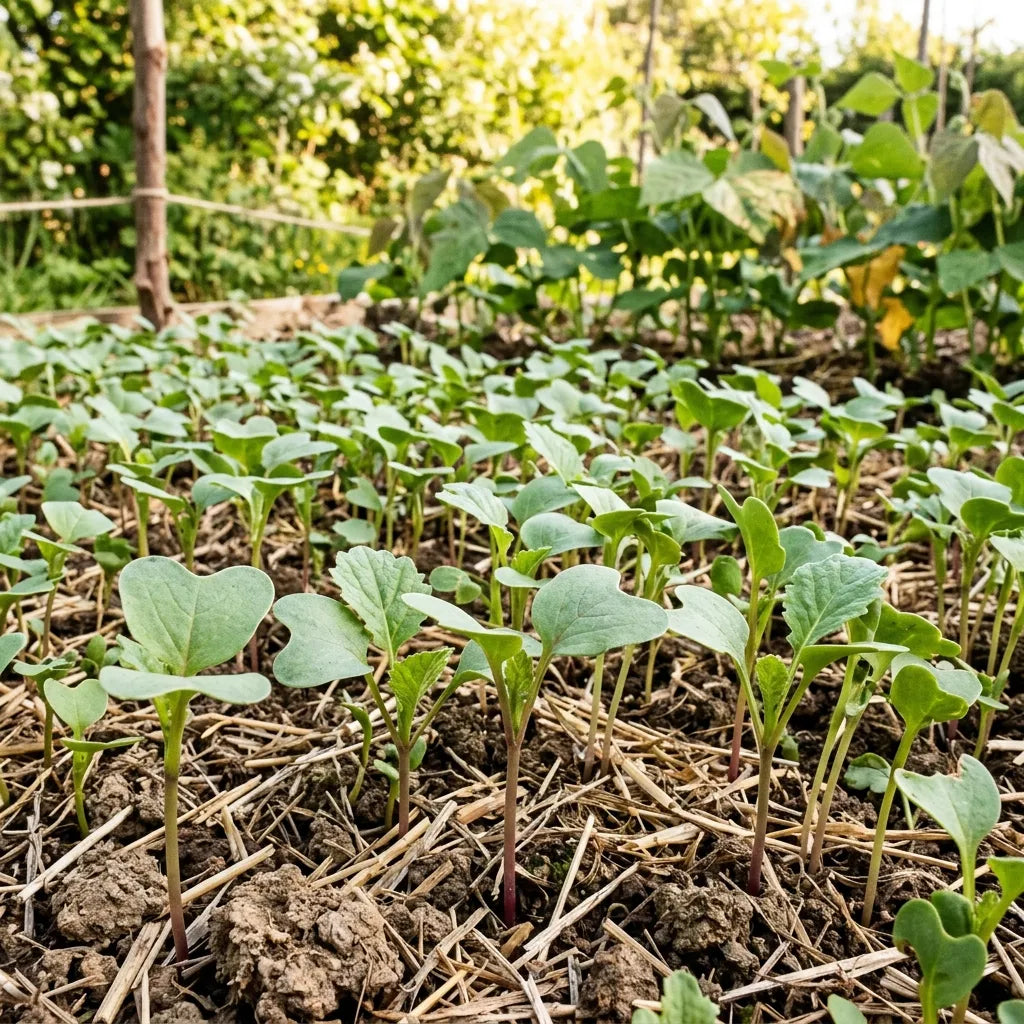
Improves the soil: used as green manure, it cleanses the soil, structures the earth through its roots, and naturally suppresses weeds.
-
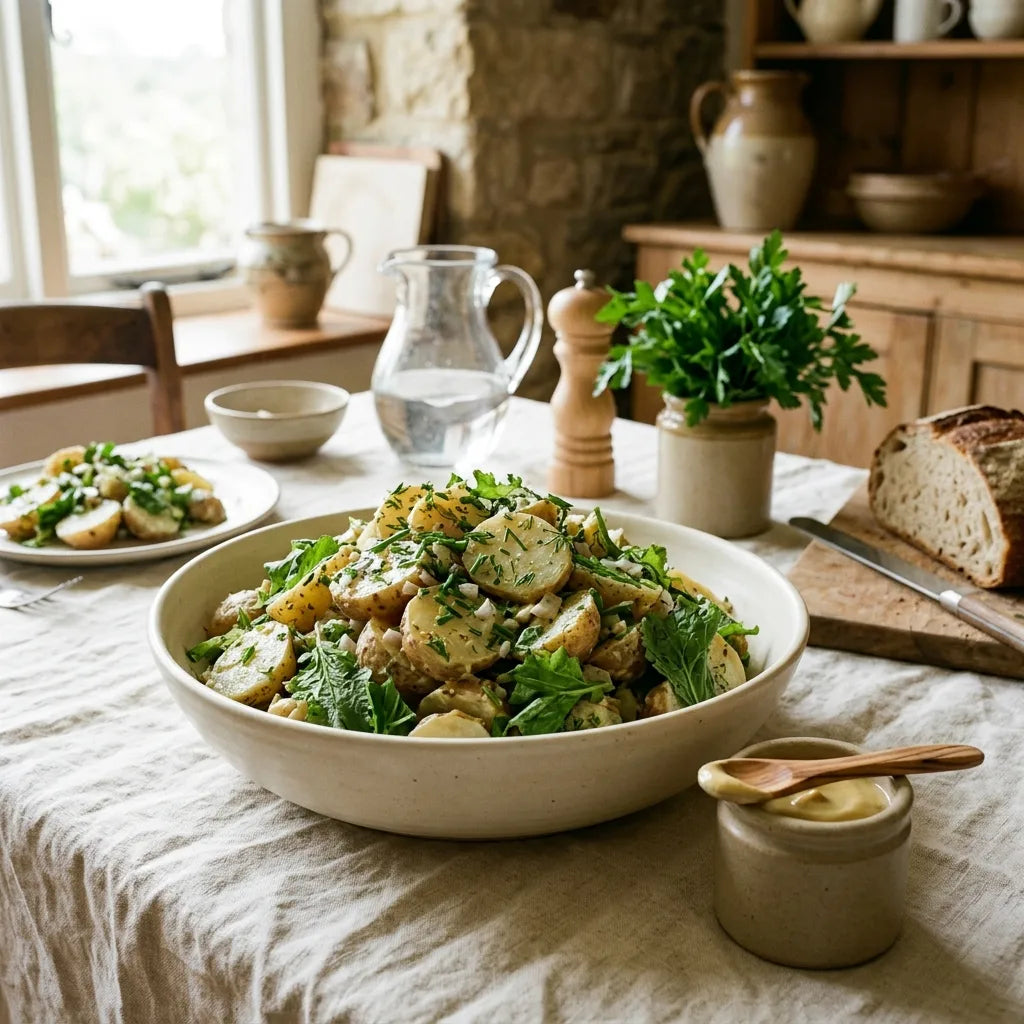
Culinary use: its seeds, yellow despite its name, have been used as a condiment since antiquity.
Sowing advice:
-
Exposure: sunny; it grows quickly in full light.
-
Soil: all types of soil, including poor, clay, or chalky soils—it adapts remarkably well. No fertilization is necessary; it is the plant that will enrich the soil. It simply appreciates moist soil when emerging.
-
Method: sow directly in place by broadcasting, from spring to the end of summer, on raked soil. No pots or pre-soaking required: germination is very fast, often in less than a week. See how to sow your seeds.
Care advice:
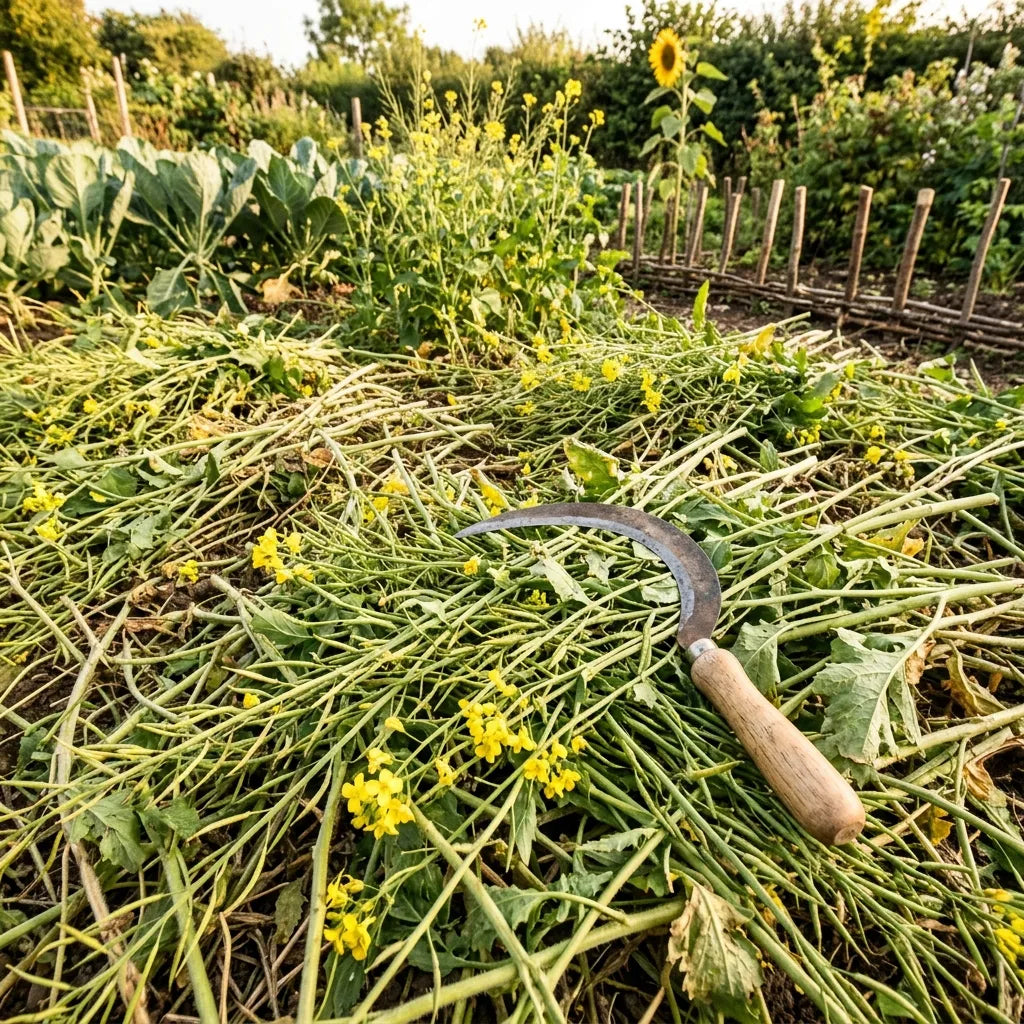
- None. Mow before it goes to seed if you do not want it to self-seed, then leave it as mulch or shallowly incorporate it into the soil.
Beneficial combinations:
- In rotation with white clover or phacelia, it diversifies the green manures in the vegetable garden. However, be careful not to grow it before or after cabbages: as members of the same family, they share the same diseases. Everything is explained in our article on green manures.
Benefits for biodiversity:
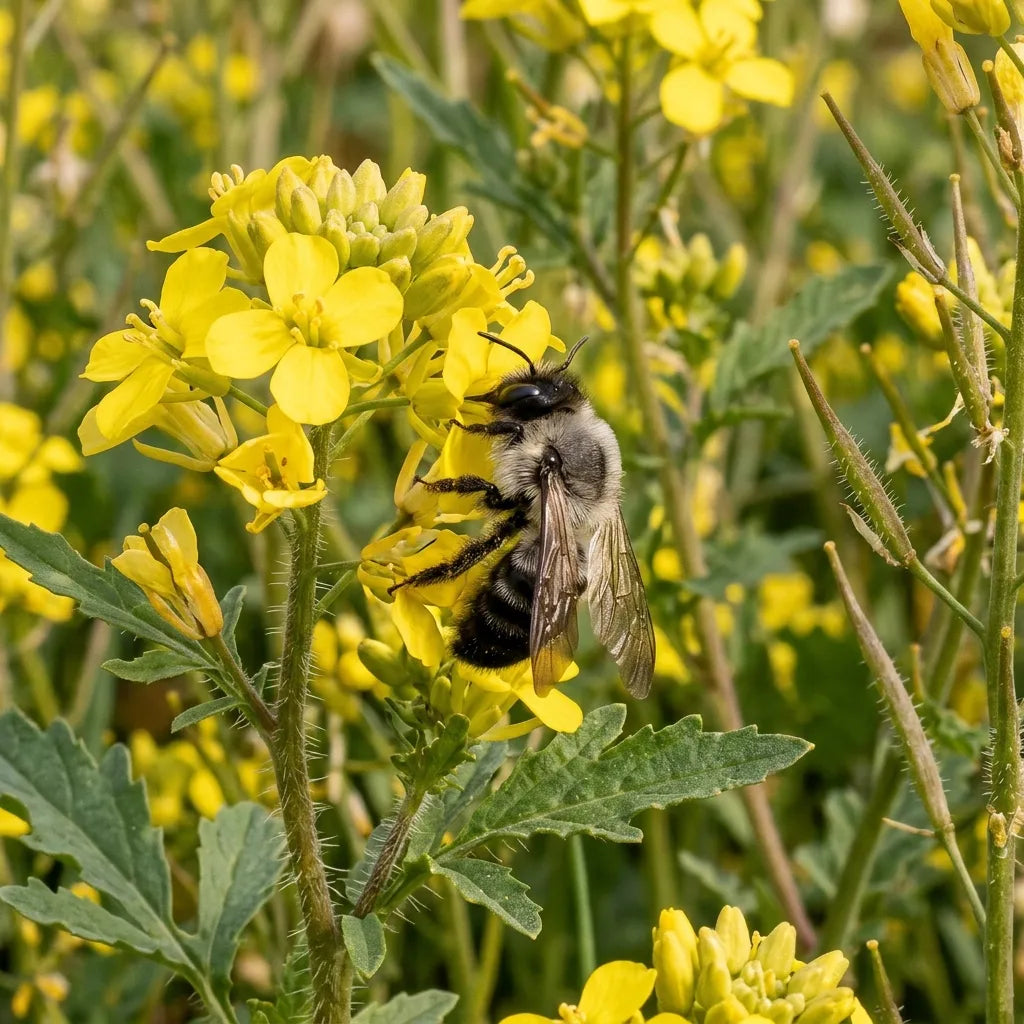
- Its yellow flowers, when it is allowed to bloom before being incorporated into the soil, are heavily visited by bees and other pollinators at a time when food sources are becoming scarce.
- Its dense root system nourishes soil life as it decomposes—see the basics of living soil.
Uses:
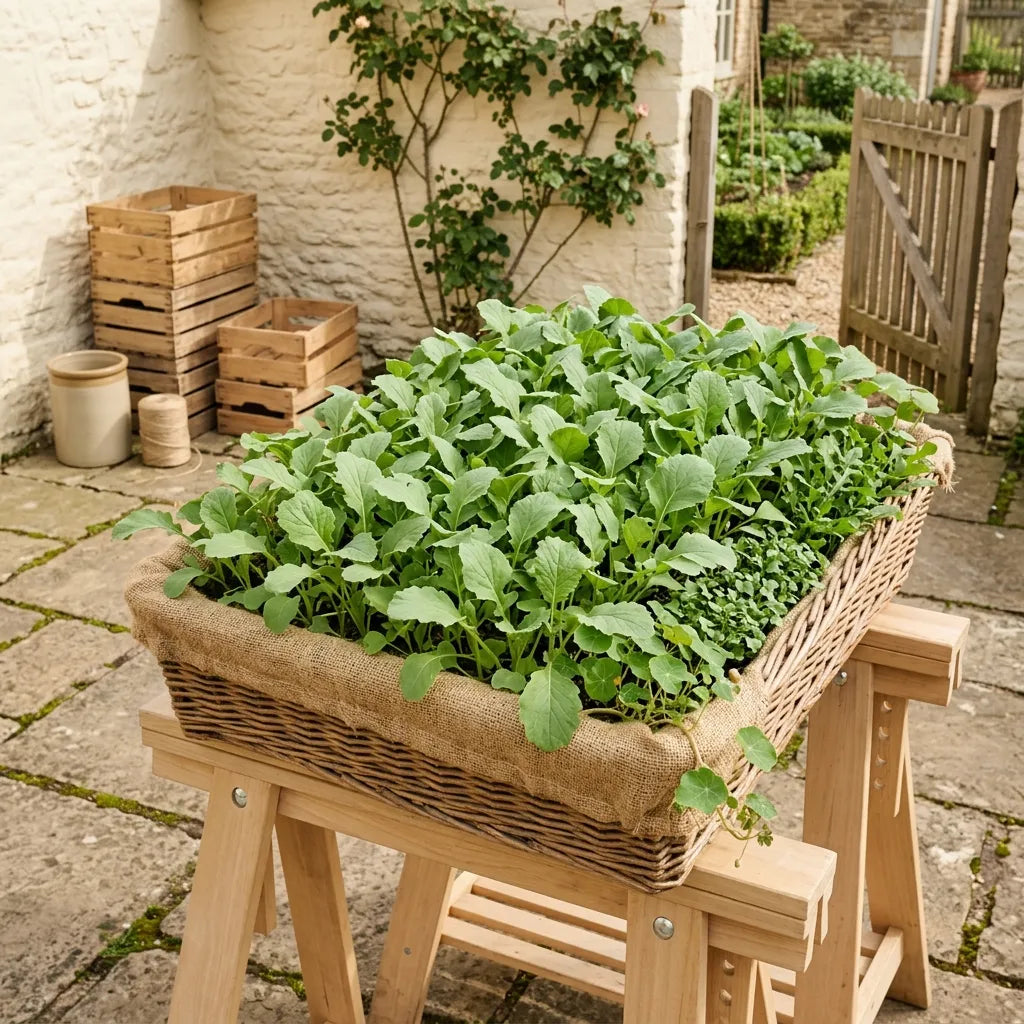
- Its seeds are widely used as a condiment, particularly in the production of mustard. The young leaves can also be eaten in salads, with their characteristic peppery flavor.
Harvesting your own seeds:
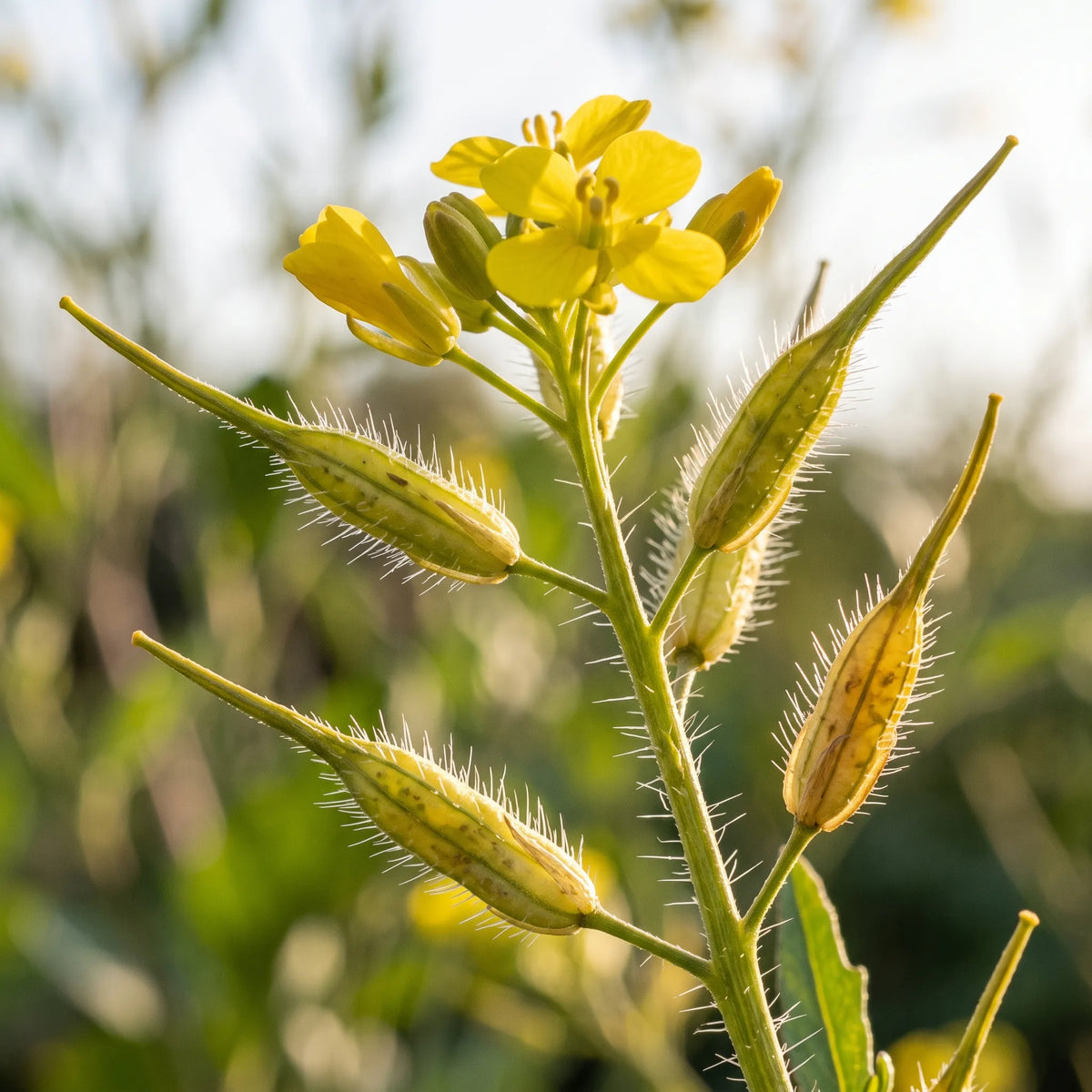
Let the siliques (thin pods) turn brown and dry on the plant, then shell them by hand or rub them between your palms over a container. Be careful, as it self-seeds very easily: allow only as many plants as you need to go to seed. See how to store your seeds.
Commitment to Quality: at SemiSauvage - Permaculture, we grow and select our seeds with respect for all living things as our guiding principle. Based near the Volcanoes of Auvergne, we choose reproducible, non-hybrid varieties, tested for their germination rate, carefully sorted and packaged, with no chemical treatment. Our belief: to give gardeners back the ability to resow, year after year, seeds that truly belong to them.
Add white mustard to your garden for living soil protected from weeds!