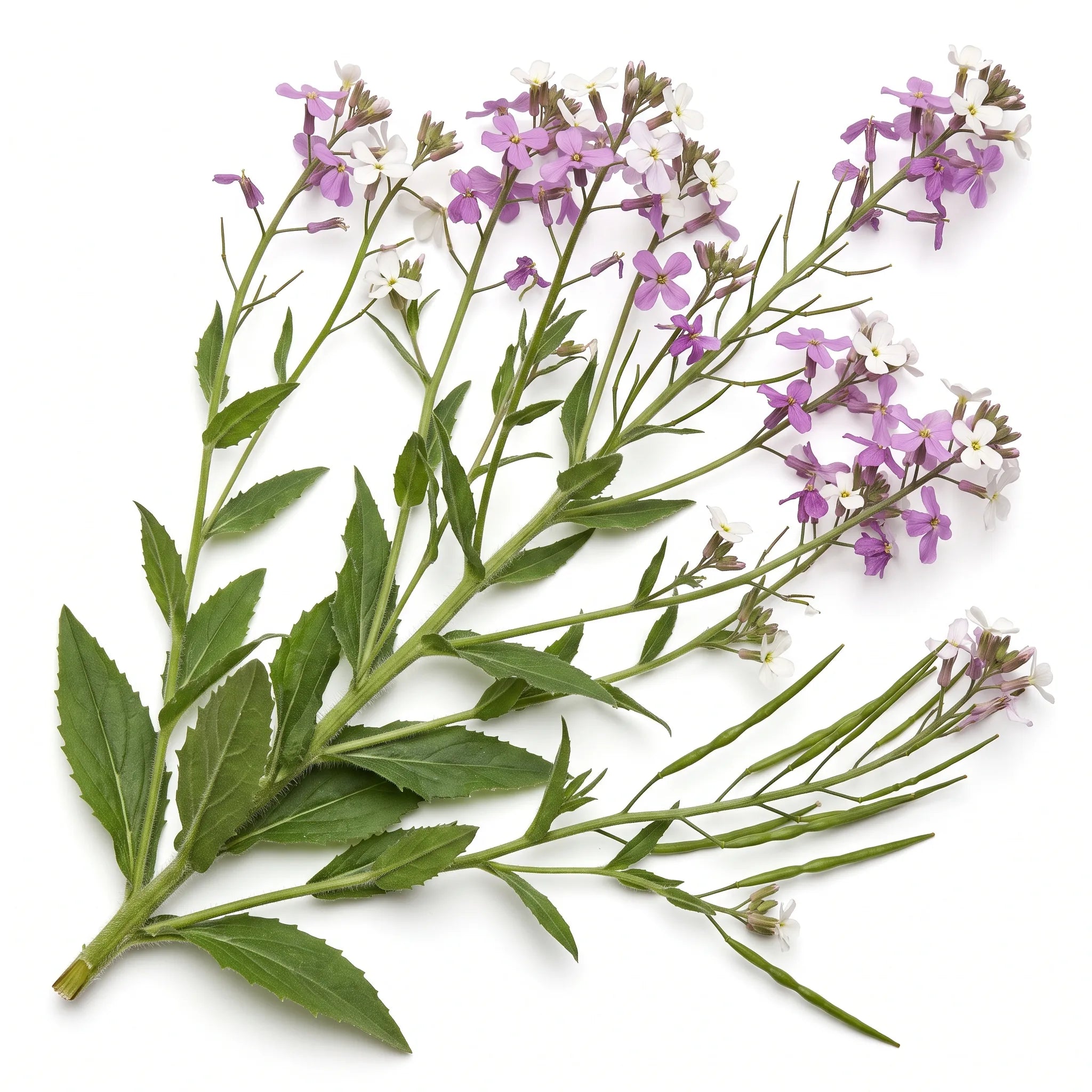
Hesperis matronalis
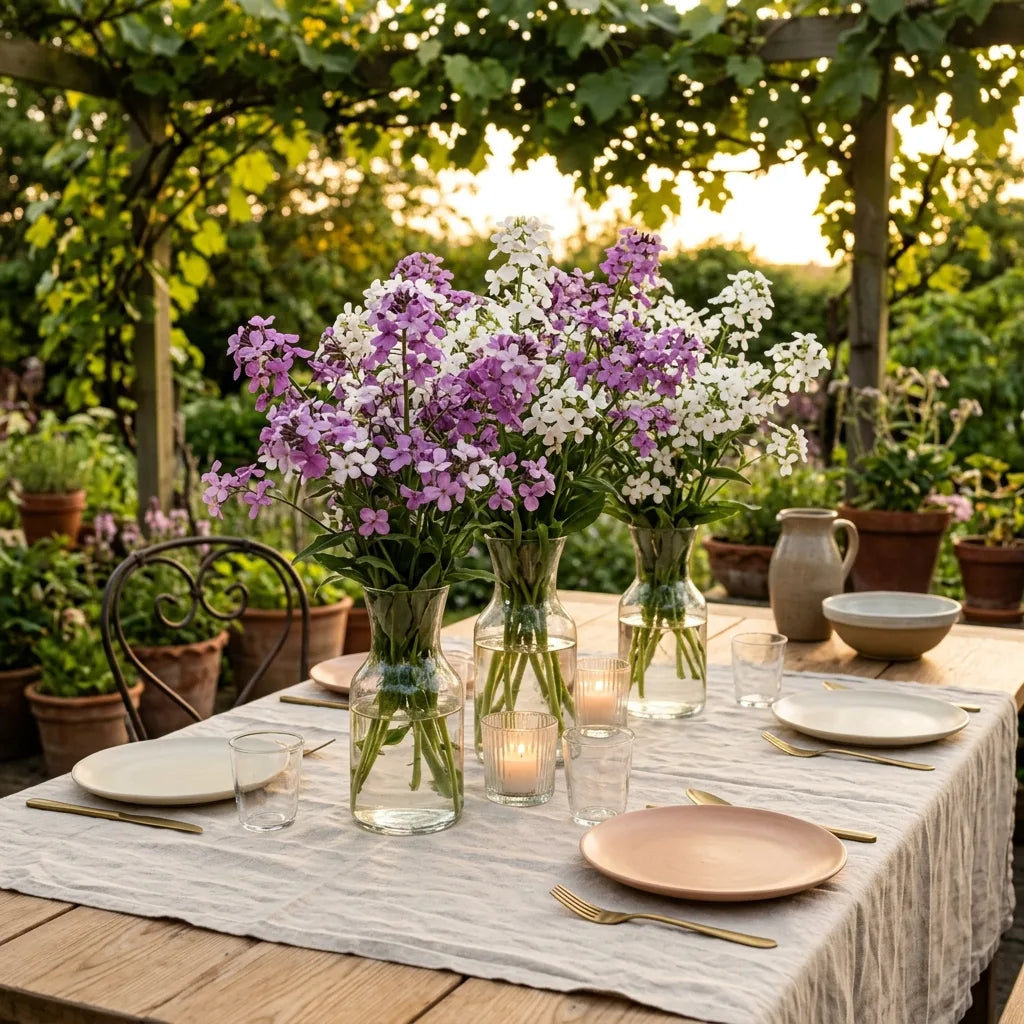
Dame’s rocket, violet dame’s rocket, evening stock, dame’s gillyflower: its genus name comes from the Greek hesperos, meaning evening—and for good reason. Discreately scented during the day, it releases a sweet fragrance reminiscent of lilac at dusk, perfuming the entire garden. A plant to place near a window or terrace where you spend time in the evening.
Characteristics:
-
Evening fragrance: a sweet scent that intensifies at dusk—its true signature.
-
Generous flowering: clusters of pale mauve to white flowers, from spring to early summer.
-
Biennial to short-lived perennial: it self-seeds readily and establishes itself for the long term.
Sowing advice:
-
Exposure: full sun to partial shade; cool partial shade suits it particularly well.
-
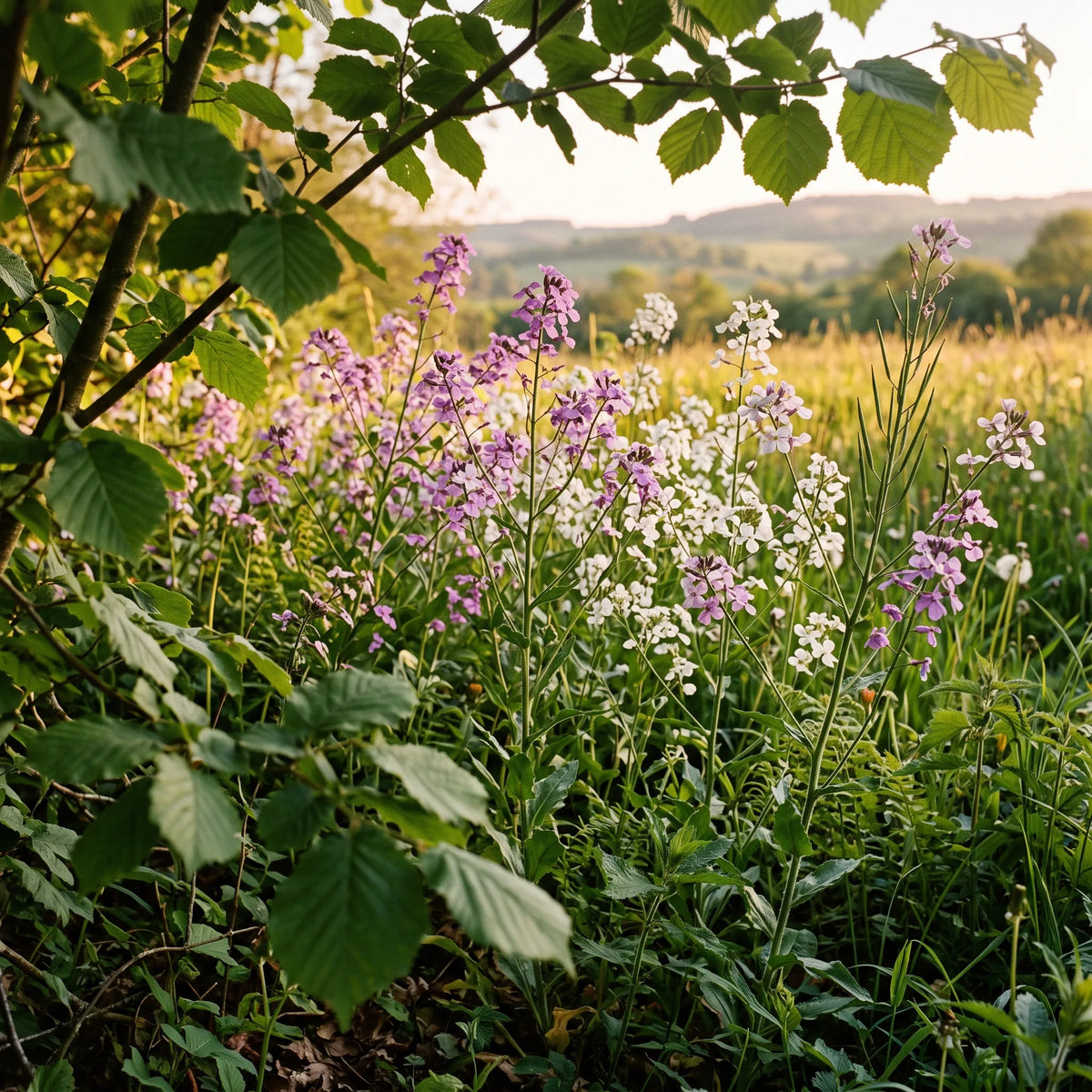
Soil: moist, humus-rich and well drained, preferably neutral to alkaline. It thrives in woodland-edge soils that remain cool in summer and suffers from prolonged drought. An addition of compost is beneficial.
-
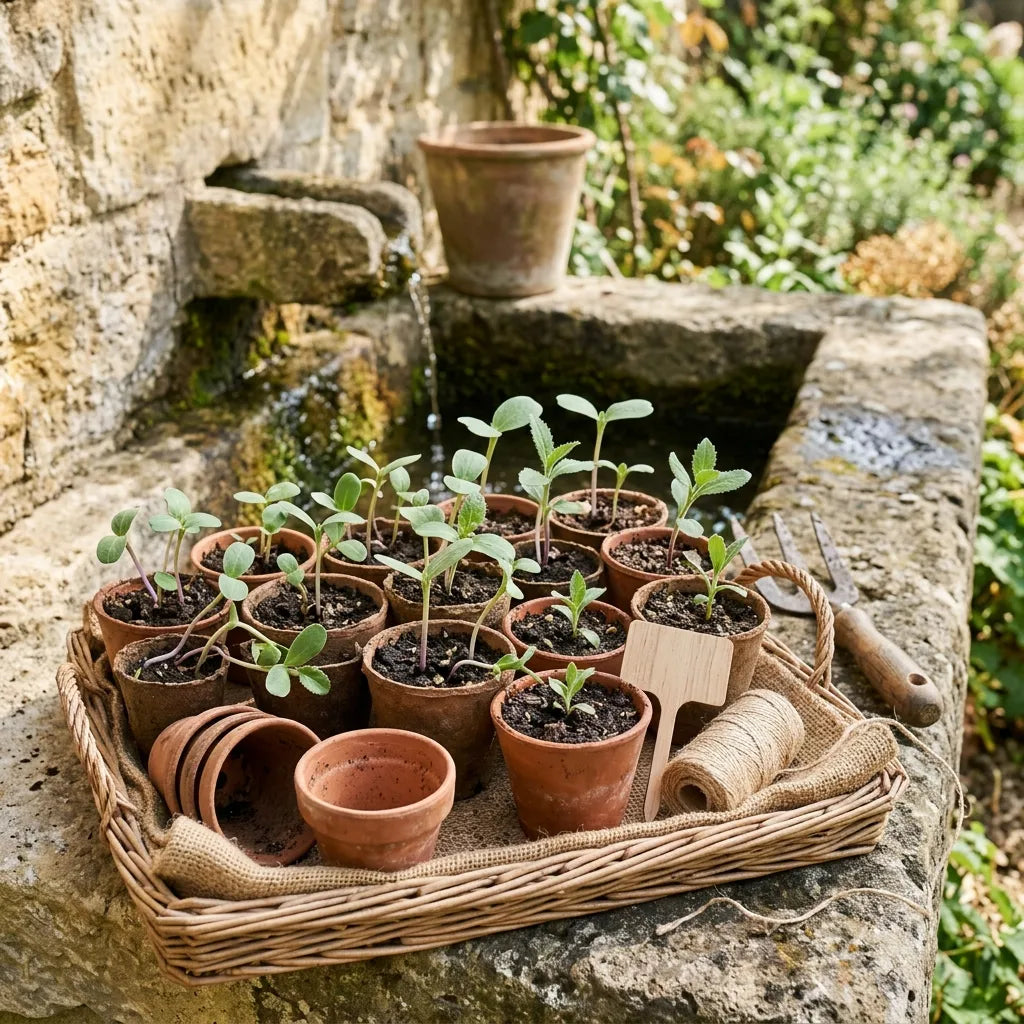
Method: 2 to 4 weeks of cold stratification improves germination. Sow from March to May, directly in place or in a nursery bed, for flowering the following year. Germination in 10 to 20 days at 15–20°C.
Planting advice:
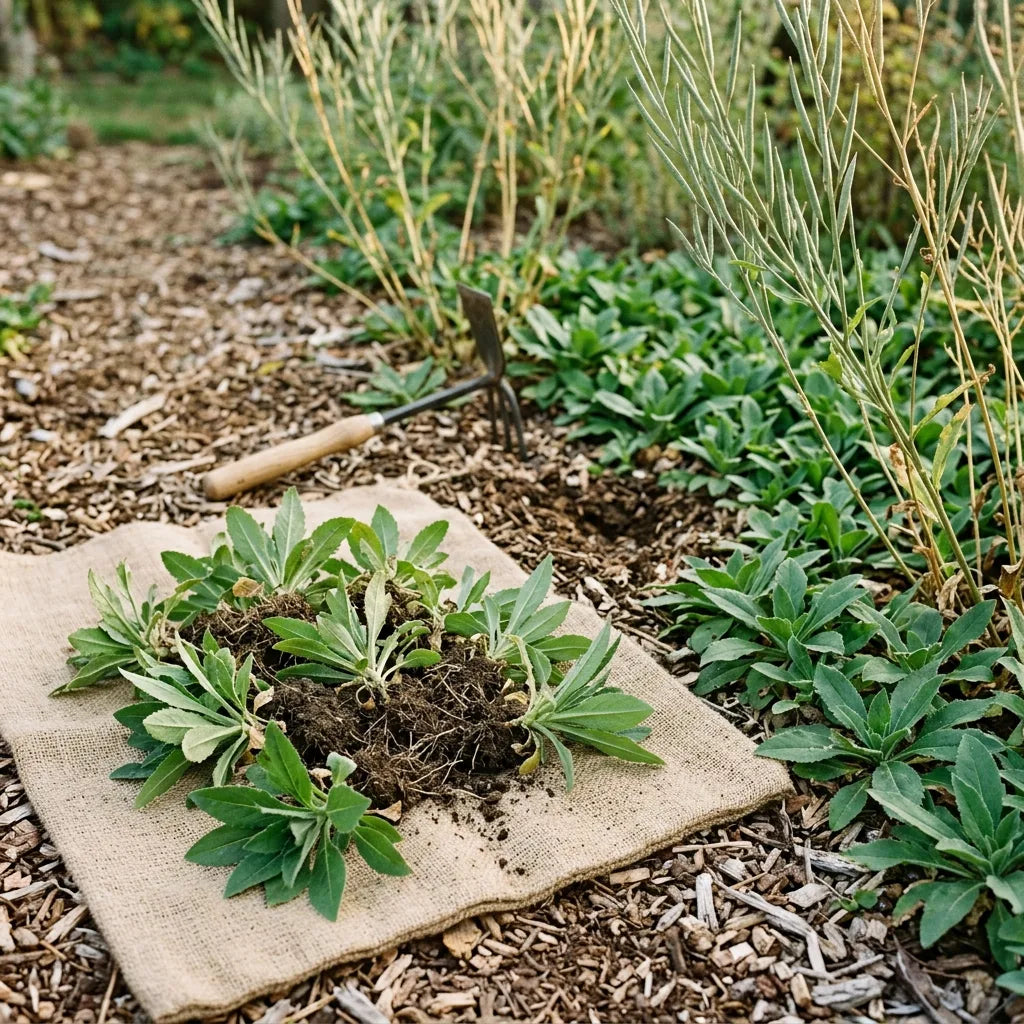
- Transplant the rosettes in autumn to their final location, spacing them 40 cm apart, preferably near a passageway where their evening fragrance can be enjoyed.
Care advice:
- Water moderately, without excess. Remove faded flowers to extend flowering, leaving a few flower stems for natural reseeding.
Beneficial combinations:
Benefits for biodiversity:
- Its nocturnal fragrance is not merely ornamental: it specifically attracts moths and hawk moths, valuable wildlife that is rarely provided for in gardens.
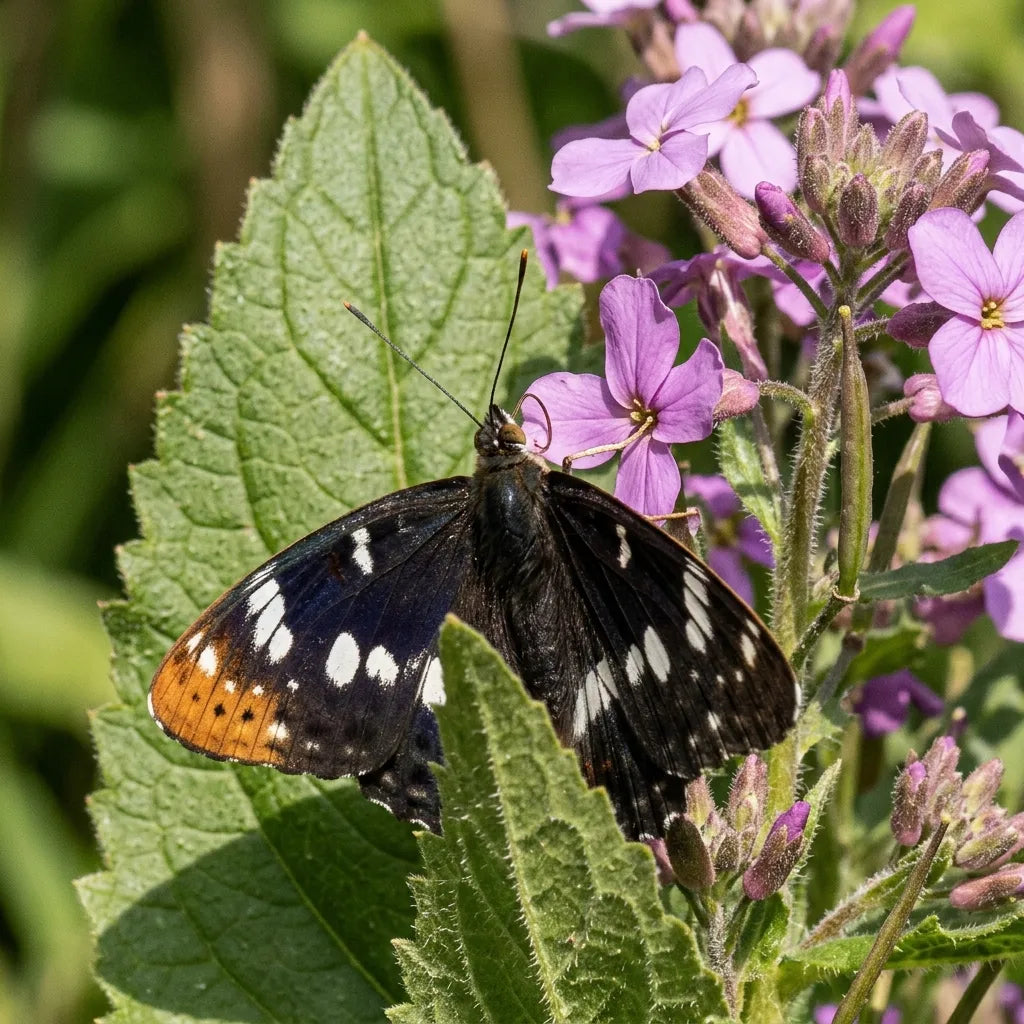
- During the day, its flowers are frequently visited by bees and daytime butterflies.
- Like all brassicas, it is a host plant for caterpillars, particularly those of the orange-tip butterfly.
Uses:
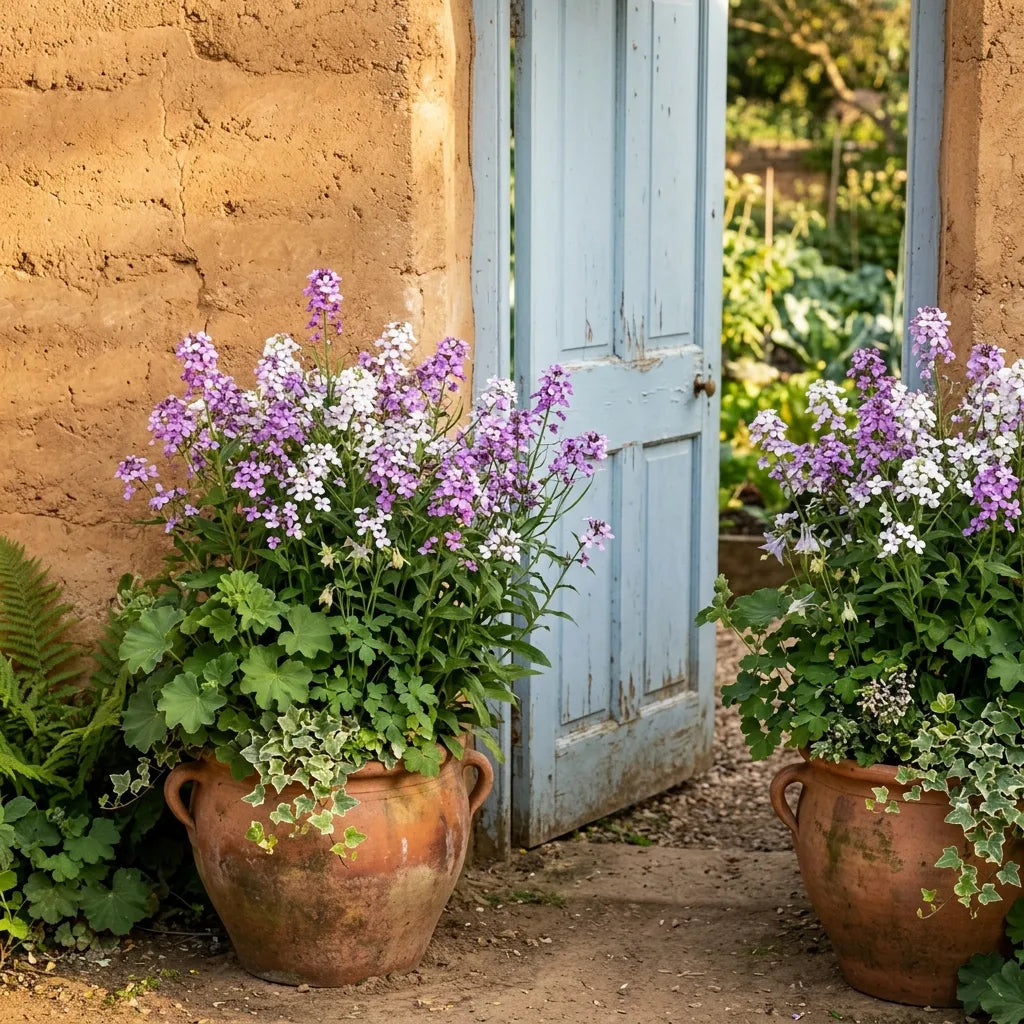
- Beds, borders, flower meadows and natural gardens. Its flowers are edible in small quantities and make an attractive decoration for salads. See our edible flowers.
Symbolism:
Traditionally associated with fidelity and understated beauty, it was once given to women as a tribute to their natural grace—hence its name, “dame’s rocket.”
Harvesting your own seeds:
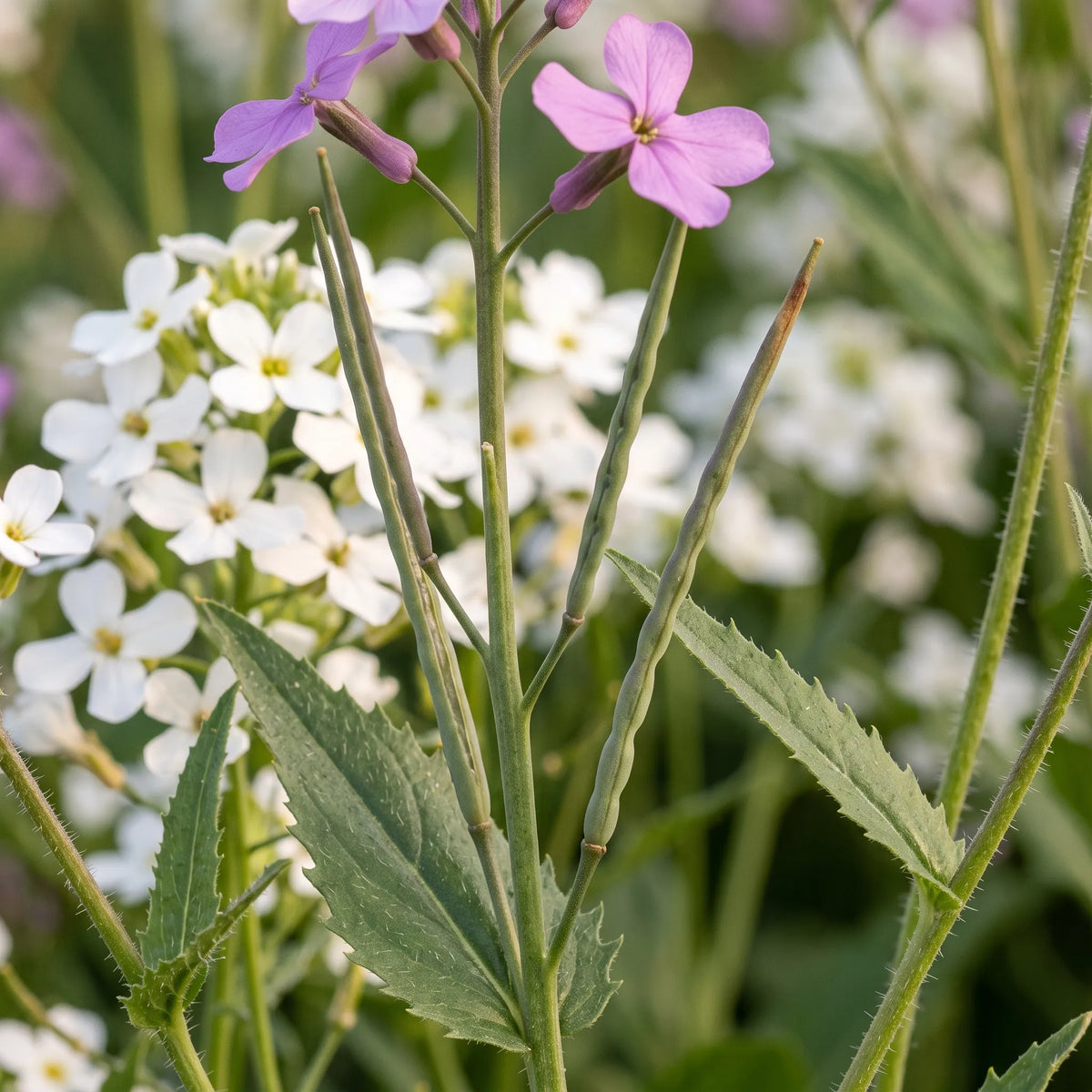
Leave a few flower stems to form their long seed pods, then harvest them once they are brown and dry, before they open. It also readily self-seeds. See saving your seeds.
Commitment to Quality: at SemiSauvage - Permaculture, we grow and select our seeds with respect for all living things as our guiding principle. Based near the Auvergne Volcanoes, we choose open-pollinated, non-hybrid varieties, tested for their germination rate, carefully sorted and packaged, with no chemical treatment. Our conviction: to give gardeners back the ability to sow, year after year, seeds that truly belong to them.
Give yourself a garden that fills the air with fragrance at dusk.