Nelumbo nucifera
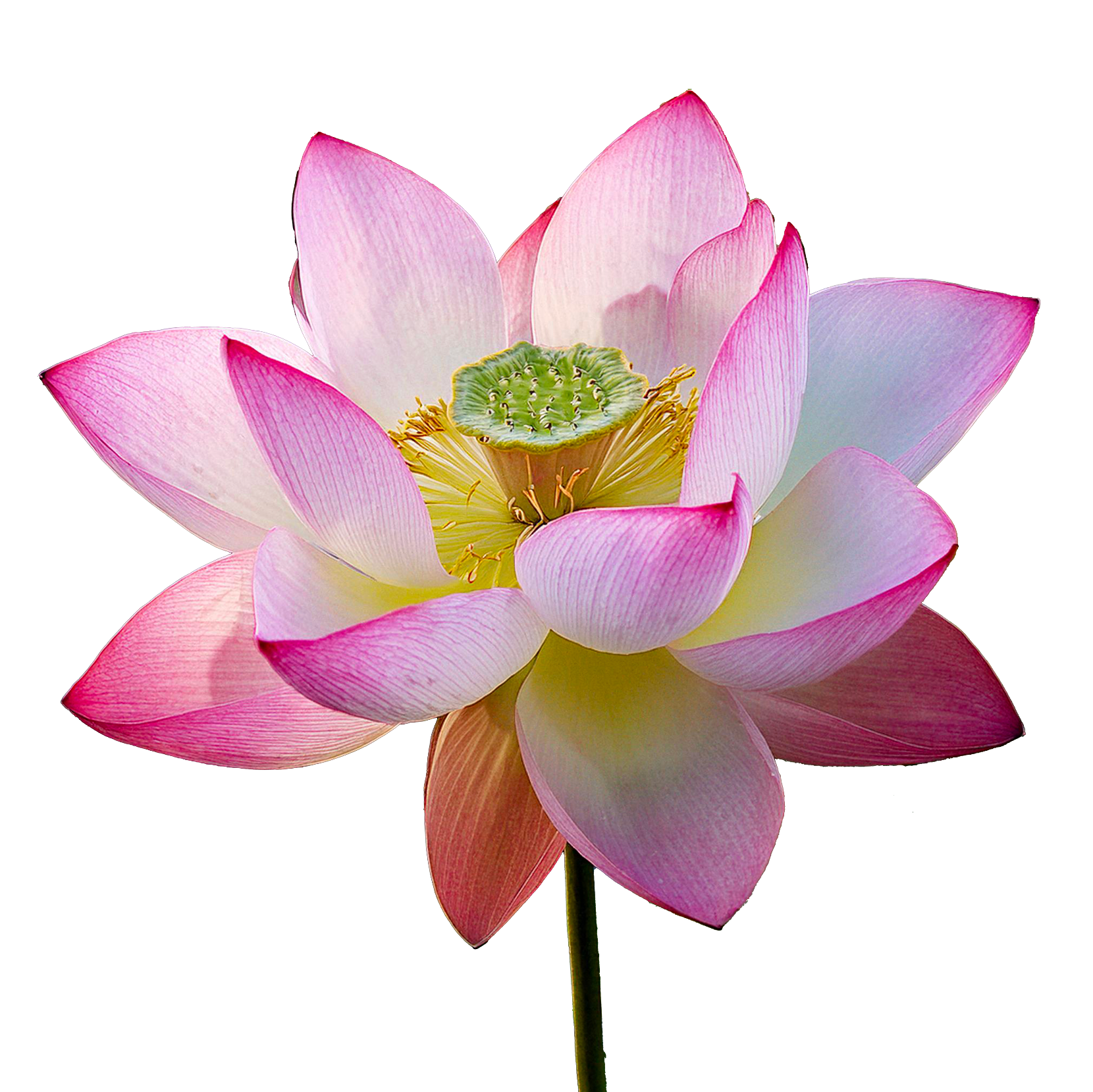
Oriental lotus, Indian lotus, lotus flower: this aquatic plant fascinates with a unique characteristic in the plant world. Its seeds are among the longest-lived ever observed, with some germinating after more than a millennium buried in Asian sediments. Venerated since antiquity, it deserves a prime place in any garden pond.
Characteristics:
-
Spectacular flowering: large, fragrant flowers with cup-shaped petals in shades of pink, white, or red, from July to September.
-
Remarkable foliage: its large, round leaves rise above the water and are so water-repellent that droplets roll across them like pearls — a phenomenon scientists have named the “lotus effect.”
-
Hardy perennial: its rhizome survives the winter if it remains frost-free, beneath a sufficient depth of water.
Sowing advice:
-
Exposure: full sun is essential, at least 6 hours a day — this is the key to successful flowering.
-
Soil: heavy clay-based soil, without peat or lightweight compost that would rise to the surface. Avoid overly fibrous commercial potting mixes: clay-rich garden soil is perfectly suitable. Submerge the container under 10 to 40 cm of water, depending on the plant’s vigor.
-
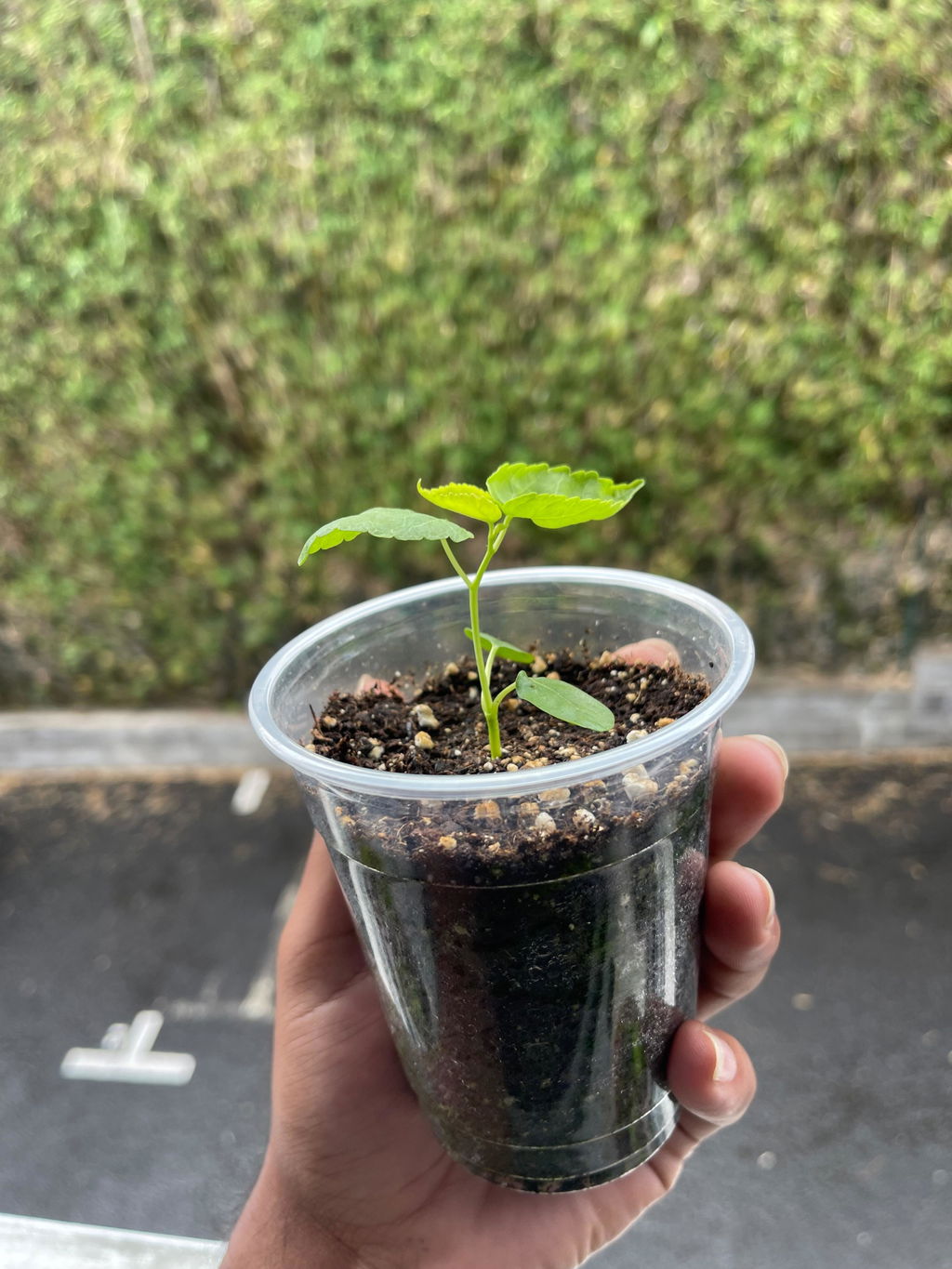
Method: the seed coat is extremely hard: scarify it (make a small notch with a file, without touching the pale kernel), then soak it in lukewarm water, replacing the water every day. The seeds swell and then germinate within one to three weeks. See how to sow your seeds.
Planting advice:
- Transplant young plants into an aquatic basket filled with clay-rich soil, covered with a layer of gravel to prevent the soil from clouding the water.
Care advice:
- Remove yellowing leaves as they appear. In cold regions, lower the basket to the deepest part of the pond to protect the rhizome from frost.
Beneficial pairings:
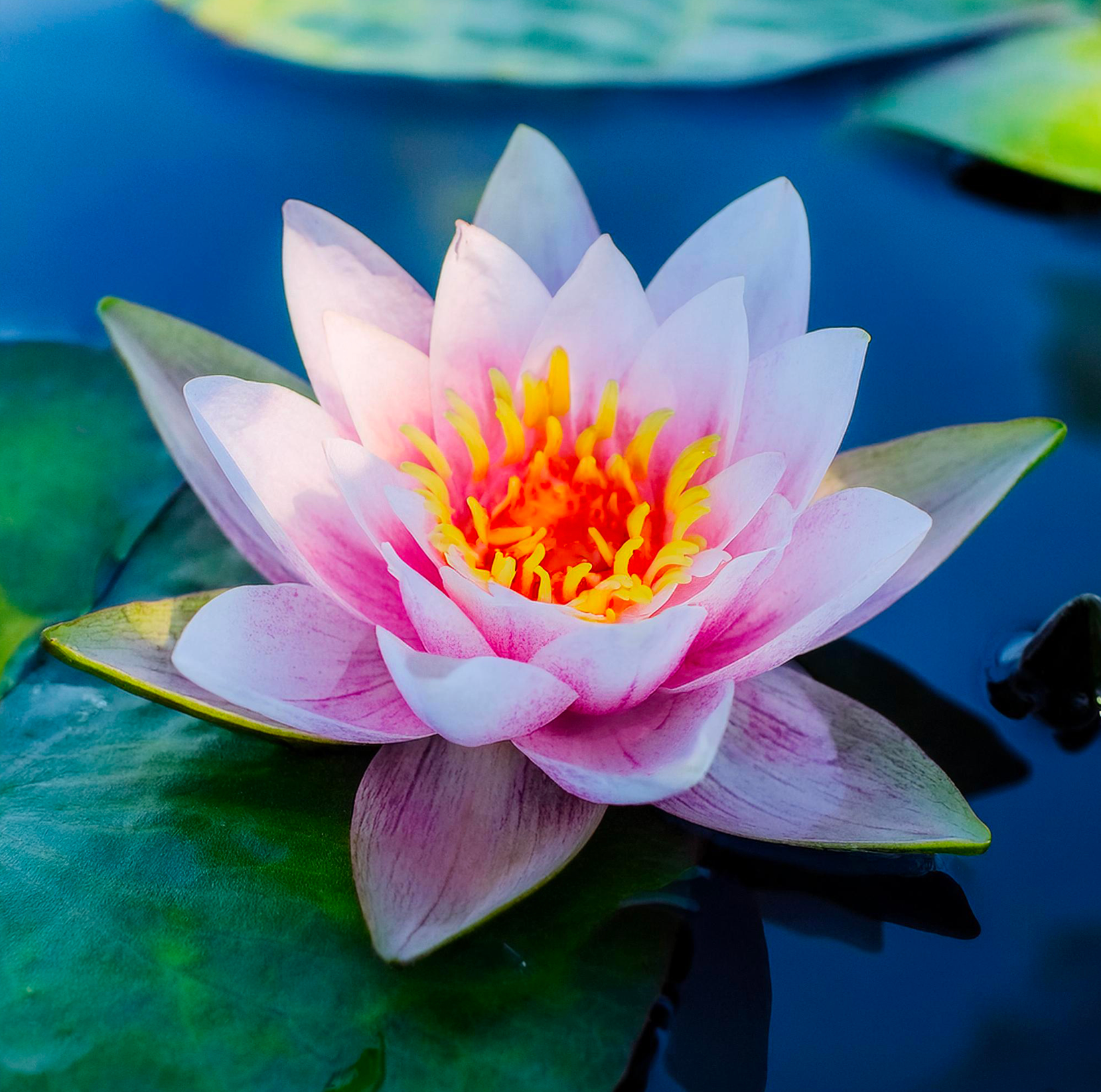
- In the same pond, it grows well alongside the white water lily, which occupies the floating layer while the lotus rises above the water — a combination that diversifies the vegetation layers.
Benefits for biodiversity:
- Its large leaves shade the water’s surface, limiting algae growth and regulating the pond’s temperature.
- Its submerged stems provide shelter for dragonfly larvae, young fish, and other small pond inhabitants.
- Its flowers attract many pollinators, especially beetles, the lotus’s historical pollinators. See the basics of permaculture.
Uses:
- The seeds, young leaves, and rhizomes are edible and used in many traditional Asian dishes.
Symbolism:
The Sacred Lotus is one of the most emblematic symbols of Buddhism and Hinduism, associated with purity and spiritual awakening: the flower emerges intact and immaculate from the mud without ever becoming soiled.
Harvesting your own seeds:
After flowering, leave the watering-can-shaped seed pods to dry on the plant until they turn brown and tip toward the water. Then collect the black seeds they contain: once thoroughly dried, they can be stored for an exceptionally long time. See how to store your seeds.
Commitment to Quality: at SemiSauvage - Permaculture, we grow and select our seeds with respect for all living things as our guiding principle. Based near the Auvergne volcanoes, we choose reproducible, non-hybrid varieties, tested for their germination rates, carefully sorted and packaged, with no chemical treatment. Our belief: to give gardeners back the ability to resow, year after year, seeds that truly belong to them.
Sales reserved for amateur gardeners seeking quality and authenticity.