Campanula medium
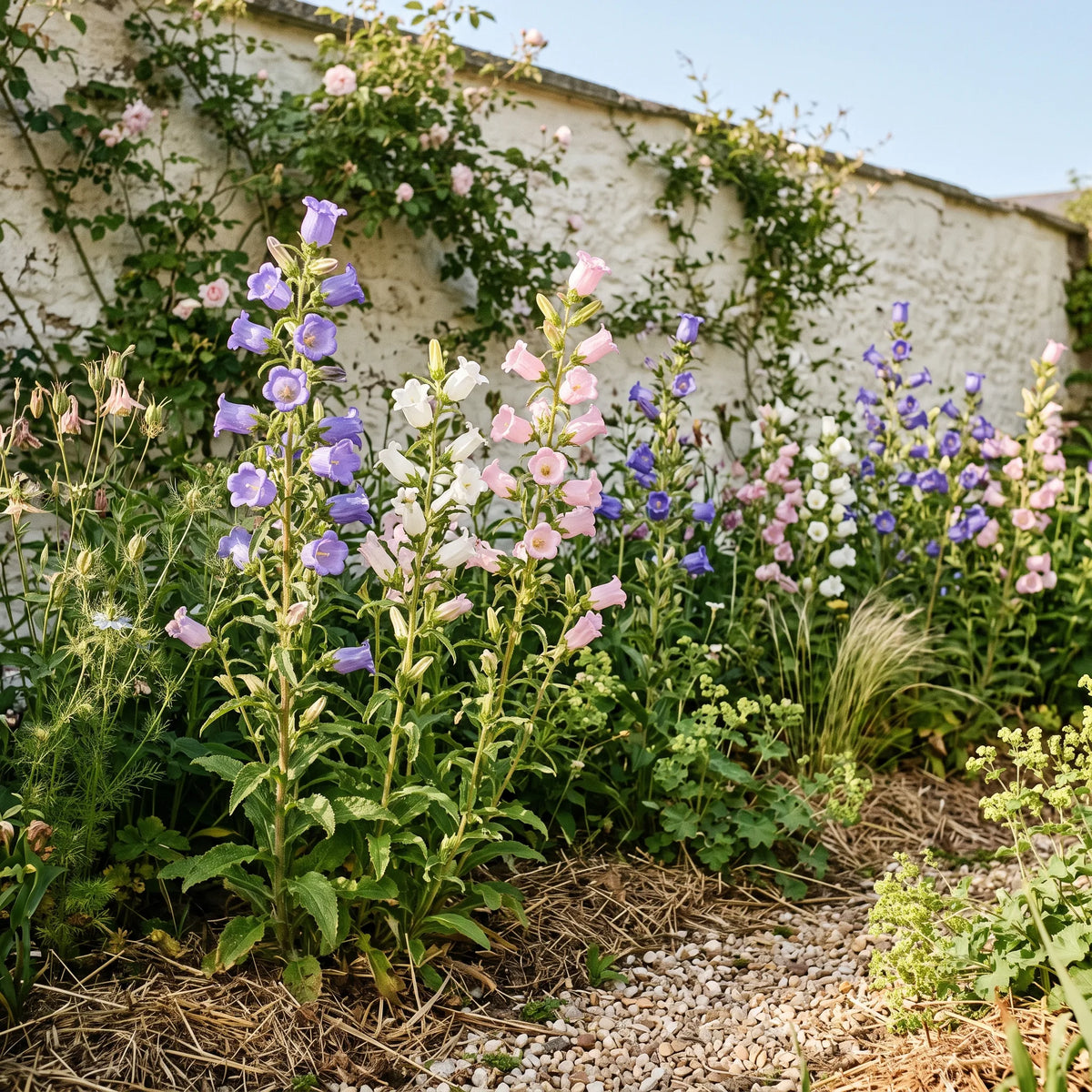
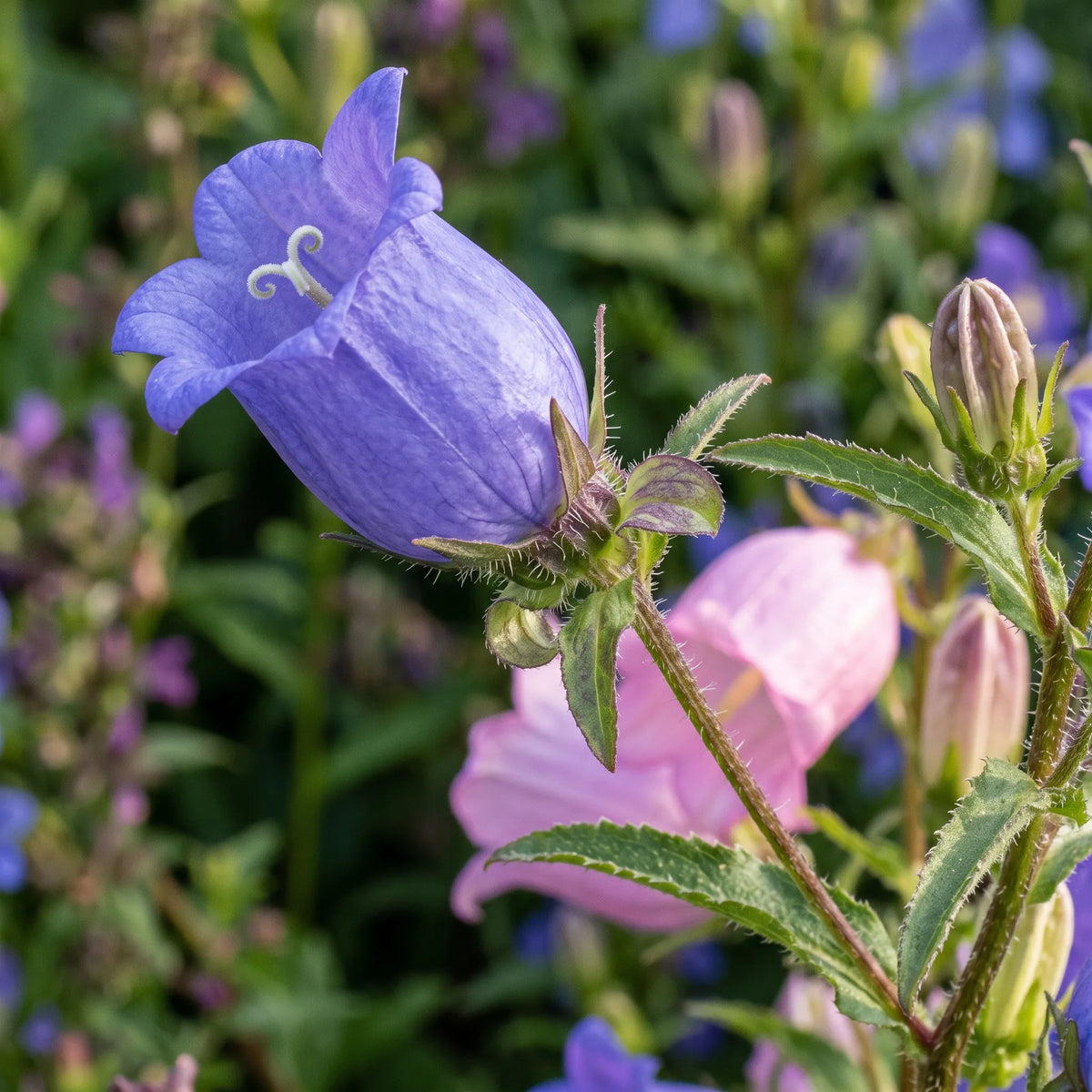
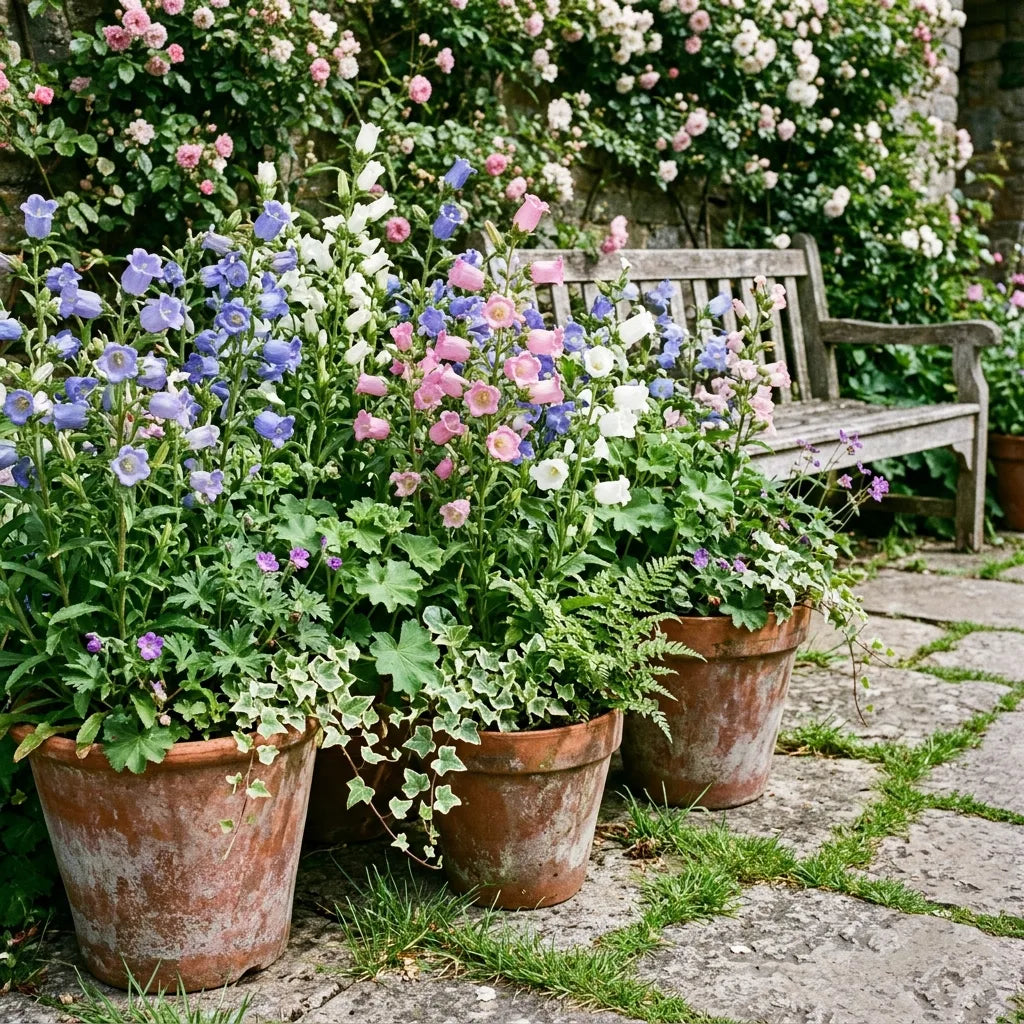
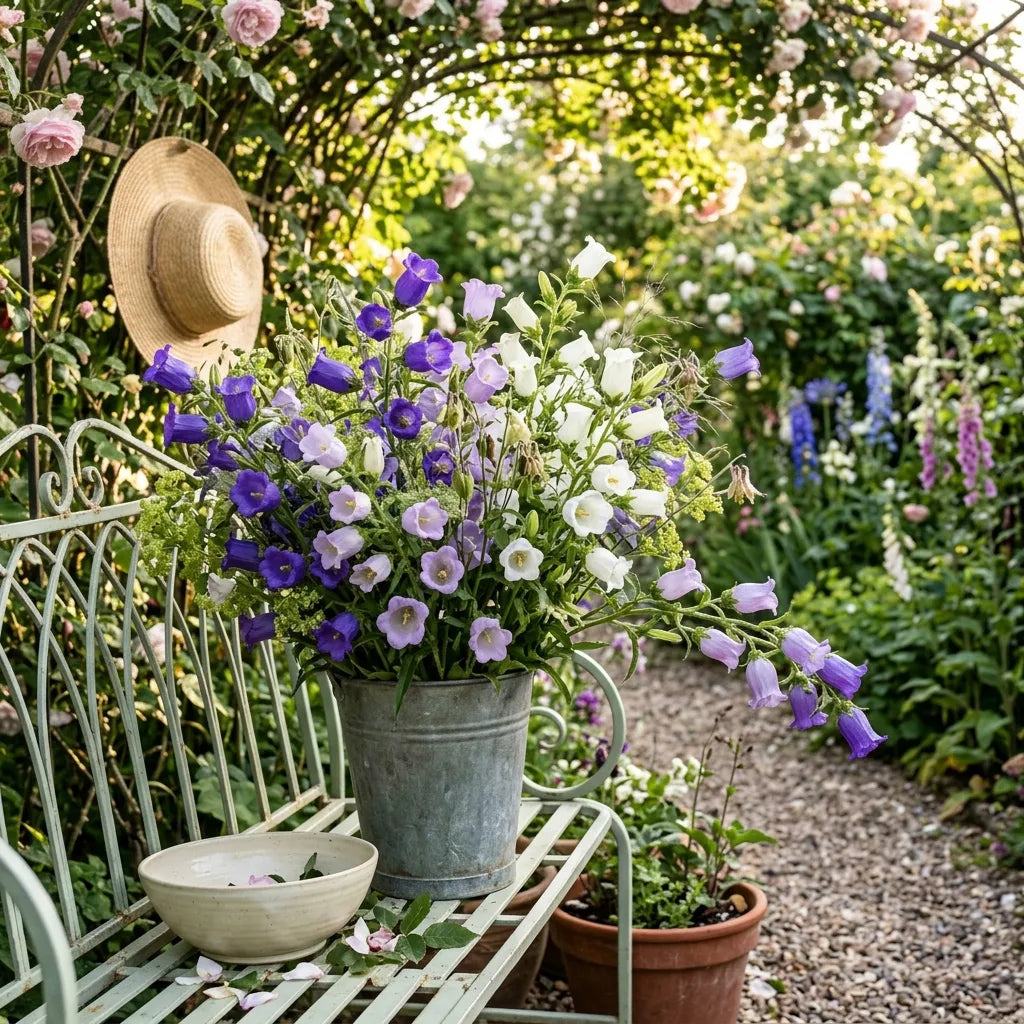
Canterbury bells, garden bellflower, Our Lady’s glove, Canterbury bell: its large upright bells, so fleshy they look like porcelain, have charmed cottage gardens since the 16th century. White, pink, blue, or violet, they line stems that grow up to 90 cm tall.
Characteristics:
-
Large upright bells: from white to violet, including intense blue, from late spring through summer.
-
Beautiful stature: stems 60 to 90 cm tall, highly decorative at the back of a flower bed.
-
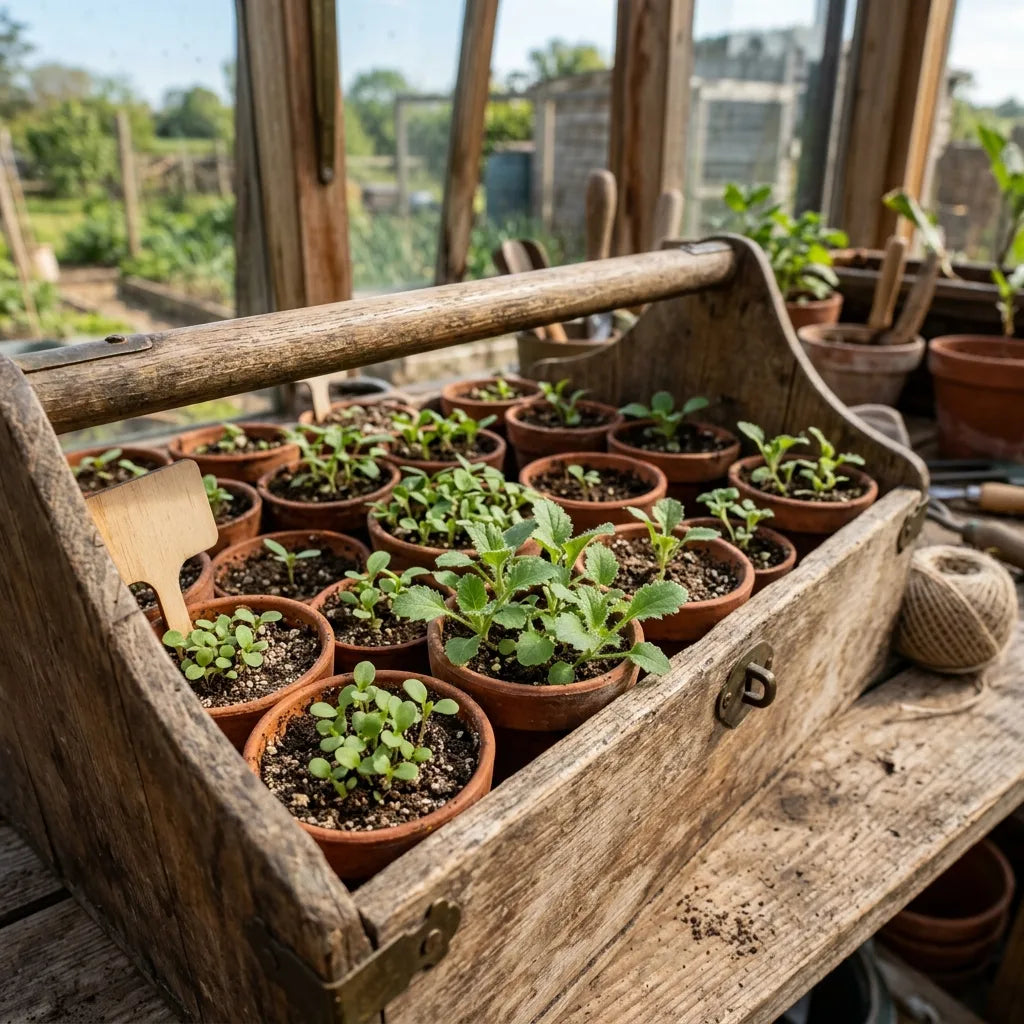
Biennial: a rosette in the first year, followed by spectacular flowering in the second.
Sowing advice:
-
Exposure: full sun or partial shade; partial shade extends flowering in hot regions.
-
Soil: light, well-drained, preferably chalky or neutral, and remaining cool. It dislikes waterlogged conditions in winter, which cause its rosette to rot—the main cause of failure. In heavy soil, plant on a slight mound.
-
Method: stratification is not essential, although a brief period of cold improves germination. Sow from February to April under cover, or directly in place in May–June for flowering the following year. As the seeds are tiny, sow them on the surface without covering. See how to sow your seeds.
Planting advice:
- Transplant the rosettes in autumn to their final position, spacing them 30 cm apart, for flowering the following spring.
Care advice:
- Water moderately, without excess. Stake in windy locations, as the stems can become heavy when laden with bells.
- Remove faded flowers to extend flowering, while leaving a few stems to allow reseeding.
Beneficial combinations:
Benefits for biodiversity:
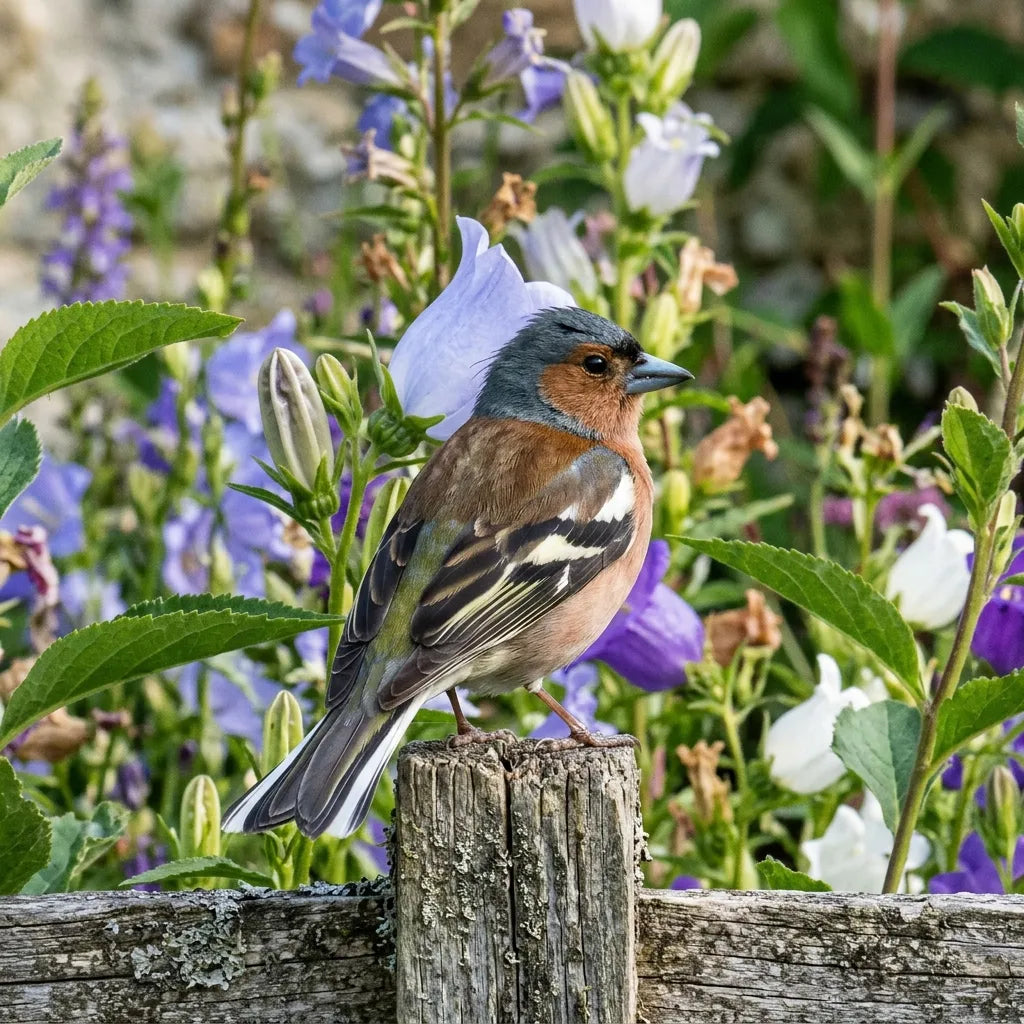
- Its large bells provide true shelters for bumblebees, which enter them completely and sometimes spend the night inside, protected from the rain.
- Some wild bees specialize in bellflowers and forage only on them: sowing them provides food for a very particular group of wildlife.
Uses:
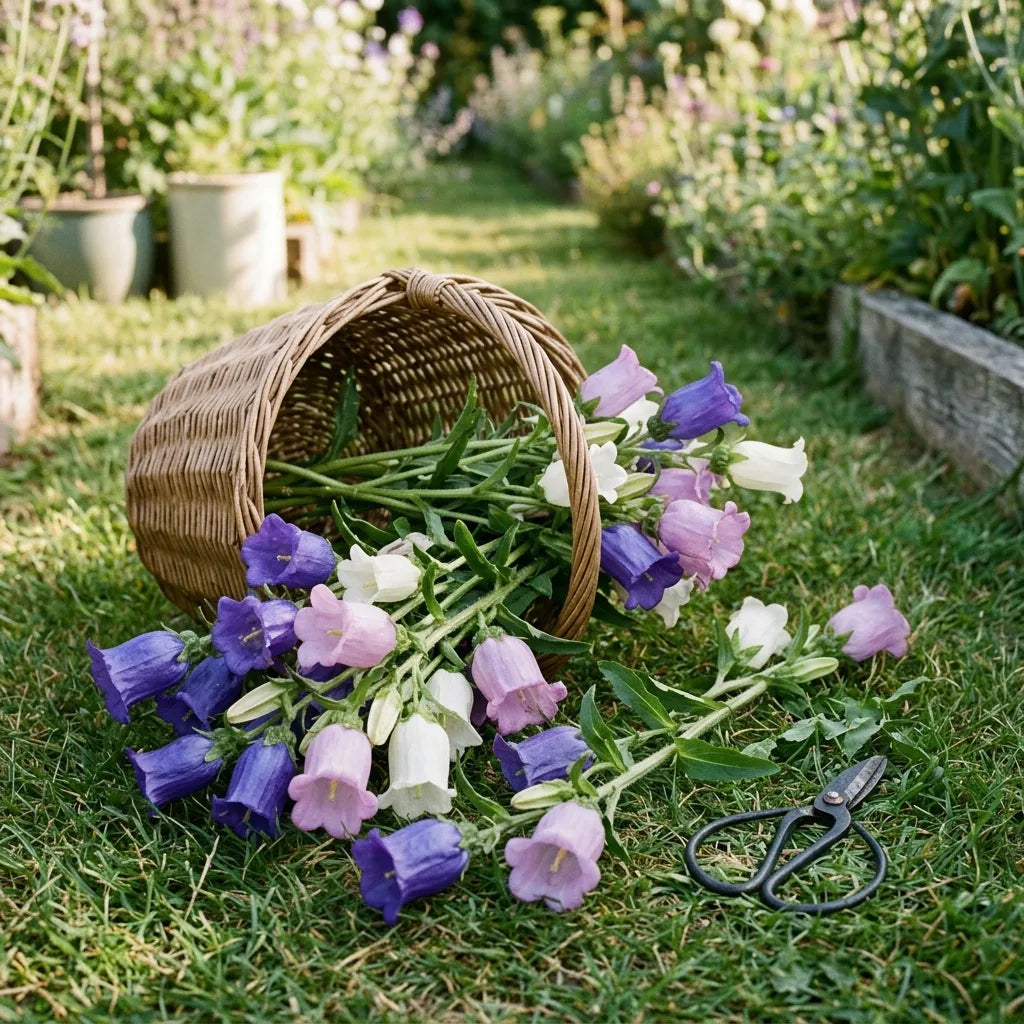
- Naturalistic flower beds, borders, cottage gardens, and bouquets, where its stems hold up remarkably well.
Symbolism:
The bellflower symbolizes gratitude, steadfastness, and gentleness. In the past, it was given to express discreet and sincere affection.
Harvesting your own seeds:
Leave a few faded flowers to form their capsules, then harvest them once they are brown and dry, before they open through small pores at the base. Turn them upside down over a sheet of paper: the seeds are extremely fine. See how to store your seeds.
Commitment to Quality: at SemiSauvage - Permaculture, we grow and select our seeds with respect for all living things as our guiding principle. Based near the Auvergne Volcanoes, we choose reproducible, non-hybrid varieties, tested for their germination rate, carefully sorted and packaged, with no chemical treatment. Our conviction: to restore gardeners’ ability to resow, year after year, seeds that truly belong to them.
Rediscover the charm of gardens of yesteryear with these Canterbury bell seeds.