Ribes rubrum
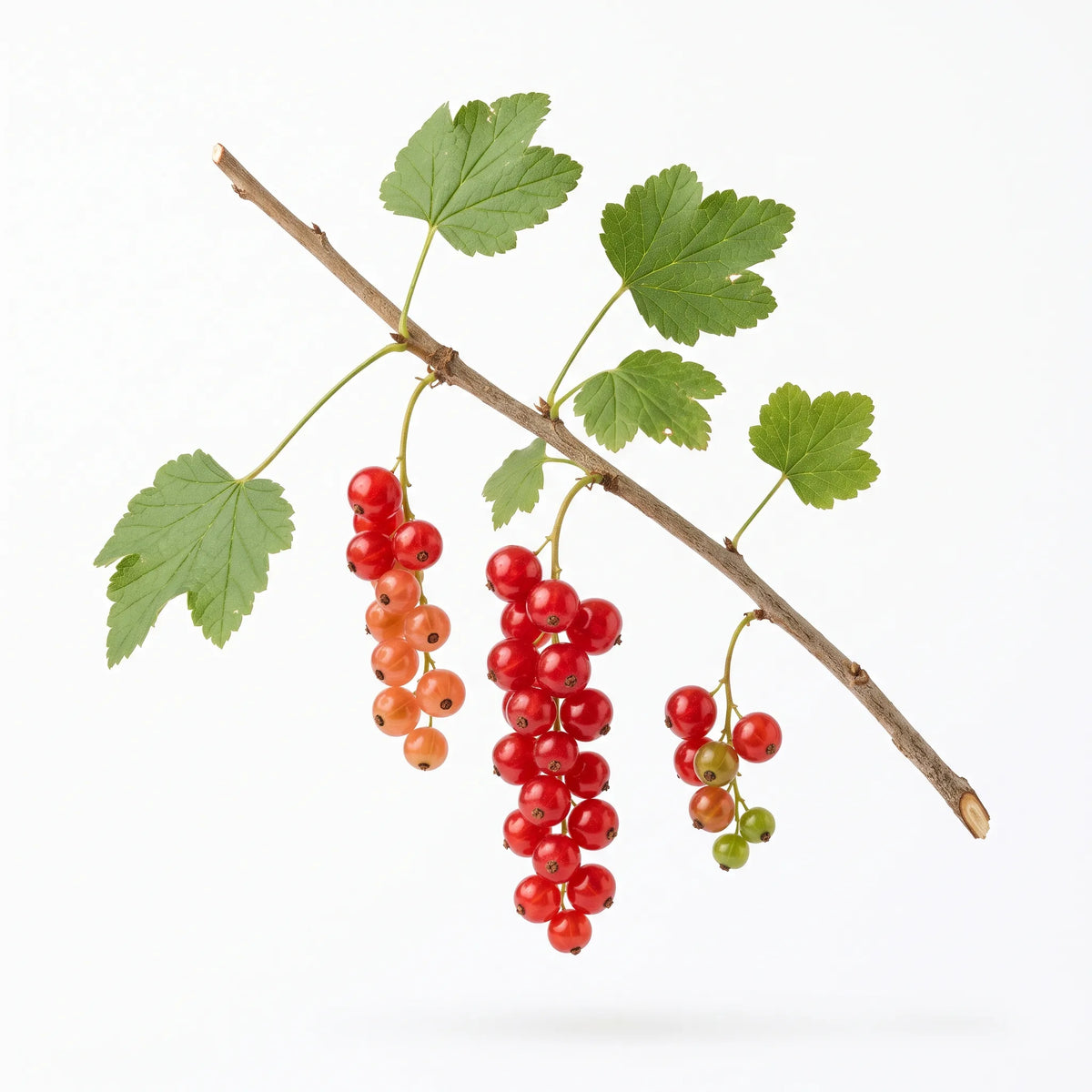
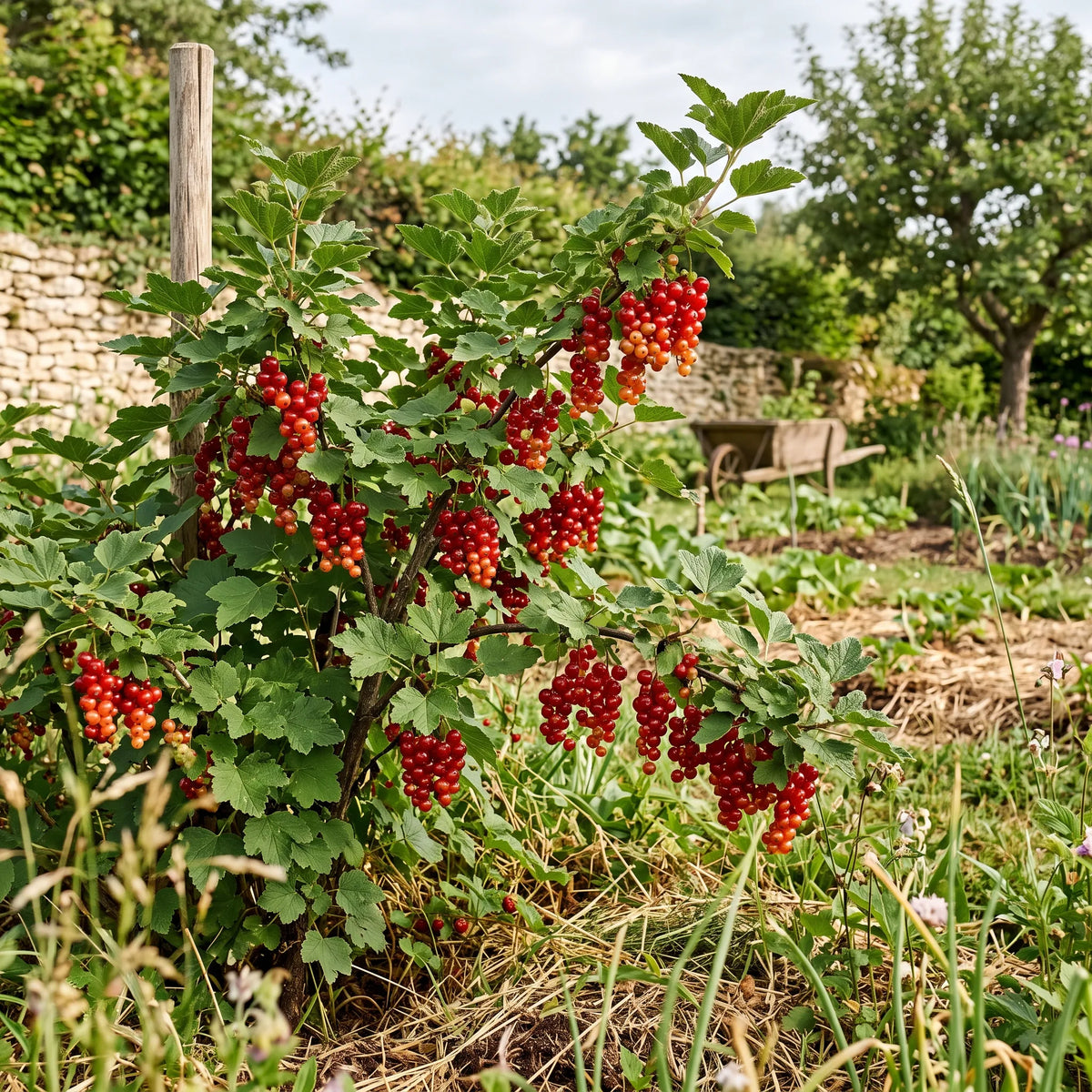
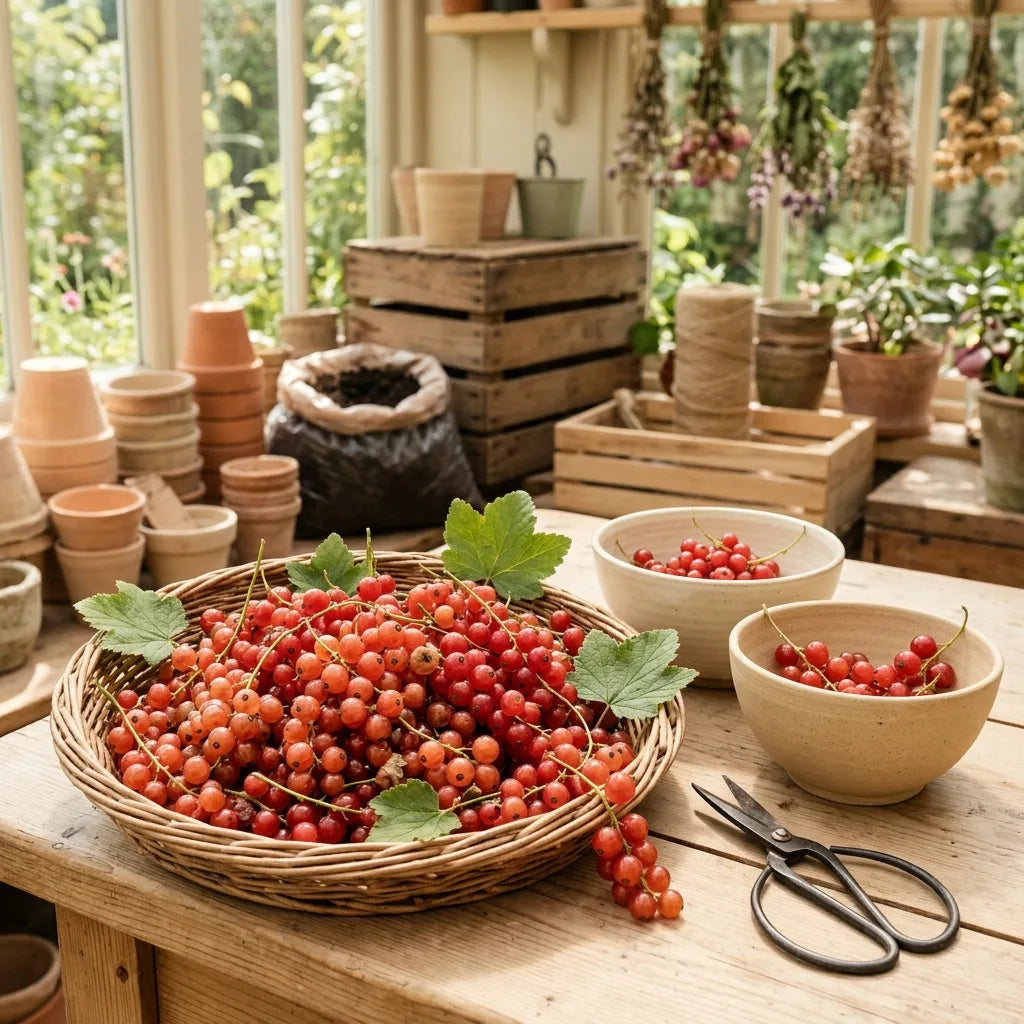
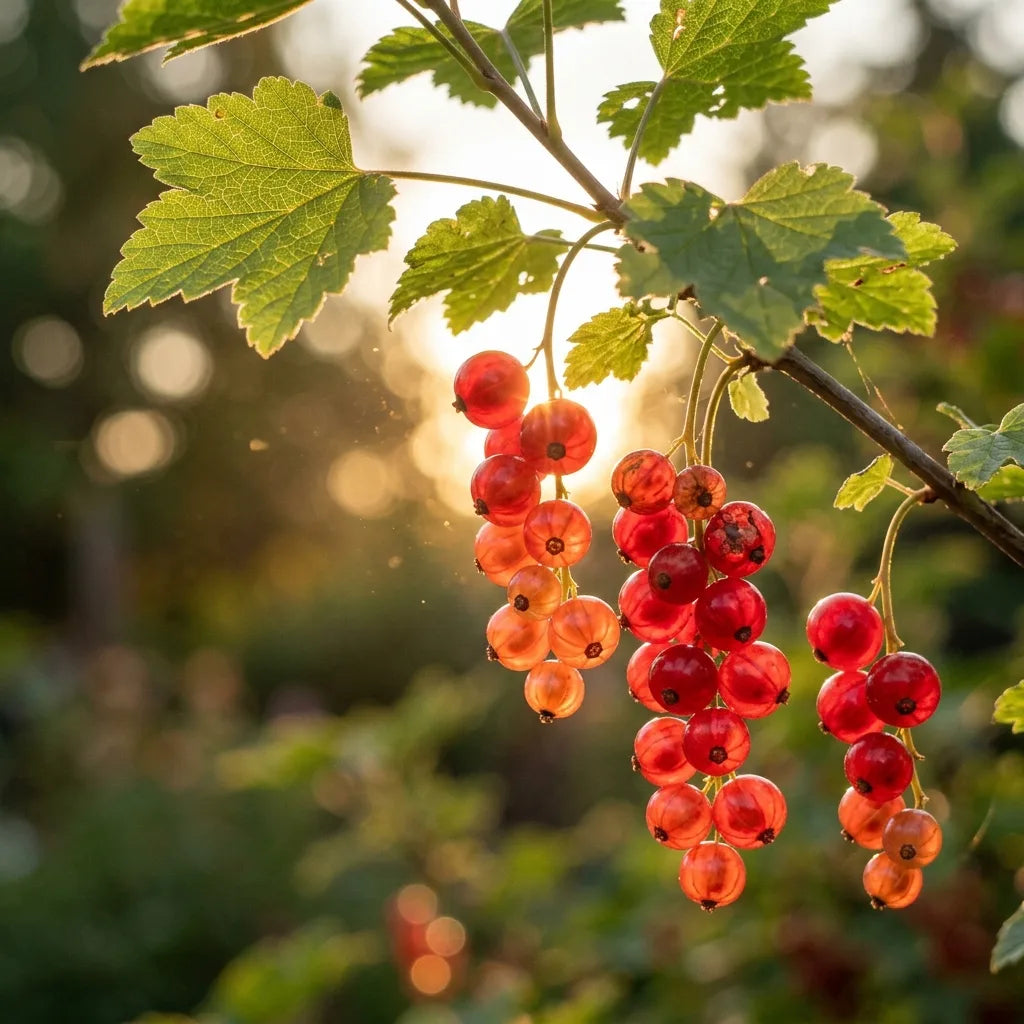
Redcurrant, also known as red currant bush: its translucent clusters resemble tiny bunches of grapes, which explains its regional names. This remarkably undemanding, bushy shrub produces tart clusters from early summer onwards, perfect for fruit leather and incomparable jelly.
Characteristics:
-
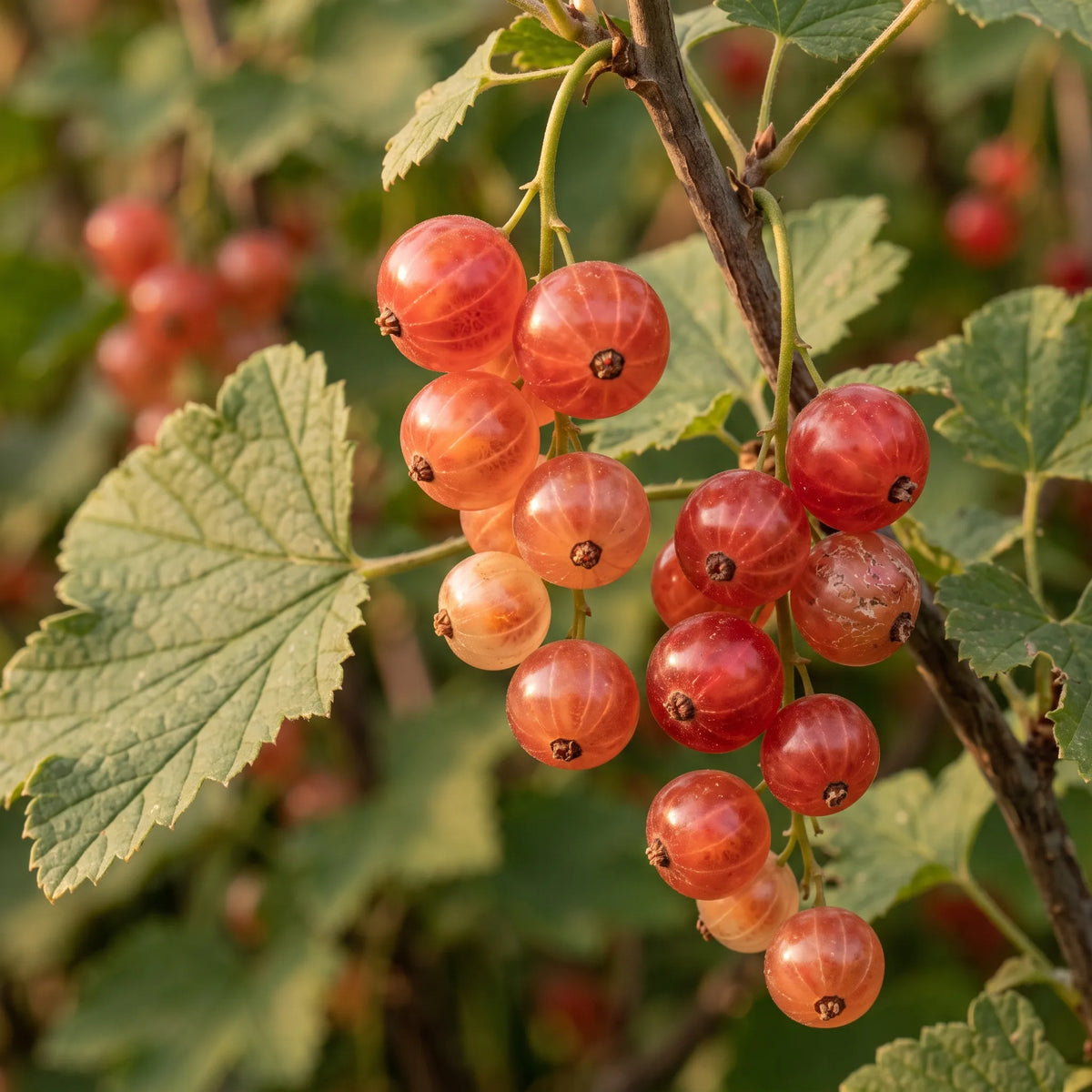
Translucent clusters: shiny red, tart berries gathered in long, highly decorative clusters.
-
Very hardy: it withstands temperatures down to -20 °C and thrives in cool regions.
-
Low maintenance: a light annual pruning is enough to keep it productive.
-
Adaptable: ornamental garden, orchard, vegetable garden, or trained against a wall — including a north-facing wall.
Sowing advice:
-
Exposure: an open, partially shaded position. This is important: redcurrants dislike scorching full sun, which burns their leaves and cooks their berries. They perform remarkably well when trained against a north-facing wall.
-
Soil: cool, deep, rich in humus, and well drained, preferably neutral to slightly acidic. As its roots are shallow, it dislikes both drying out and stagnant water — mulching is highly beneficial.
-
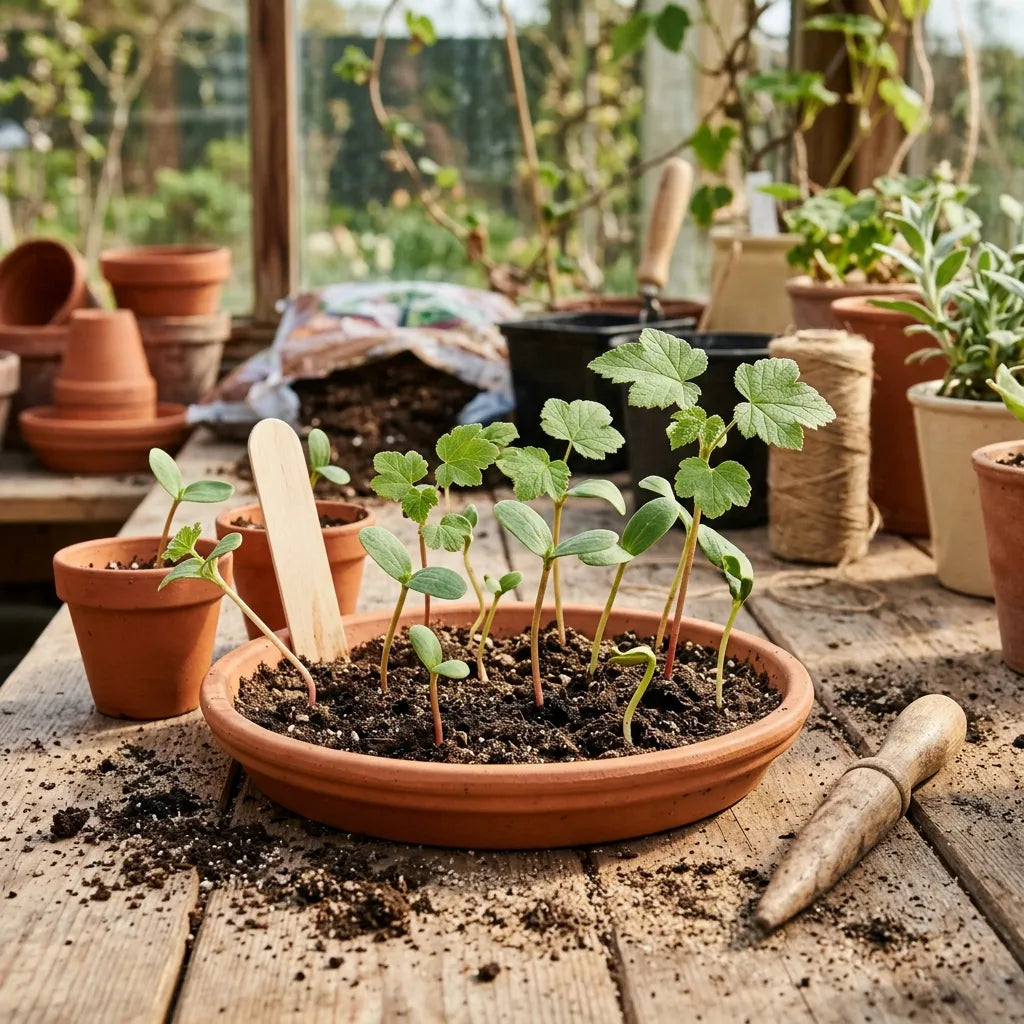
Method: 6 to 12 weeks of cold stratification is necessary to break dormancy. Then sow in spring in pots, covering lightly. Germination is slow: be patient. See how to sow your seeds.
Planting advice:
- Transplant, spacing plants 1.50 metres apart. It can be grown as a bush, as a standard, or trained in cordons against a wall, depending on the space available.
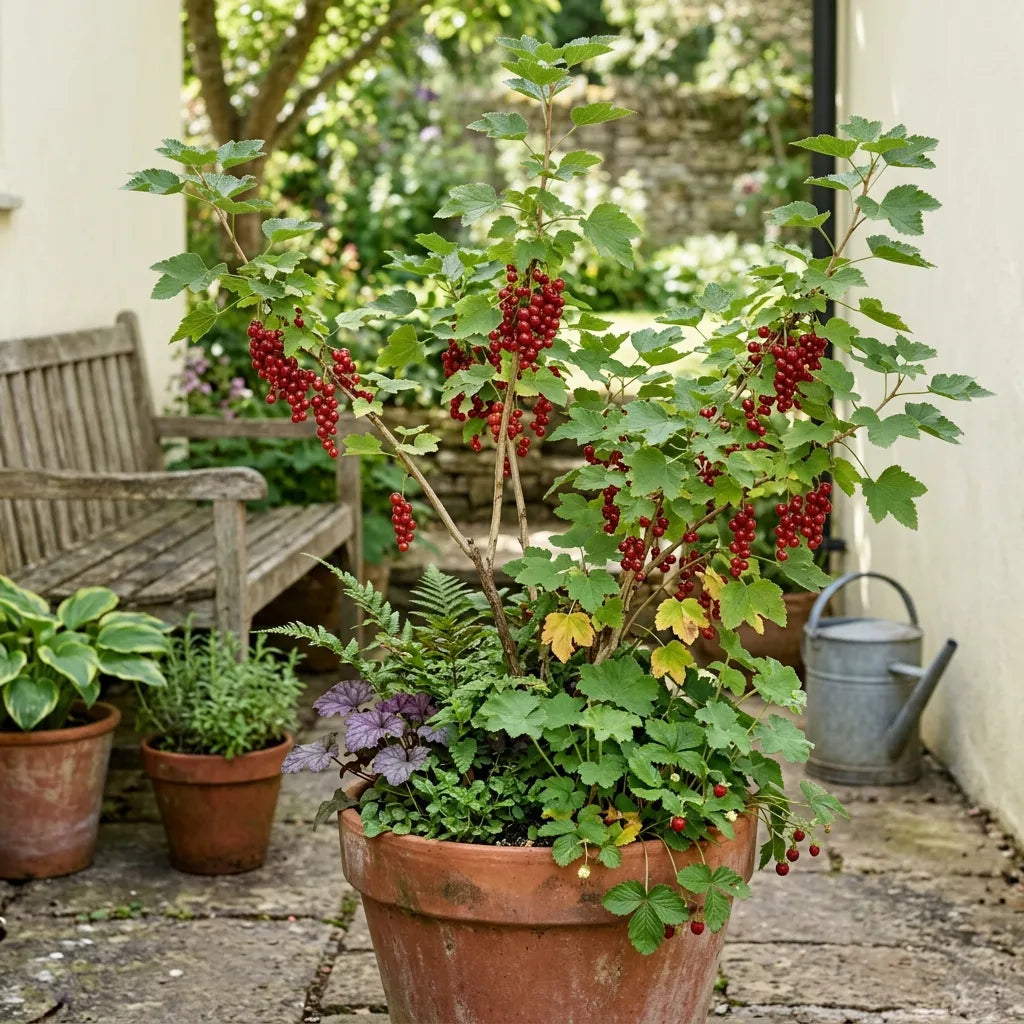
- Growing it in a large container is possible but significantly reduces production.
- Mulch as soon as you plant it: its shallow roots quickly suffer from drought.
Care advice:
- Keep the soil cool in summer. An addition of compost around the base each autumn is enough to maintain it.
-
Pruning: redcurrants fruit mainly on two- to three-year-old wood. At the end of winter, remove the oldest, blackened branches and retain the young shoots — the opposite of blackcurrants, which are cut back more severely.
- Open up the centre of the bush to limit powdery mildew.
Harvesting advice:
- Harvest the whole cluster by pinching it at the base, never berry by berry: the fruits get crushed and the cluster keeps much better intact.
- Wait until all the berries on a cluster are well coloured. Netting is often necessary, as birds spot them before you do.
Beneficial companions:
Benefits for biodiversity:
- Its discreet, early flowering, from April onwards, provides a resource for bees at a time when there is still little for them to forage.
- Its berries feed blackbirds, warblers, and field mice in late spring.
Uses:
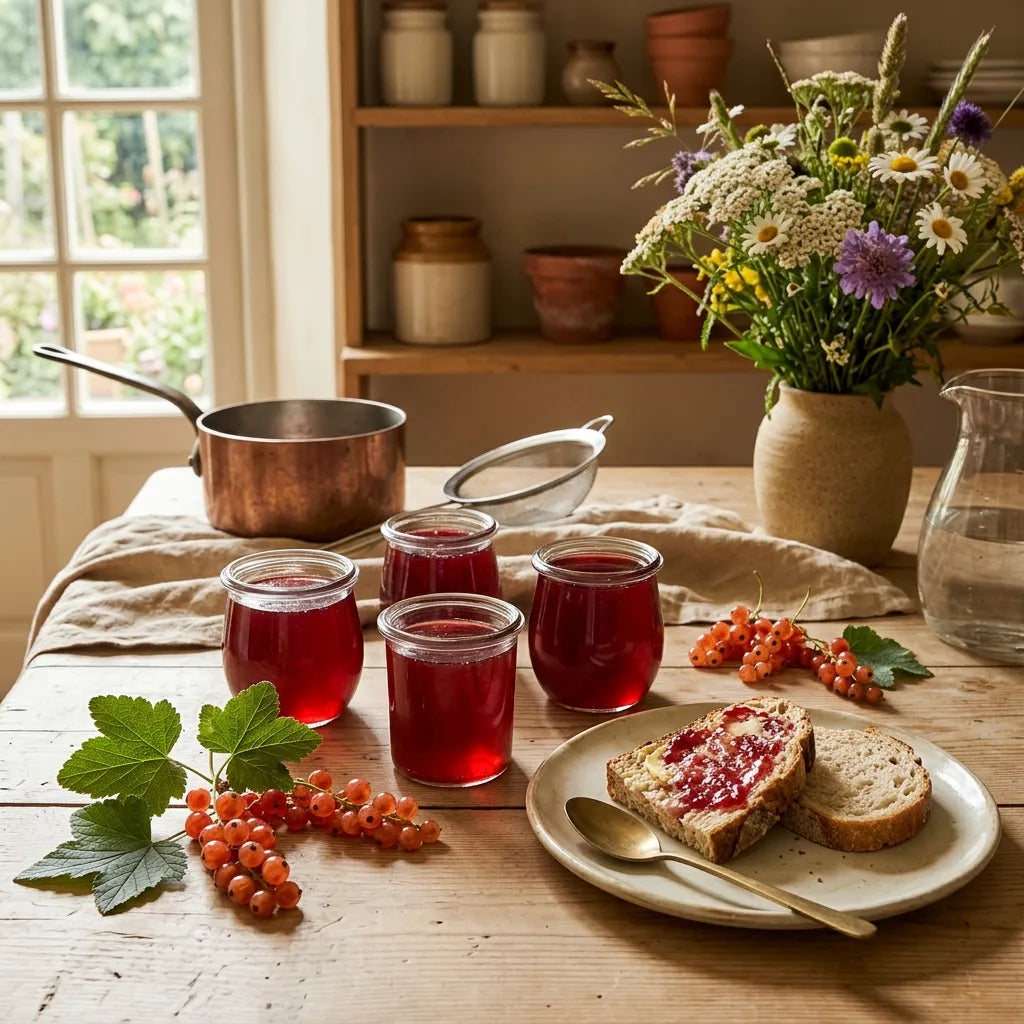
- In jelly — its naturally high pectin content allows it to set without added pectin —, jam, tarts, syrup, or coulis. Raw, its berries are distinctly tart.
- They freeze very well once stripped from their stems and spread out on a tray.
Harvesting your own seeds:
Crush ripe berries in a little water, rinse to separate the seeds from the pulp, then dry them flat before winter stratification. Redcurrants are also very easy to propagate from hardwood cuttings in winter. See how to store your seeds.
Commitment to Quality: at SemiSauvage - Permaculture, we grow and select our seeds with respect for all living things as our guiding principle. Based near the Volcanoes of Auvergne, we choose open-pollinated, non-hybrid varieties, tested for their germination rate, carefully sorted and packaged, with no chemical treatment. Our conviction: to give gardeners back the ability to resow, year after year, seeds that truly belong to them.
The fruit shrub that tolerates a north-facing wall and still produces a crop.