Achillea millefolium
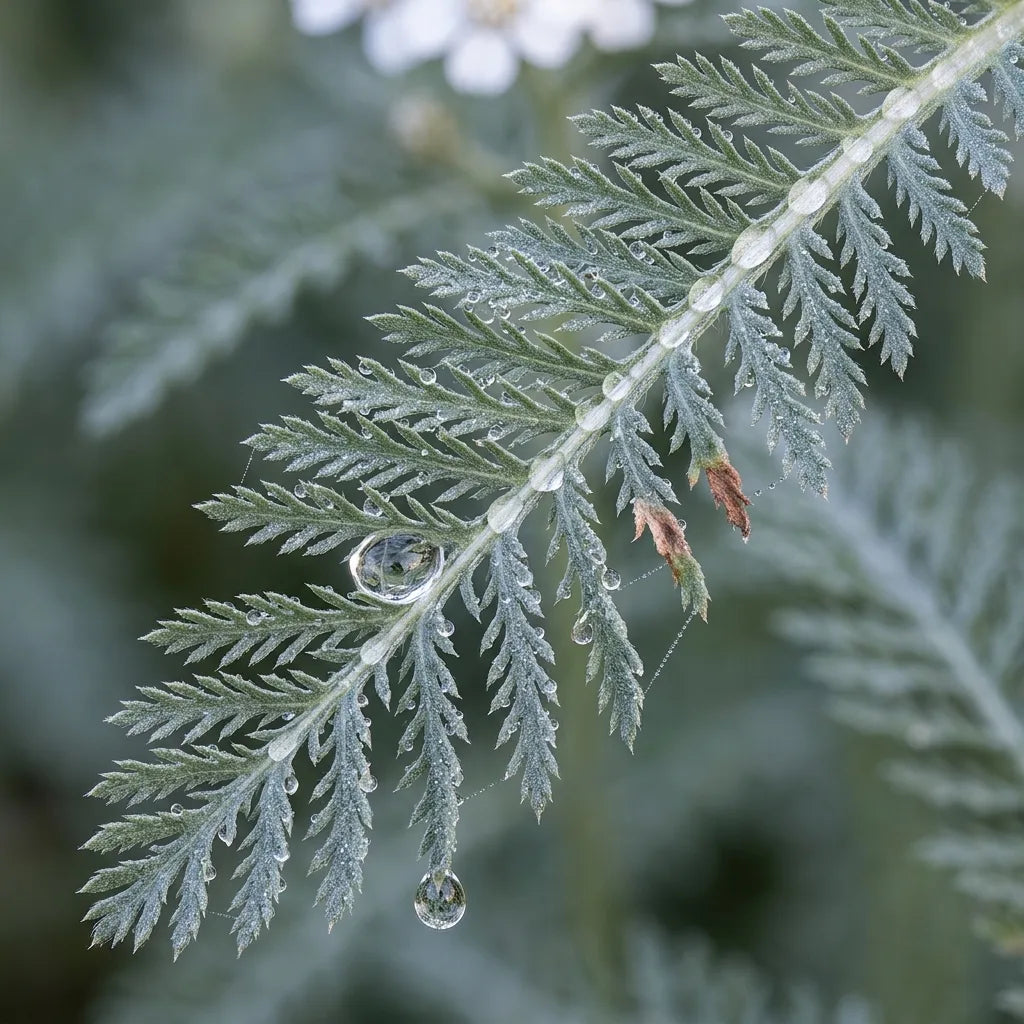
Yarrow, carpenter's herb, turkey herb, nosebleed plant, milfoil: the wealth of its common names says enough about the place it has held in the countryside. Its Latin name refers to Achilles, who, according to legend, used it to treat his soldiers before Troy — and its epithet millefolium to its finely divided foliage, which seems to consist of a thousand leaves.
Characteristics:
-
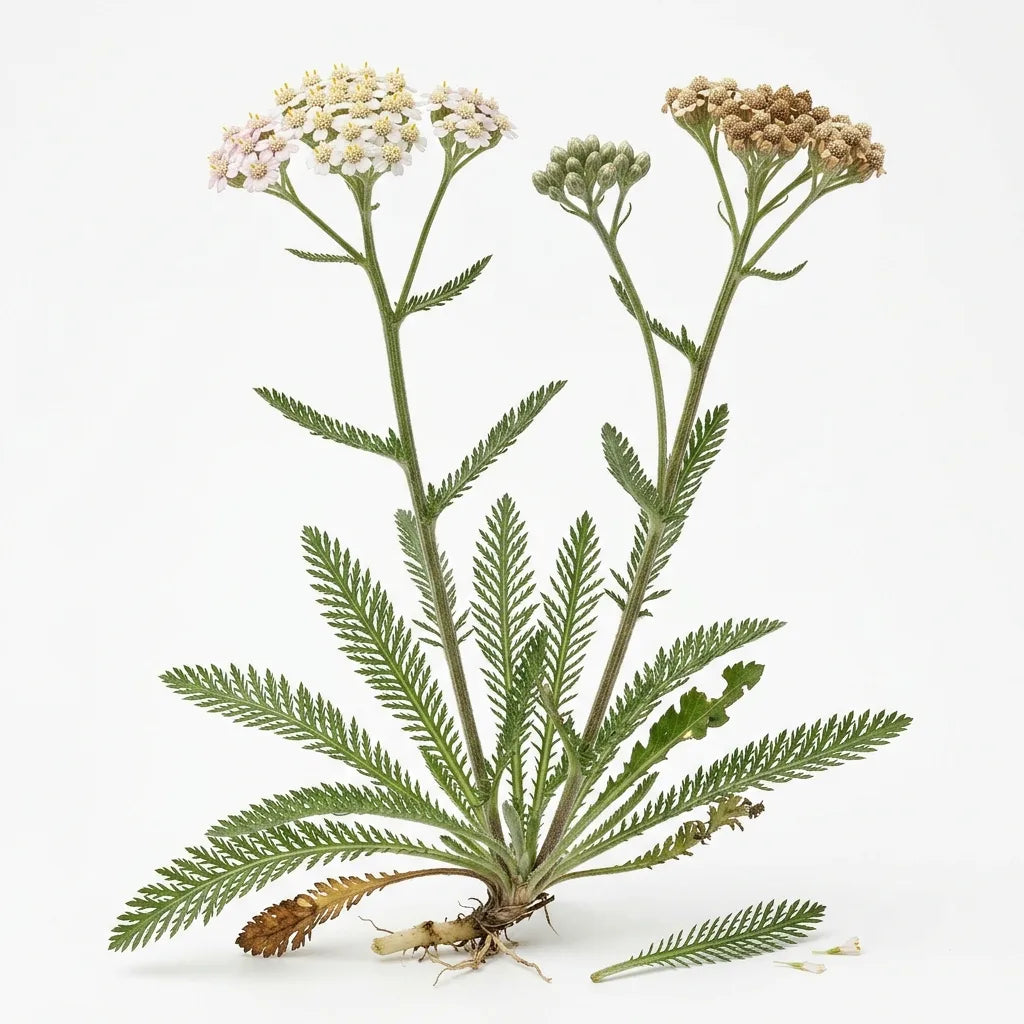
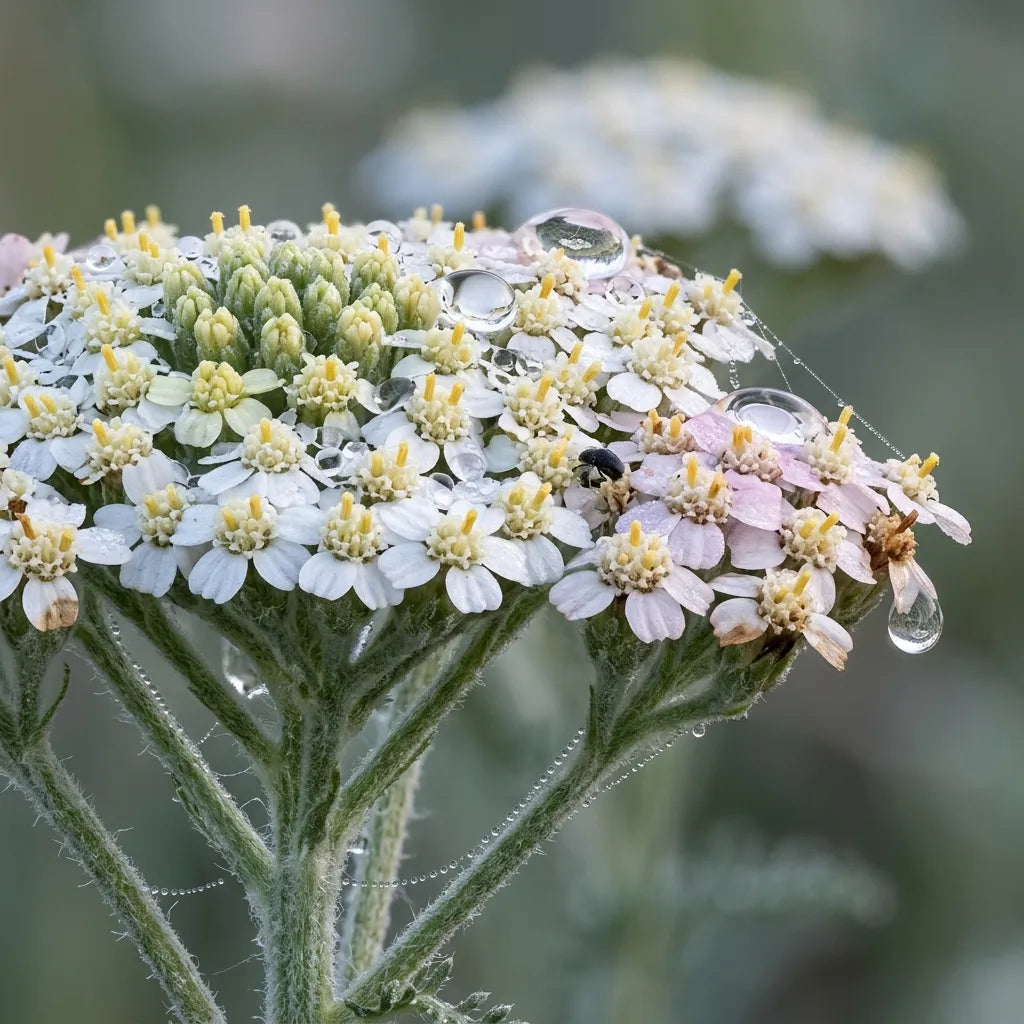
Long flowering period: flat-topped white to pink flower heads, from June to October, borne on upright stems.
-
Finely divided foliage: very airy, it forms a dense carpet at ground level and remains decorative outside the flowering period.
-
Very hardy perennial: virtually indestructible, it adapts to almost any conditions.
Sowing advice:
-
Exposure: full sun or partial shade; it adapts to both.
-
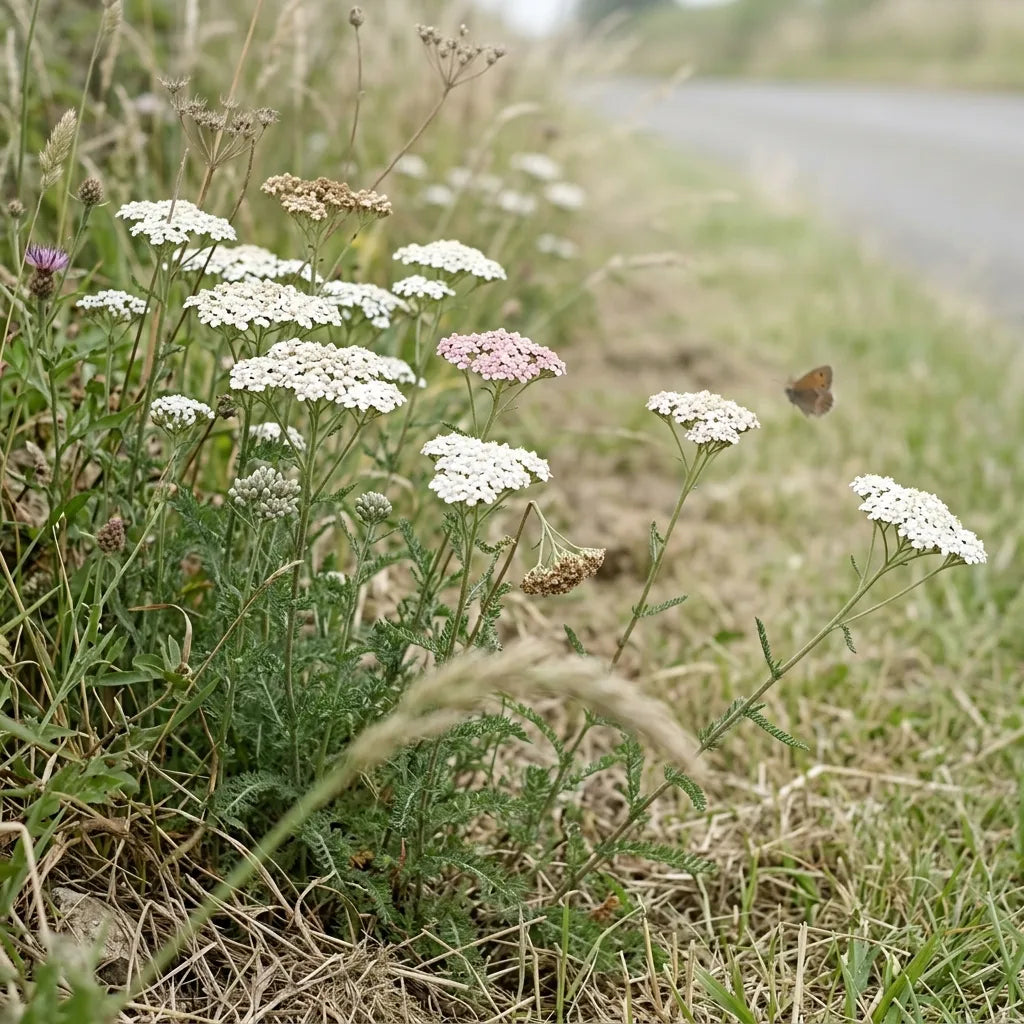
Soil: ordinary soil, even poor, dry and stony, as long as it is well drained — it grows spontaneously on embankments and along paths. Above all, do not fertilize: in rich soil, its stems grow long, become weak and flop over.
-
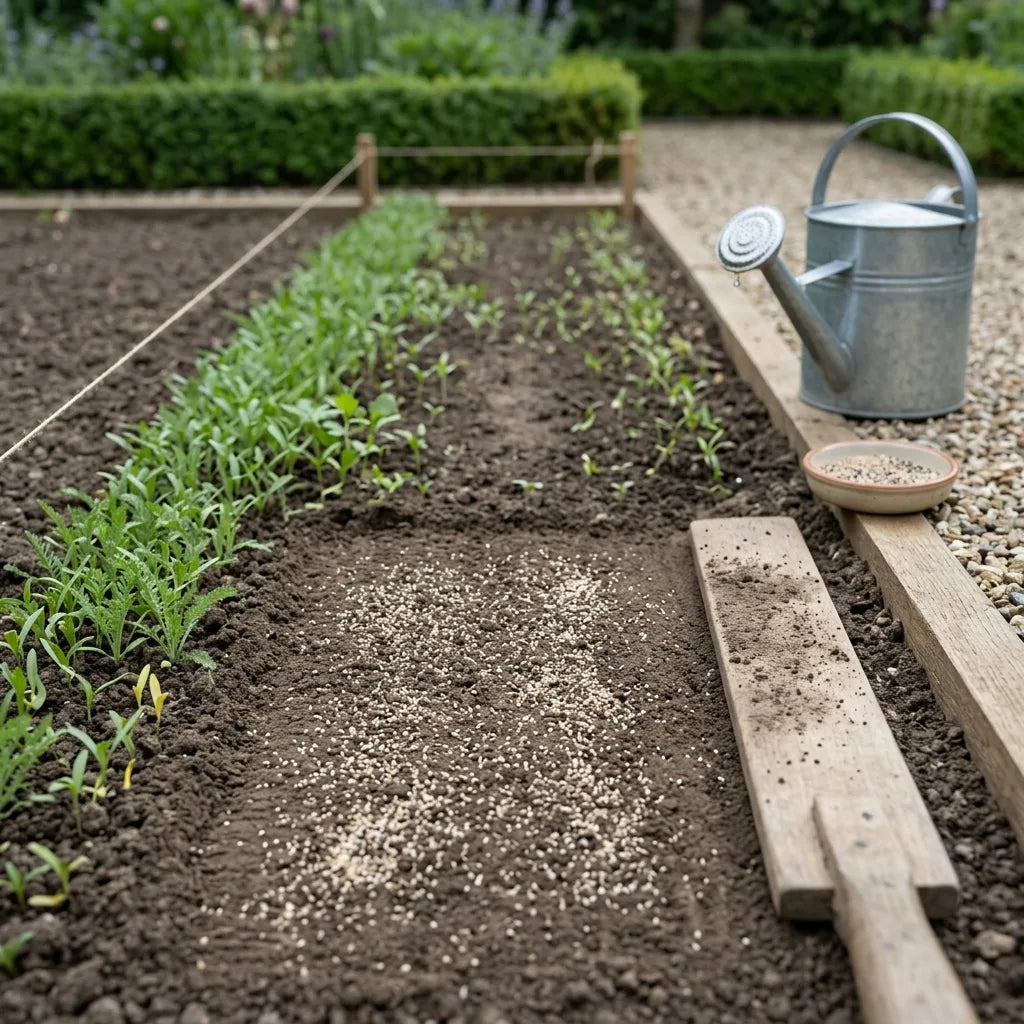
Method: sow directly in the ground from May to July, on the surface without covering: the very fine seeds need light to germinate. Simply firm the soil. No soaking or stratification. See how to sow your seeds.
Care advice:
- Very little maintenance is required. Cut it back after the first flowering to encourage a second flush, and divide the clump every 3 years to rejuvenate it.
Harvesting advice:
- Pick the flower heads when in full bloom in dry weather, and dry them upside down in small bunches, in the shade and in a well-ventilated place — they are also excellent for decorative dried bouquets.
Beneficial combinations:
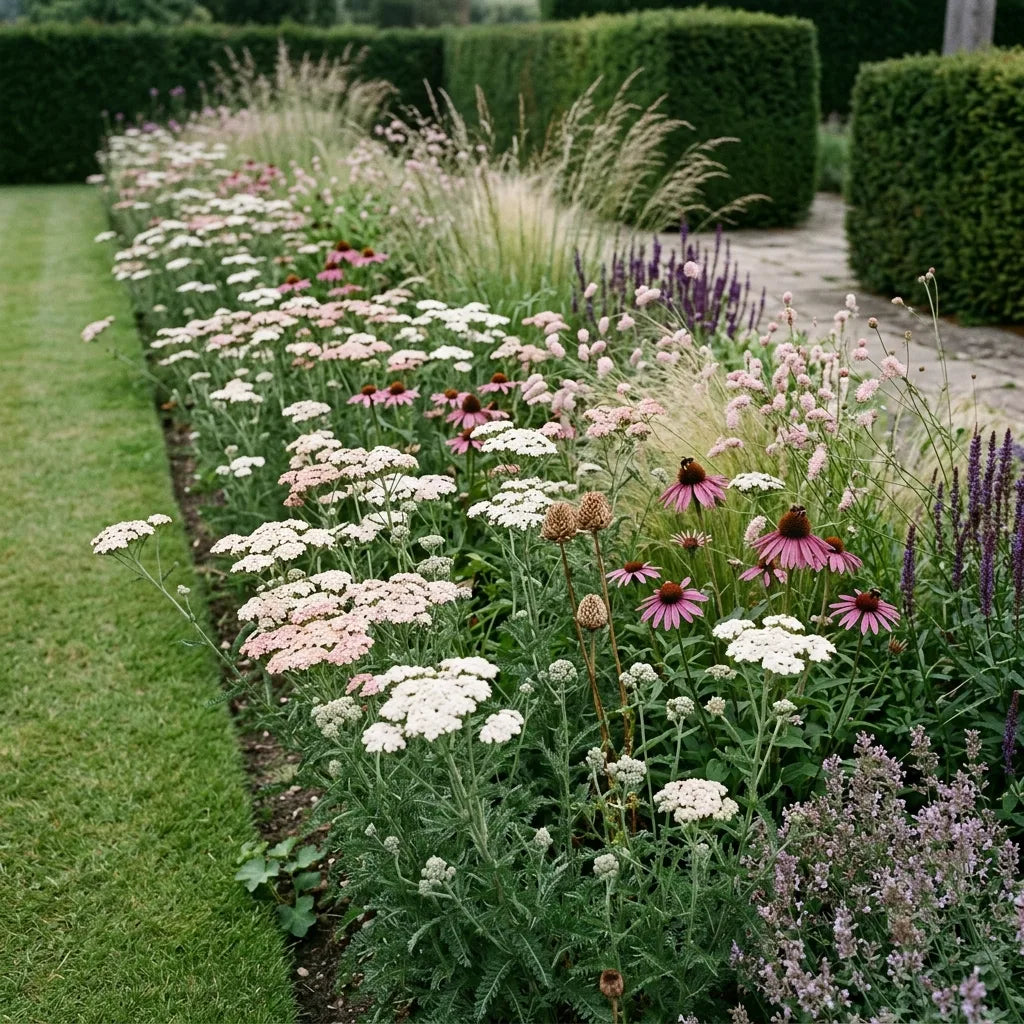
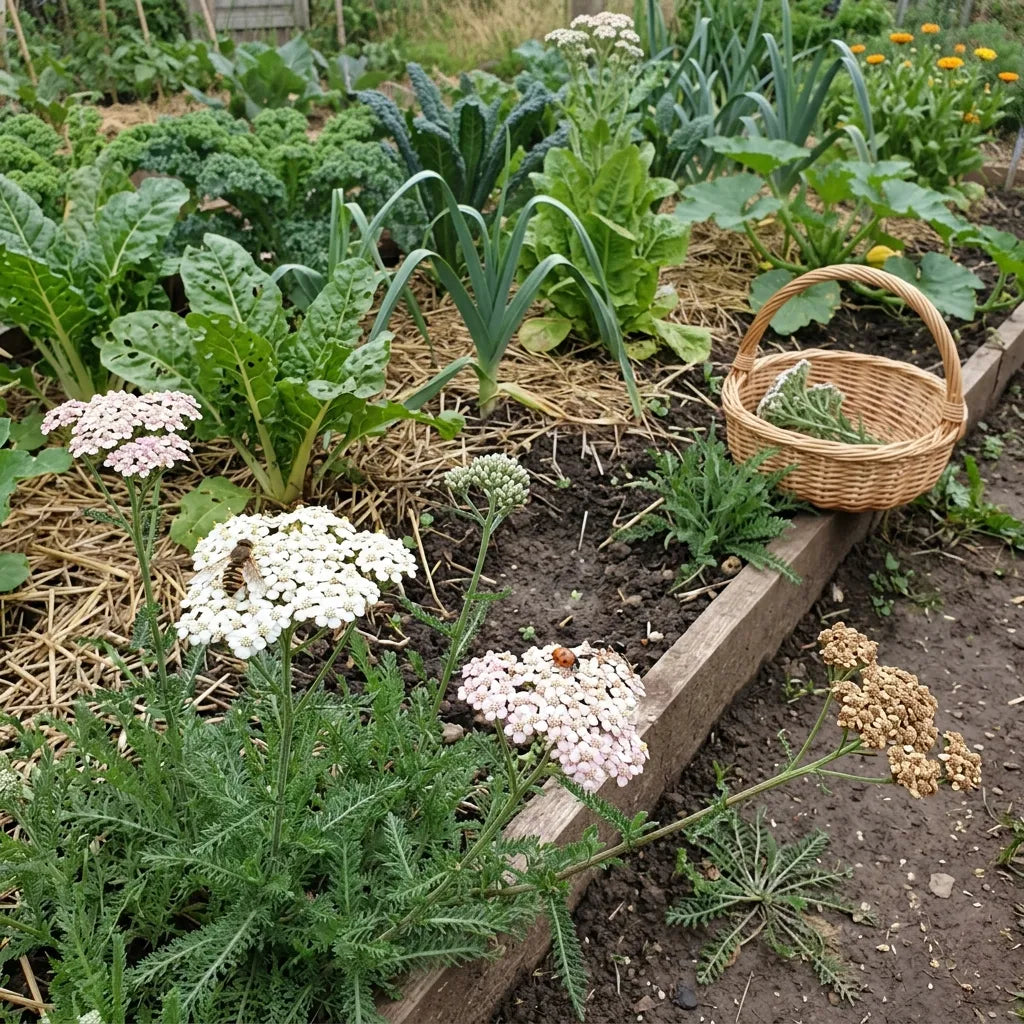
- Renowned for stimulating the vigor of neighboring plants, it belongs both along the edge of the vegetable garden and in perennial beds, alongside purple coneflower, with which it shares the same requirements. See combining flowers in the vegetable garden.
- Its leaves are traditionally added to compost, which they help activate.
Benefits for biodiversity:
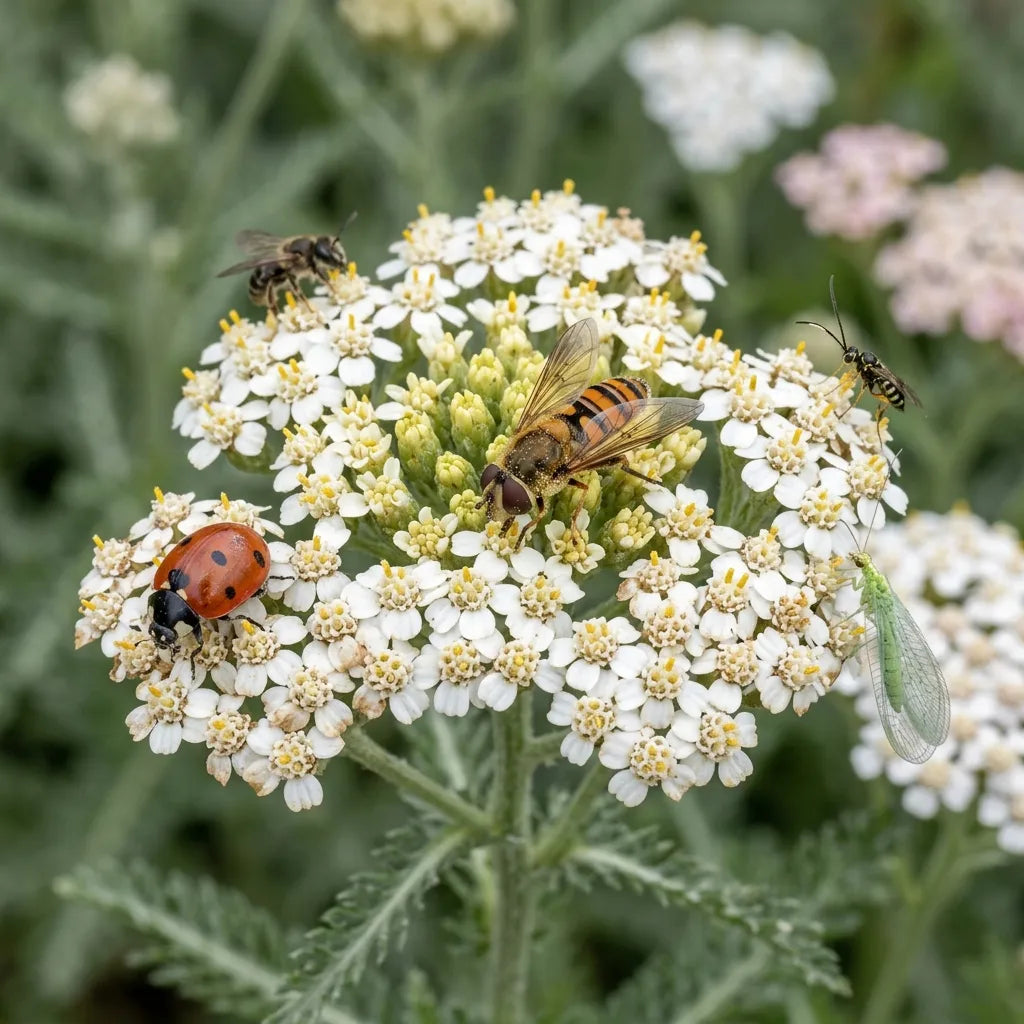
- Its flat-topped flower heads form genuine landing platforms for short-tongued insects: hoverflies, ladybirds, lacewings and beneficial micro-wasps flock to them — many of them aphid predators attracted to the garden. See our vegetable combinations for the vegetable garden.
- Its very long flowering period, from June to October, makes it a reliable resource for almost the entire season.
Uses:
- The young leaves, with a slightly bitter, aniseed flavor, add flavor to salads and sauces. The dried flowers are traditionally prepared as an infusion.
- One of the medicinal plants used for the longest time in Europe. See our medicinal plants to sow.
Symbolism:
Associated with the hero Achilles in Greek mythology, yarrow was also used in ancient China for divination: the 50 dried stalks were used to cast the hexagrams of the I Ching.
Harvesting your own seeds:
Leave a few flower heads to turn brown and dry completely on the plant, then rub them over a container: the seeds are tiny. Yarrow also readily self-seeds and spreads through its rhizomes. See how to store your seeds.
Commitment to Quality: at SemiSauvage - Permaculture, we grow and select our seeds with respect for all living things as our guiding principle. Based near the Volcanoes of Auvergne, we choose open-pollinated, non-hybrid varieties, tested for their germination rate, carefully sorted and packaged, with no chemical treatment. Our belief: to give gardeners back the ability to resow, year after year, seeds that truly belong to them.
A generous, virtually indestructible perennial, a precious ally for gardeners and beneficial insects.