Urtica dioica
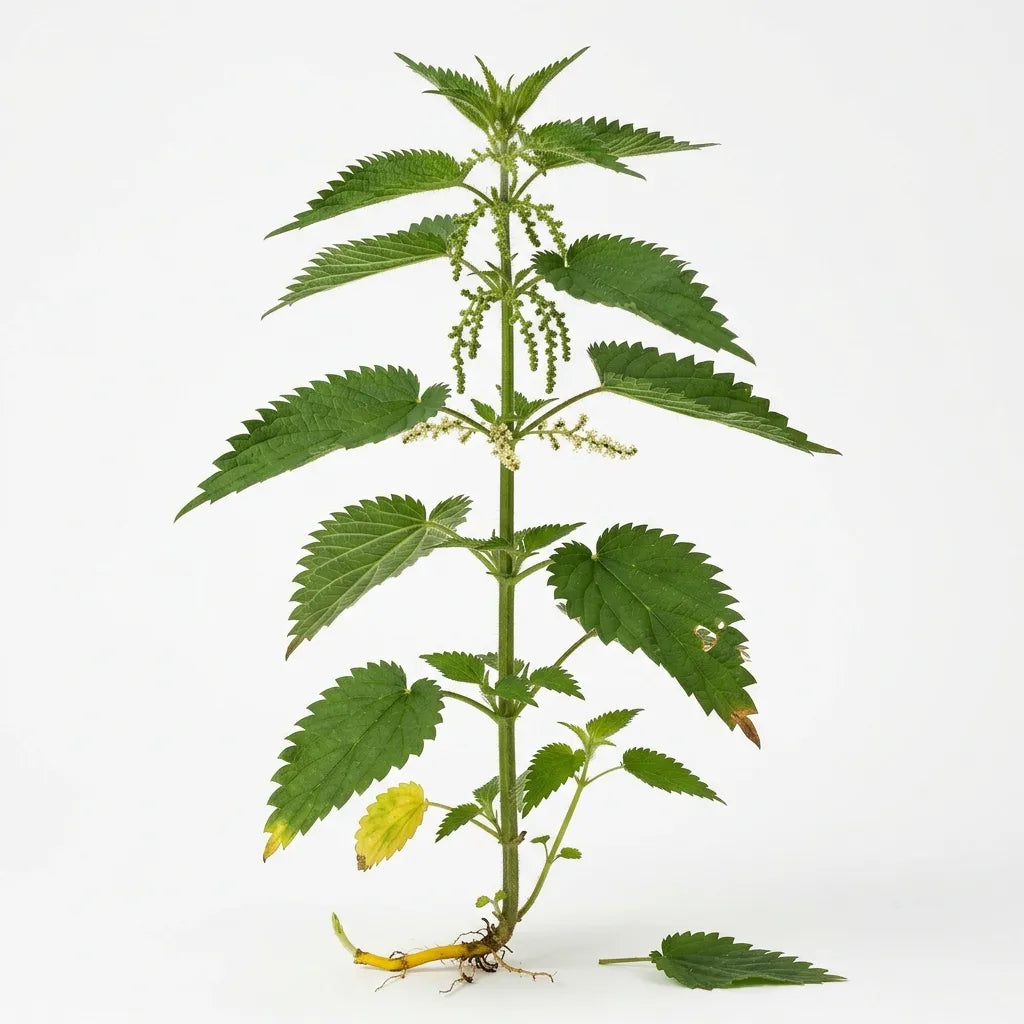
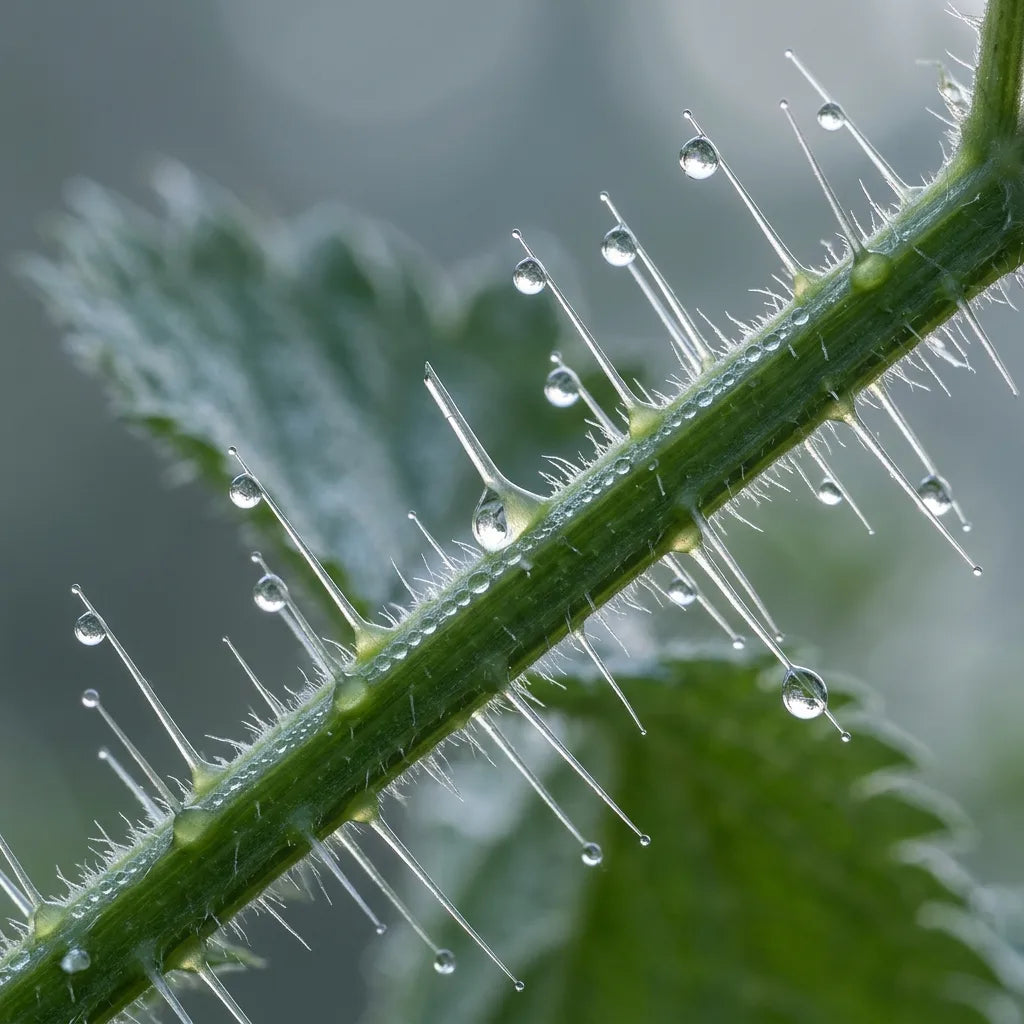
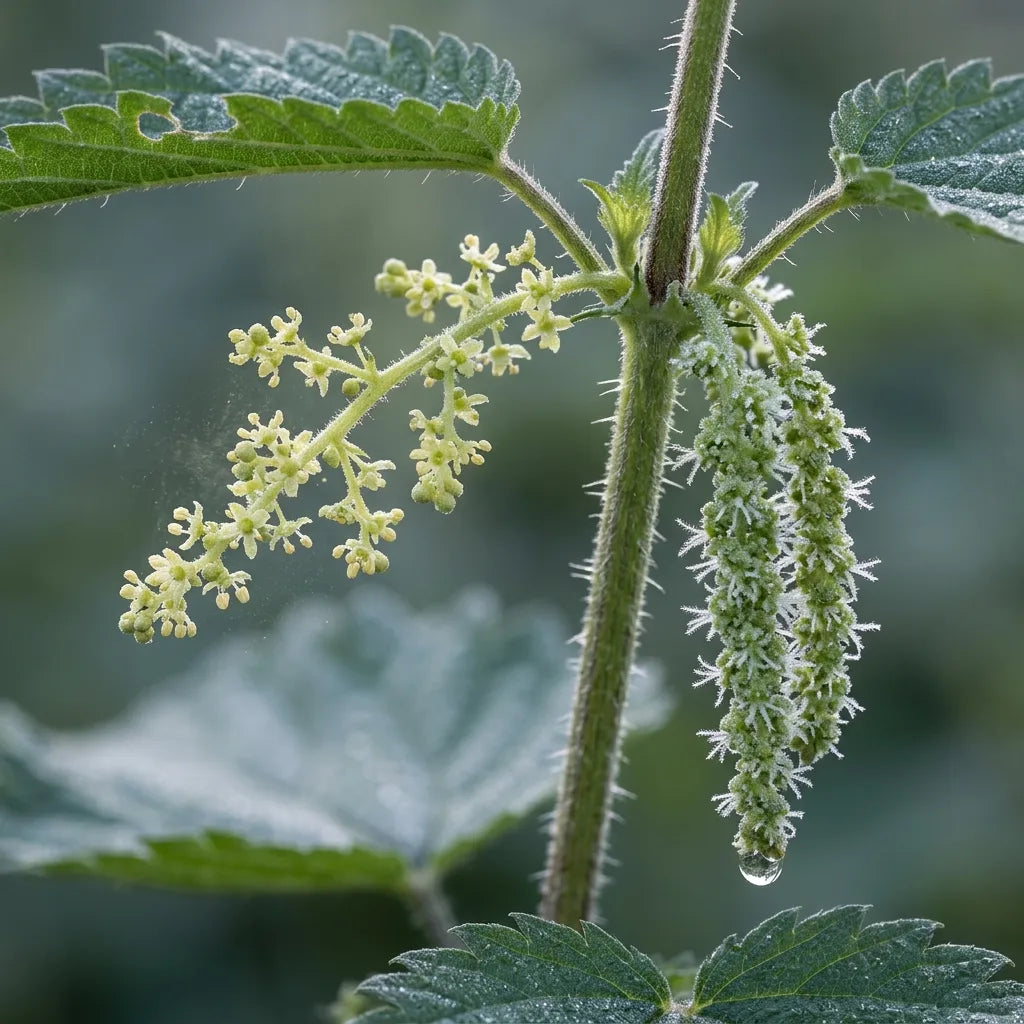
Stinging nettle, common nettle, dioecious nettle, burning nettle: the garden’s least-loved plant is actually one of its most useful. Its stinging hairs are tiny silica bulbs that break on contact—a remarkable defense mechanism that does not prevent it from being cooked or turned into the best free fertilizer for the vegetable garden.
Characteristics:
-
Hardy perennial: a herbaceous plant native to Eurasia, it forms long-lasting colonies through its rhizomes.
-
Triple use: vegetable, liquid fertilizer, and biodiversity refuge.
-
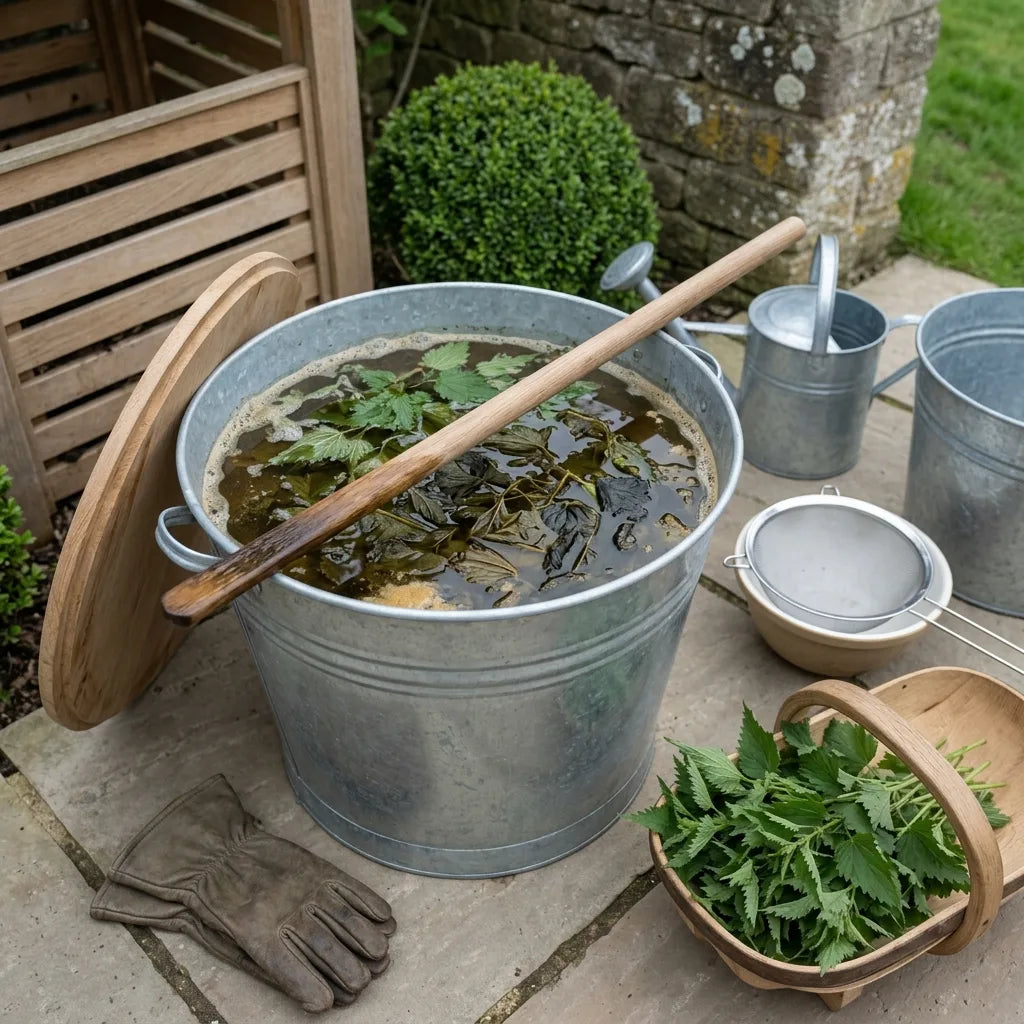
Rich in nitrogen: its fermented nettle tea is a natural fertilizer well known to gardeners.
-
Very easy: it grows on its own; just give it a corner.
Precautions:
- Its stinging hairs cause itching on contact: wear gloves and long sleeves when harvesting and handling it.
- Cooking, drying, or simply rolling it with a rolling pin completely destroys its stinging power—once cooked, it no longer stings at all.
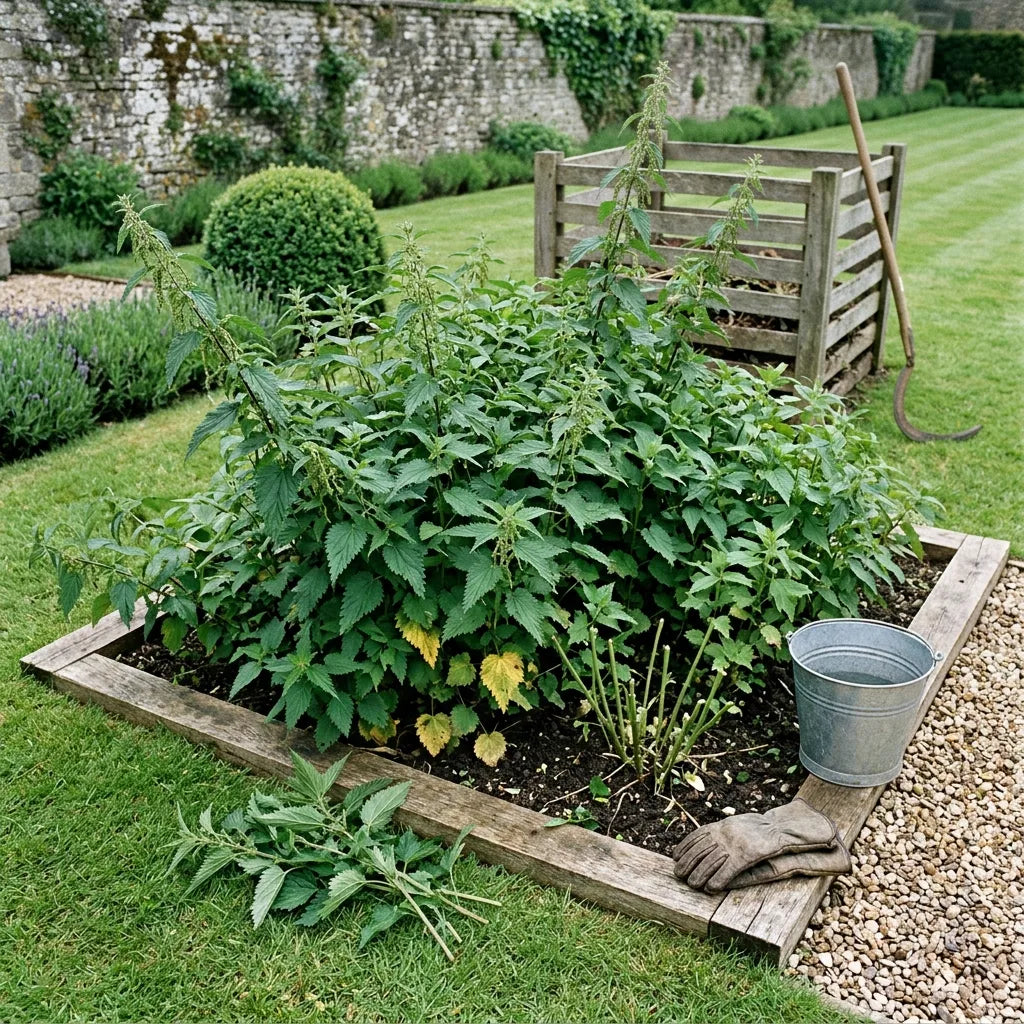
- It is spreading: its rhizomes quickly colonize an area. Give it a defined corner rather than a place among your crops.
Sowing advice:
-
Exposure: partial shade to full sun.
-
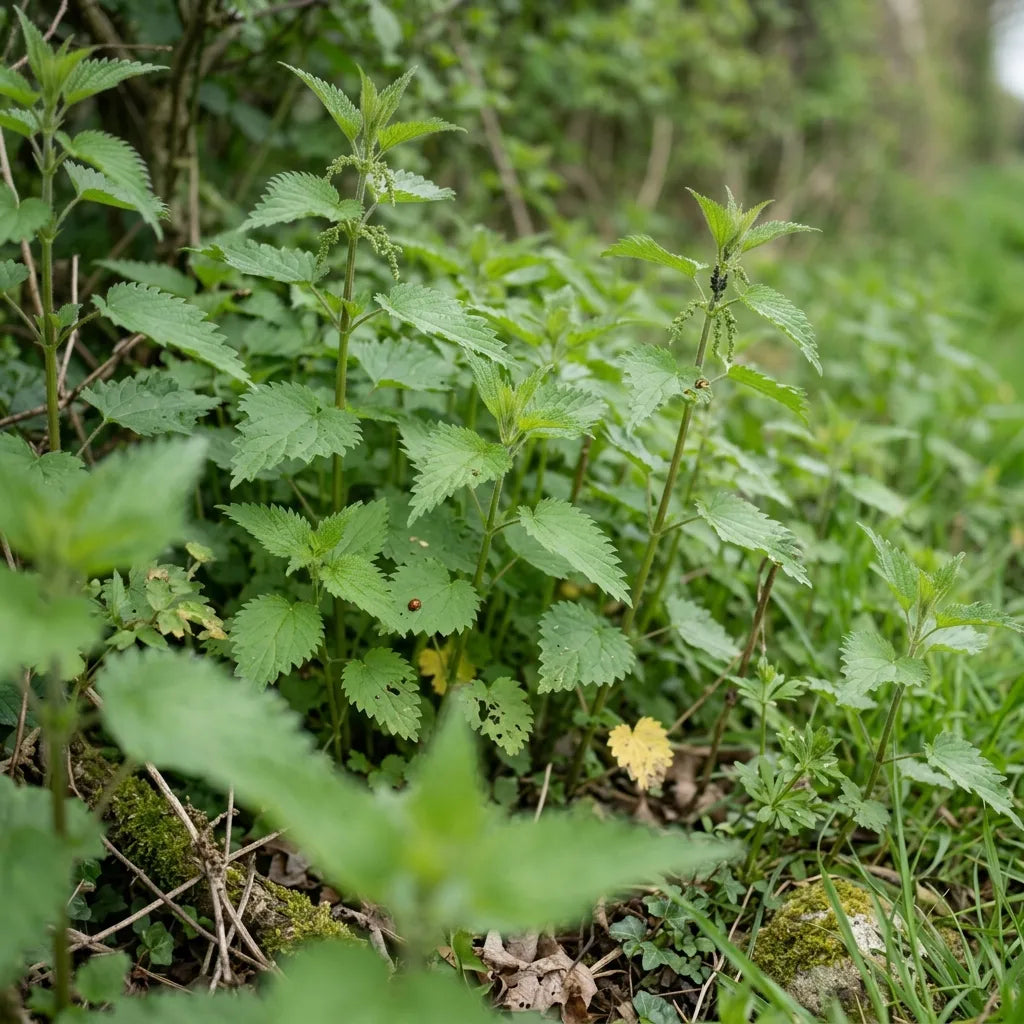
Soil: rich in organic matter, deep, moist, and well drained. Nettle is a nitrophilous plant: it seeks nitrogen-rich soils, which explains why it grows spontaneously near compost heaps and old manure piles. Its spontaneous presence is also a good indicator of fertility.
-
Method: sow in spring, on the surface or barely covered: its tiny seeds need light. Keep moist until germination. It grows equally well in the ground or in a planter, which helps contain it. See how to sow your seeds.
Care advice:
- None, other than keeping it contained. Water during dry periods if you want a regular production of tender leaves.
- Cut the clump back after each harvest: it will produce new, more tender shoots.
Harvesting advice:
- Pick the young shoot tips, the first four to six leaves, in spring and after each cutting-back. Avoid older leaves and plants that have gone to seed, as they are more fibrous.
- For fermented nettle tea: steep 1 kg of fresh leaves in 10 liters of water for one to two weeks, stirring every day, then strain. Diluted to 10%, use it to water around the base of hungry crops.
Beneficial combinations:
Benefits for biodiversity:
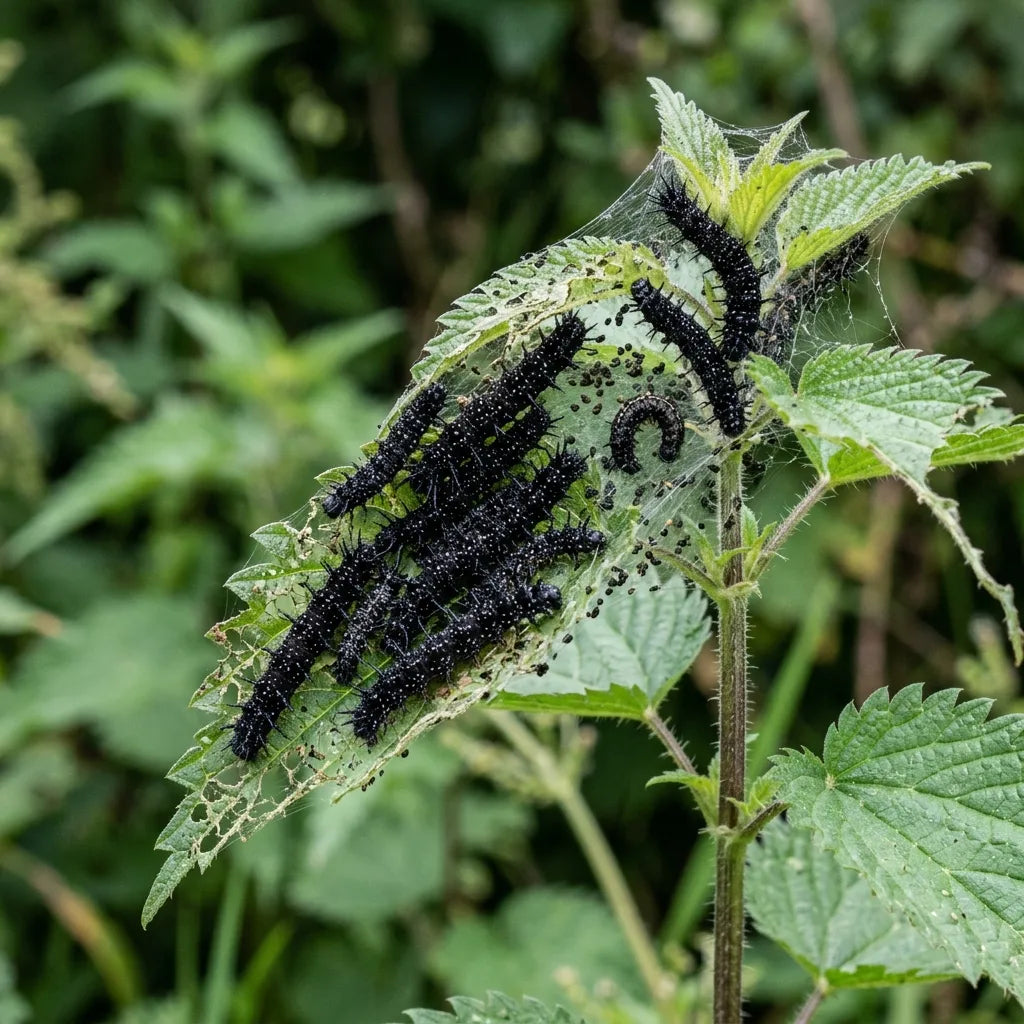
- It is the exclusive host plant for the caterpillars of several of our most beautiful butterflies: Peacock, Red Admiral, Small Tortoiseshell, and Map. Without nettles, there are no such butterflies—a patch of nettles at the back of the garden is the most effective thing we can do for them.
- It also shelters specialized aphids and therefore ladybirds, serving as a reservoir for beneficial insects in spring.
Uses:
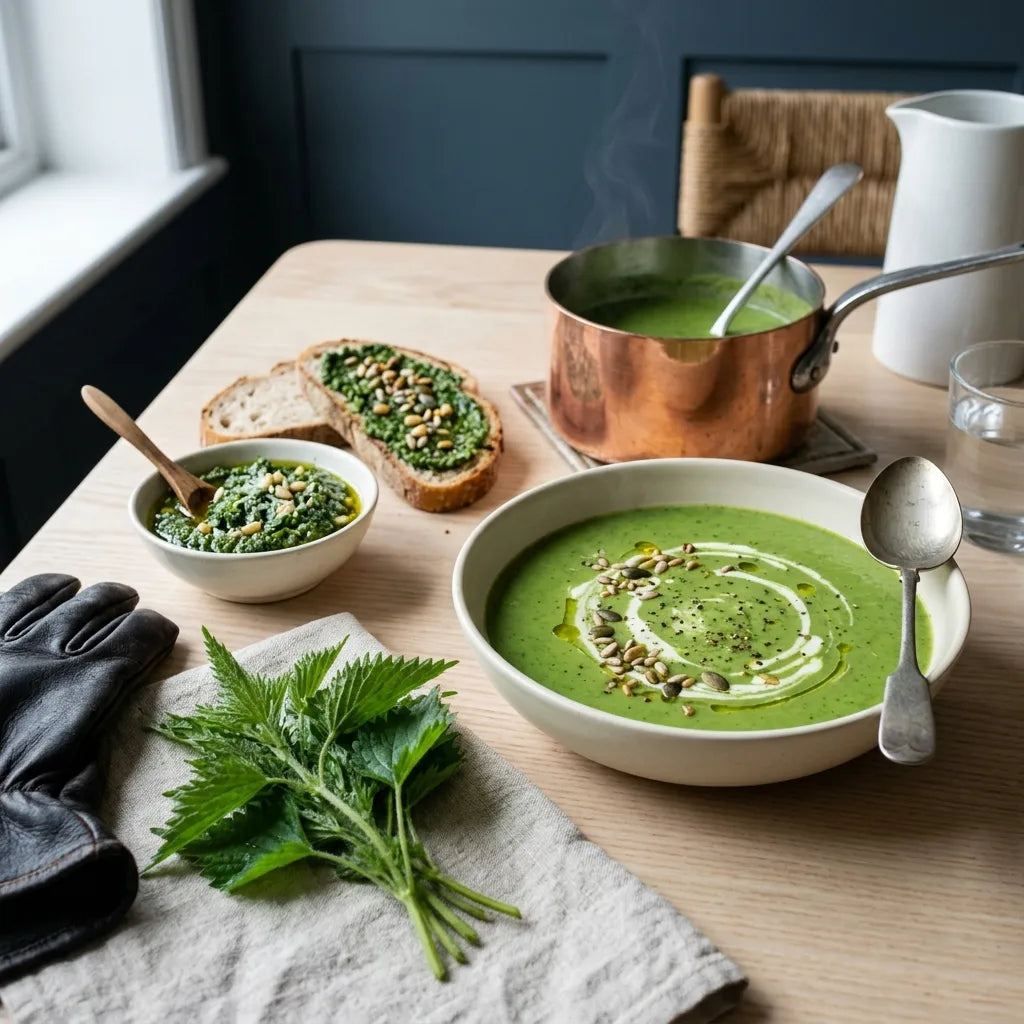
- Young leaves cooked like spinach, in soup, quiche, pesto, or gnocchi—cooking removes all stinging power. Use as a fertilizer in the vegetable garden.
- Traditional medicinal plant, listed in the French Pharmacopoeia. See our medicinal plants to sow.
Harvesting your own seeds:
As nettles are dioecious, both male and female plants are needed to produce seeds. Let the hanging clusters on the female plants turn brown, then shake them over a container—with gloves. See saving your seeds.
Commitment to Quality: at SemiSauvage - Permaculture, we grow and select our seeds with respect for living things as our guiding principle. Based near the Auvergne Volcanoes, we choose open-pollinated, non-hybrid varieties, tested for their germination rate, carefully sorted and packaged, with no chemical treatment. Our conviction: to give gardeners back the ability to resow, year after year, seeds that truly belong to them.
The least-loved plant that nourishes your plants, your butterflies, and your soups.