Capsicum chinense
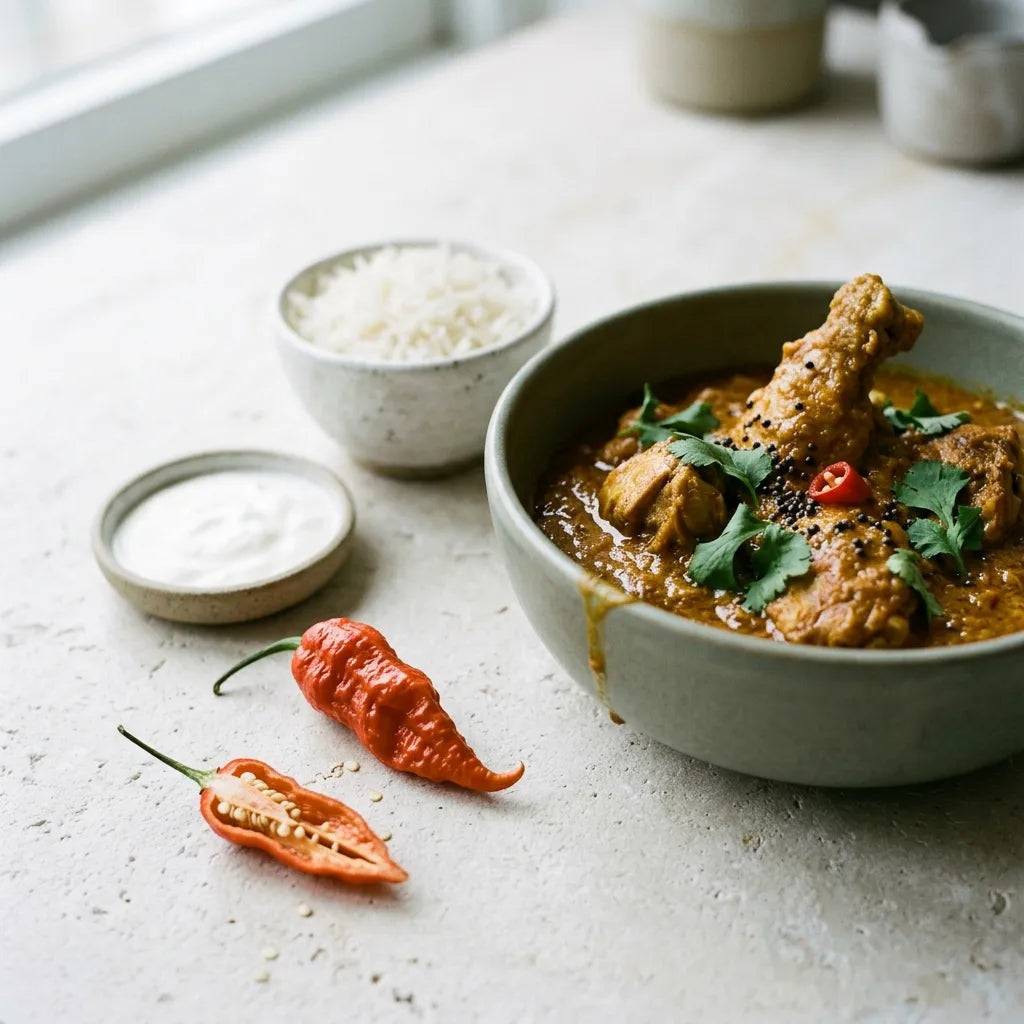
Bhut Jolokia pepper, ghost pepper, ghost pepper, naga jolokia: grown in Assam and Nagaland in northeastern India, it officially held the title of the world's hottest pepper from 2007 to 2011, before being surpassed by even more extreme varieties. Averaging around 900,000 Scoville units, it remains near the top of the global rankings—a pepper that is not cooked with, but carefully dosed.
Characteristics:
-
Extreme heat: approximately 900,000 Scoville units on average, with peaks measured above one million—twenty to thirty times hotter than a cayenne pepper.
-
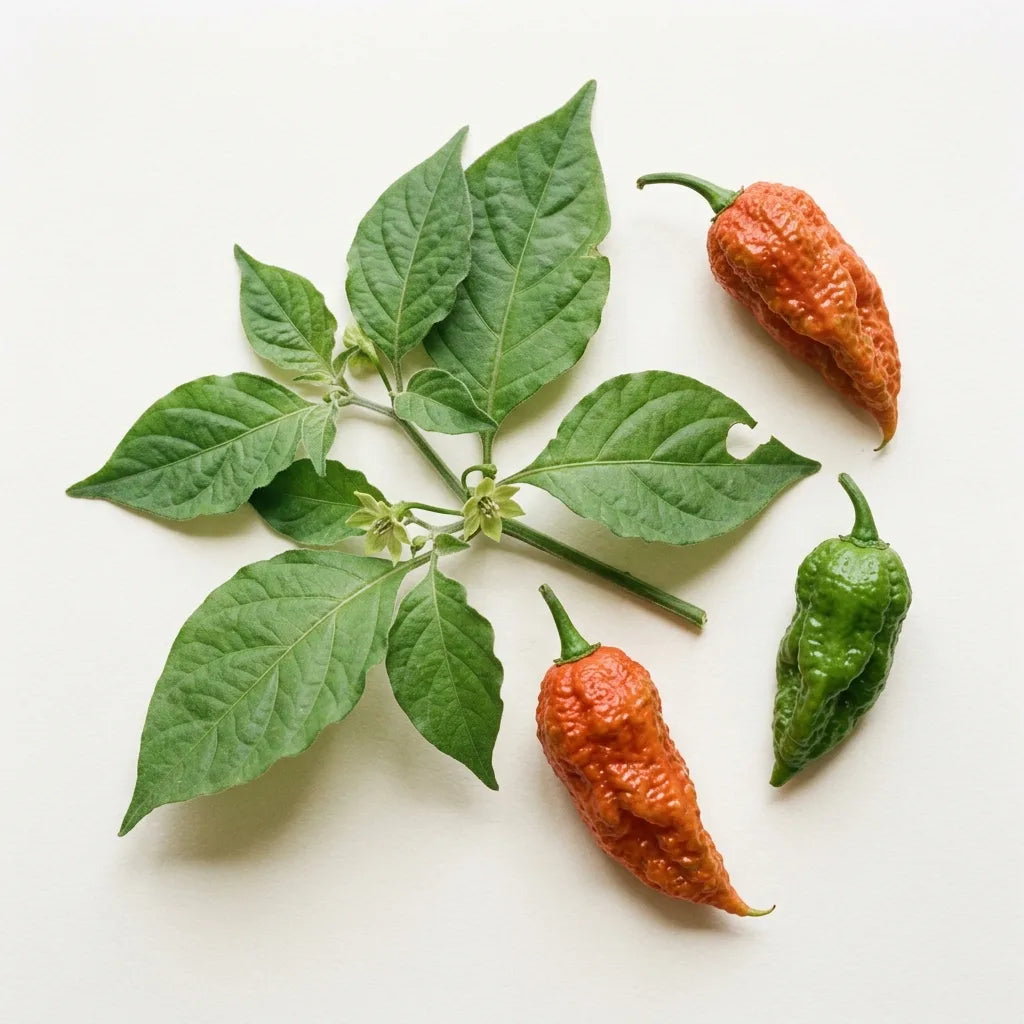
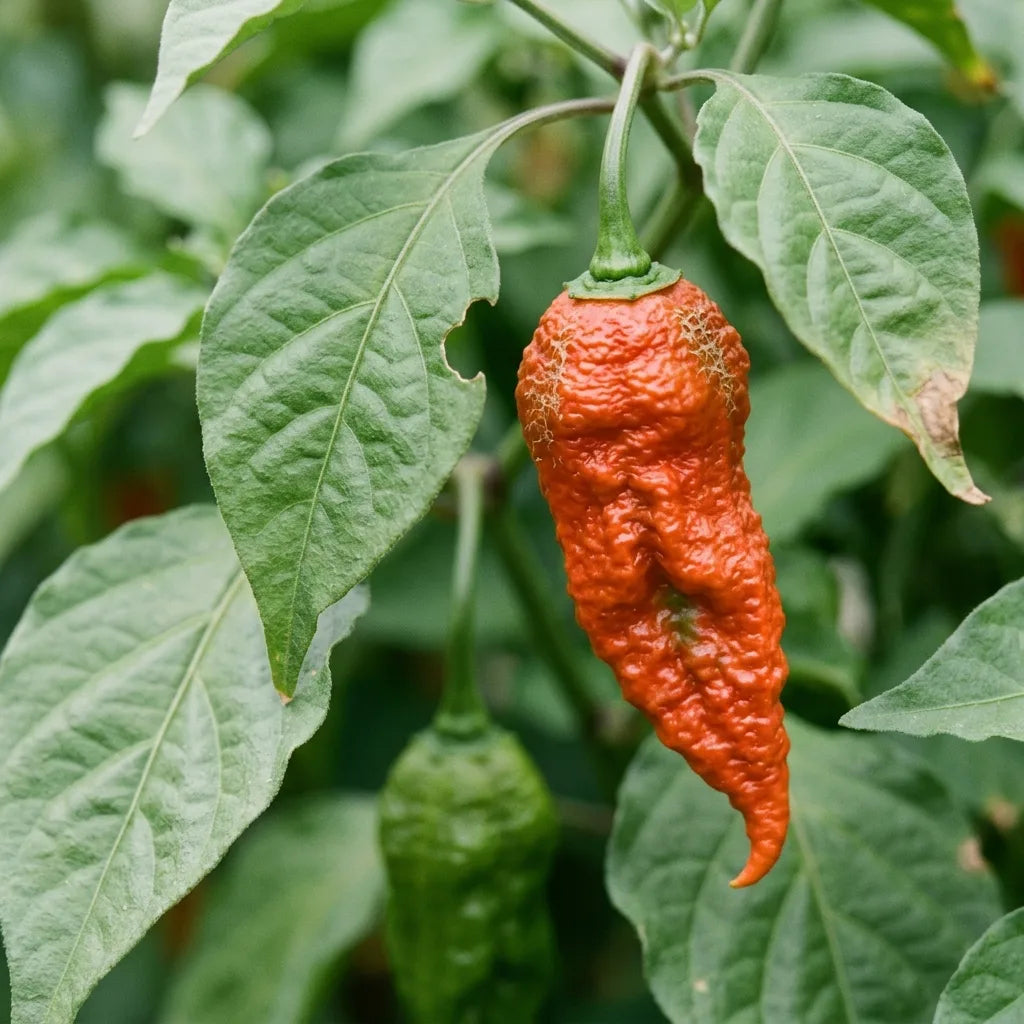
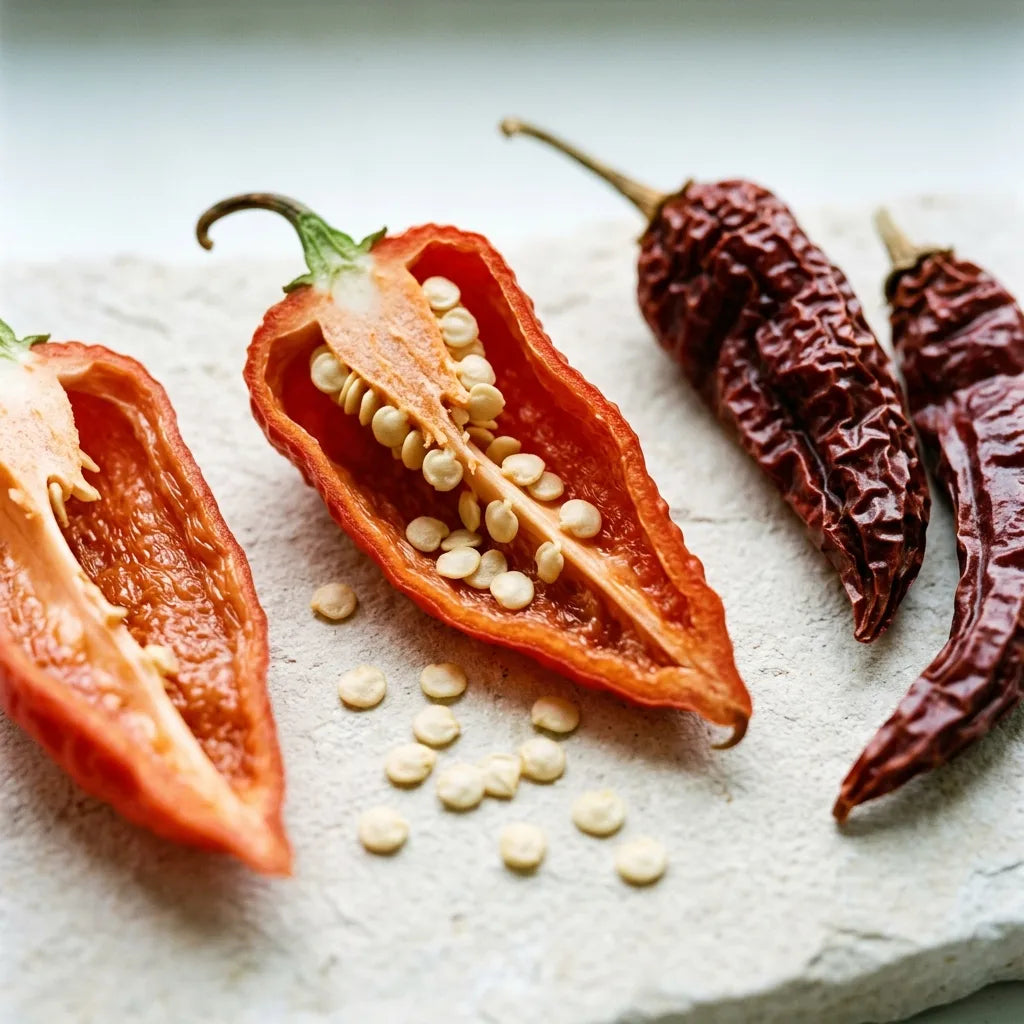
Wrinkled fruits: 6 to 8 cm long, with characteristic wrinkled skin, changing from green to orange-red.
-
Delayed heat: a distinctive feature of the variety—the burning sensation builds gradually over 30 to 45 seconds, then lingers for a long time.
-
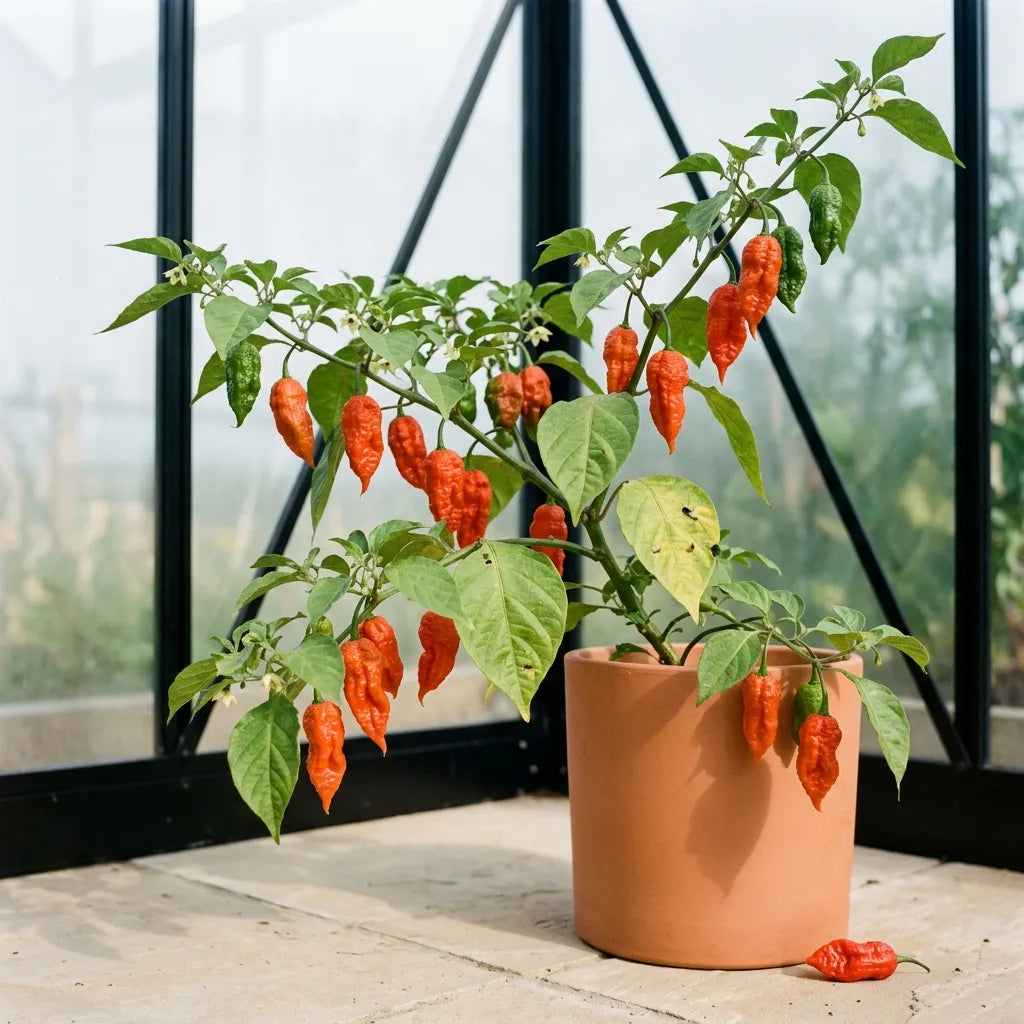
Can be grown in pots: allowing it to be brought indoors in autumn and grown for several years.
Precautions — must be read before handling:
-
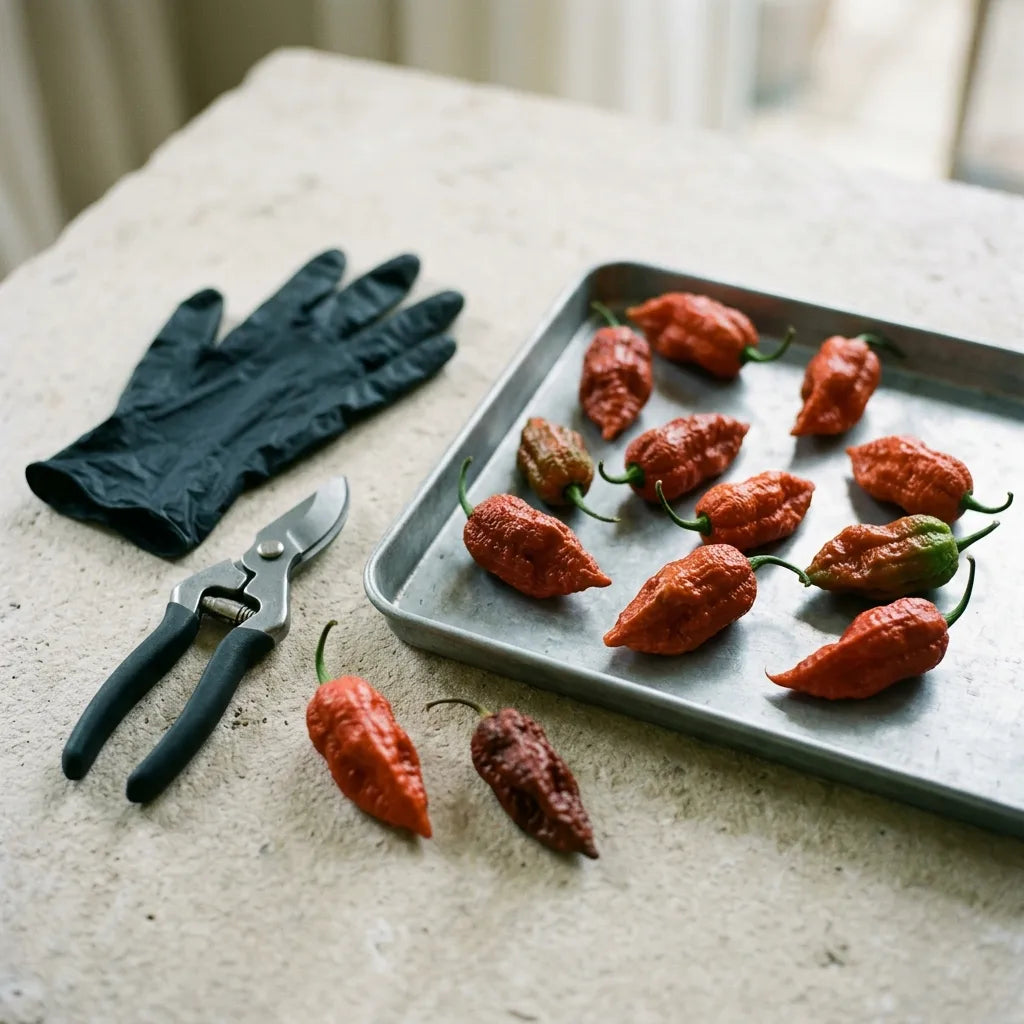
Wearing gloves is essential, for fresh and dried fruits as well as for the seeds. At this concentration, capsaicin causes genuine skin burns, and transfer to the eyes several hours later remains possible despite washing with water.
-
Never cut these fruits in an enclosed room. The vapors released are comparable to those from tear gas: open the windows, do not lean over them, and leave the room if you experience breathing difficulties.
- Wash your hands with soap and oil—capsaicin is fat-soluble, and water alone will not remove it.
-
Keep the fruits, seeds, and plants out of children's reach. Accidental ingestion at this level of heat is not harmless.
- In case of mouth burn: full-fat dairy, bread, or oil. Never water, which only spreads the capsaicin.
- Dose by a fraction of a fruit—never use a whole fruit. The tip of a knife is enough for a family-sized dish.
Sowing advice:
-
Exposure: full sun, in a warm, sheltered spot. In cool climates, growing in pots or under glass is strongly recommended.
-
Soil: rich, loose, and well-drained, enriched with mature compost. It does not tolerate standing water.
-
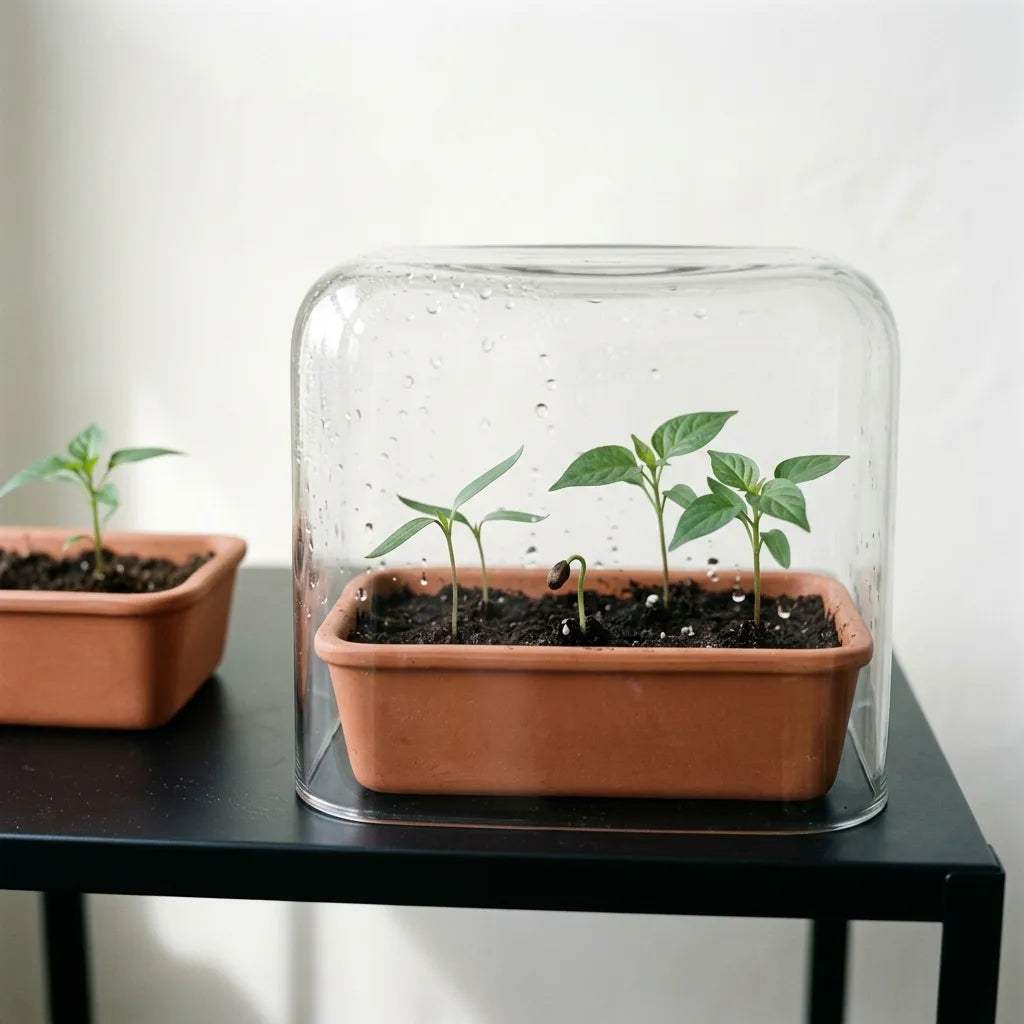
Method: sow indoors from February, at 28-30 °C. This is the critical point: this variety germinates very slowly and poorly below 25 °C—allow three to four weeks, sometimes longer. A heating mat makes all the difference. See how to sow seeds.
Planting advice:
- Transplant when nighttime temperatures remain above 14 °C, spacing plants 50 cm apart. Unlike tomatoes, do not bury the stem: a buried crown will rot.
- Its growing cycle is long—allow 120 to 150 days before the first fruits ripen. Growing it in a large pot makes it possible to bring the plant indoors and secure the harvest.
Care advice:
- Water regularly at the base, without excess. Mulch to maintain soil moisture.
- A slight water deficit at the end of the growing cycle further increases capsaicin content—something to approach with caution for this variety.
- Bring the pot indoors before frost: the pepper is perennial and produces earlier and more abundantly in its second year.
Harvesting advice:
- Harvest with pruning shears and wear gloves when the fruits are fully orange-red and wrinkled.
- They can be dried, frozen whole, or made into sauce. Label every container very clearly: an unidentified jar of Bhut Jolokia is an accident waiting to happen.
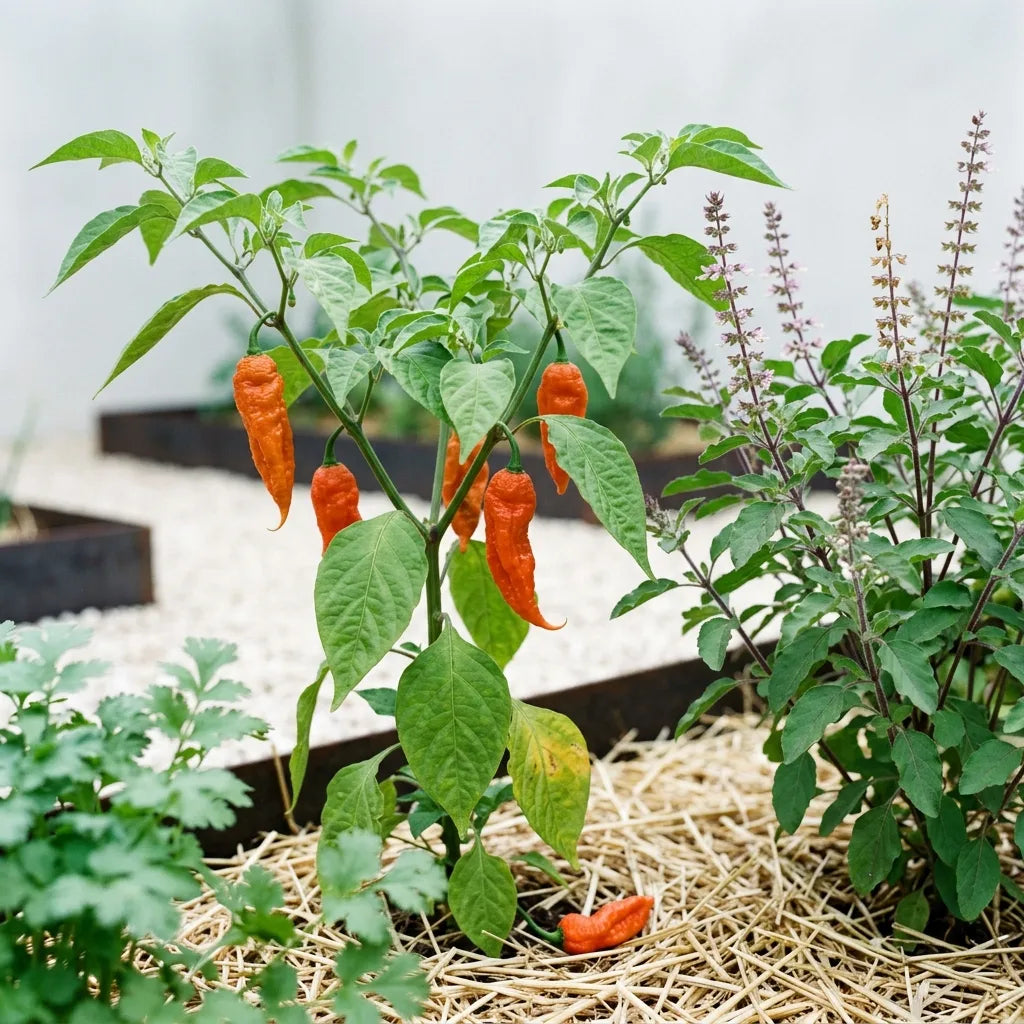
Beneficial companion plants:
Benefits for biodiversity:
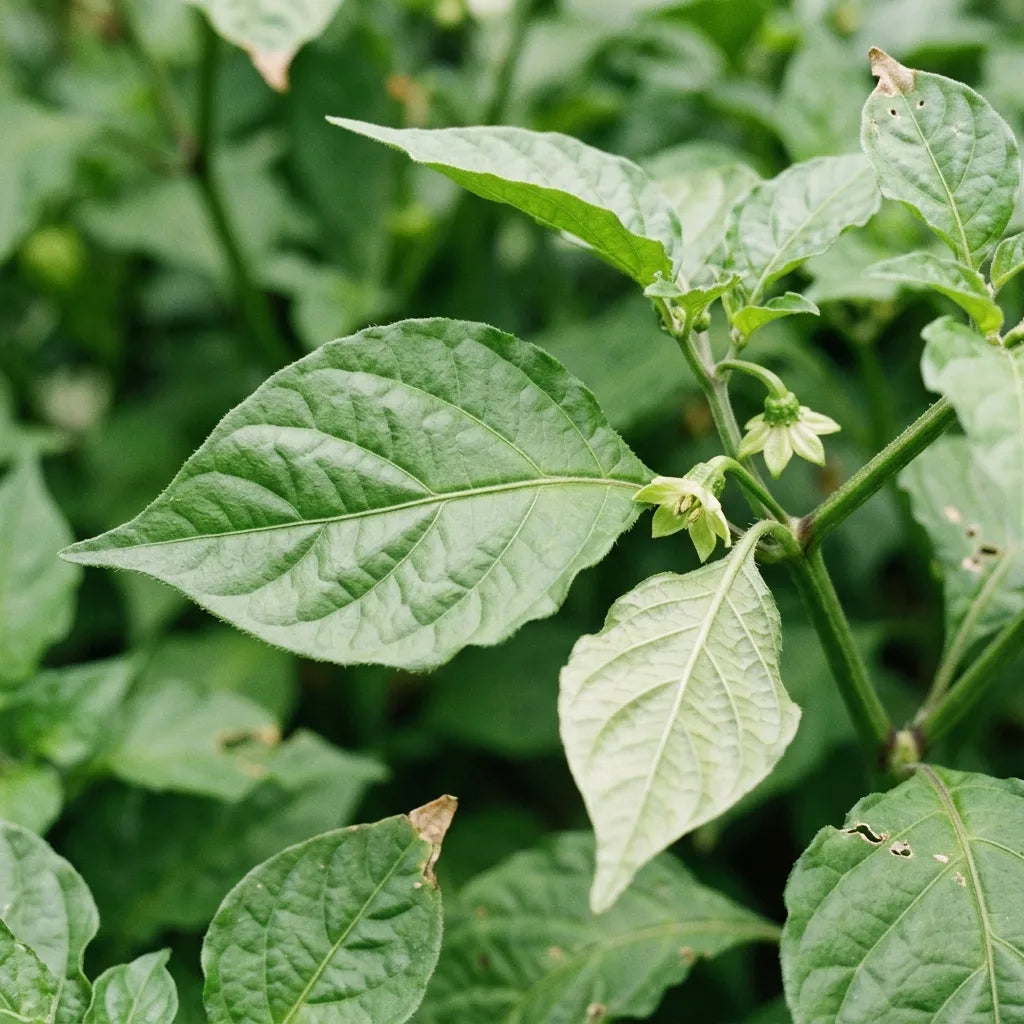
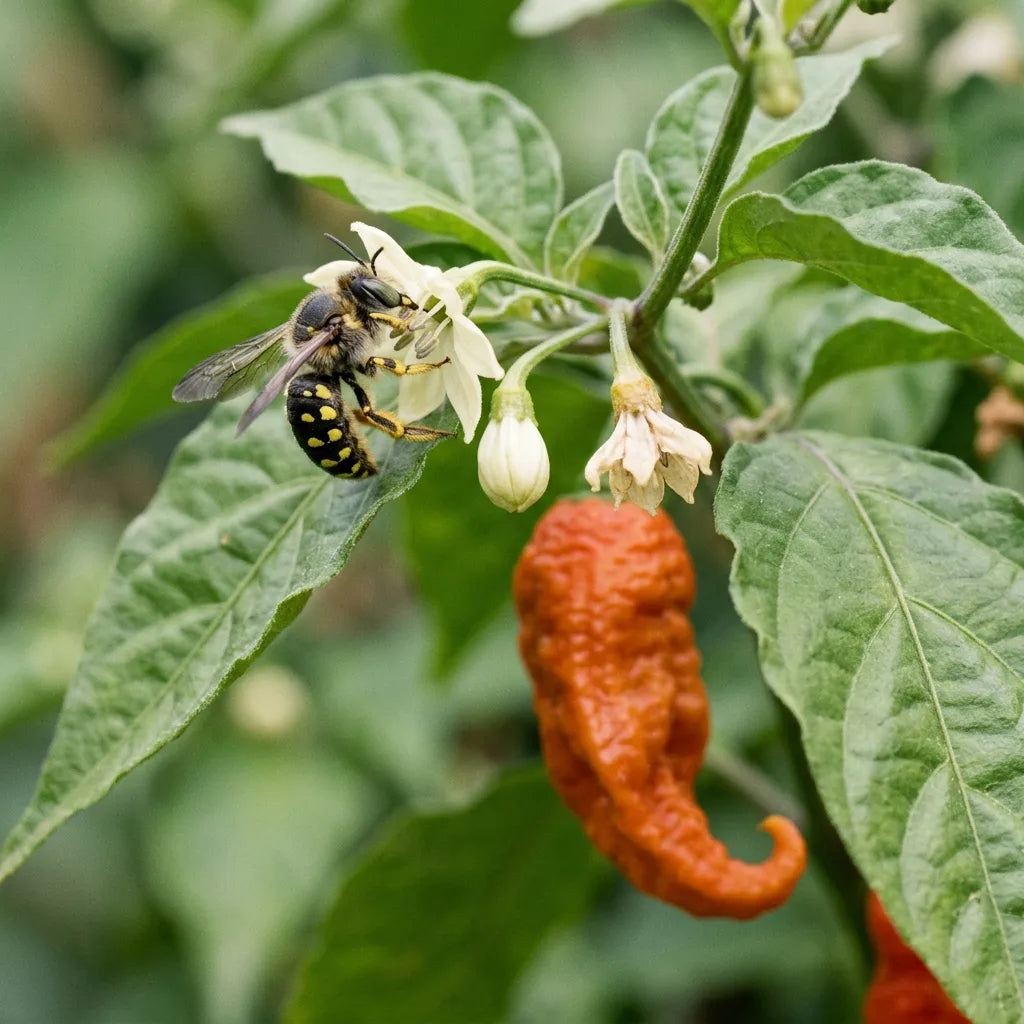
- Its small white flowers are visited by honeybees, solitary bees, and bumblebees throughout the summer.
- A traditional variety from Assam and Nagaland, still rare in Europe: growing it and saving its seeds helps preserve a distant vegetable-gardening heritage. See our rare and unusual seeds.
Uses:
- Homemade hot sauces, northeastern Indian curries, oils, and pickles. Always use only a fraction of a fruit. It is also used in competition hot sauces, where its delayed heat creates the full effect.
Saving your own seeds:
Open a fully ripe fruit while wearing gloves, in a well-ventilated room, remove the seeds, and dry them flat. Be careful: peppers cross-pollinate easily between nearby varieties, so isolate your seed plant. Label the packet unambiguously. See saving your seeds.
Commitment to Quality: at SemiSauvage - Permaculture, we grow and select our seeds with respect for living things as our guiding principle. Based near the Auvergne volcanoes, we choose open-pollinated, non-hybrid varieties, tested for germination rates, carefully sorted and packaged, with no chemical treatment. Our belief: to give gardeners back the ability to resow, year after year, seeds that truly belong to them.
The ghost pepper from Assam: grow with care, and dose accordingly.