Tetragonia tetragonioides
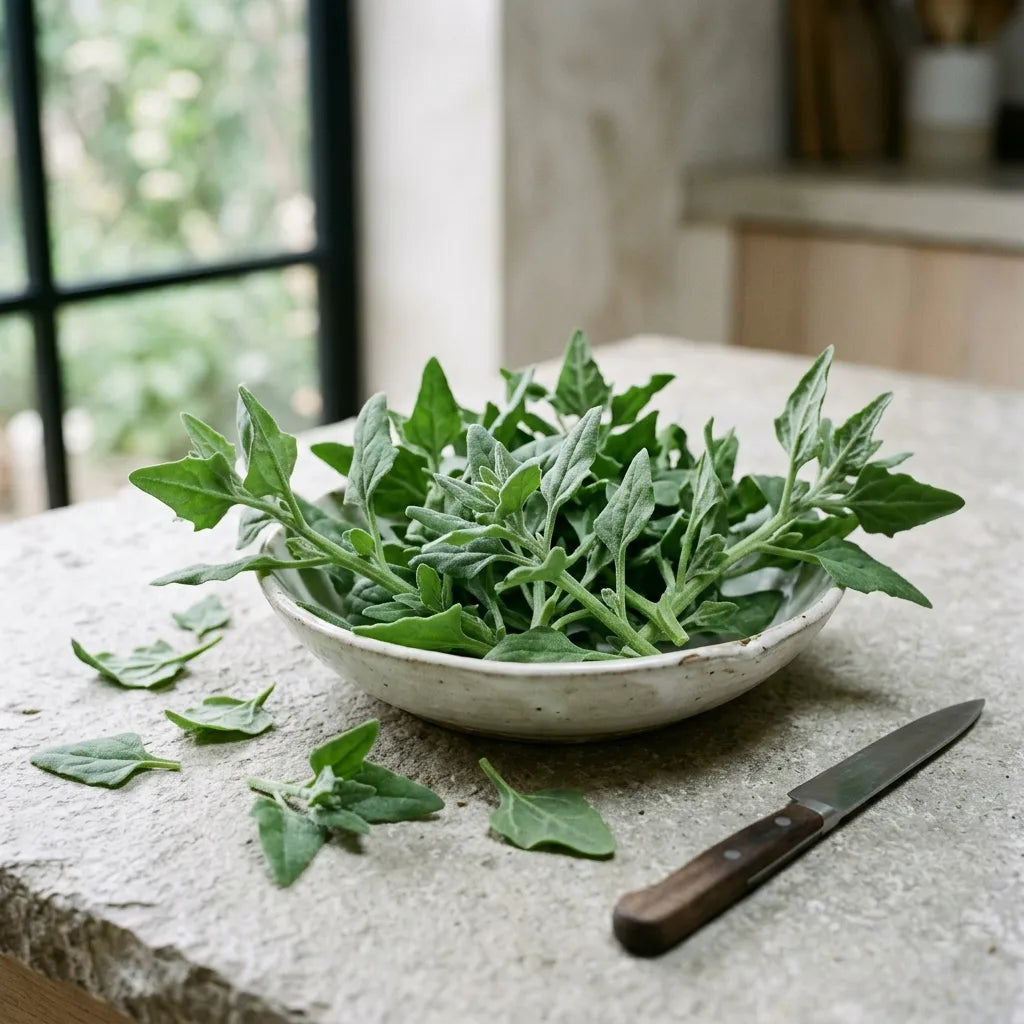
New Zealand spinach, sea spinach, Botany Bay spinach: brought back from the Pacific by Cook’s expedition in the 18th century, it solves spinach’s main problem—spinach goes to seed as soon as the first warm weather arrives, whereas this plant thrives in midsummer. Two botanically unrelated plants, but with a very similar taste.
Characteristics:
-
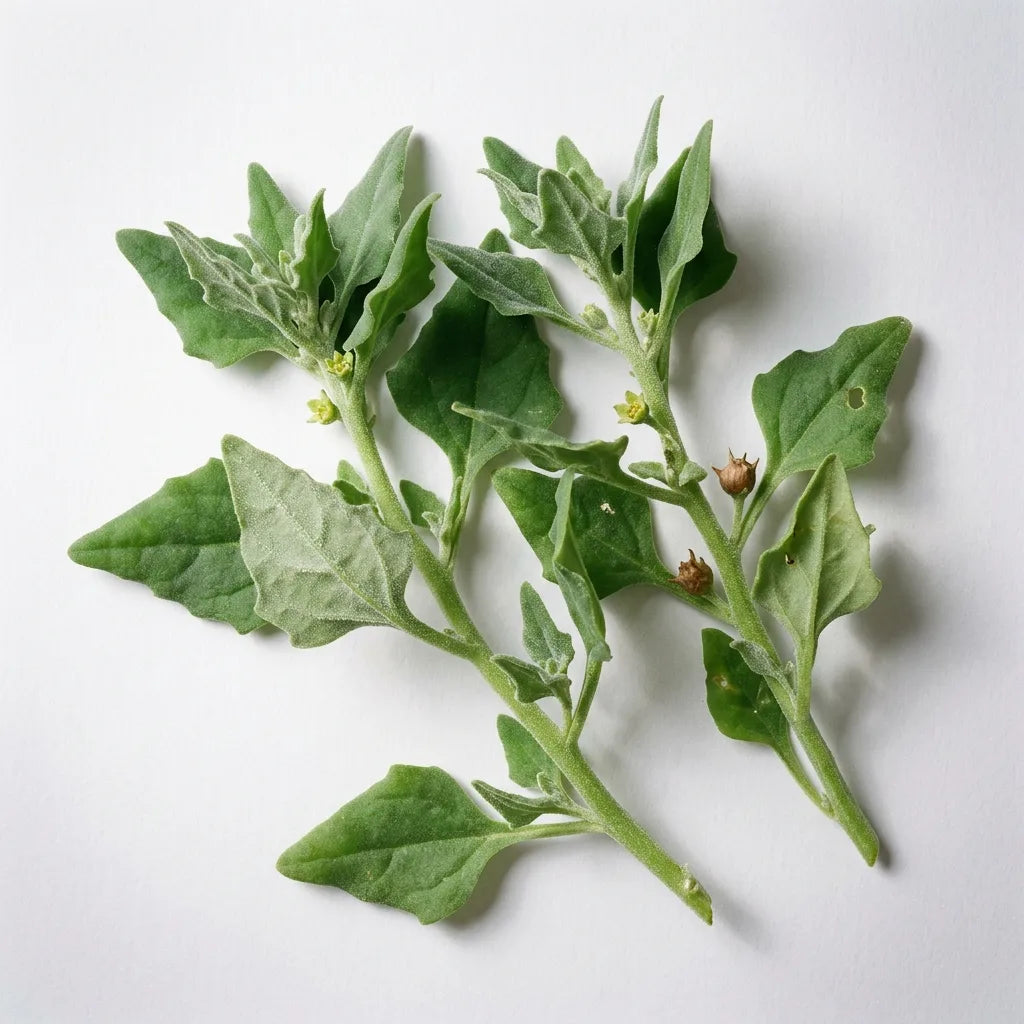
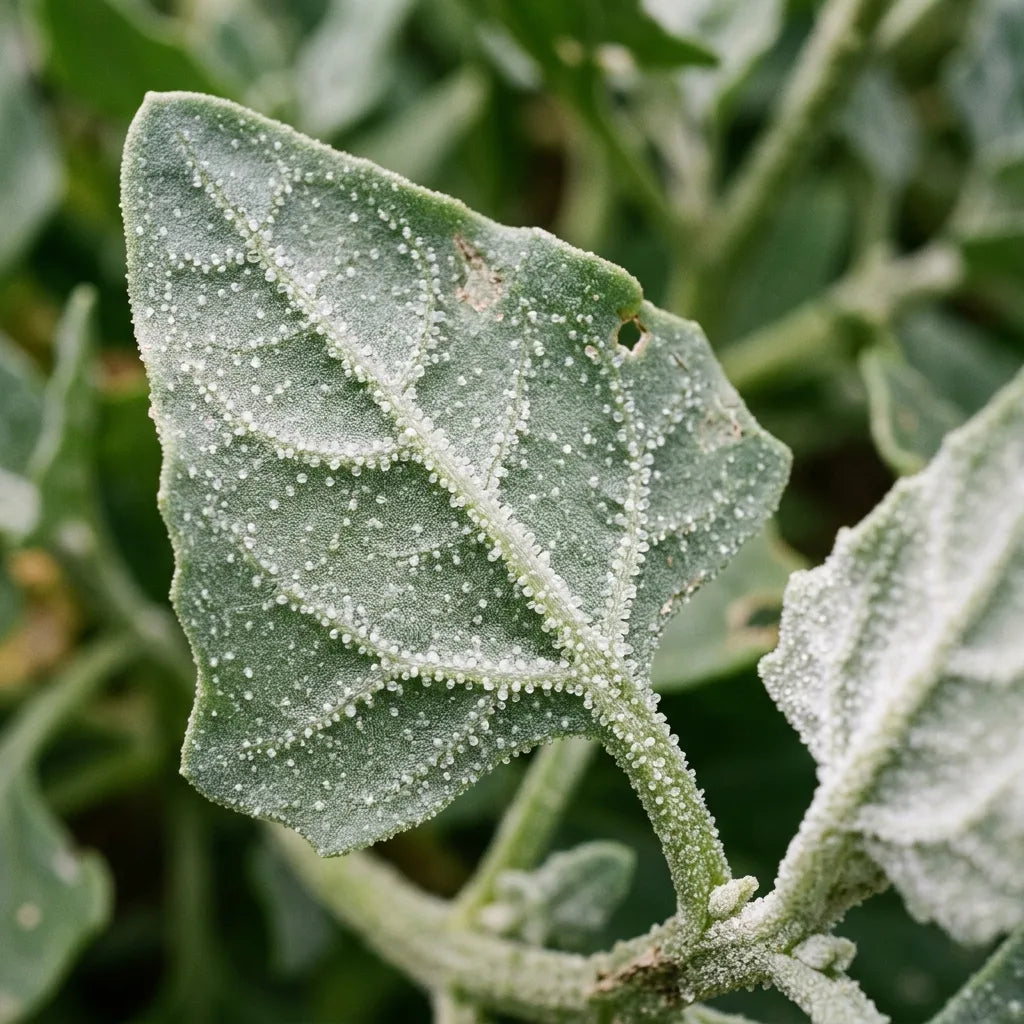
Fleshy, triangular leaves: up to 15 cm long, thick and tender.
-
Heat-resistant: it produces throughout the summer, when spinach has already gone to seed.
-
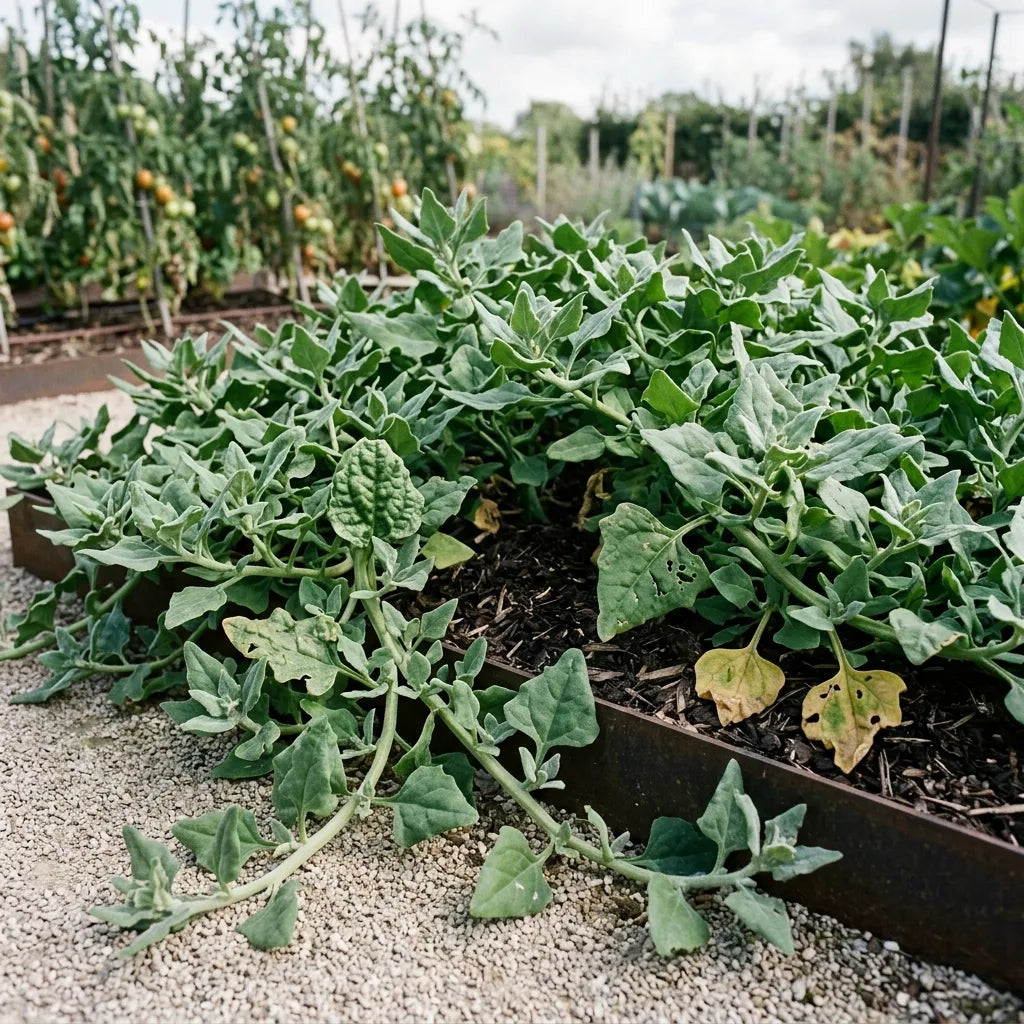
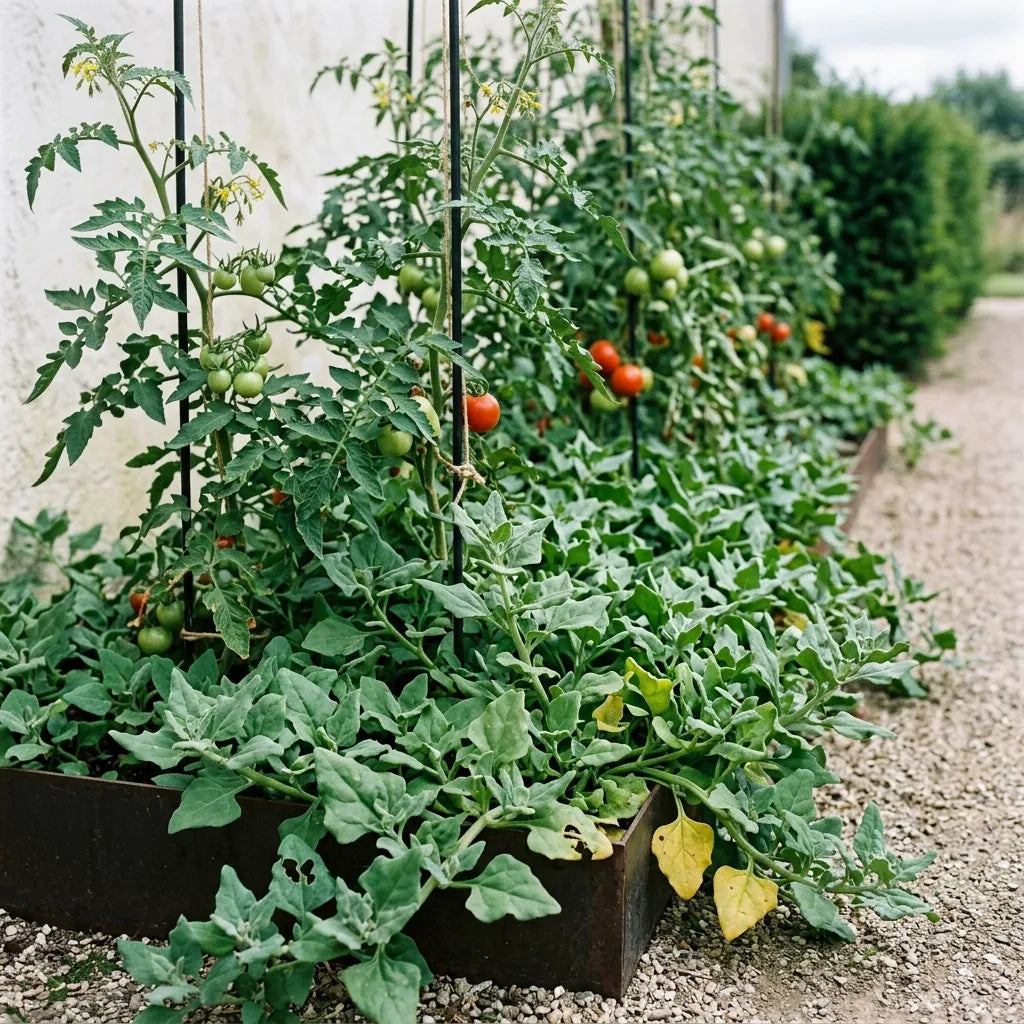
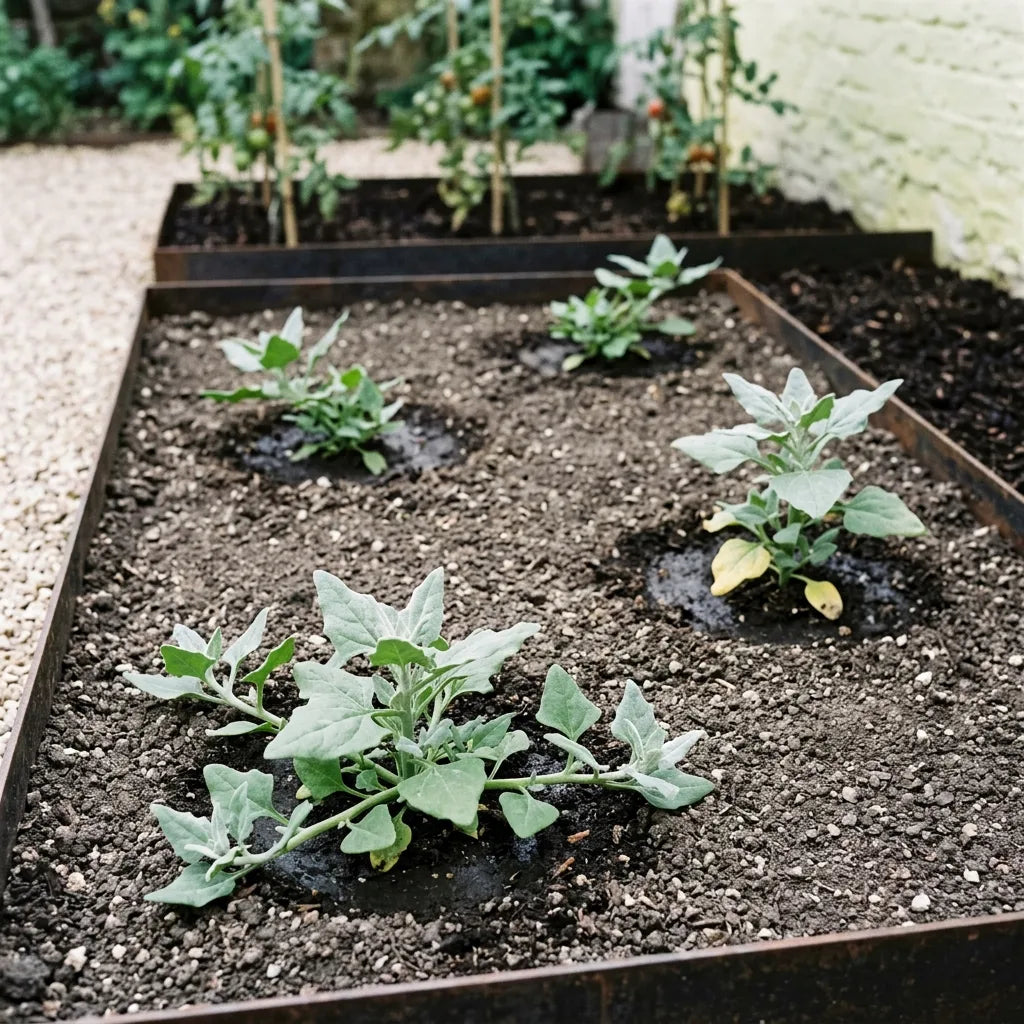
Spreading habit: its trailing stems reach 1 metre, forming a productive ground cover.
-
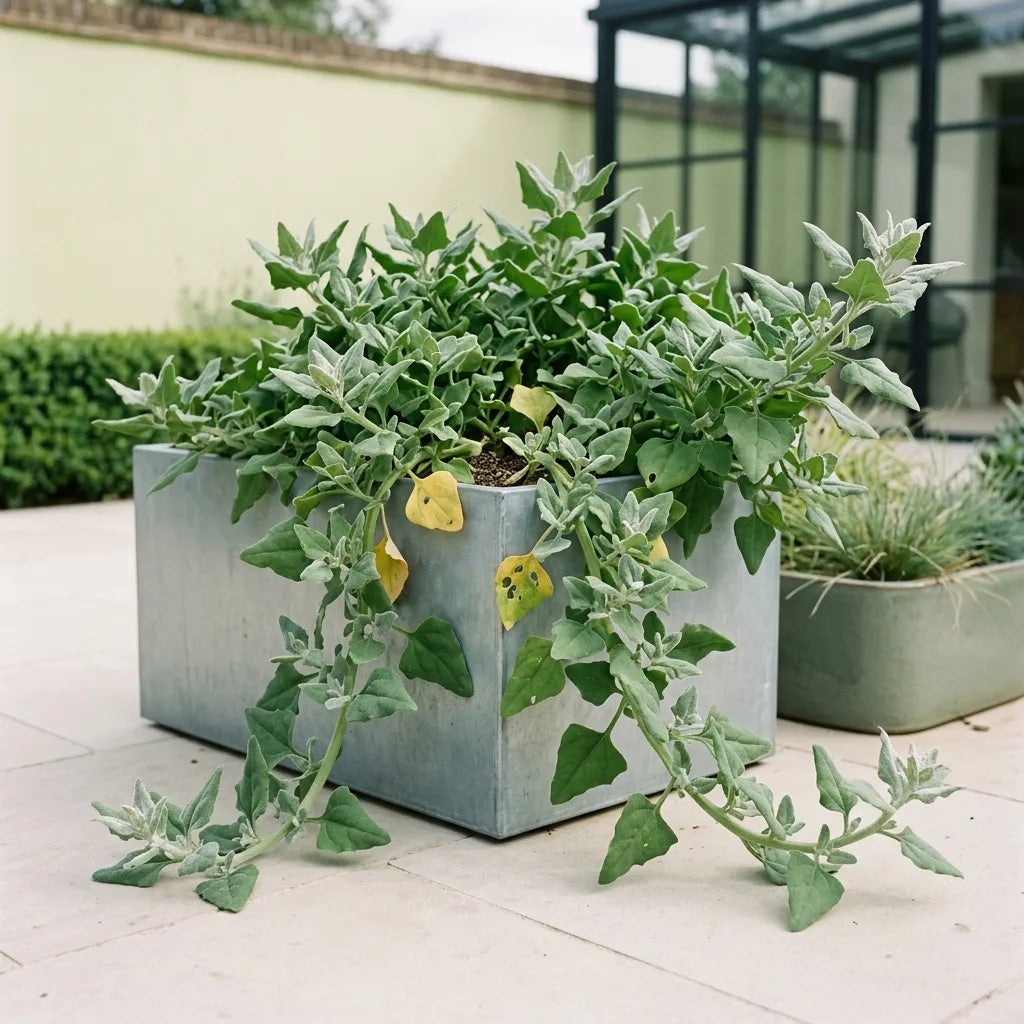
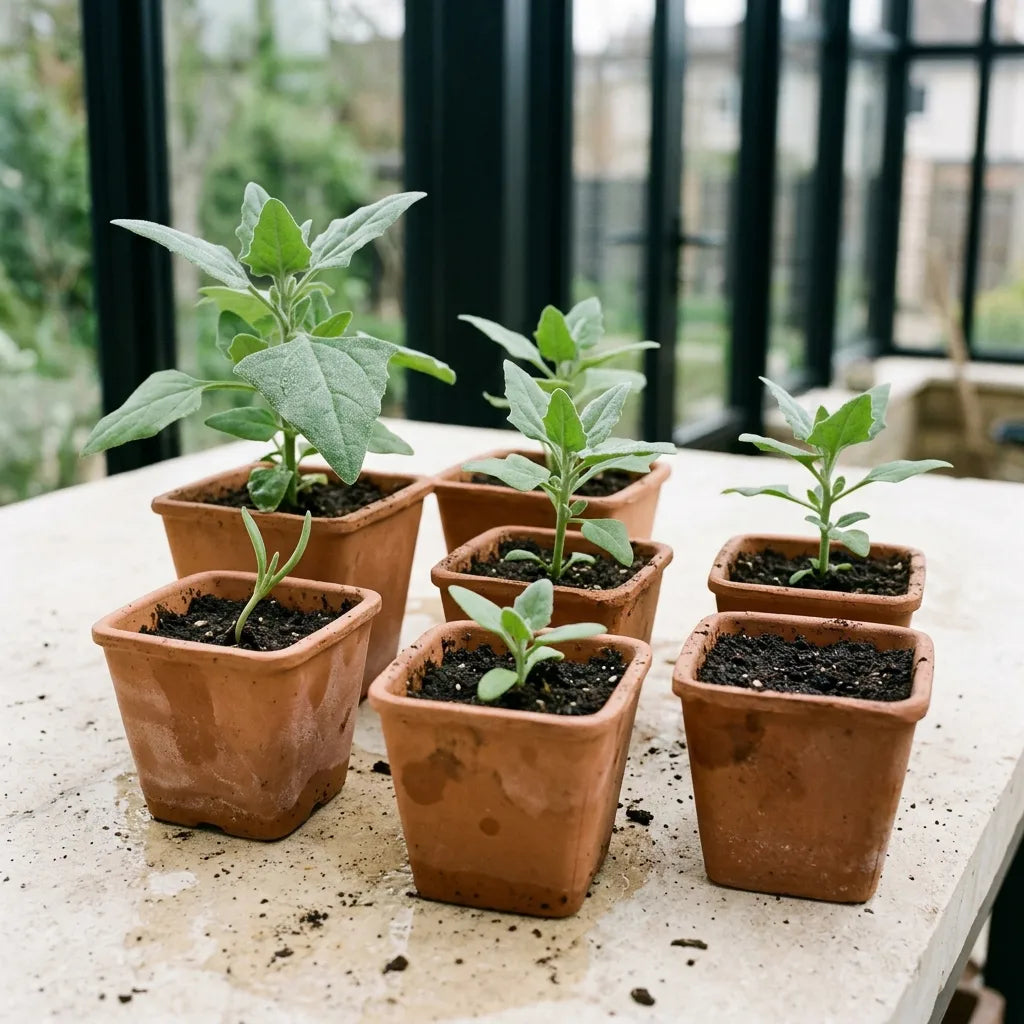
Suitable for growing in pots: it grows very well in a large container on a terrace.
Precautions:
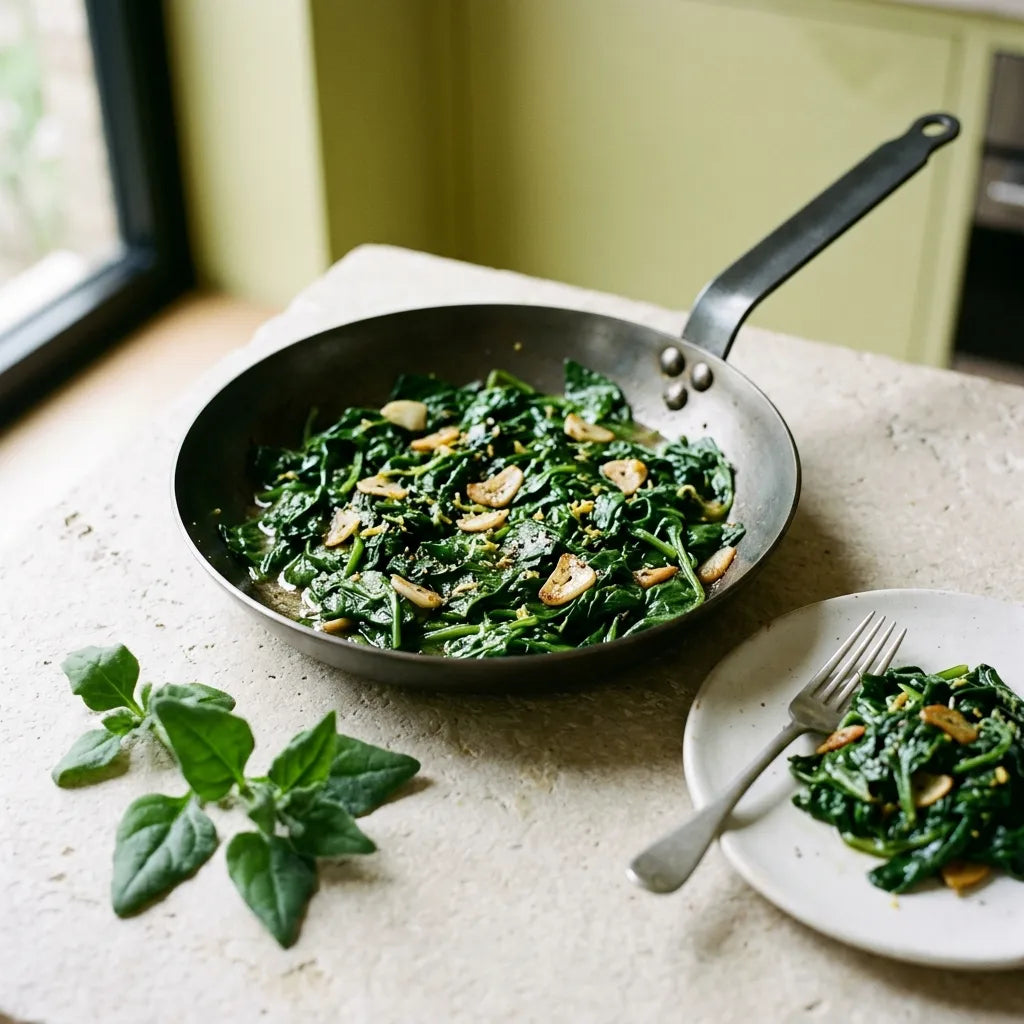
- Like spinach and sorrel, its leaves contain oxalates: blanch them for one to two minutes in boiling water before cooking, then discard the water. Avoid eating large quantities raw.
- Frost-tender plant, destroyed by the first frosts.
Sowing advice:
-
Position: sunny and warm.
-
Soil: rich in humus, moist, light and slightly acidic. It tolerates saline soils well, a legacy of its coastal origins, and withstands drought once established—but regular watering keeps its leaves tender.
-
Method: its seeds have a very hard, corky coating. Soak them for 24 to 48 hours in lukewarm water before sowing, otherwise germination will be erratic. Sow from March under cover, or directly outdoors after the frosts, at a depth of 2 cm. See how to sow seeds.
Planting advice:
- Transplant after the frosts, spacing plants at least 60 cm apart: it spreads much more than you might expect.
Care advice:
- No special care is required. Pinch out the stem tips to encourage branching and increase the number of young shoots.
Harvesting advice:
- Harvest only the young terminal shoots, about 10 cm long, throughout the summer. The more you harvest, the more the plant branches and produces.
Beneficial pairings:
Benefits for biodiversity:
- Its dense, trailing foliage effectively covers the soil, limits weeds and provides shelter for ground beetles and beneficial insects in midsummer.
- Its salt tolerance makes it possible to grow a leafy vegetable in coastal areas where few species thrive.
Uses:
Saving your own seeds:
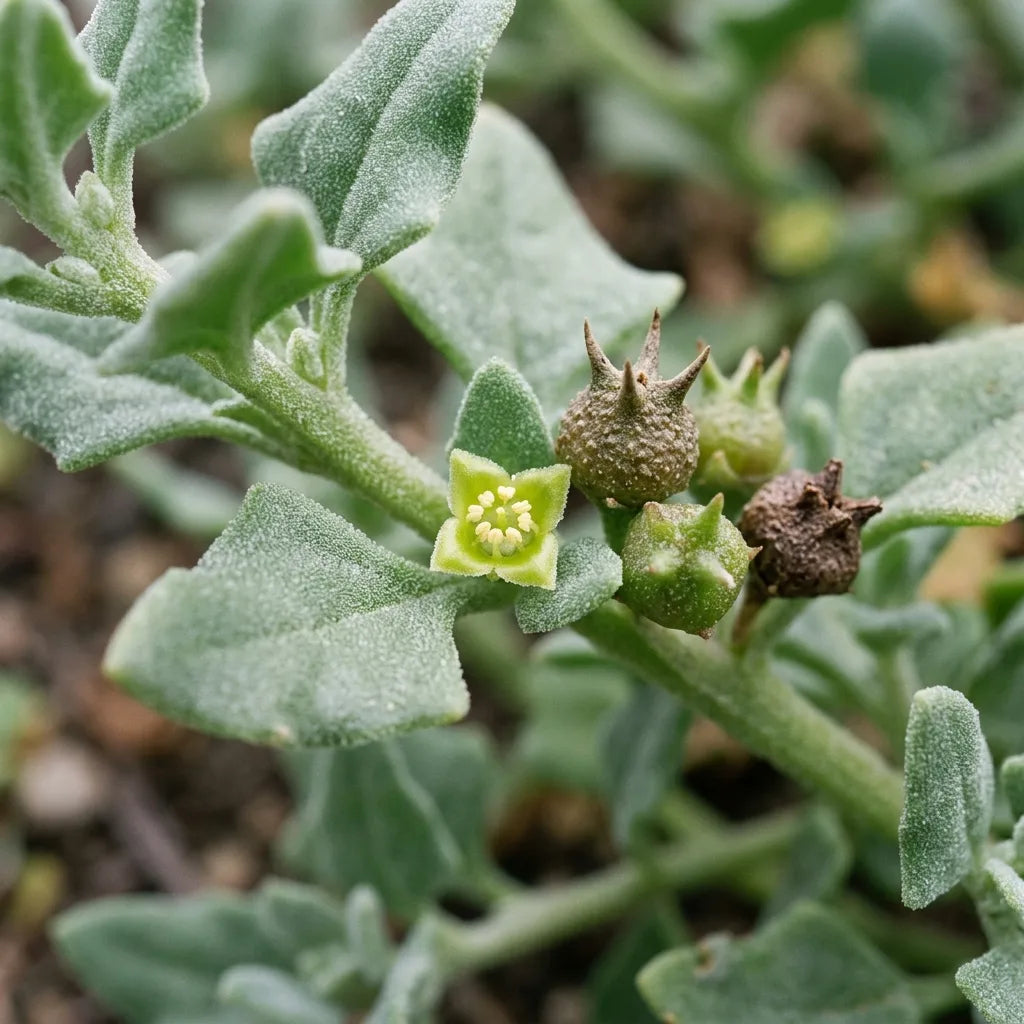
Let a few woody, horned fruits form in the leaf axils—they are what give New Zealand spinach its common name—and harvest them once dry. New Zealand spinach also readily self-seeds from one year to the next. See saving your seeds.
Commitment to Quality: at SemiSauvage - Permaculture, we grow and select our seeds with respect for living organisms as our guiding principle. Based near the Auvergne Volcanoes, we choose open-pollinated, non-hybrid varieties, tested for their germination rate, carefully sorted and packaged, with no chemical treatment. Our belief: to restore gardeners’ ability to resow, year after year, seeds that truly belong to them.
The spinach that doesn’t bolt: your midsummer leafy vegetable.