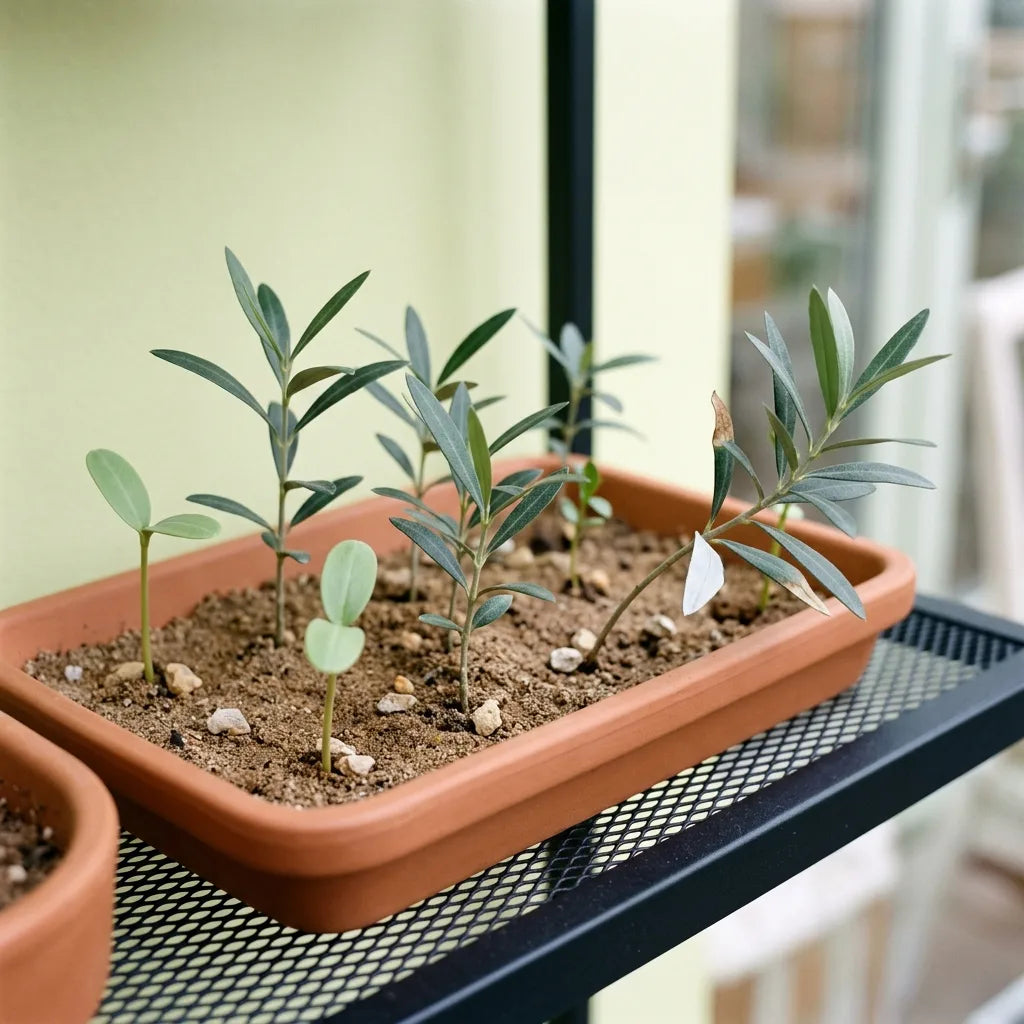
Olea europaea subsp. sylvestris
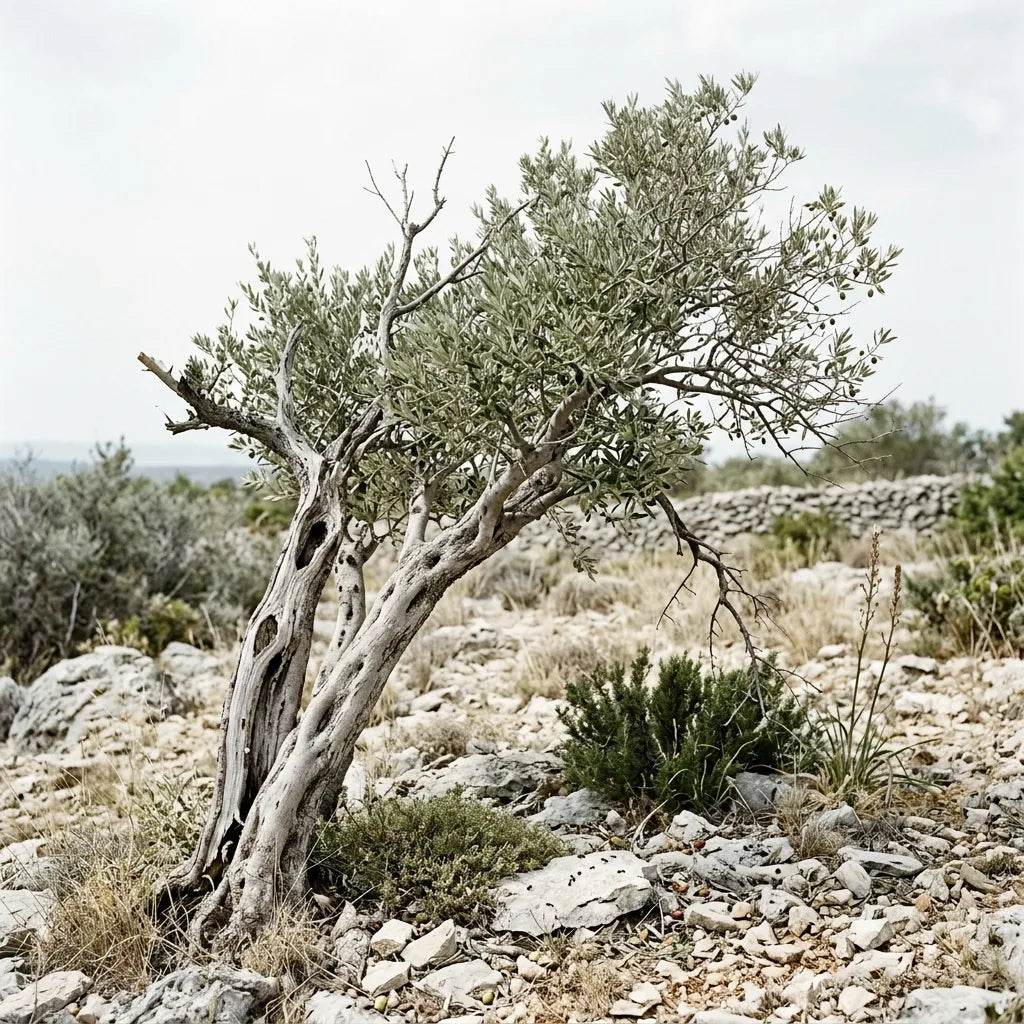
Wild olive, bastard olive, wild olive tree, sylvan olive: this is the Mediterranean ancestor of the cultivated olive tree, and it remains its traditional rootstock. Hardier, thornier, and more frugal than its domesticated descendant, it embodies the resilience of dry, rocky landscapes—and its ability to regrow from the stump after a fire makes it a symbol of rebirth.
Characteristics:
-
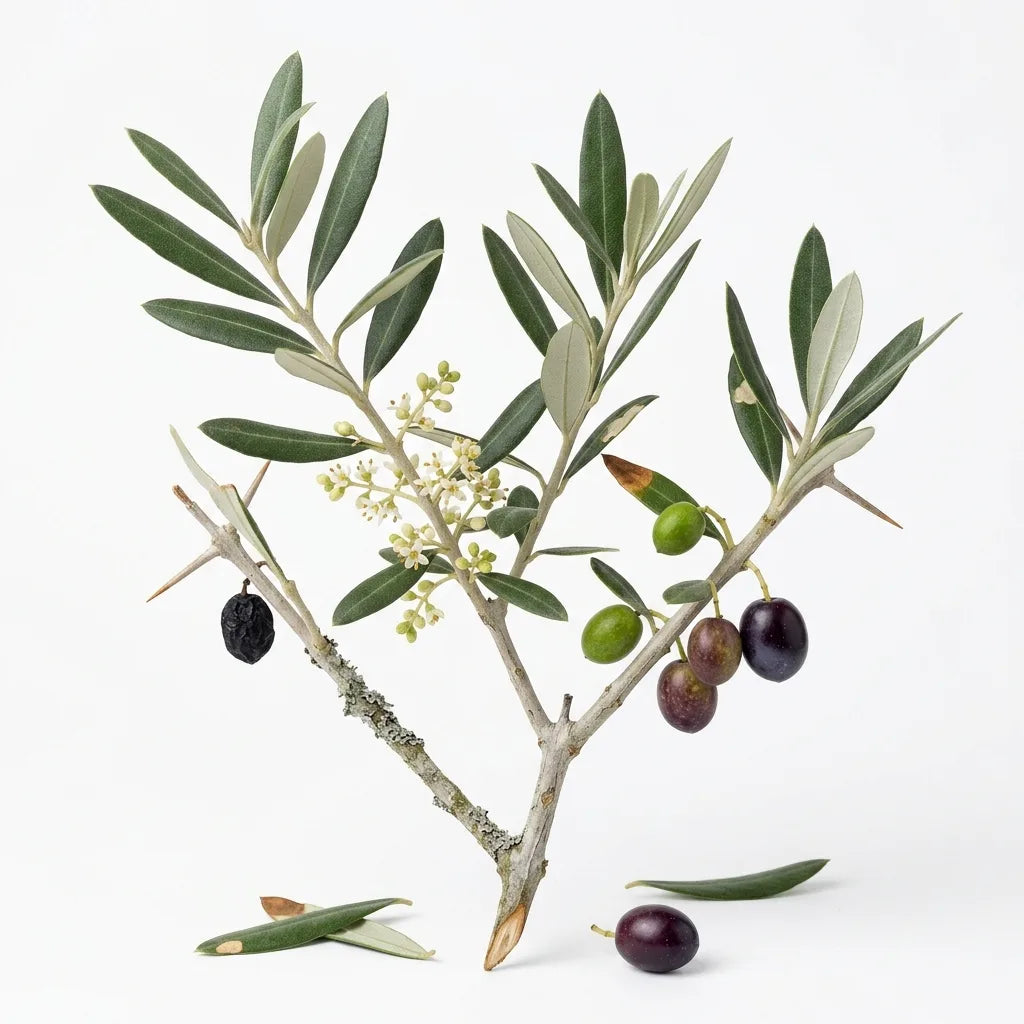
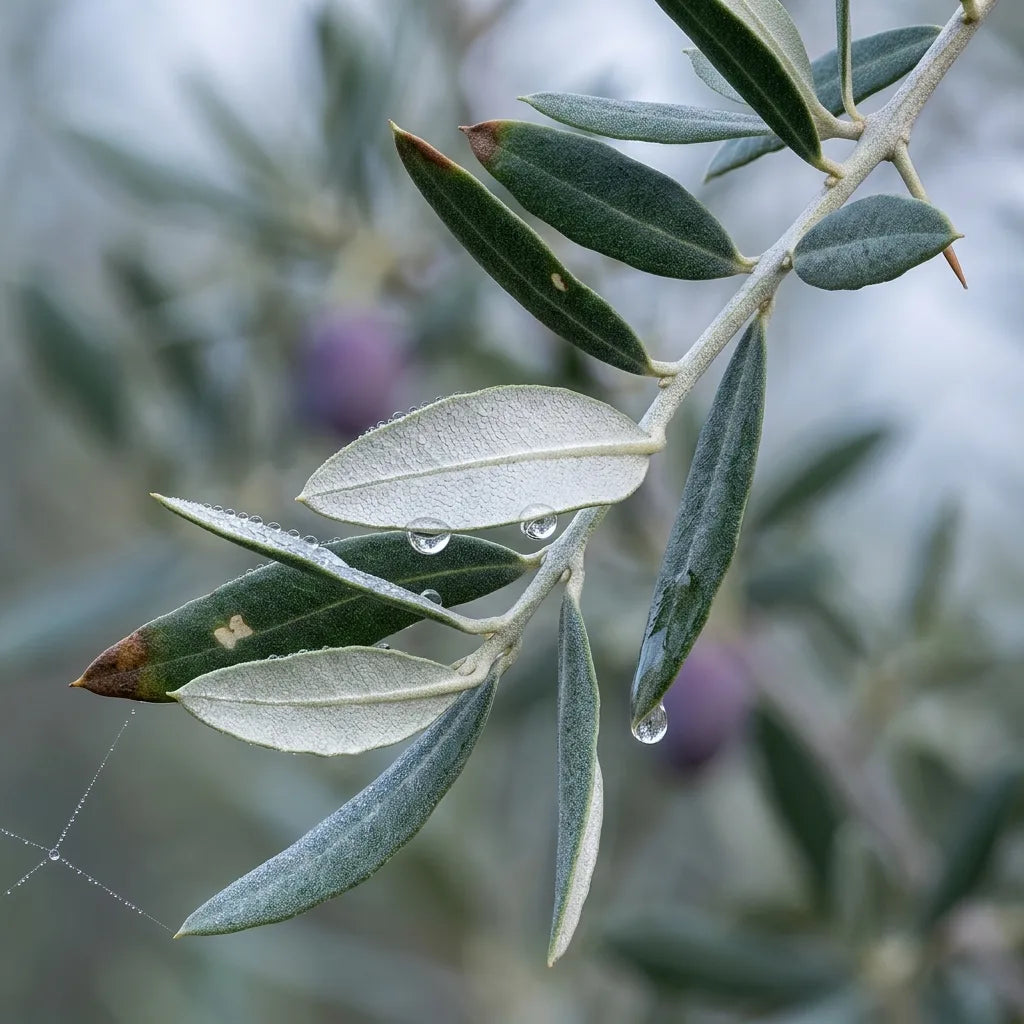
Evergreen silvery foliage: a small tree with a naturally sculptural shape, decorative all year round.
-
Thorny branches: a characteristic of the wild type, making it an excellent defensive hedge.
-
Exceptional longevity: it lives for centuries and thrives in soils where few trees can survive.
Precautions:
- Its branches bear real thorns: wear gloves when pruning it, and plan its location carefully if children spend time in the garden.
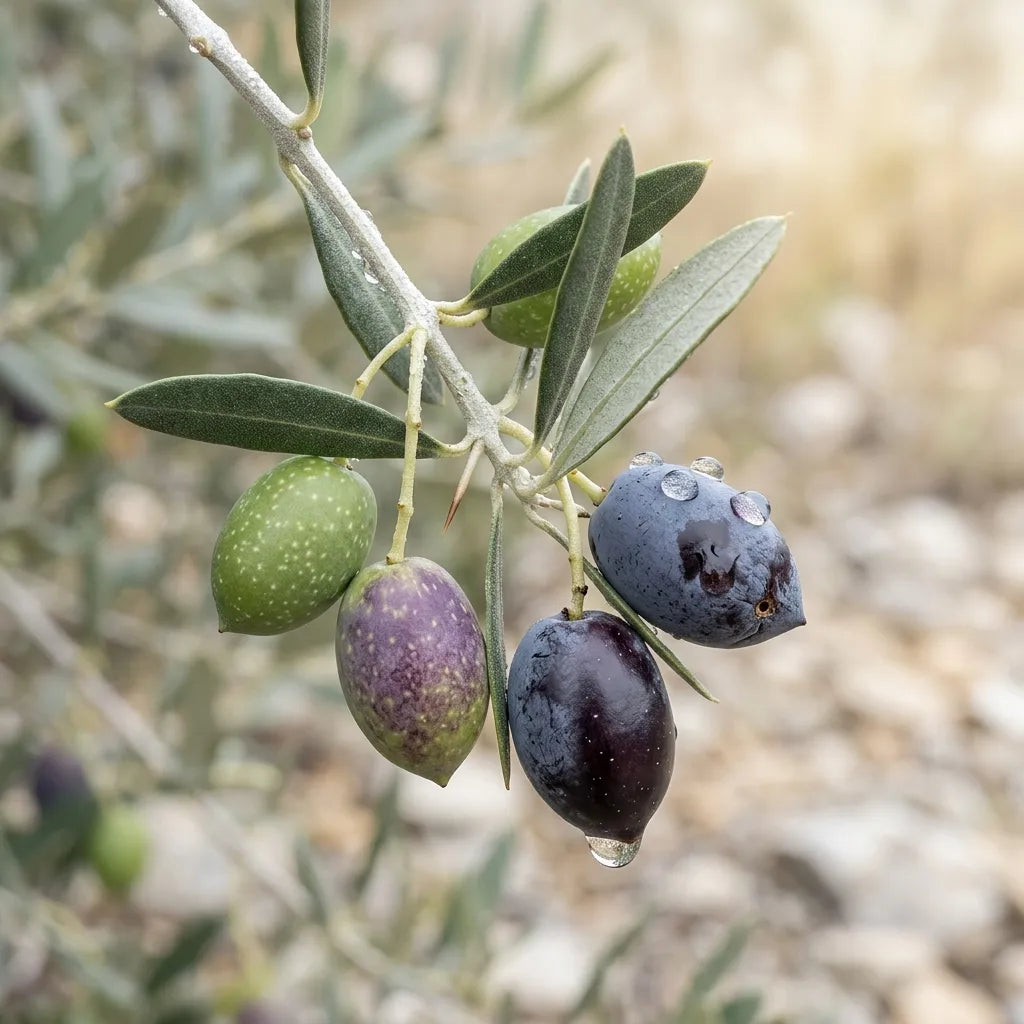
- Its olives are extremely bitter when raw and can only be eaten after several prolonged soaks in water or brine.
Sowing advice:
-
Exposure: full sun, without compromise.
-
Soil: dry, stony, alkaline, and poor, above all perfectly drained. This is a maquis tree: it fears excess moisture far more than drought, and stagnant water is fatal to it. Do not amend the soil.
-
Method: germination is slow and unpredictable. Cold stratification for 2 to 3 months (between 2 and 5 °C) is essential to break dormancy. Then sow in spring, in pots or directly in the ground, in a sandy or stony, well-draining substrate, at a depth of about 1 cm. Be patient.
Care advice:
- Water lightly, only during the first few years. Hardy down to -10 °C once well established, it needs protection during its first winters in cool regions.
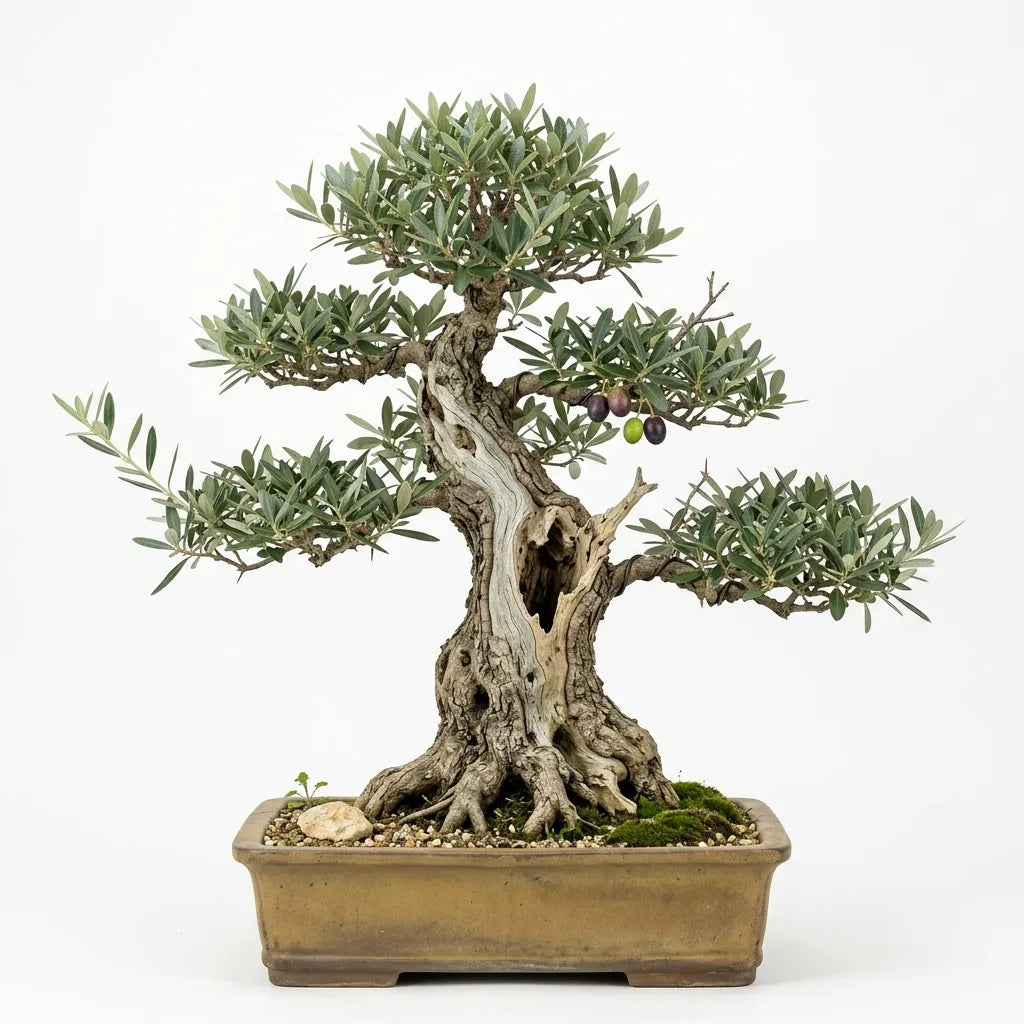
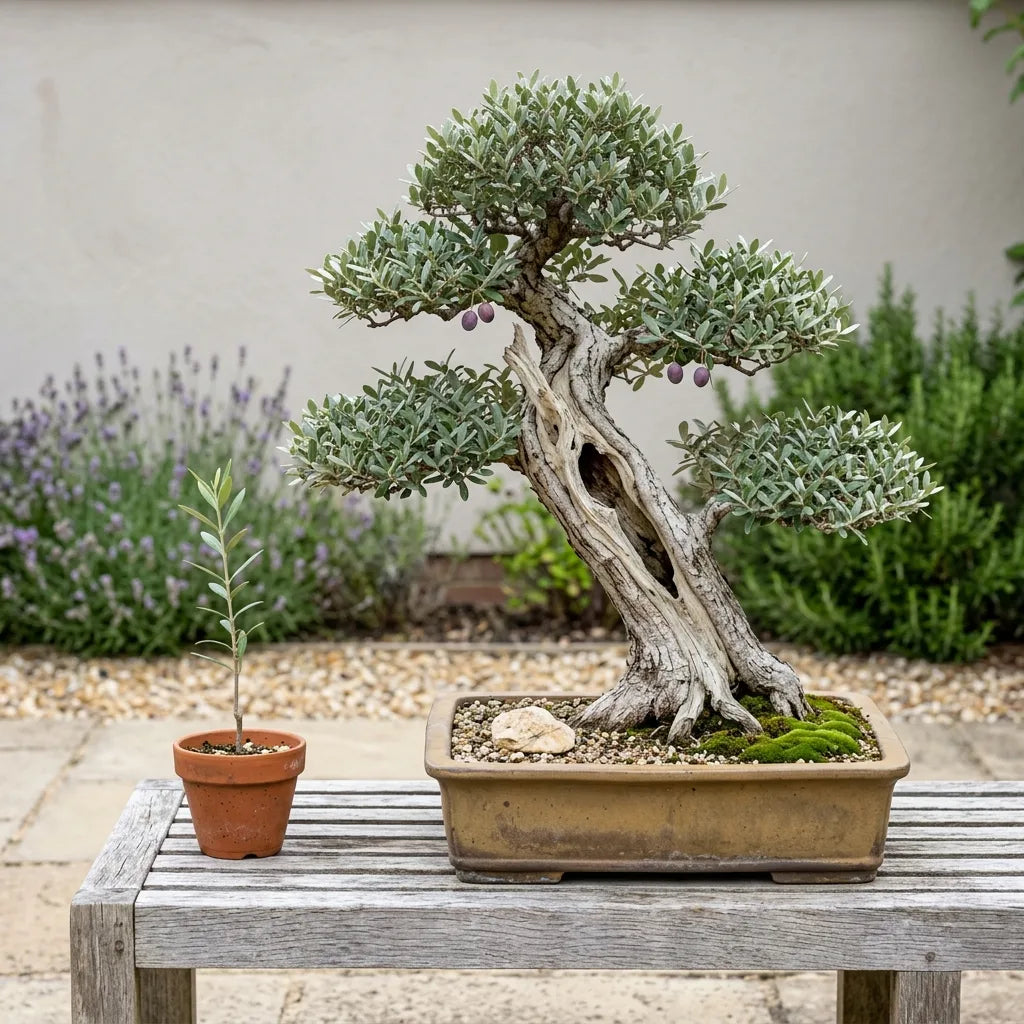
- Light pruning at the end of winter. It tolerates severe pruning very well and is remarkably suited to bonsai—see our guide creating a bonsai from a seed.
Beneficial pairings:
Benefits for biodiversity:
- Its thorny branches and evergreen foliage provide highly valued nesting shelter for songbirds, protecting them from predators.
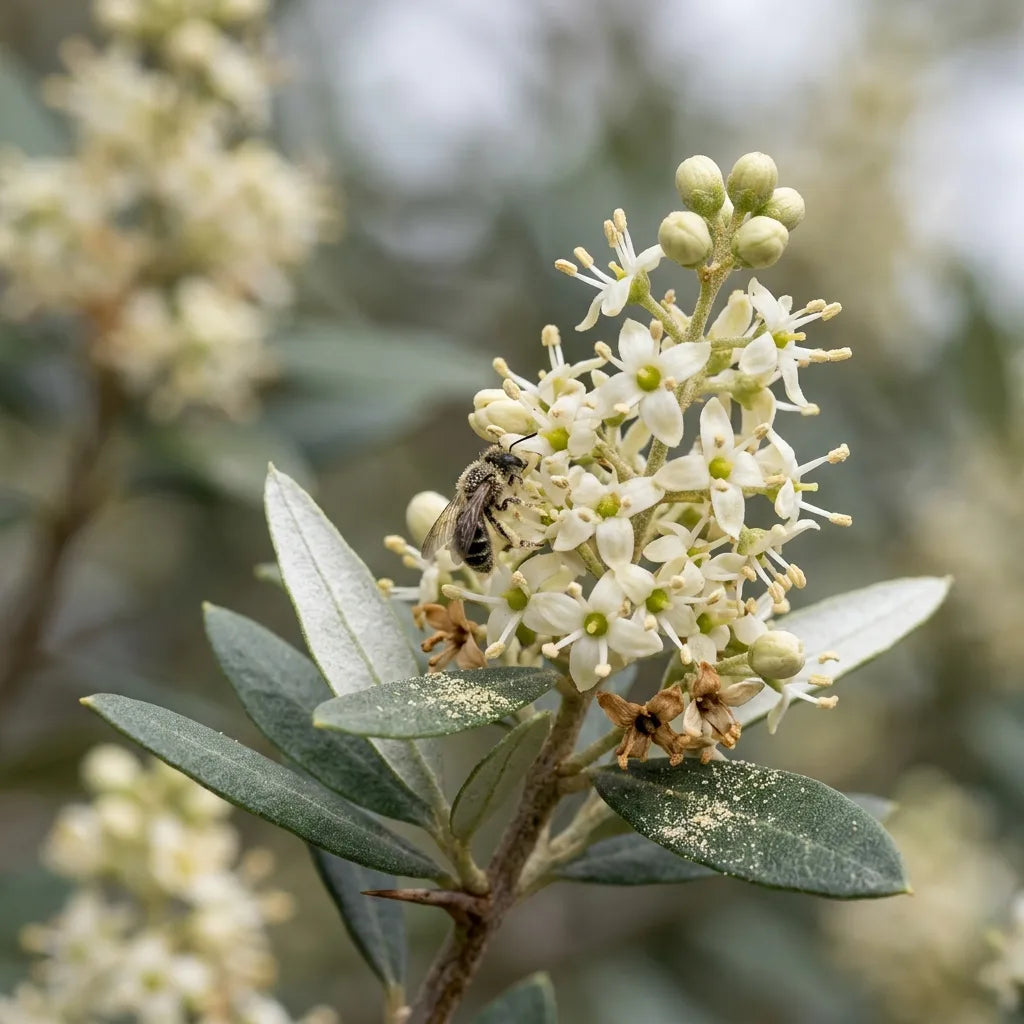
- Its olives feed blackbirds and thrushes in winter, and its flowers provide food for bees.
- In permaculture, it serves as a windbreak and stabilizes poor, eroded soils.
Uses:
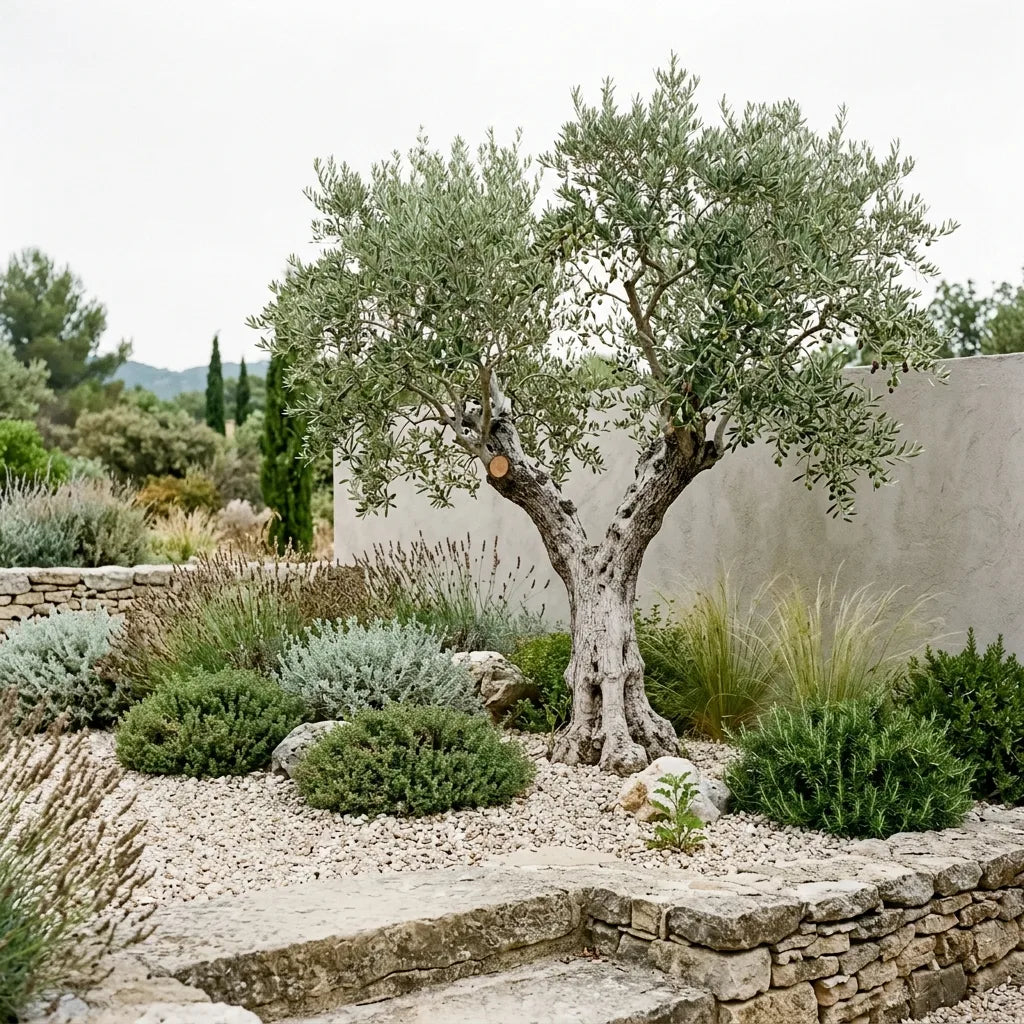
- Defensive hedge, windbreak, restoration of dry land, bonsai, or rootstock for the domesticated olive tree.
Symbolism:
The wild olive tree embodies nature’s untamed strength and rebirth, as it regrows from the stump after being cut down or burned. A mythical tree of Mediterranean civilizations, it remains associated with wisdom, peace, and resilience.
Harvesting your own seeds:
Harvest fully ripe, deep-black olives, remove the flesh carefully, and let the pits dry. The very hard stone benefits from being lightly filed before winter stratification. See storing your seeds.
Commitment to Quality: at SemiSauvage - Permaculture, we grow and select our seeds with respect for all living things as our guiding principle. Based near the Auvergne Volcanoes, we choose open-pollinated, non-hybrid varieties, tested for their germination rate, carefully sorted and packaged, without any chemical treatment. Our belief: to give gardeners back the ability to resow, year after year, seeds that truly belong to them.
Sale reserved for home gardeners seeking quality and authenticity.