Atriplex hortensis
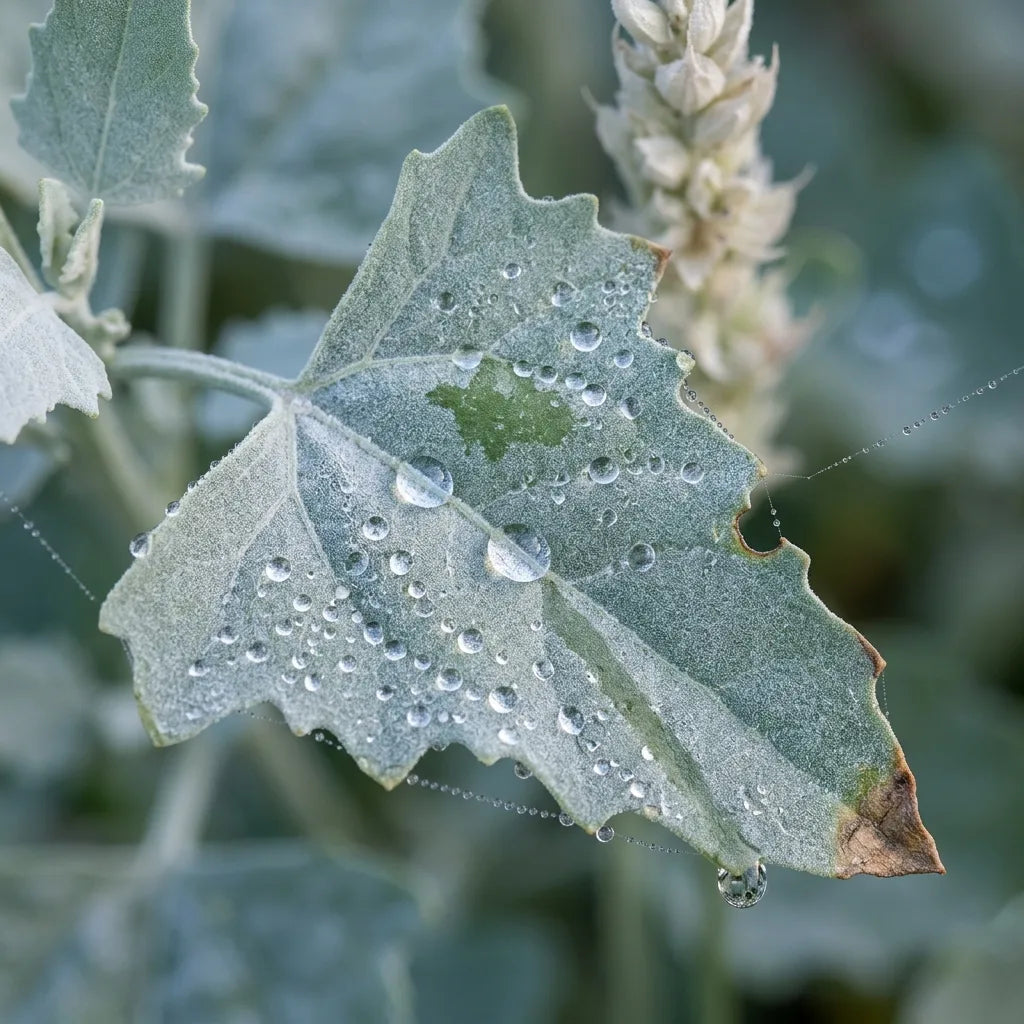
Green orache, garden orache, French spinach, love cabbage, folette, giant spinach: this was the leafy vegetable of European kitchen gardens before spinach took its place. Cultivated since the Middle Ages, it has one decisive advantage that spinach lacks: it continues producing in midsummer, when spinach has already gone to seed.
Characteristics:
-
Spinach flavor: tender, mild leaves, raw or cooked, with no bitterness.
-
Heat-resistant: where spinach bolts, it keeps producing.
-
Very long harvest: from March to autumn, by staggering sowings.
-
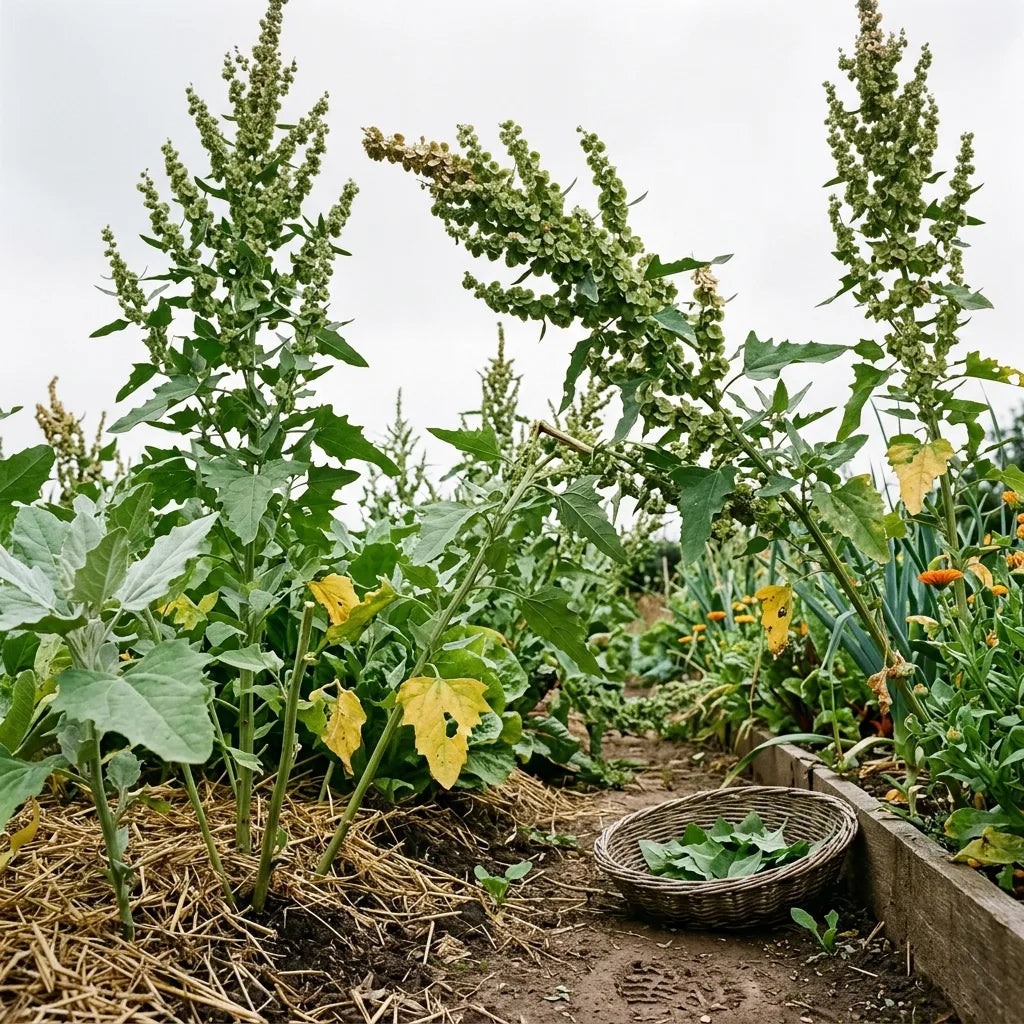
Large annual: up to 1.50 m tall, useful as a temporary windbreak.
Sowing advice:
-
Exposure: full sun to partial shade.
-
Soil: cool, humus-rich, loose, and lime-free. It appreciates an addition of compost and tolerates slightly saline soils well, a legacy of its coastal origins.
-
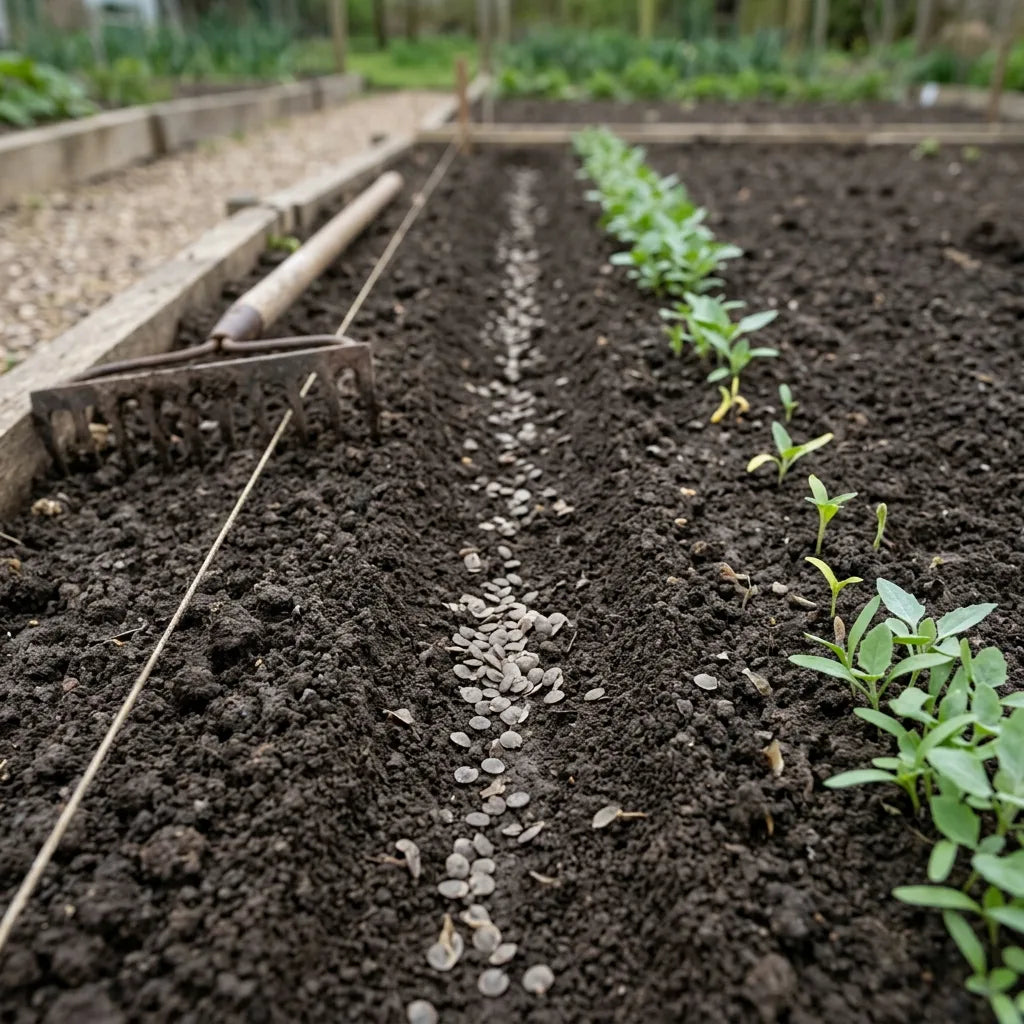
Method: sow directly in place from March to September, 1 cm deep. Stagger sowings every three weeks to spread the harvest throughout the season. See how to sow your seeds.
Care advice:
- Thin to 30 cm apart. Water regularly to keep the soil cool and the leaves tender.
-
The key step: regularly cut back the stems and pinch out the tips to delay bolting. Once the flower stalk has formed, the leaves become tough and harvesting stops.
Harvesting advice:
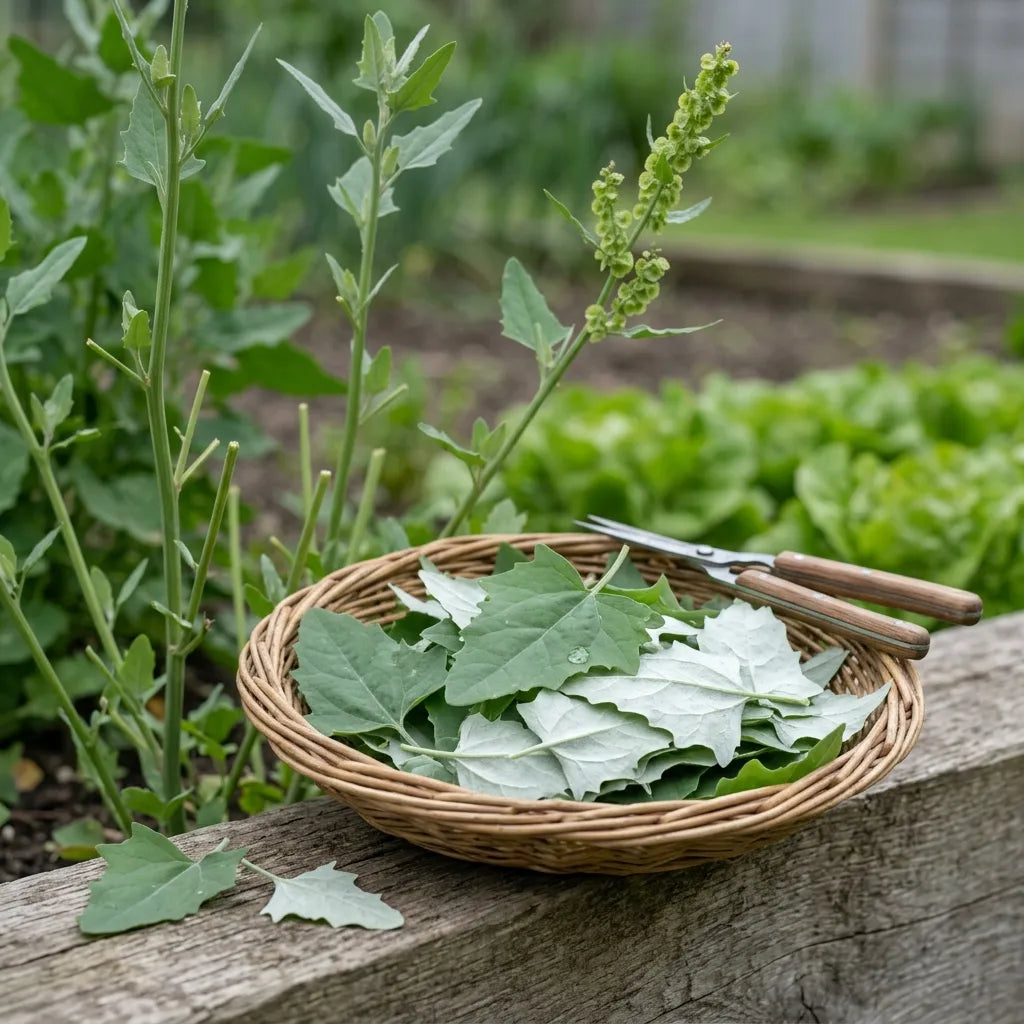
- Pick the young leaves as needed, starting from the bottom. The youngest can be eaten raw; the larger ones are best cooked.
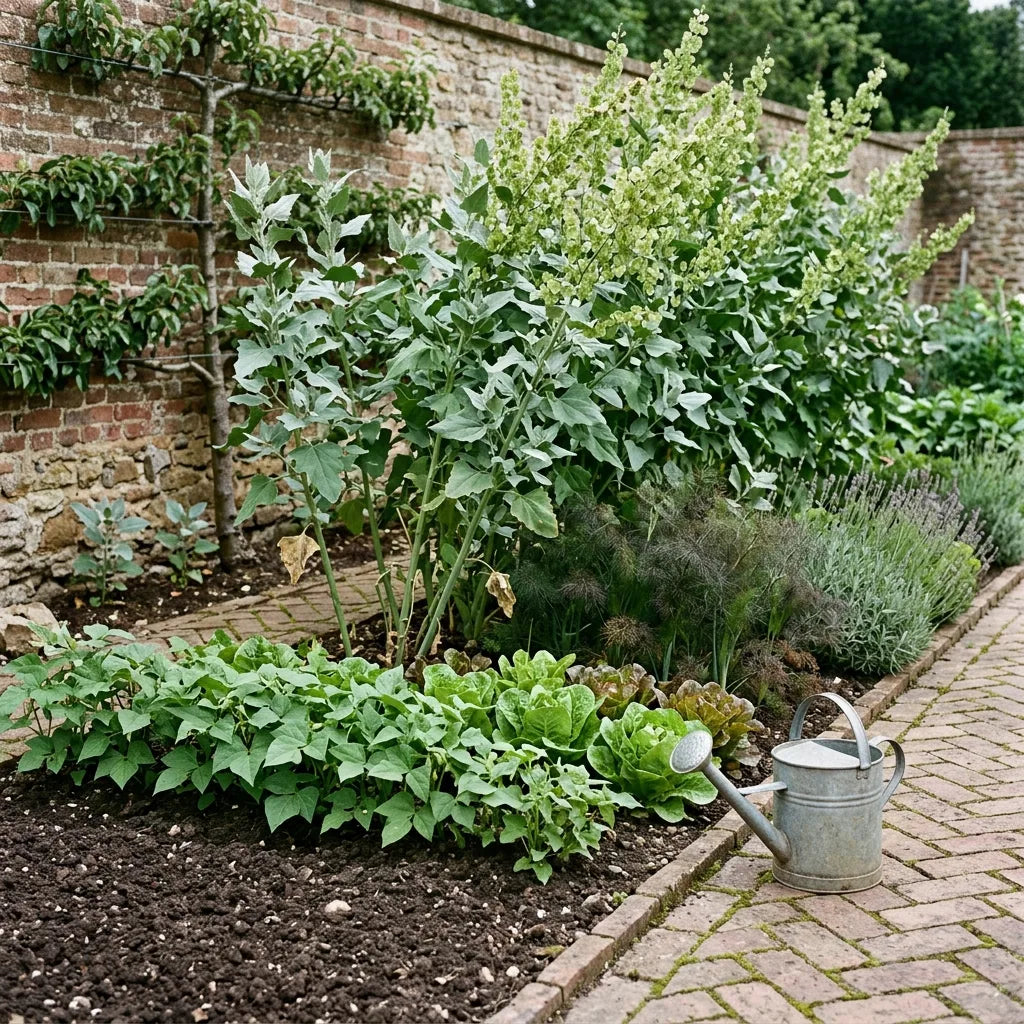
Beneficial combinations:
Benefits for biodiversity:
- It tolerates poor, saline soils, making it possible to grow a leafy vegetable on unproductive land where few species thrive.
- When allowed to go to seed, it provides abundant food for small seed-eating birds in autumn.
Uses:
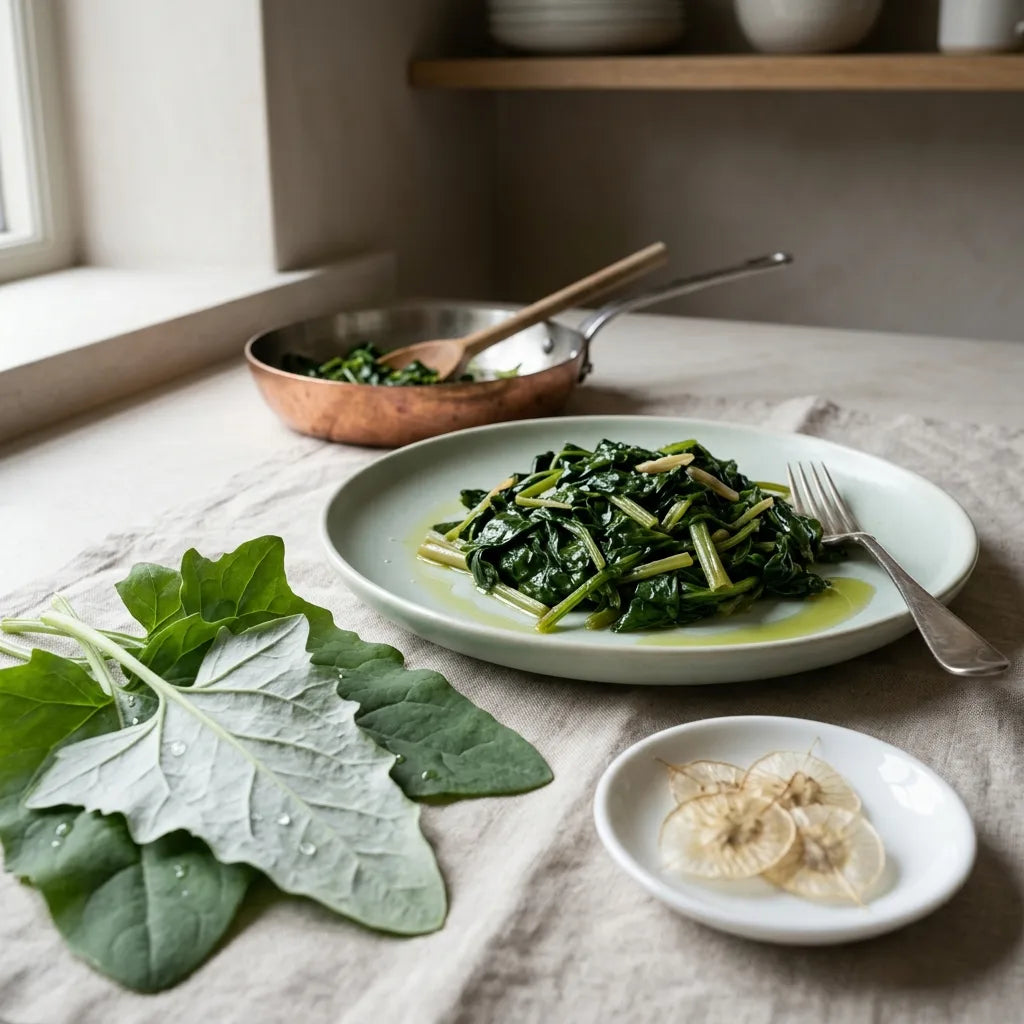
- Young leaves raw in salads, larger leaves cooked like spinach—in soup, tart, gratin, or sautéed with garlic. Its texture remains firmer than spinach when cooked. See our heritage and perennial vegetables.
Harvesting your own seeds:
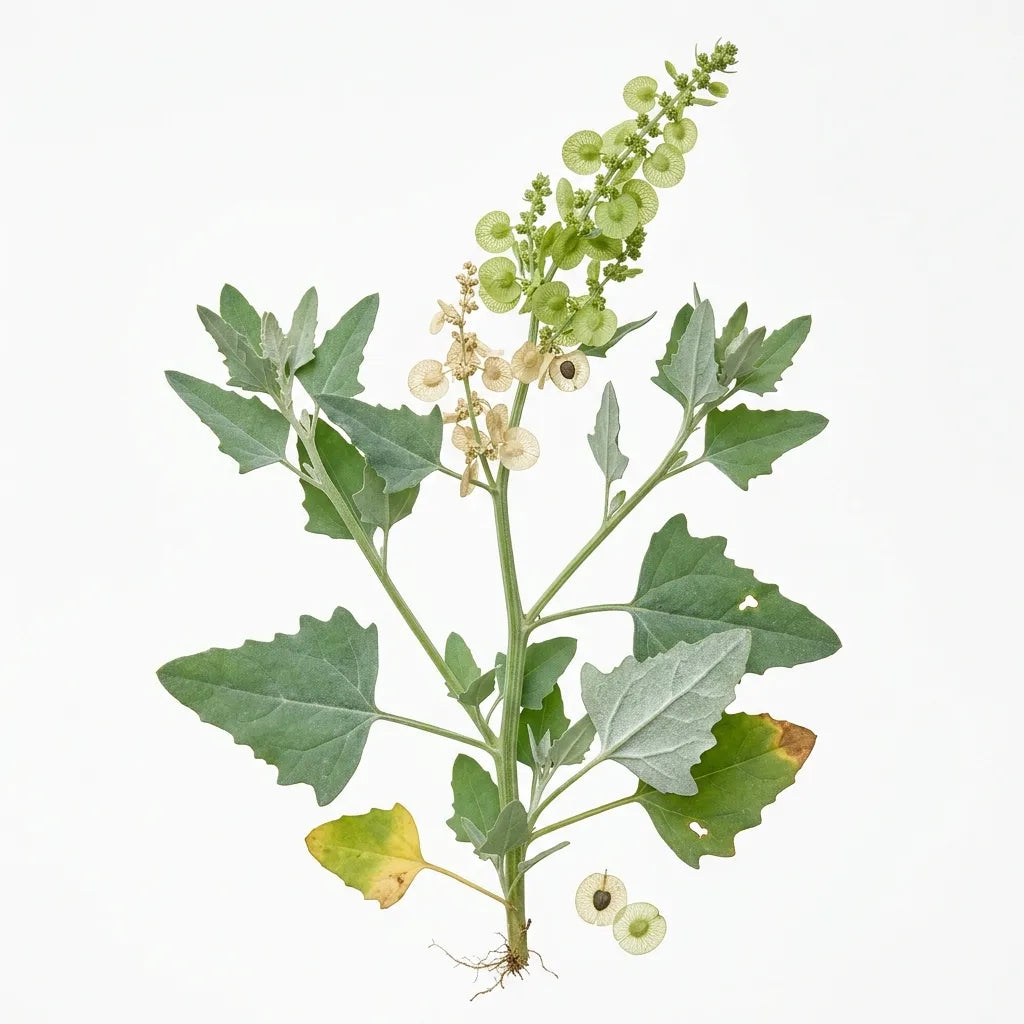
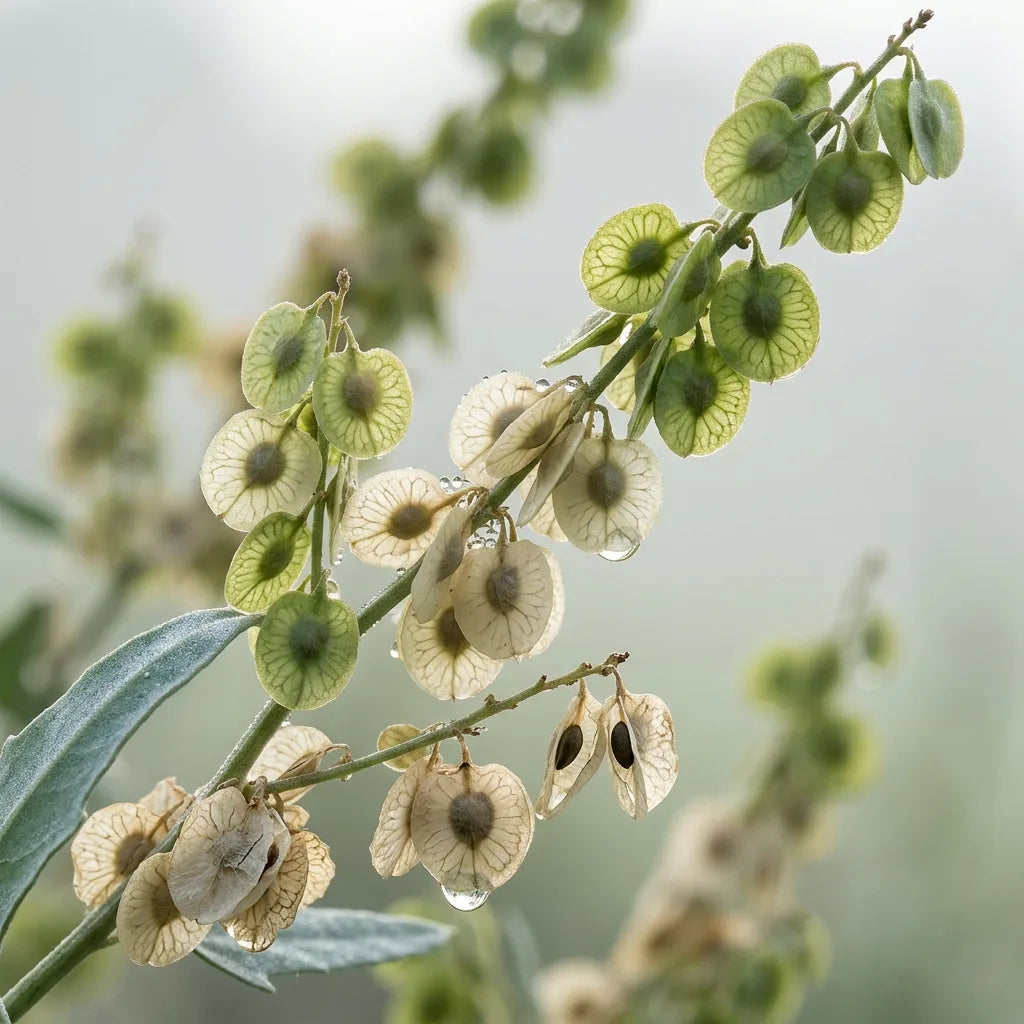
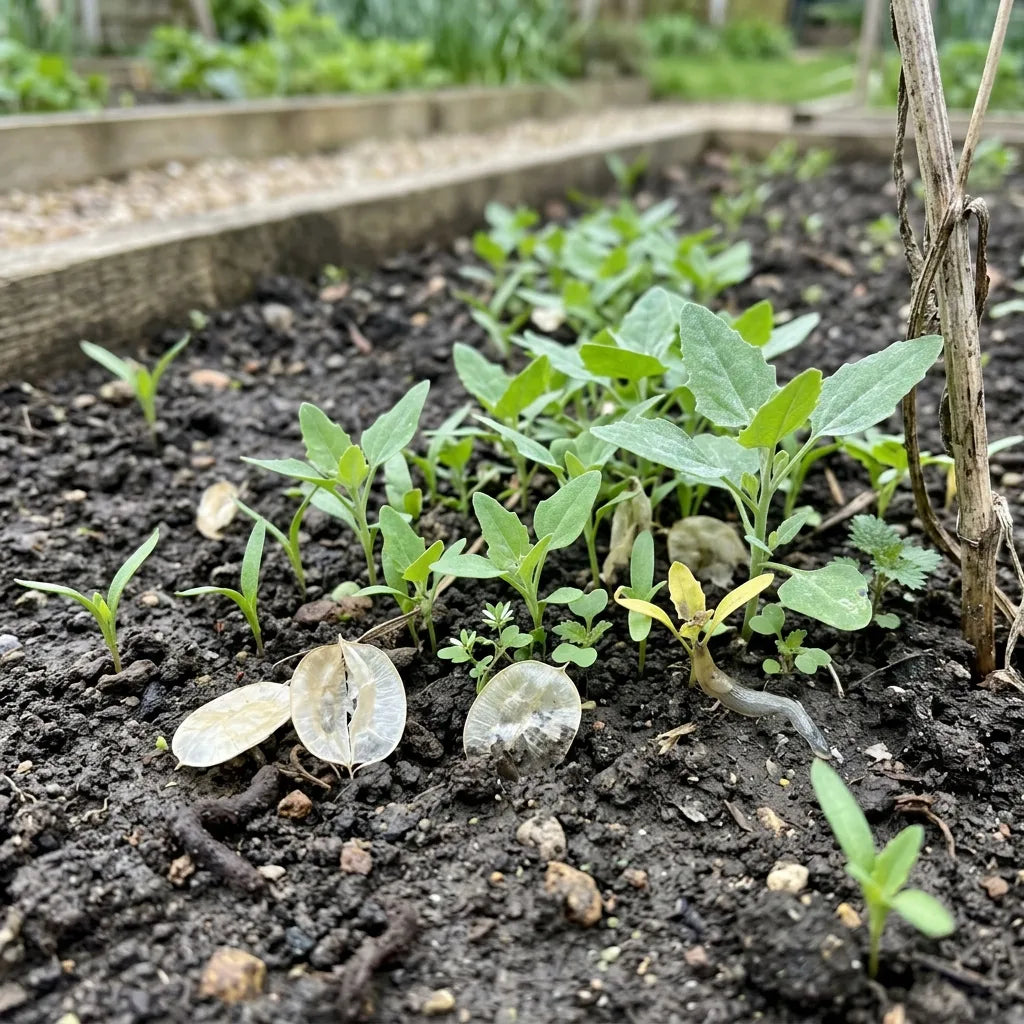
Leave one plant to go to seed at the end of the season: it produces abundant flat seeds surrounded by a papery bract, which should be harvested when dry. Orache readily self-seeds—simply pull out excess young plants in spring. See how to save your seeds.
Commitment to Quality: at SemiSauvage - Permaculture, we grow and select our seeds with respect for all living things as our guiding principle. Based near the Auvergne Volcanoes, we choose reproducible, non-hybrid varieties, tested for their germination rate, carefully sorted and packaged, with no chemical treatment. Our belief: to restore gardeners’ ability to resow, year after year, seeds that truly belong to them.
Spinach for hot summers, in its classic form.