Atriplex hortensis var. rubra
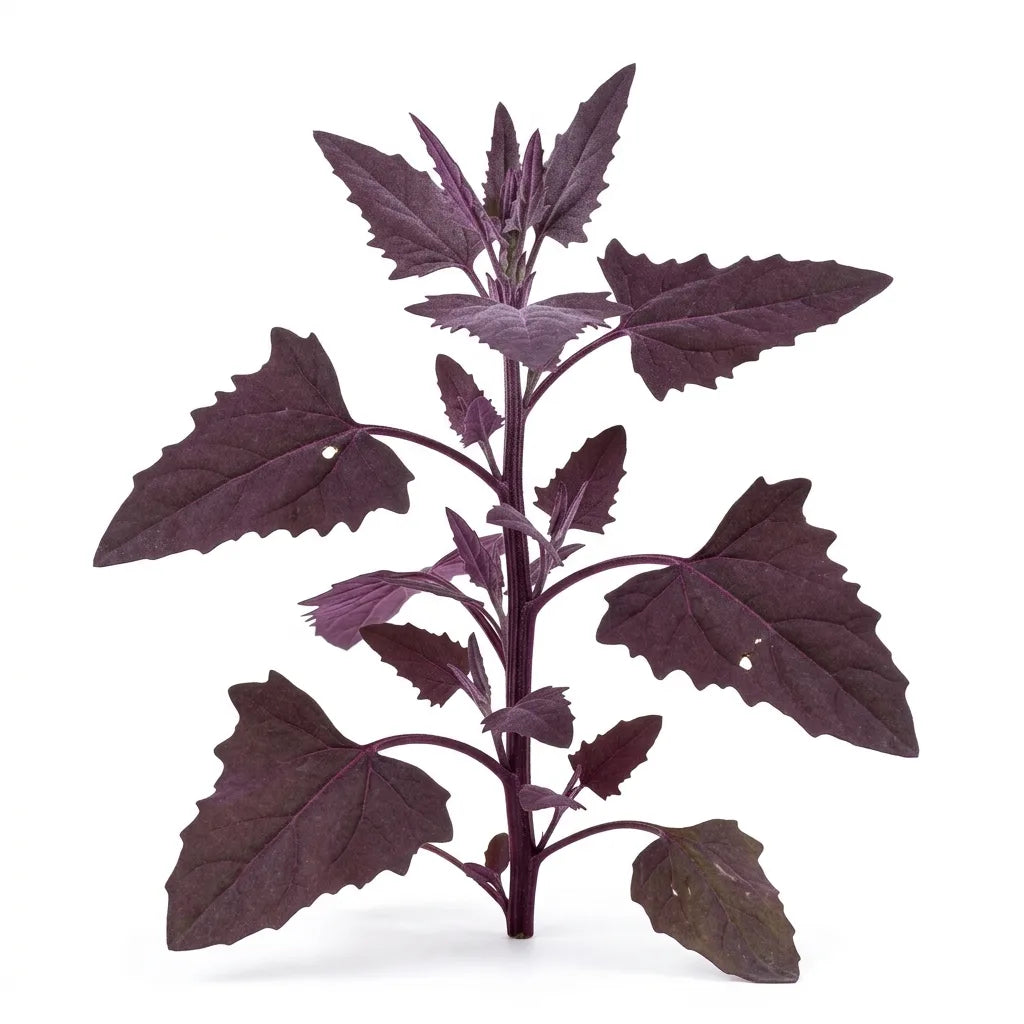
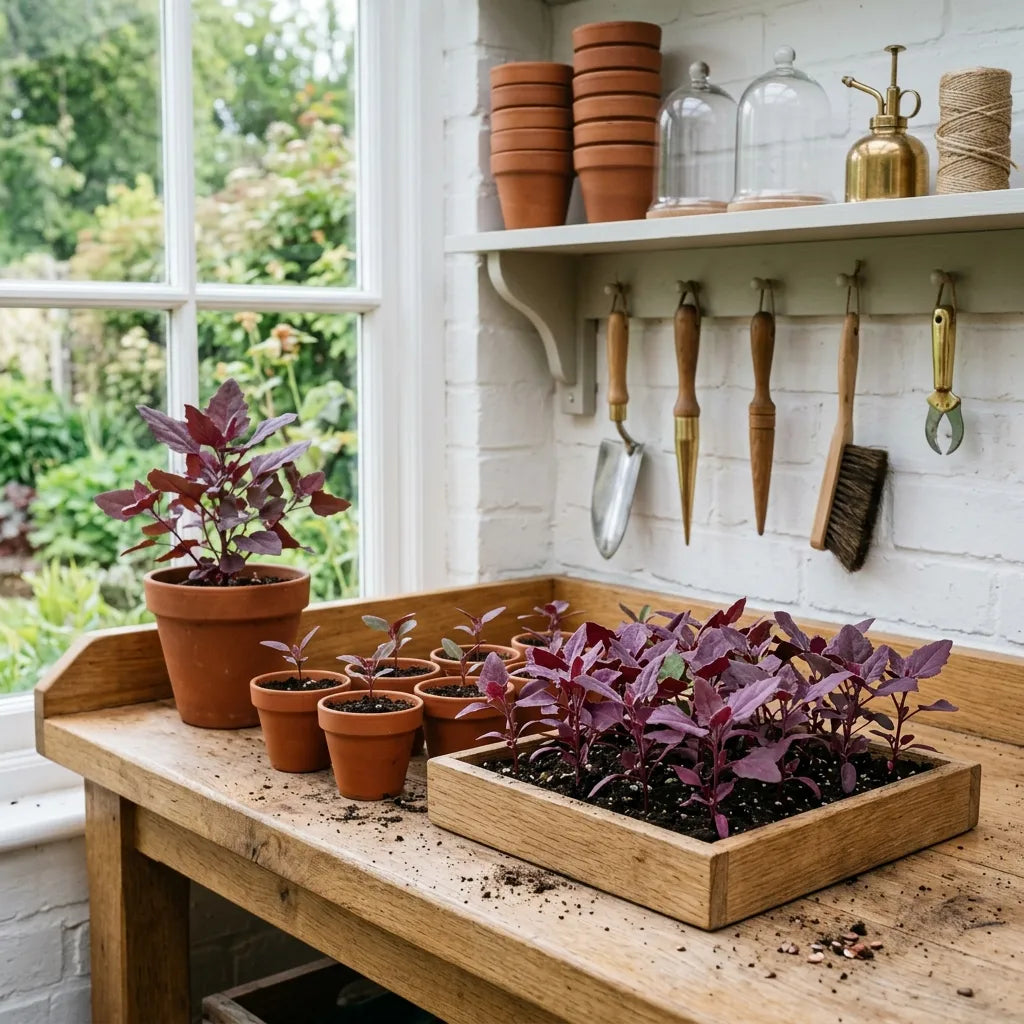
Red orache, garden orache, love cabbage, giant spinach: before spinach became widespread, it was this plant that was cultivated in European kitchen gardens. Its tender, mild purple leaves have a decisive advantage over spinach: they withstand summer heat without immediately going to seed.
Characteristics:
-
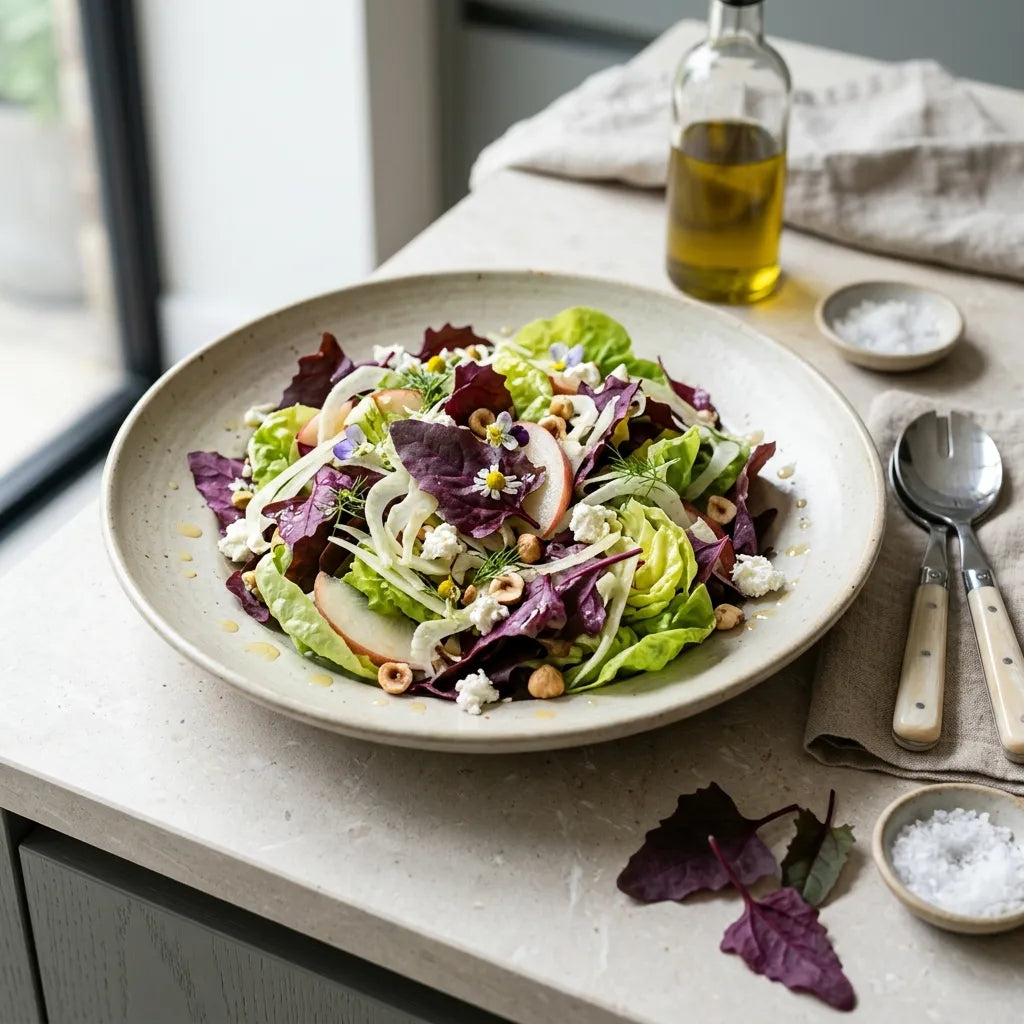
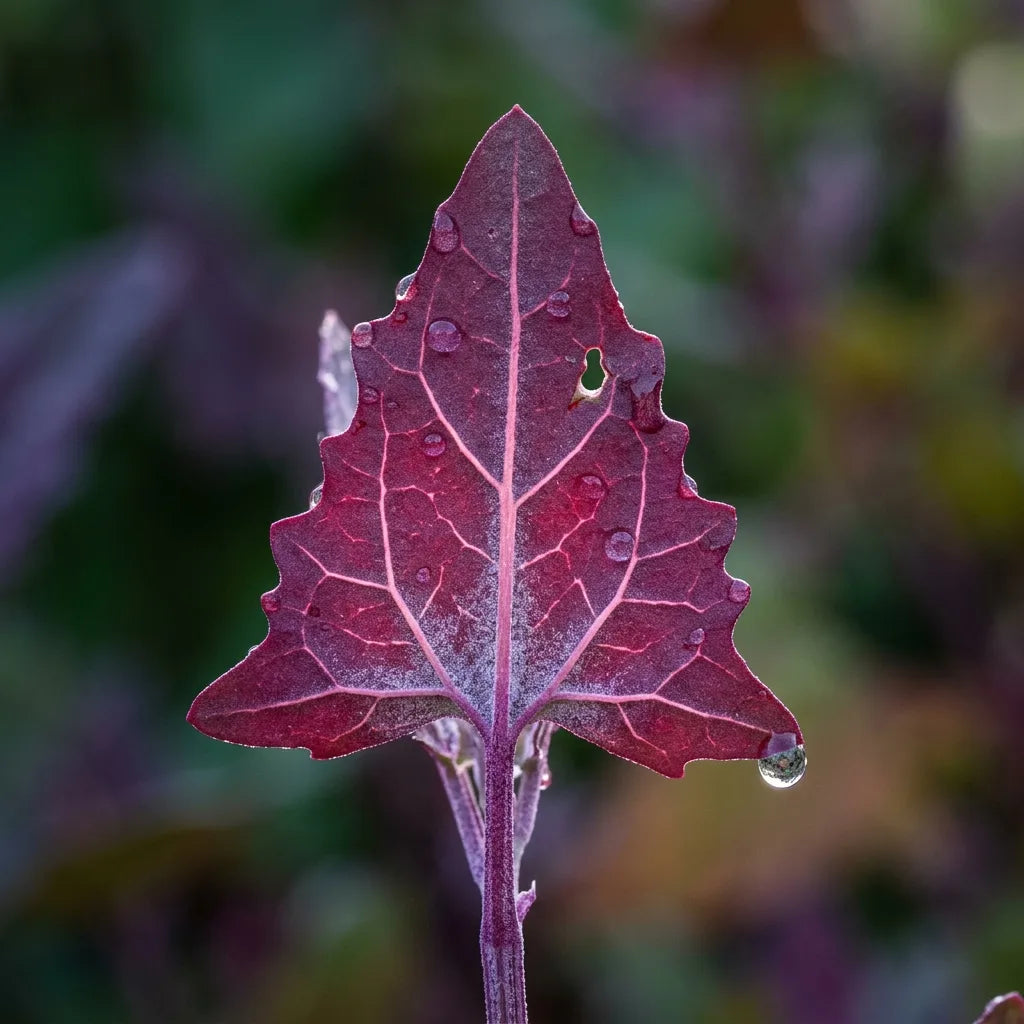
Purple foliage: highly ornamental in the vegetable garden and on the plate, it adds beautiful colour to salads.
-
Spinach flavour: tender, mild leaves, raw or cooked, without the bitterness of some leafy vegetables.
-
Heat-resistant: where spinach bolts, it continues to produce.
-
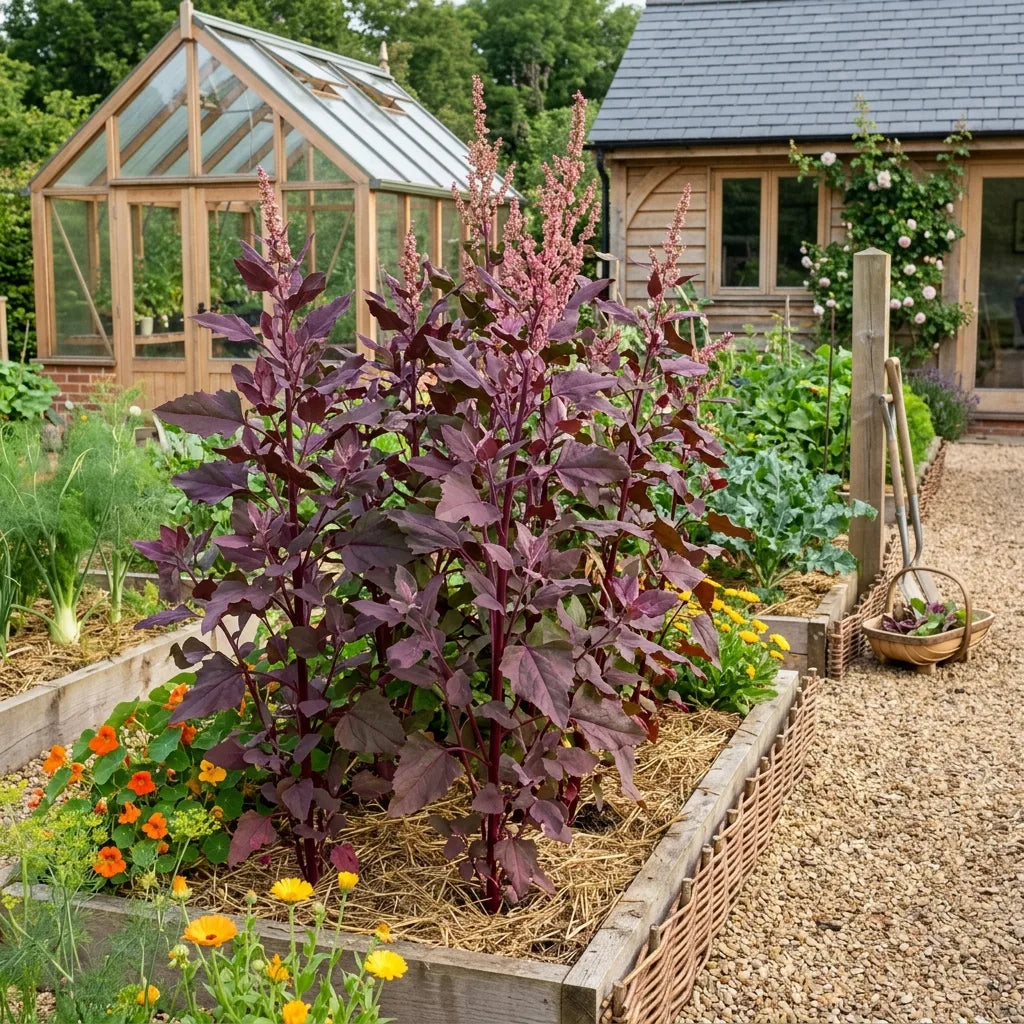
Tall annual: growing up to 1.50 m, it can serve as a temporary windbreak.
Sowing advice:
-
Exposure: full sun to partial shade.
-
Soil: cool, humus-rich, loose and lime-free. It benefits from an addition of compost and tolerates slightly saline soils well, a legacy of its coastal origins.
-
Method: sow from March to September, directly in place, 1 cm deep. Stagger sowings every three weeks to spread the harvest throughout the season. See how to sow your seeds.
Care advice:
- Thin to 30 cm apart. Water regularly to keep the soil cool and the leaves tender.
-
The key step: pinch out the tips regularly to delay bolting. Once the flower stalk has formed, the leaves become tough and harvesting stops.
Harvesting advice:
- Pick the young leaves as needed, starting from the bottom. The youngest can be eaten raw, while the larger ones are best cooked.
Beneficial associations:
Benefits for biodiversity:
- Its roots tolerate poor, saline soils, making it a useful plant for occupying difficult ground where few vegetables thrive.
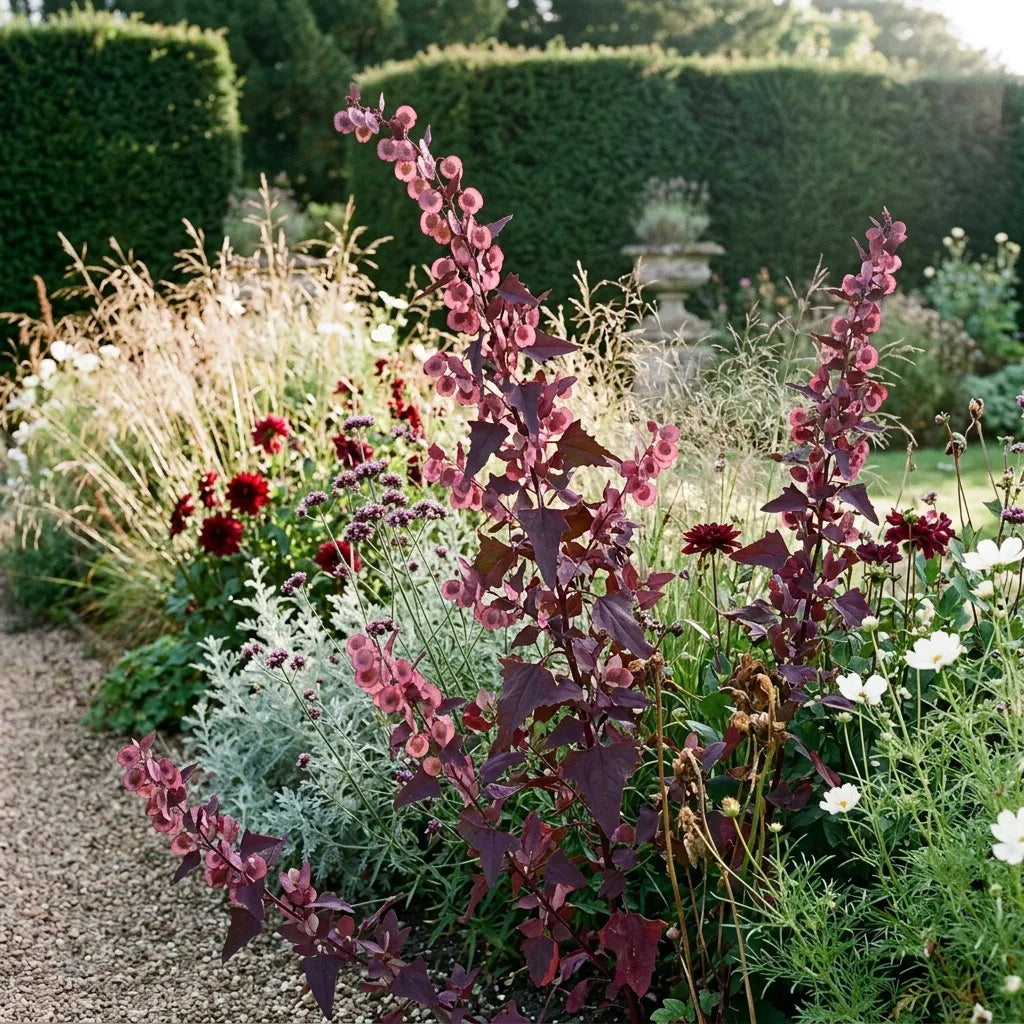
- Once it has gone to seed, it feeds small seed-eating birds in autumn.
Uses:
- Young leaves raw in salads for their colour; larger leaves cooked like spinach, in soup, tarts or gratins. Note: cooking significantly fades the purple colour. See our heritage and perennial vegetables.
Harvesting your own seeds:
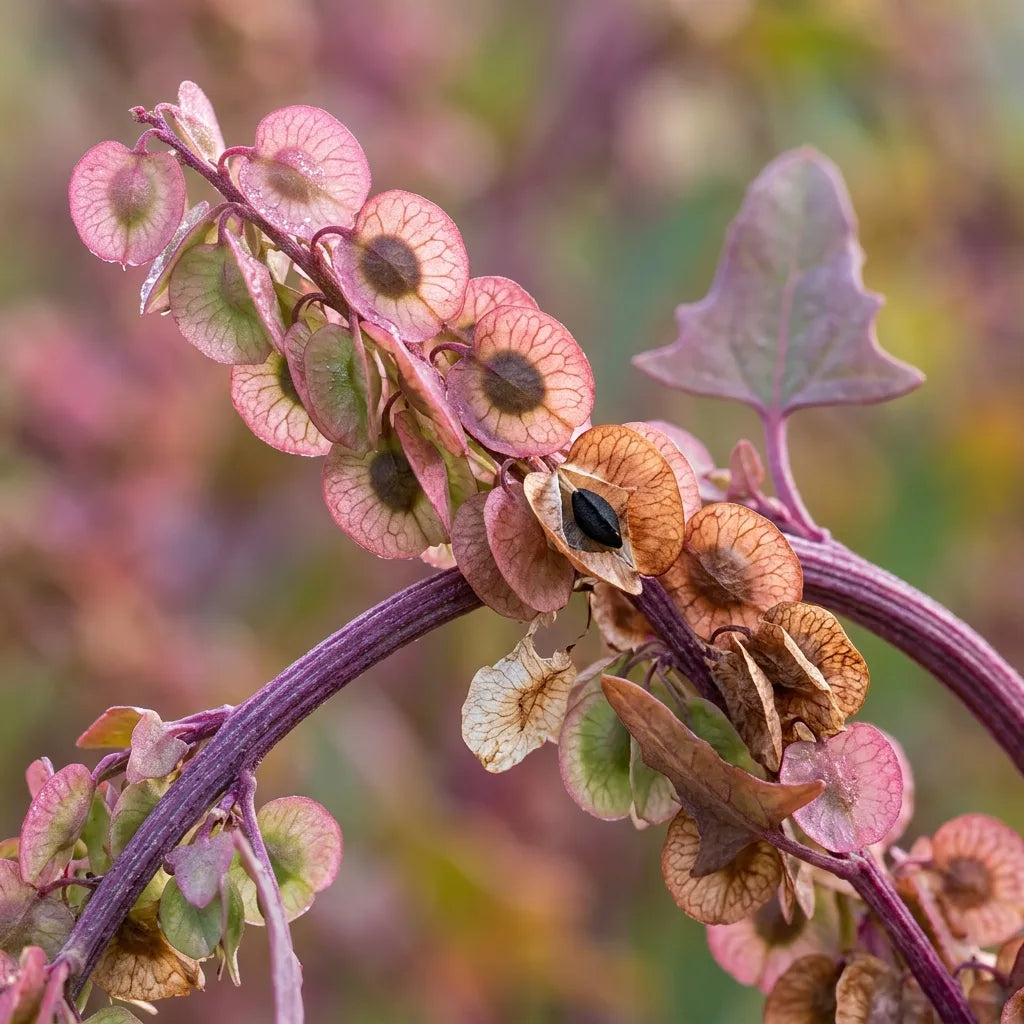
Leave one plant to go to seed at the end of the season: it produces abundant flat seeds surrounded by a papery bract, which should be harvested when dry. Orache readily self-seeds — simply pull out excess young plants in spring. See saving your seeds.
Commitment to Quality: at SemiSauvage - Permaculture, we grow and select our seeds with respect for living things as our guiding principle. Based near the Auvergne Volcanoes, we choose reproducible, non-hybrid varieties, tested for their germination rate, carefully sorted and packaged, with no chemical treatment. Our belief: to give gardeners back the ability to resow, year after year, seeds that truly belong to them.
Spinach for hot summers, in purple.