Papaver somniferum
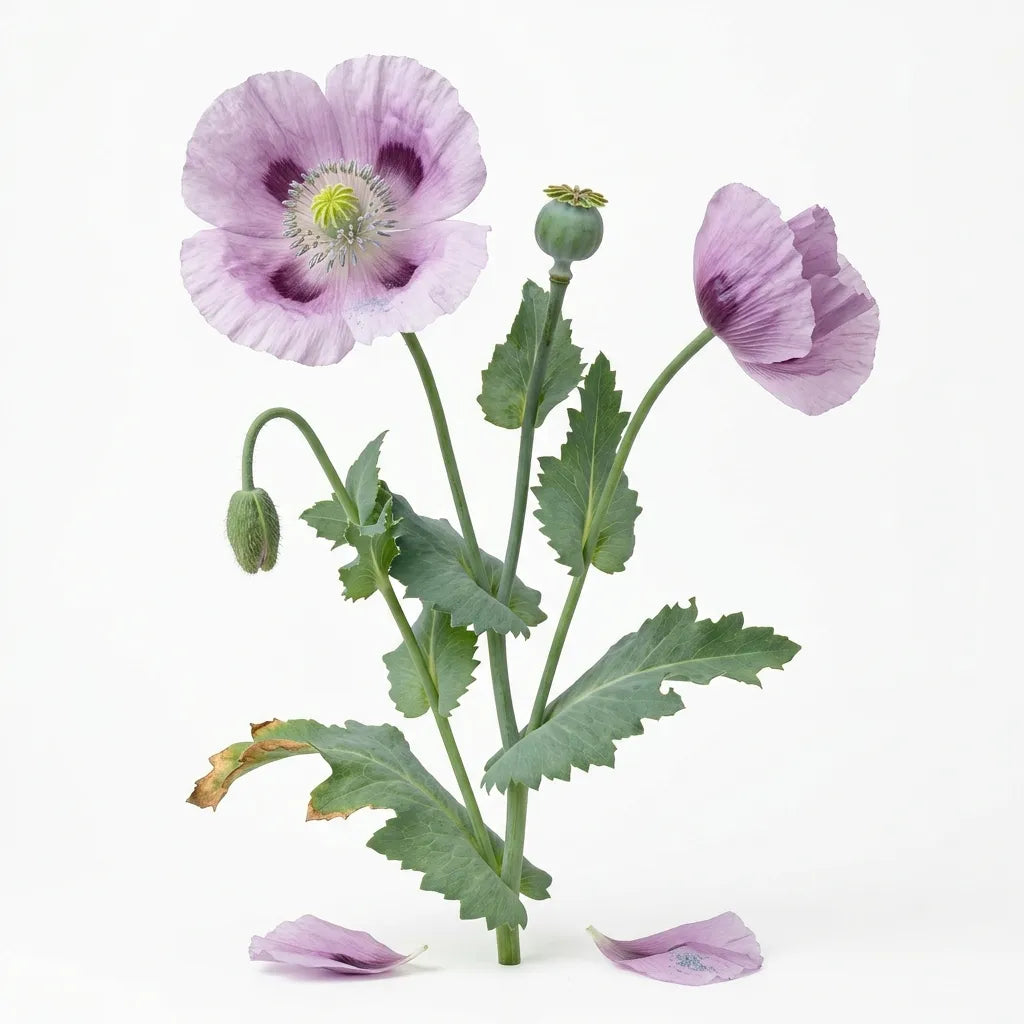
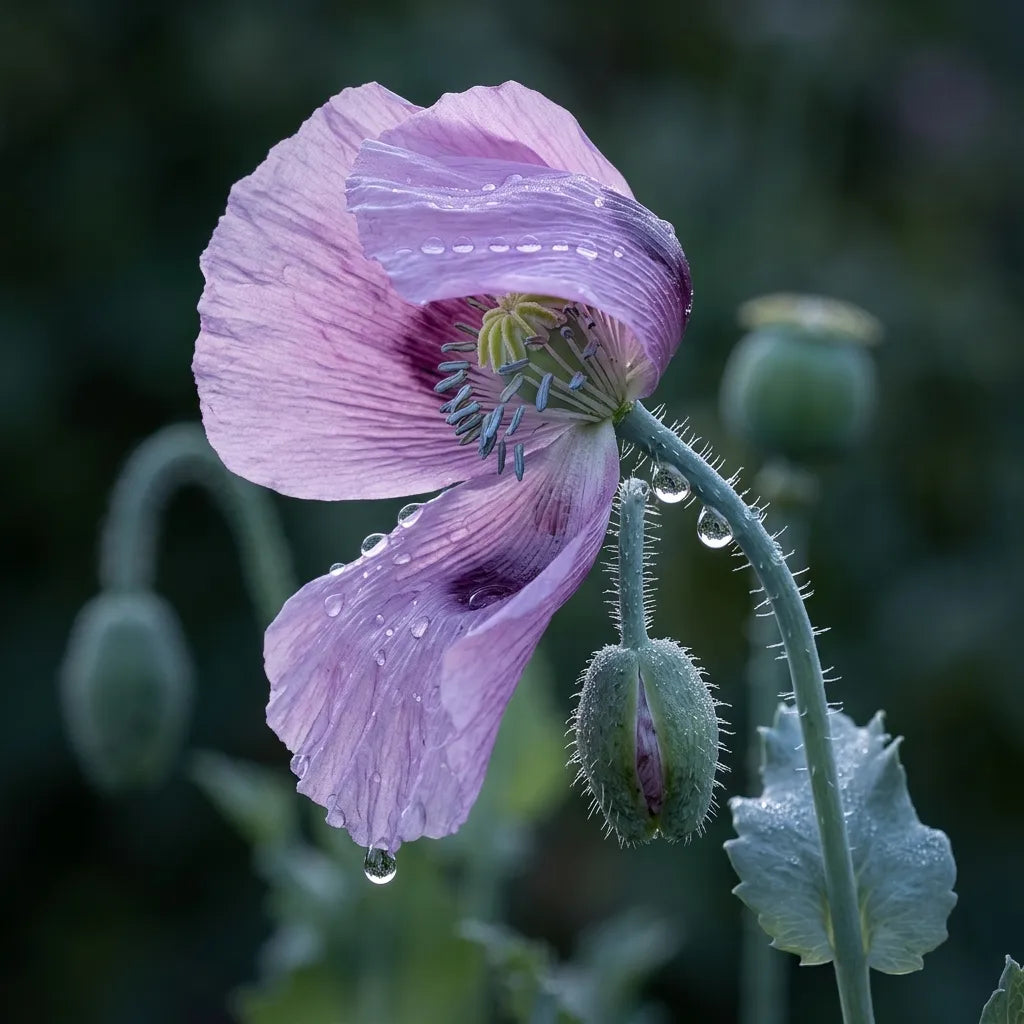
Opium poppy, or breadseed poppy when cultivated for its oil: its Latin name itself tells a story, since somniferum evokes Somnus, the Roman god of sleep. Cultivated since antiquity for its ornamental qualities as much as for its culinary seeds, the opium poppy remains a reliable choice for garden beds.
Characteristics:
-
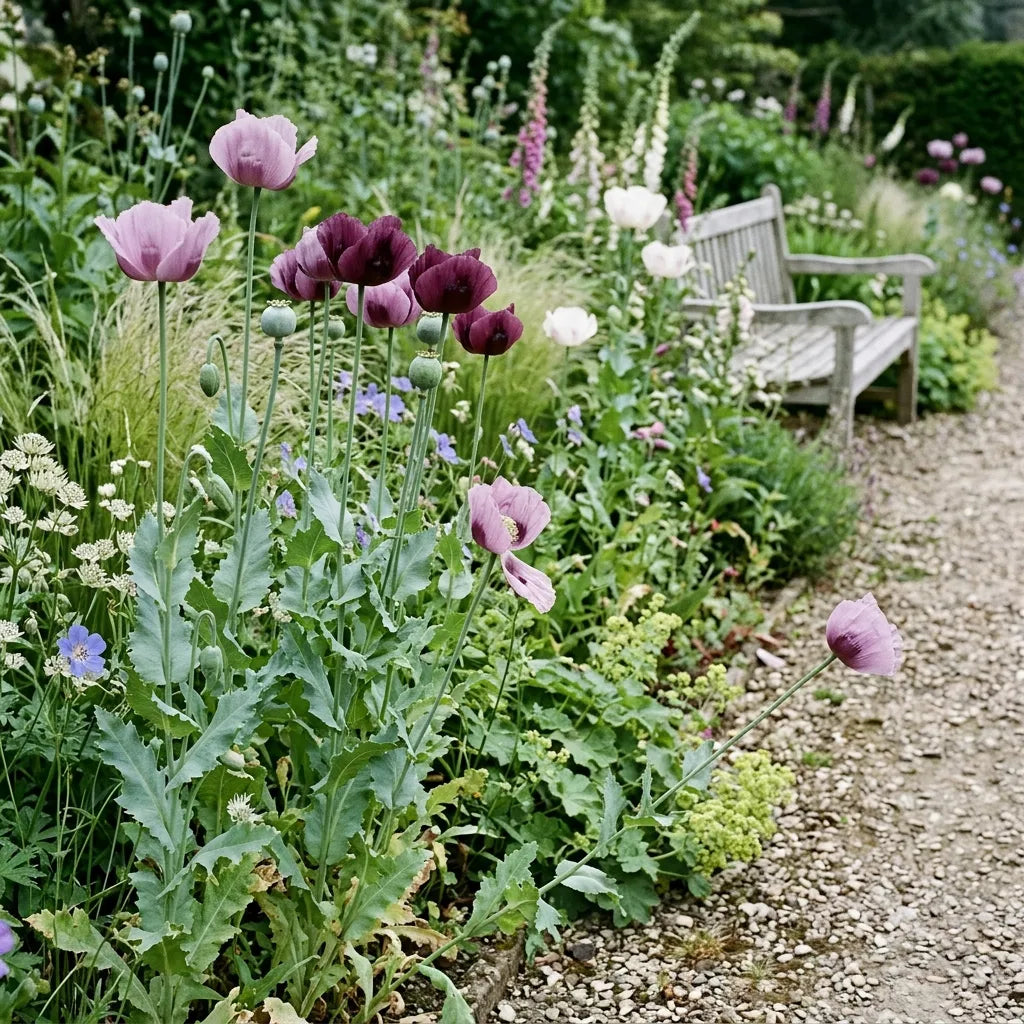
Easy annual: it brings a touch of lightness to garden beds, borders and edging, with large single or double flowers.
-
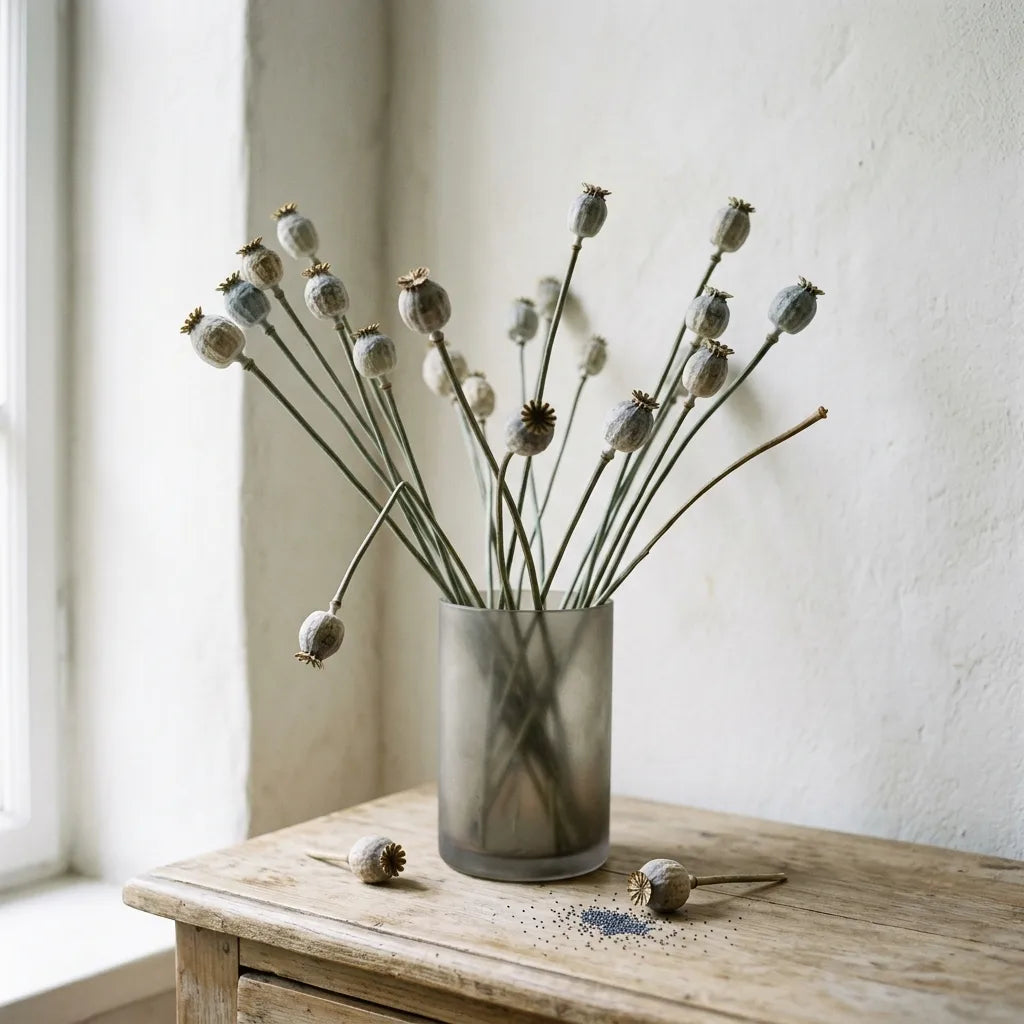
Glaucous foliage: its bluish leaves and decorative seed capsules extend the plant’s interest after flowering.
-
Flexible sowing: it can be sown equally well in spring or autumn.
Precautions:
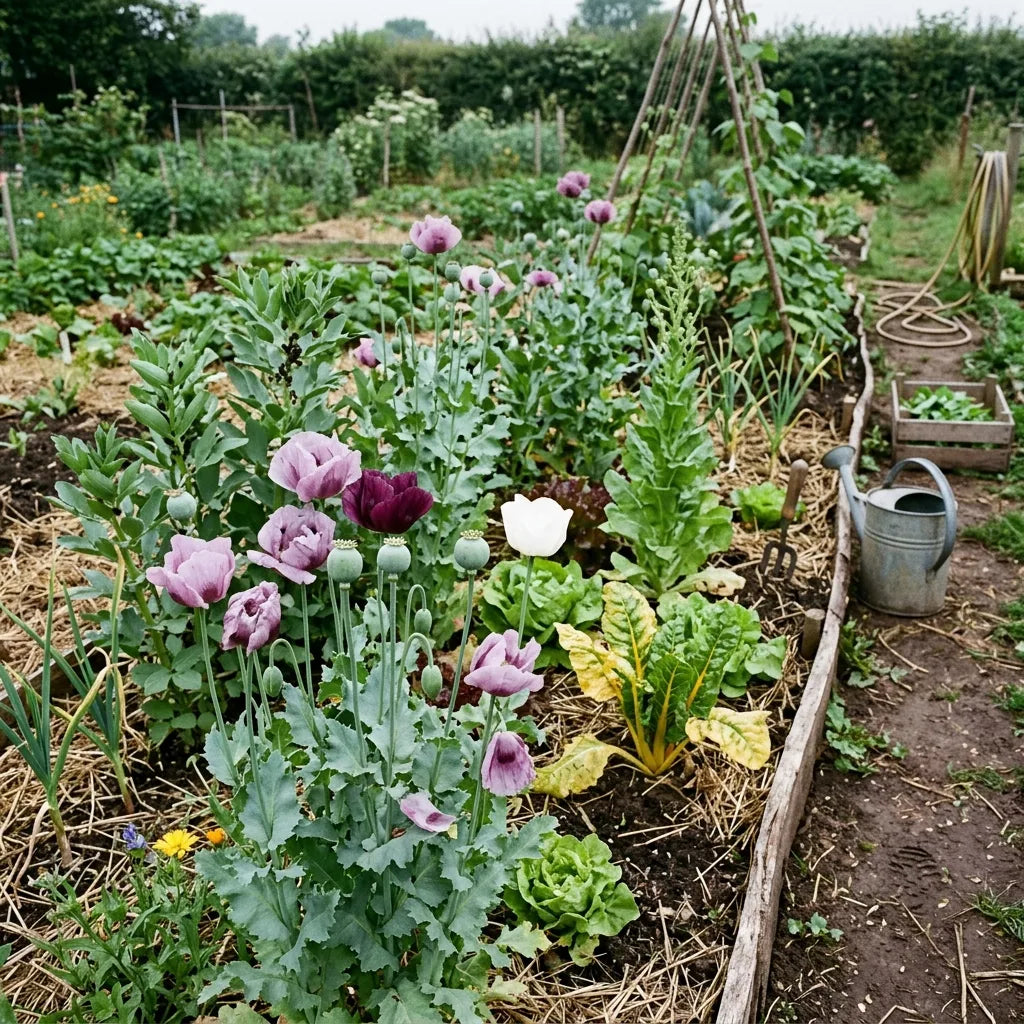
- All parts of the plant, especially the latex that flows from a cut immature capsule, contain alkaloids: keep the plant out of reach of children and pets. In France, growing opium poppies ornamentally in a home garden is permitted, but extracting and processing the latex for narcotic purposes is strictly prohibited by law.
Sowing advice:
-
Exposure: full sun, essential for abundant flowering.
-
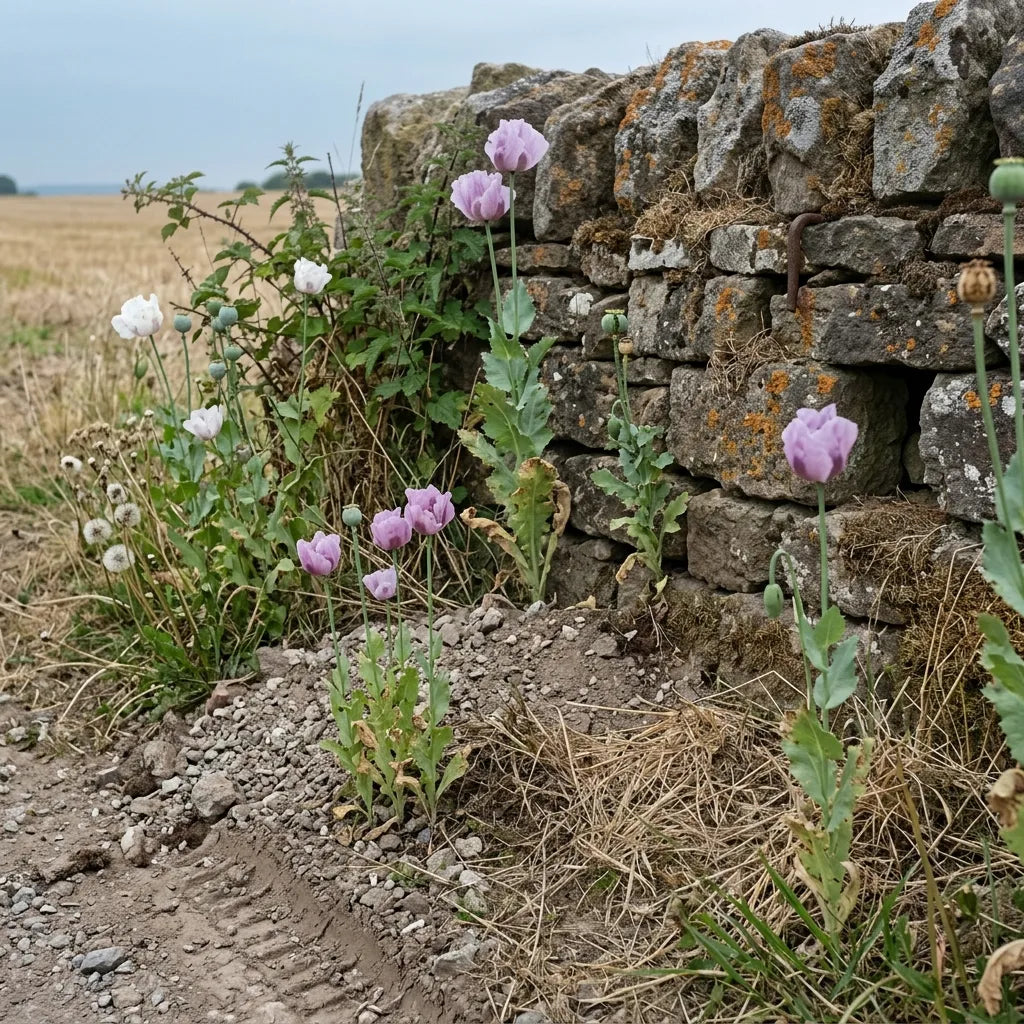
Soil: ordinary, light and well-drained, including calcareous or stony soil. It dislikes heavy, waterlogged soil, where its roots rot. Fertilizing is unnecessary: overly rich soil produces soft stems that collapse under the weight of the flowers.
-
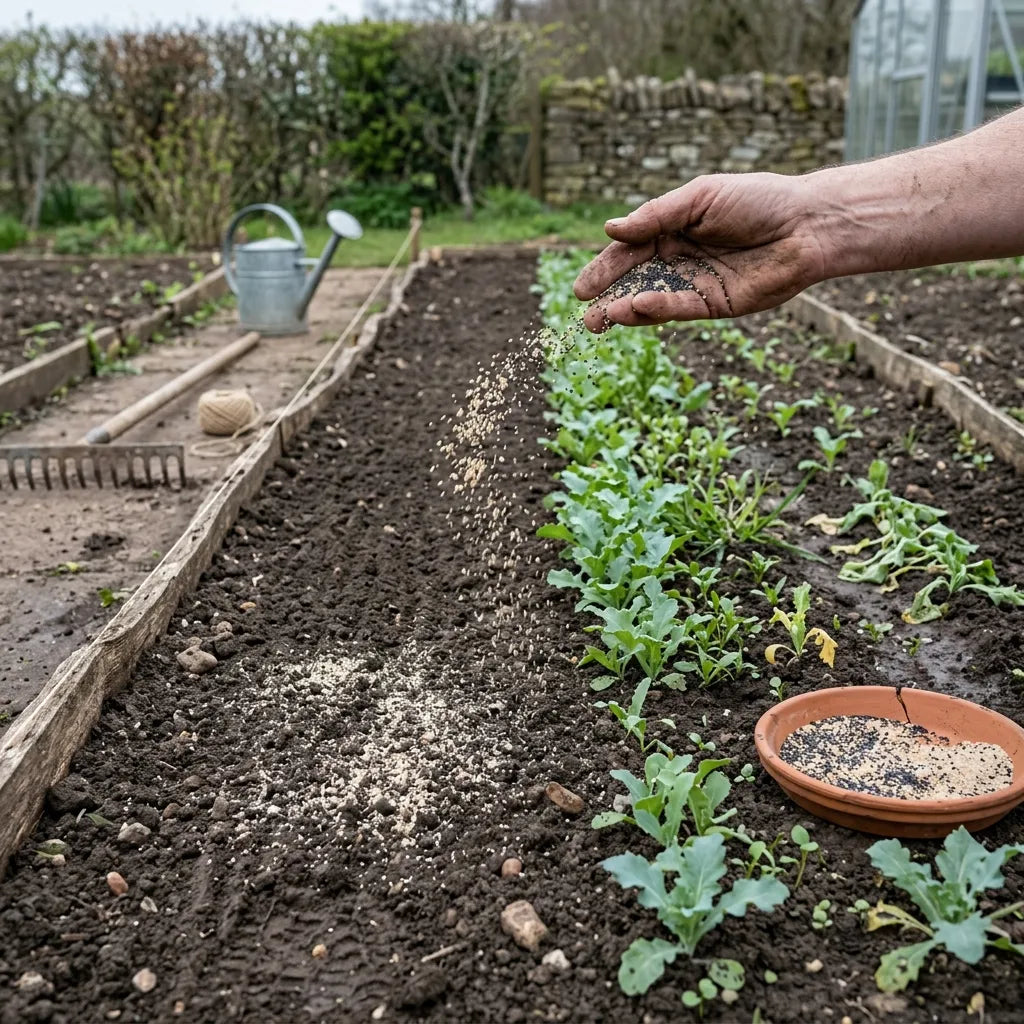
Method: sow directly in place by broadcasting, in spring or autumn. Its fragile taproot tolerates transplanting very poorly: sowing in pots followed by transplanting should be avoided. Barely cover the very fine seeds, and thin to 25–30 cm. No soaking is necessary. See how to sow your seeds.
Care advice:
- Very little maintenance: water only during significant drought while the plant is growing. Leave the capsules in place if you wish to harvest the seeds.
Beneficial pairings:
- It pairs naturally with other bed flowers that prefer well-drained soil, such as the cornflower and the wild poppy, its cousin from the same family.
Benefits for biodiversity:
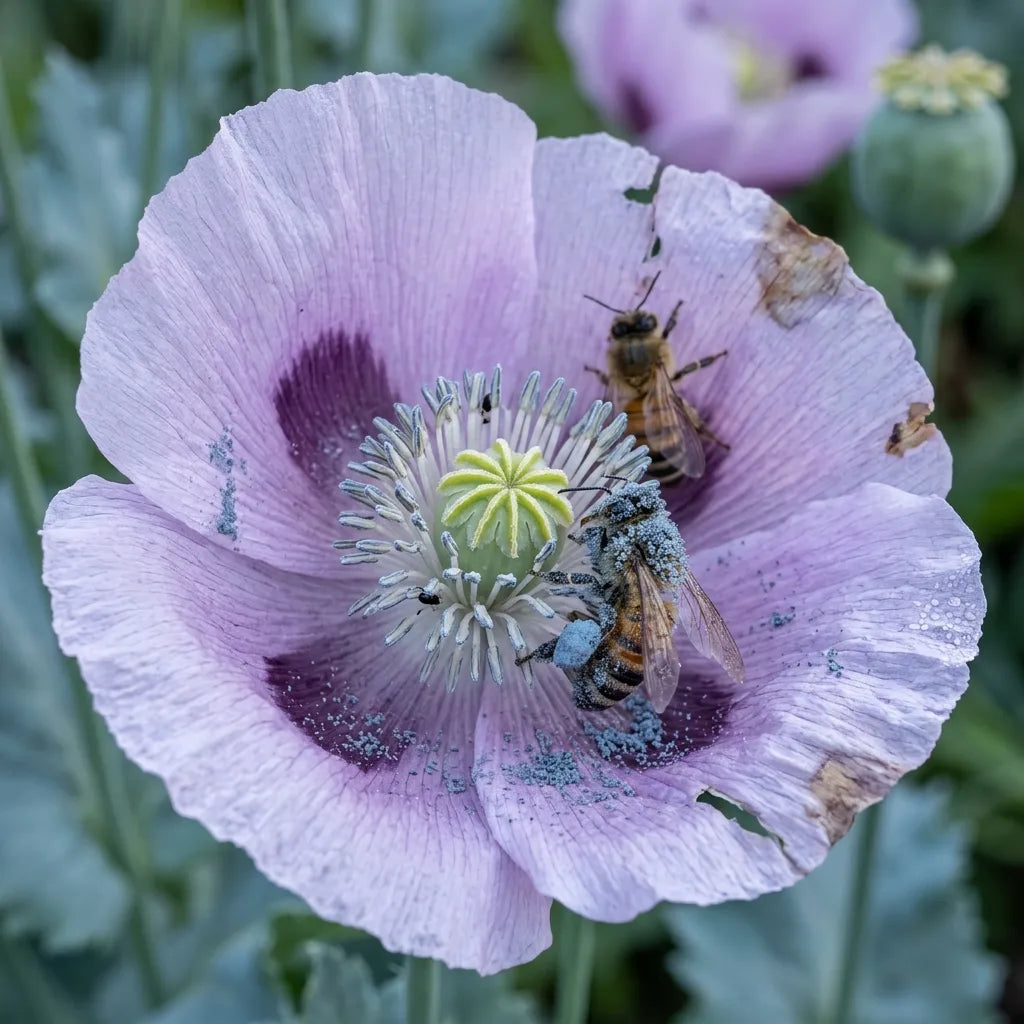
- The poppy produces no nectar, but its abundant pollen is especially sought after by bees, which literally roll around in it early in the morning.
- Its seeds feed seed-eating birds if a few capsules are left to open on the plant.
Uses:
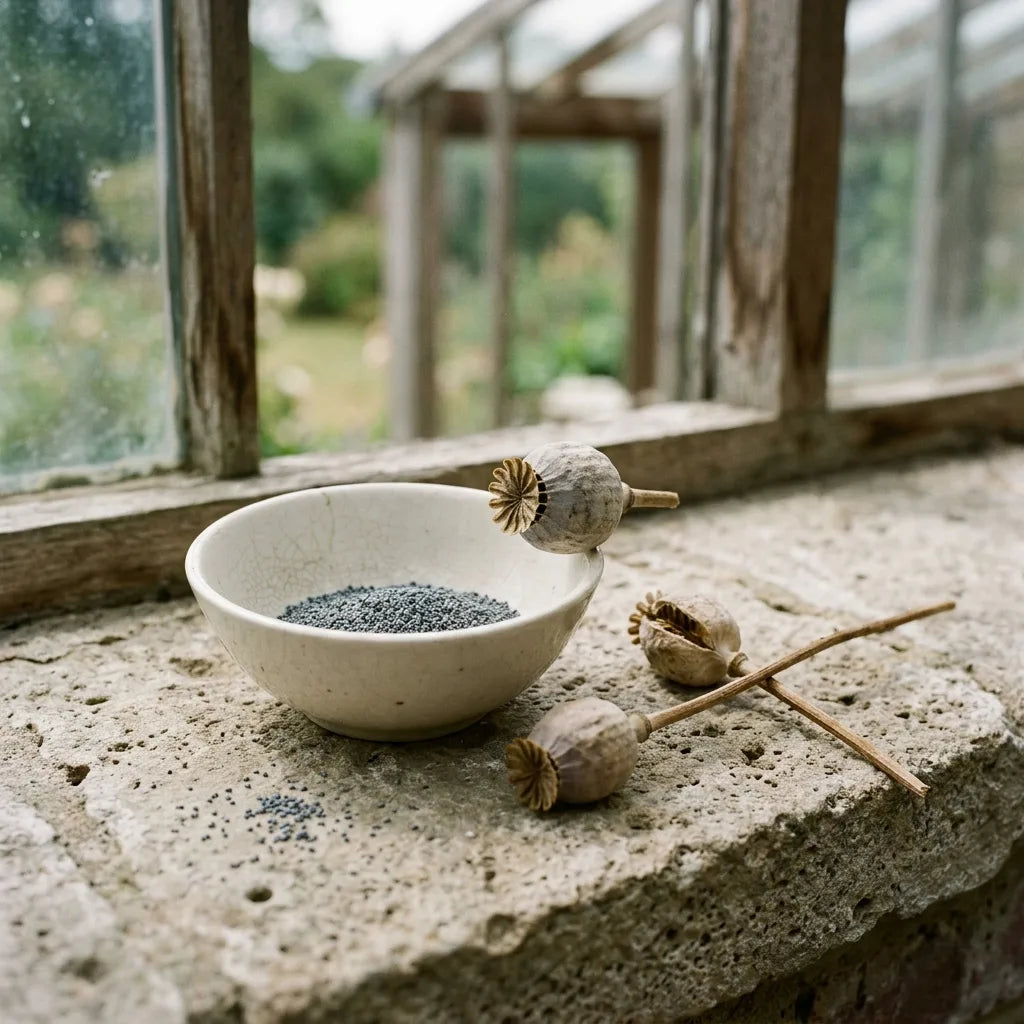
- Once mature and dry, the seeds can be used in breadmaking and baking for their nutty flavor and crunch.
Harvesting your own seeds:
Leave the capsules to brown and dry on the plant until they open into small slits beneath their crown. Then turn them over a bag: the seeds escape like salt from a shaker. The poppy also readily self-seeds from one year to the next. See how to store your seeds.
Commitment to Quality: at SemiSauvage - Permaculture, we grow and select our seeds with respect for all living things as our guiding principle. Based near the Auvergne Volcanoes, we choose open-pollinated, non-hybrid varieties, tested for their germination rate, carefully sorted and packaged, with no chemical treatment. Our belief: to give gardeners back the ability to resow, year after year, seeds that truly belong to them.
Bring a touch of elegance and tranquility to your garden with these opium poppy seeds.