Beta vulgaris
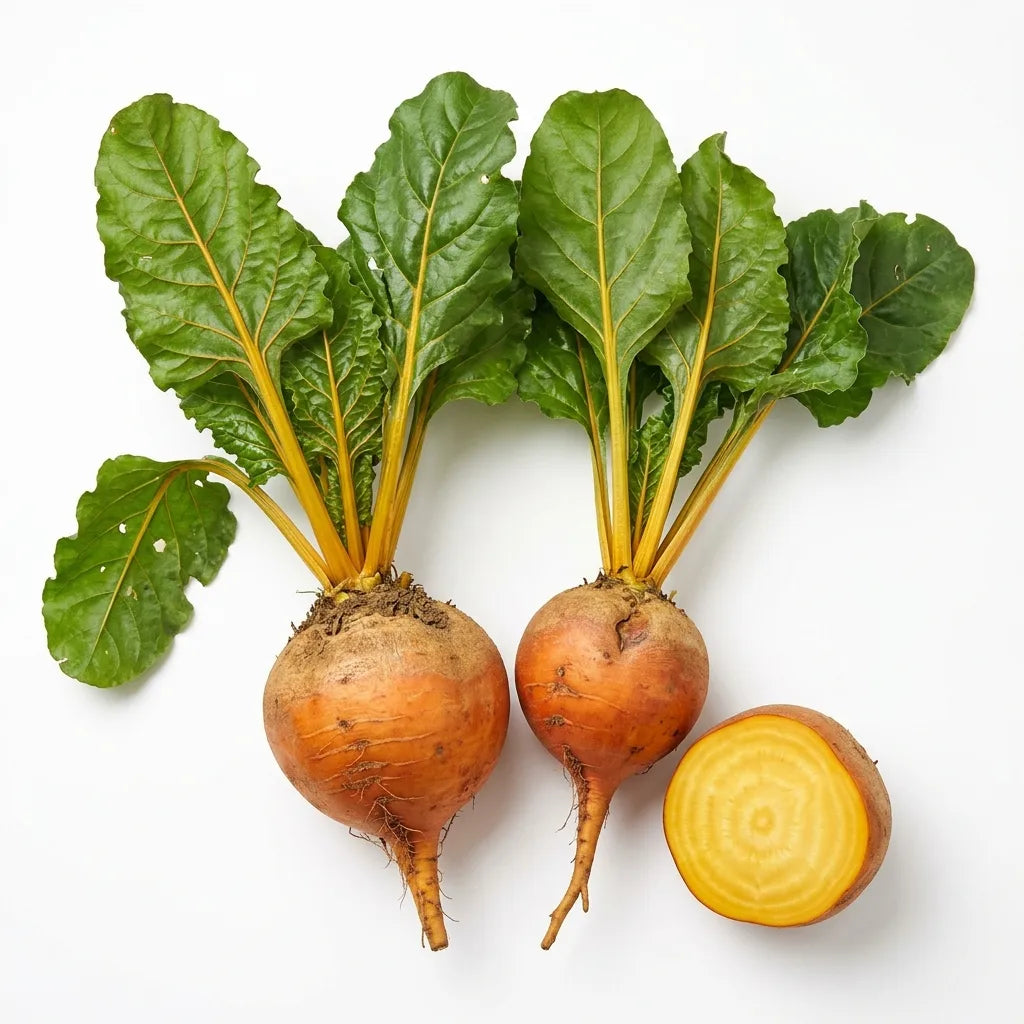
Yellow beet, golden beet, Burpee's Golden beet: its orange flesh has one very practical advantage over that of red beet — it does not stain. Not your fingers, your cutting board, or the other ingredients in a salad. Its flavor is also milder and less earthy, which often wins over those who do not like red beet.
Characteristics:
-
Orange-yellow flesh: it retains its color when cooked without staining other ingredients.
-
Mild flavor: sweeter and less earthy than red beet.
-
Heirloom variety: a forgotten vegetable that deserves to return to the garden.
-
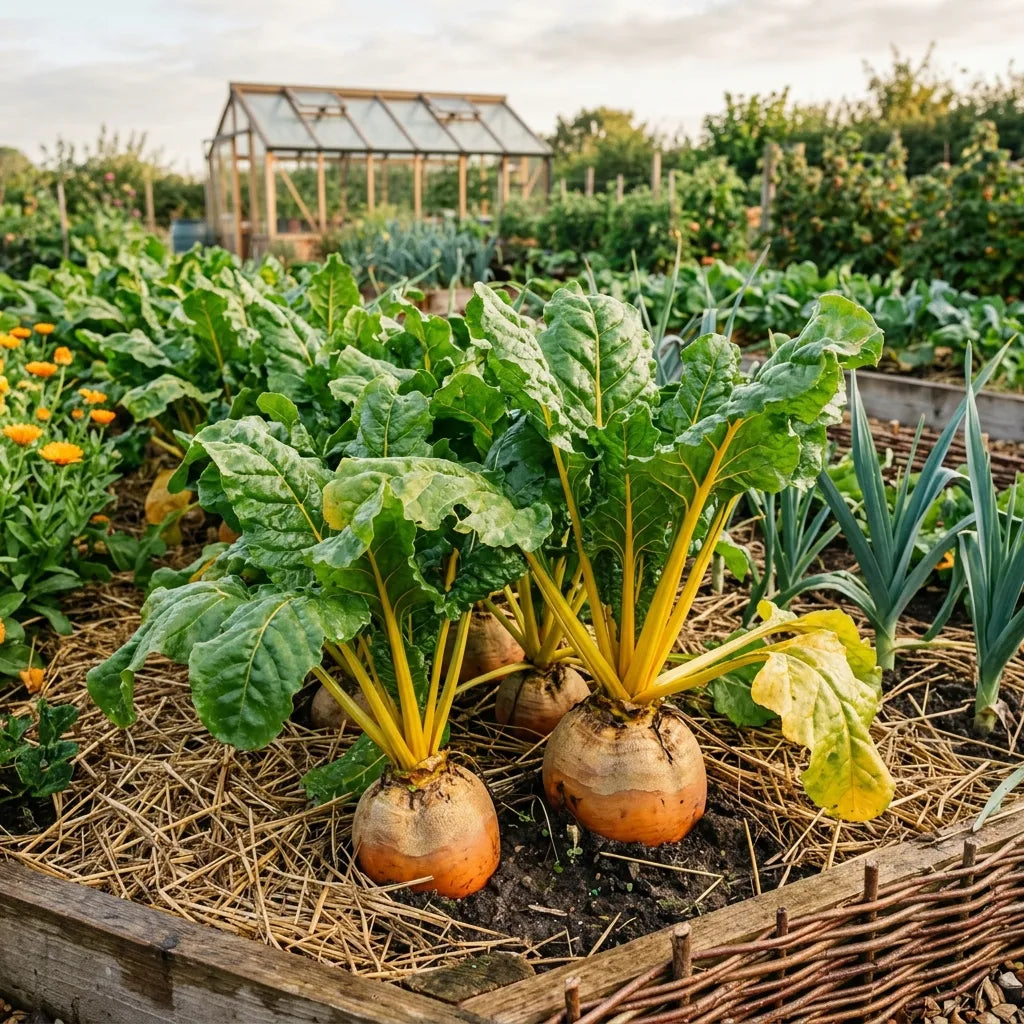
Fast and simple to grow: accessible to all gardeners with deep soil.
Sowing advice:
-
Exposure: sunny.
-
Soil: deep, cool, light, and loose, enriched with well-rotted compost. Avoid stony soils, which deform the roots, and never add fresh manure.
-
Method: sow from March to June to stagger the harvests, 2 cm deep in rows 30 cm apart. Soaking for one hour in lukewarm water encourages germination. Each “seed” is actually a glomerule containing 3 to 6 fused seeds — hence the clustered emergence. See how to sow your seeds.
Care advice:
-
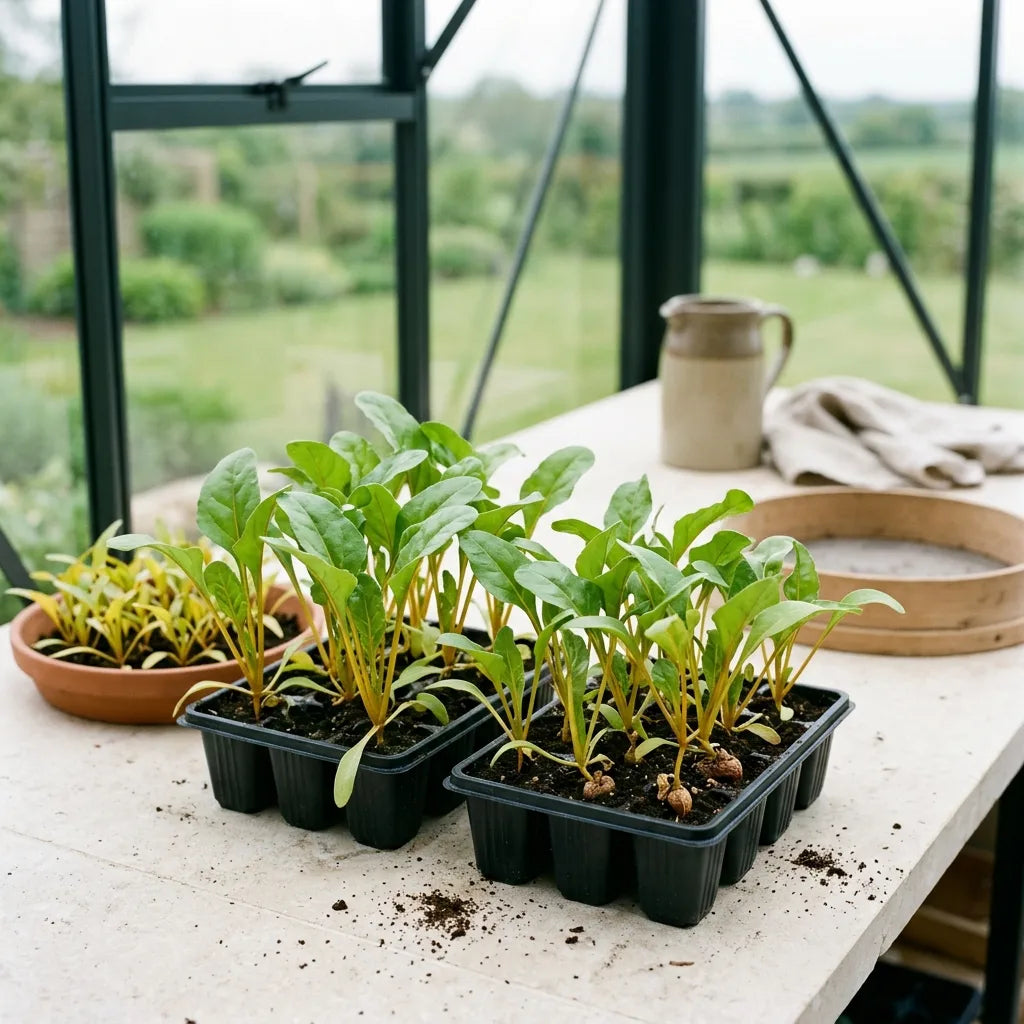
Thin out without fail to 10 cm apart once the plants have 3 or 4 leaves: without this step, the plants compete with one another and you will obtain only small, undersized roots. The good news: beet is the only root vegetable that transplants easily — the plants you remove are not wasted.
- Water regularly, especially during dry periods: fluctuations in water supply cause the roots to split.
Harvesting advice:
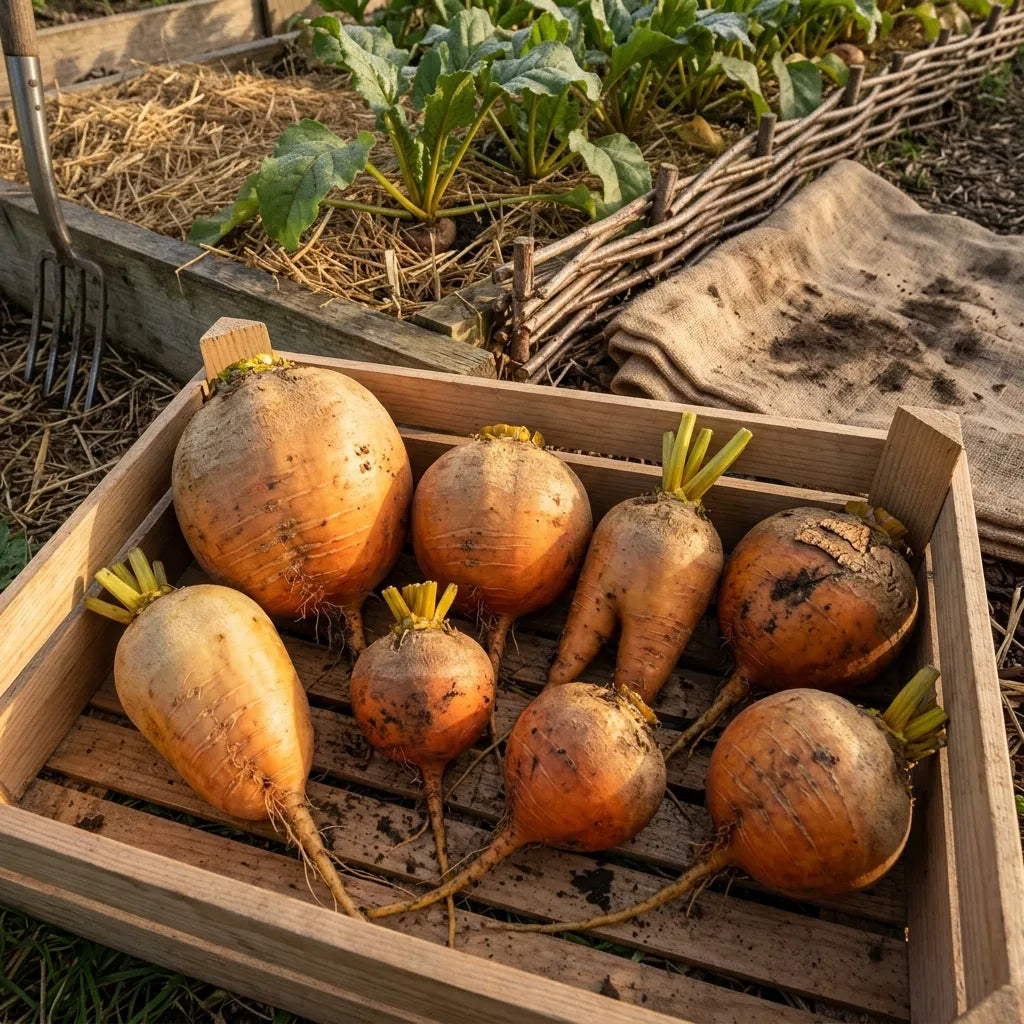
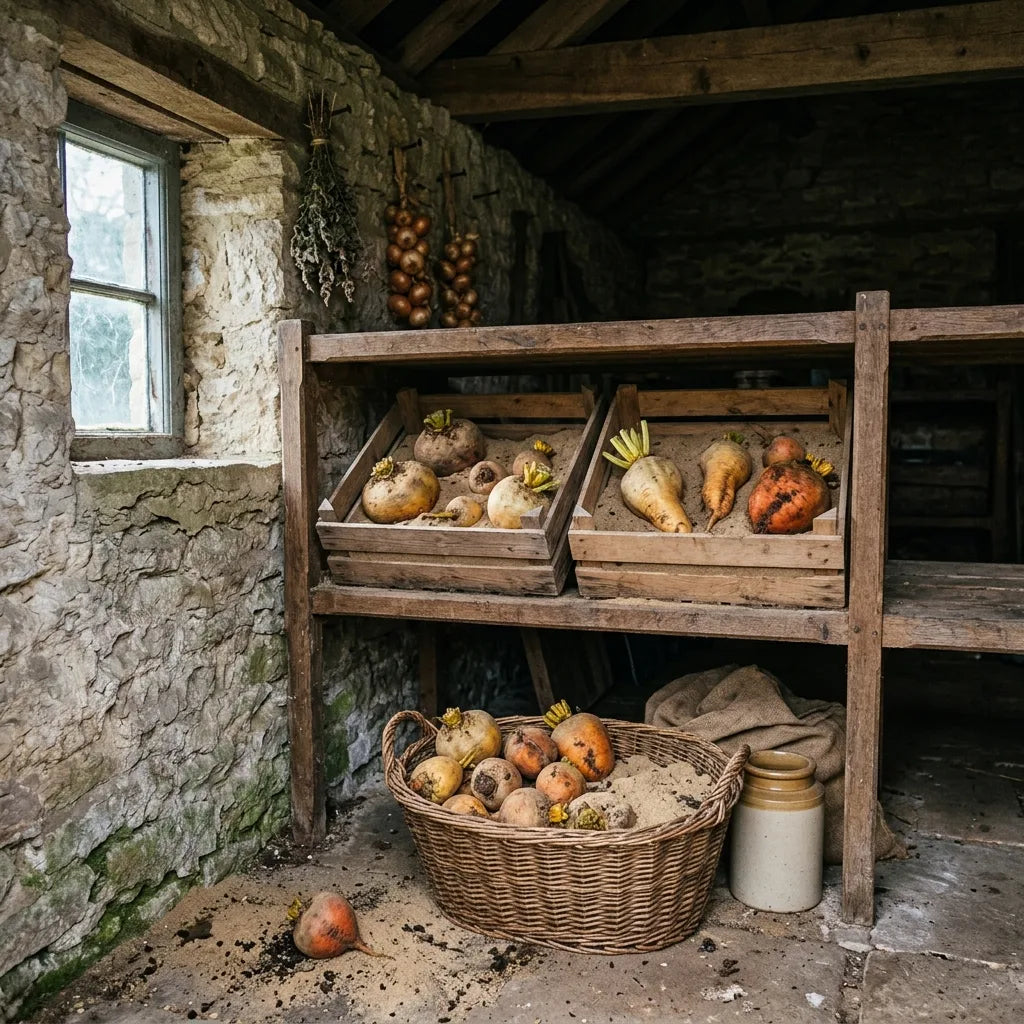
- Harvest before severe frosts, when the roots reach the size of a tennis ball — if they grow larger, they become fibrous. Leave 3 cm of leaf stalk when cutting the tops, to prevent the beet from “bleeding” during cooking.
Beneficial companions:
Benefits for biodiversity:
- Its abundant foliage covers the soil, protects it from drying out, and provides shelter for ground beetles and beneficial insects.
- Growing heirloom varieties like this one directly contributes to preserving cultivated diversity, which has been greatly diminished by standardization.
Uses:
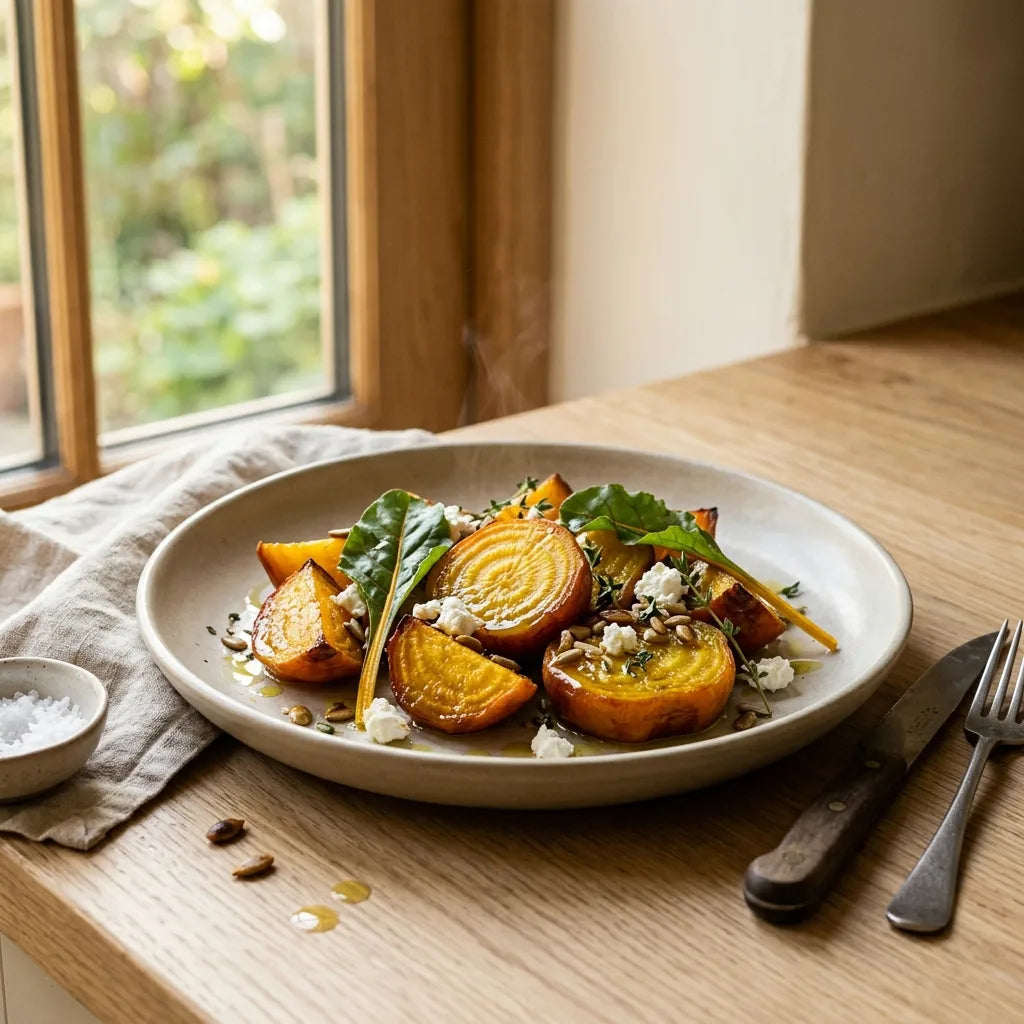
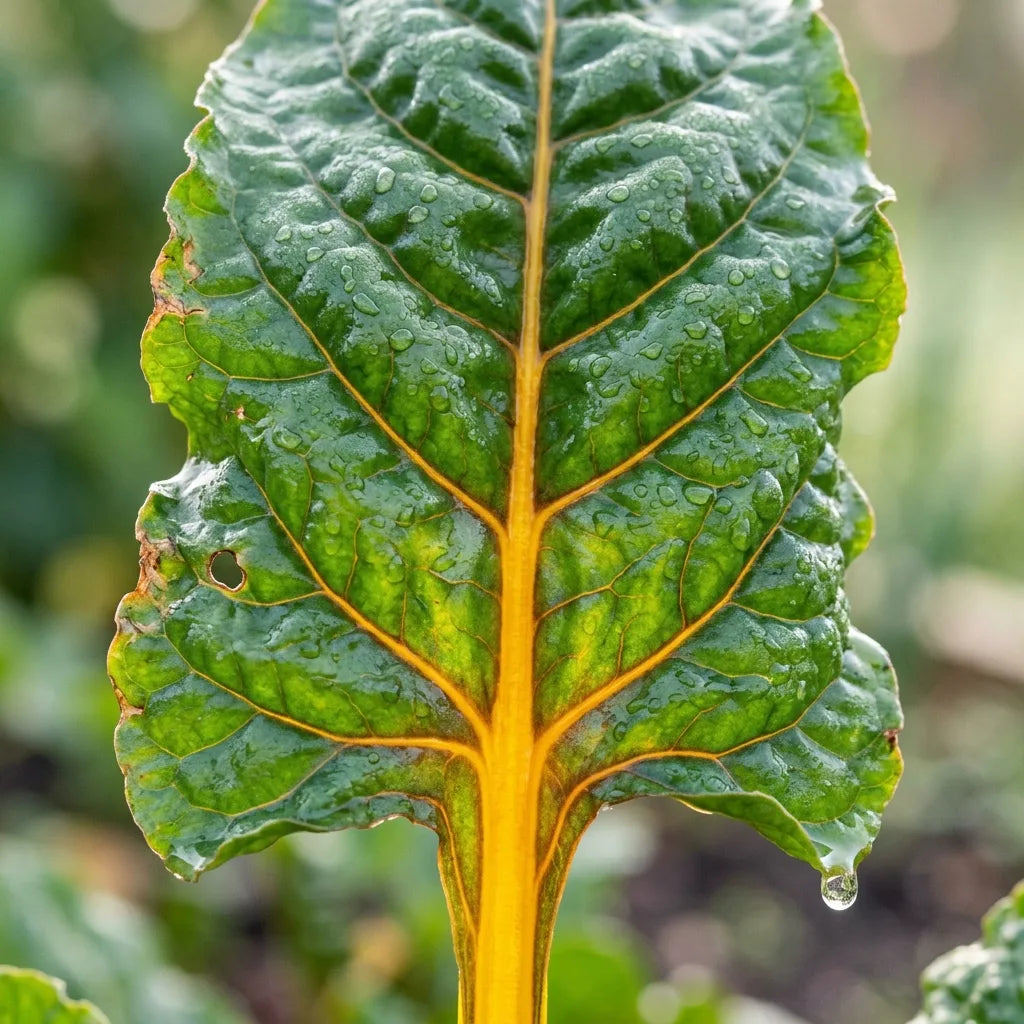
- Grated raw, roasted in the oven in wedges, in a velouté soup, or as carpaccio — its golden color looks superb mixed with red beets, precisely because it does not bleed into them. Its greens can be cooked like chard.
Saving your own seeds:
As a biennial, it goes to seed in its second year: keep a few roots protected from frost and replant them in spring. Harvest the dry flower stalks. Be careful: it cross-pollinates with chard and other beets, so isolate your seed plant. See how to save your seeds.
Commitment to Quality: at SemiSauvage - Permaculture, we grow and select our seeds with respect for all living things as our guiding principle. Based near the Volcans d'Auvergne, we choose open-pollinated, non-hybrid varieties, tested for their germination rate, carefully sorted and packaged, with no chemical treatments. Our belief: to give gardeners back the ability to resow, year after year, seeds that truly belong to them.
All the sweetness of beet, without the red fingers.