Adonis aestivalis
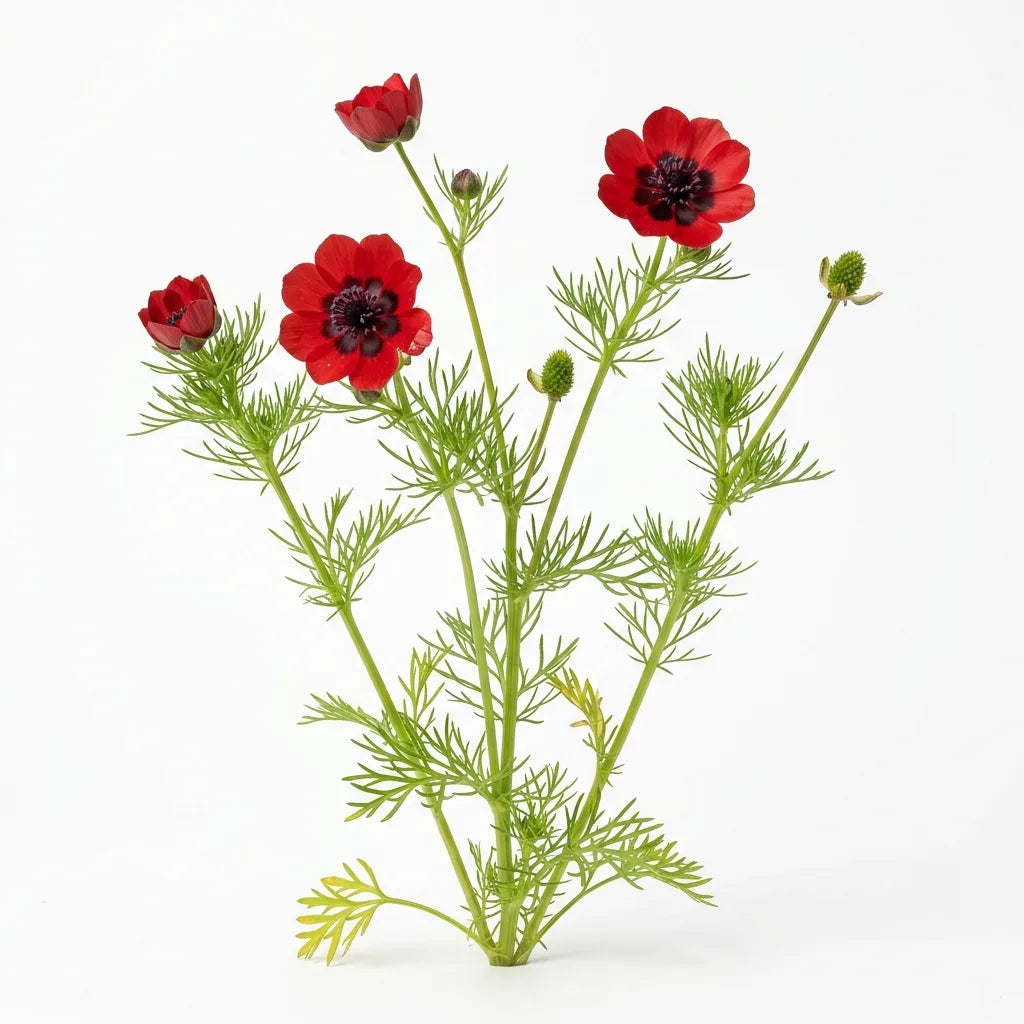
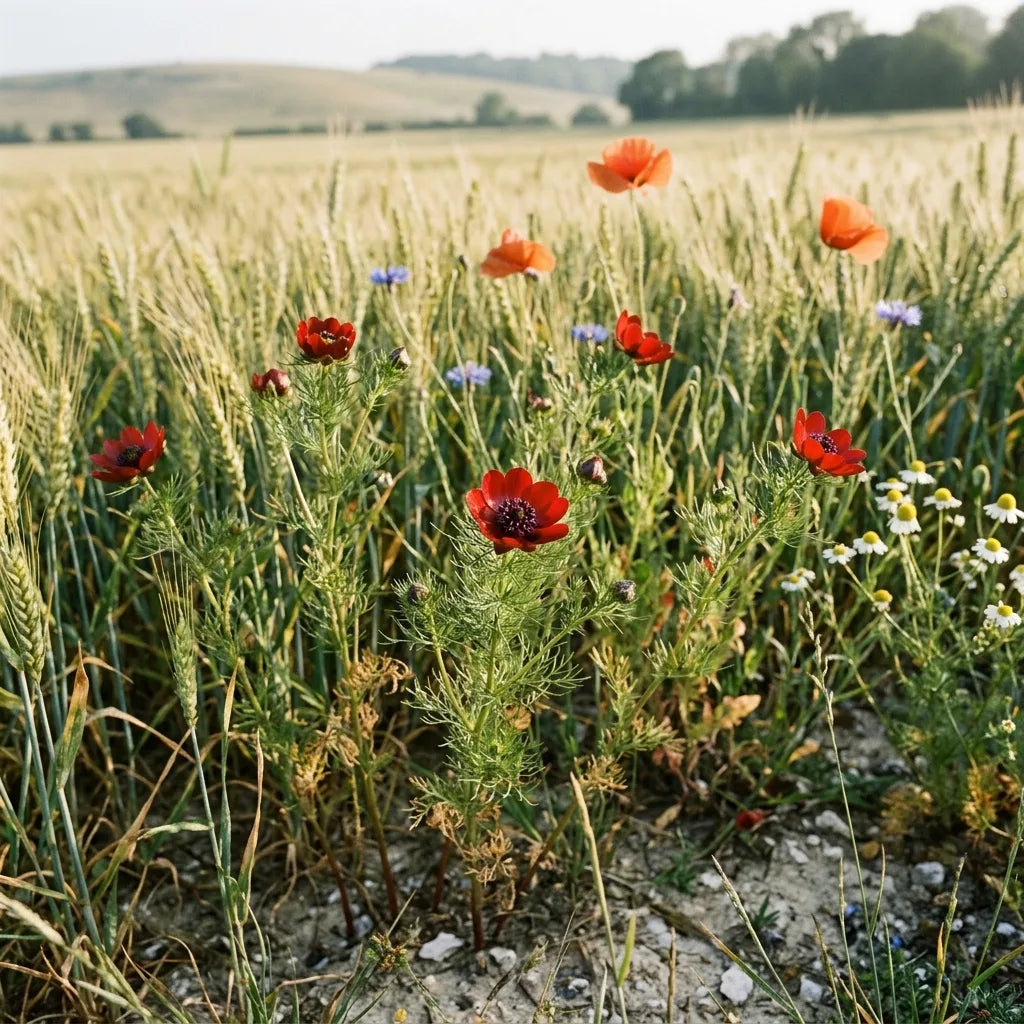
Summer pheasant’s eye, blood drop, partridge eye, quail rose: mythology tells that these scarlet flowers sprang from the blood of Adonis, mortally wounded by a wild boar—hence its name and that of “blood drop.” Once a common harvest flower, it has now become rare in our countryside and deserves a place in the garden.
Characteristics:
-
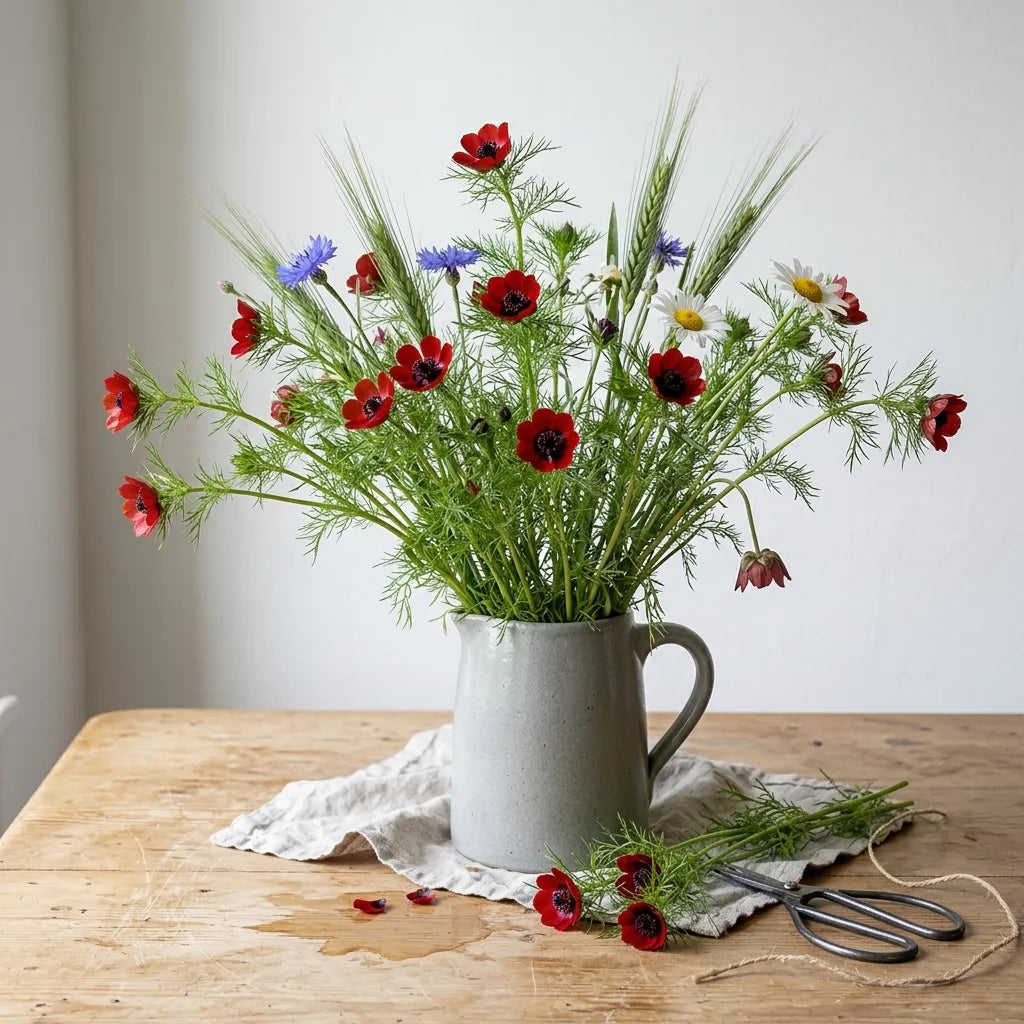
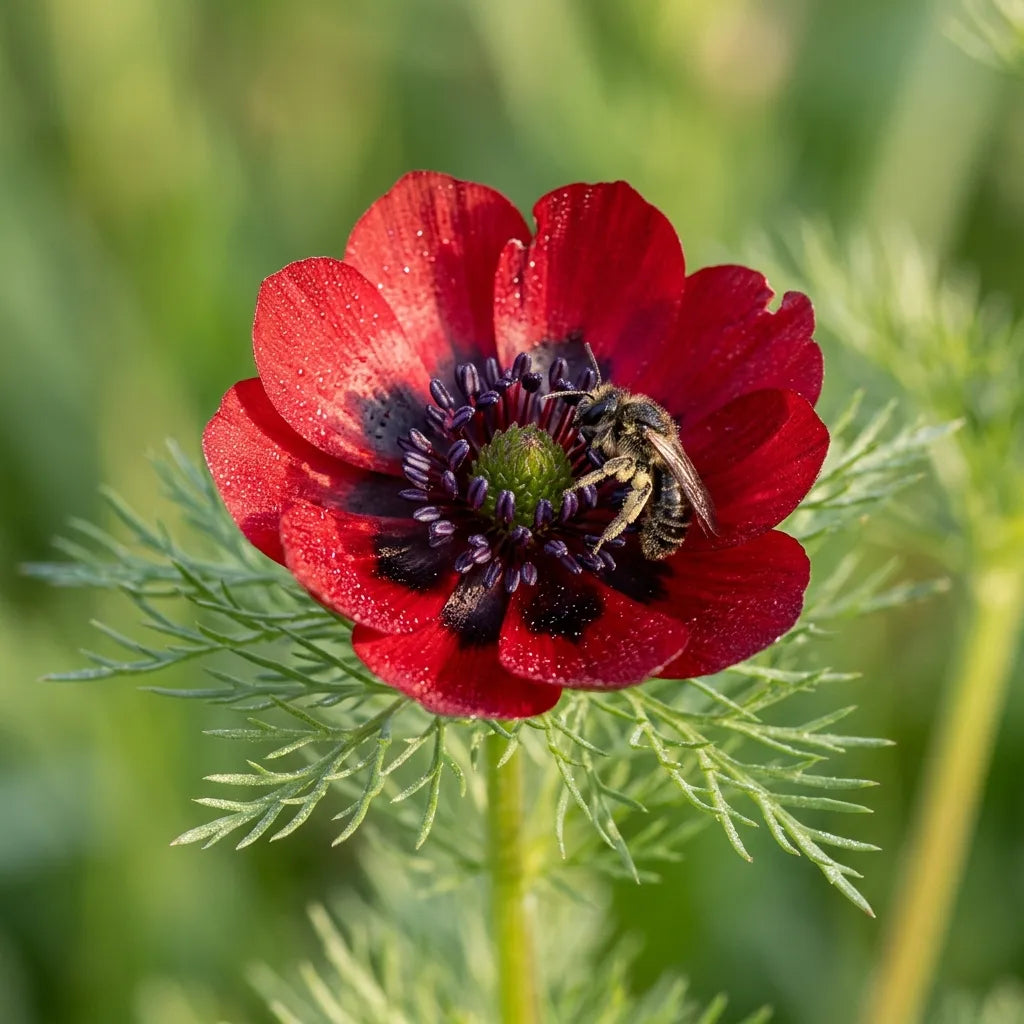
Bright red: small scarlet flowers with black centers, creating a striking contrast in summer.
-
Finely divided foliage: airy, almost feathery foliage that highlights the flowers.
-
Hardy: an annual that tolerates poor soils and dry summers.
Precautions:
-
All parts of the plant are toxic if ingested: adonis contains cardiac glycosides, like its relative hellebore. Do not consume it in any form, and keep the seeds out of reach of children and pets.
- Avoid planting it in pasture: it is also toxic to livestock.
Sowing advice:
-
Exposure: full sun, essential for abundant flowering.
-
Soil: light, well-drained, ordinary to poor, preferably chalky—it is an arable weed accustomed to cultivated soils. No fertilization: it performs best in lean soil and dislikes stagnant moisture.
-
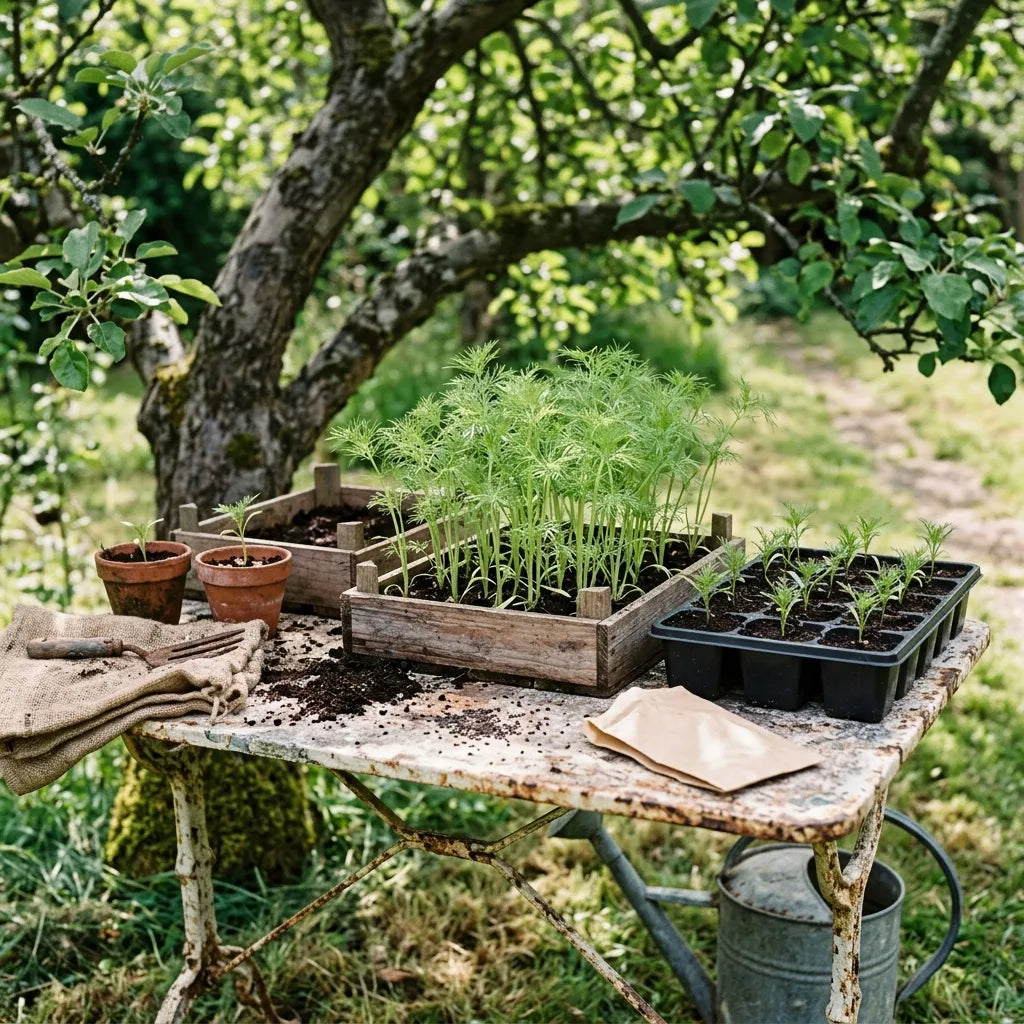
Method: preferably sow in place in autumn, allowing winter cold to break dormancy—this is the key to good germination. Alternatively, apply cold stratification before spring sowing. Cover lightly: the seeds germinate better in darkness.
Care advice:
- Almost none. Thin to 20 cm and leave a few plants to set seed for natural reseeding.
Beneficial combinations:
Benefits for biodiversity:
- It belongs to the group of arable flowers that have sharply declined since the widespread use of herbicides: sowing it directly contributes to their preservation.
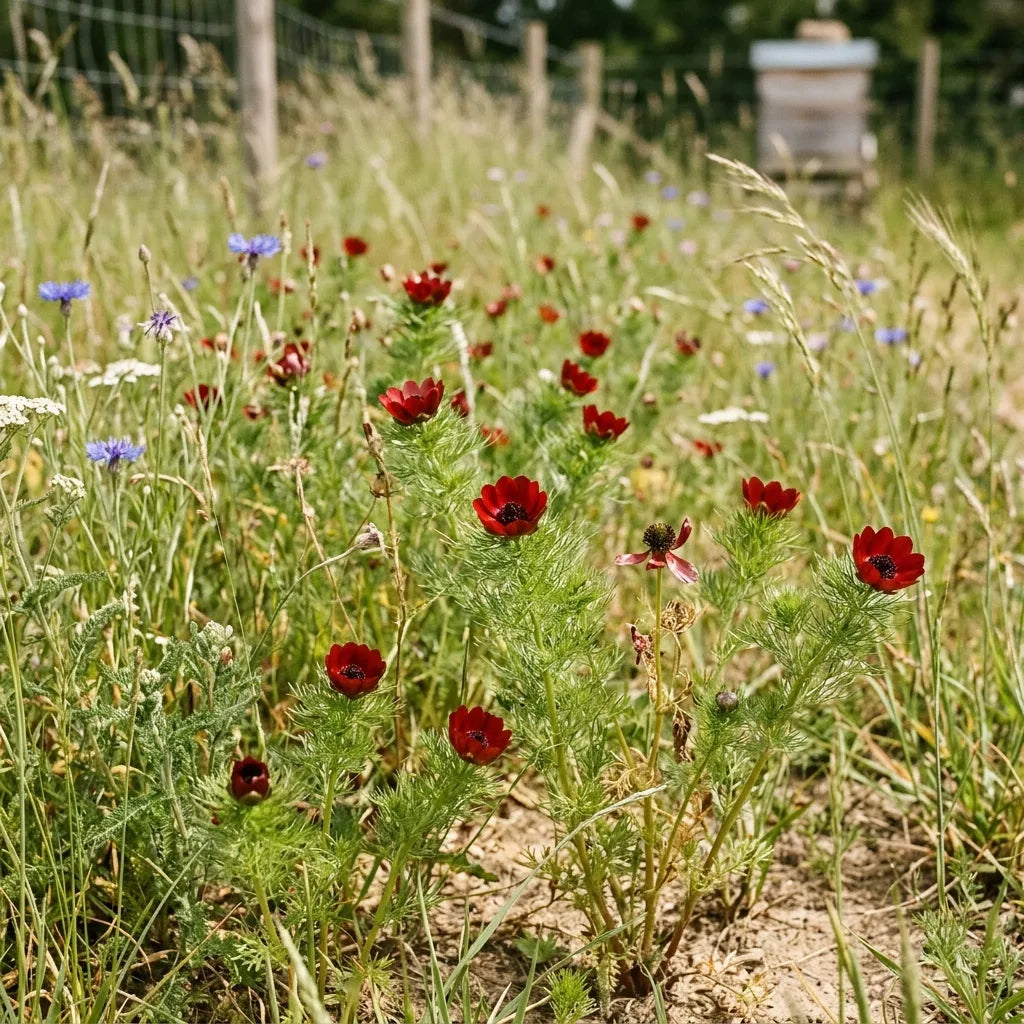
- Its open flowers provide accessible pollen for bees and hoverflies in midsummer.
Uses:
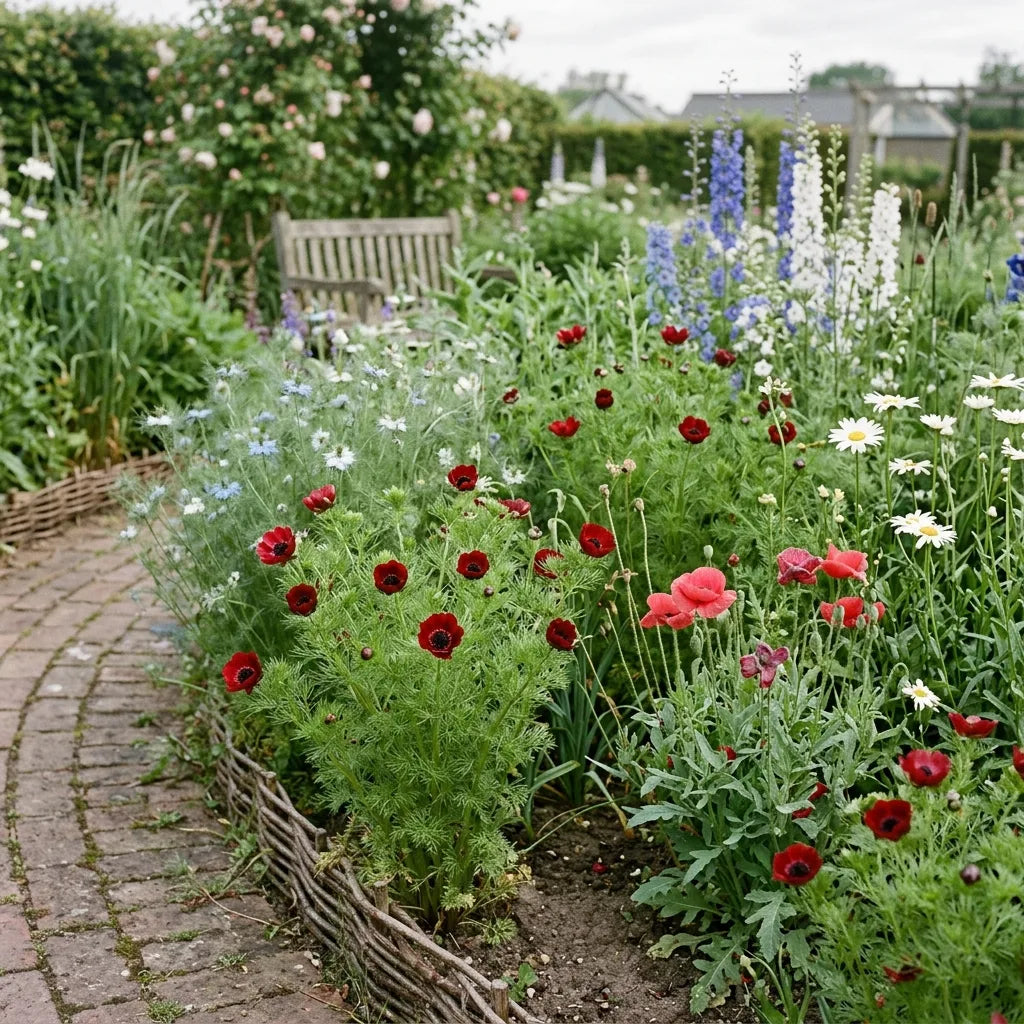
- Strictly ornamental: borders, flower beds, wildflower gardens, and flower meadows. Its flowers last in a vase, but should be handled with hands washed afterward.
Symbolism:
According to Greek mythology, it was born from the blood of Adonis and symbolizes painful remembrance and the fleeting beauty of youth.
Harvesting your own seeds:
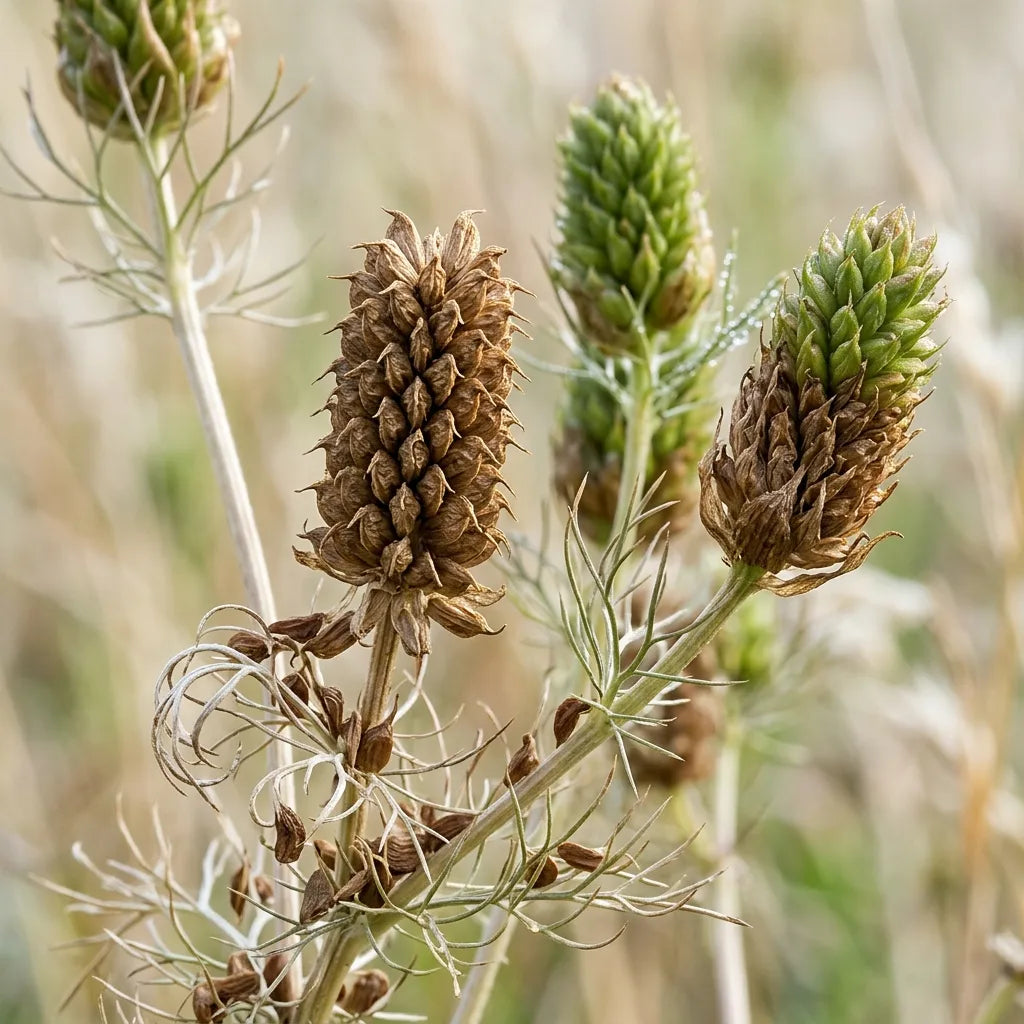
Leave a few flowers to form their bristly seed heads, then harvest them once they are brown and dry. Sow them promptly: their germination rate declines quickly. Clearly label the packet because of their toxicity. See storing your seeds.
Commitment to Quality: at SemiSauvage - Permaculture, we grow and select our seeds with respect for all living things as our guiding principle. Based near the Auvergne Volcanoes, we choose open-pollinated, non-hybrid varieties, tested for their germination rate, carefully cleaned and packaged, with no chemical treatment. Our belief: to give gardeners back the ability to resow, year after year, seeds that truly belong to them.
Sow a once-common harvest flower that has become rare, glowing red in midsummer.