Step outside for a few moments, brush your fingers over some foliage, pick two sprigs for a meal… Herbs bring the garden closer to the kitchen. Their fragrance is discovered on the plant, changes between a fresh leaf and a dried harvest, and then finds its place in everyday routines.
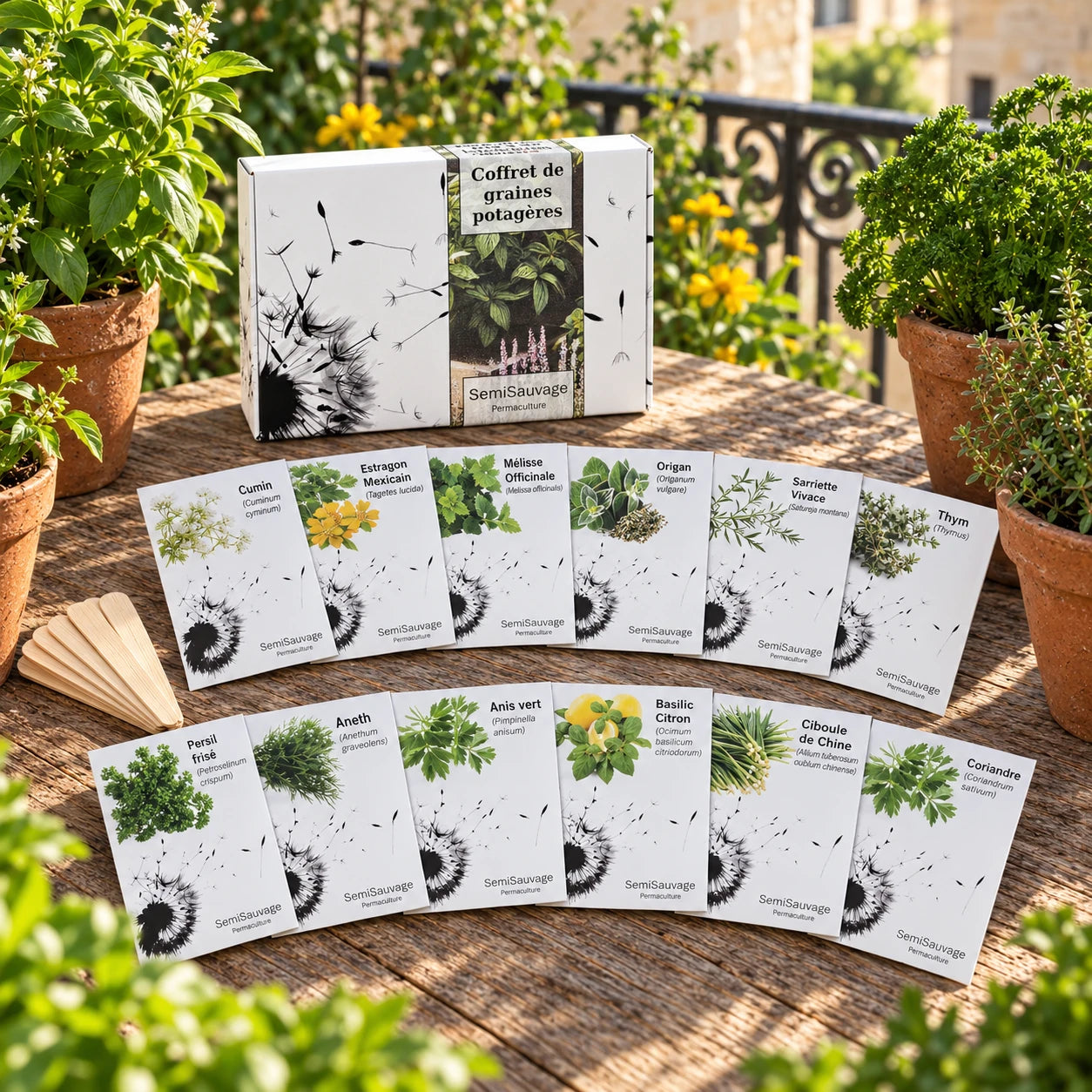
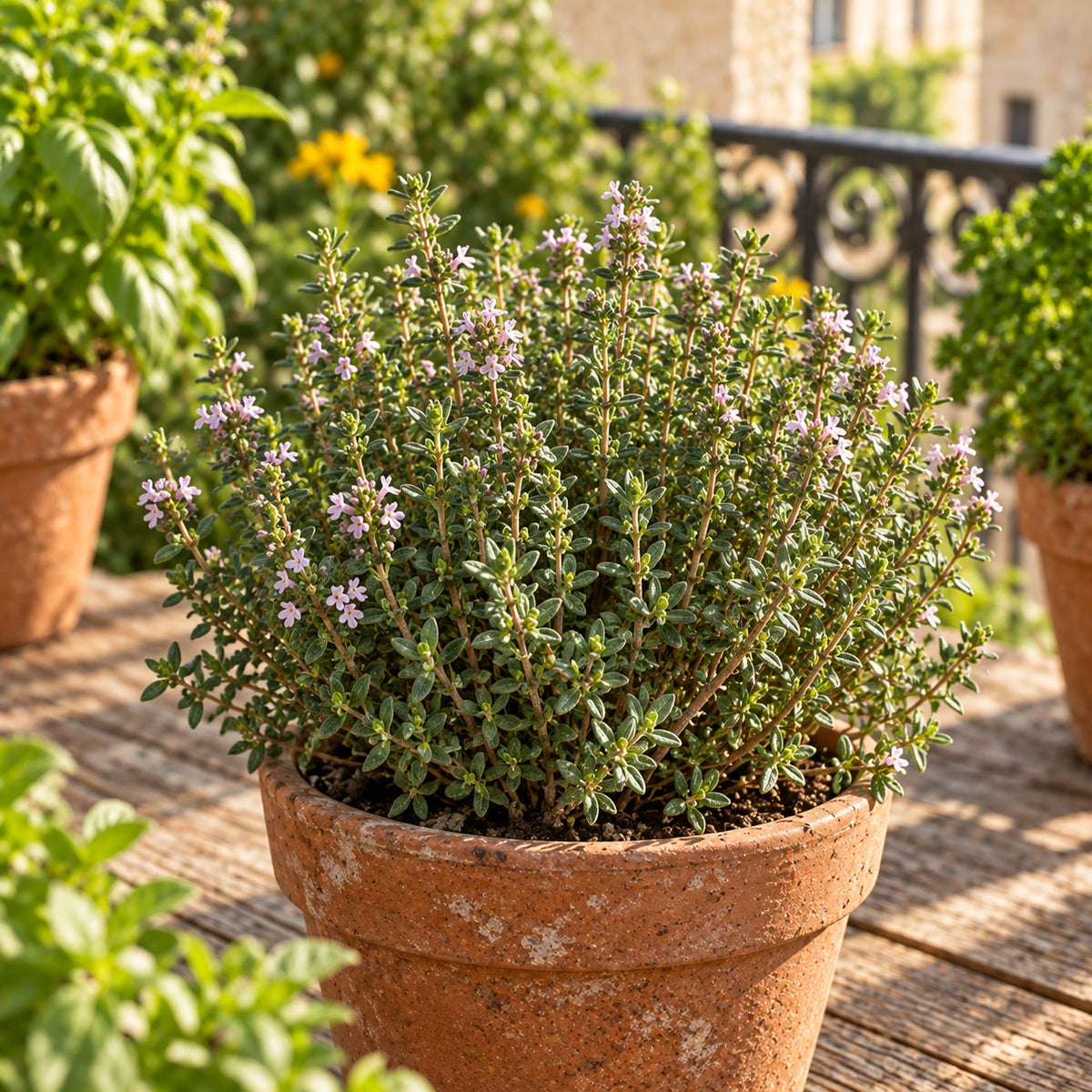
This herb seed set brings together twelve varieties to create a garden of flavors: curly parsley, lemon basil, coriander, thyme, as well as green anise, cumin, and Mexican tarragon. Some essentials and a few discoveries, to distribute among pots, planters, or a corner of the vegetable garden.
Whether given as a gift or bought for yourself, it invites you to start with a few packets, watch the first shoots appear, and choose what you enjoy cooking. There is no need to sow everything on the same day: your herb garden can take shape gradually.
Getting started
Contents: 12 packets, totaling 3,250 seeds, accompanied by wooden labels.
Presentation: a 15 × 10 × 3 cm box; sowing instructions appear on the back of the packets.
Placement: in the garden, on a terrace, or on a bright balcony, in several suitable containers.
Exposure: generally sunny, with gentler light for some plants during periods of intense heat.
Sowing: depending on the species, under cover in spring or directly in place when conditions are suitable.
Harvests: leaves, young stems, or mature seeds; the timing depends on the variety, sowing, and your climate.
Twelve herbs, a palette of flavors
The set combines foliage to pick regularly with plants to let flower so you can harvest their seeds. It also brings together annuals to renew and perennials that can accompany the garden for several seasons.
A few sprigs for bouquet garni, vegetables, and long-cooked dishes.
Total: 3,250 seeds divided among twelve packets. The pots, plants, potting soil, containers, and decorative elements shown in the displays are not included.
Creating a garden near the kitchen
Place the plants you use often within easy reach, while leaving a passage for moving around and watering. A few well-arranged pots are already enough to monitor the seedlings, observe the foliage, and harvest without crossing the entire garden.
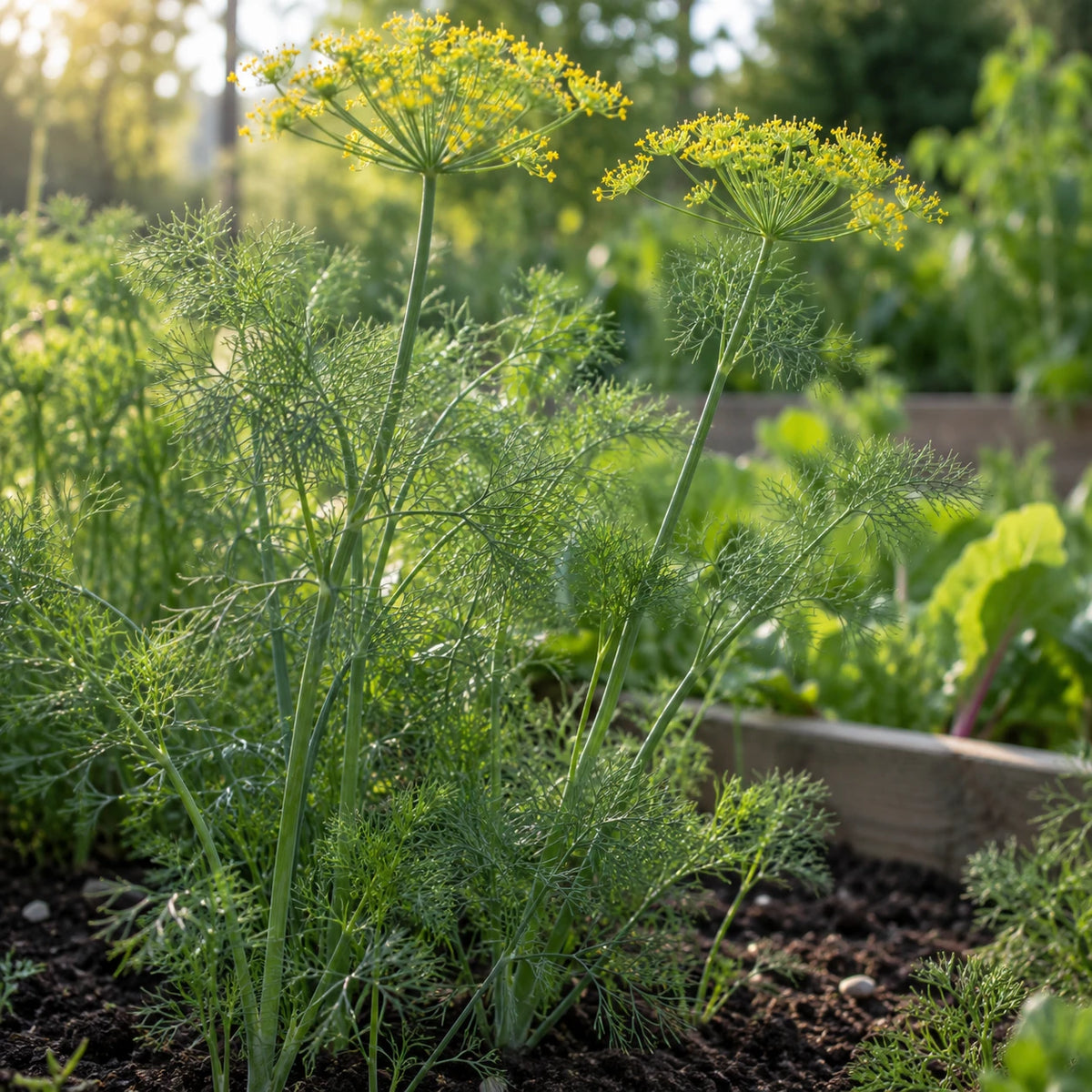
The twelve varieties are spread across several locations. A single small container cannot accommodate the entire selection for long. Choose pots with drainage holes, deep enough for the roots and stable enough for the tallest plants, such as dill. Move the plants into larger containers as they grow.
A very bright windowsill can be used to start seedlings or accommodate certain plants. However, it cannot replace outdoor conditions for the entire collection: available light, warmth, and space determine the result.
Sow each variety at its own pace
Start by reading the instructions specific to each packet. Seeds vary in size and requirements: sowing depth, temperature, and germination time are not the same. Label each container with the seed name and sowing date.
Lemon basil and Mexican tarragon can be started indoors in a warm, bright location. Gradually acclimatize the young plants to outdoor conditions and wait until the frosts have ended; basil also appreciates mild nights.
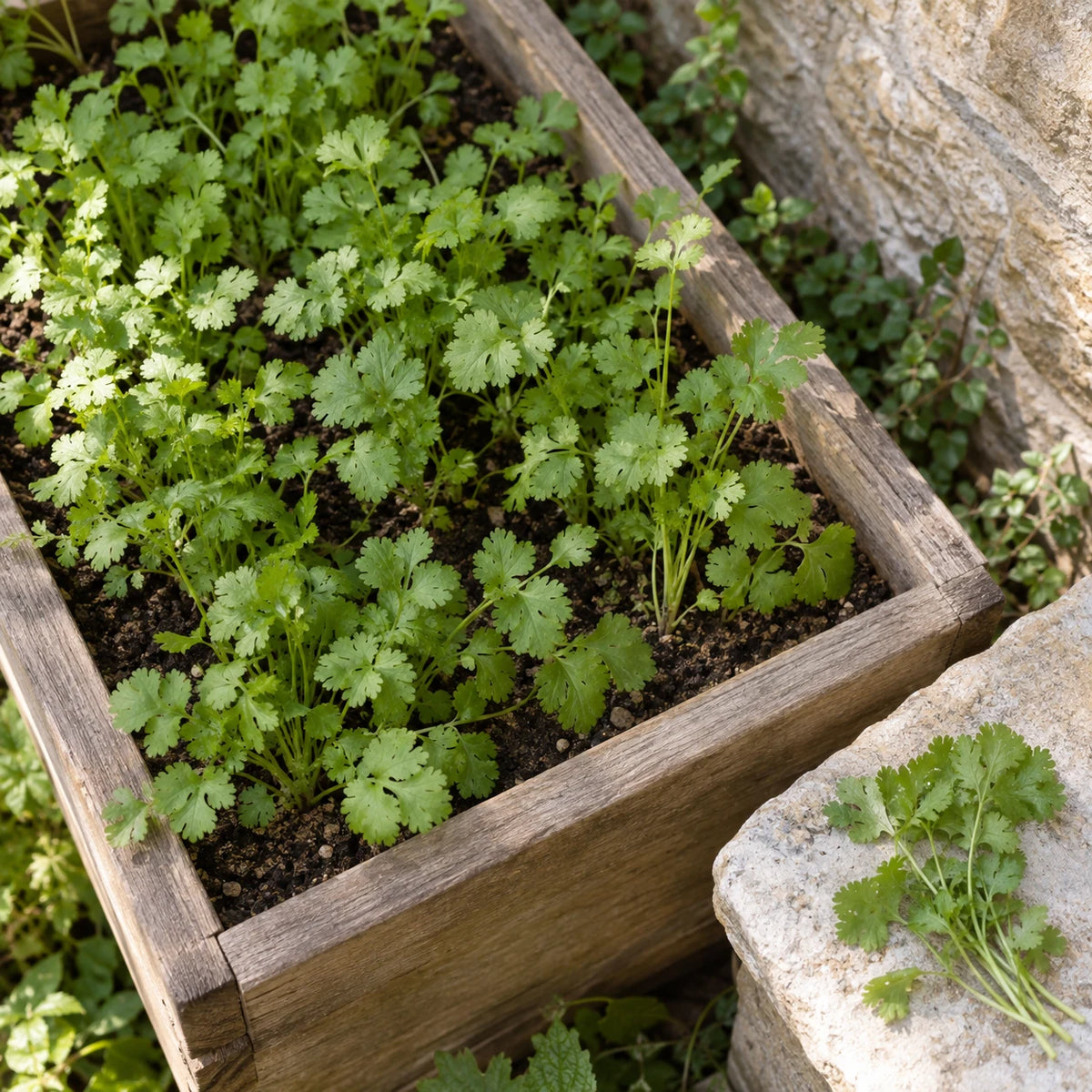
For dill, coriander, green anise, and cumin, favor sowing directly in their final position when conditions allow. This will limit disturbance to their roots. Then thin the seedlings to give the plants you keep enough room to develop.
Very small seeds, particularly those of thyme, oregano, and savory, require fine sowing and little covering. Maintain consistent moisture during germination without waterlogging the substrate. Parsley may require patience: the lack of shoots in the first few days does not mean that sowing has failed.
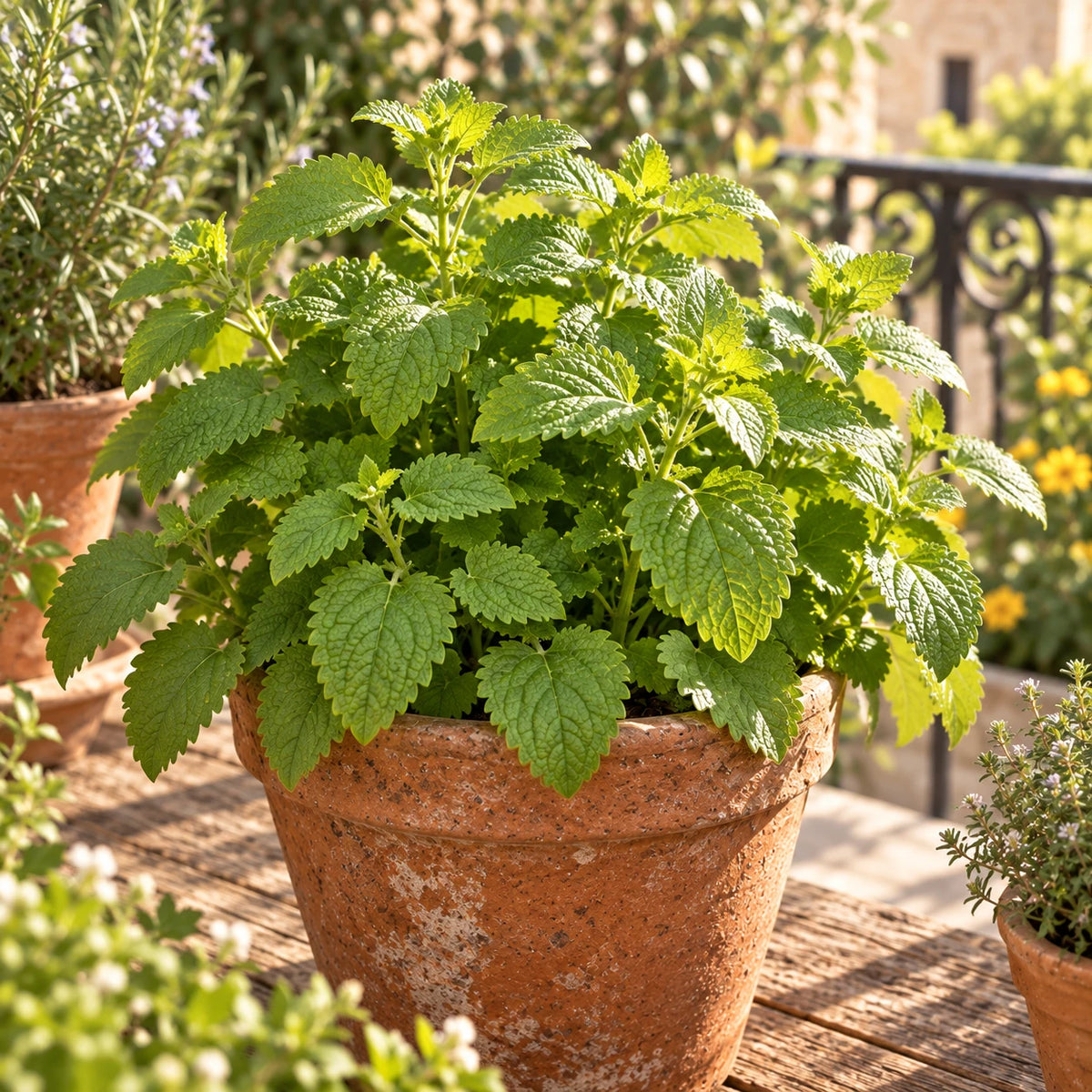
Once the plants are established, adapt care to their foliage and container. Thyme, oregano, and savory appreciate a sunny position and well-drained soil. Basil, parsley, lemon balm, and Chinese chives require closer monitoring of moisture to maintain attractive foliage.
In pots, check the potting soil before watering and let excess water drain away. Even a plant that tolerates drought in the garden may need water in a container. Wind, pot size, and hot days affect how often you need to water.
Coriander readily bolts when conditions become hot. To extend the leaf harvest, stagger sowings rather than relying on a single plant for the entire season. Give anise and cumin a warm, sunny spot: their seeds may be more difficult to ripen when summer remains cool.
In winter, monitor drainage and protect containers exposed to severe frost. Mexican tarragon, a frost-sensitive perennial, can be overwintered under cover in a bright location or grown as an annual. Parsley is biennial: it generally flowers in its second year.
Harvesting, cooking, and preserving flavors
Gradually harvest from well-established plants, leaving some foliage so they can continue growing. Add a few coriander or lemon basil leaves at the last moment; thyme and savory are happy to accompany cooked dishes.
Chinese chives are recognizable by their flat leaves and mild garlic flavor. Mexican tarragon is a marigold, Tagetes lucida: its fragrance is reminiscent of tarragon, but it is a different plant. As for cumin and green anise, their place in the kit also invites you to discover spice harvesting.
For seeds intended for cooking, wait until they are mature and finish drying them away from moisture. Thyme, oregano, and savory can be dried in small quantities in a well-ventilated place. Freezing is another option for preserving some tender foliage. Label your harvests so you can easily recognize their fragrances.
Making Room for Flowers Too
An herb garden is about more than just leaves. Dill and anise form delicate umbels, Chinese chives bear small white flowers, and Mexican tarragon adds golden touches. Plants change shape as they develop.
By letting a few plants flower, you can provide resources for visiting insects and observe another stage of cultivation. Set some plants aside for harvesting leaves and let the others complete their cycle: the garden becomes more diverse without giving up the pleasure of cooking.
Saving Seeds for Future Sowing
On a few clearly identified plants, let the seeds reach maturity. Harvest in dry weather, dry them in a sheltered place, and store your seeds in packets bearing the variety name and year. Keep them somewhere cool and dry, away from light and temperature fluctuations.
Storage life and germination time vary by species. Cross-pollination can also cause variations when compatible varieties flower nearby: find out more before trying to reproduce a variety identically. Find the essential steps in our guide Saving Your Seeds.
The SemiSauvage Permaculture Spirit
At SemiSauvage, we choose open-pollinated, non-hybrid, untreated seeds to rekindle the joy of sowing and growing. This kit carries that spirit into the kitchen: discovering a fragrance, watching a plant grow, picking what you need, and learning with the seasons.
A few seeds, a spot of light, and the joy of finding the garden on your plate.