Capsicum frutescens
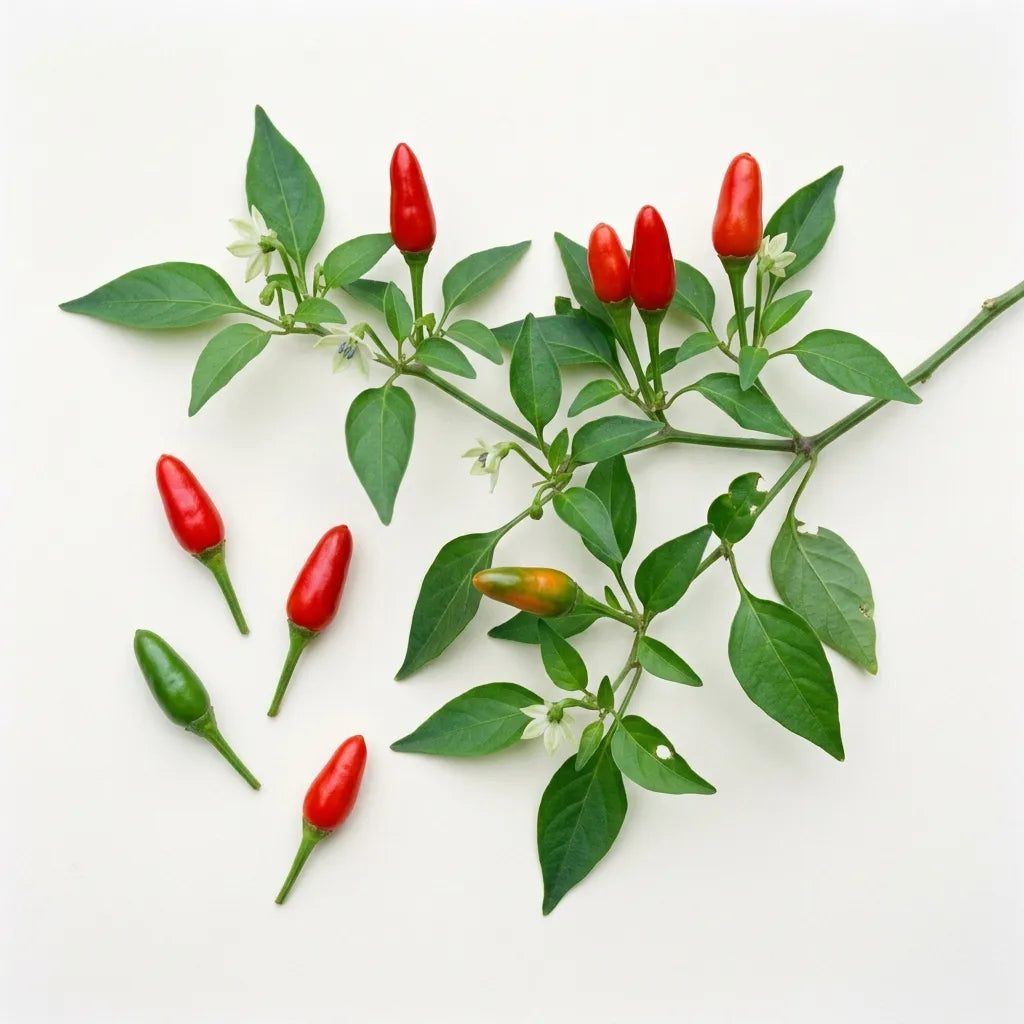
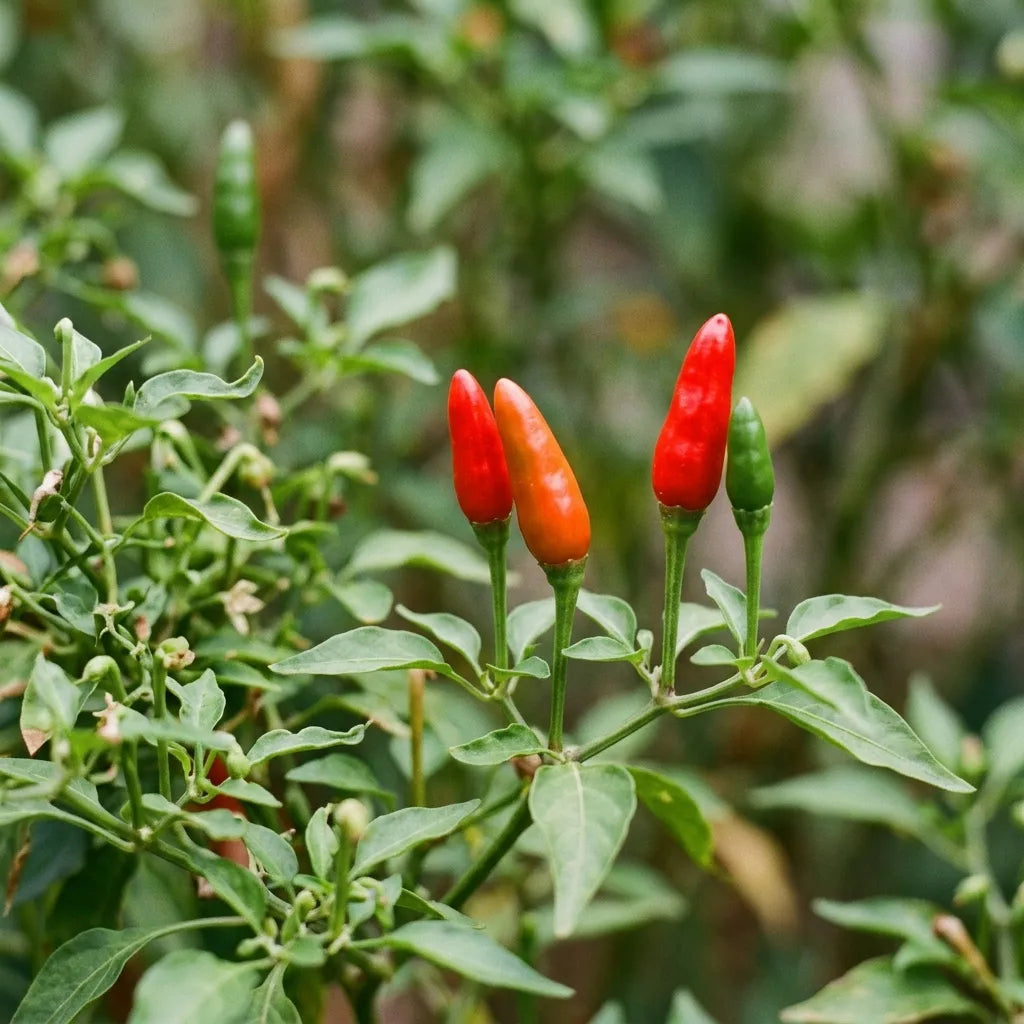
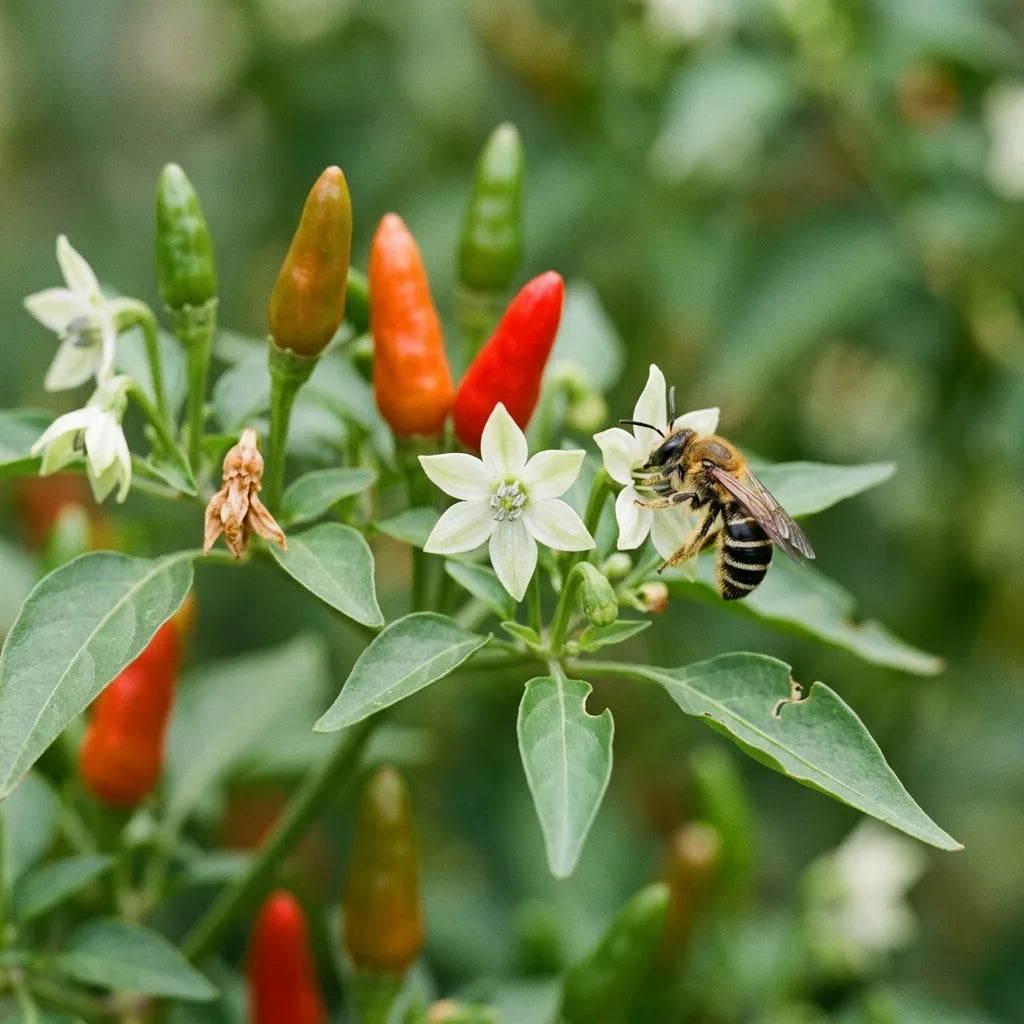
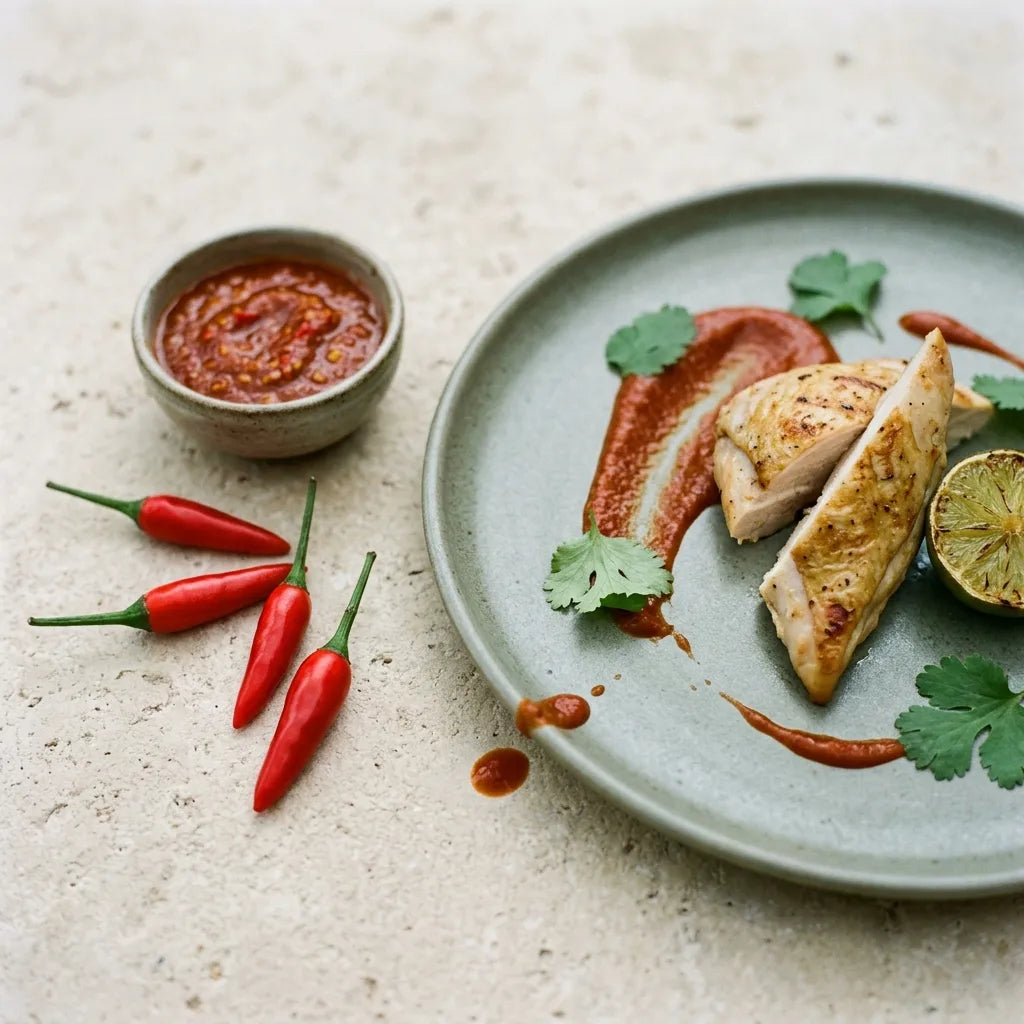
Bird pepper, pili-pili, Martin pepper, malagueta: tiny but formidable, this is the chili pepper used in African and Asian sauces, a direct cousin of Tabasco. Its fruits, barely 2 to 3 cm long, grow upright above the foliage — a highly distinctive habit that sets it apart at first glance from all peppers with hanging fruits.
Characteristics:
-
Very hot: 50,000 to 100,000 Scoville units, with a clear, immediate heat.
-
Small upright fruits: 2 to 3 cm, pointing upward and changing from green to bright red.
-
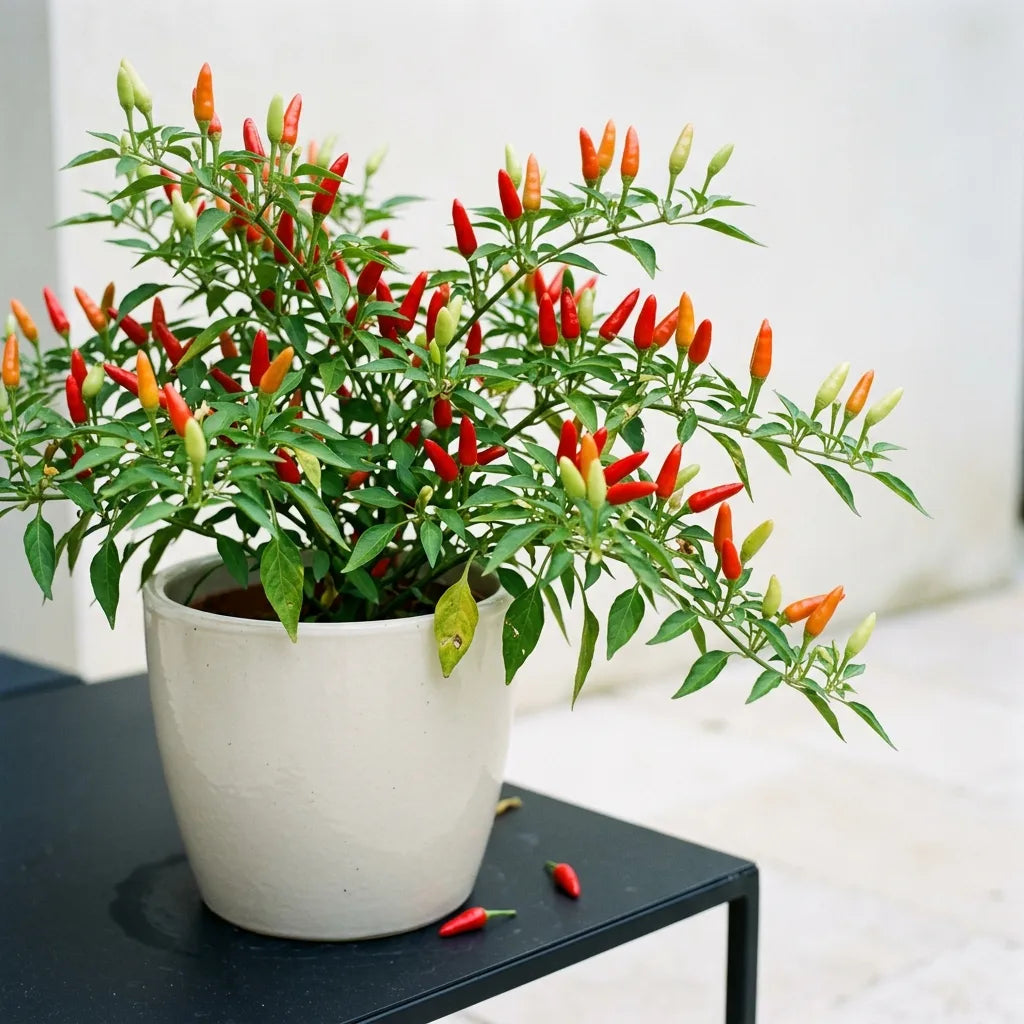
Extremely productive: one plant bears dozens of fruits at the same time.
-
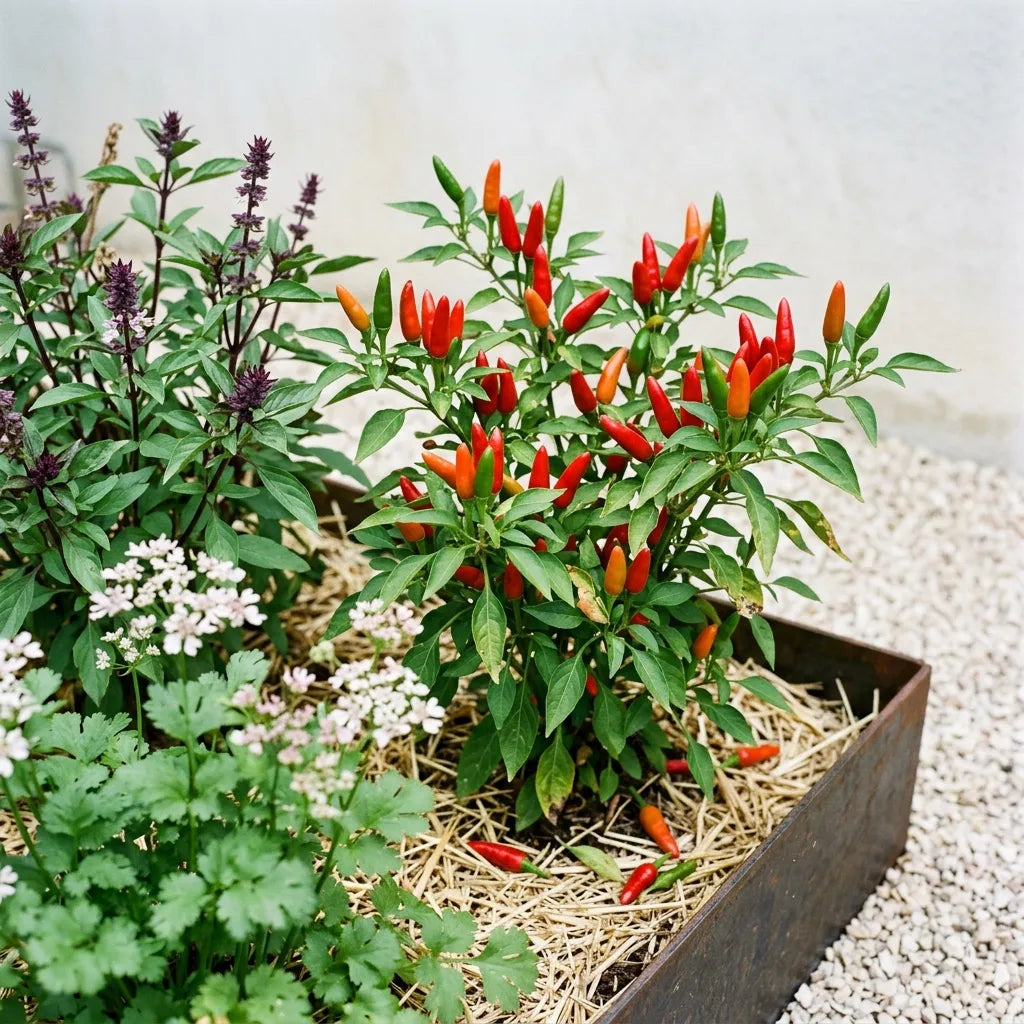
Highly ornamental: its colorful upright fruits make it an attractive potted plant.
Precautions — read carefully:
-
Wear gloves when handling the fruits, whether fresh or dried. Capsaicin sticks to the skin and resists washing with water: subsequent contact with the eyes causes very painful burning.
- Wash your hands with soap and oil rather than water alone — capsaicin is fat-soluble.
- Use sparingly: a single fruit is enough to spice up an entire dish. Keep the fruits and seeds out of reach of children.
- In case of burning in the mouth, drink milk or eat a dairy product: water only spreads the capsaicin around.
Sowing advice:
-
Exposure: full sun and plenty of heat. In cool regions, grow it in a pot that can be sheltered, or in a greenhouse.
-
Soil: rich, loose, moist and well-drained, enriched with compost. It is sensitive to standing water.
-
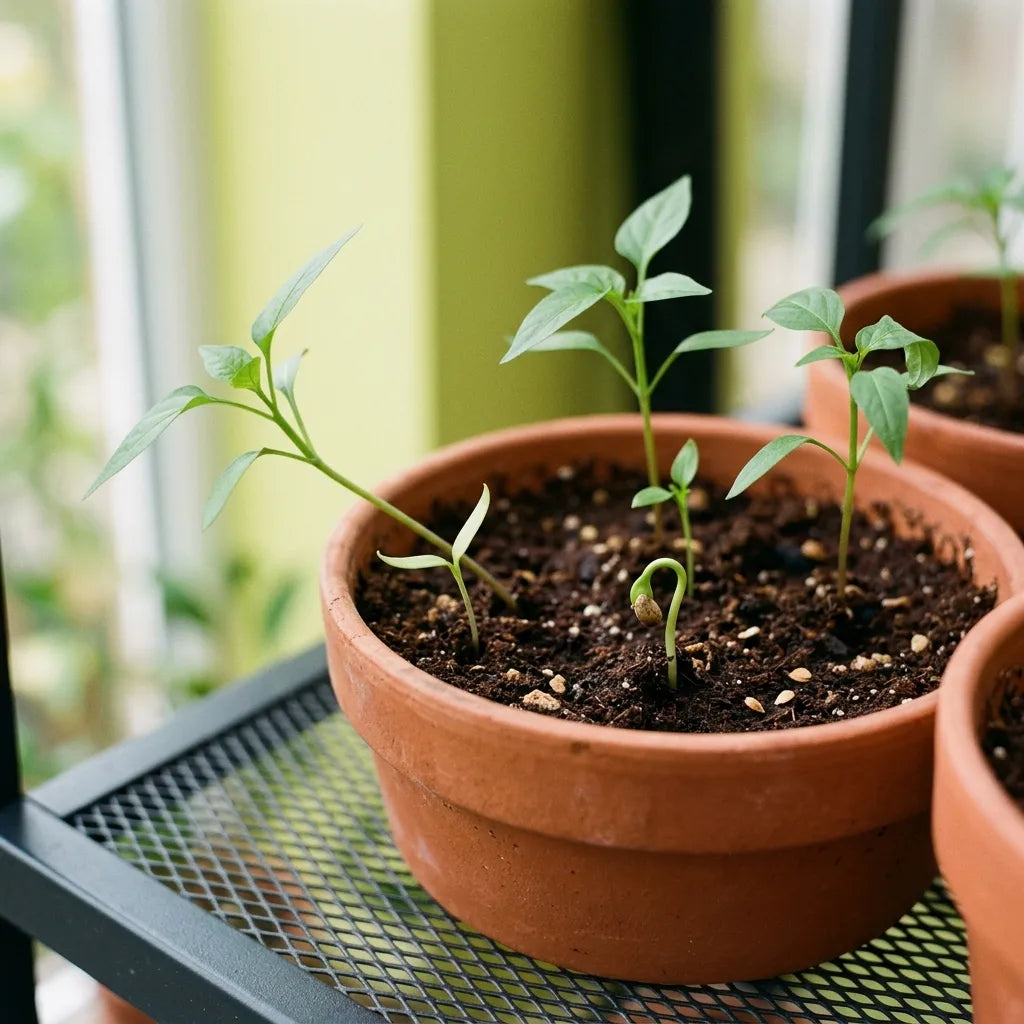
Method: sow from February to March under cover, at a minimum of 25 °C: below 20 °C, germination fails. Allow 2 to 3 weeks. See how to sow your seeds.
Planting advice:
- Transplant when nighttime temperatures remain above 12 °C, spacing plants 40 to 50 cm apart. Unlike tomatoes, do not bury the stem: a buried crown will rot.
Care advice:
- Water regularly at the base, without excess. Mulch to retain moisture.
- Bring the pot indoors before frost: the pepper is perennial and can produce for several consecutive years in a conservatory.
Harvesting advice:
- Harvest with gloves, green for a greener, more direct heat, or red for a more complex and slightly sweet fruit.
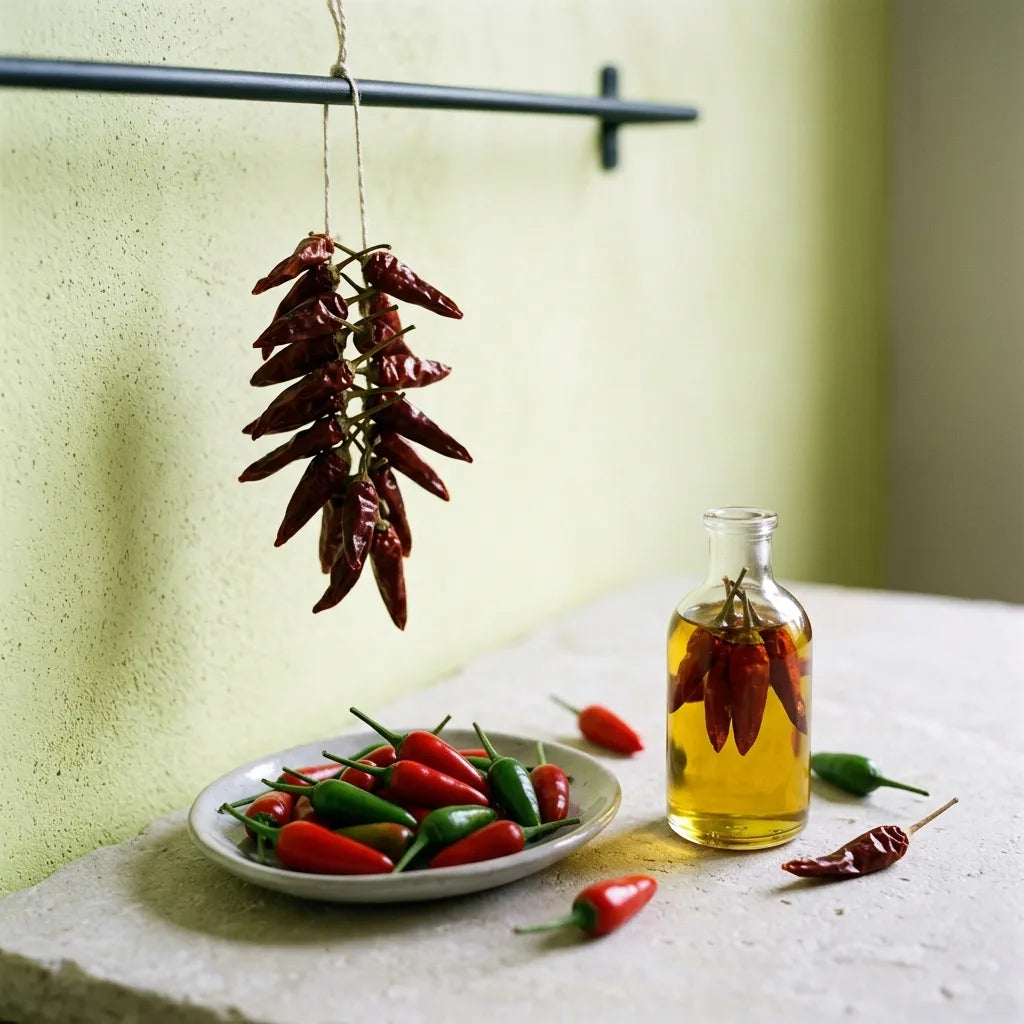
- They dry remarkably well: threaded into garlands and hung up, they can be stored for years.
Beneficial pairings:
Benefits for biodiversity:
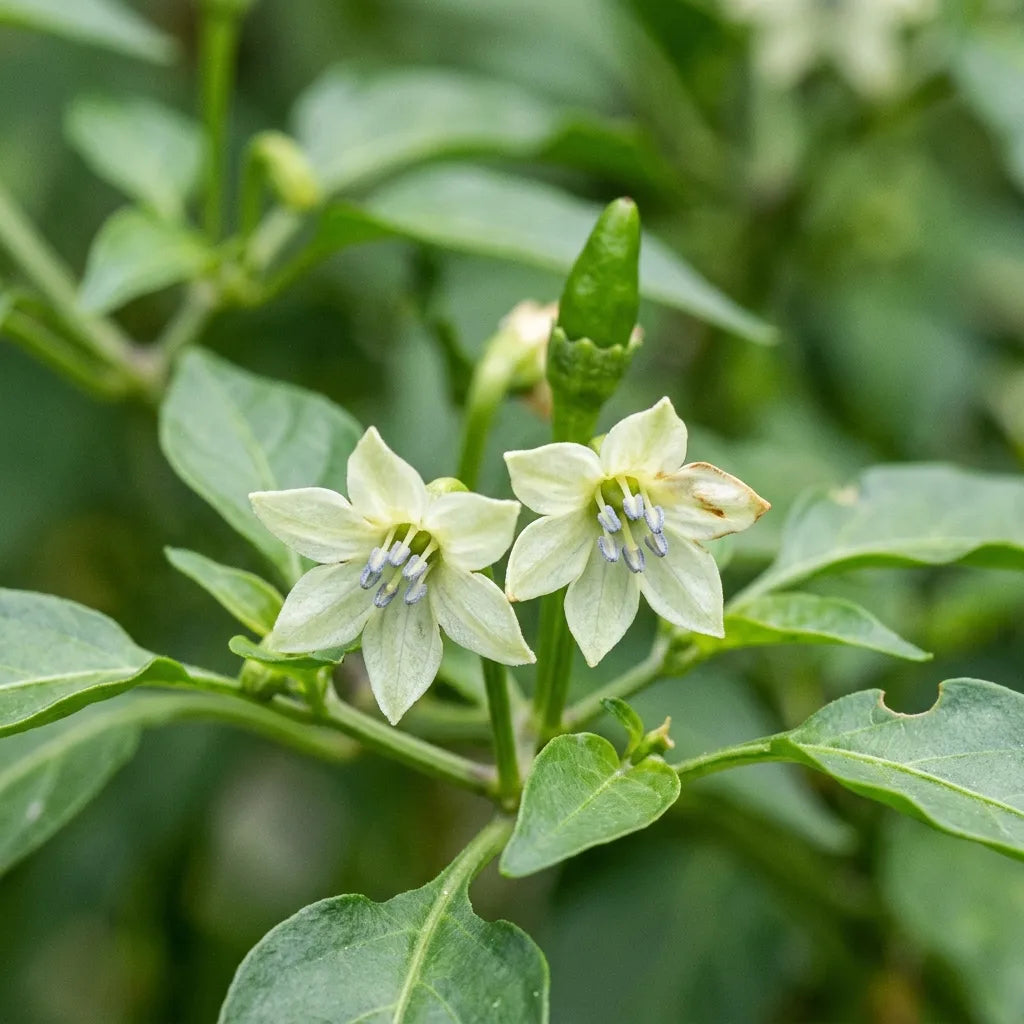
- Its small greenish-white flowers are visited by honeybees, solitary bees and bumblebees throughout the summer.
- Perennial when sheltered, it can produce for several consecutive years: one well-maintained plant provides more than enough for a household, without starting from scratch every spring.
Uses:
- The basis of African pili-pili sauces, Thai curries and Caribbean condiments. Fresh, dried, powdered or infused in oil. One fruit is generally enough for four people.
Harvesting your own seeds:
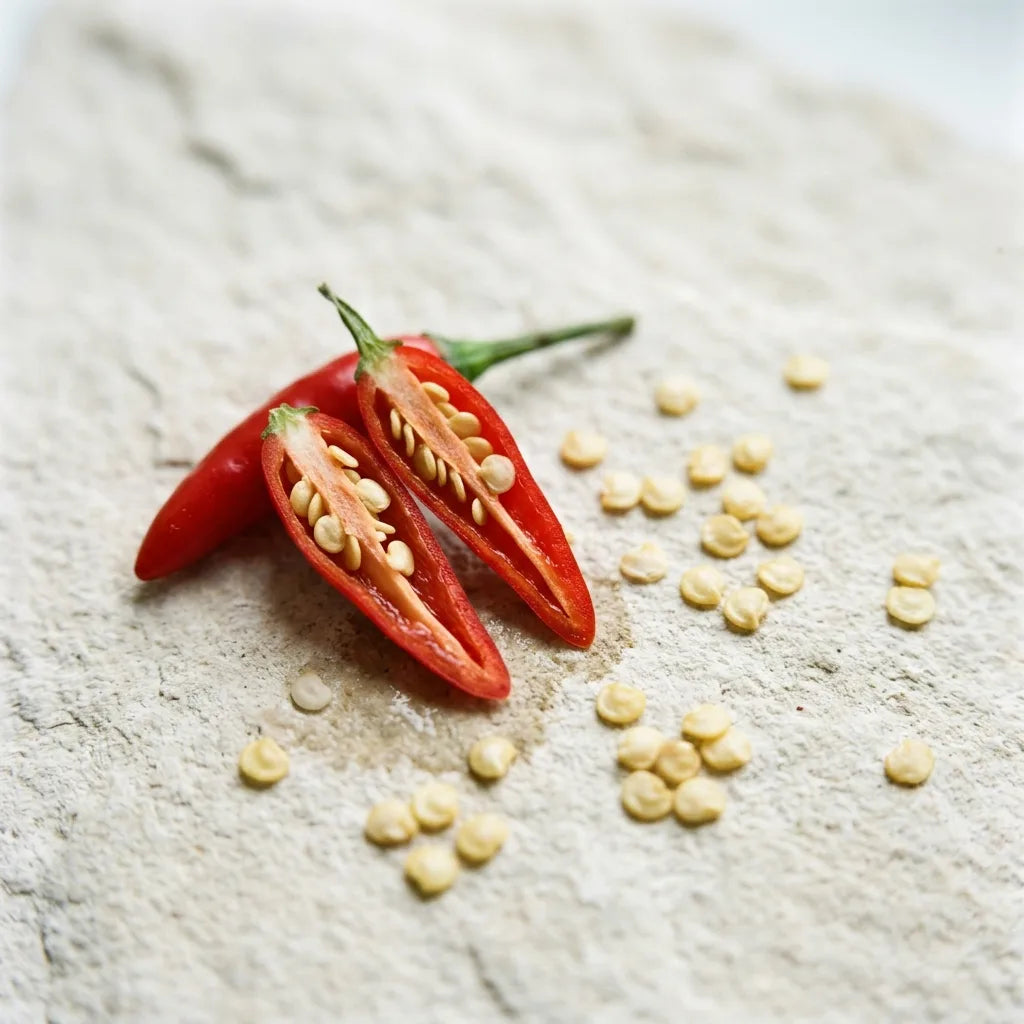
Open a fully ripe fruit while wearing gloves, remove the seeds, rinse them and dry them flat. Be careful: peppers cross-pollinate easily, so isolate your seed plants if you grow several varieties. Clearly label the packet. See how to store your seeds.
Commitment to Quality: at SemiSauvage - Permaculture, we grow and select our seeds with respect for the living world as our guiding principle. Based near the Auvergne Volcanoes, we choose open-pollinated, non-hybrid varieties, tested for their germination rate, carefully sorted and packaged, with no chemical treatment. Our belief: to give gardeners back the ability to resow, year after year, seeds that truly belong to them.
Small in size, formidable in strength: the chili pepper of sauces from around the world.