Rumex acetosa
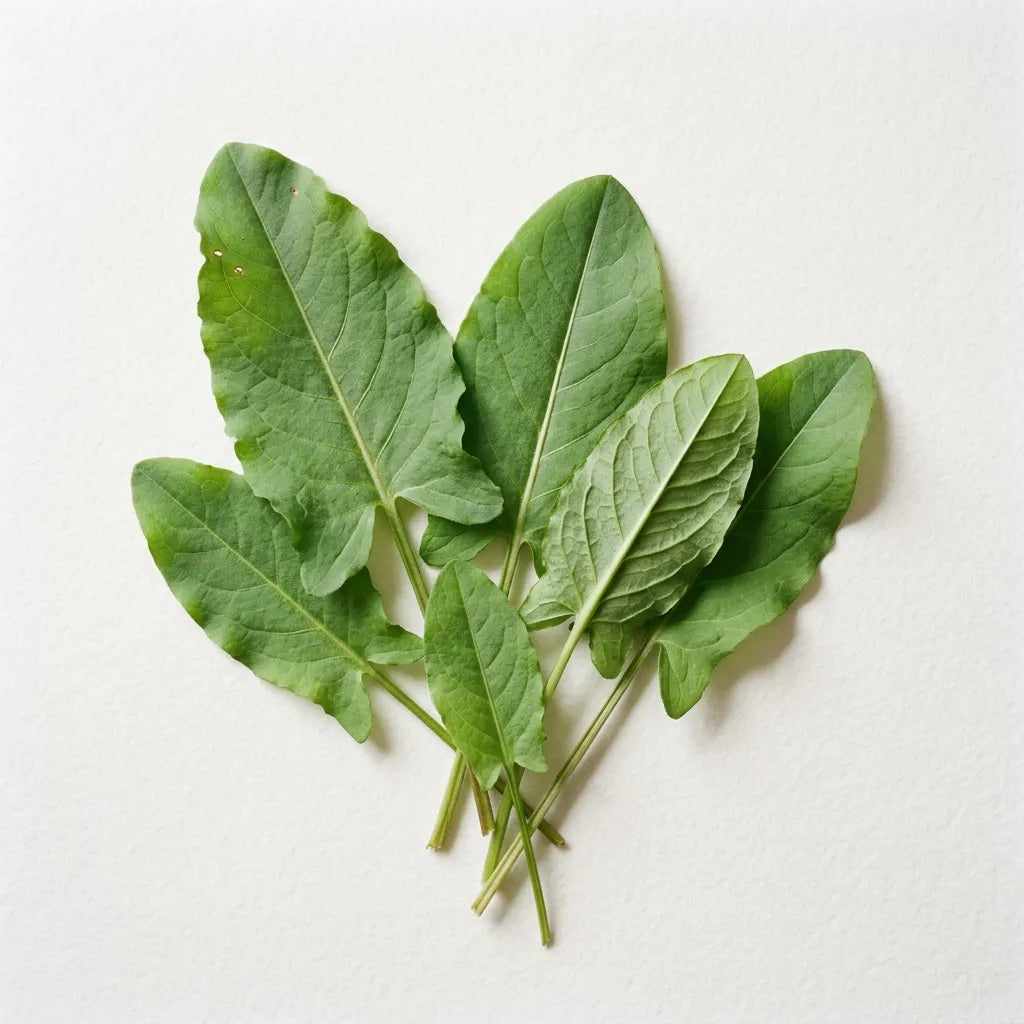
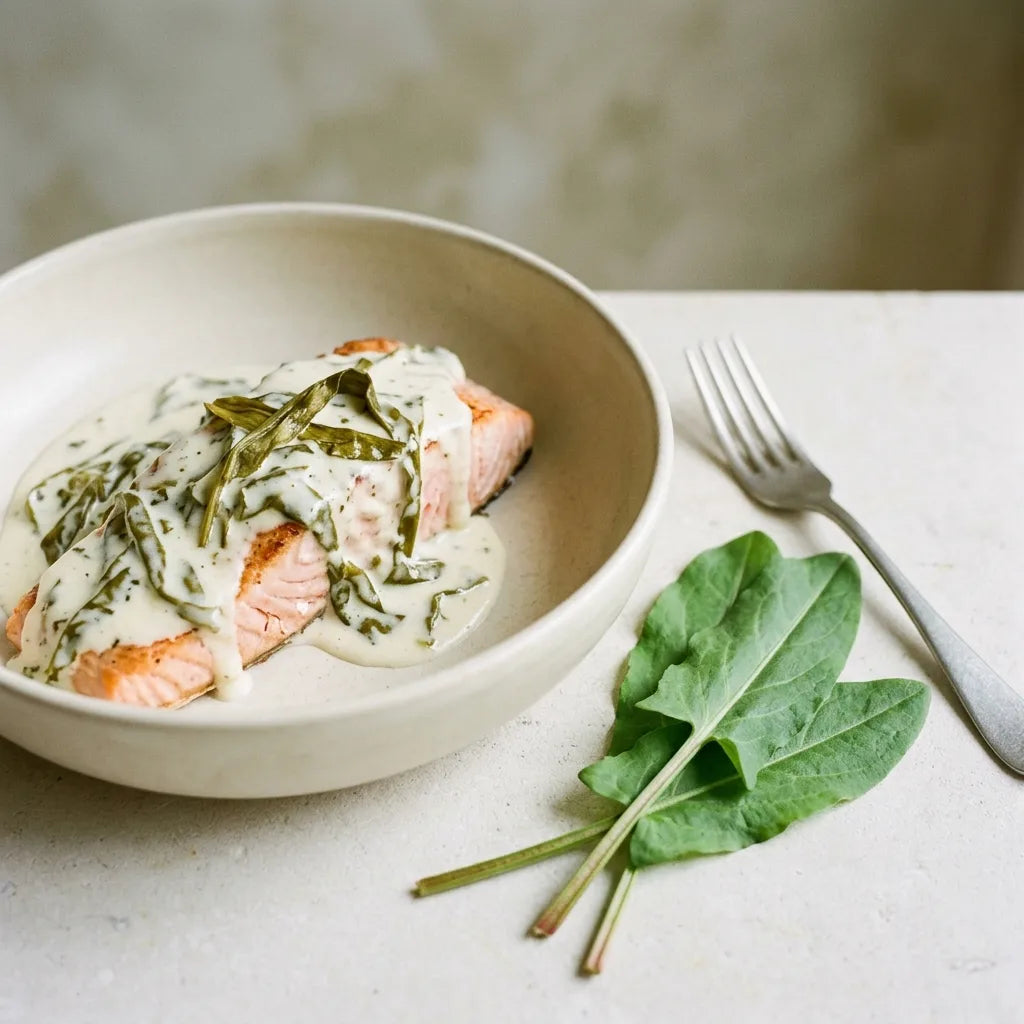
Common sorrel, garden sorrel, sour dock, vinette: its pronounced acidity comes from oxalic acid, the same compound found in rhubarb. It is one of the few garden plants cultivated specifically for its acidity — it makes sorrel sauce for shad and salmon, and transforms a simple potato soup.
Characteristics:
-
Distinctly tangy flavor: unique in the vegetable garden, it livens up fish, eggs, soups, and vegetables.
-
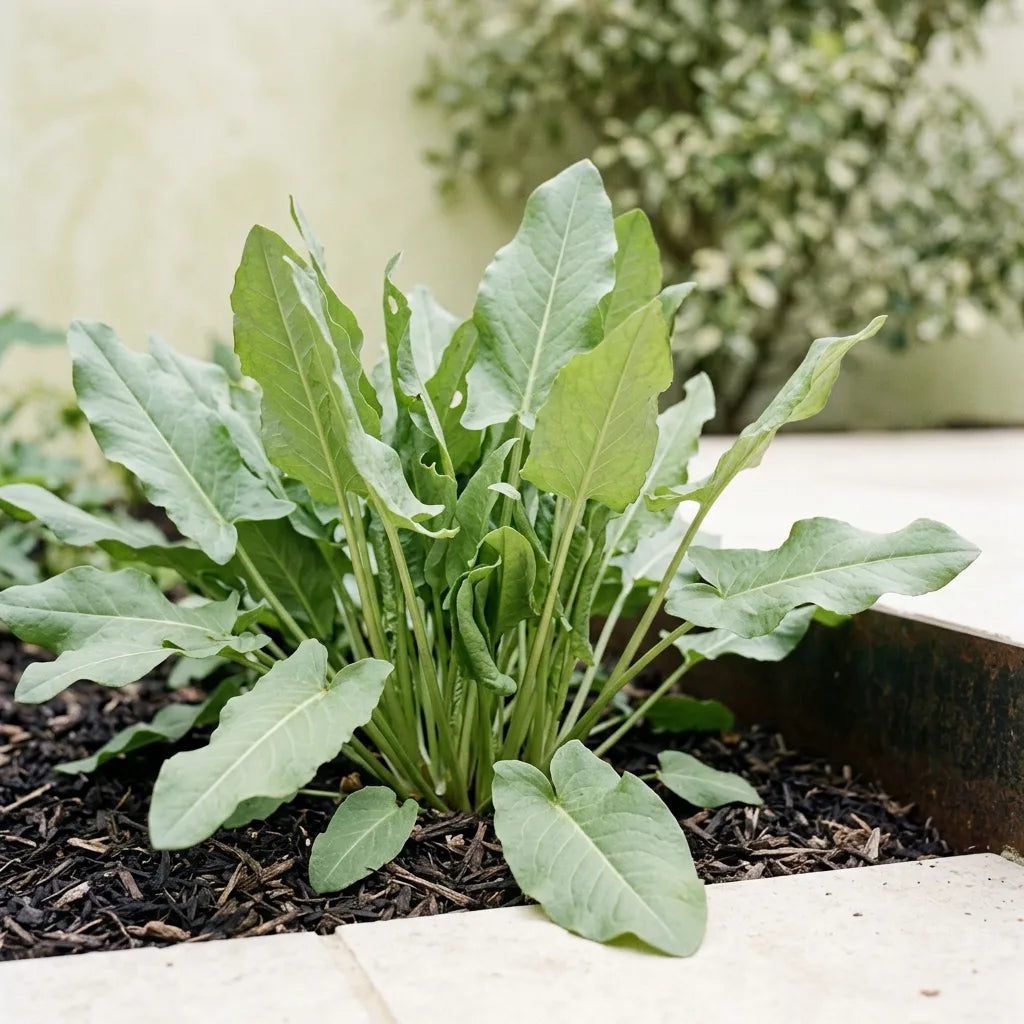
Hardy perennial: once established, it produces for years with no maintenance.
-
Very early harvest: one of the first leafy vegetables of spring.
-
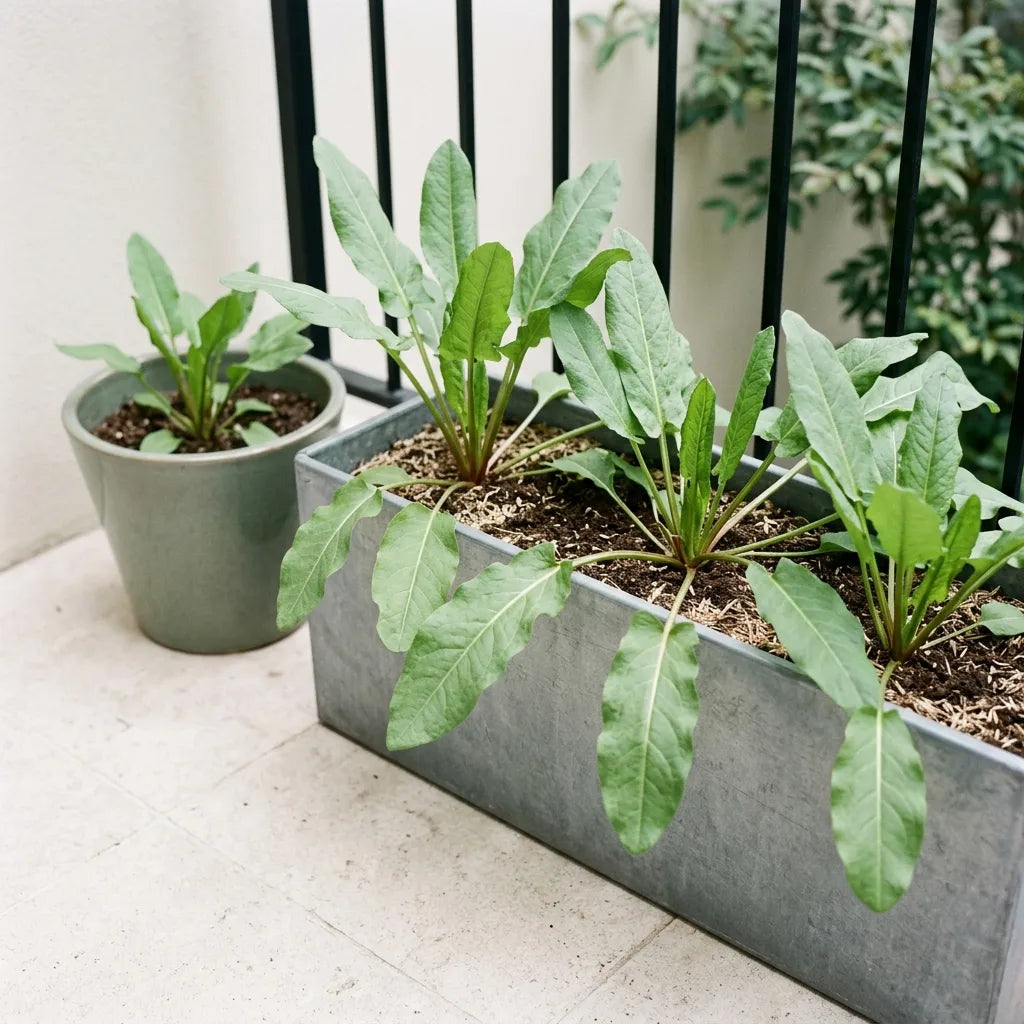
Can be grown anywhere: in a pot, container, planter, on a windowsill, in a flower bed, rock garden, or vegetable garden.
Precautions:
- Like rhubarb and spinach, its leaves are rich in oxalates. Consume it occasionally and in moderation rather than in large daily quantities, and prefer young leaves, which are less concentrated. Cooking and pairing it with a dairy product — cream or butter — lessen its effect, something traditional cuisine understood long before chemistry.
- Avoid cast-iron or aluminum containers, as its acidity attacks them and gives the dish a metallic taste.
Sowing advice:
-
Exposure: partial shade or light sun — full summer sun makes it bolt and toughens its leaves.
-
Soil: heavy, clay-rich, very humus-rich, and moist, preferably neutral to acidic. It does not tolerate limestone well. It is one of the few plants in this catalog that appreciates heavy soil.
-
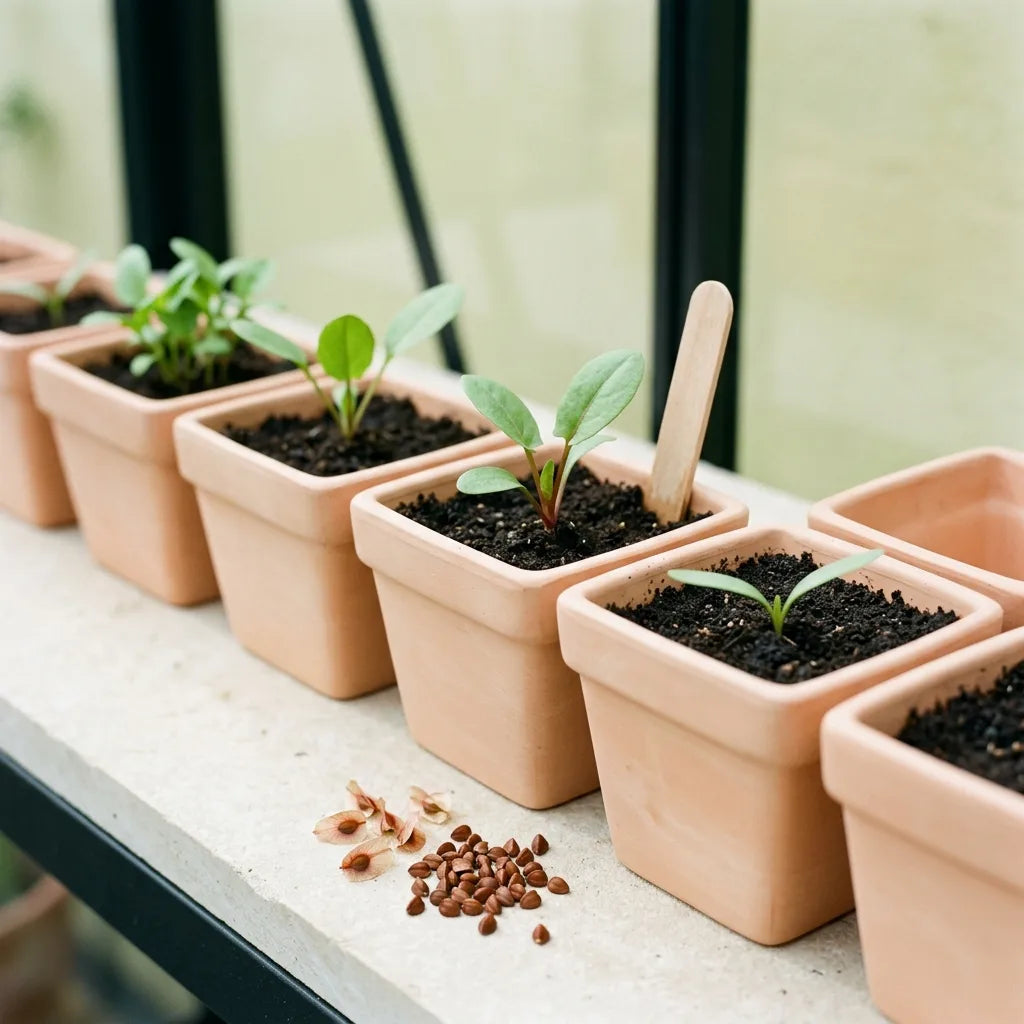
Method: sow from March to May or in September, directly in the ground or in a pot, at a depth of 1 cm. See how to sow your seeds.
Planting advice:
- Transplant with 30 cm spacing. One clump is more than enough for a household, as it produces continuously.
Care advice:
- Water regularly to keep the soil moist: this is what prevents it from bolting.
-
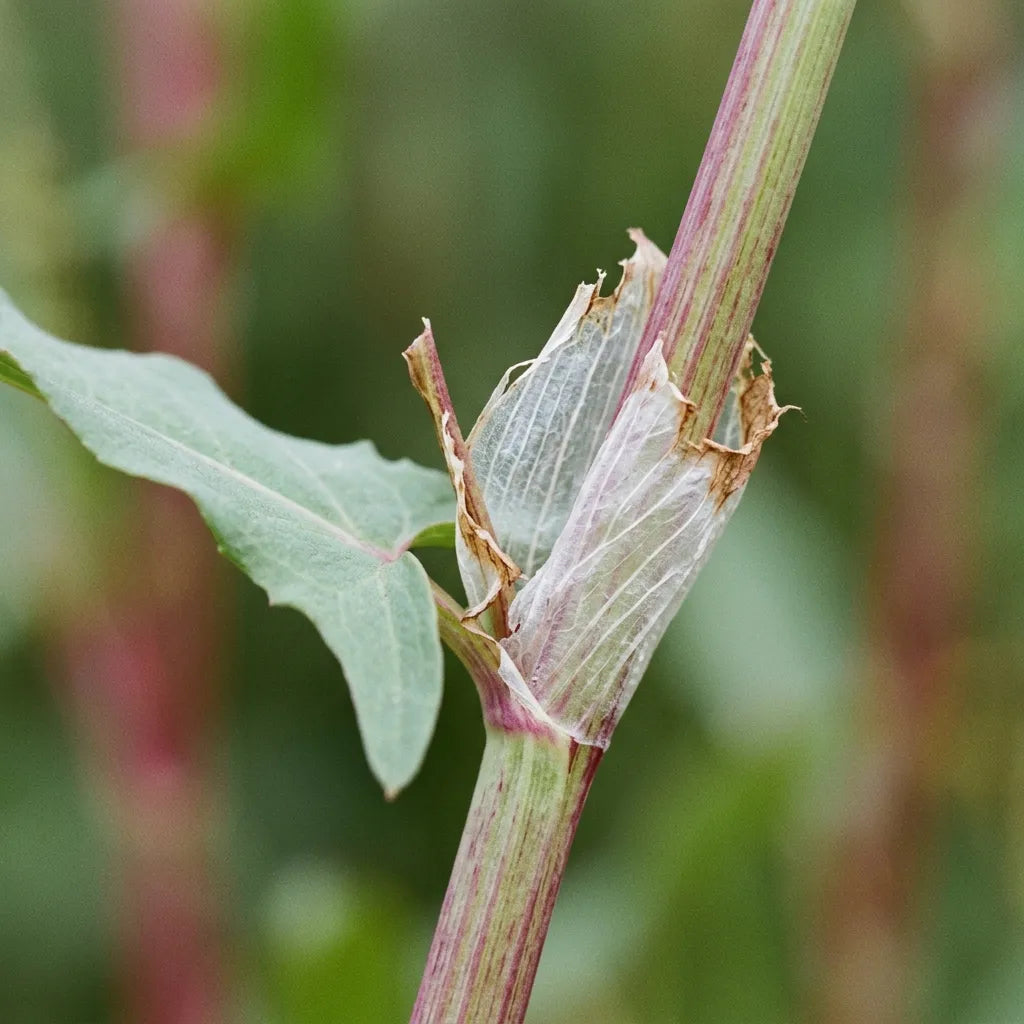
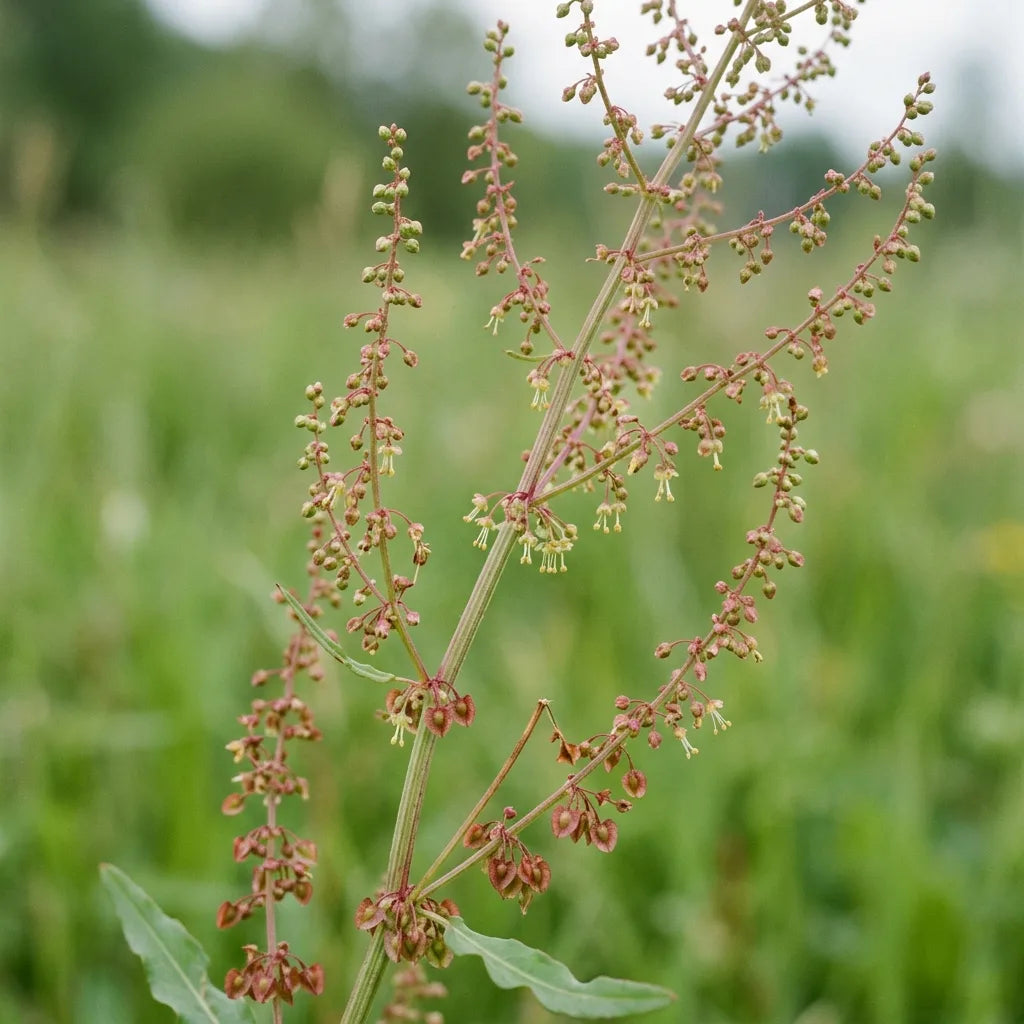
The essential step: cut off the flower stalks as soon as they appear. Otherwise, the plant becomes exhausted, its leaves toughen, and harvesting stops.
- Divide the clump every 3 to 4 years to rejuvenate it.
Harvesting advice:
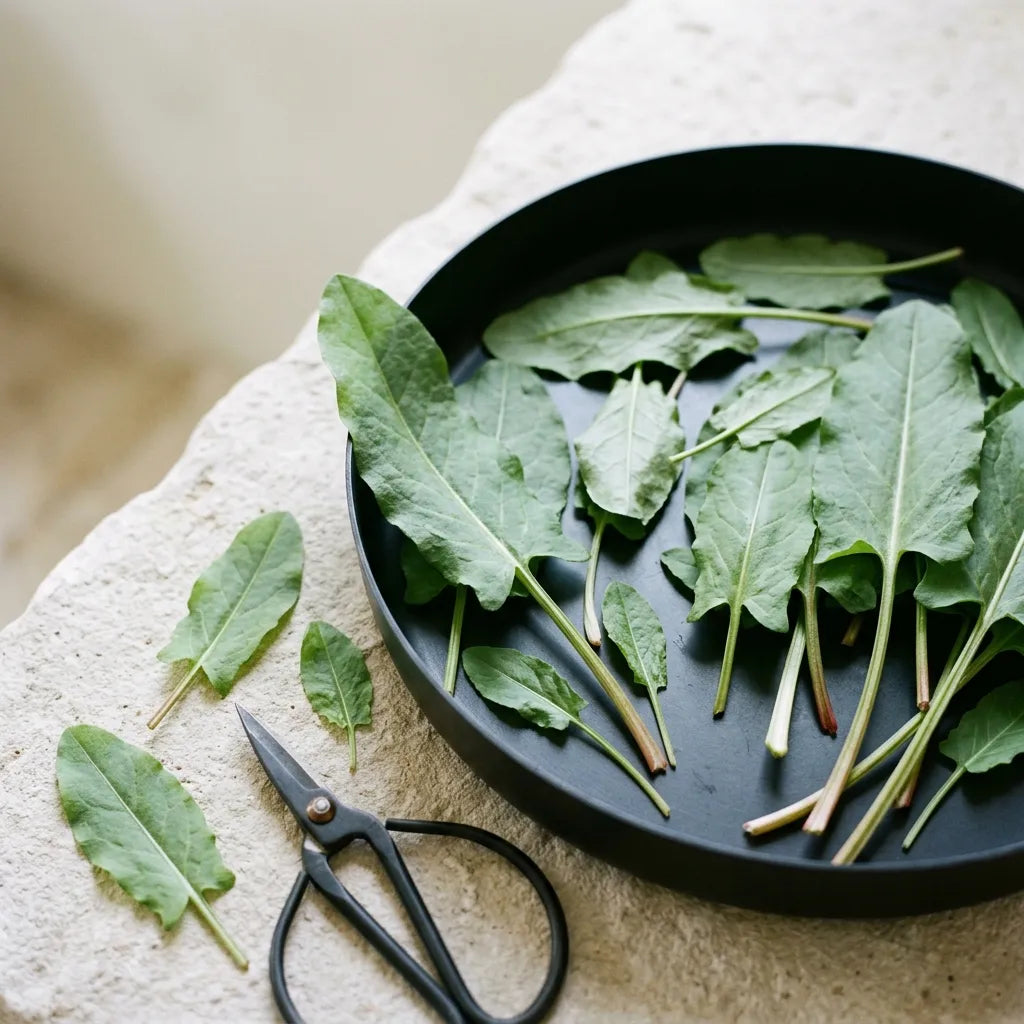
- Pick the outer leaves one by one, leaving the center intact: the plant keeps regrowing continuously from spring through autumn.
- Harvest young leaves: older leaves are more acidic and tougher.
Beneficial combinations:
- Its preference for partial shade and heavy soils makes it a good occupant of cool corners of the garden, where most culinary herbs fail. See our edible perennial plants.
Benefits for biodiversity:
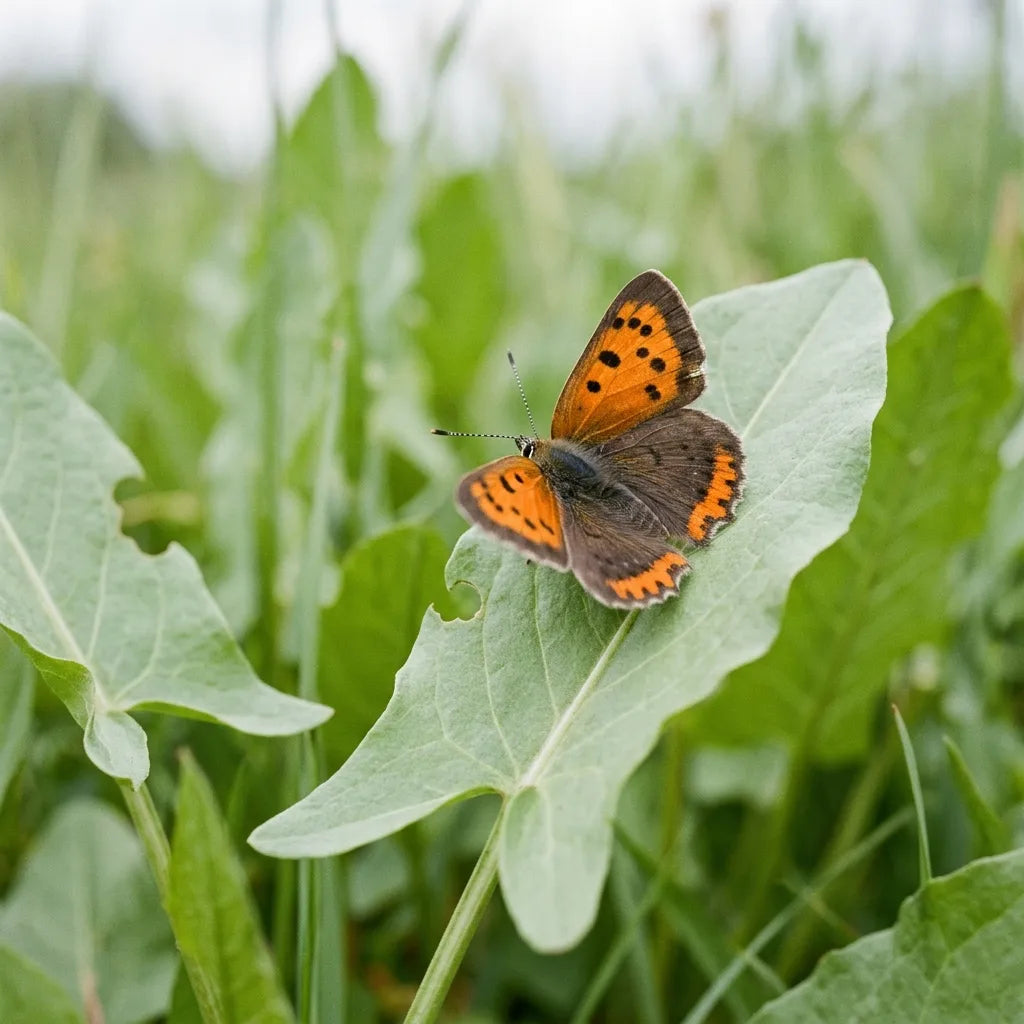
- It is the host plant of the caterpillars of the common copper, a small bright-orange butterfly of wet meadows — letting one clump flower means providing it with a nursery.
- Its seeds feed small seed-eating birds in autumn.
Uses:
- In a creamy sauce with fish — salmon with sorrel is a classic —, in soup, in an omelet, or with a few finely chopped raw leaves in a salad. Its color turns olive green when cooked; this is normal.
- Traditional medicinal plant. See our medicinal plants to sow.
Harvesting your own seeds:
Let one flower stalk grow and turn completely brown, then shake the seeds over a container: the reddish-brown seeds are abundant. Sorrel also readily self-seeds. See how to store your seeds.
Commitment to Quality: at SemiSauvage - Permaculture, we grow and select our seeds with respect for living things as our guiding principle. Based near the Volcanoes of Auvergne, we choose reproducible, non-hybrid varieties, tested for their germination rate, sorted and carefully packaged, with no chemical treatment. Our belief: to give gardeners back the ability to resow, year after year, seeds that truly belong to them.
The only acidity cultivated in the vegetable garden, available from the first fine days of spring.