Brassica rapa var. japonica
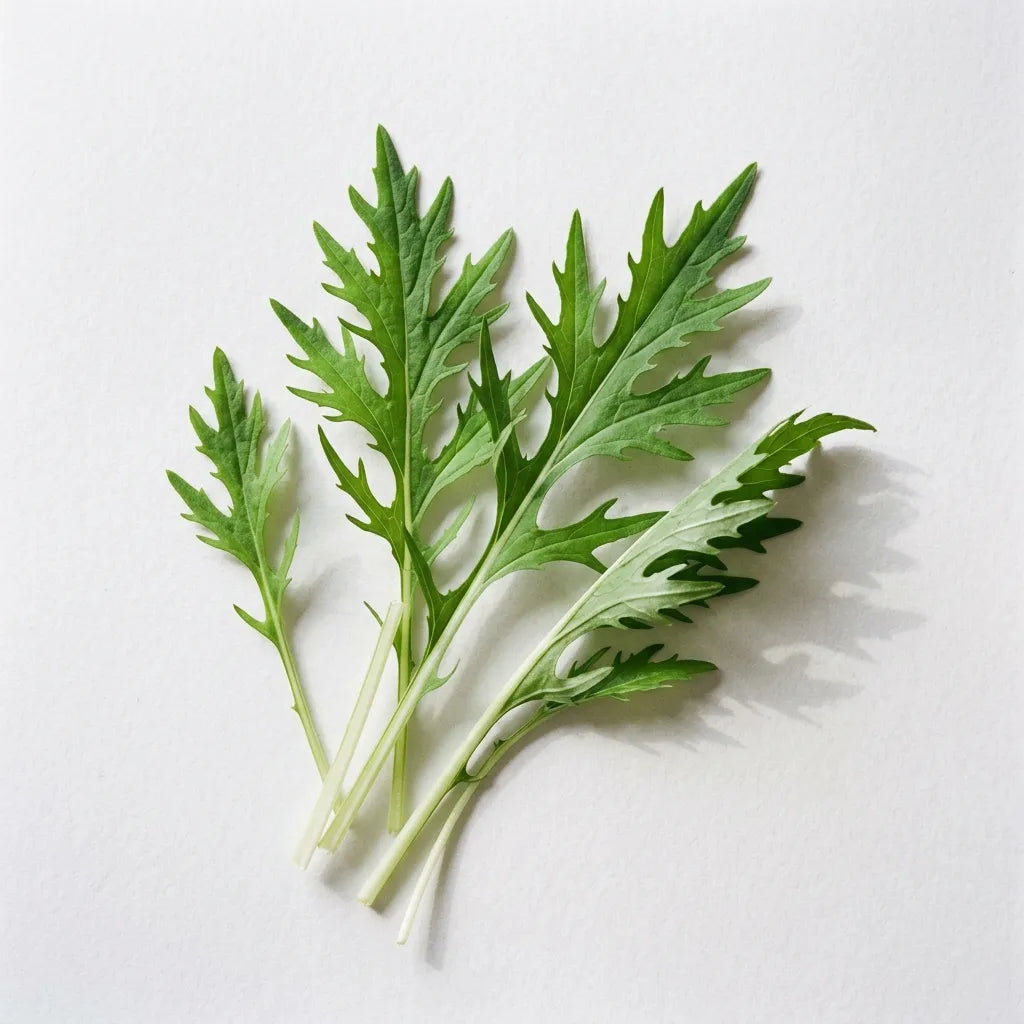
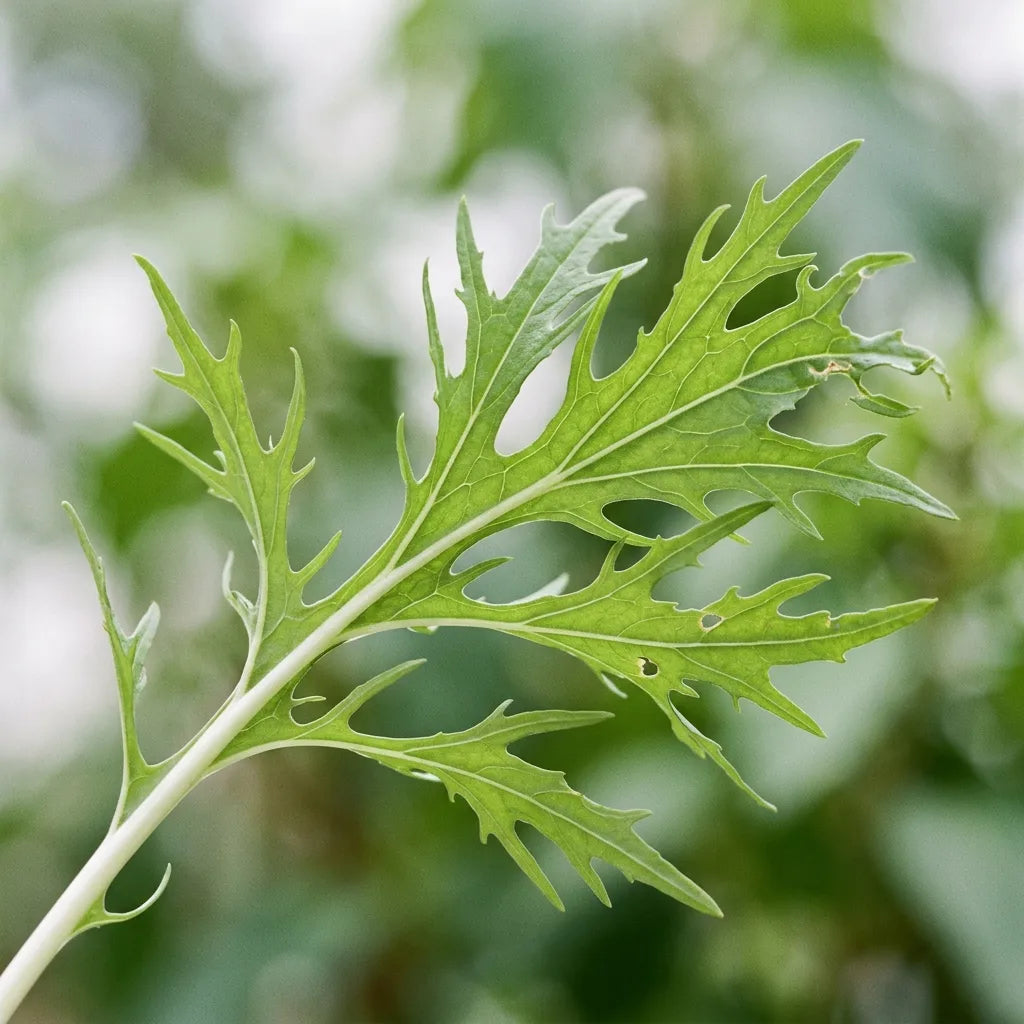
Mizuna, Japanese mustard, mizuna cabbage, kyona: its name literally means “water vegetable” in Japanese, referring to its traditional cultivation in the flooded rice paddies of the Kyoto region. Its finely cut leaves, almost lace-like, add a gentle mustard note and a unique texture to winter salads.
Characteristics:
-
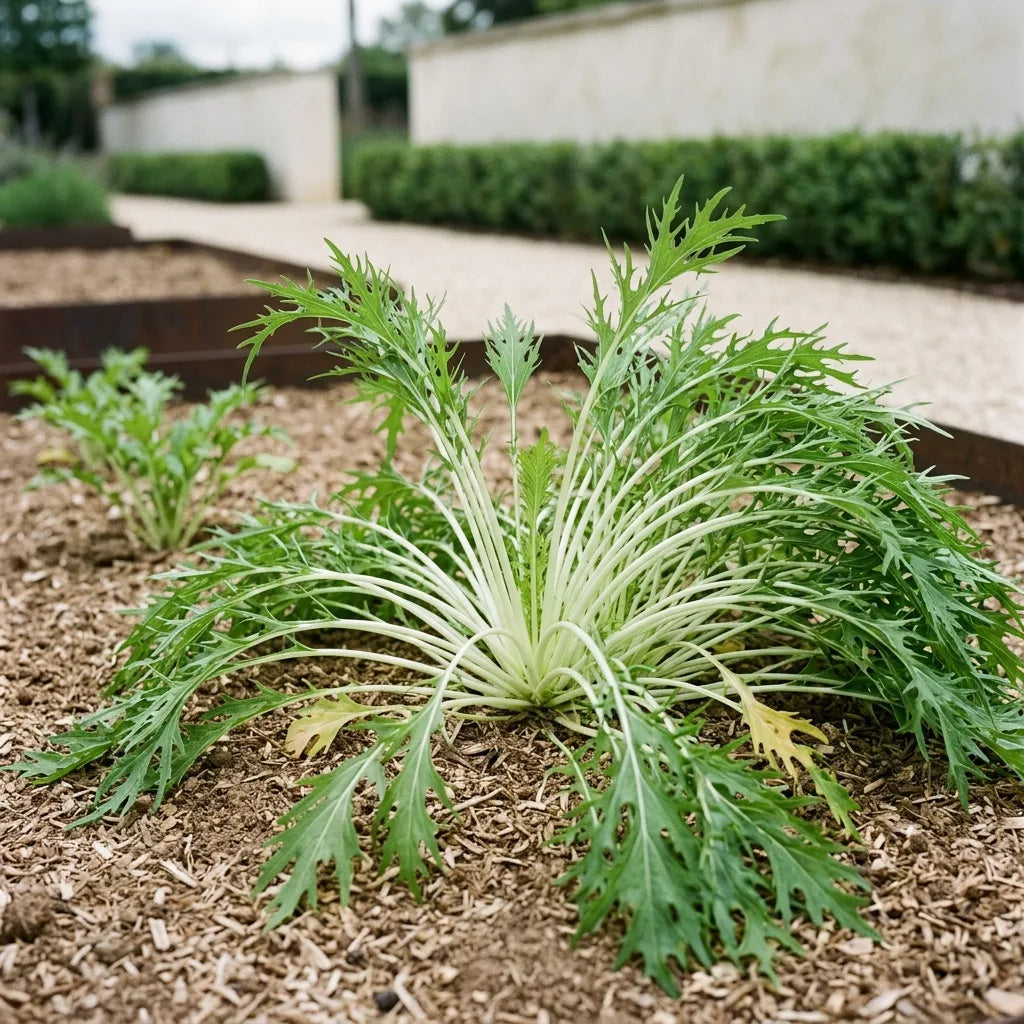
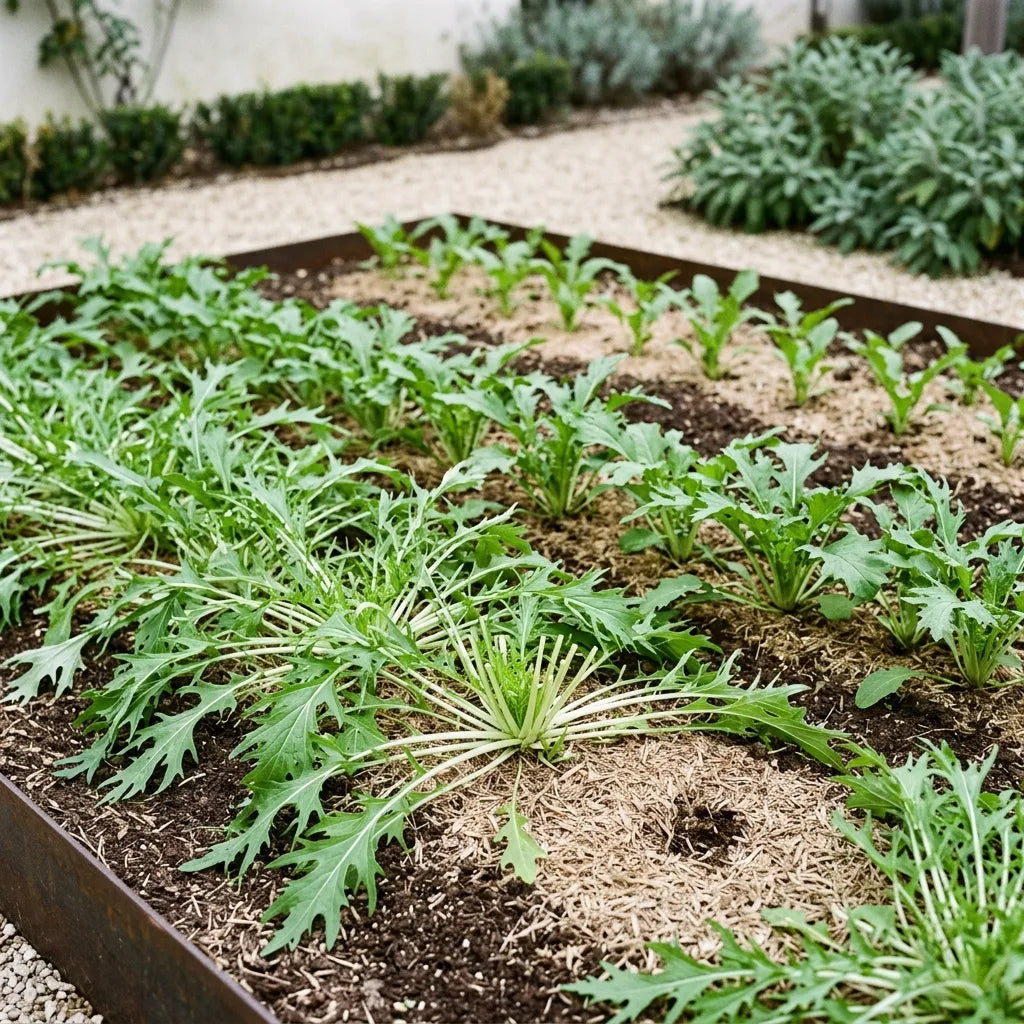
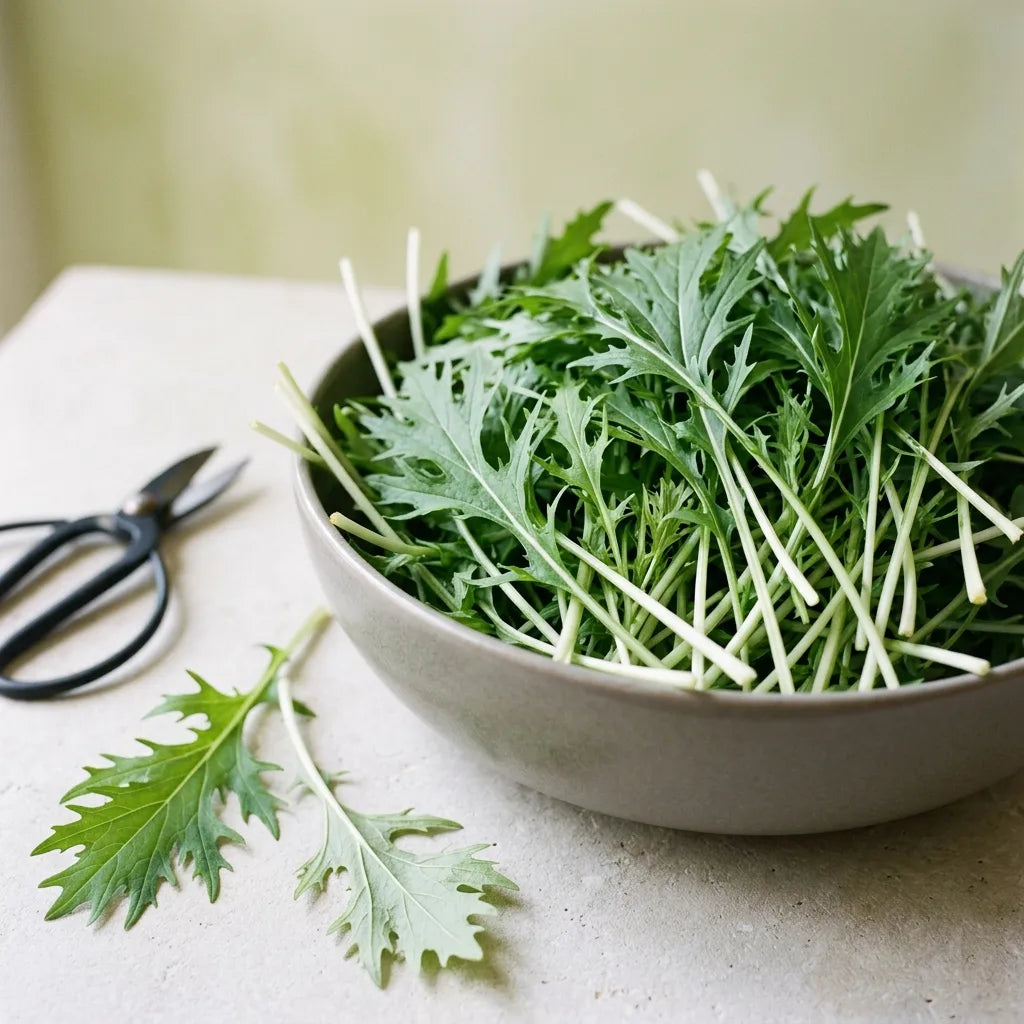
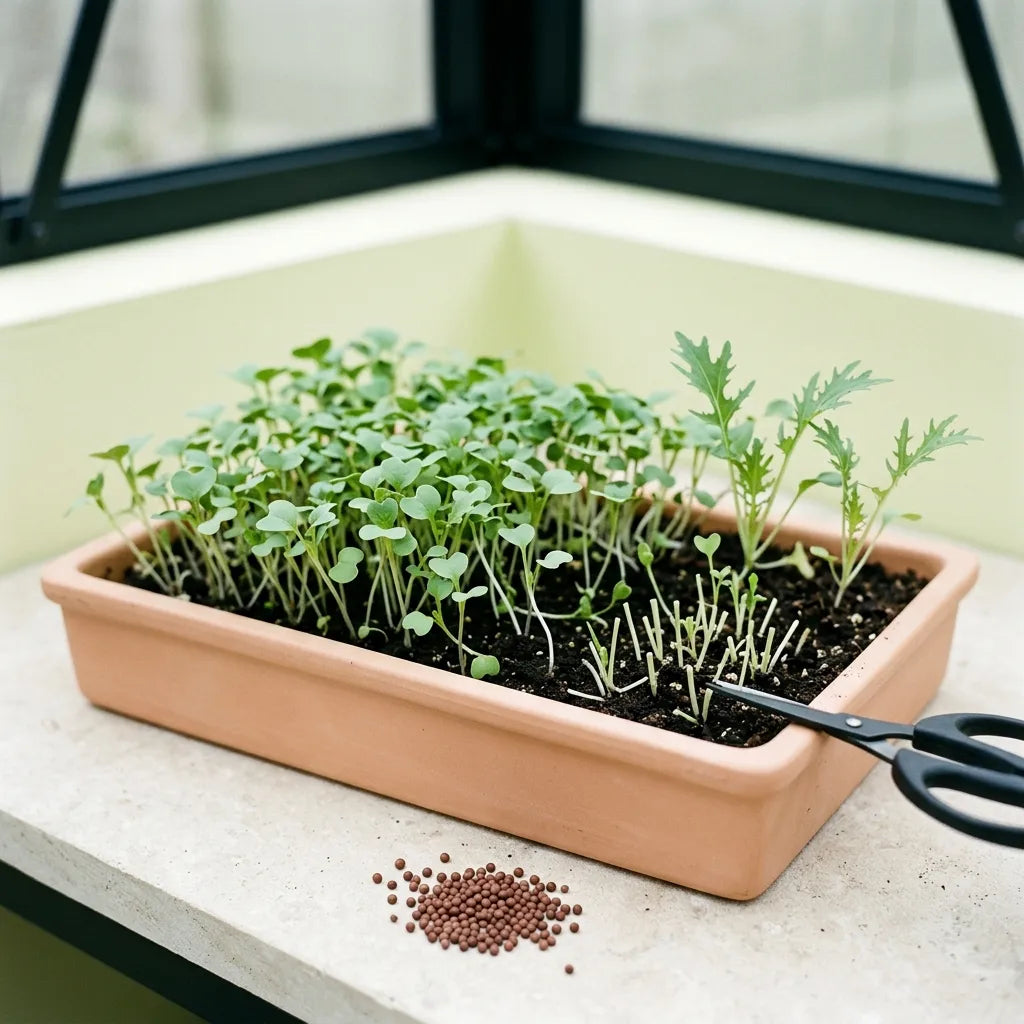
Frilly foliage: finely cut leaves forming a dense clump, highly decorative in salads.
-
Gentle mustard flavor: a mild spiciness, much less pronounced than that of arugula.
-
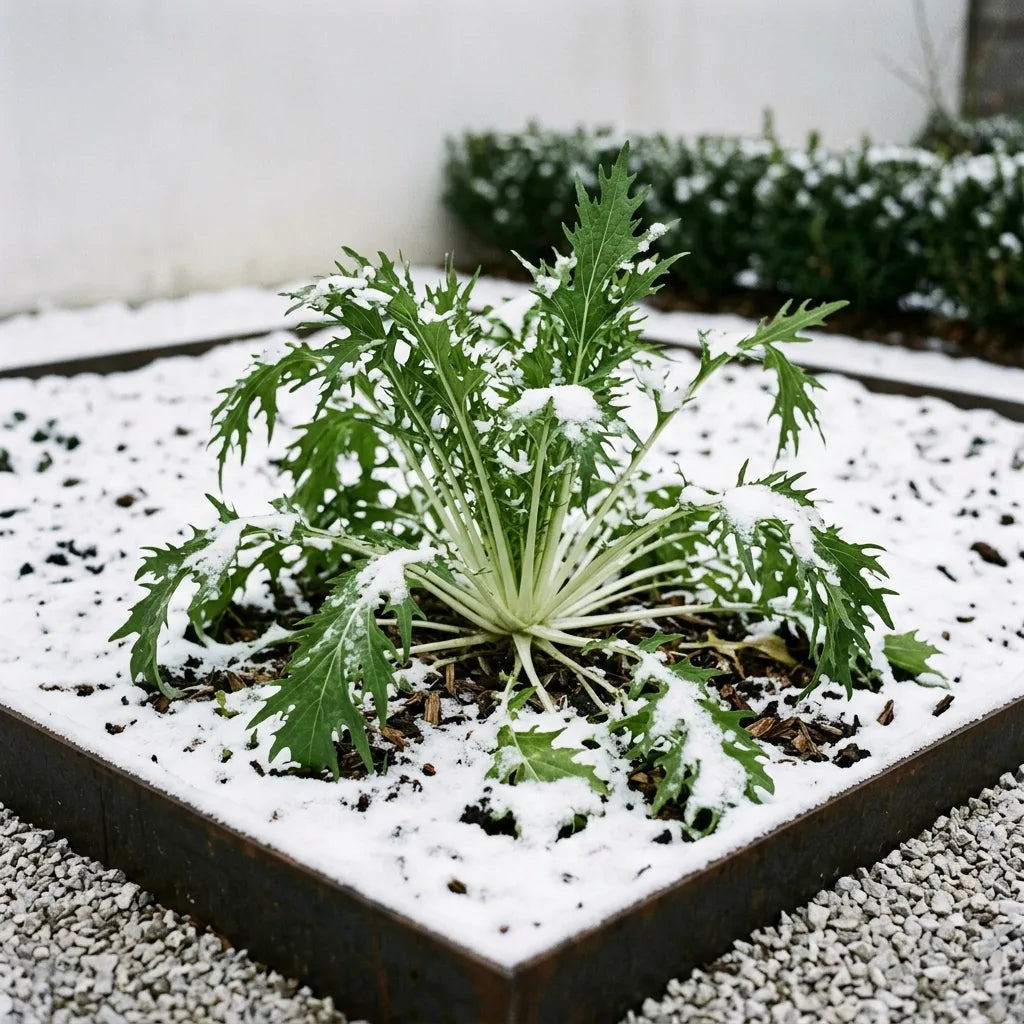
Very hardy: it tolerates temperatures down to -12 °C, making it a true winter salad green.
-
Fast growth: harvest approximately 6 weeks after sowing.
Sowing advice:
-
Exposure: full sun to partial shade. It is sensitive to heat, which causes premature bolting.
-
Soil: moist and well drained. It is undemanding and thrives in any type of garden soil, but consistent soil moisture remains essential.
-
Method: sow directly in place at a depth of 1 cm. From May for a summer harvest, but especially at the end of summer (late August) for a winter harvest — this is when it performs best. See how to sow seeds.
Care advice:
- Thin to 20 cm apart to allow the clump to develop. Water regularly and mulch to keep the soil moist.
- An insect-proof mesh protects it from flea beetles, which are very fond of young brassicas.
Harvesting advice:
- Harvest the outer leaves as needed, leaving the center intact: the clump regrows and produces for months. This is a cut-and-come-again salad green, not one to pull up.
- Harvest young leaves for salads and larger leaves for cooking.
Beneficial companions:
Benefits for biodiversity:
- Its winter presence maintains plant cover when the vegetable garden is bare, protecting the soil and microfauna.
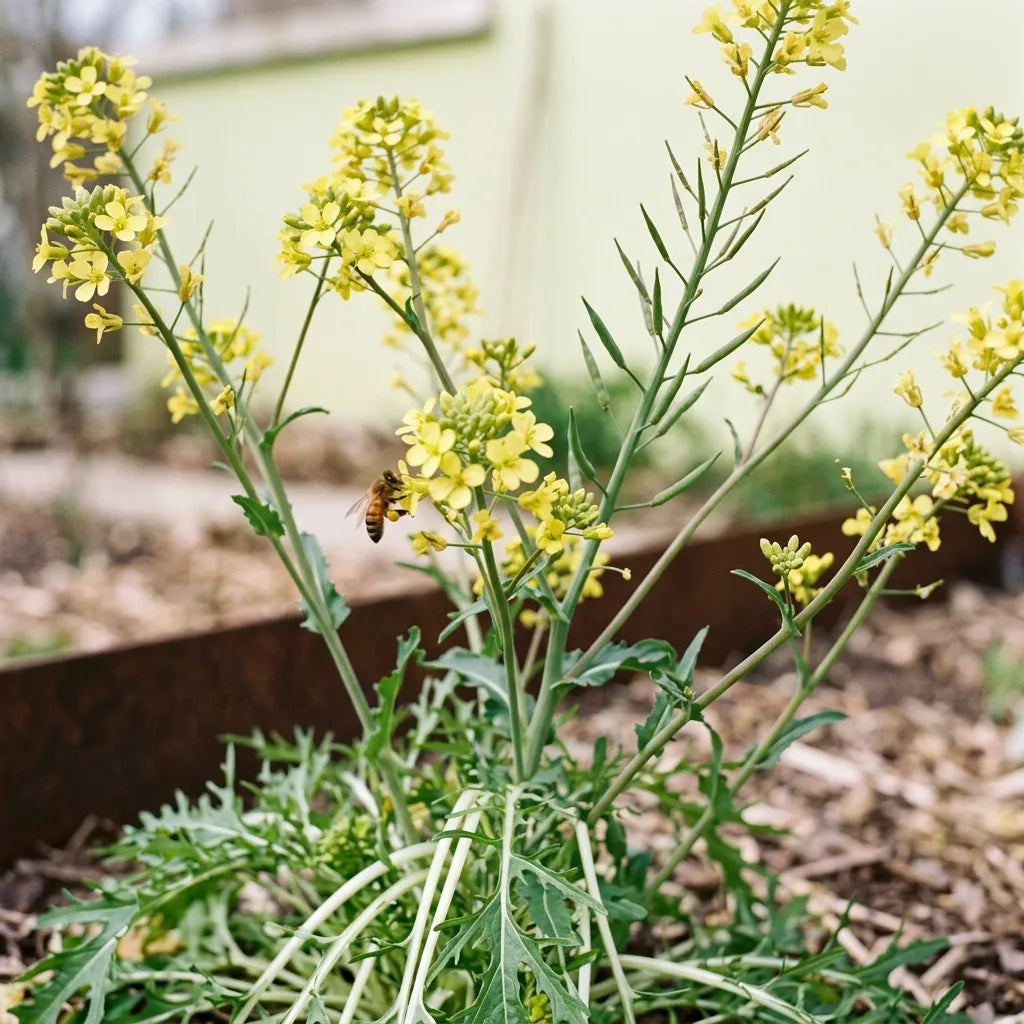
- If allowed to flower in spring, it produces clusters of highly nectar-rich yellow flowers, valuable to the first bees.
Uses:
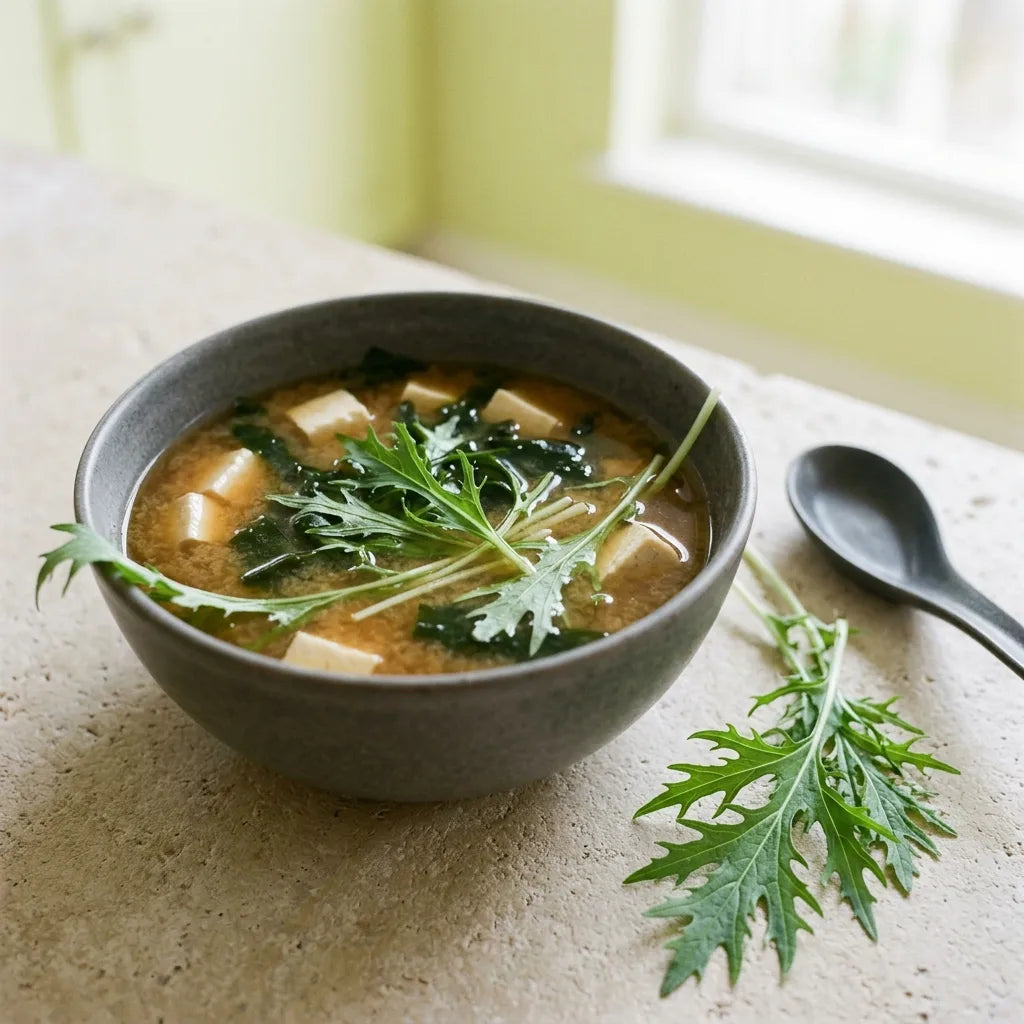
- Young leaves eaten raw in salads, alone or mixed — their fine texture creates the visual effect. Larger leaves can be stir-fried in a wok, added to miso soup or Japanese broths at the end of cooking.
Harvesting your own seeds:
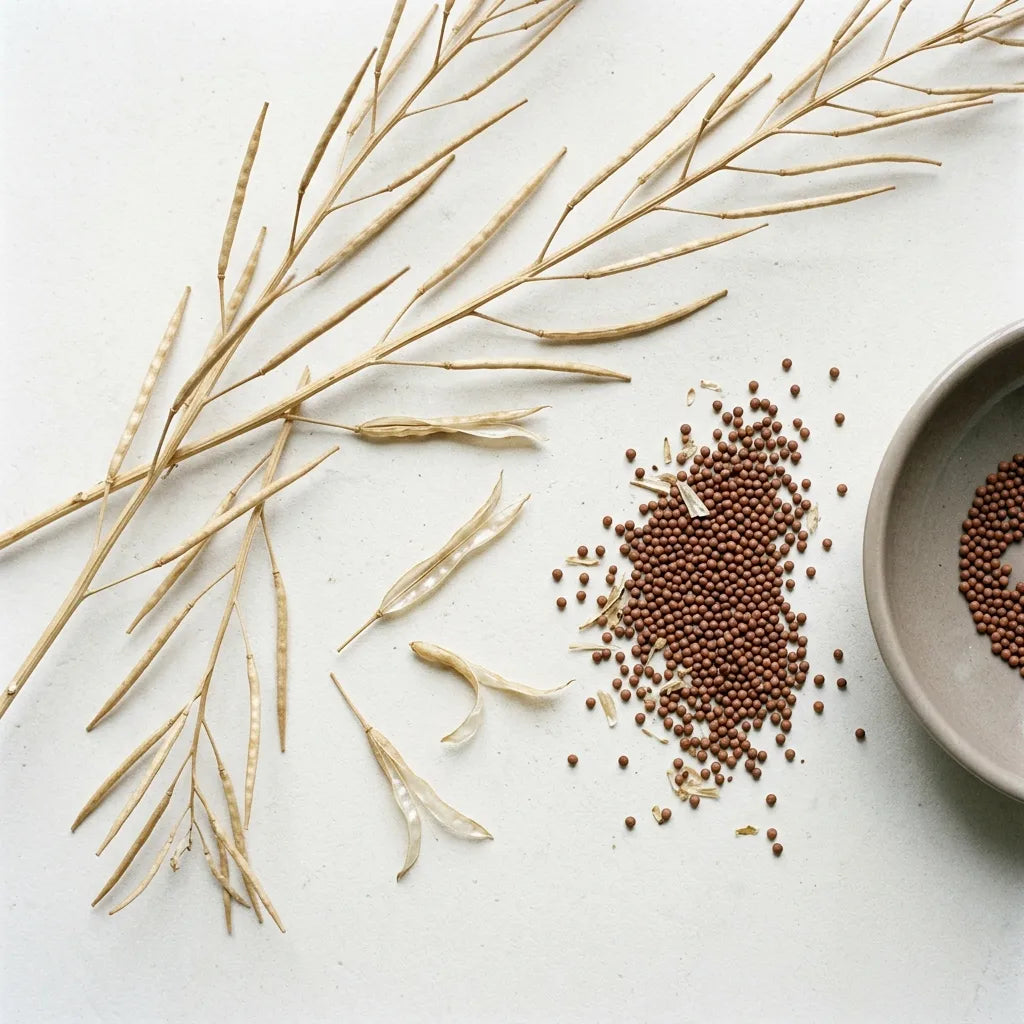
Allow one plant to go to seed in spring: it forms long siliques, which should be harvested when brown and dry. Be aware that Brassica rapa varieties cross easily with one another (turnips, pak choi, tatsoi): isolate your seed plant. See saving your seeds.
Commitment to Quality: at SemiSauvage - Permaculture, we grow and select our seeds with respect for all living things as our guiding principle. Based near the Auvergne Volcanoes, we choose open-pollinated, non-hybrid varieties, tested for their germination rate, carefully sorted and packaged, with no chemical treatment. Our belief: to give gardeners back the ability to resow, year after year, seeds that truly belong to them.
The Japanese winter salad green, lace-like and effortless.