Tropaeolum minus
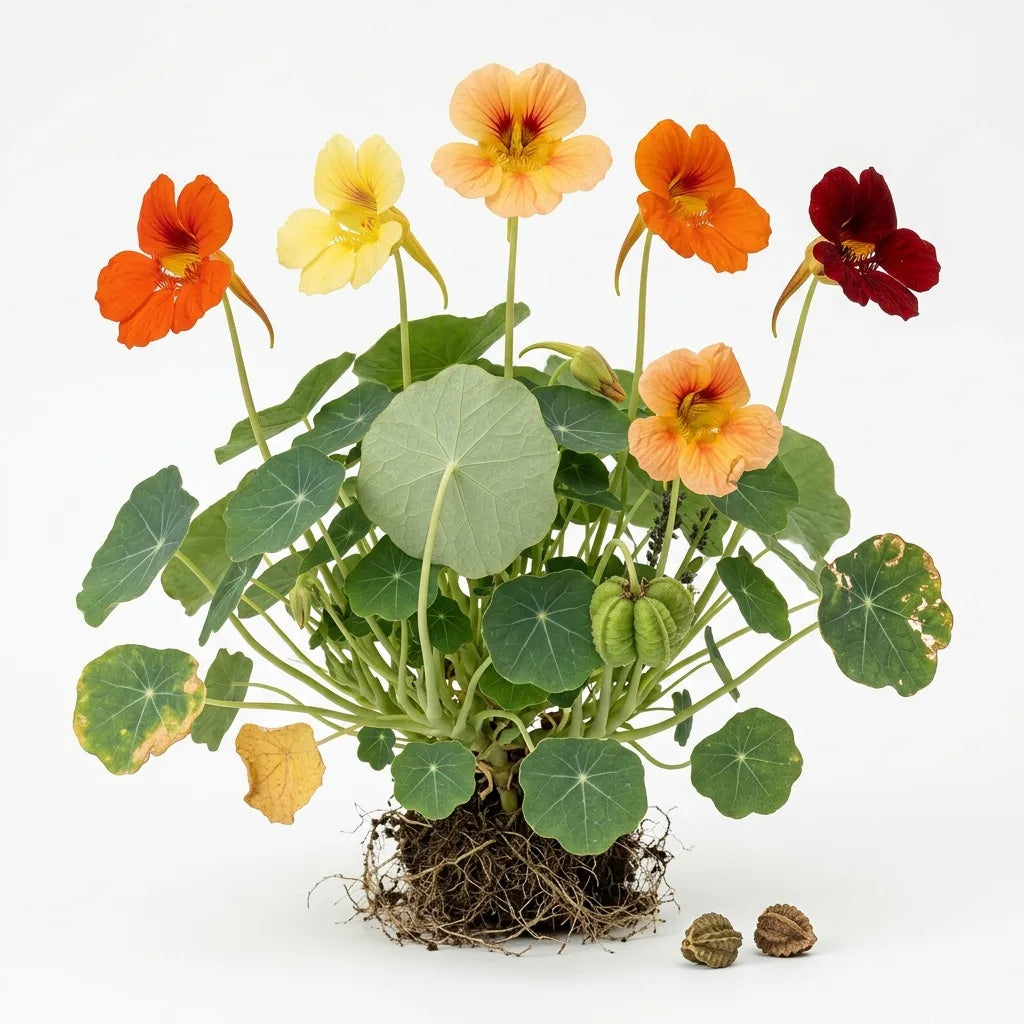
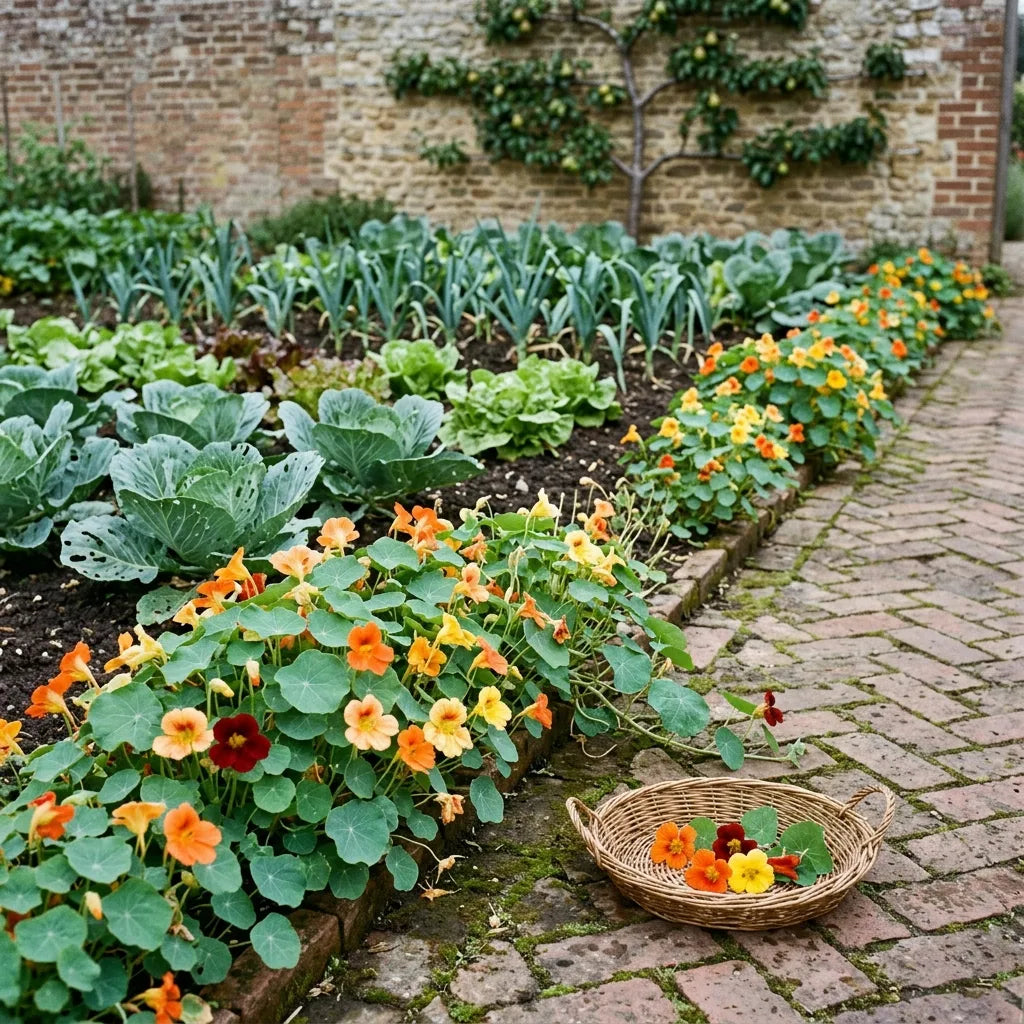
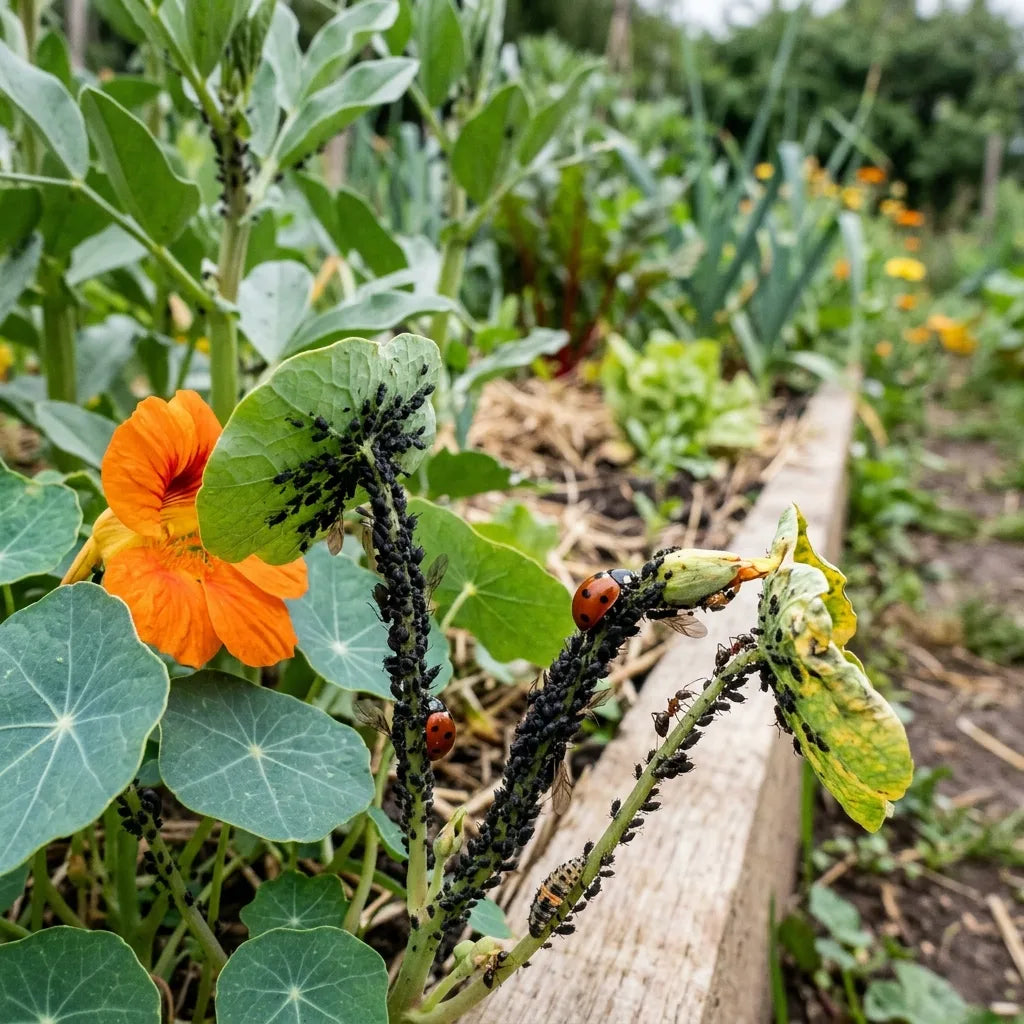
Dwarf nasturtium, Indian cress, Peruvian cress: these nicknames perfectly convey the peppery, spicy flavor of its leaves and flowers. Brought back from South America in the 16th century, nasturtium has become one of the few flowers appreciated just as much on the plate as in the vegetable garden, where it acts as a bodyguard.
Characteristics:
-
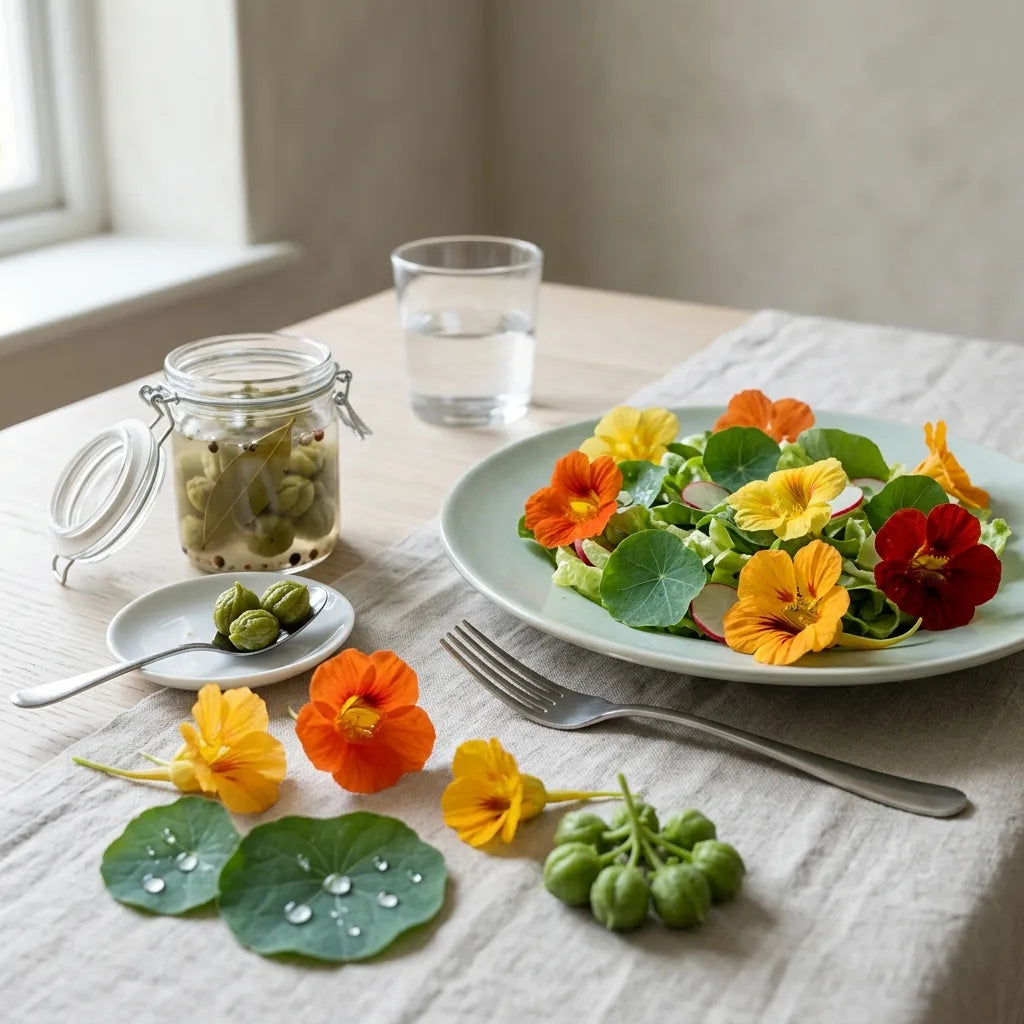
Edible flower: flowers and young leaves with a peppery flavor; flower buds candied as a substitute for capers.
-
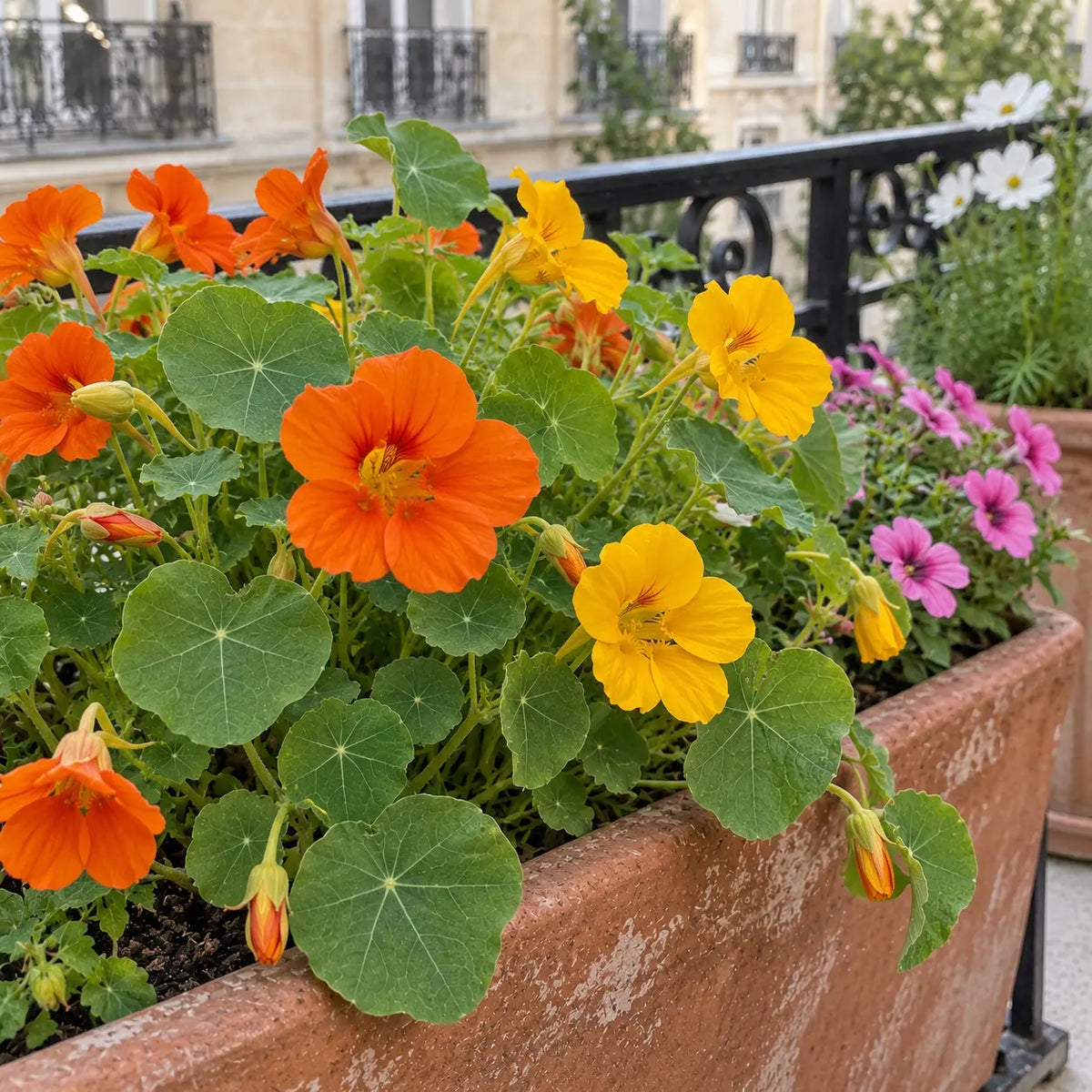
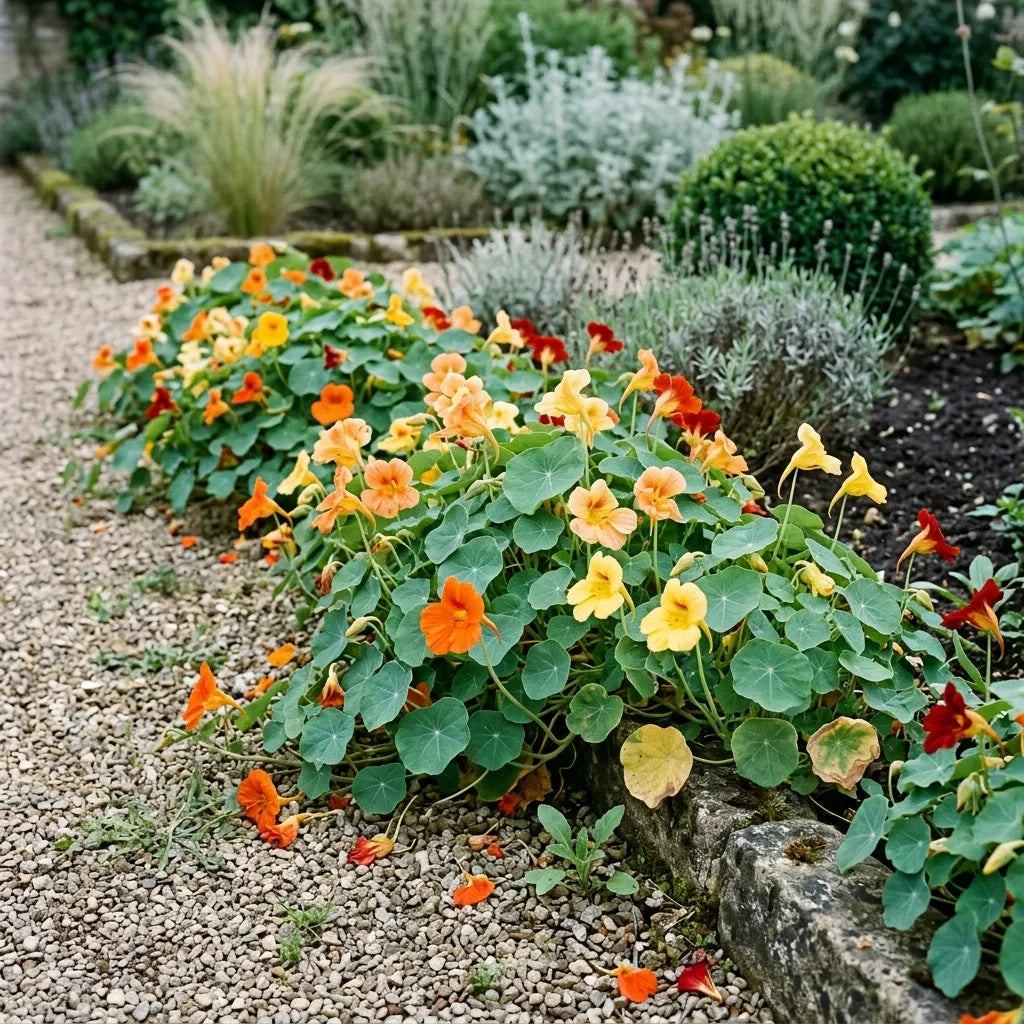
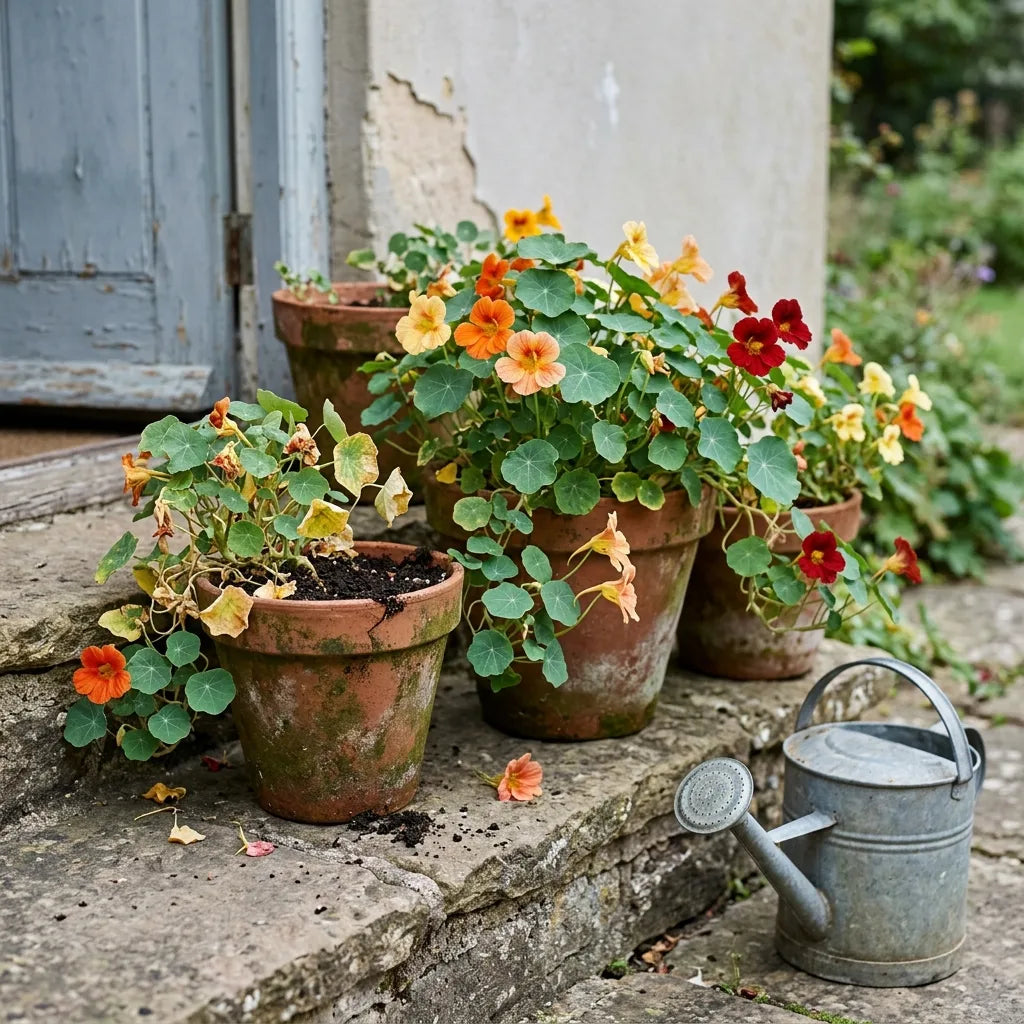
Compact growth: the dwarf variety forms clumps about 30 cm tall, perfect for borders, pots, and window boxes.
-
Easy to grow: one of the easiest flowers to grow successfully, ideal for children thanks to its large, easy-to-handle seeds.
Sowing advice:
-
Position: sunny; it flowers even better when it is warm.
-
Soil: ordinary, rather poor, and well drained. Important point: in soil that is too rich or heavily manured, it produces exuberant foliage and almost no flowers. Do not fertilize it.
-
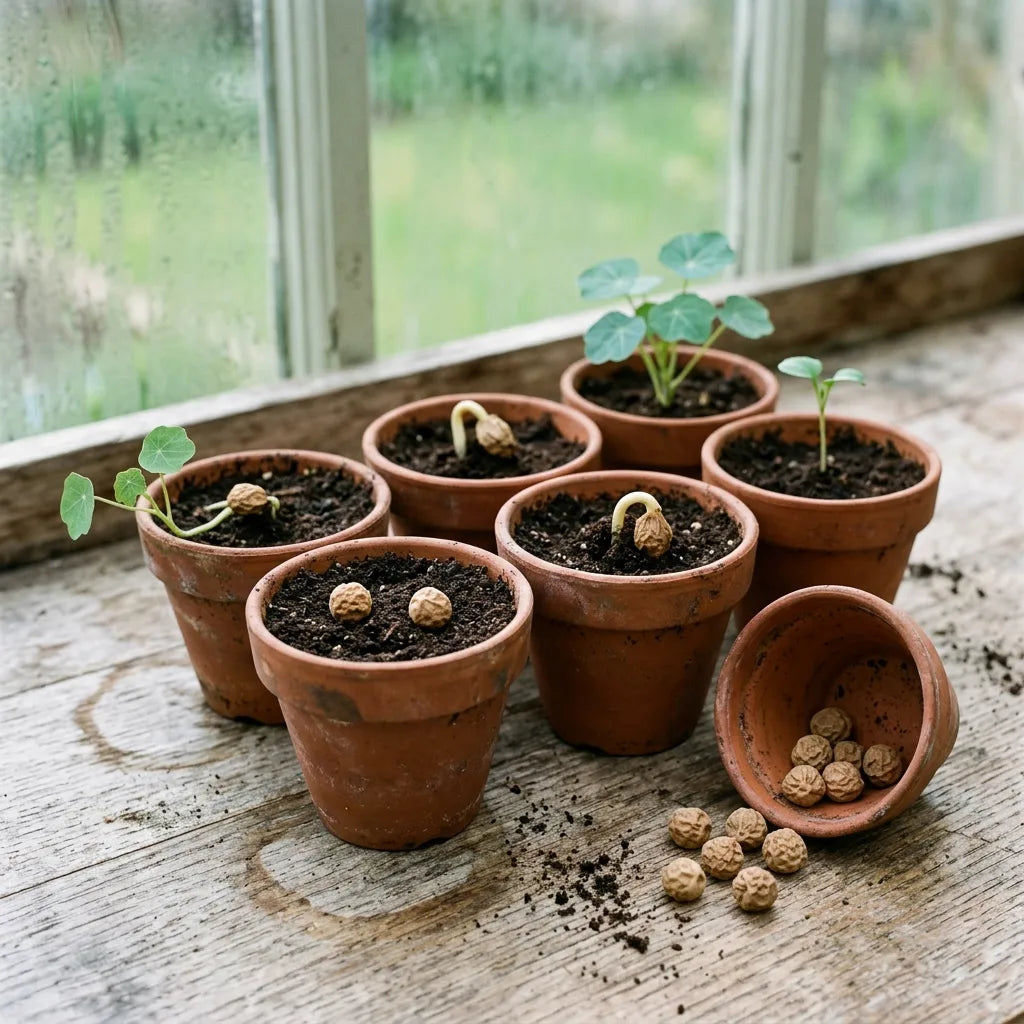
Method: sow directly in place from late April to May, after the frosts, pressing the large seeds 2 cm deep into the soil. Soaking them for a few hours in lukewarm water speeds up germination. See how to sow your seeds.
Care advice:
- Water regularly to keep the soil moist during hot weather. Do not add fertilizer.
Beneficial companion planting:
Benefits for biodiversity:
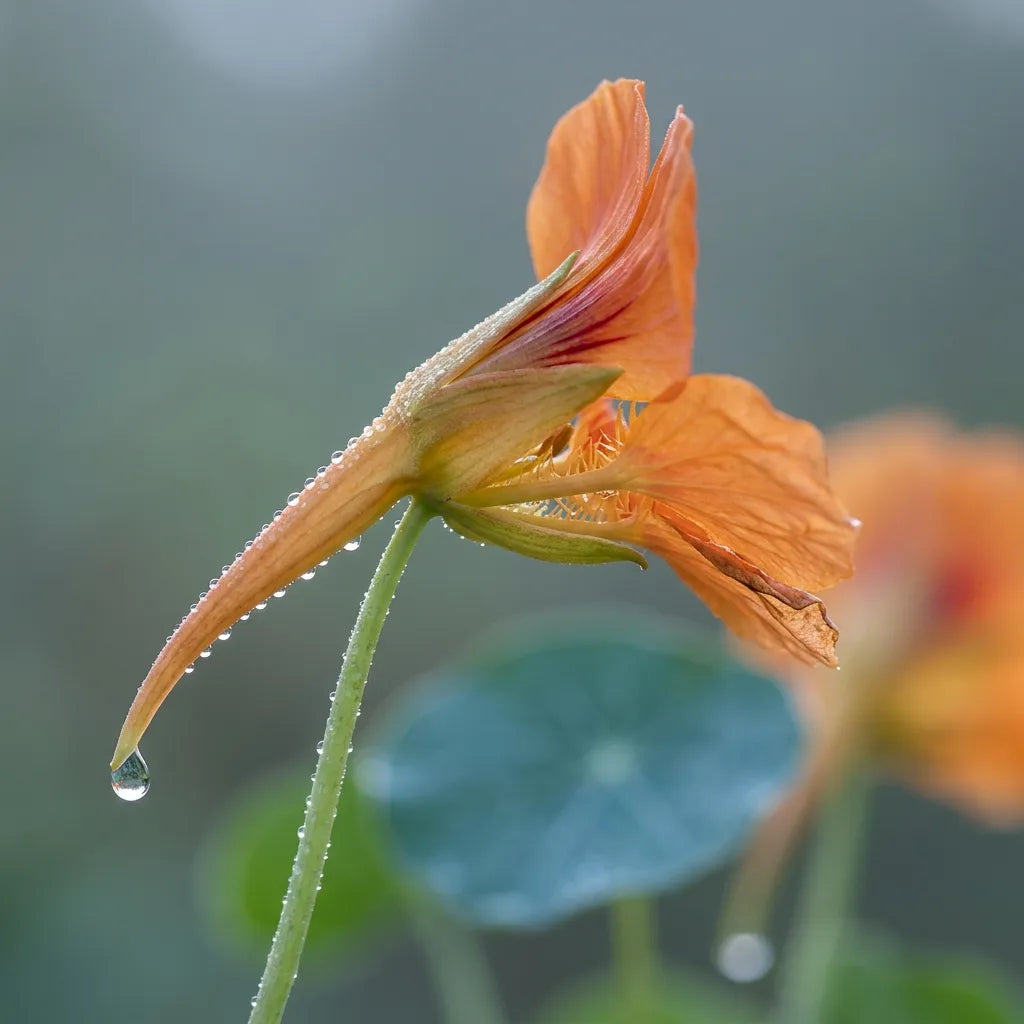
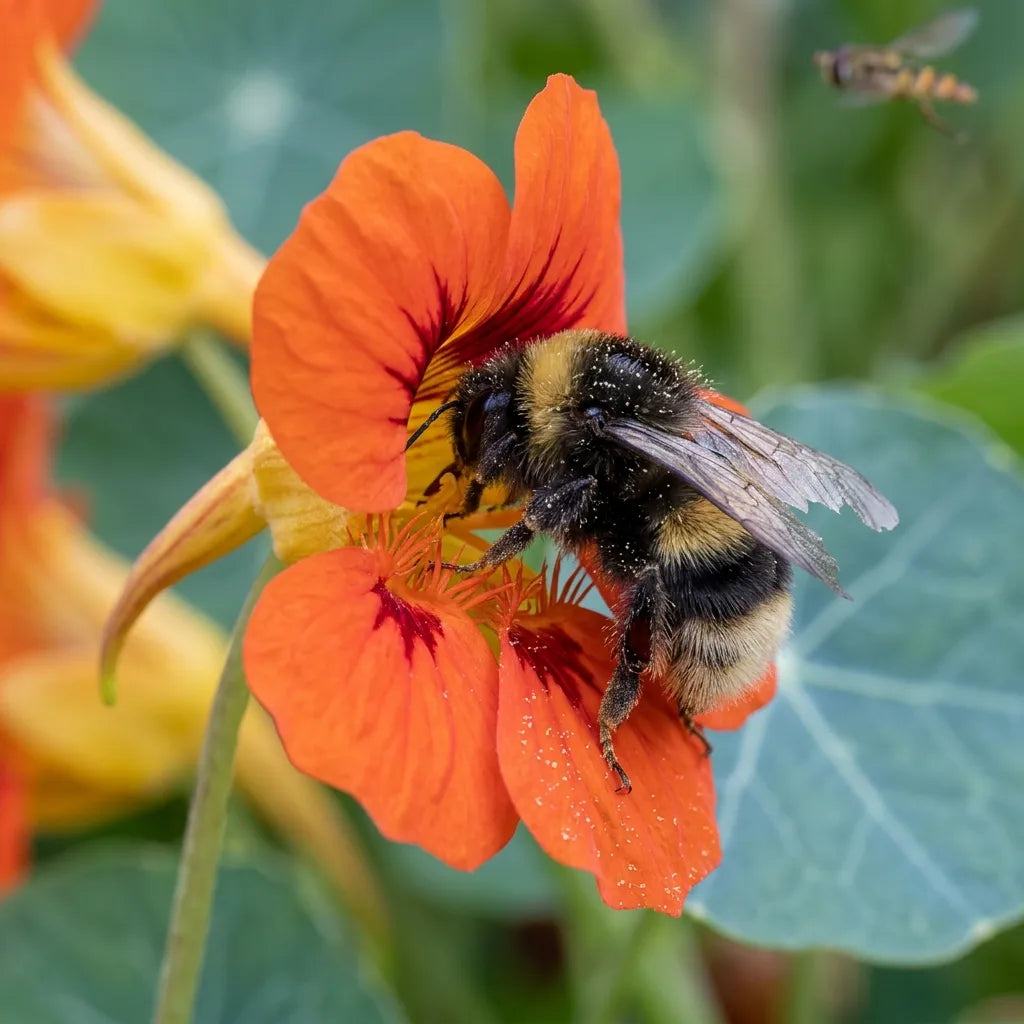
- Its flowers, with their long nectar spurs, are visited by long-tongued bumblebees and butterflies.
- By concentrating aphids, it also attracts ladybugs and hoverflies, whose larvae feed on them: it becomes a true pantry for beneficial insects.
Uses:
- Raw flowers and leaves in salads for their spicy flavor; flower buds and young fruits pickled in vinegar as a substitute for capers. See our edible flowers.
Harvesting your own seeds:
The large, wrinkled seeds detach on their own when ripe: collect them from the ground at the base of the plant in late summer, then dry them. Nasturtium often self-seeds the following year. See storing your seeds.
Commitment to Quality: at SemiSauvage - Permaculture, we grow and select our seeds with respect for living things as our guiding principle. Based near the Volcanoes of Auvergne, we choose open-pollinated, non-hybrid varieties, test them for germination rates, and carefully sort and package them, without any chemical treatment. Our belief: to give gardeners back the ability to resow, year after year, seeds that truly belong to them.
Add these dwarf nasturtium seeds to your garden for their beauty and usefulness in the vegetable garden.