Dianthus chinensis
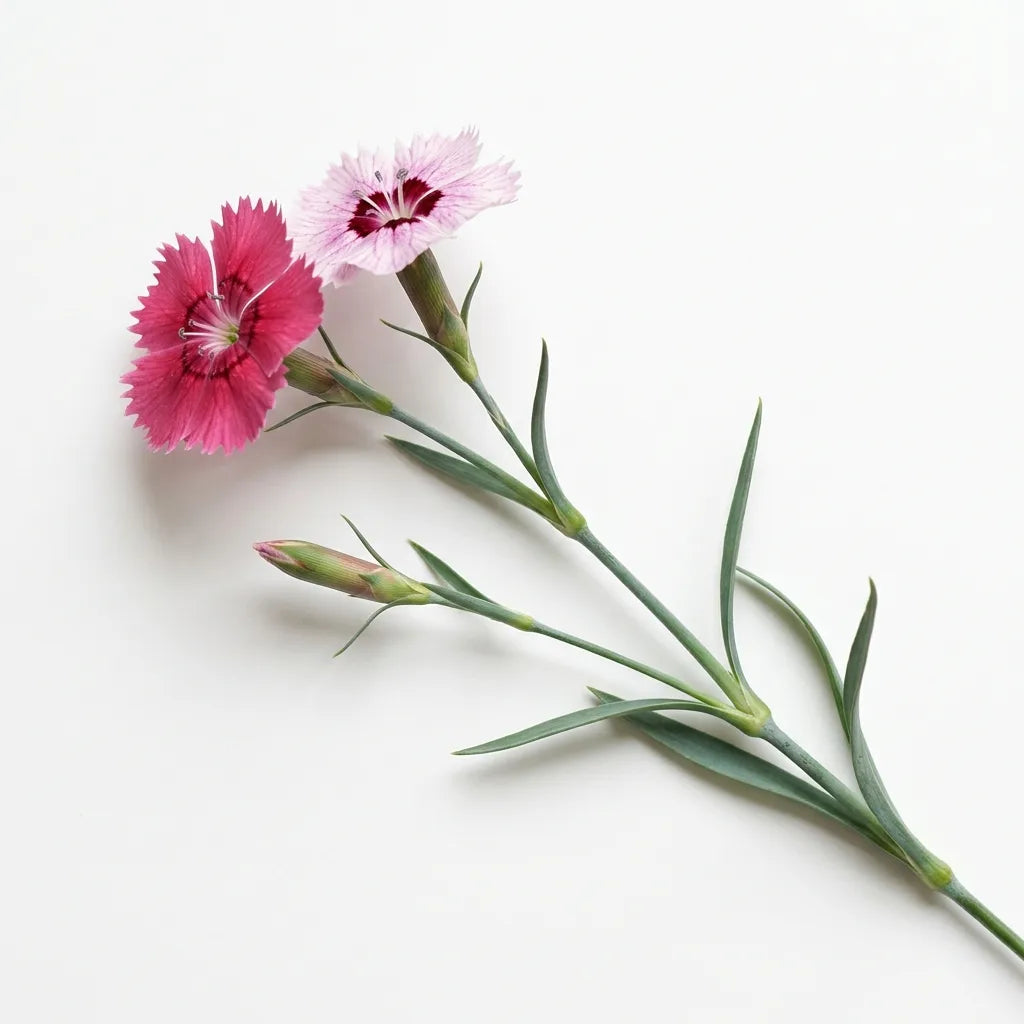
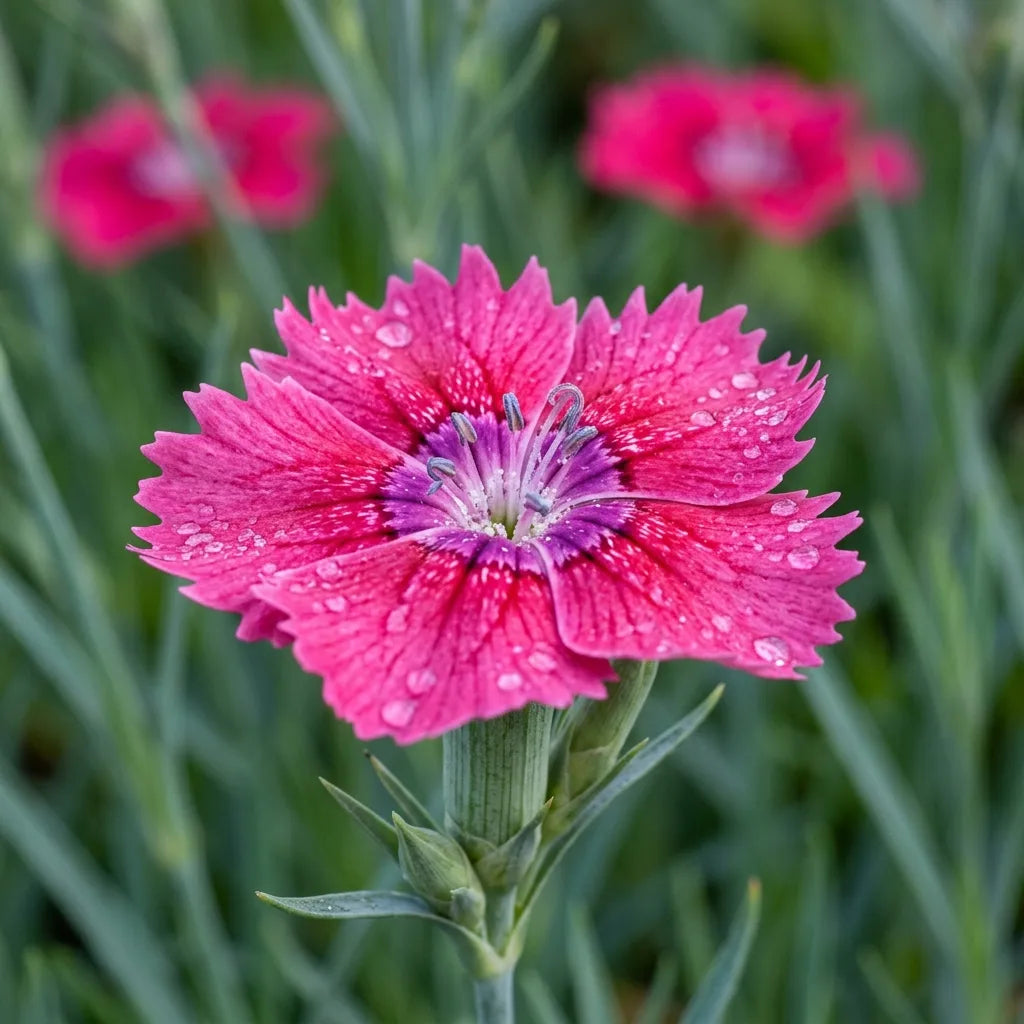
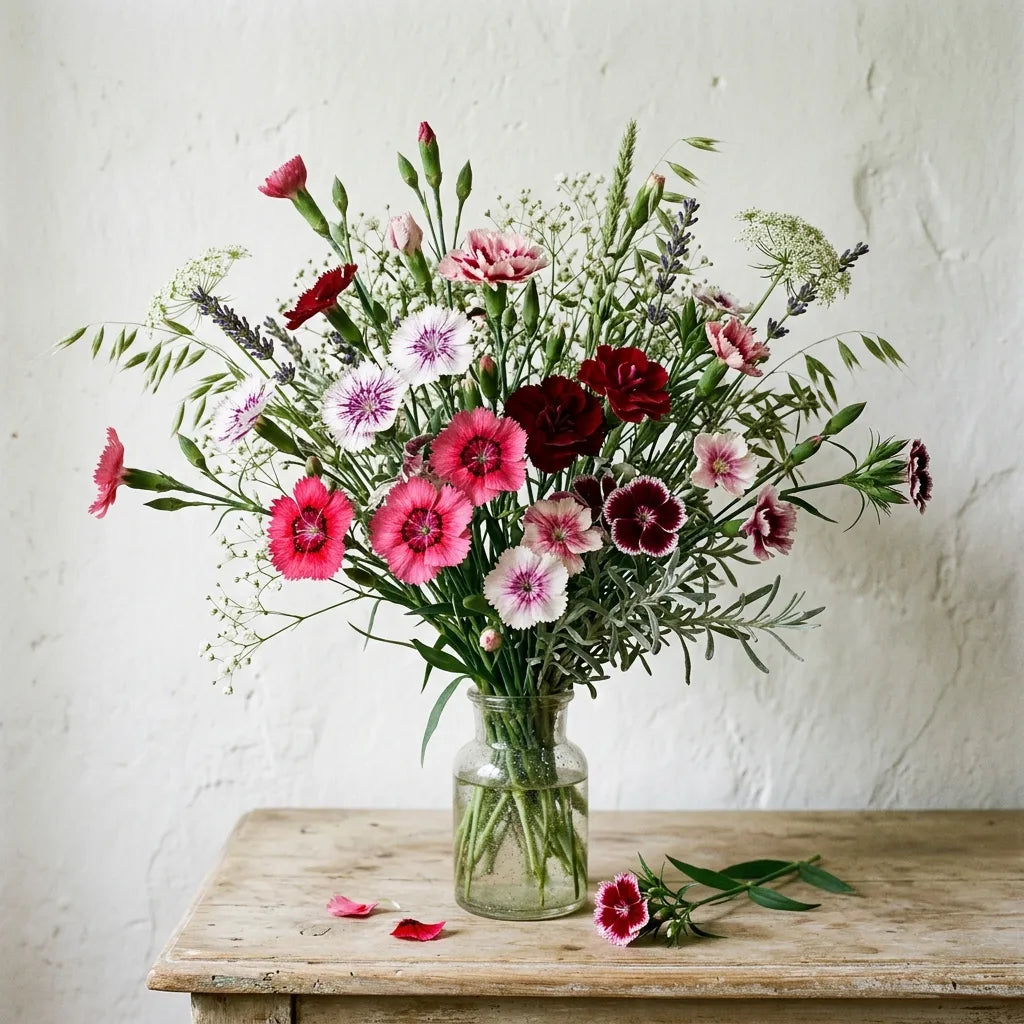
China pink, Chinese poet's carnation, dianthus: the name of the genus comes from the Greek dios anthos, “the flower of the gods,” a name Theophrastus gave it for its fragrance. This species from East Asia is distinguished by its fringed petals, as though cut with scissors, in an inimitable palette of colors and variegations.
Characteristics:
-
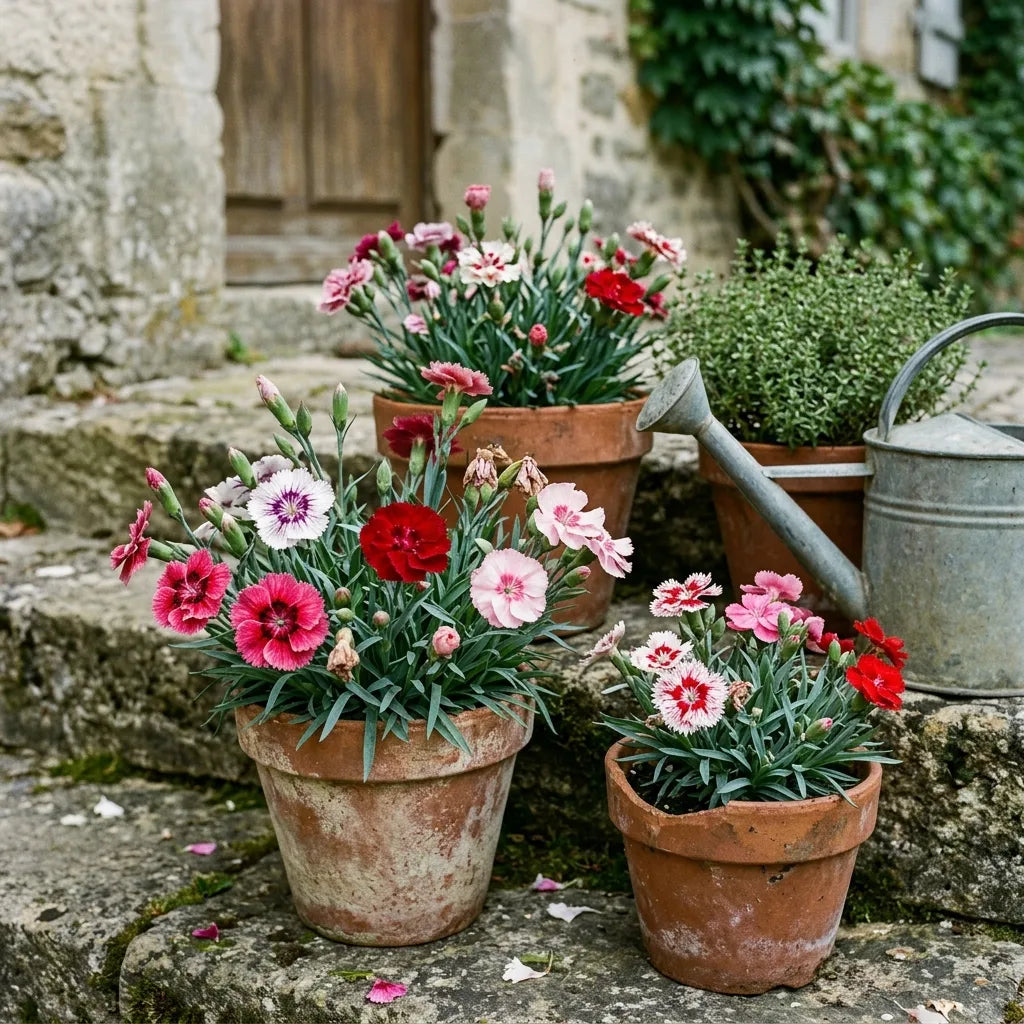
Fringed petals: small, toothed flowers in white, red, pink, purple, or variegated shades, often with a contrasting eye.
-
Generous summer flowering: a multitude of flowers all summer long if faded blooms are removed.
-
Easy to grow: suitable for beginners and experienced gardeners alike.
Sowing advice:
-
Exposure: sunny, or lightly shaded on a terrace in hot regions.
-
Soil: moderately calcareous, light, and above all well drained. This is crucial: it hates stagnant water, which causes the crown to rot — the main cause of failure. In heavy soil, grow it in a pot or on a raised mound. Avoid excessive fertilization.
-
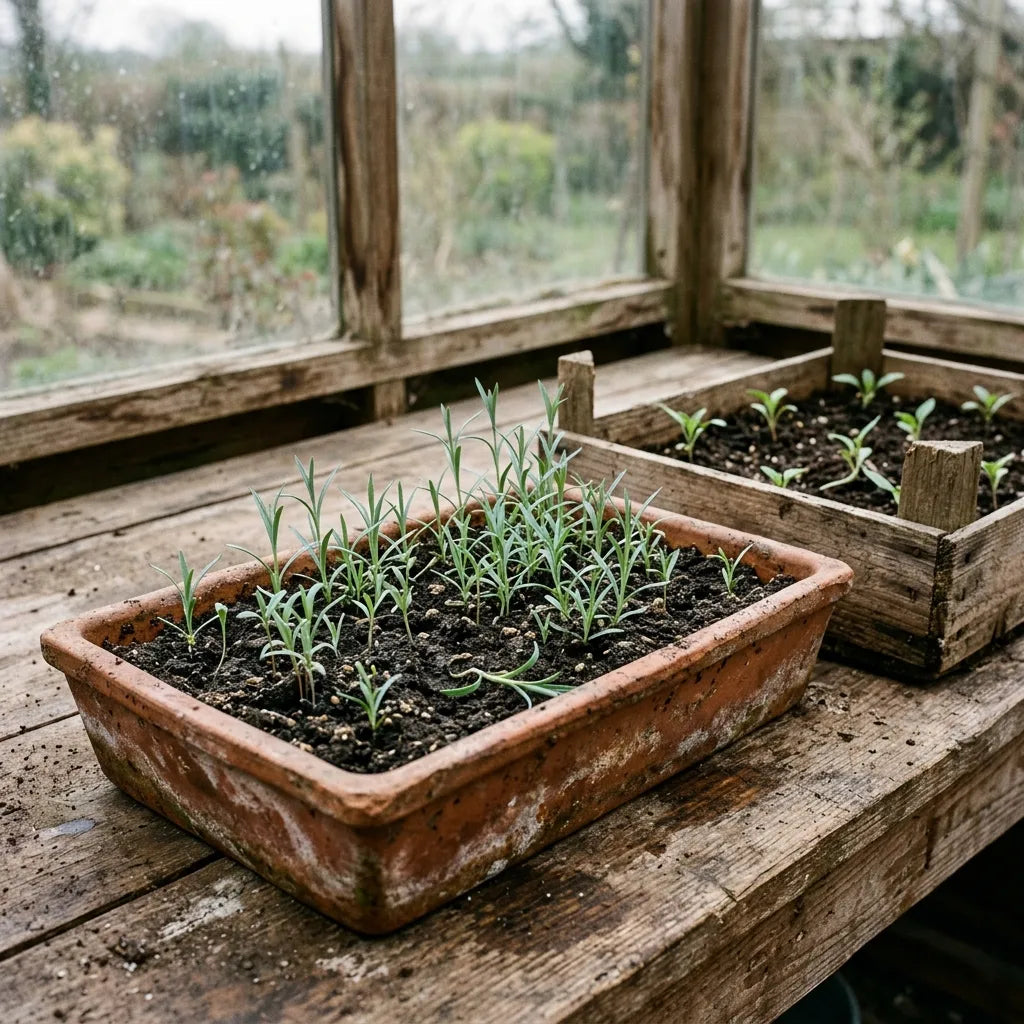
Method: sow in spring, in pots under cover from March onward, or directly in place after the last frosts, barely covering the seeds. No soaking or stratification needed. See how to sow your seeds.
Care advice:
- Regularly remove faded flowers: this is the key step for encouraging continuous flowering throughout the summer.
- Water moderately at the base, without wetting the foliage.
Beneficial combinations:
Benefits for biodiversity:
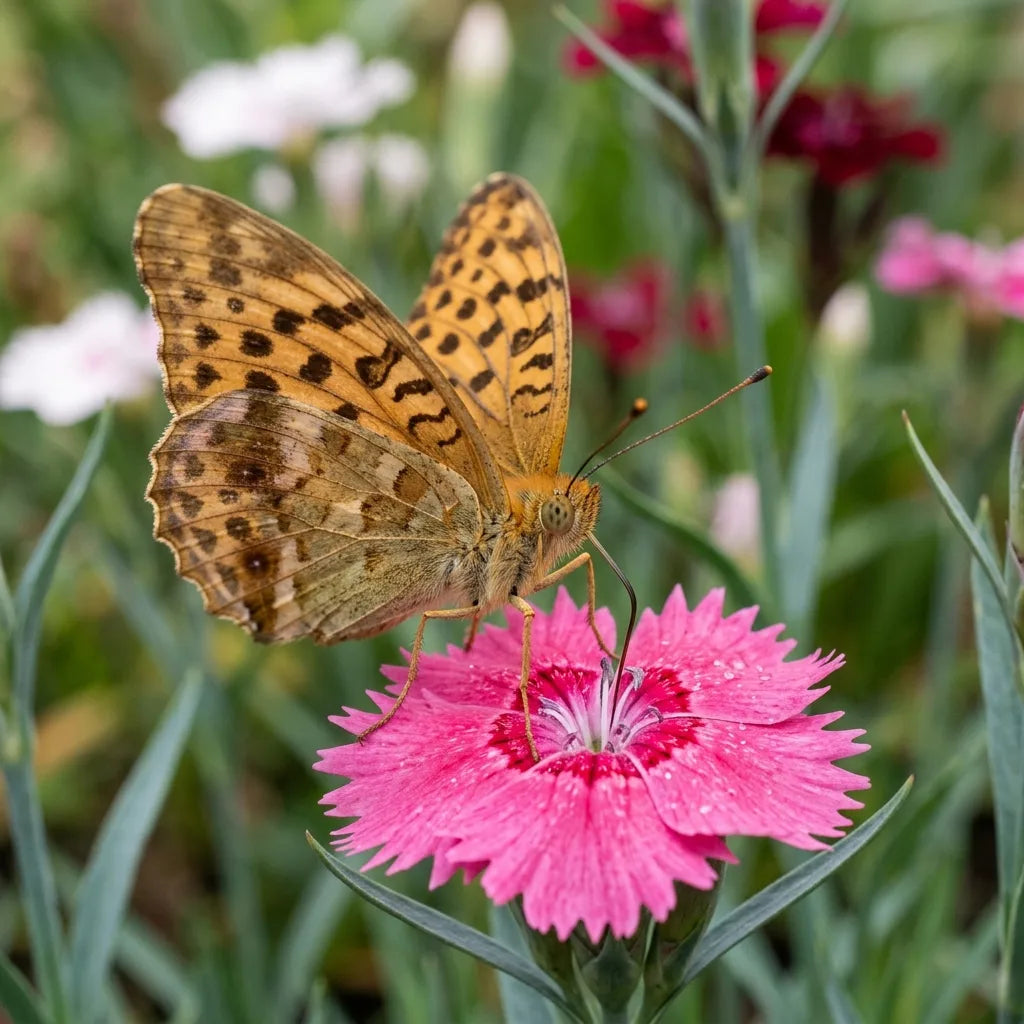
- Its single flowers are visited by butterflies, especially long-tongued species capable of reaching the nectar at the bottom of the floral tube.
- Choose single forms rather than double ones: they are far more accessible to pollinators.
Uses:
- Flower beds, borders, rock gardens, pots, and balcony planters. The petals are edible and make an attractive decoration for desserts and salads, with their slight spicy note — remember to remove the bitter white base. See our edible flowers.
Symbolism:
The carnation carries different meanings depending on its color: passionate love in red, tenderness in pink, and purity in white. Its Greek name literally makes it a divine flower.
Harvesting your own seeds:
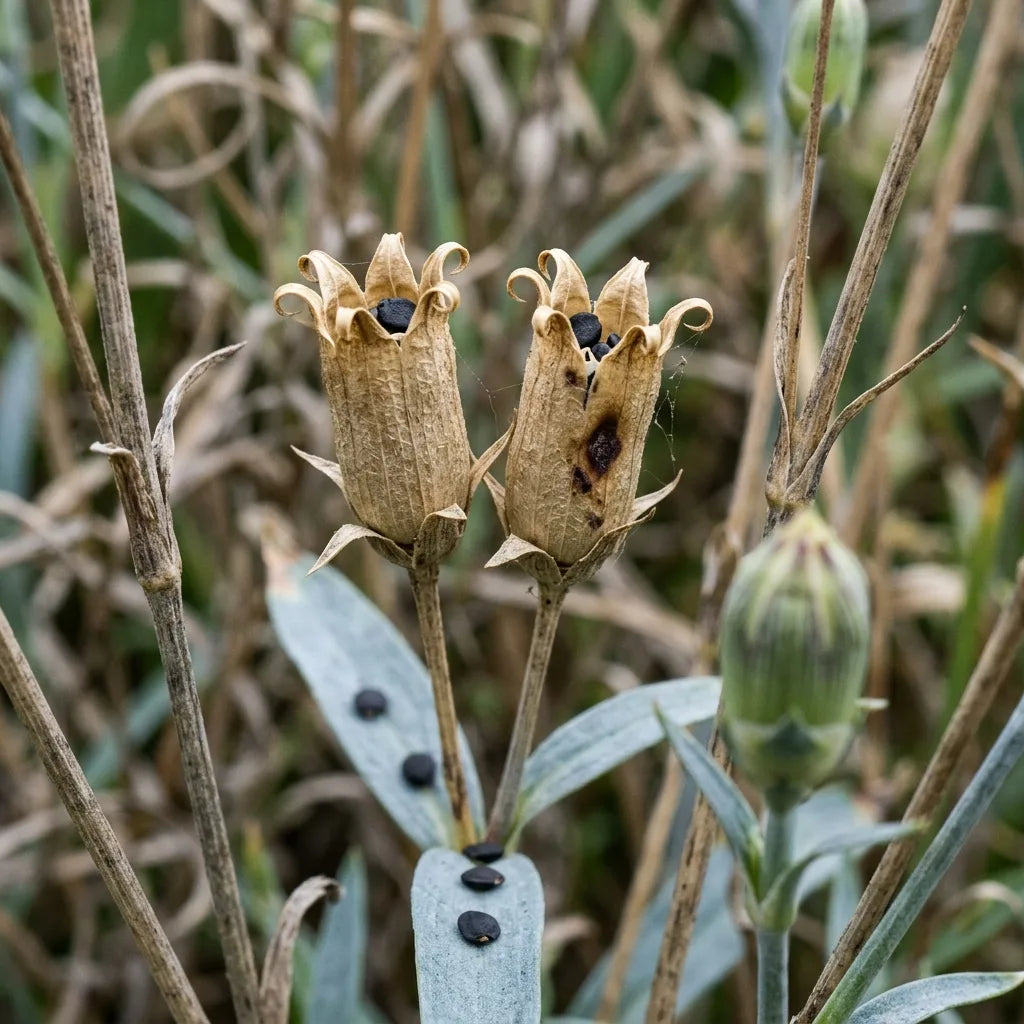
Leave a few faded flowers to form their elongated seed capsules, then harvest them once they are brown and dry, before they open at the top. See storing your seeds.
Commitment to Quality: at SemiSauvage - Permaculture, we grow and select our seeds with respect for the living world as our guiding principle. Based near the Auvergne Volcanoes, we choose reproducible, non-hybrid varieties, tested for their germination rate, carefully sorted and packaged, with no chemical treatment. Our conviction: to give gardeners back the ability to resow, year after year, seeds that truly belong to them.
Add a vibrant touch to your borders with these China pink seeds.