Gomphrena globosa
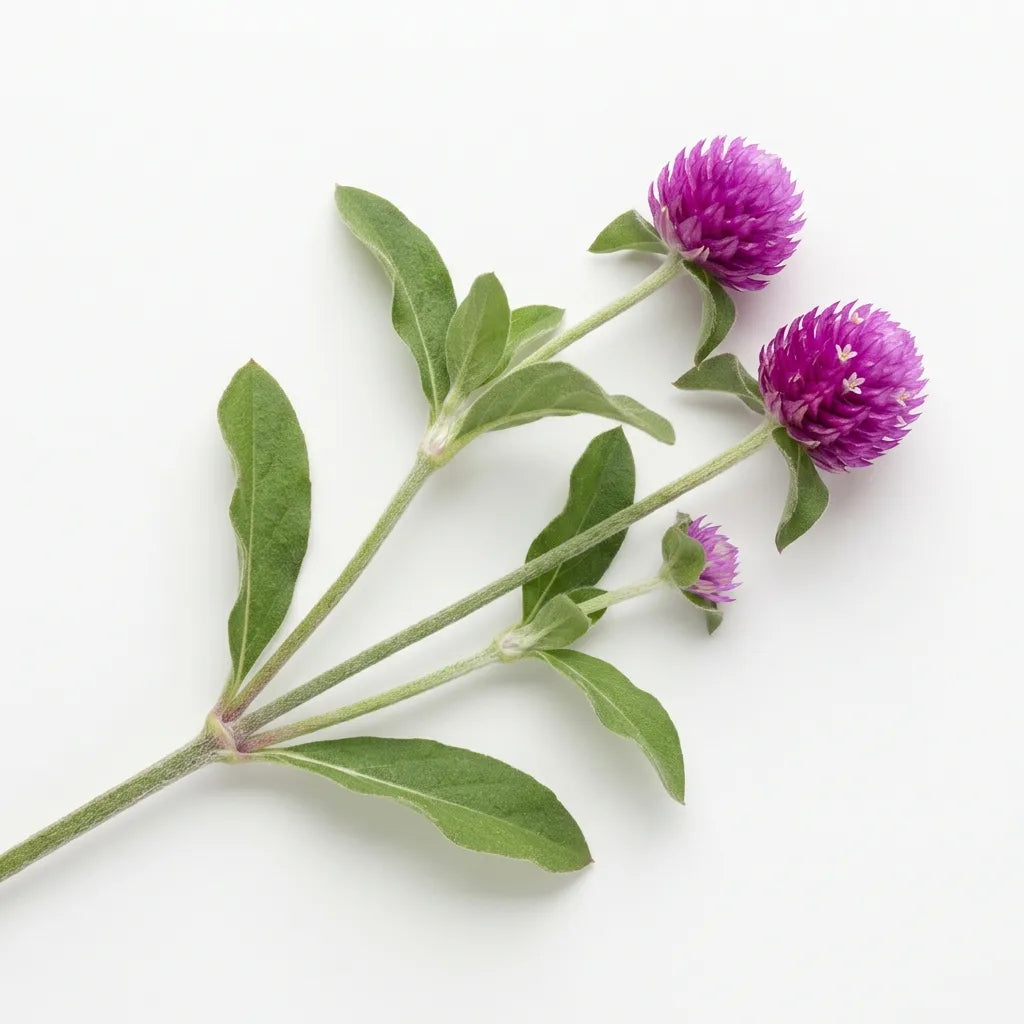
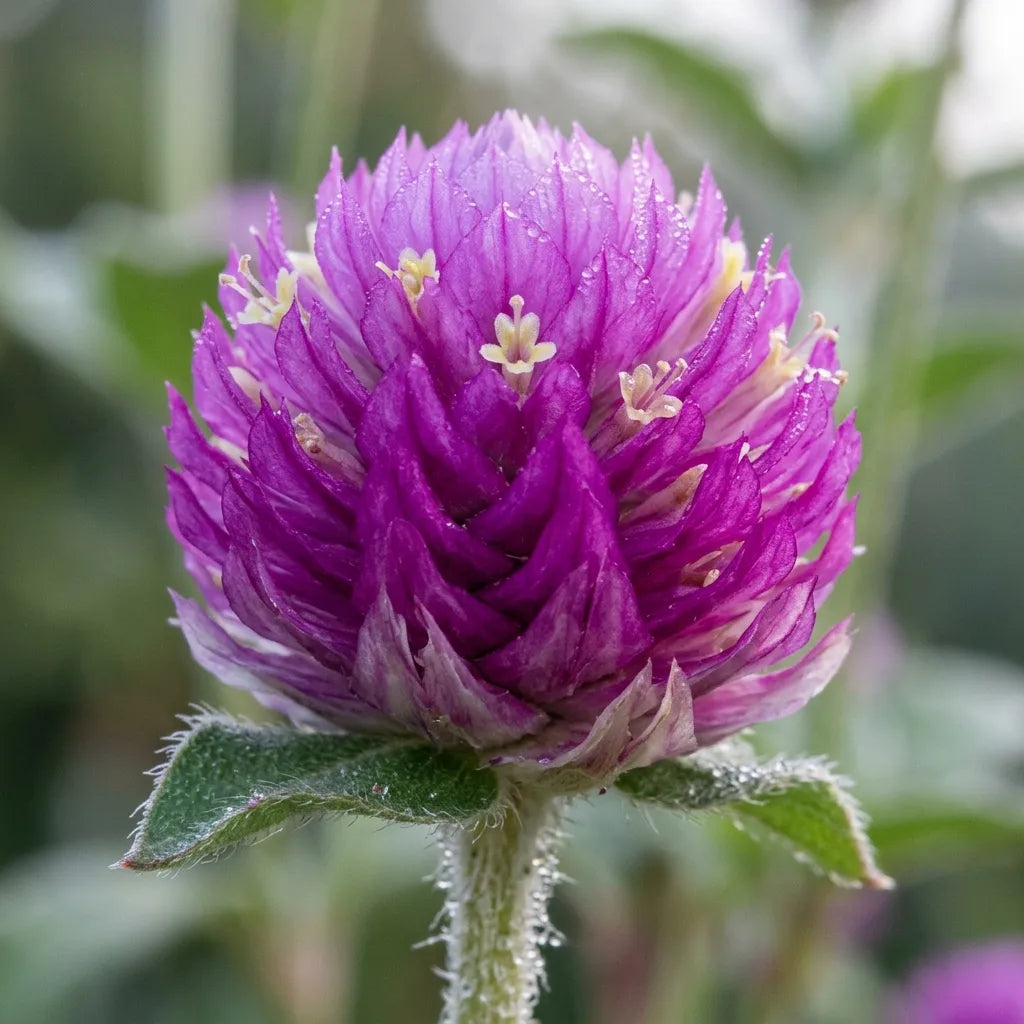
Globe amaranth, gomphrena, Brazilian glory, love button, globe everlasting: its small colorful pom-poms have a remarkable property—they retain their color for years after drying, without fading or wilting. They are not actually true petals, but dry, papery bracts, which explains their longevity.
Characteristics:
-
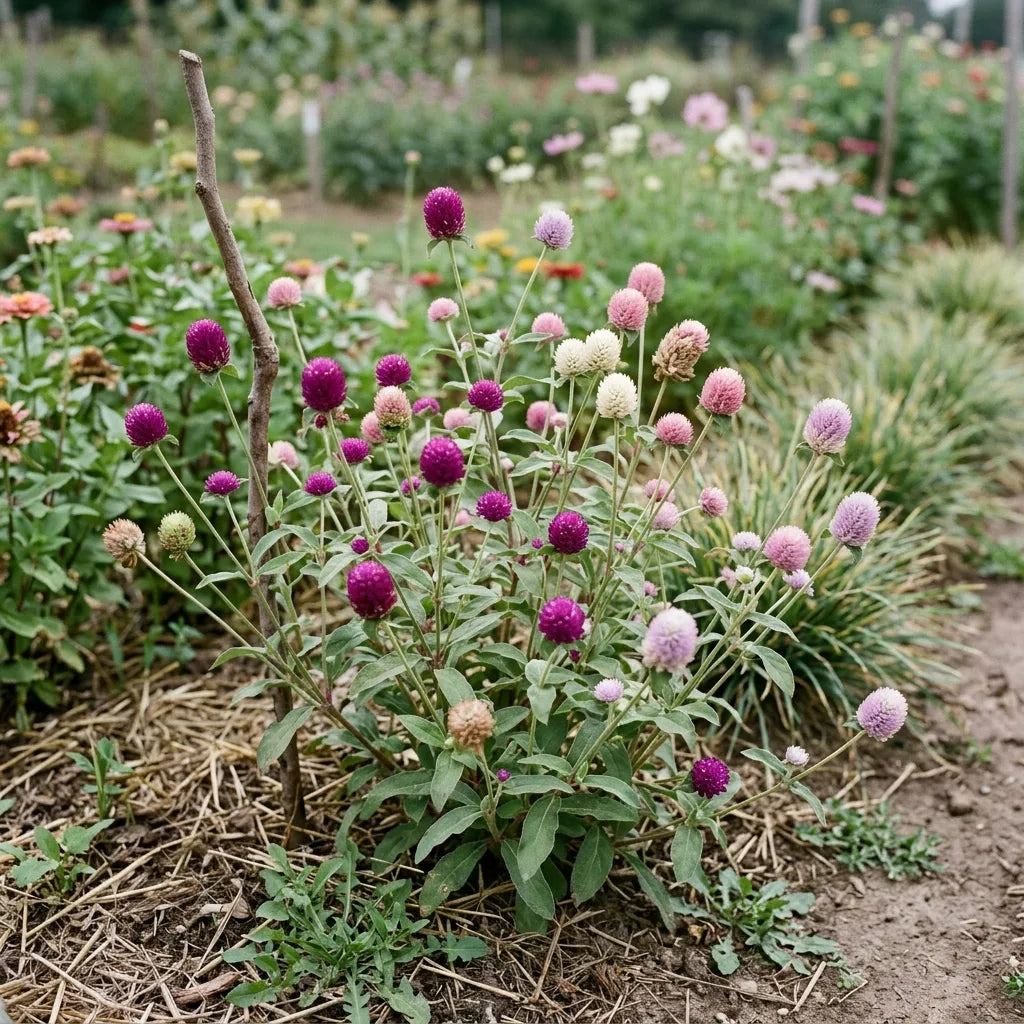
Colorful pom-poms: spherical pink, purple, or white flower heads from July until the first frosts.
-
Drought-resistant: once established, it tolerates heat and a lack of water very well.
-
Compact growth: 30 to 60 cm, bushy and well-branched.
Sowing advice:
-
Exposure: full sun, essential for abundant flowering.
-
Soil: light, well-drained, and not too rich. In overly fertile soil, it produces foliage at the expense of flowers. It is particularly sensitive to stagnant moisture.
-
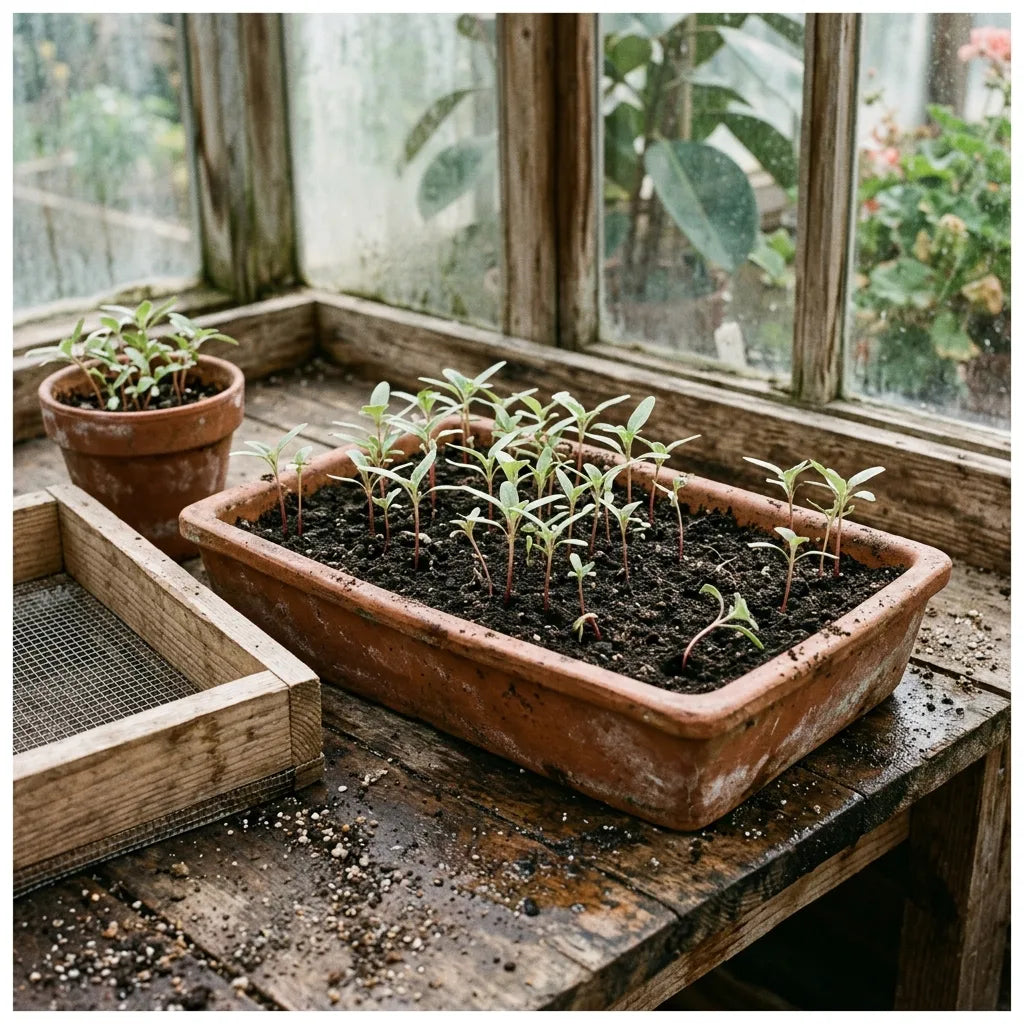
Method: no stratification required. Sow from March to May, under cover or directly in the ground after the last frosts, about 0.5 cm deep, at 20–24 °C. Germination in 7 to 14 days. See how to sow your seeds.
Care advice:
- Water moderately; it prefers dry conditions to excess water. Pinch out young stems to encourage branching and produce more flower heads.
Harvesting advice:
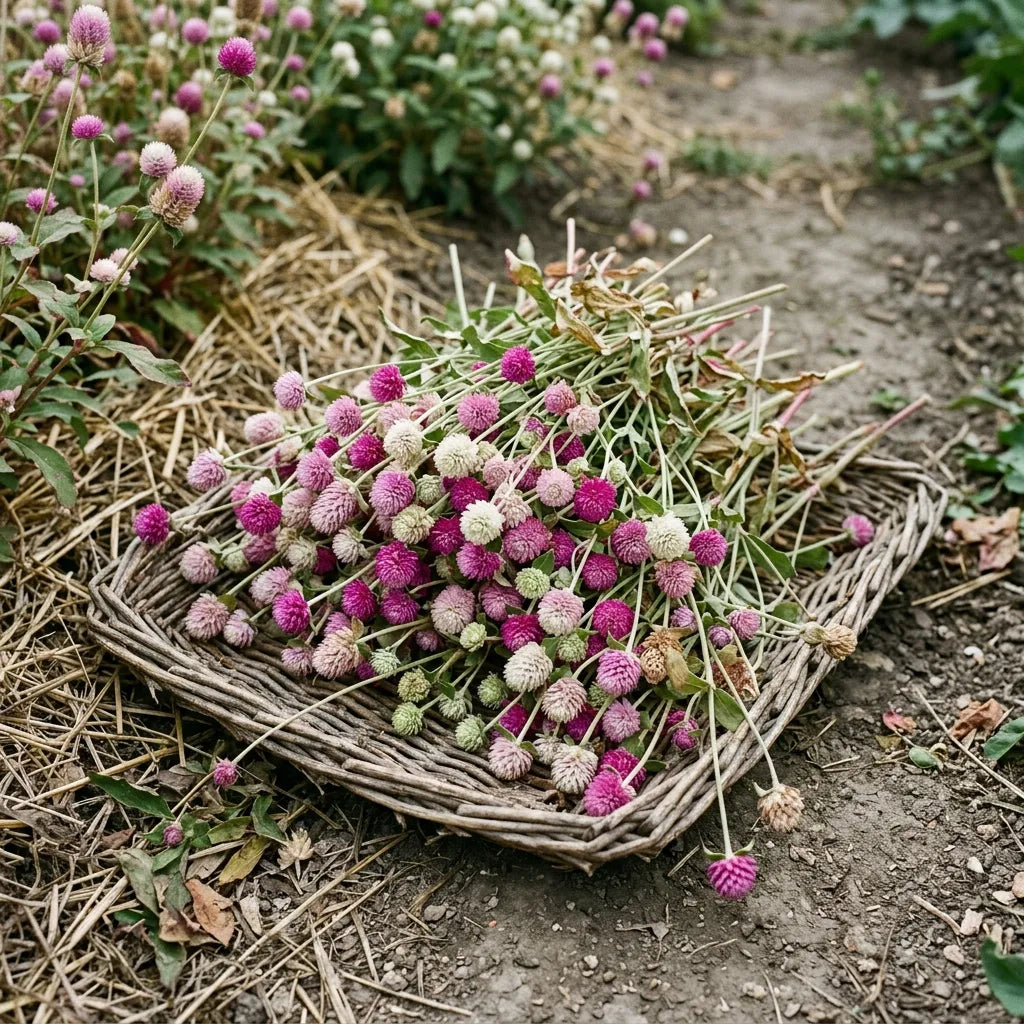
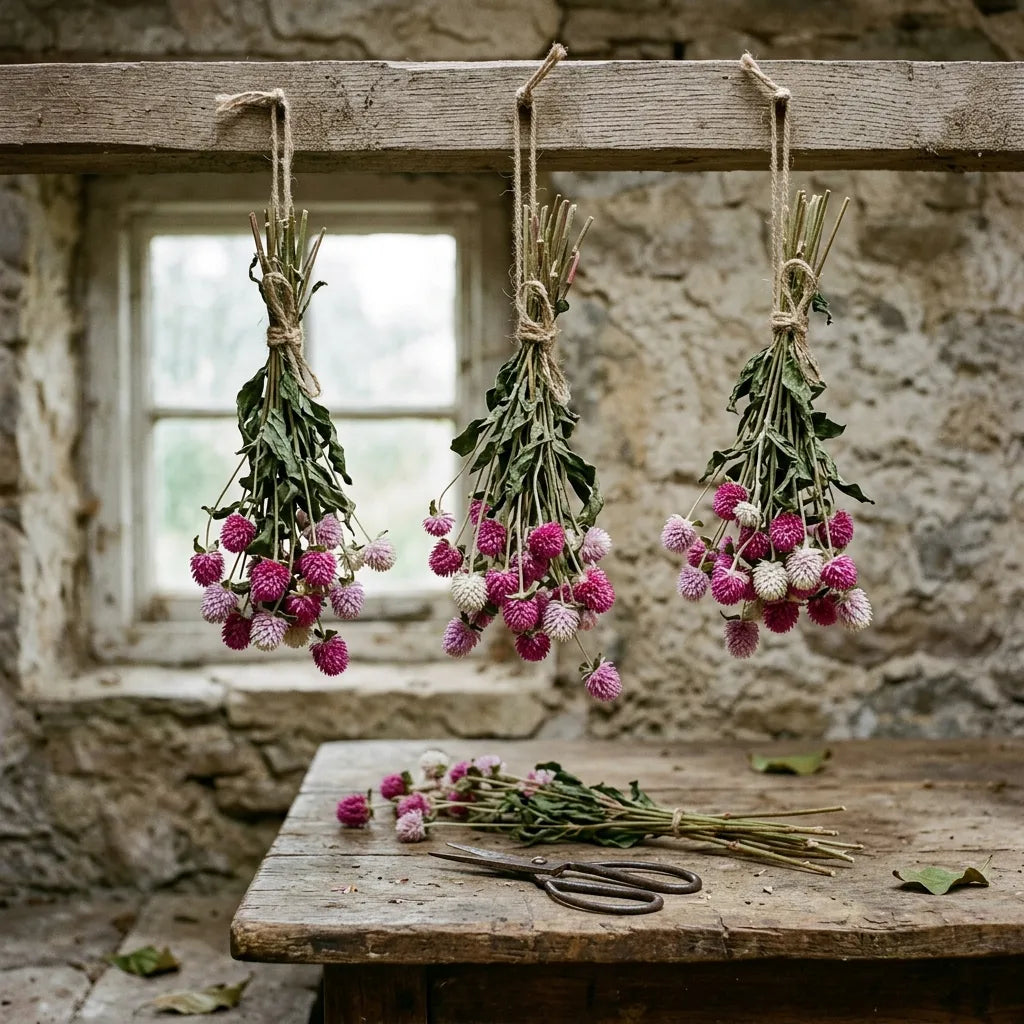
- For drying, cut the stems when the pom-poms are well formed and colored, before they begin to produce seeds, then hang them upside down in a dark, well-ventilated place.
Beneficial combinations:
Benefits for biodiversity:
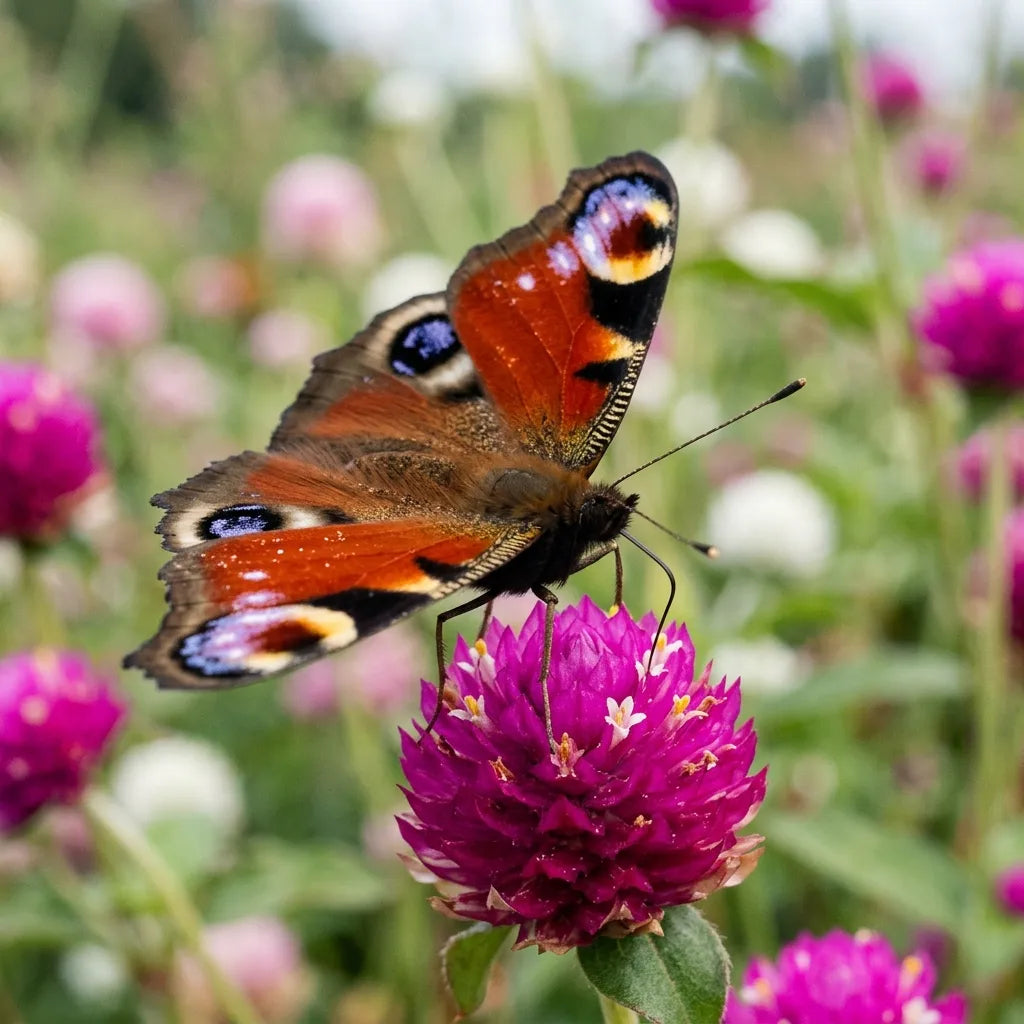
- Its pom-poms are visited by bees and especially butterflies throughout its long summer flowering period.
- Little affected by disease, it requires no treatment, benefiting all the wildlife in the garden.
Uses:
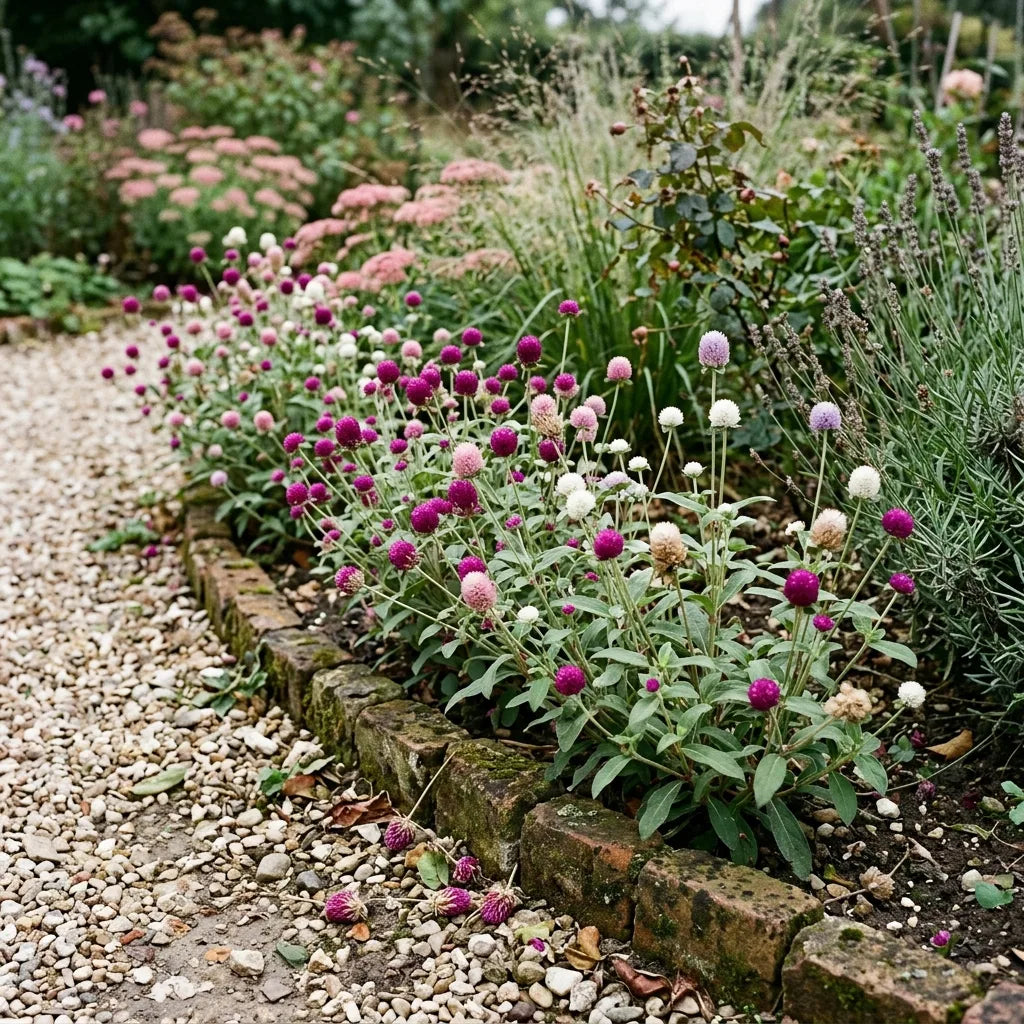
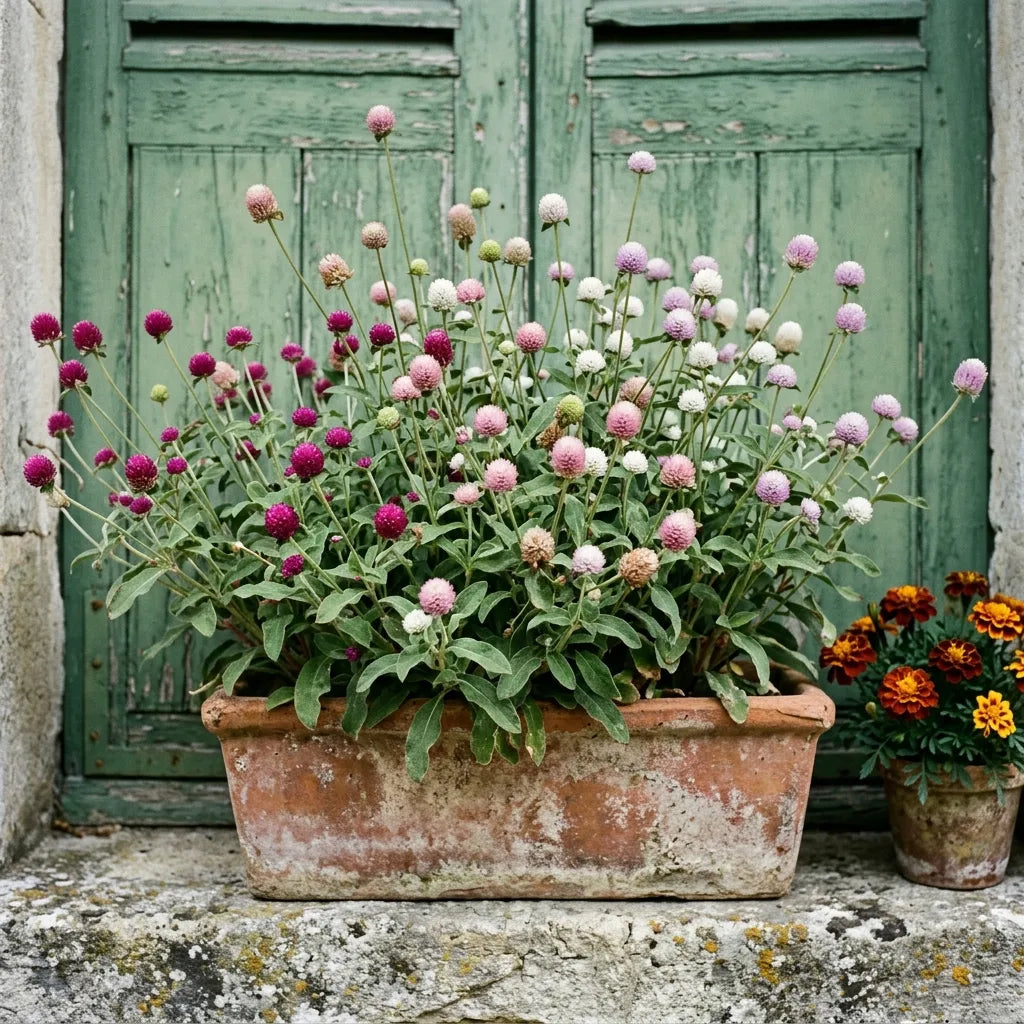
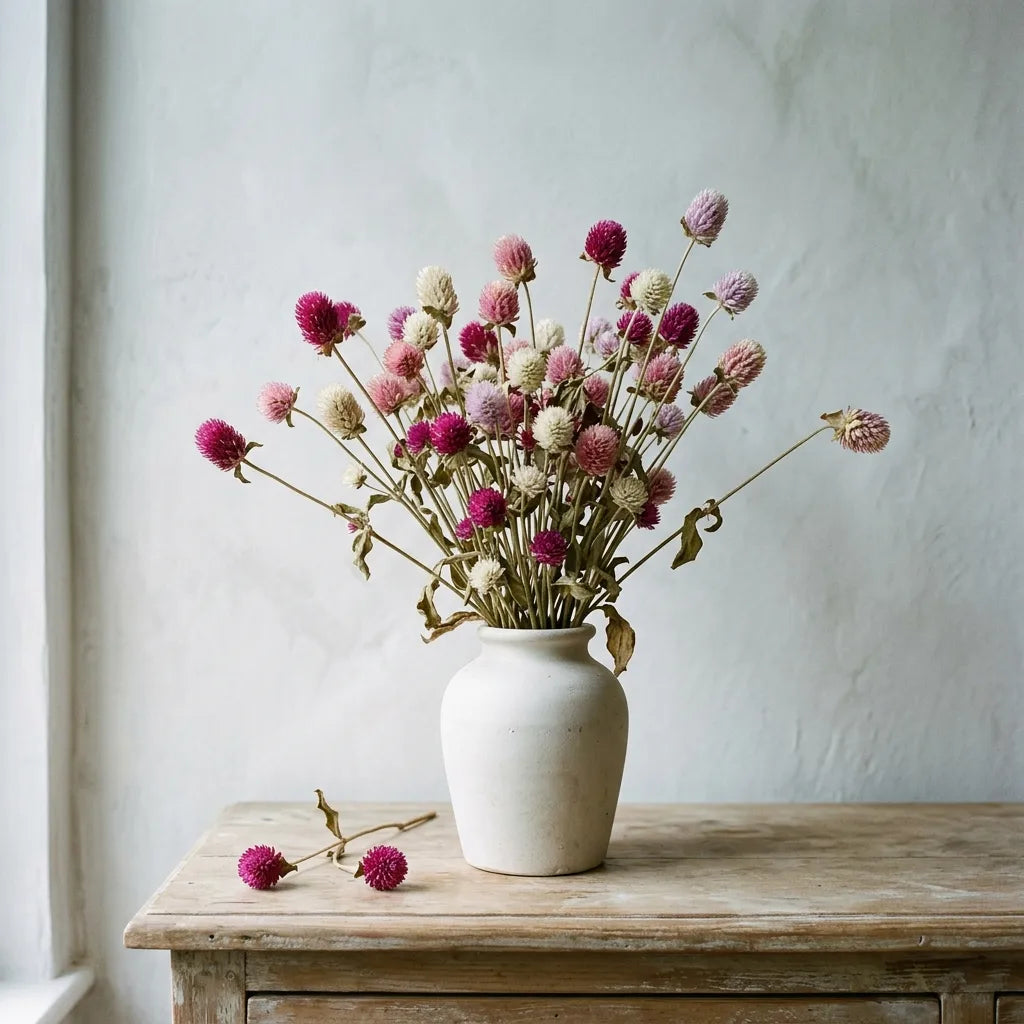
- Flower beds, borders, pots, and dry gardens. Above all, it is one of the best flowers for drying: dried bouquets and floral wreaths retain their colors for years.
Symbolism:
Amaranth has been a symbol of immortality and eternal love since ancient times—its Greek name literally means “that which does not fade.” Its long-lasting bloom evokes constancy of feeling.
Harvesting your own seeds:
Leave a few pom-poms to fully ripen on the plant until they crumble, then rub them over a container: the small seeds will separate from the bracts. See how to store your seeds.
Commitment to Quality: at SemiSauvage - Permaculture, we grow and select our seeds with respect for living things as our guiding principle. Based near the Volcanoes of Auvergne, we choose reproducible, non-hybrid varieties, tested for their germination rate, carefully sorted and packaged, with no chemical treatment. Our conviction: to give gardeners back the ability to sow, year after year, seeds that truly belong to them.
Sales reserved for amateur gardeners seeking quality and authenticity.