Physalis peruviana
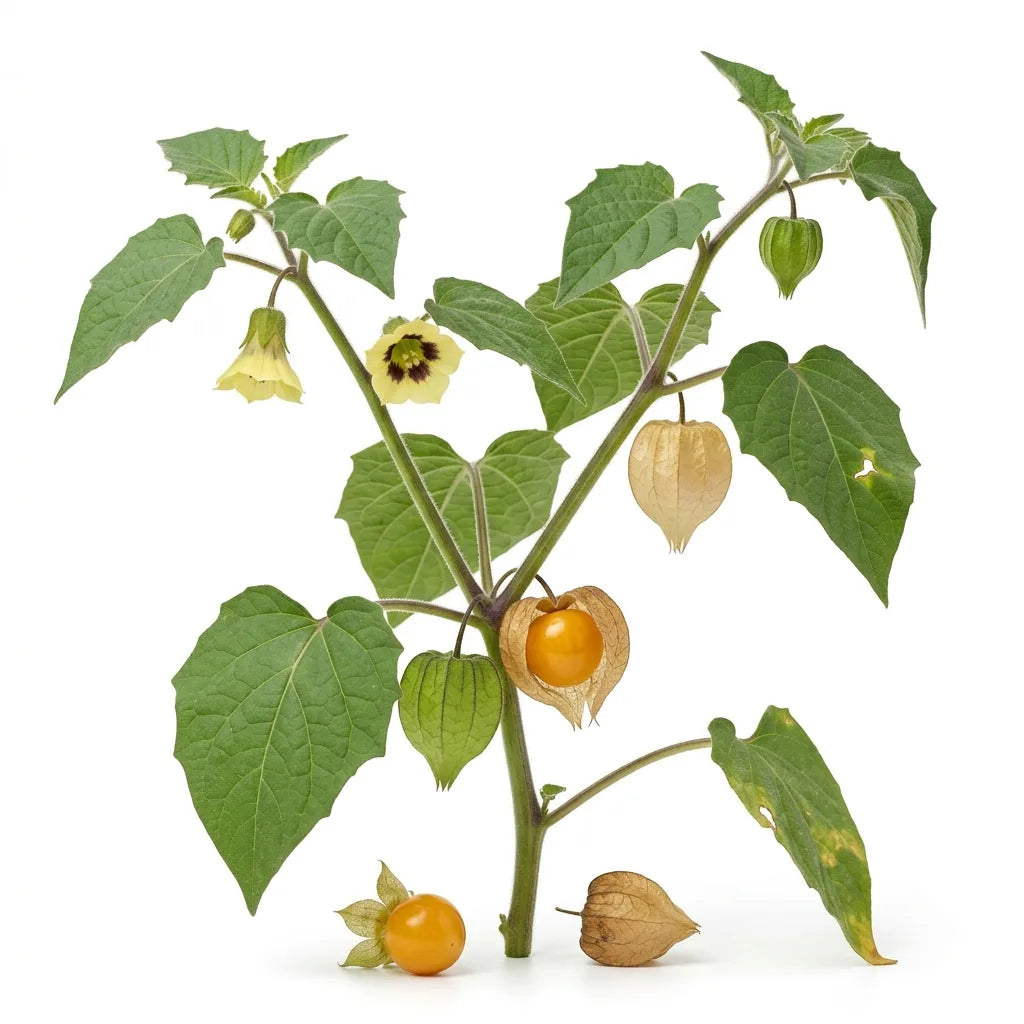
Peruvian groundcherry, physalis, Cape gooseberry, Peruvian love-in-a-cage, uchuva: this is the physalis prized for its fruit, whose small, sweet, slightly tart golden berry can be enjoyed just as it is. Not to be confused with the Chinese lantern, its strictly ornamental cousin: here, the papery calyx is simply a natural wrapper that protects the fruit and ensures its long shelf life.
Characteristics:
-
Sweet fruit: golden berries the size of a cherry, with a unique flavor somewhere between pineapple and redcurrant, protected by their lantern-like husk.
-
Abundant production: a single well-tended plant can produce dozens of fruits from August until the first frosts.
-
Long shelf life: in their intact calyx, the fruits keep for several weeks at room temperature.
Precautions:
- Only eat perfectly ripe fruits, when the calyx has turned beige and papery and the berry is a deep golden color. Green fruits and foliage are not edible.
- Frost-tender plant: native to the tropical Andes, it is killed by frost and is grown as an annual in our climates, or in a pot to be overwintered frost-free.
Sowing advice:
-
Exposure: full sun and warmth, essential for the fruits to ripen.
-
Soil: rich, loose, moist and well drained. It is a hungry plant, like the tomato to which it is related: adding compost is genuinely beneficial. However, avoid overfertilizing with nitrogen, as this may result in abundant foliage and few fruits.
-
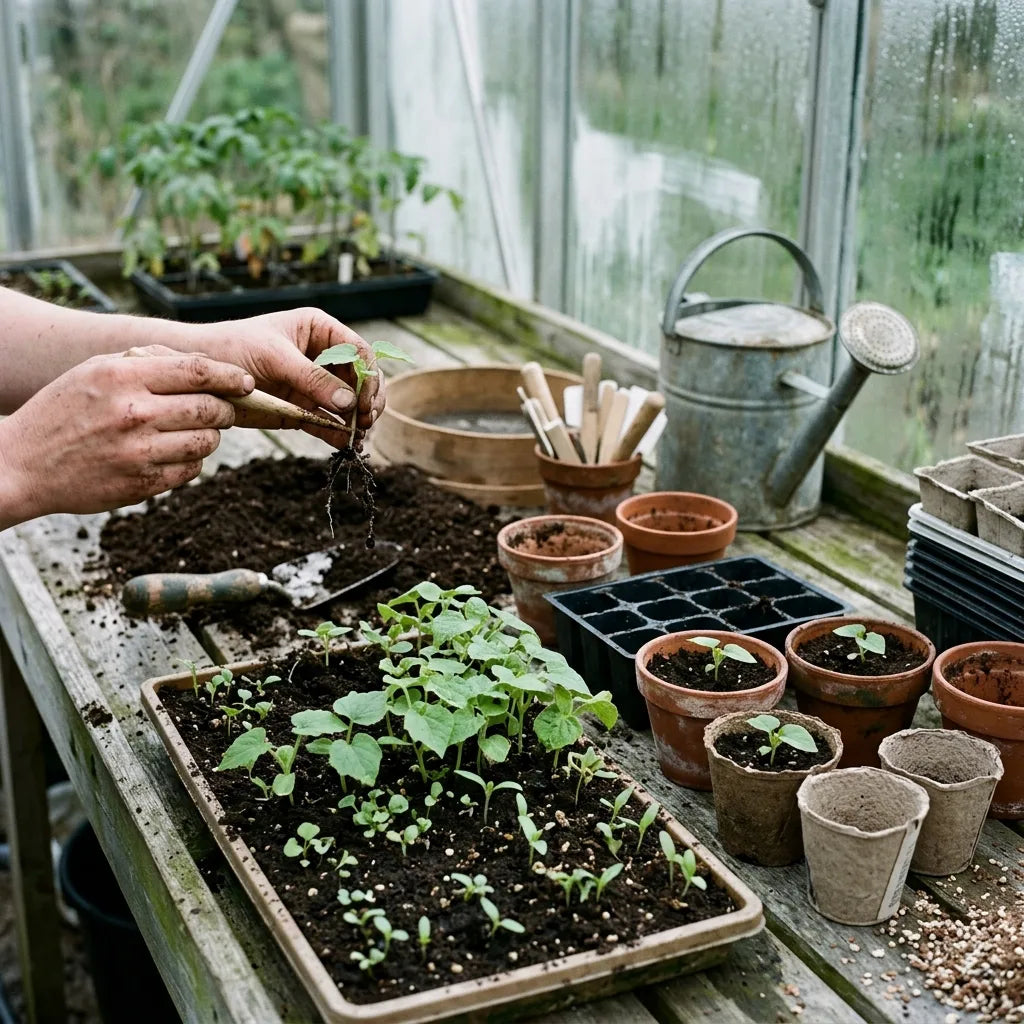
Method: no cold stratification—this tropical species requires warmth instead. Sow in pots under cover from February to March at 20–25 °C, covering lightly, then transplant after the last frosts. See how to sow your seeds.
Planting advice:
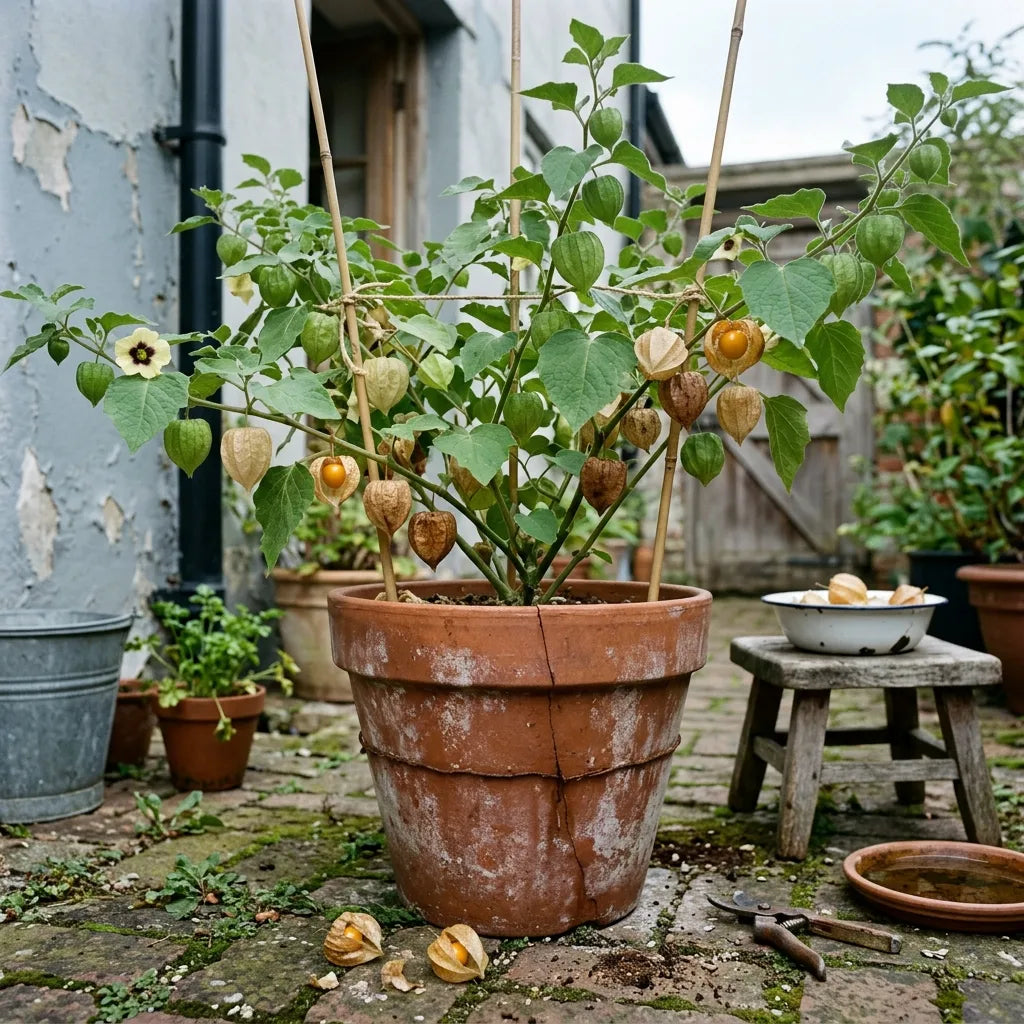
- Transplant after the frosts, spacing plants 80 cm to 1 m apart: the plant becomes very large and spreading. Provide a stake or support.
Care advice:
- Water regularly at the base in summer. Mulch to retain soil moisture.
- Pinch out the main stems to encourage branching and therefore fruit production.
Harvesting advice:
- The unmistakable sign: ripe fruits fall to the ground on their own, inside their beige, dry calyx. Simply pick them up at the base of the plant.
Beneficial companions:
Benefits for biodiversity:
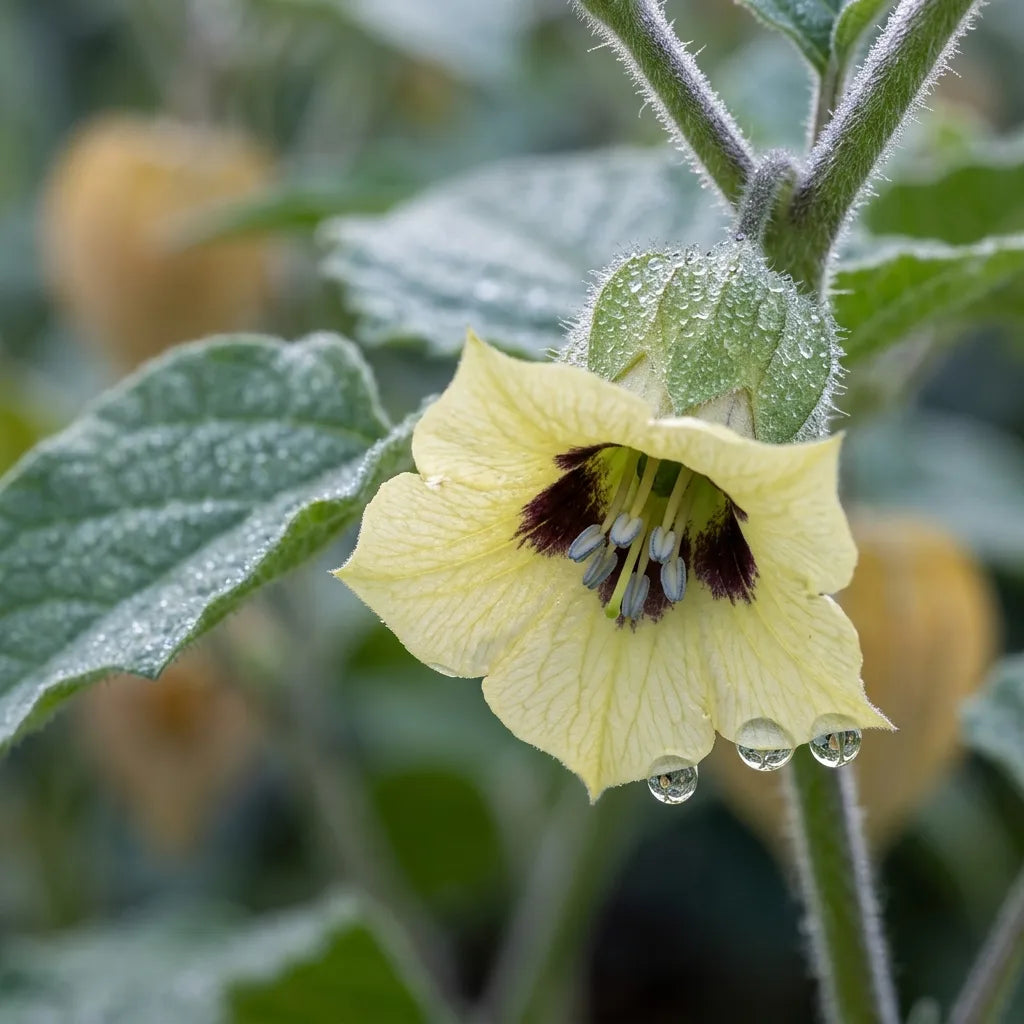
- Its yellow flowers, speckled with brown and modest but numerous, are visited by bees and bumblebees throughout the summer.
- Its long fruiting period, lasting until the frosts, extends the garden's resources late into the season.
Uses:
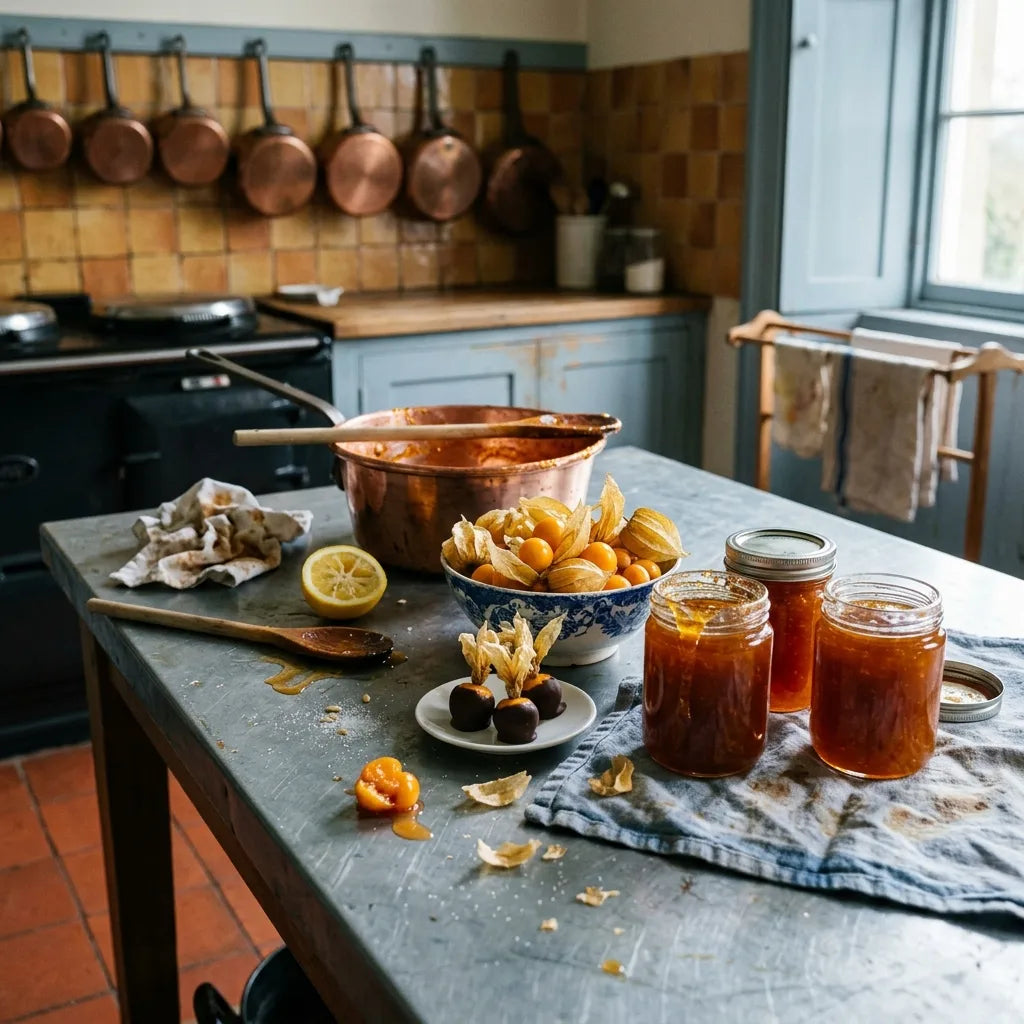
- Delicious fruits eaten fresh, made into jam, baked in a tart or dipped in chocolate. Their calyx, opening like a corolla, also makes a spectacular garnish for desserts.
Saving your own seeds:
Crush a few fully ripe fruits in a little water, leave them to ferment for two to three days, then rinse: the healthy seeds sink to the bottom, while the debris floats. Dry them on paper before storing. See how to store your seeds.
Commitment to Quality: at SemiSauvage - Permaculture, we grow and select our seeds with respect for living things as our guiding principle. Based near the Volcanoes of Auvergne, we choose open-pollinated, non-hybrid varieties, tested for germination rates, carefully sorted and packaged, with no chemical treatment. Our belief: to give gardeners back the ability to resow, year after year, seeds that truly belong to them.
Grow your own Peruvian groundcherries and enjoy their small golden berries from late summer onward.