Origanum majorana
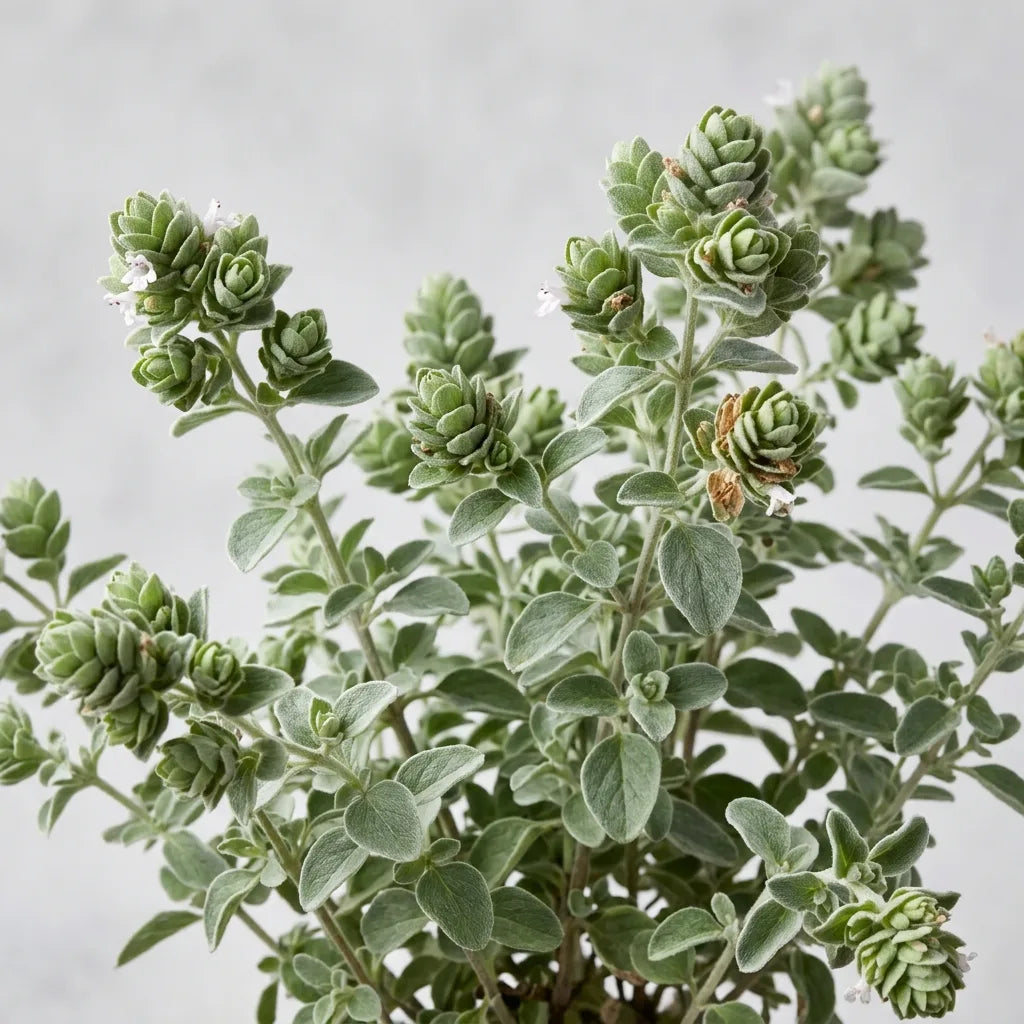
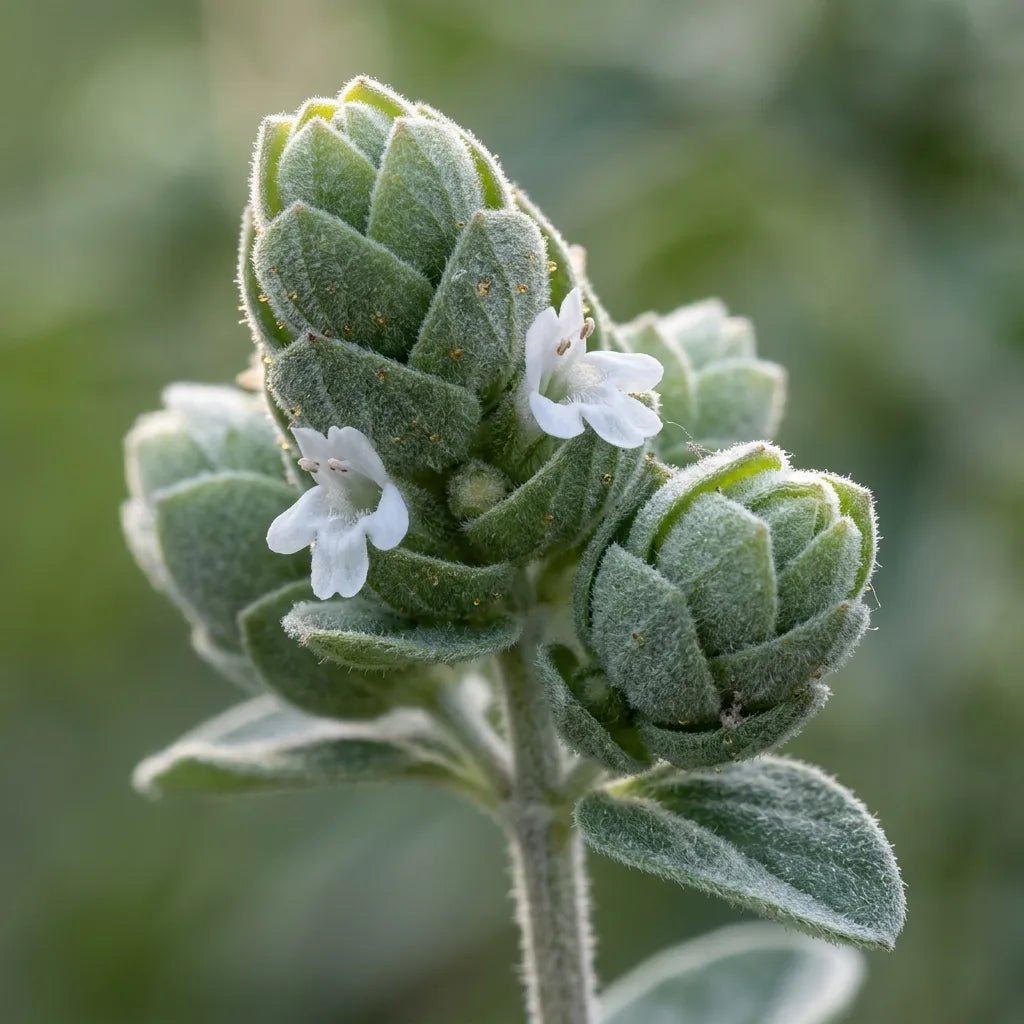
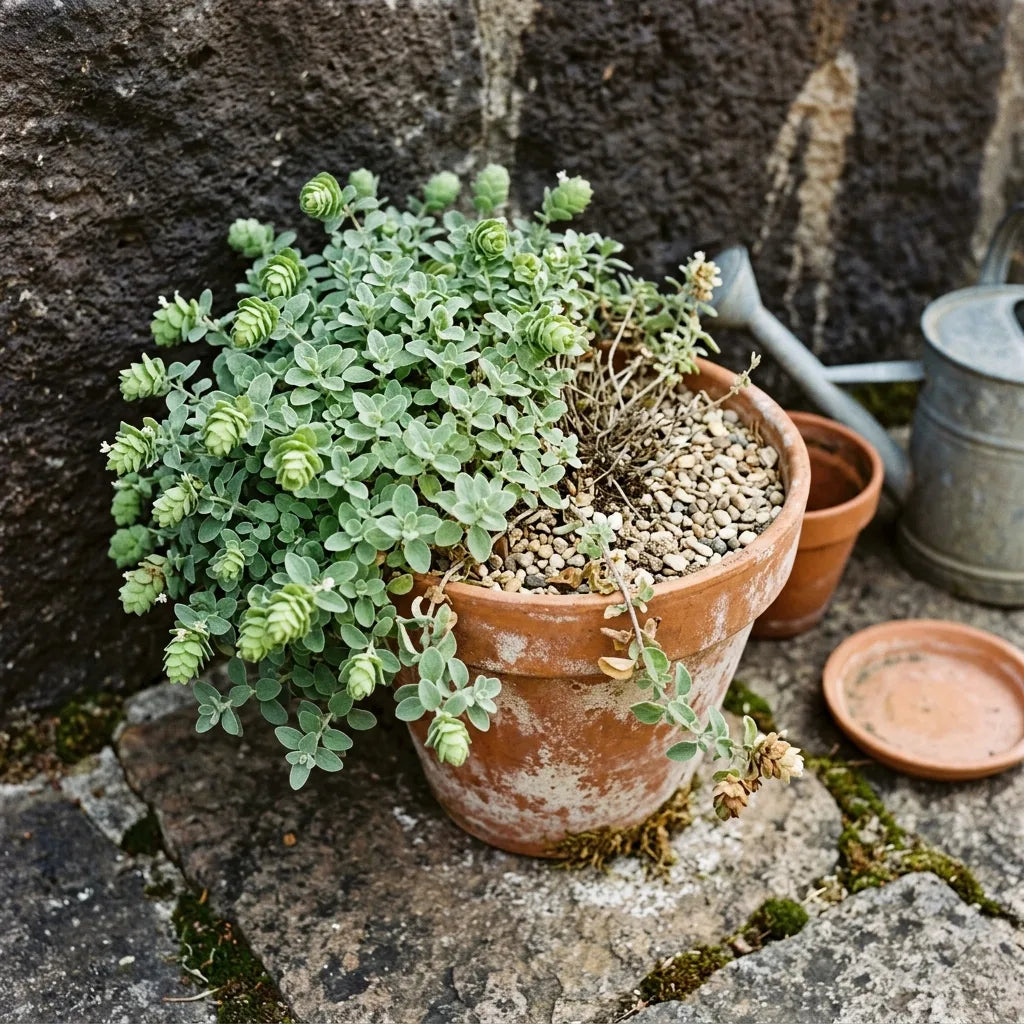
Sweet marjoram, knotted marjoram, pot marjoram: not to be confused with oregano, its close relative. Marjoram is distinctly milder, more delicate, and sweeter—and above all, much more susceptible to cold. Its flower buds, grouped into small “shells” before opening, earned it its second name.
Characteristics:
-
Delicate fragrance: milder and sweeter than oregano, with a slightly camphoraceous note.
-
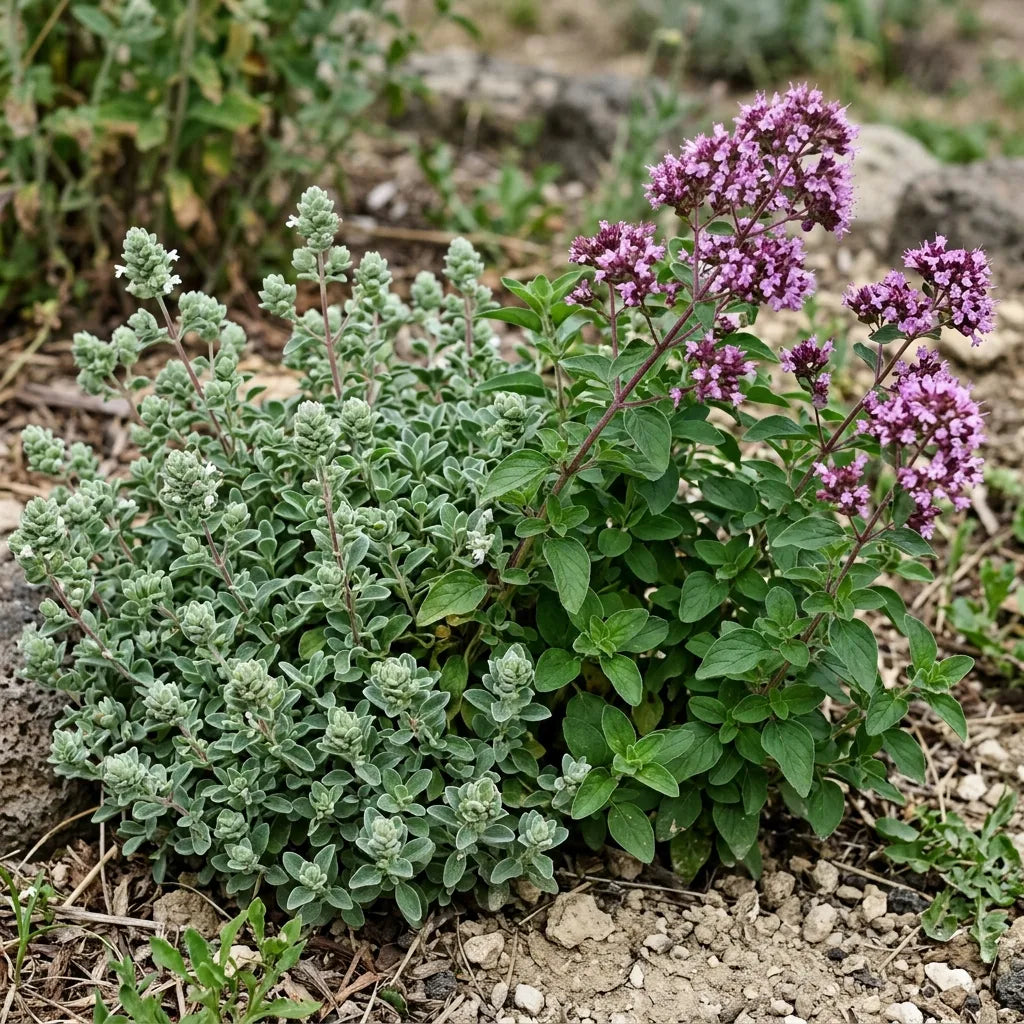
Pretty clump: fuzzy gray-green leaves topped with small pinkish-white flowers.
-
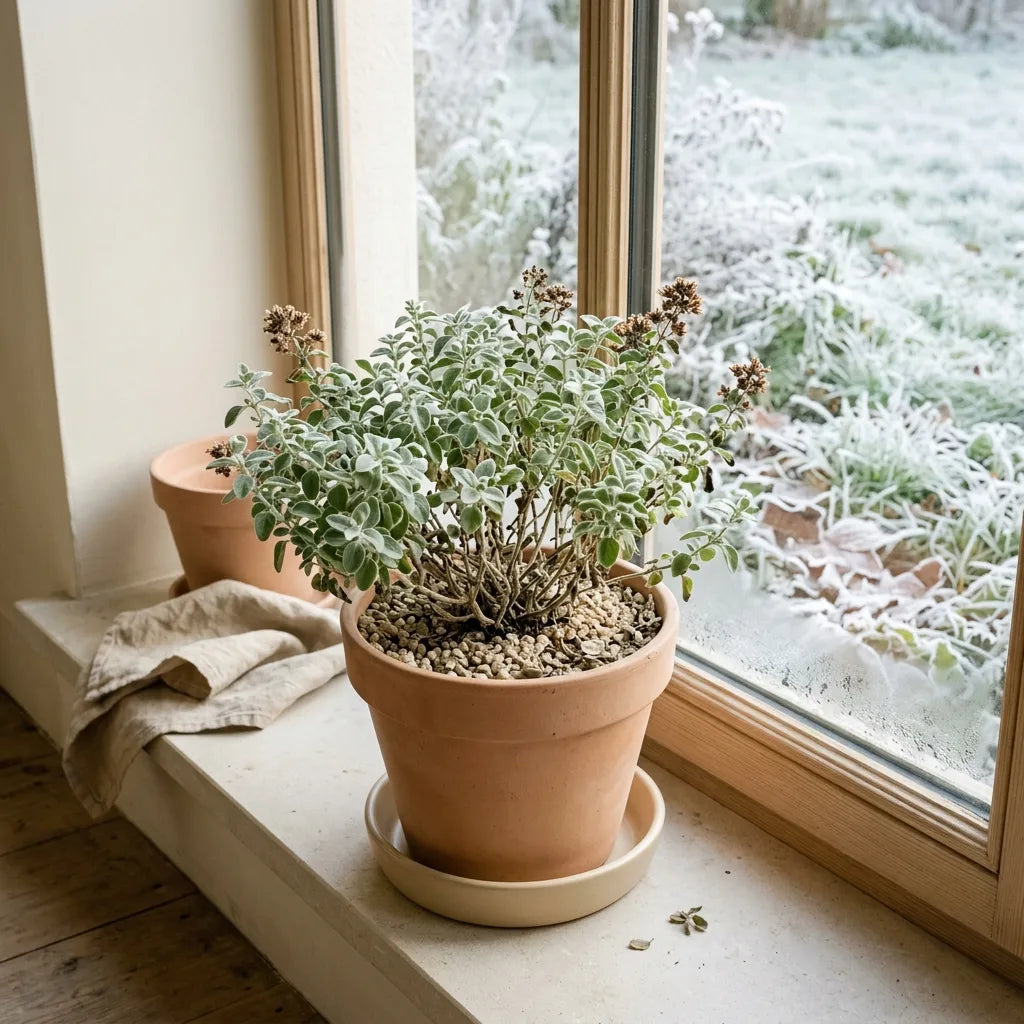
Frost-tender in our climate: perennial in its native Mediterranean region, it is grown as an annual in France, or in a pot to be overwintered frost-free.
-
Excellent in pots: which makes it possible to keep it from one year to the next.
Sowing advice:
-
Exposure: full sun and warmth, in a sheltered spot.
-
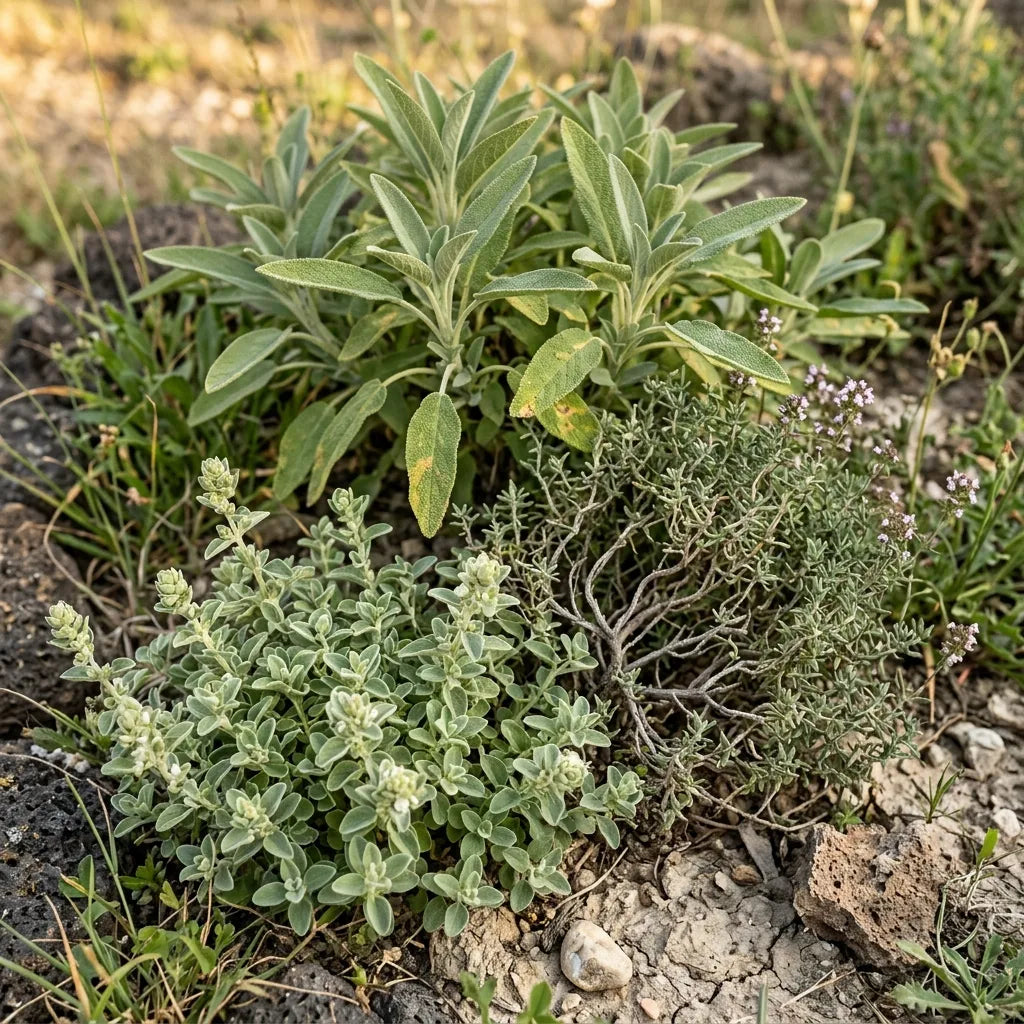
Soil: light, rather poor, alkaline, and above all well drained. Like most Mediterranean herbs, it concentrates its fragrance in poor soil—do not enrich the soil. It is sensitive to stagnant moisture.
-
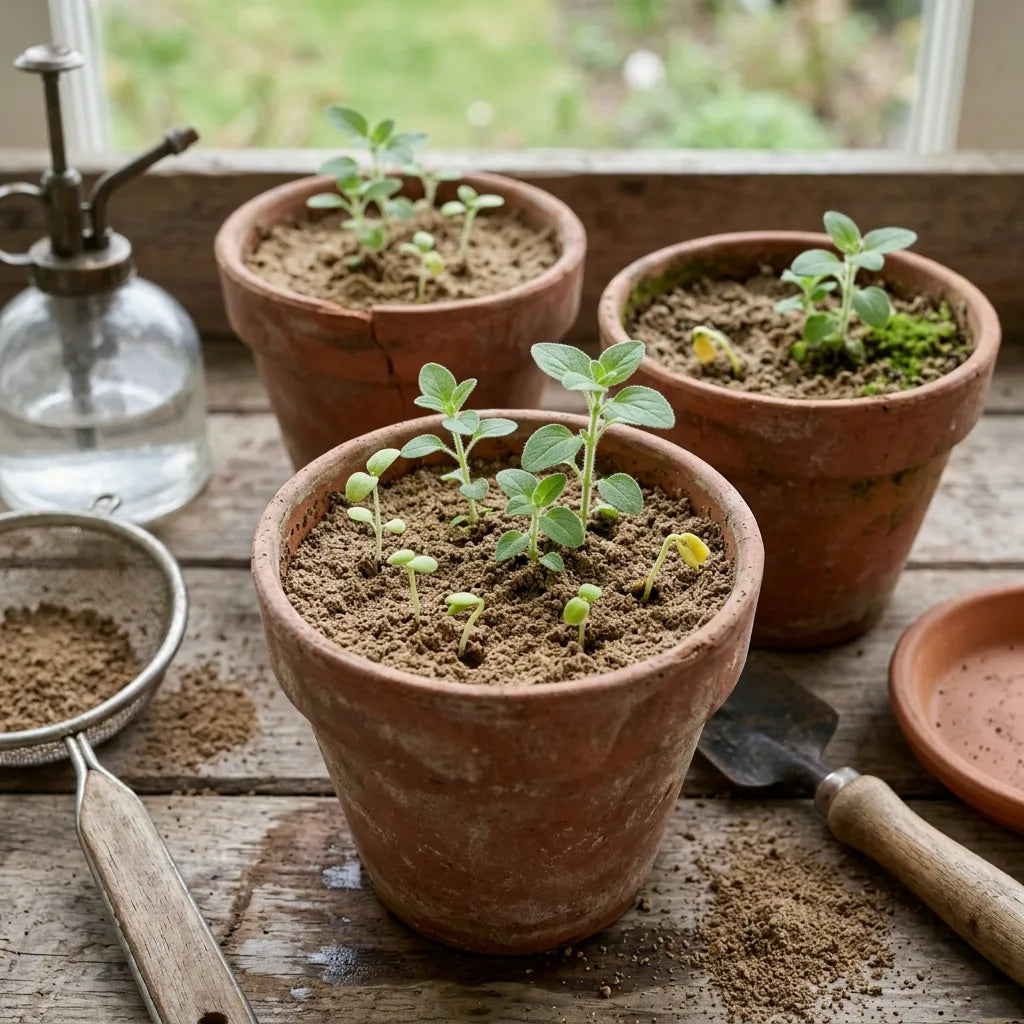
Method: sow in spring in pots under cover at 20 °C, on the surface or barely covered: the tiny seeds need light. Transplant only after the last frosts, as it cannot tolerate any cold. See how to sow your seeds.
Planting advice:
- Transplant 25 cm apart, in a herb garden, border, or pot. A pot remains the best option: it allows you to bring it indoors before frosts and keep it for several years.
Care advice:
- Water moderately; it prefers drought to excess water. No fertilizer.
- Pinch the stems regularly to make the clump denser and delay flowering.
Harvesting advice:
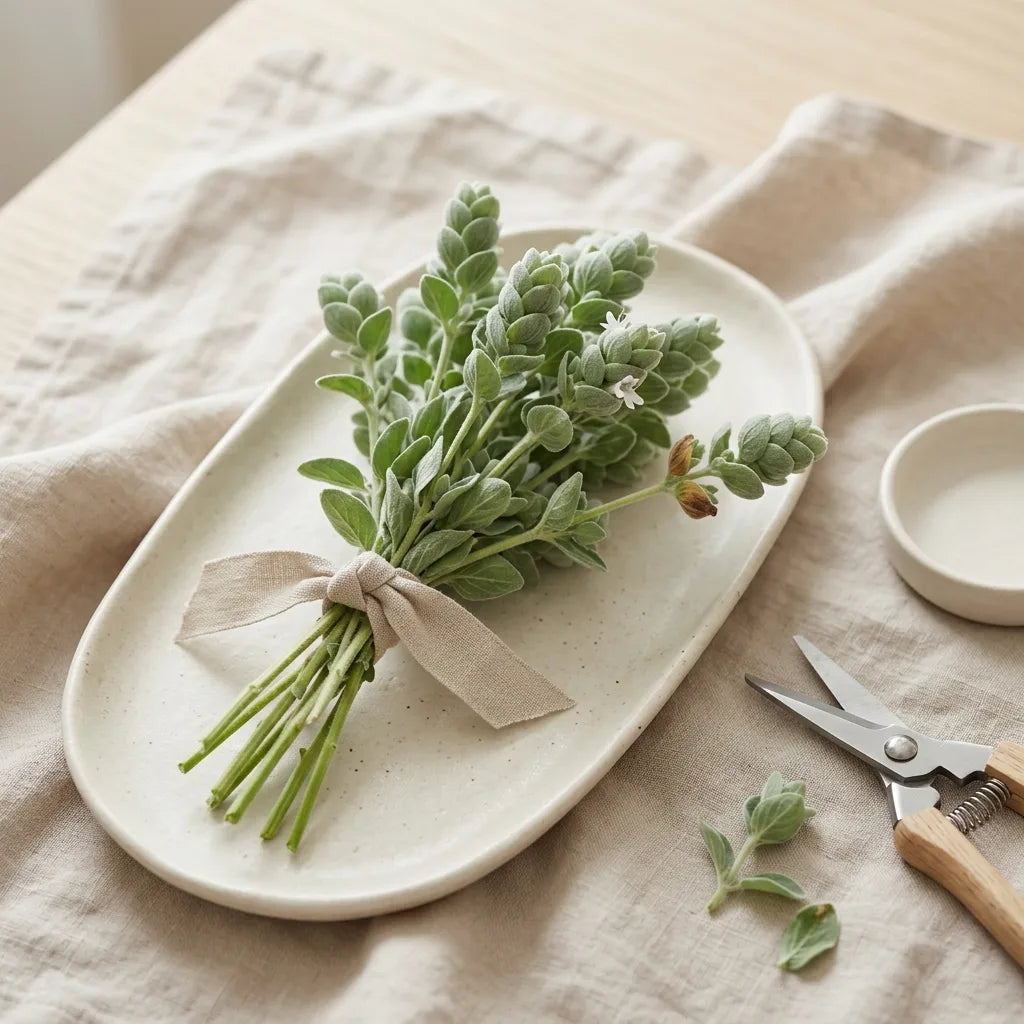
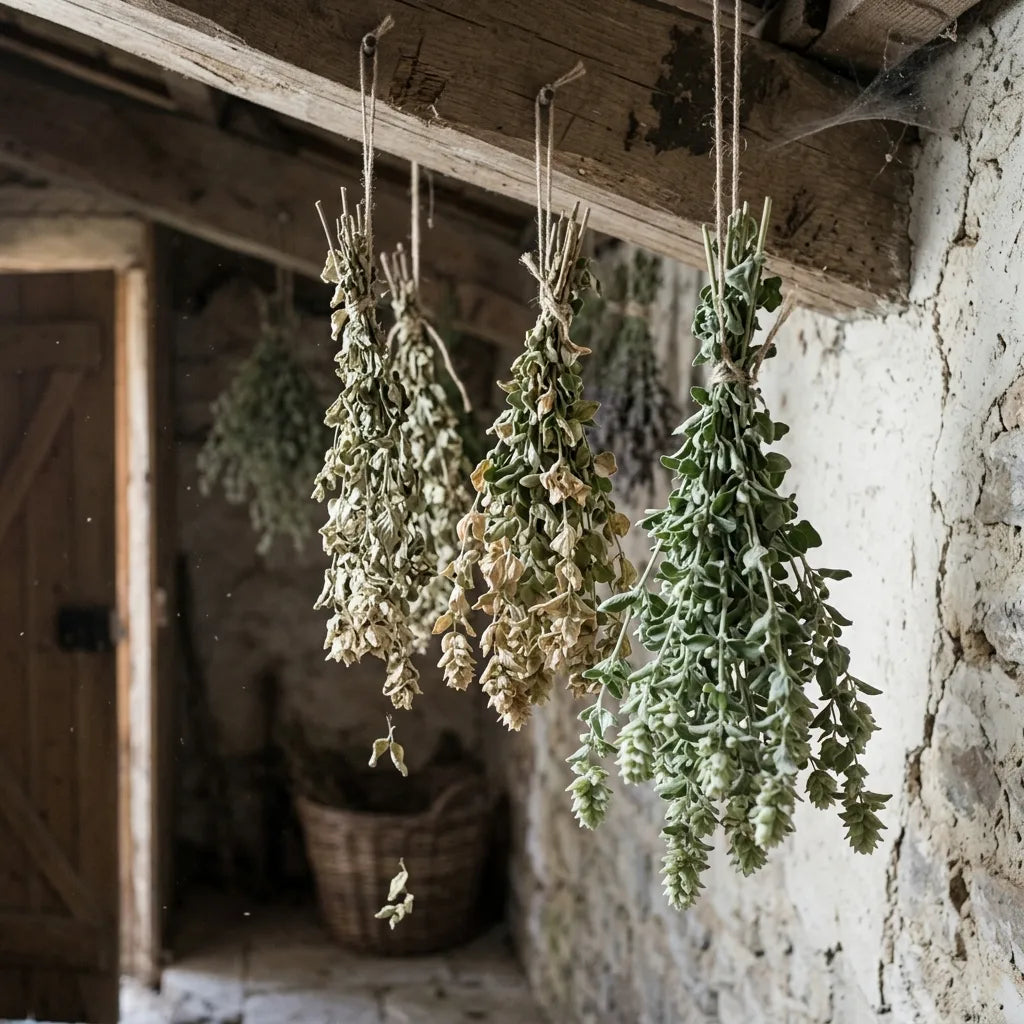
- Harvest the flowering tops just before the flowers open, at the “shell” stage: this is when the fragrance is at its strongest. It dries very well in bunches hung in the shade.
Beneficial combinations:
Benefits for biodiversity:
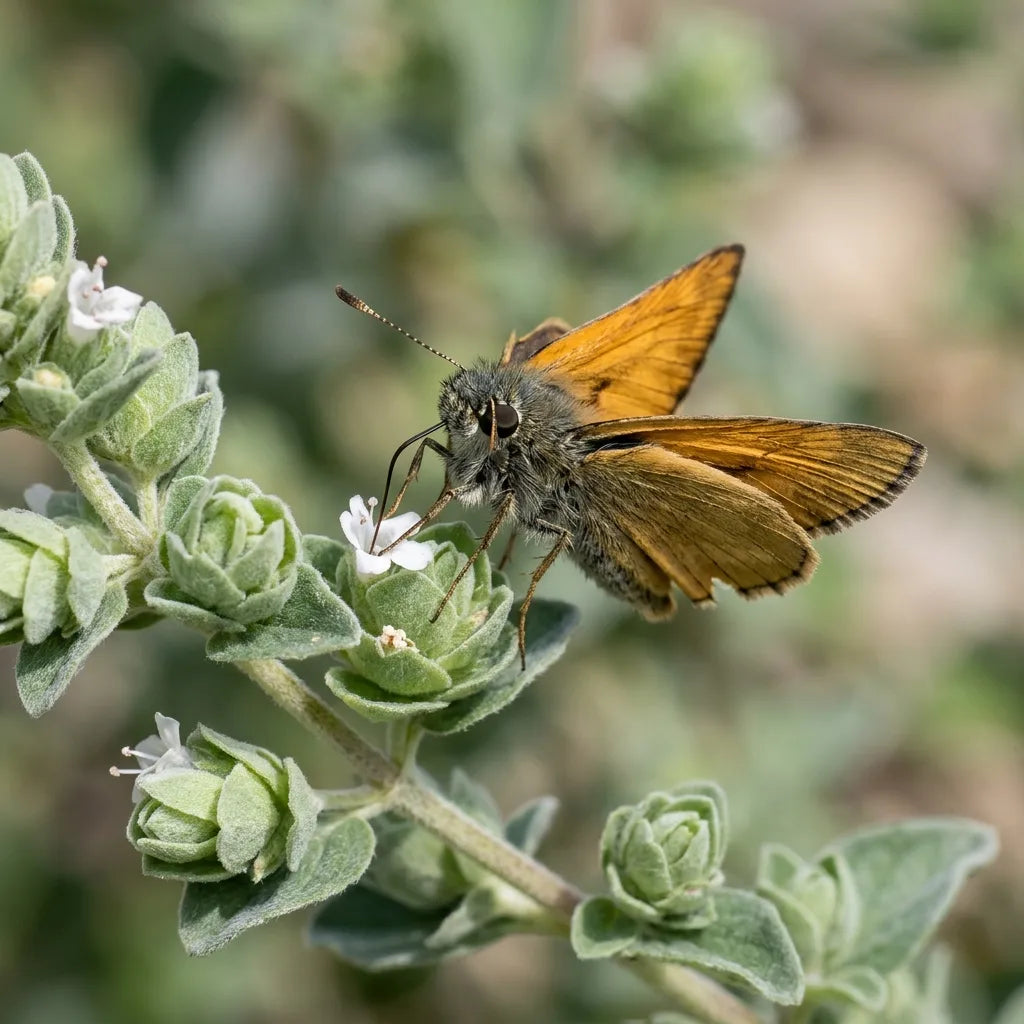
- Its small pinkish-white flowers are heavily visited by bees and butterflies in midsummer—leave part of the clump to flower.
- Like oregano, it attracts many small short-tongued pollinators.
Uses:
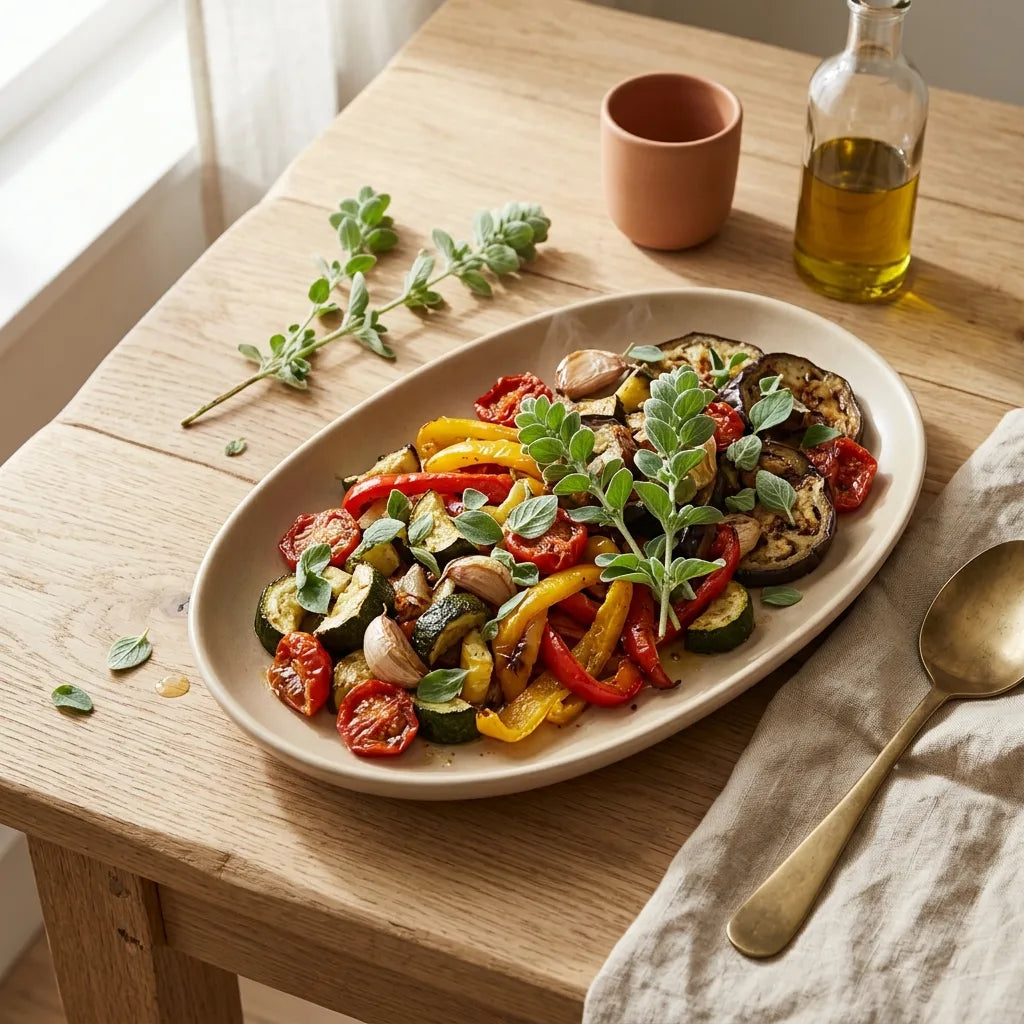
- Its mildness makes it suitable for more delicate dishes than oregano: sauces, stuffings, vegetables, eggs, white meats, and Mediterranean dishes. Add it toward the end of cooking.
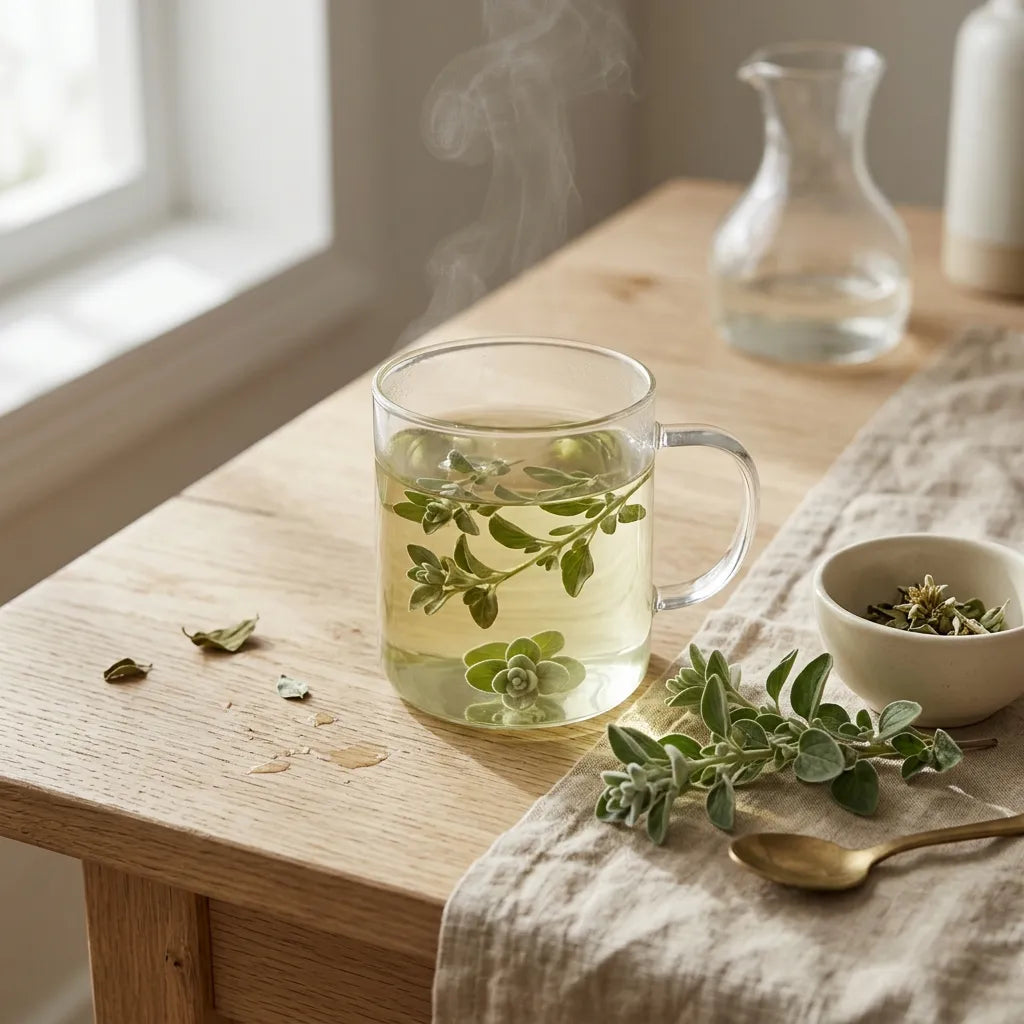
- A traditional medicinal plant, used in herbal medicine and infusions since antiquity. See our medicinal plants to sow.
Symbolism:
Dedicated to Aphrodite by the Greeks, marjoram was woven into crowns for newlyweds. Its name may derive from major, “greater,” referring to the length of life it was believed to bestow.
Harvesting your own seeds:
Let a few flower spikes bloom and dry completely on the plant, then rub them over a container: the seeds are extremely fine. Be careful, as it can cross-pollinate with oregano: isolate your seed plant. See storing your seeds.
Commitment to Quality: at SemiSauvage - Permaculture, we grow and select our seeds with respect for all living things as our guiding principle. Based near the Volcanoes of Auvergne, we choose open-pollinated, non-hybrid varieties, tested for their germination rate, carefully sorted and packaged, with no chemical treatment. Our belief: to give gardeners back the ability to resow, year after year, seeds that truly belong to them.
The gentle cousin of oregano, best kept in a pot from one year to the next.