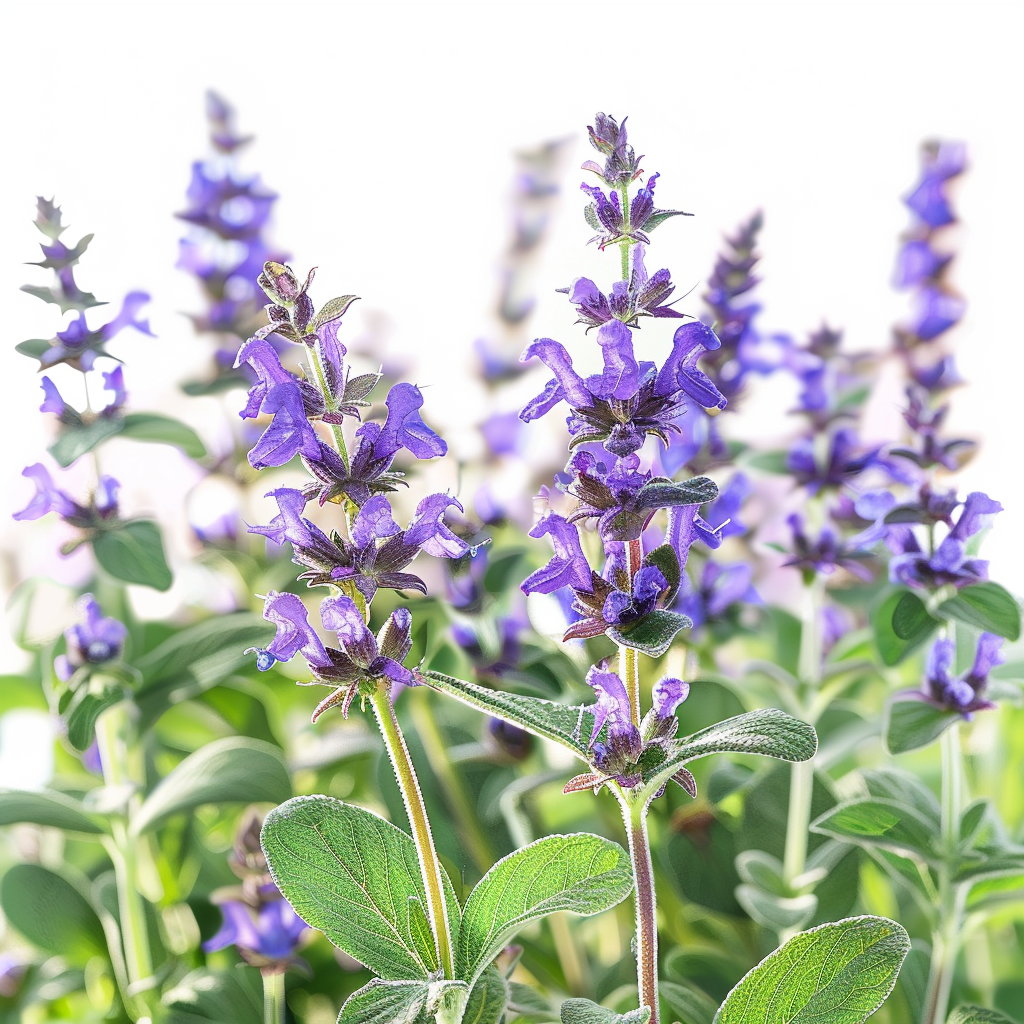
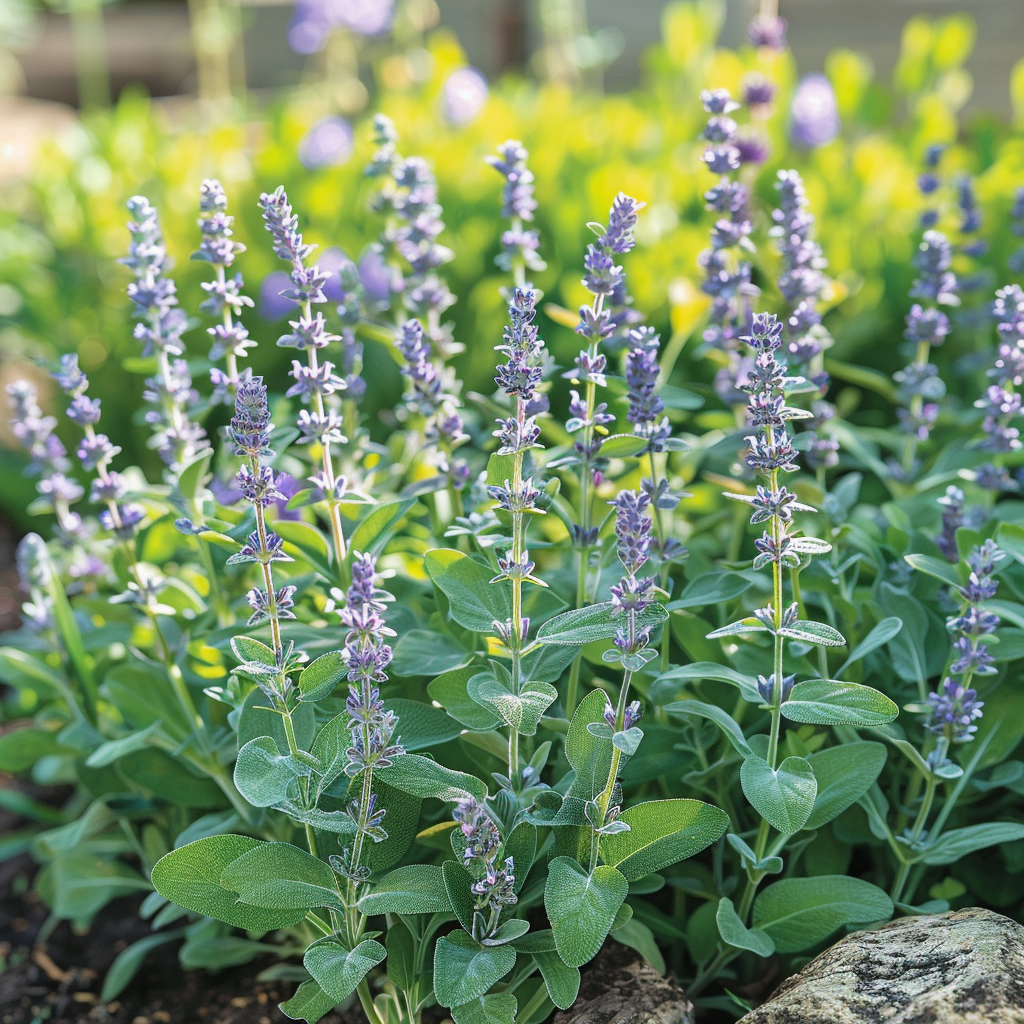
Salvia officinalis
Common sage, sacred herb, Provence tea, St. John’s wort: its Latin name comes from the verb salvare, meaning “to save,” which says much about the esteem in which it was held in monastic gardens. An old saying from the School of Salerno summed up this reputation: “Why should a man die who grows sage in his garden?”
Characteristics:
-
Evergreen foliage: gray-green, wrinkled leaves with an intense fragrance, available all year round.
-
Long-lived subshrub: when properly cared for, sage lives for several years and becomes woody at the base.
-
Twice as useful: a major culinary herb and a highly decorative plant for borders or rock gardens.
Sowing advice:
-
Exposure: full sun, especially in northern regions of France where it needs warmth.
-
Soil: light, preferably calcareous, and well drained — it tolerates poor, dry soils very well. Critical point: it dies in heavy, damp soil during winter, much more certainly than from cold. In clay soil, plant it on a mound or in a pot.
-
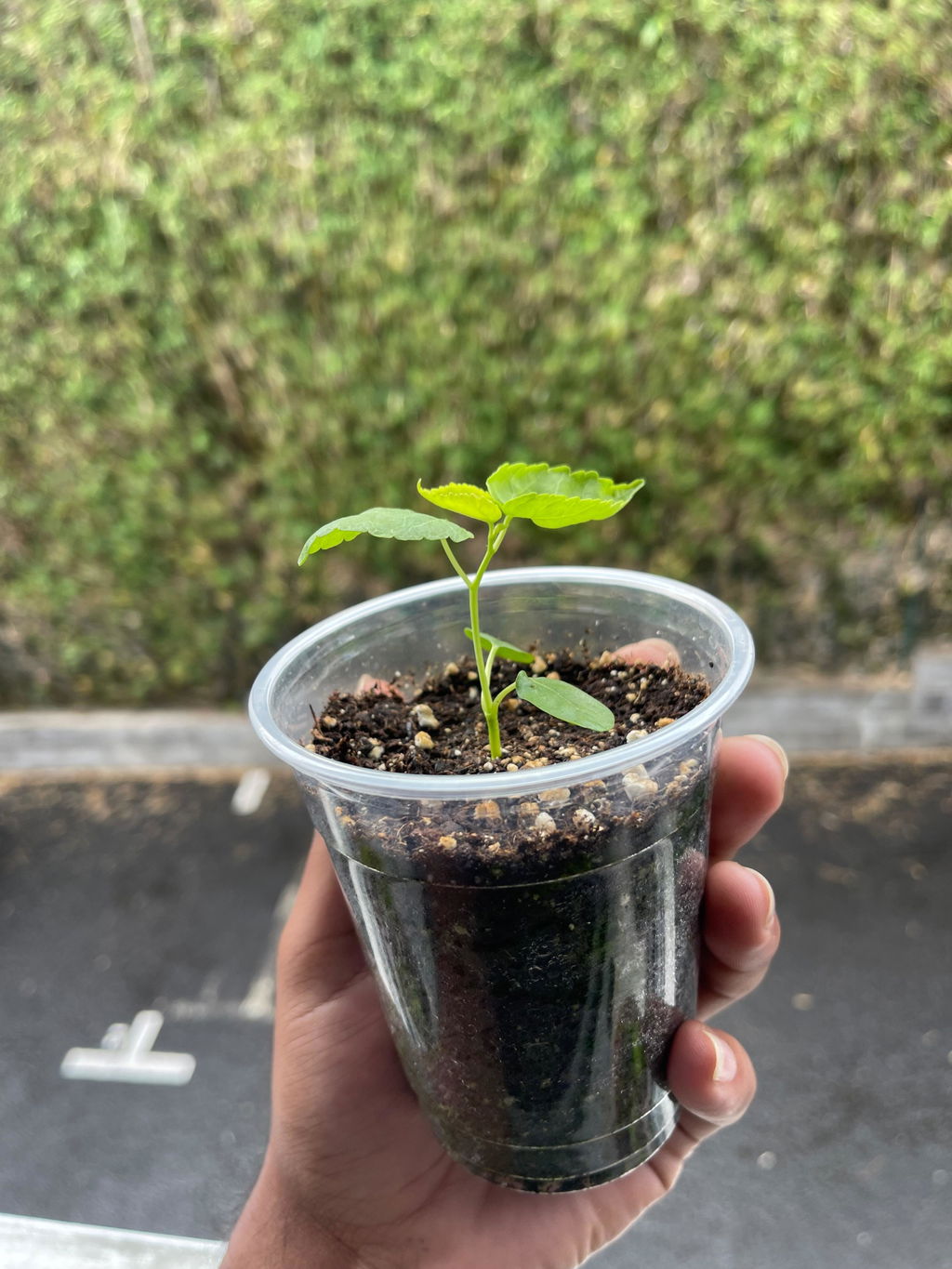
Method: cold stratification improves germination. Then sow in pots in spring (18–20 °C), covering the seeds lightly, and transplant after the frosts.
Planting advice:
- Transplant with 50 cm spacing: the clump spreads over the years. It is suitable for flower beds, borders, rock gardens, balconies, or patios.
Care advice:
- Prune every spring without cutting into the old wood: this prevents the plant from becoming bare and extends its lifespan.
- Very limited watering once established — it is a water-saving garden plant.
Harvesting advice:
- Pick the leaves as needed, ideally before flowering, when their fragrance is most concentrated. They dry very well in the shade.
Beneficial combinations:
- Its powerful fragrance disrupts several unwanted vegetable-garden insects: planted near cabbages and carrots, it diverts some pests. See our vegetable garden companion plantings.
- It has the same requirements as true lavender, with which it creates a harmonious Mediterranean border.
Benefits for biodiversity:
- If allowed to flower, its purple flower spikes are among the most sought-after by bumblebees and solitary bees — a good reason not to cut the flower stalks systematically.
- Its evergreen foliage provides winter shelter for many beneficial small insects.
Uses:
- In cooking, its intense aroma flavors white meats, stuffings, fish, vegetables, and sauces — Italians traditionally pair it with butter to coat pasta.
- A historic medicinal plant in herb gardens. See our medicinal plants to sow.
Symbolism:
Considered sacred by the Romans, who harvested it during a ritual ceremony, sage symbolizes wisdom and longevity — in English, the word sage refers both to the plant and to a wise person.
Harvesting your own seeds:
Leave a few flower stalks to form seeds, then harvest them once the calyces are brown and dry by shaking them over a container. See saving your seeds.
Commitment to Quality: at SemiSauvage - Permaculture, we grow and select our seeds with respect for all living things as our guiding principle. Based near the Auvergne Volcanoes, we choose open-pollinated, non-hybrid varieties, tested for their germination rate, carefully sorted and packaged, with no chemical treatment. Our belief: to give gardeners back the ability to resow, year after year, seeds that truly belong to them.
Add a touch of intense aroma to your garden and kitchen with these common sage seeds.