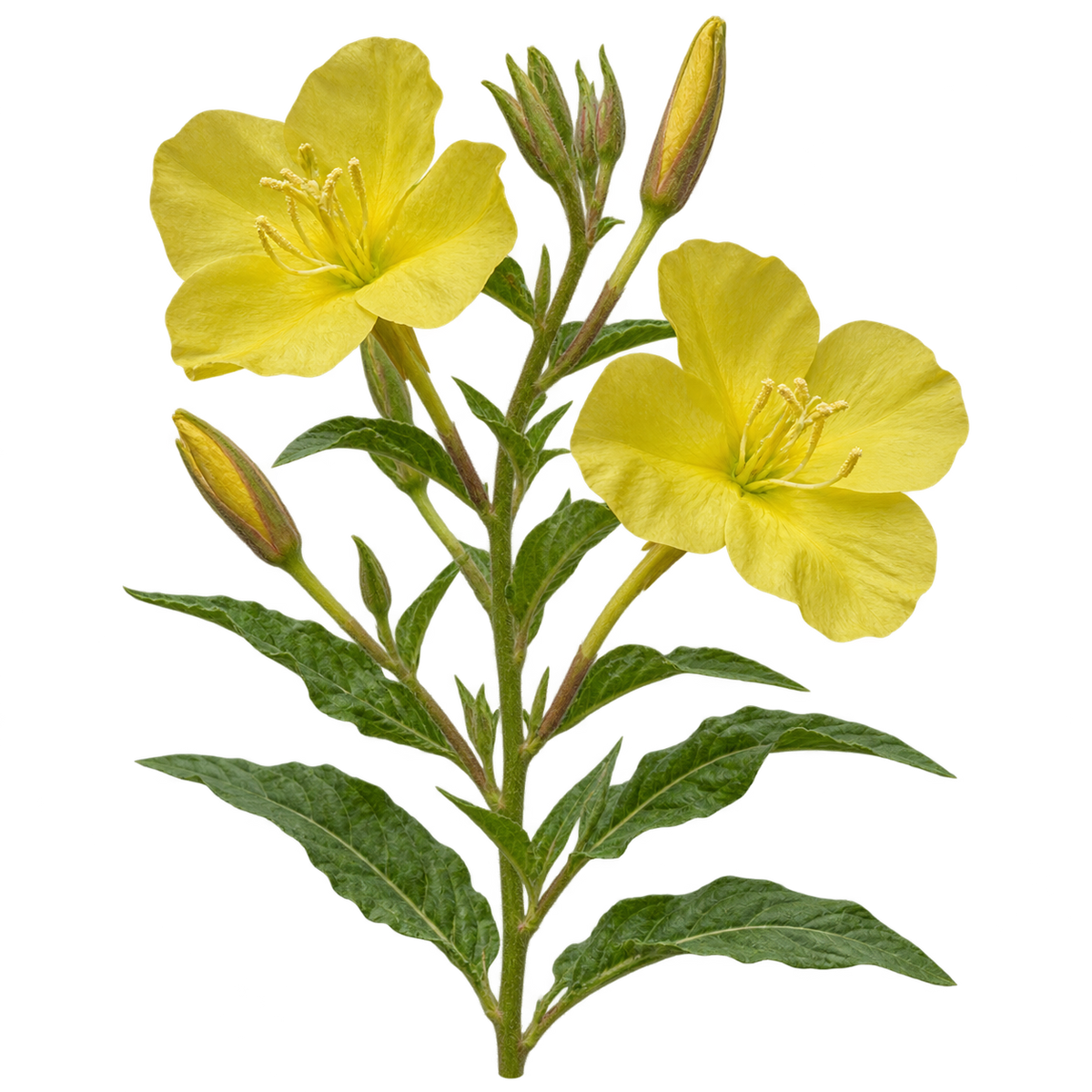
Oenothera lamarckiana
L’evening primrose offered under the name Oenothera lamarckiana develops large yellow flowers with four petals that open toward evening. It grows over two seasons: first a rosette of leaves close to the ground, then tall flowering stems. It brings a bloom to the garden that can be enjoyed at a different time of day, near a patio or in a flower bed you walk through at the end of the day.
Characteristics:
- Biennial plant: a rosette in the first year, usually flowering in the second.
- Large yellow flowers with four petals that open toward evening.
- Tall growth, so plant with plenty of space around the stems.
Sowing tips:
-
Timing: Sow from late spring to early summer, preferably directly in place.
-
Technique: Prepare fine soil, sow thinly and very shallowly, then keep it moist until germination. Prevent a dry crust from forming on the surface.
-
Planting: Thin the seedlings without unnecessarily disturbing the ones you keep. Direct sowing minimizes disturbance to their main root.
Find the preparation steps in our guide to sowing methods.
Growing and care tips:
Choose a sunny spot with well-drained soil. Mark the rosettes so you do not mistake them for plants to remove while weeding. Leave enough room for the stems to grow: the small starter rosette does not yet indicate the size of the plant in flower. Water to help it get established, then adjust watering according to how dry the soil is. Avoid covering the center of the rosette with thick or damp mulch.
Flowering and harvest:
Flowering generally takes place in summer of the second year, with the timing depending on the climate and sowing. The flowers open successively along the stems: each flower lasts only briefly, but the plant continues to open new ones. Come back in the late afternoon to watch the four petals unfurl. After they fade, capsules form along the stem; they do not all ripen at the same time. Remove them before they open if you want to limit self-seeding.
Uses in the garden:
Place the evening primrose behind shorter plants or in a natural garden area, where its stems can grow tall without obstructing a path. Its evening blooms offer a chance to observe the garden at different times. Leave clear space around young rosettes and avoid competition from very dense perennials during their first season.
Harvesting your own seeds:
The fruits are elongated capsules that remain on the stems after flowering. Watch for them to dry: they turn brown, then open to release many small seeds. Cut ripe capsules before they empty, in dry weather, making several passes if necessary. Place them in an open container to finish drying, then shake them and sort the seeds. Note the name under which the plant was grown and the year of harvest. Keep harvests from other evening primroses in the garden separate. See our tips for storing harvested seeds.
Commitment to Quality:
At SemiSauvage, we offer open-pollinated seeds to grow diversity in the garden. This packet contains at least 800 seeds, packaged in France. The periods indicated are guidelines to adapt to your climate, soil, and seasonal conditions.
A plant to follow from rosette to evening flowers, then to the capsules that prepare for the next season.