Deschampsia cespitosa
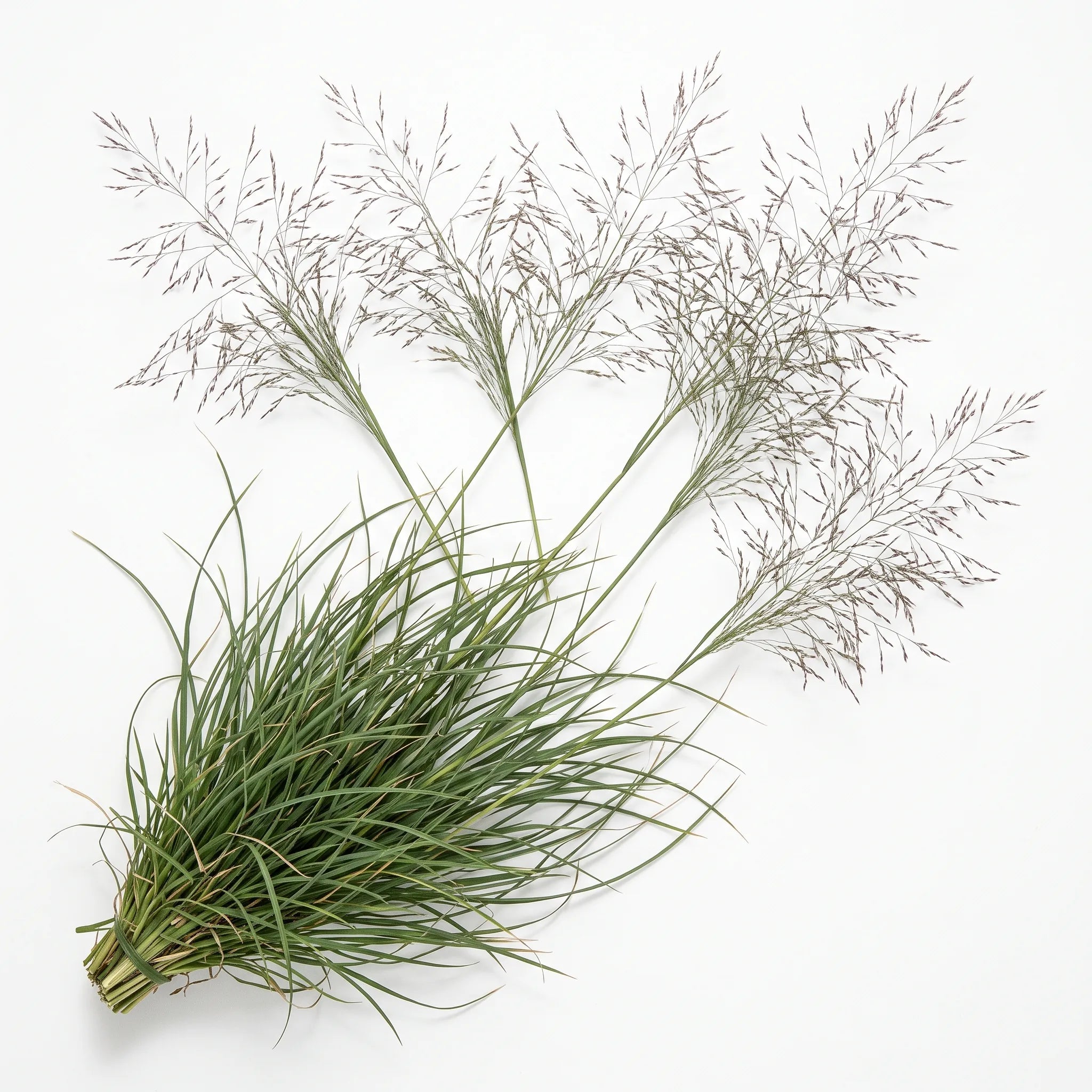
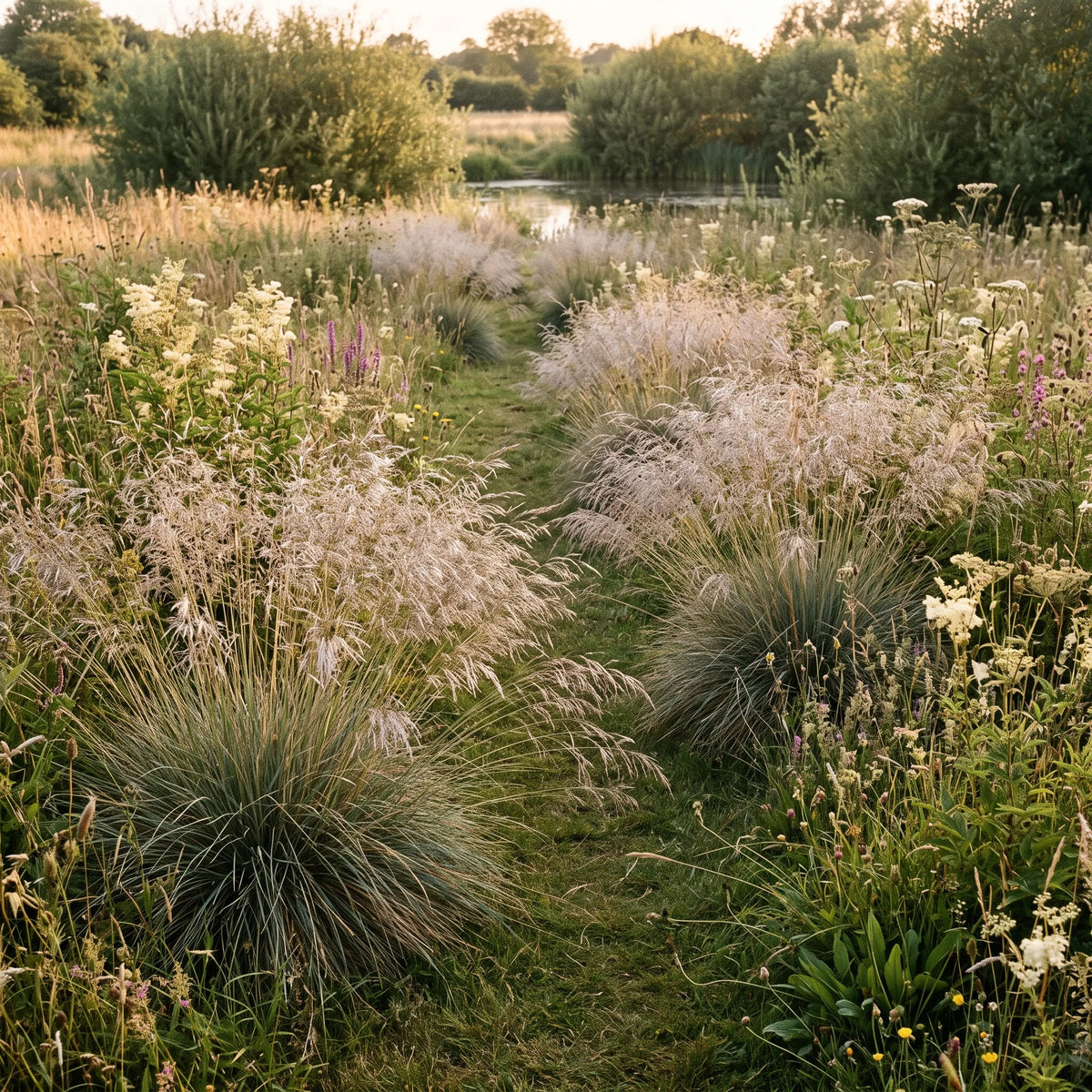
Tufted hair grass, common hair grass, and golden hair grass: this native grass forms dense clumps from which immense, delicate panicles emerge in summer, so light that they seem to float above the foliage. Backlit, a mass of hair grass looks like a golden cloud suspended in the air—one of the most beautiful effects you can create in the garden.
Characteristics:
-
Cloud-like panicles: immense, airy, silvery-green inflorescences turning golden blond from June to September.
-
Evergreen clump: fine, dense, dark green foliage that remains in place throughout the winter.
-
Impressive height: the clump grows 30 to 40 cm tall, while the flowering stems reach up to 1 metre.
-
Native grass: naturally found in our wet meadows and open woodlands.
Sowing advice:
-
Position: partial shade to full sun—it is one of the few ornamental grasses to truly thrive in light shade.
-
Soil: cool to moist, preferably heavy and acidic. This is decisive and, unlike most grasses, it appreciates clay soils that retain water and suffers in dry, sandy soils. No fertilization is necessary.
-
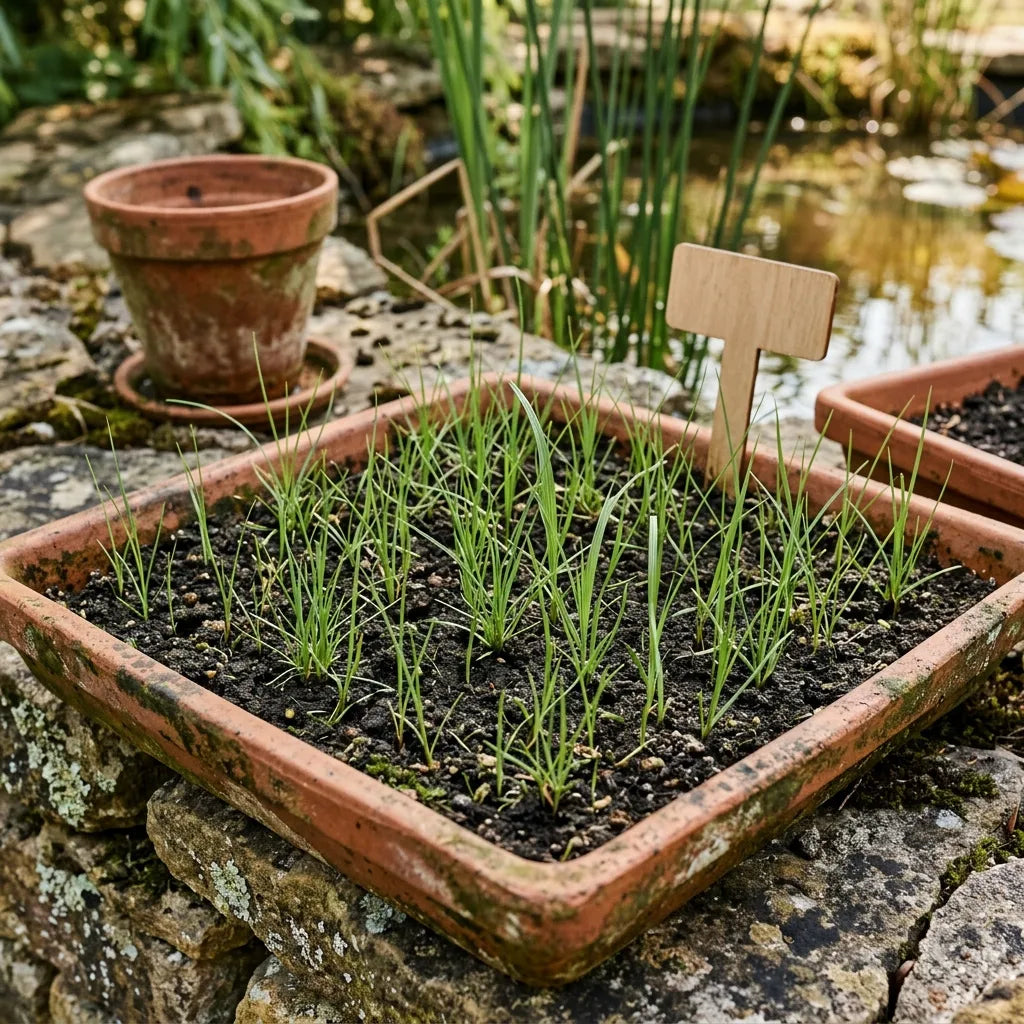
Method: sow in spring or autumn, on the surface without covering, as the very fine seeds need light to germinate. Keep moist until emergence. See how to sow your seeds.
Planting advice:
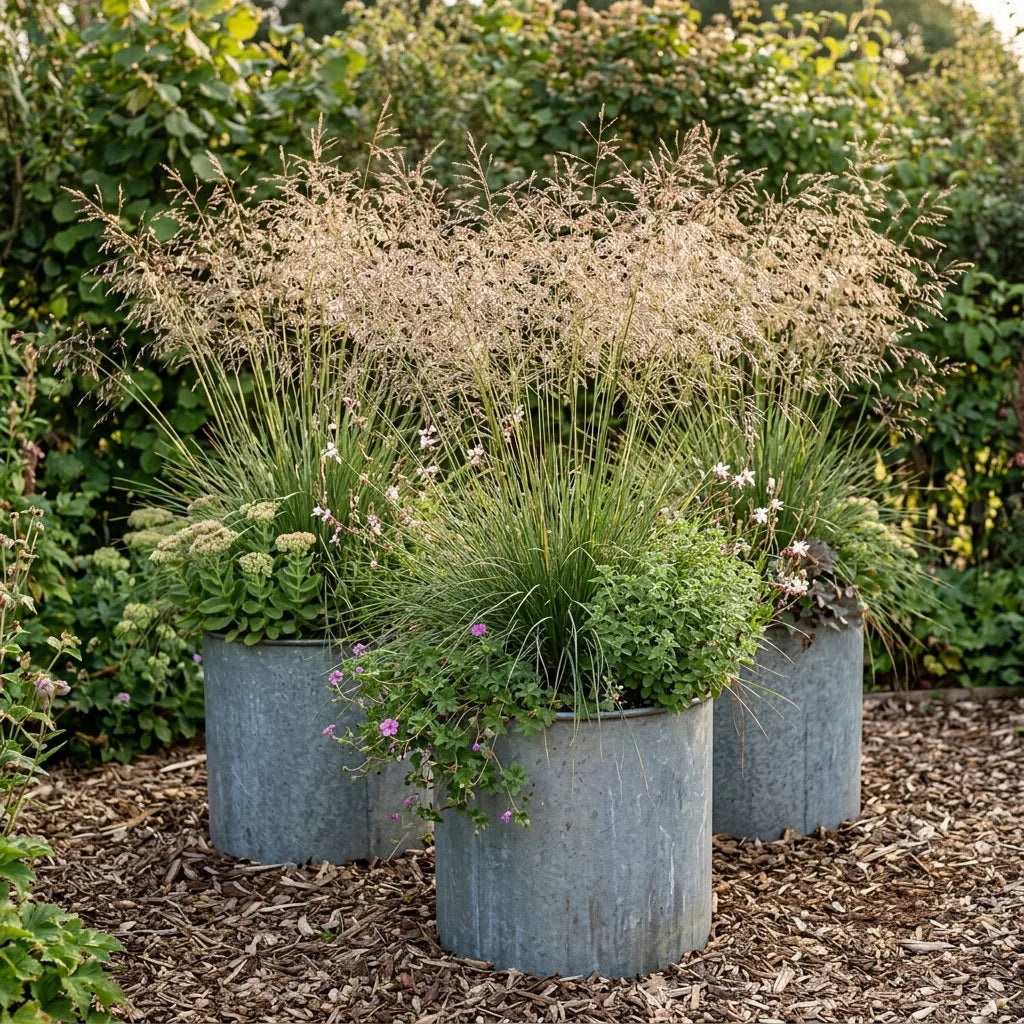
- Transplant with 50 cm spacing. For a cloud-like effect, plant it in groups rather than as a solitary specimen, and if possible position it where it will catch the morning or evening light.
Care advice:
- Water during dry periods: this is its only real need. Mulching helps maintain moisture.
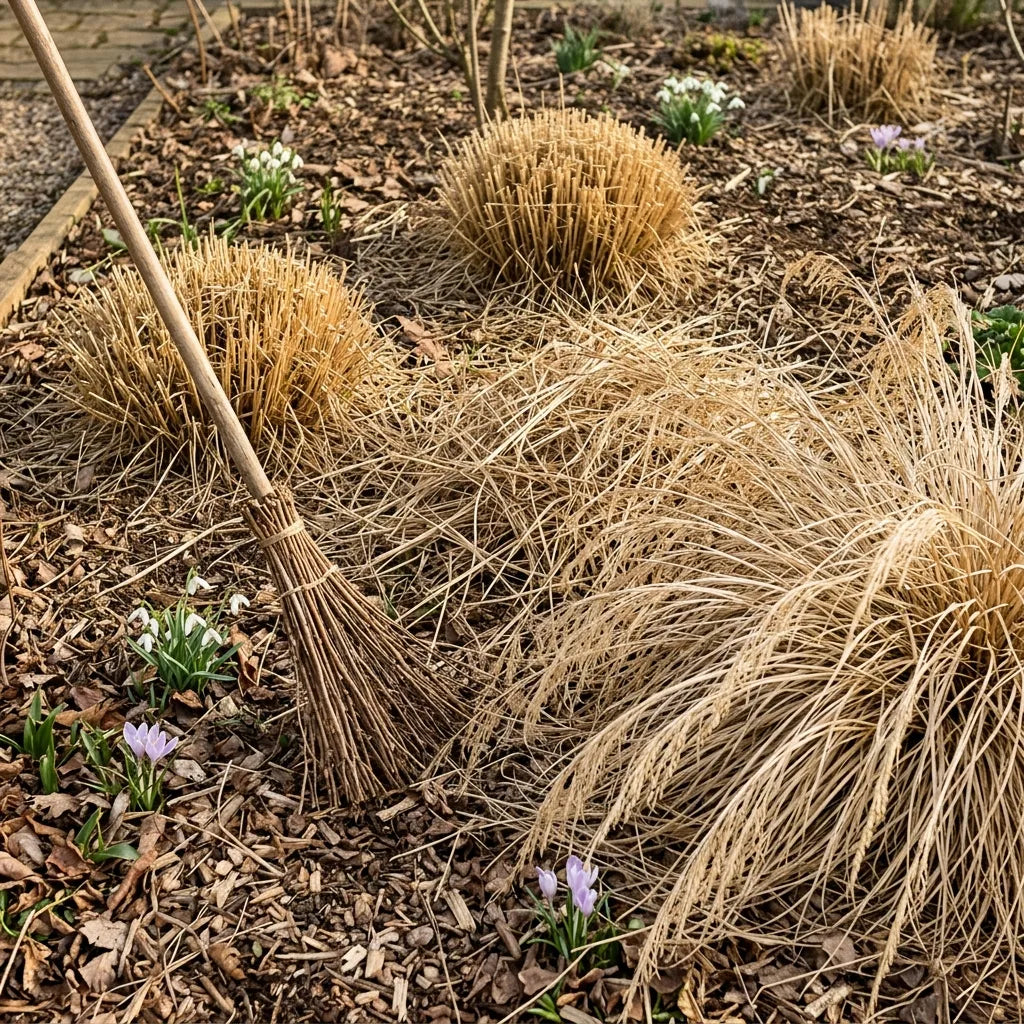
- Do not cut it back in autumn: its dry panicles and evergreen foliage provide structure in the winter garden and protect the crown. Simply comb through the clump by hand at the end of winter to remove dead leaves.
Harvesting advice:
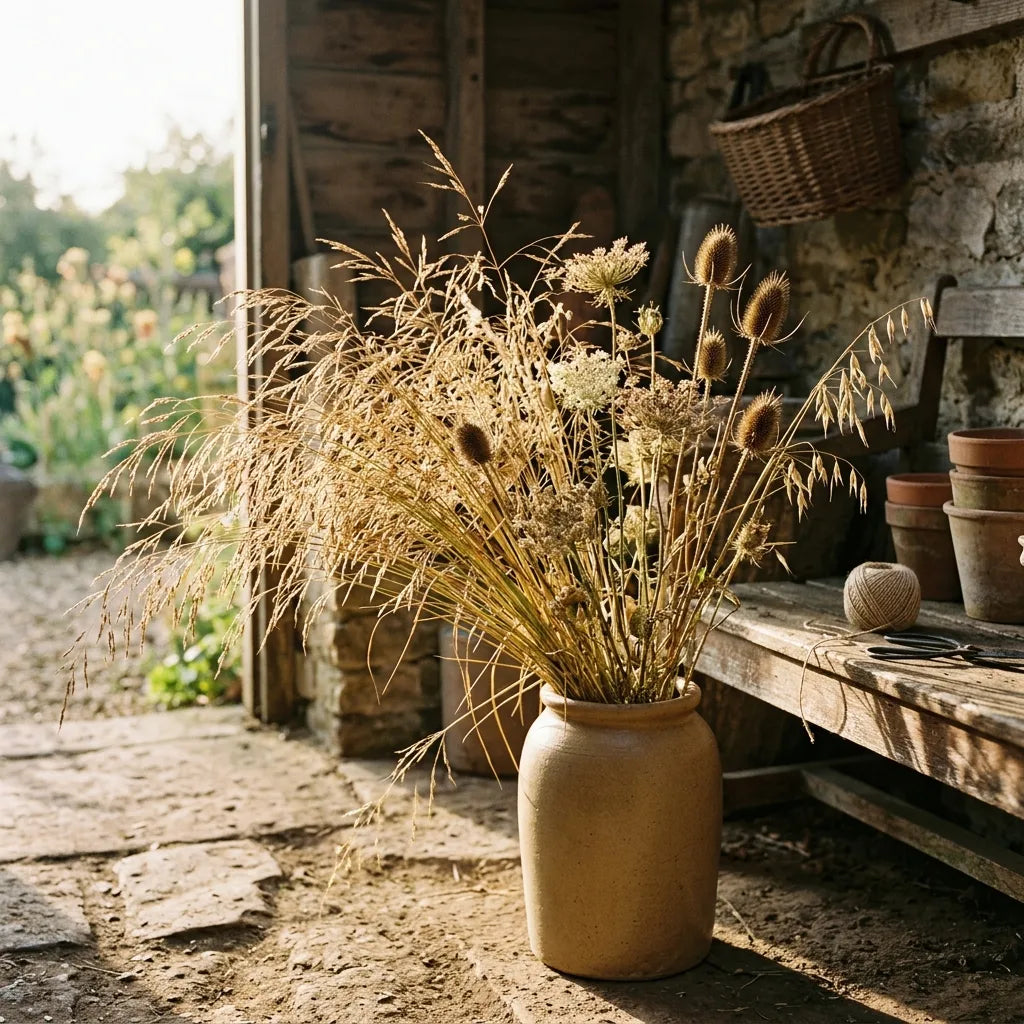
- For dried bouquets, cut the stems in full bloom, when the panicles are fully open but before they turn completely blond, then hang them upside down in the shade.
Beneficial combinations:
Benefits for biodiversity:
- As a native species, it is a host plant for the caterpillars of several meadow butterflies, particularly the satyrids—a valuable ecological role that no exotic grass can fulfil.
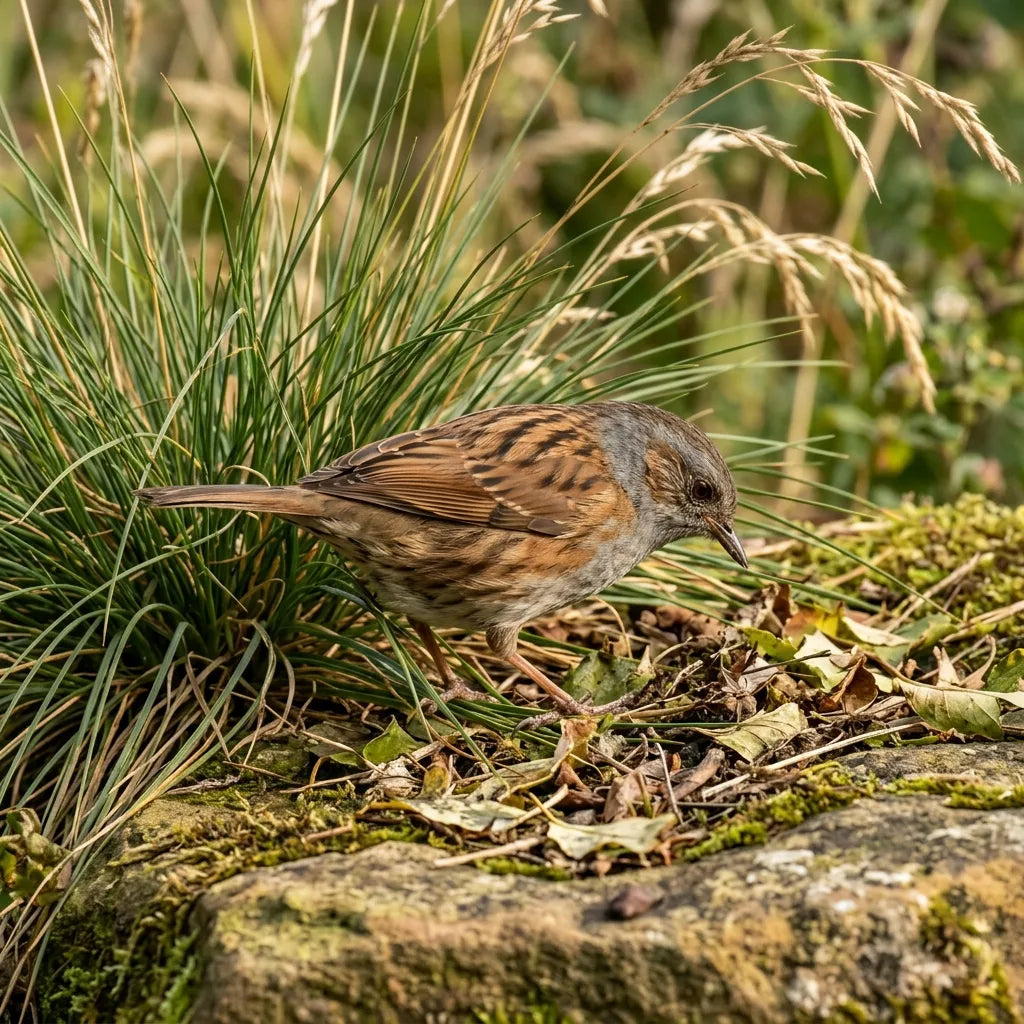
- Its dense, persistent clump provides excellent winter shelter for beneficial insects and small wildlife when everything else has been cut back.
- Its seeds feed small seed-eating birds at the end of the season.
- Its dense root system effectively stabilizes banks and wet soils.
Uses:
- Grass beds, naturalistic gardens, pond edges, open woodlands, and wet meadows. Its panicles make superb bouquets, both fresh and dried.
Harvesting your own seeds:
Leave a few panicles to fully ripen on the plant, then shake them over a container sheltered from the wind: the seeds are extremely fine. It also readily self-seeds in cool soil. See how to store your seeds.
Commitment to Quality: at SemiSauvage - Permaculture, we grow and select our seeds with respect for all living things as our guiding principle. Based near the Volcanoes of Auvergne, we choose reproducible, non-hybrid varieties, tested for their germination rate, carefully sorted and packaged, with no chemical treatment. Our belief: to restore gardeners’ ability to resow, year after year, seeds that truly belong to them.
Create a golden cloud in the cool areas of your garden, where few grasses are willing to grow.