Cupressus cashmeriana
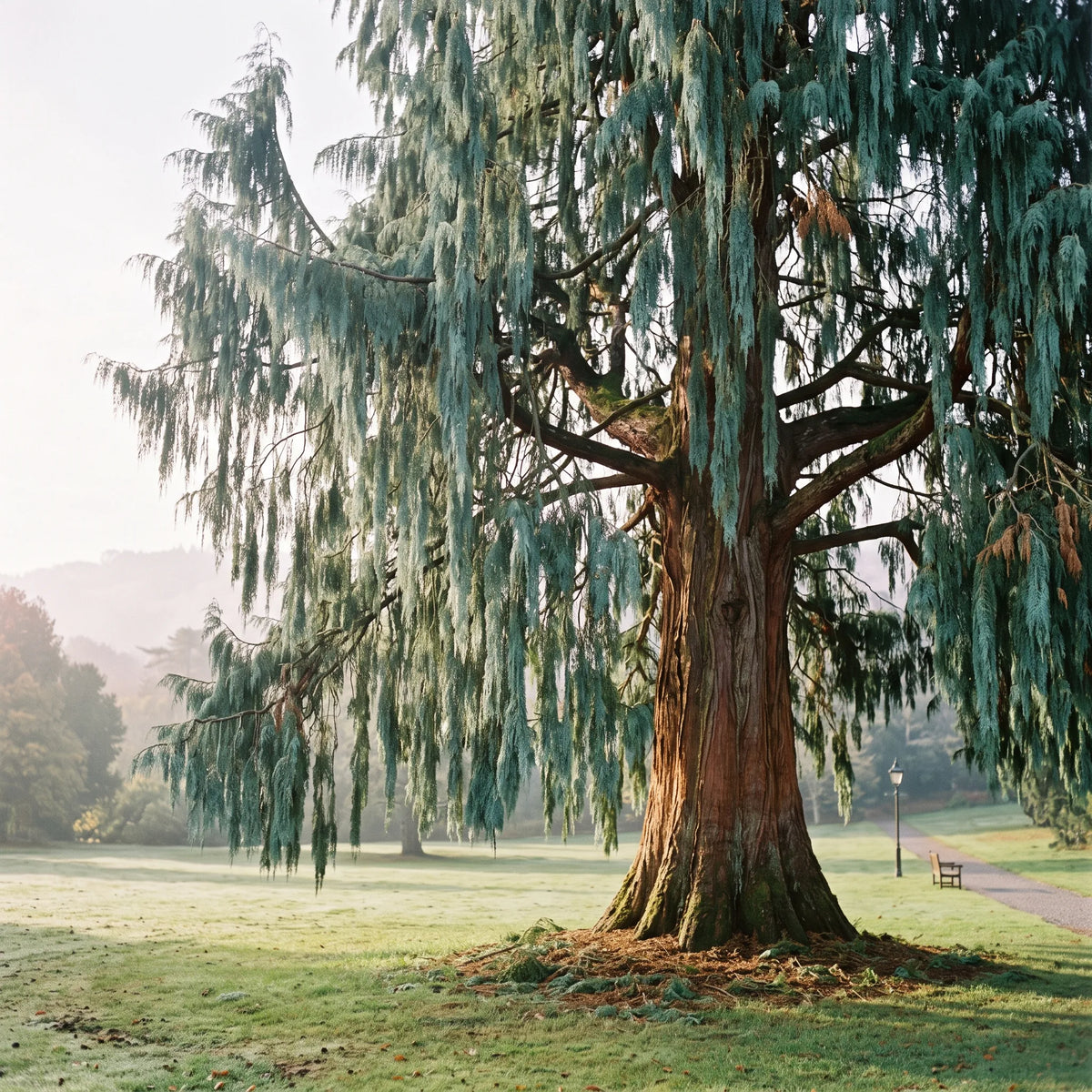
Kashmir cypress, Himalayan cypress, weeping cypress: the national tree of Bhutan, it is probably one of the most beautiful conifers in the world. Its flexible branches hang in long bluish veils that ripple at the slightest breeze, giving the entire tree the appearance of a frozen waterfall—a silhouette no other cypress can match.
Characteristics:
-
Unique weeping habit: drooping branches forming flexible veils, with a highly poetic effect.
-
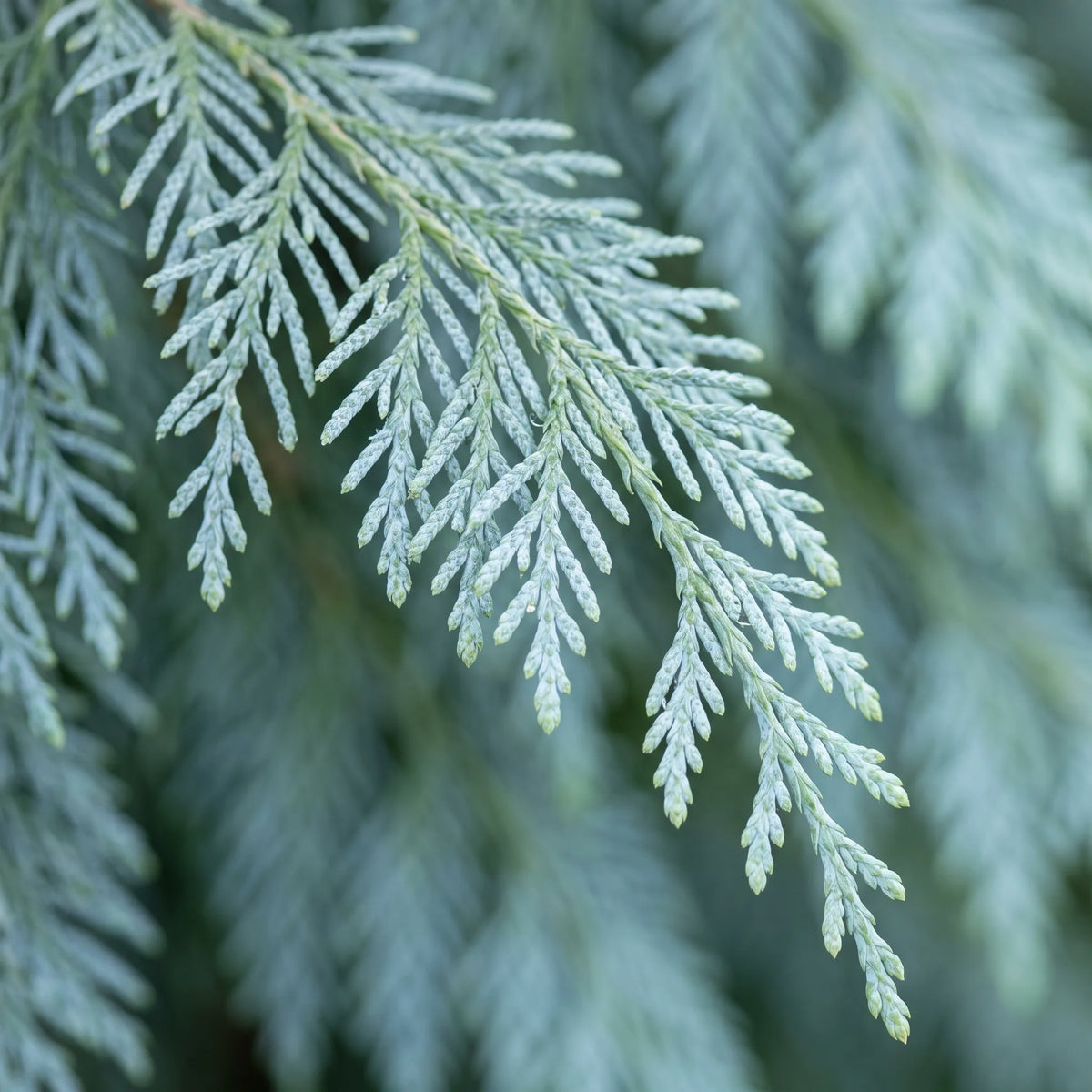
Bluish foliage: intense blue-green, dense, and releasing a pleasant resinous scent when brushed.
-
Slow growth: reaching 15 to 20 metres at maturity in optimal conditions, but very gradually.
Precautions:
- This is the decisive point: its hardiness is limited to around -10 °C, and only in a sheltered location. In most of France, it requires winter protection or cultivation in a pot that can be brought indoors. Plant it in the ground only in regions with mild winters.
- It tolerates cold, drying winds poorly, as they scorch its foliage: choose a sheltered location.
Sowing advice:
-
Exposure: full sun or partial shade, absolutely sheltered from cold winds.
-
Soil: light, well drained, slightly acidic to neutral. It does not tolerate excess moisture around its roots, but appreciates an atmosphere that is not too dry—it is a tree of misty Himalayan valleys.
-
Method: sow in spring after cold stratification for 30 to 60 days. Sow on the surface or barely covered, in a light, well-draining medium, at 20 °C.
Planting advice:
- Transplant into a deep pot to accommodate its taproot, then plant it in its final sheltered location. In a pot, it brings a touch of nobility to a protected terrace.
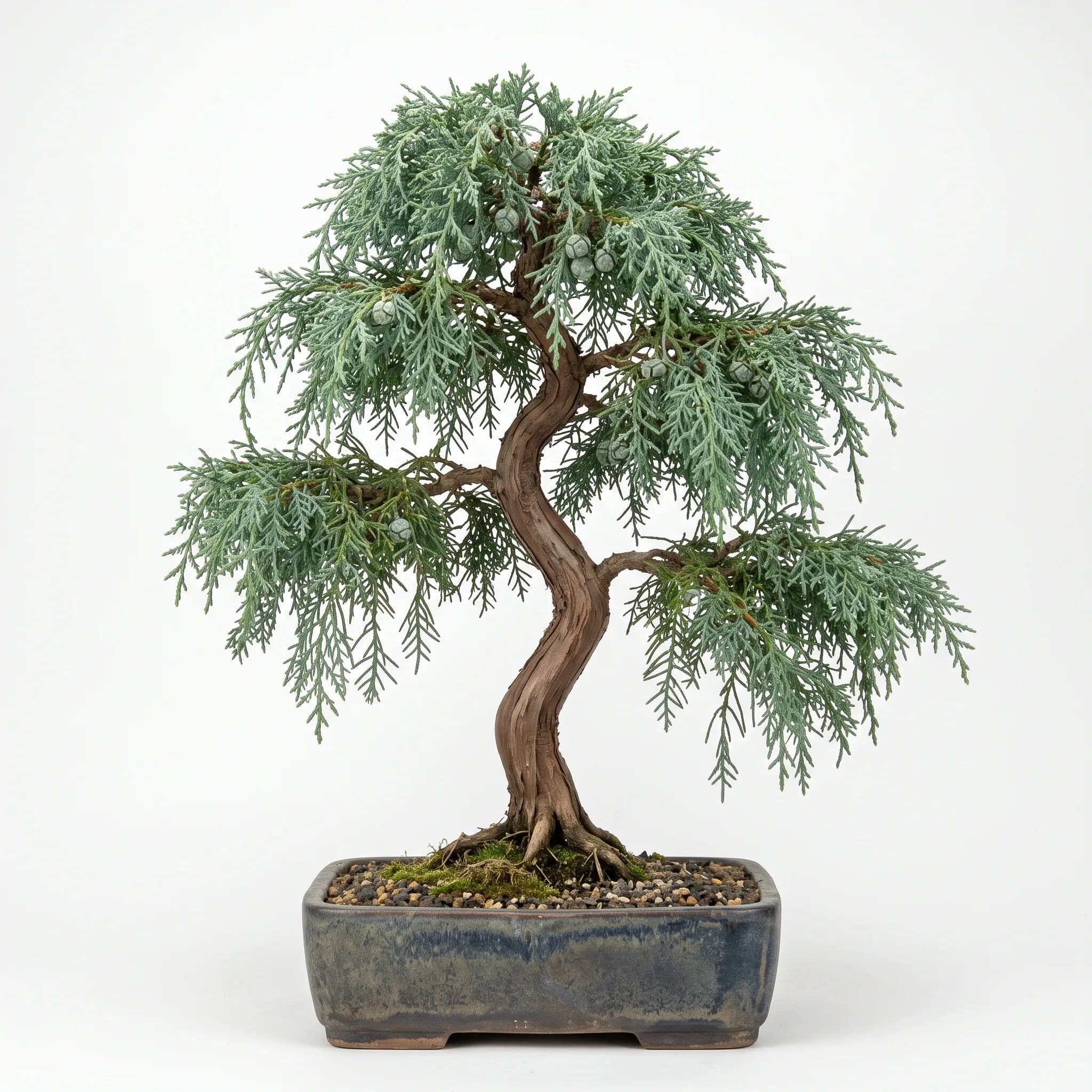
- It can be trained as a bonsai, bearing in mind its sensitivity to cold—see our guide creating a bonsai from a seed.
Care advice:
- Water moderately; once well established, it tolerates drought. Mulch around the base to protect the roots from frost during the first few years.
Beneficial companions:
- It creates an Asian-inspired garden together with the Japanese maple, ferns, or azaleas, in a sheltered and contemplative area.
Benefits for biodiversity:
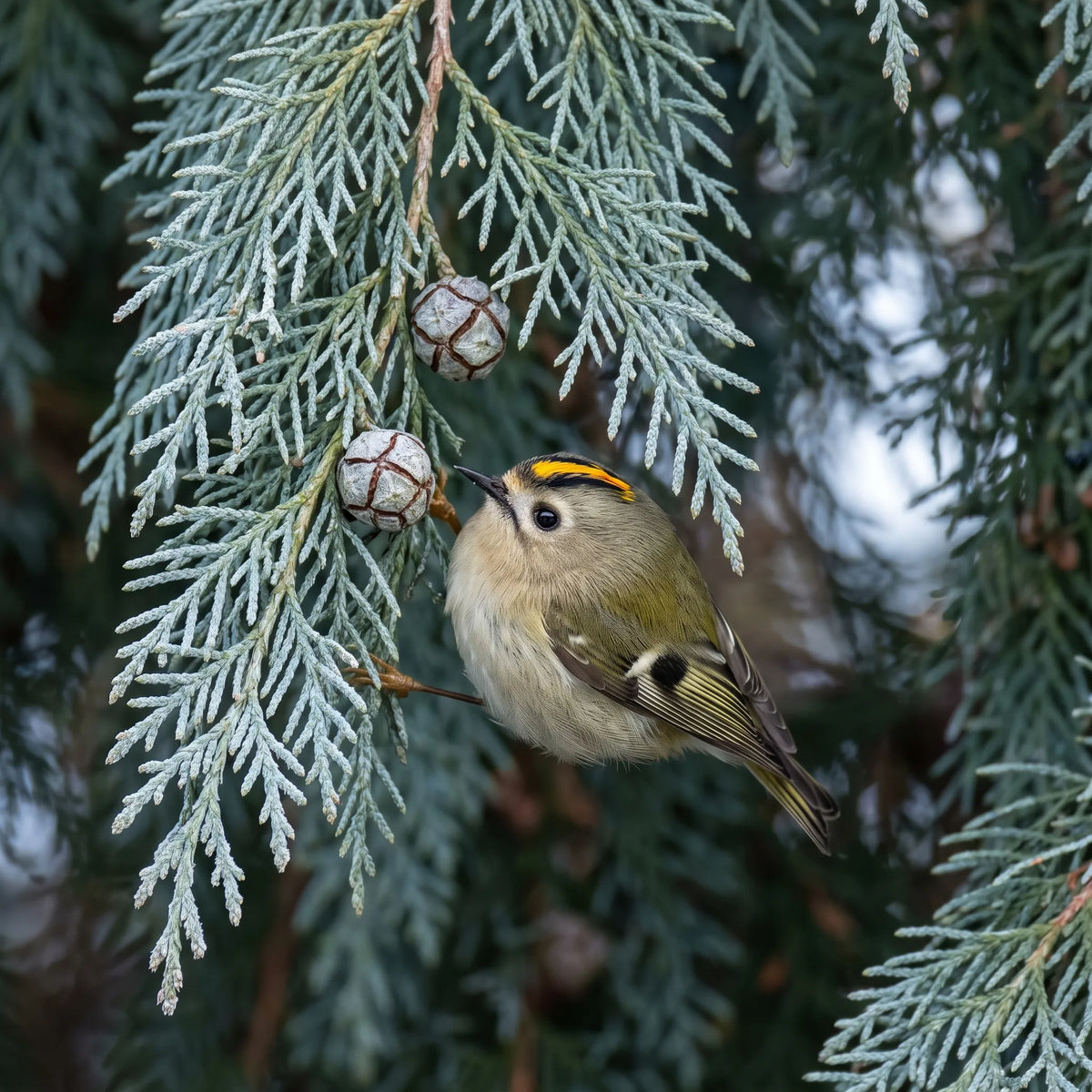
- Its dense, evergreen foliage provides winter shelter and nesting sites sought by birds.
- A vulnerable species in its native Himalayan range: cultivating it contributes to the ex situ conservation of a rare conifer.
Uses:
- An exceptional ornamental tree for parks, large sheltered gardens, and botanical gardens; in a pot on a terrace or as a bonsai elsewhere. No culinary or medicinal use: it is a true horticultural curiosity.
Symbolism:
A sacred tree in Himalayan Buddhist traditions, where it is often planted near temples, it symbolizes inner peace, spiritual elevation, and longevity. Its silky, almost misty foliage evokes the calm of mountain monasteries.
Harvesting your own seeds:
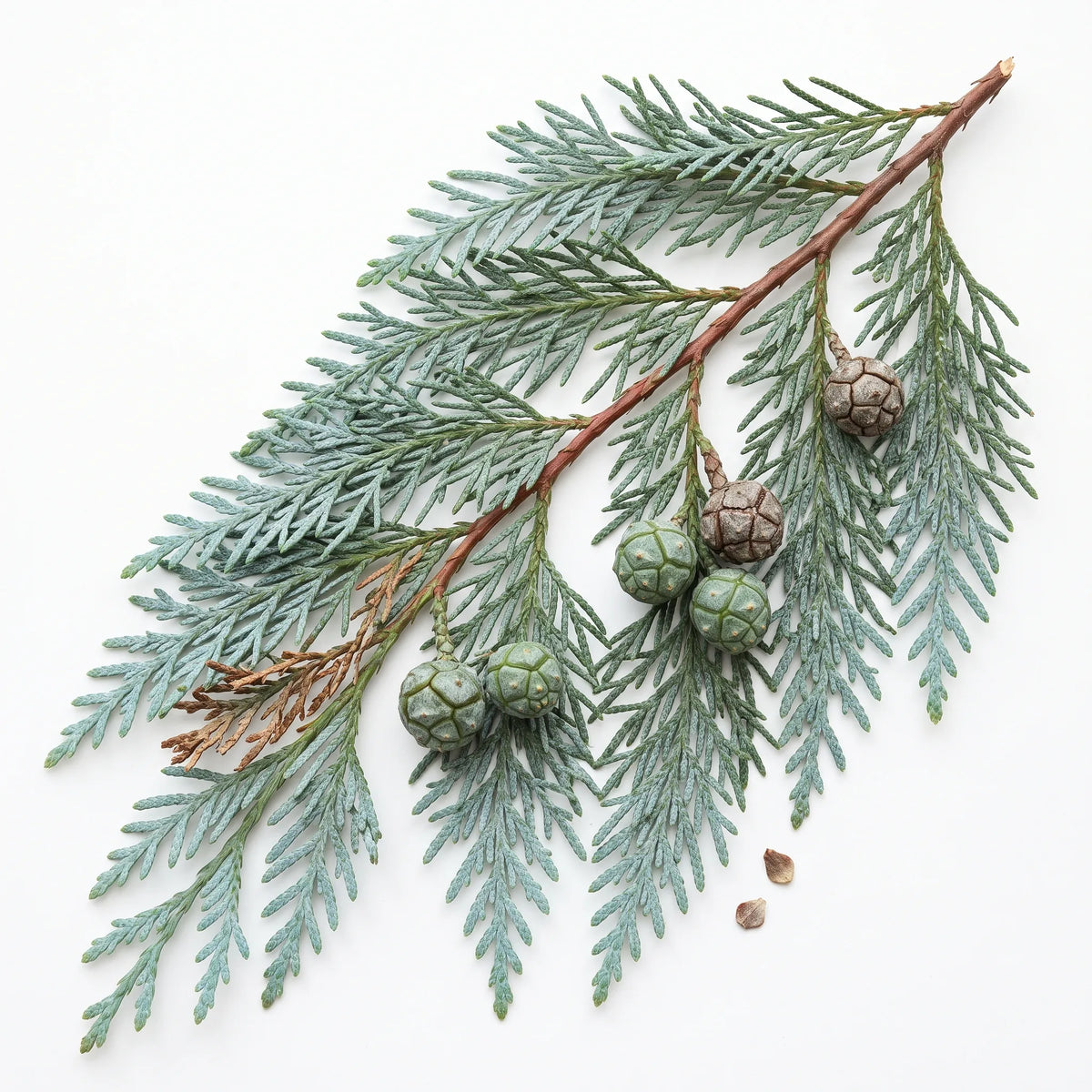
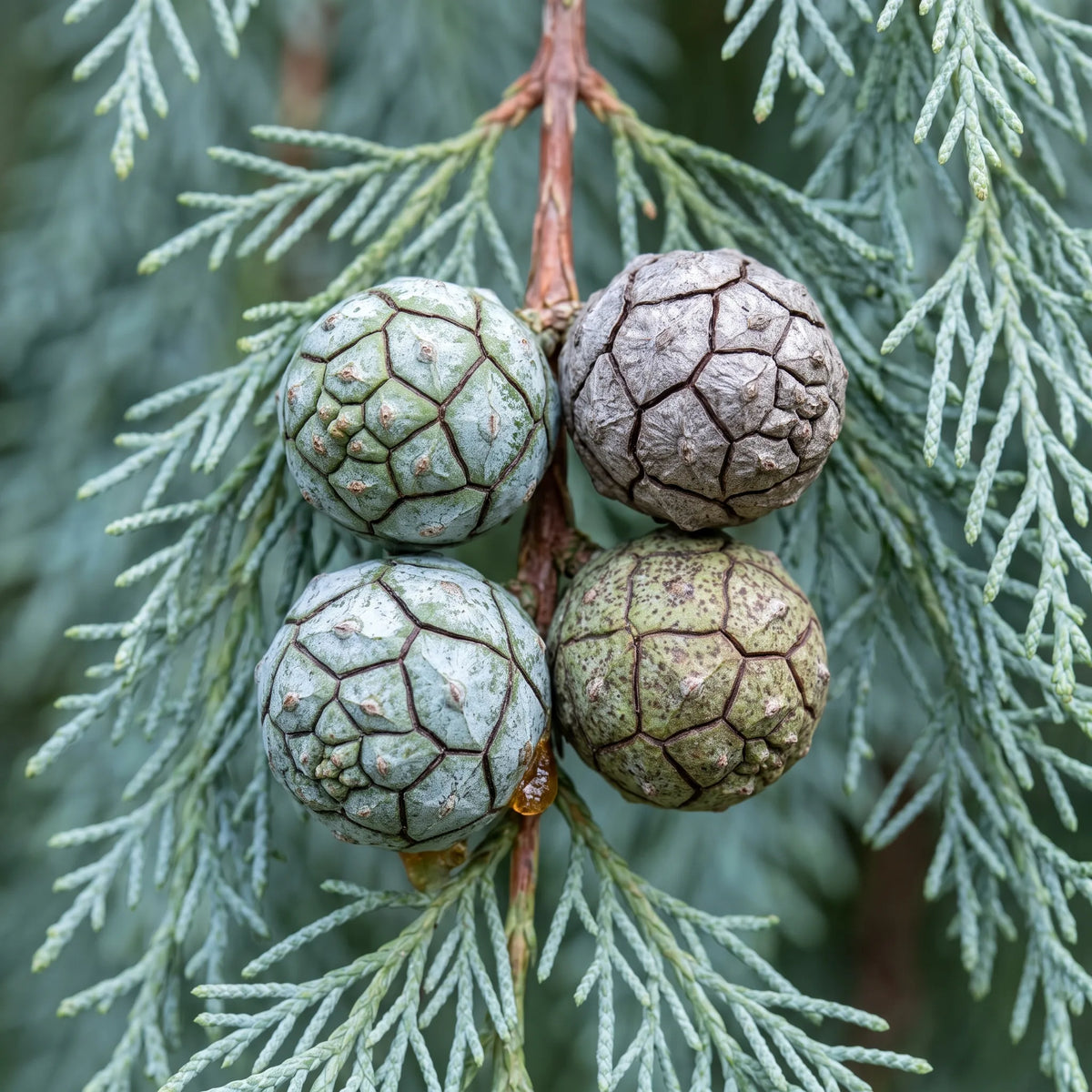
Harvest the small woody cones as soon as they turn brown, before they open, then let them dry in a warm, dry place: their scales will separate on their own and release the seeds. See storing your seeds.
Commitment to Quality: at SemiSauvage - Permaculture, we grow and select our seeds with respect for living things as our guiding principle. Based near the Auvergne Volcanoes, we choose open-pollinated, non-hybrid varieties, tested for their germination rates, carefully sorted and packaged, with no chemical treatment. Our belief: to give gardeners back the ability to resow, year after year, seeds that truly belong to them.
Grow one of the most graceful conifers in the world, the national tree of Bhutan.