Spinacia oleracea
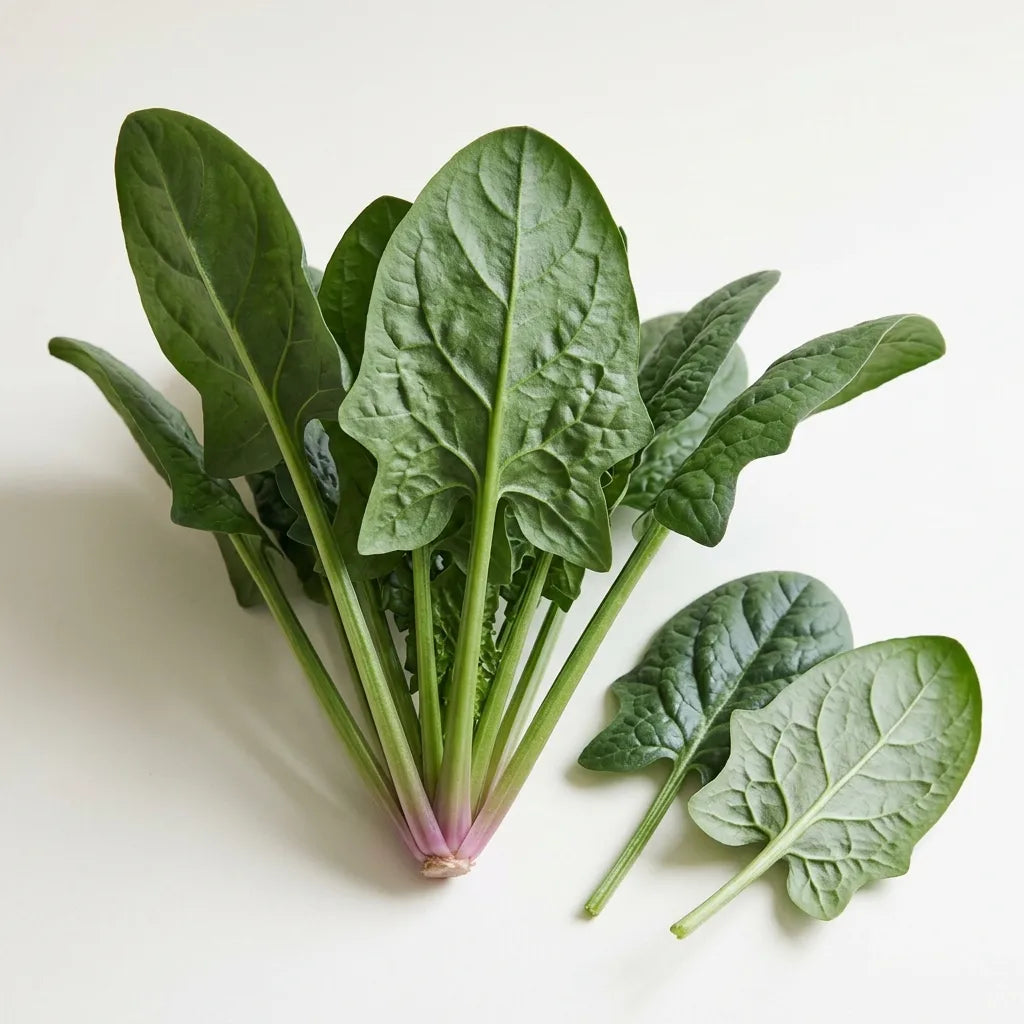
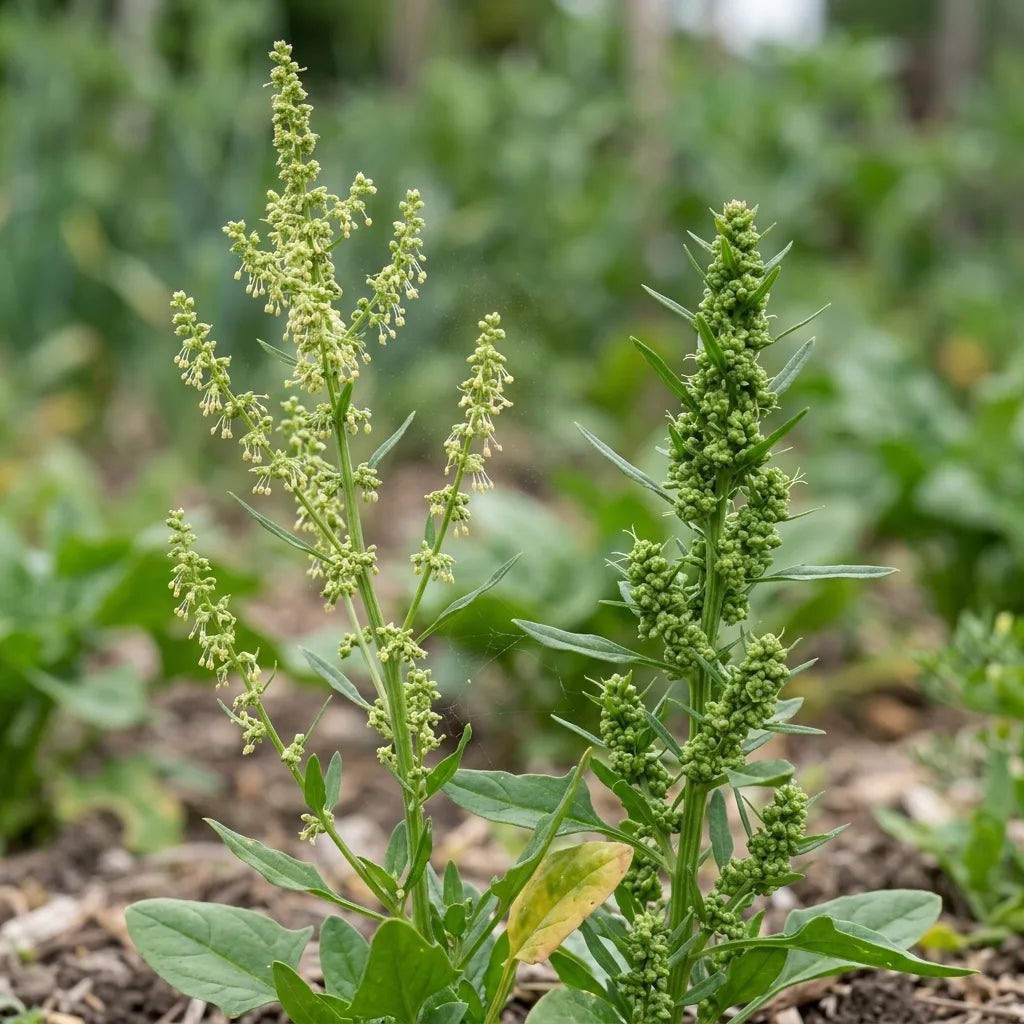
Matador spinach, giant winter spinach: this is the benchmark variety for late sowing. While most spinach plants bolt as soon as the days lengthen, Matador resists bolting significantly better — extending the harvest period by several weeks.
Characteristics:
-
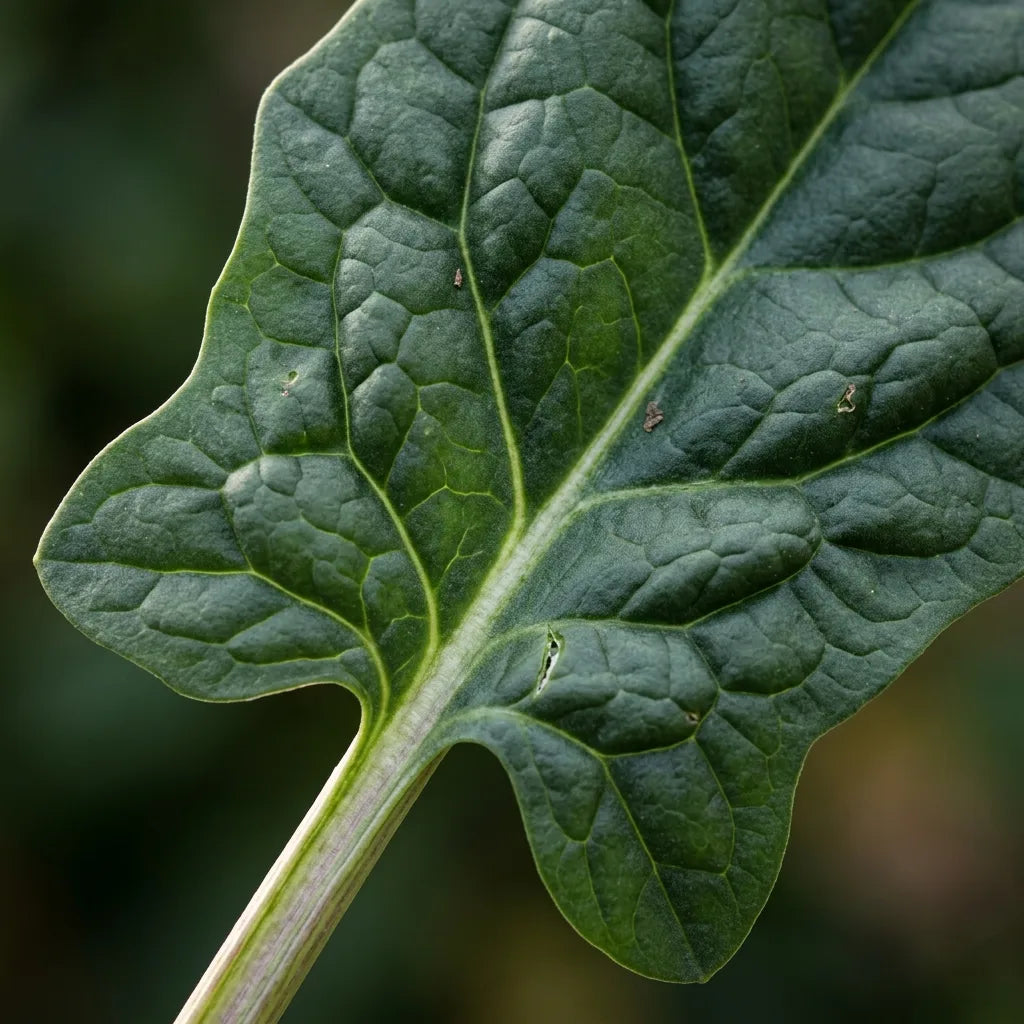
Large, thick leaves: dark green, tender and fleshy, easy to clean.
-
Bolt-resistant: it holds longer than classic varieties before going to seed.
-
Late variety: particularly well suited to late-summer sowing and winter harvests.
-
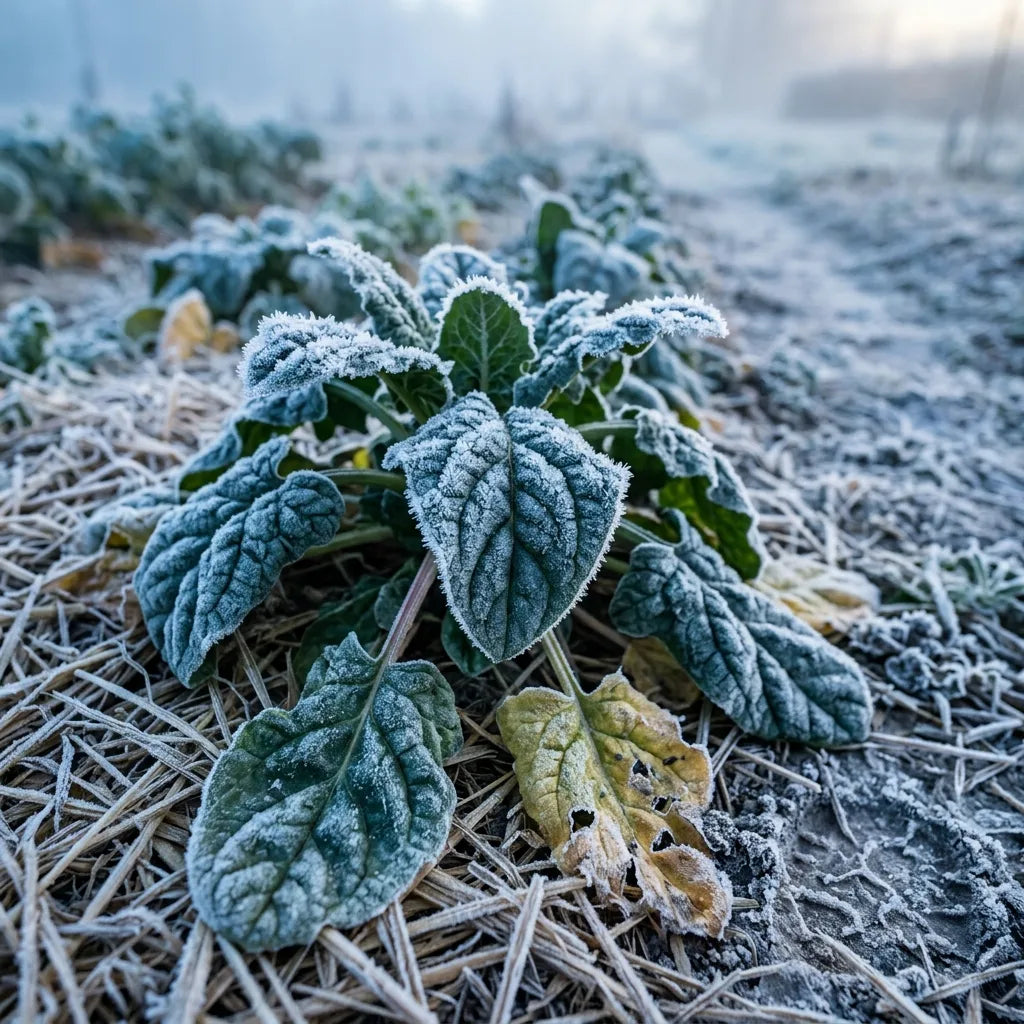
Hardy: it tolerates temperatures down to -10 °C, allowing you to harvest throughout the cold season.
Sowing advice:
-
Exposure: shaded in summer, sunny in autumn and winter. Even though it is resistant, it remains sensitive to the combination of heat and long days.
-
Soil: clay-rich, rich in humus and kept moist, with a good supply of nitrogen. An addition of manure or well-rotted compost genuinely benefits it — it is a nutrient-hungry vegetable. Soil that dries out immediately triggers bolting.
-
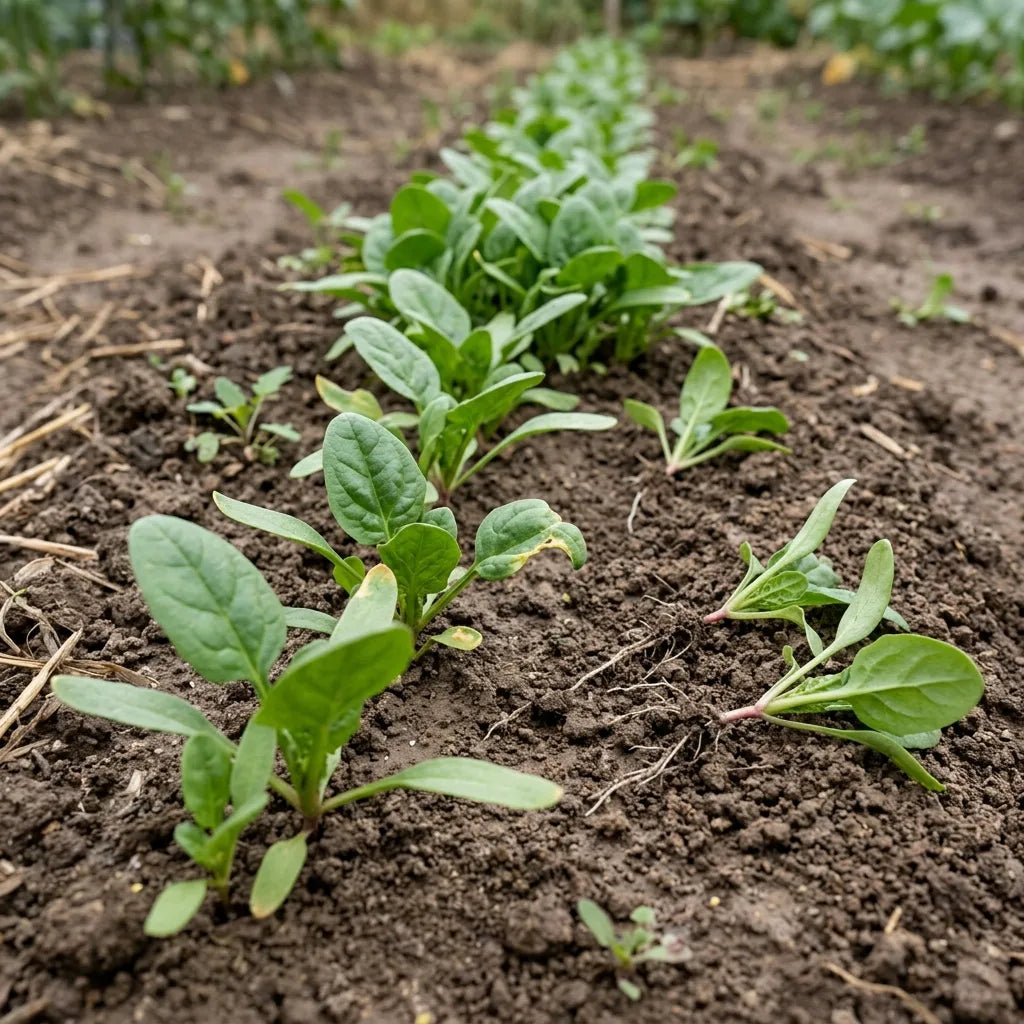
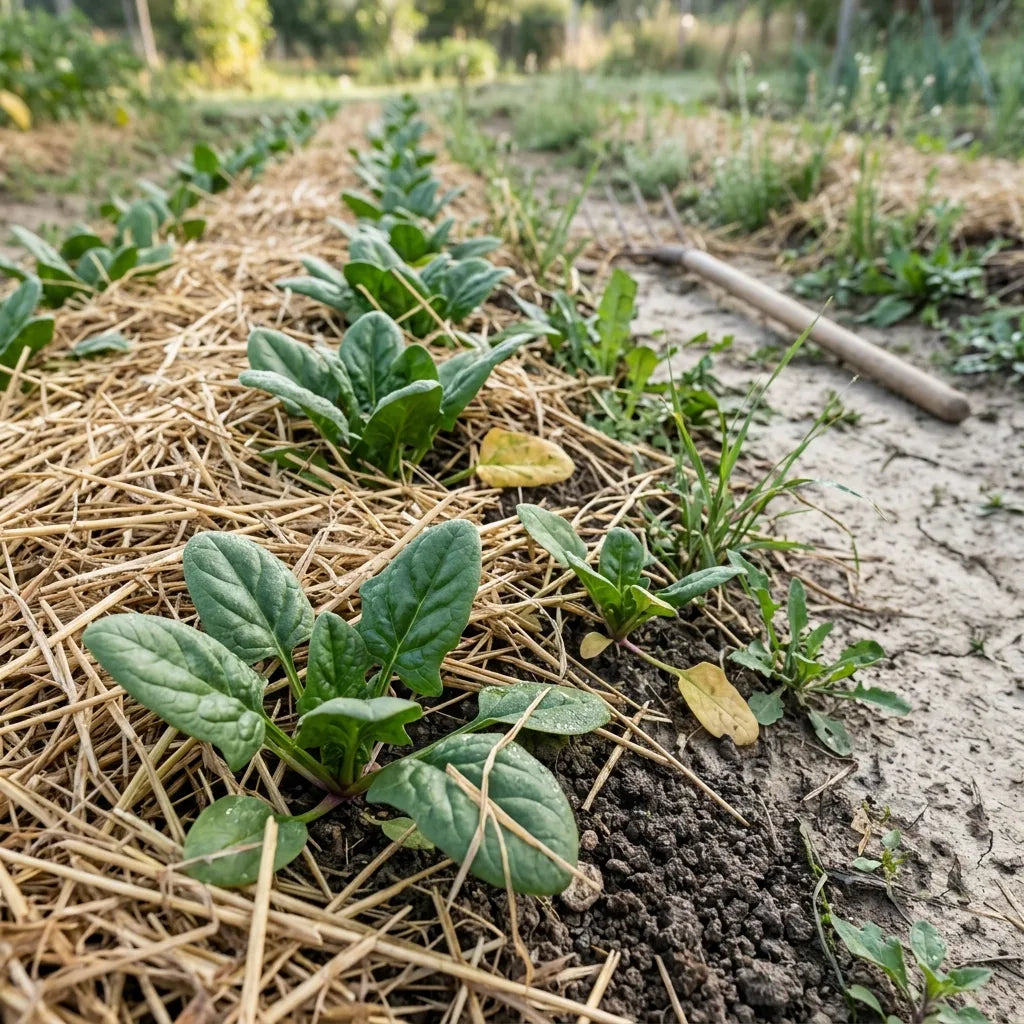
Method: sow directly in place, 2 cm deep, in rows spaced 25 cm apart. From February to mid-May for spring harvests, and from mid-August to November for autumn and winter harvests — this second sowing window is when it performs at its best. Sow successively every two weeks. See how to sow your seeds.
Care advice:
- Thin to 15 cm apart. Water regularly and generously: keeping the soil consistently moist is the only real secret to growing this crop.
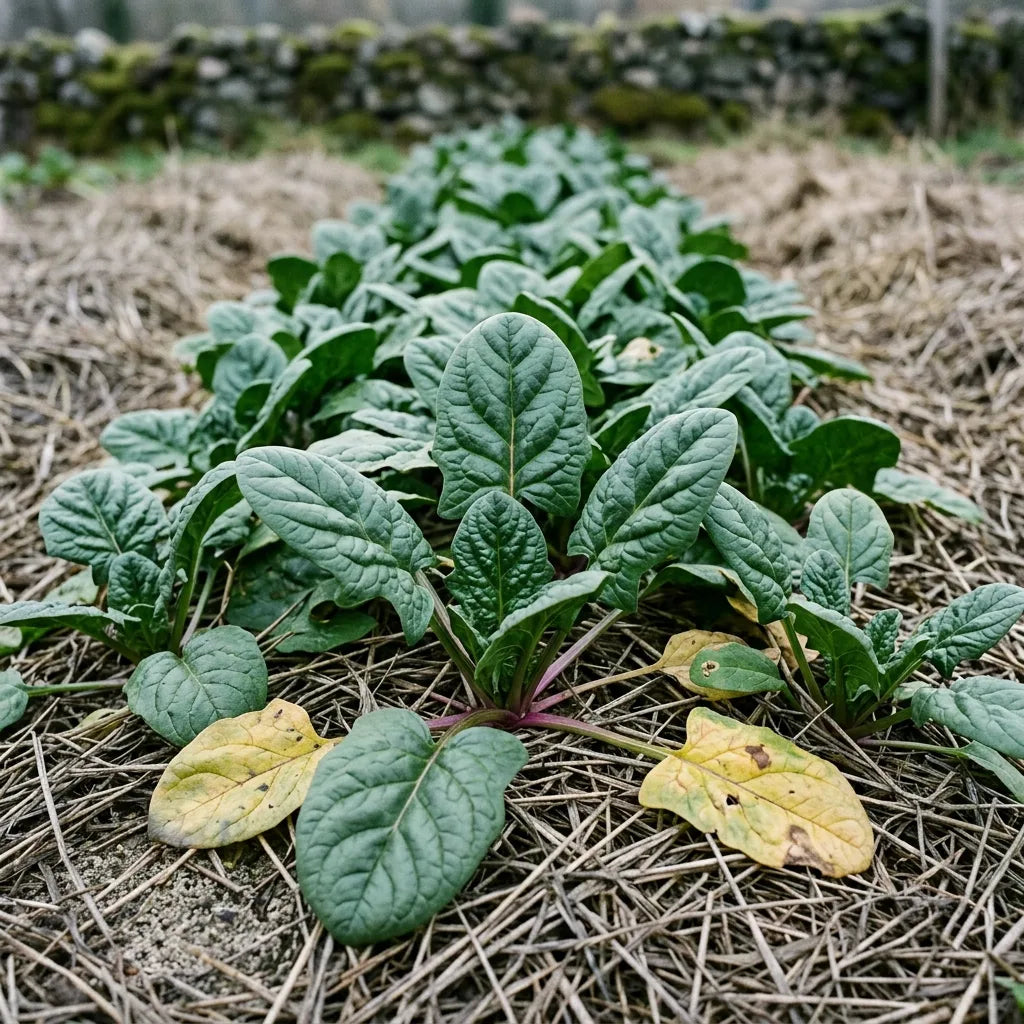
- Mulch the row to retain moisture and delay bolting.
Harvesting advice:
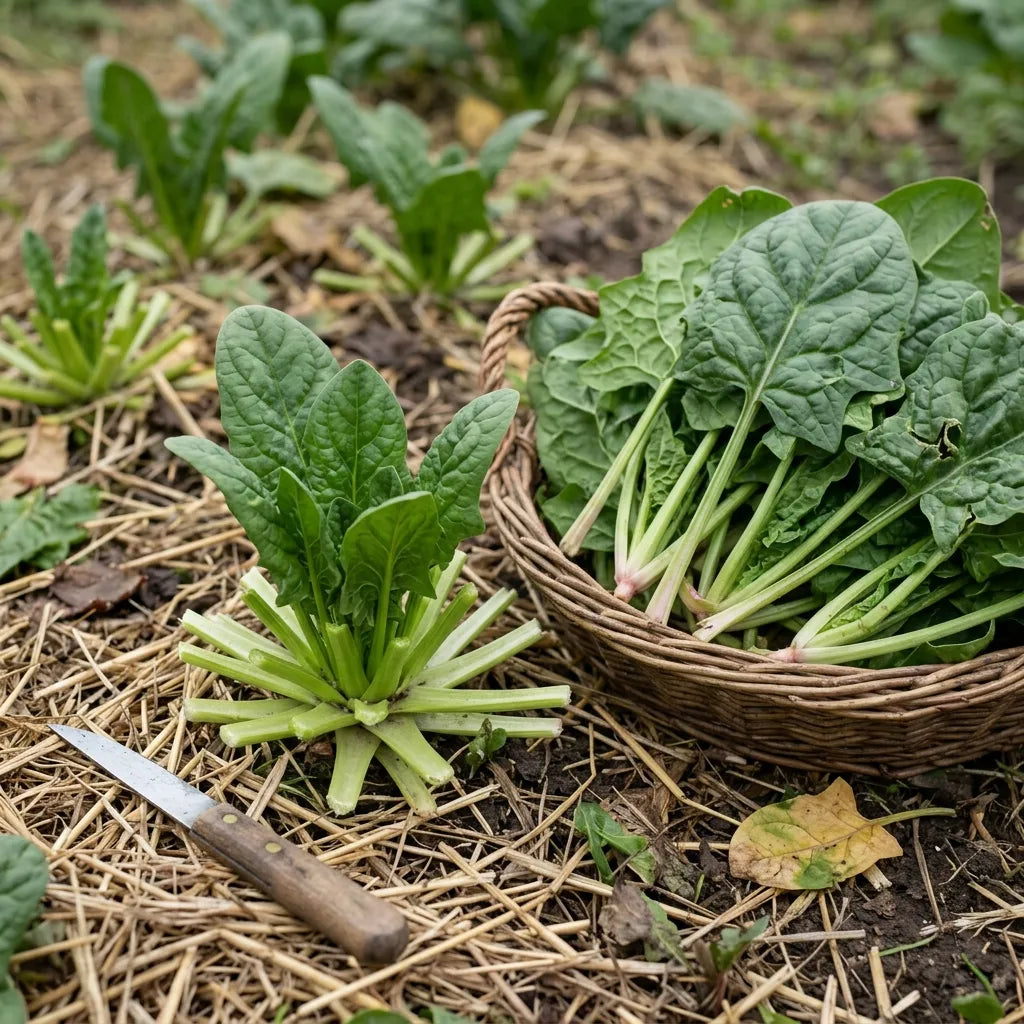
- Pick the outer leaves one at a time, leaving the center intact: the plant will then keep producing for weeks. Never cut the entire clump.
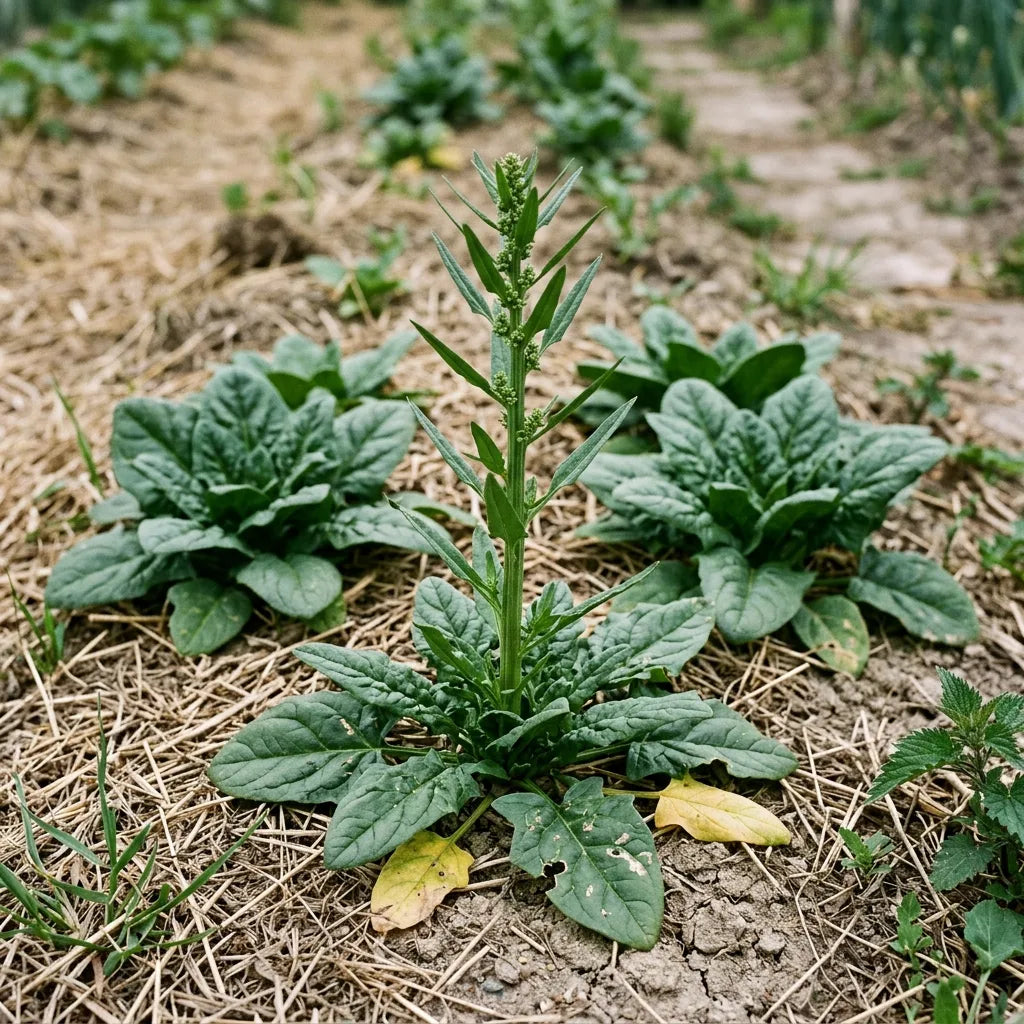
- As soon as the flower stalk appears, harvest everything: the leaves will subsequently become bitter and tough.
Beneficial companions:
Benefits for biodiversity:
- Its dense cover protects the soil from drying out and erosion between two main crops, including during winter.
- When dug in as green manure, it quickly returns organic matter to the soil and nourishes soil life. See living soil.
Uses:
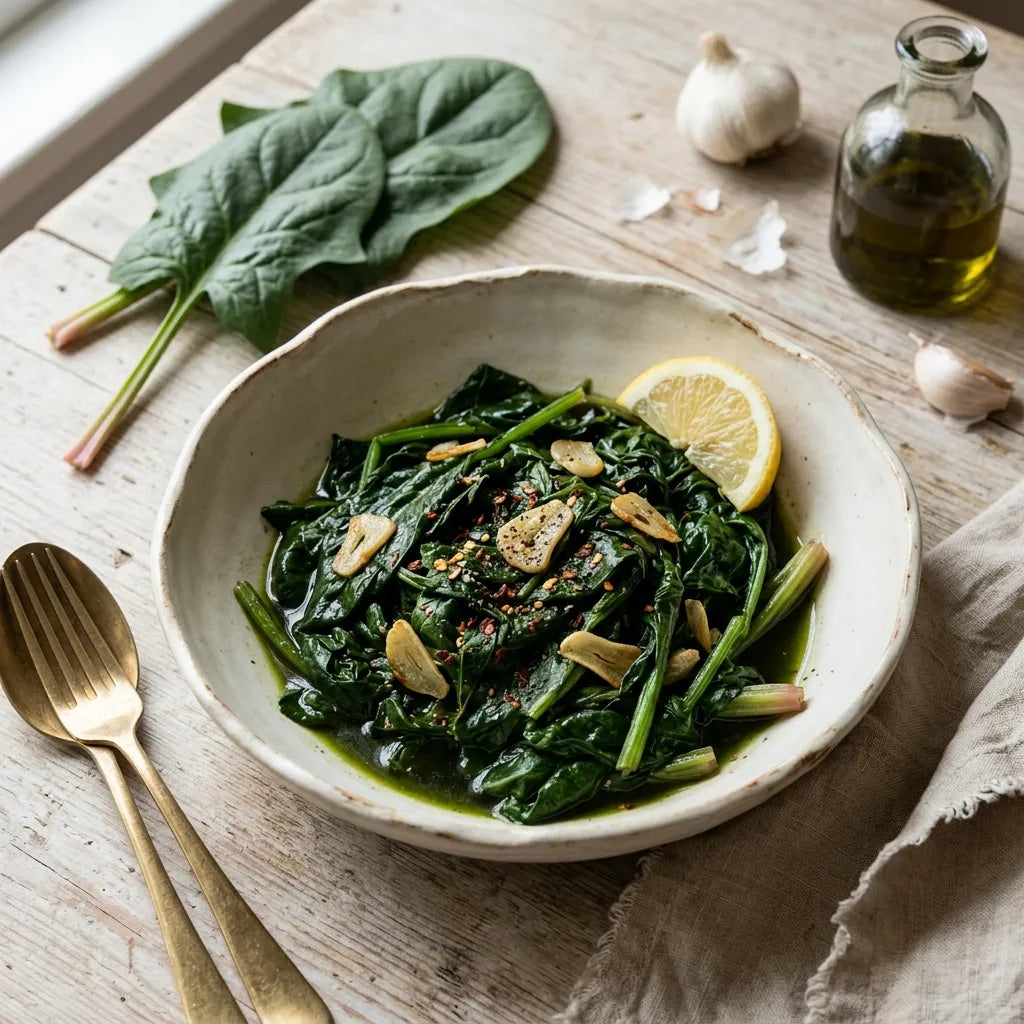
- Young leaves raw in salads; large leaves with cream, in gratins, quiches, soups or sautéed with garlic. They shrink dramatically when cooked: allow plenty.
Saving your own seeds:
Spinach is dioecious: keep several plants to ensure you have both male and female plants. Let them bolt, then harvest the seeds from the female plants when they turn brown. See saving your seeds.
Commitment to Quality: at SemiSauvage - Permaculture, we grow and select our seeds with respect for all living things as our guiding principle. Based near the Volcanoes of Auvergne, we choose open-pollinated, non-hybrid varieties, tested for their germination rate, carefully sorted and packaged, with no chemical treatment. Our belief: to give gardeners back the ability to resow, year after year, seeds that truly belong to them.
The spinach that resists bolting: the variety for late sowing.