Spinacia oleracea
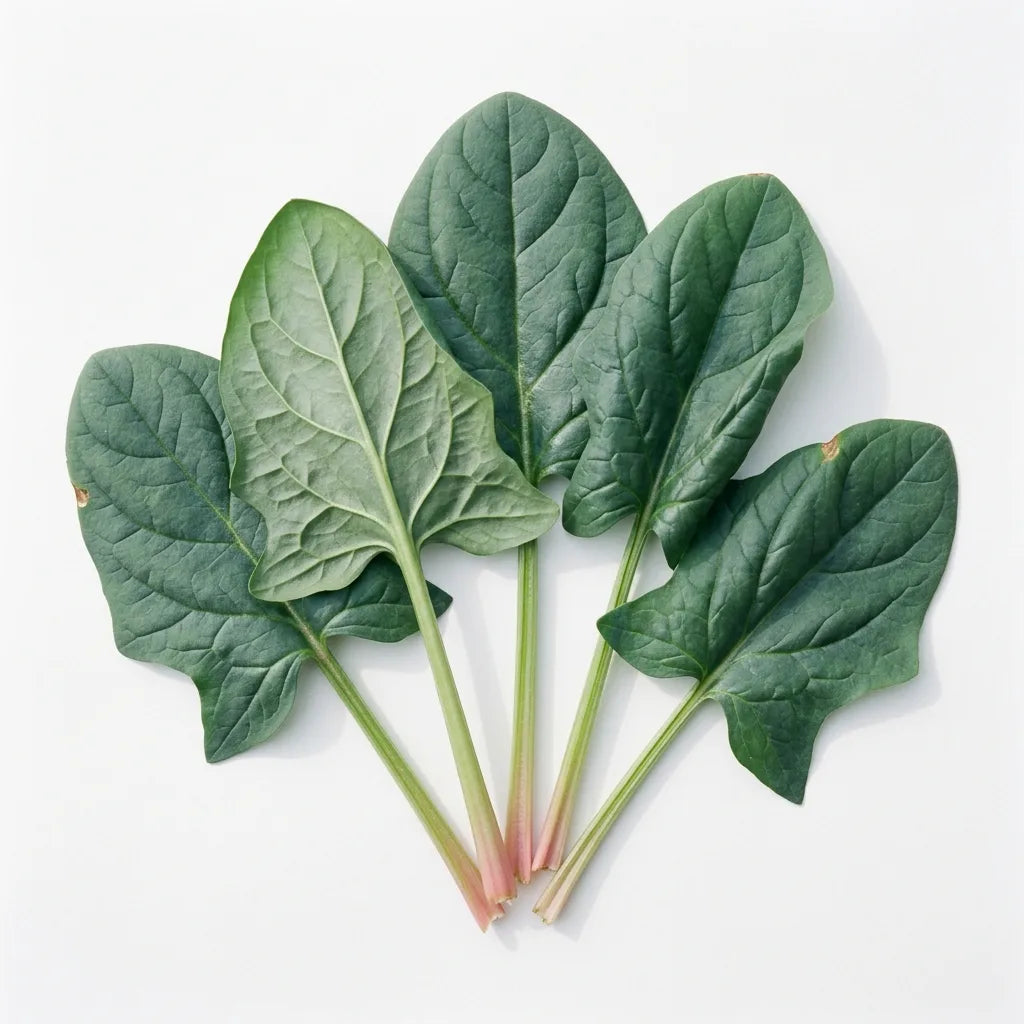
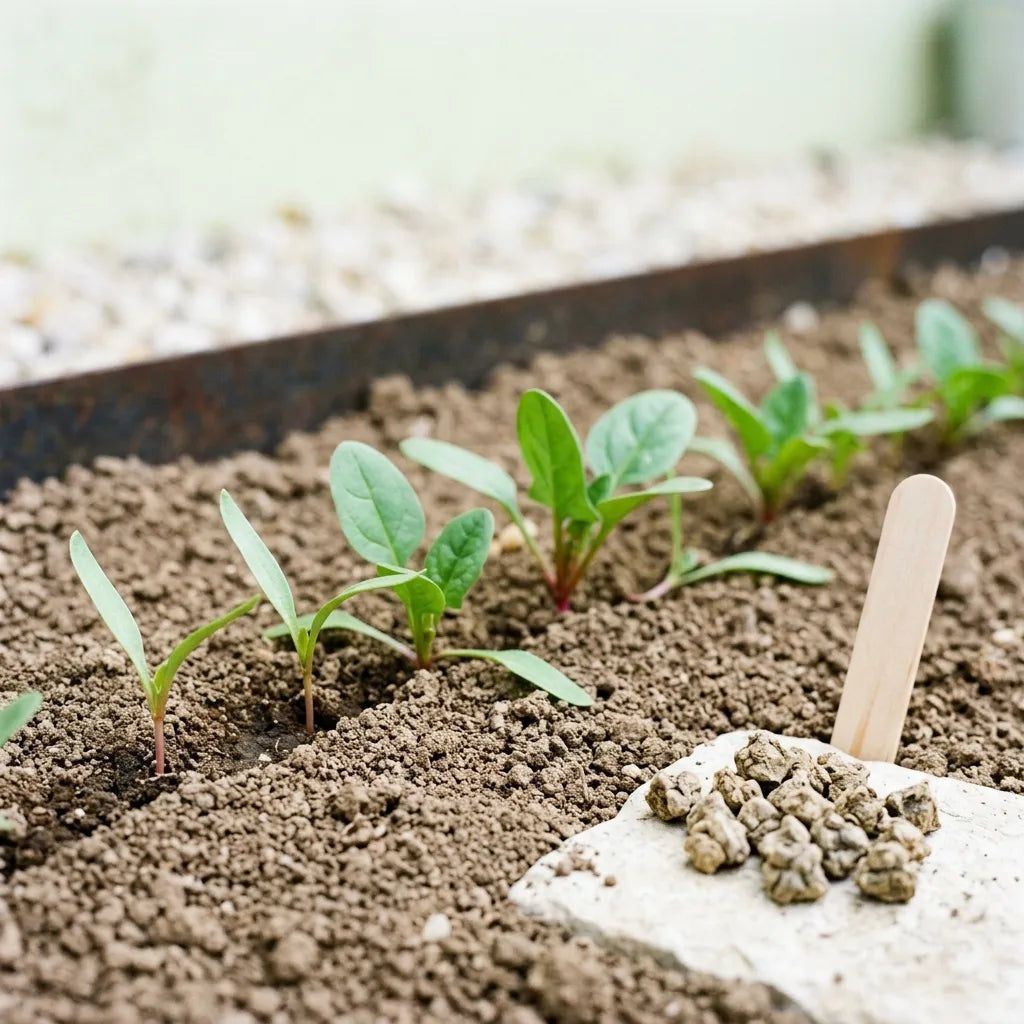
Monstrous Viroflay Spinach: this heirloom variety, developed in the 19th century in the market-gardening plain of Viroflay to supply Paris, owes its name to its enormous leaves—which can exceed 25 cm. A single handful fills the pot, making it the most productive spinach in the vegetable garden.
Characteristics:
-
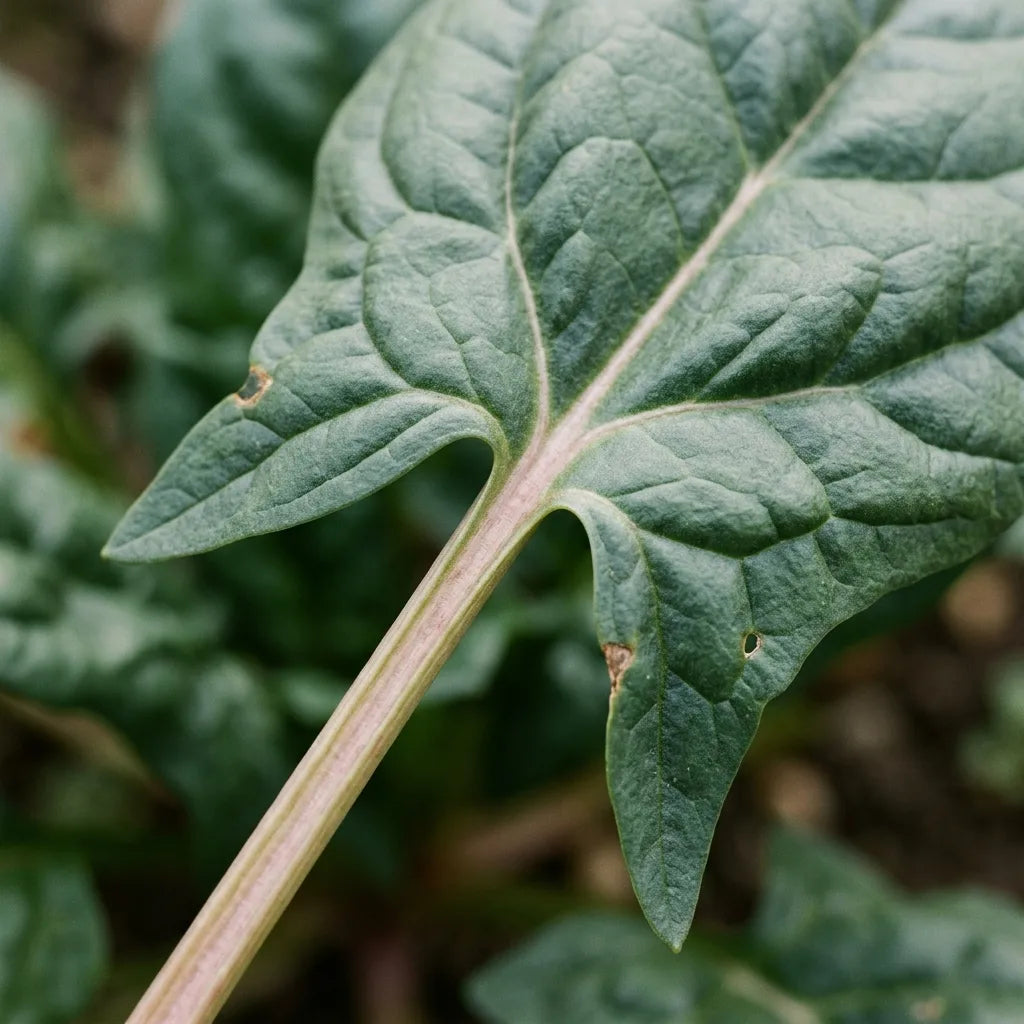
Enormous leaves: thick, tender and dark green, they are the variety's main claim to fame.
-
Highly productive: one of the most generous varieties for a given area.
-
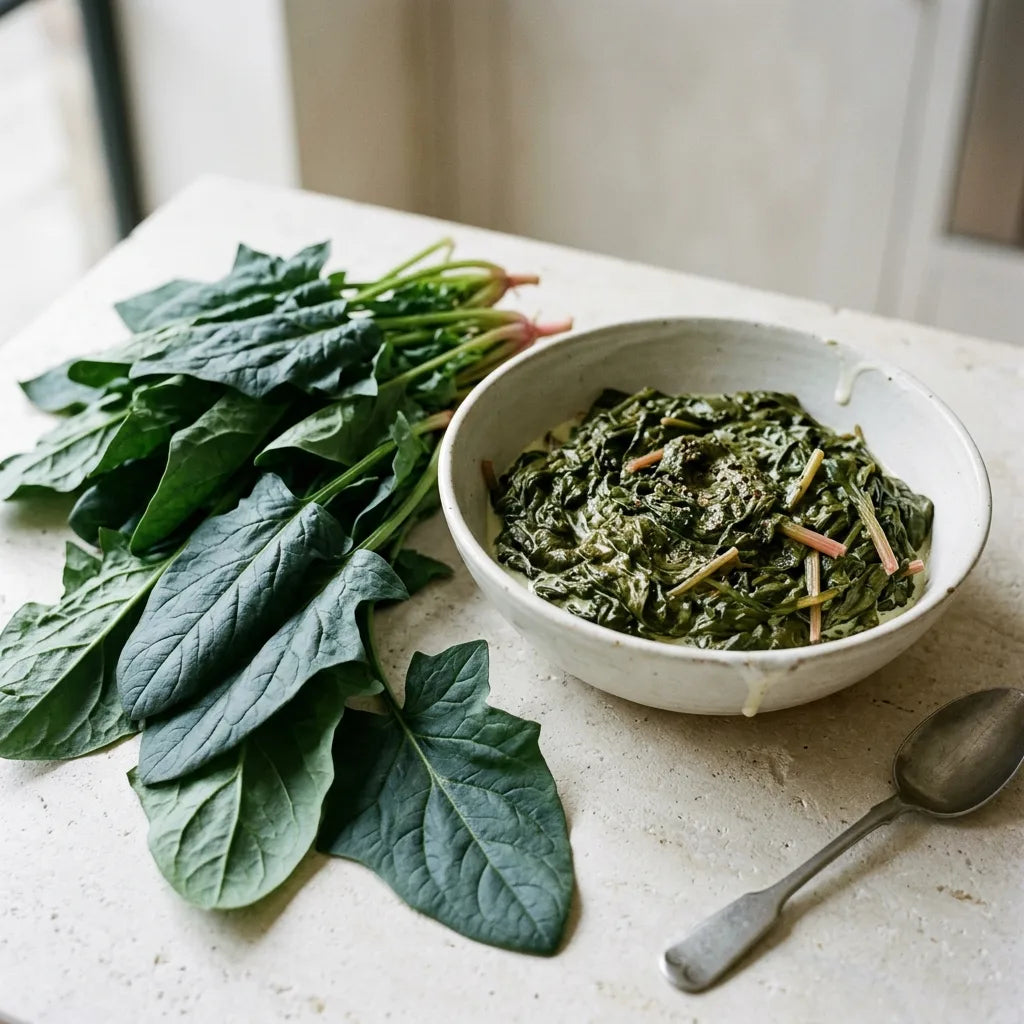
Harvested raw or cooked: young leaves in salads, large leaves cooked.
-
Hardy: it tolerates temperatures down to -10 °C, allowing winter harvests.
Sowing advice:
-
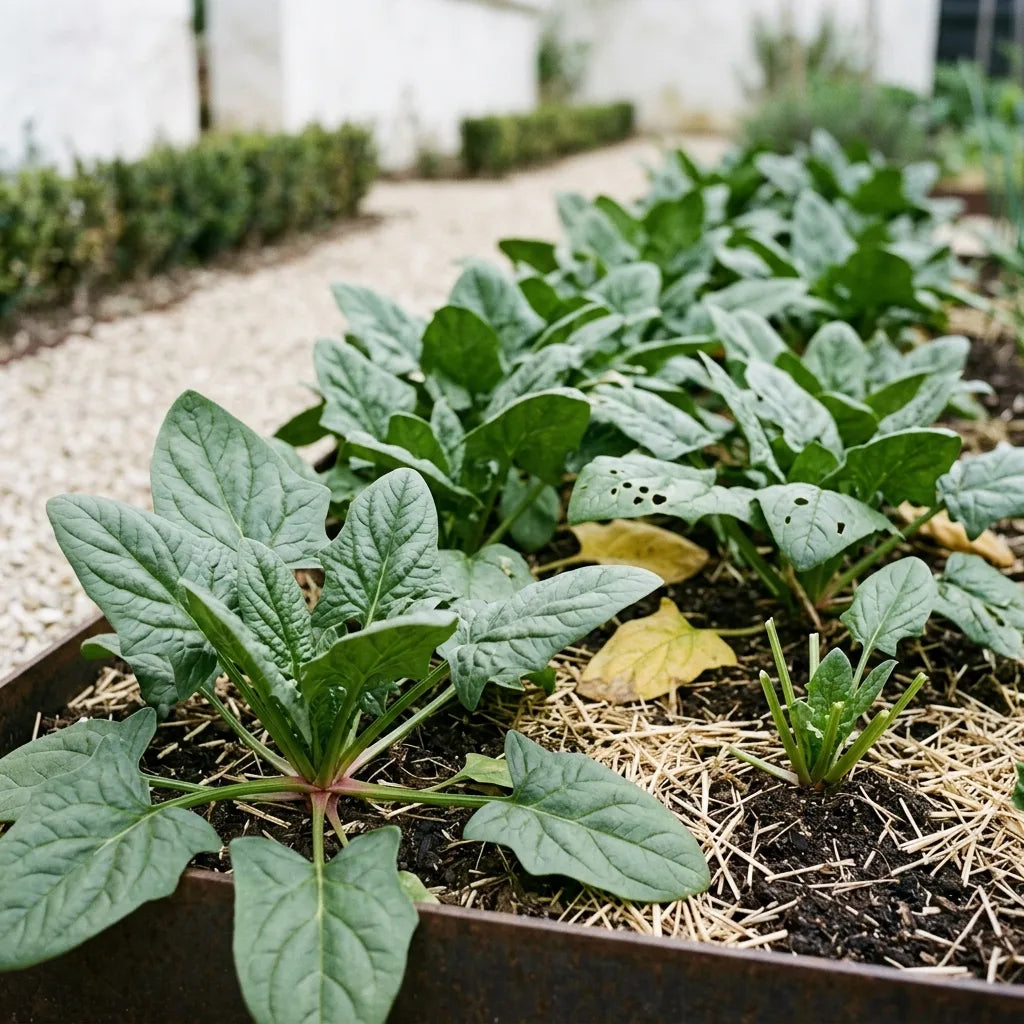
Exposure: shaded in summer, sunny in autumn and winter. This is the key point: like all spinach, it bolts as soon as warm temperatures and long days set in. Partial summer shade significantly delays this process.
-
Soil: clay-rich, high in humus and kept moist, preferably well supplied with nitrogen. Adding manure or well-rotted compost genuinely benefits it—it is a nutrient-hungry vegetable. Soil that dries out immediately triggers bolting.
-
Method: sow directly in place, 2 cm deep, in rows spaced 25 cm apart. From February to mid-May for spring harvests, and from mid-August to November for autumn and winter harvests. Stagger sowings every two weeks. Avoid midsummer sowings, which bolt before they can be harvested. See how to sow seeds.
Care advice:
- Thin to 15 cm apart. Water regularly and abundantly: consistently moist soil is the only real secret to growing this crop.
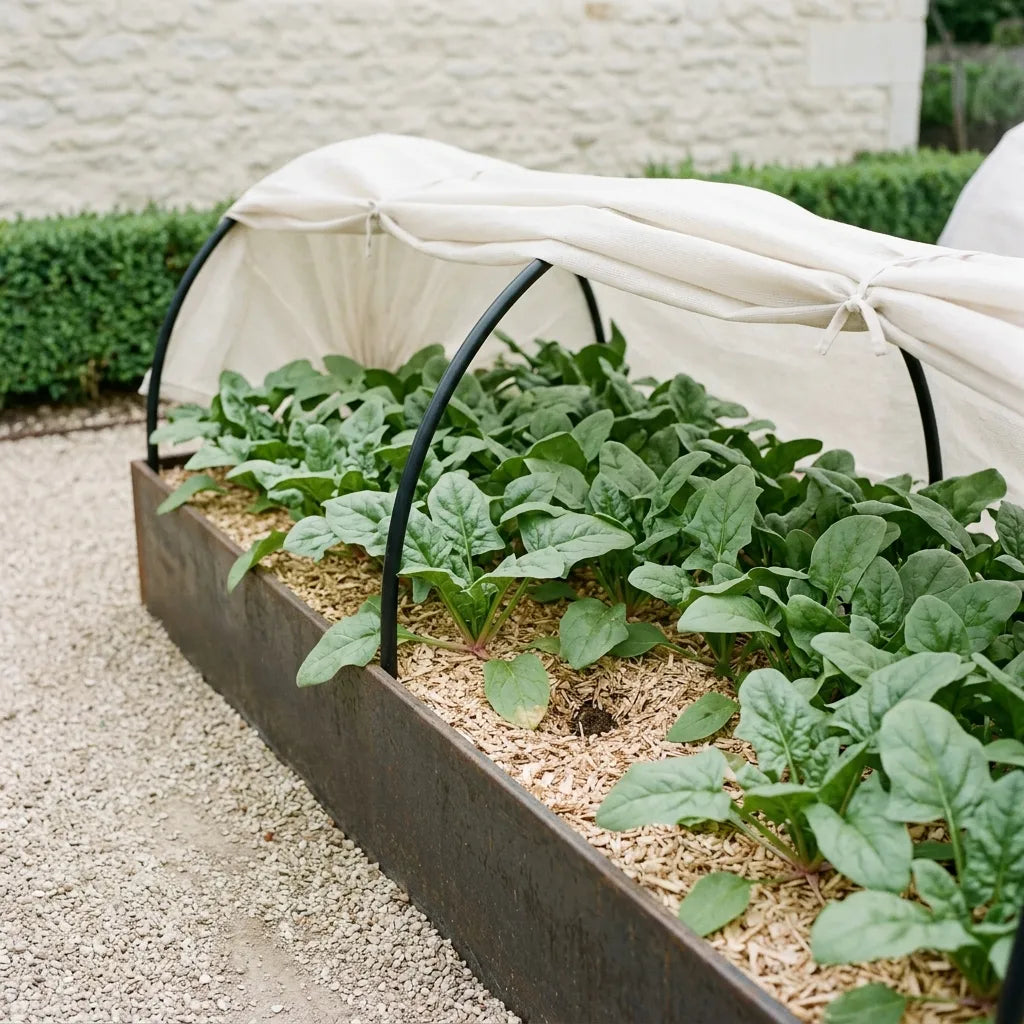
- Mulch the row to retain moisture and limit bolting.
Harvesting advice:
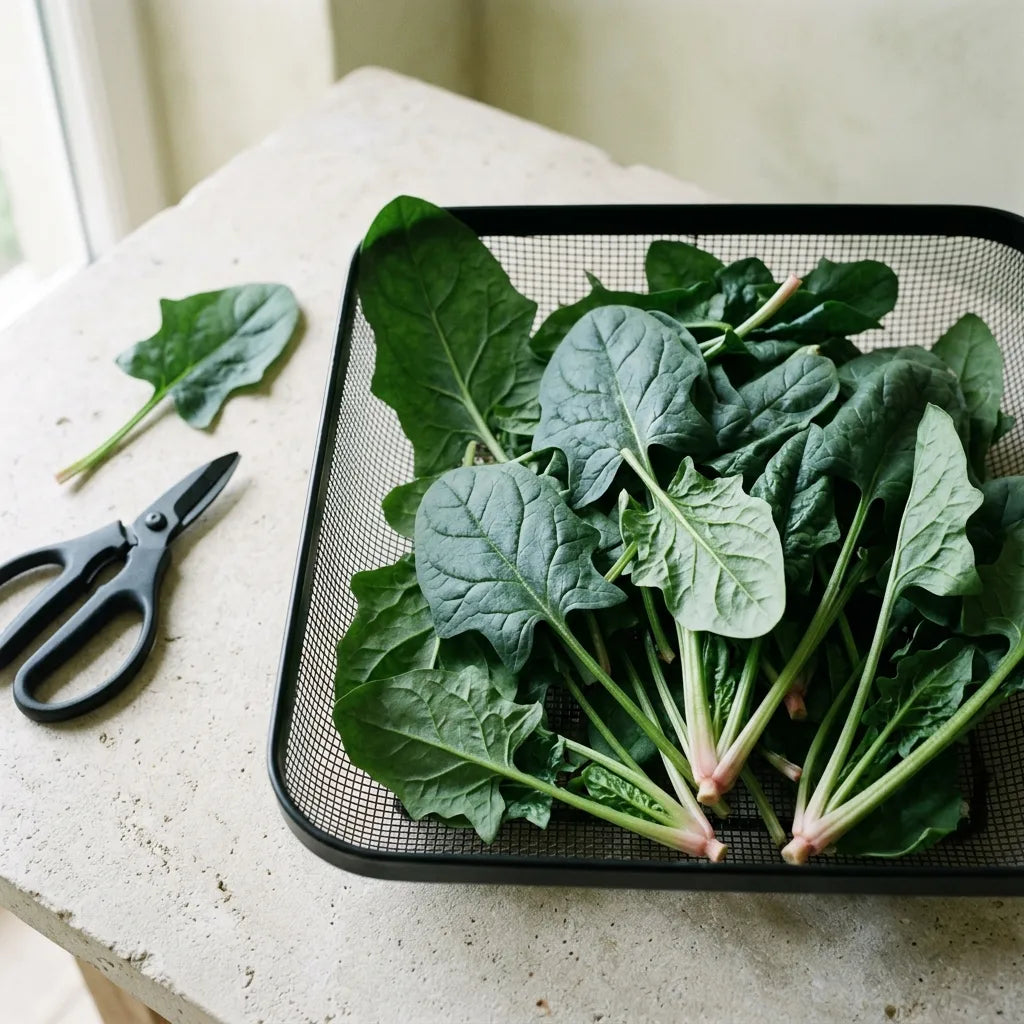
- Pick the outer leaves one by one, leaving the center intact: the plant will then keep producing for weeks. Never cut the entire clump.
- As soon as the flower stalk appears, harvest everything: the leaves will then become bitter and tough.
Beneficial companion plants:
Benefits for biodiversity:
- Its dense cover protects the soil from drying out and erosion between two main crops.
- When incorporated as green manure, it quickly returns organic matter to the soil and nourishes soil life. See living soil.
Uses:
- Young leaves raw in salads; large leaves with cream, in gratins, quiches, soups or sautéed with garlic. They shrink considerably when cooked: allow plenty.
Saving your own seeds:
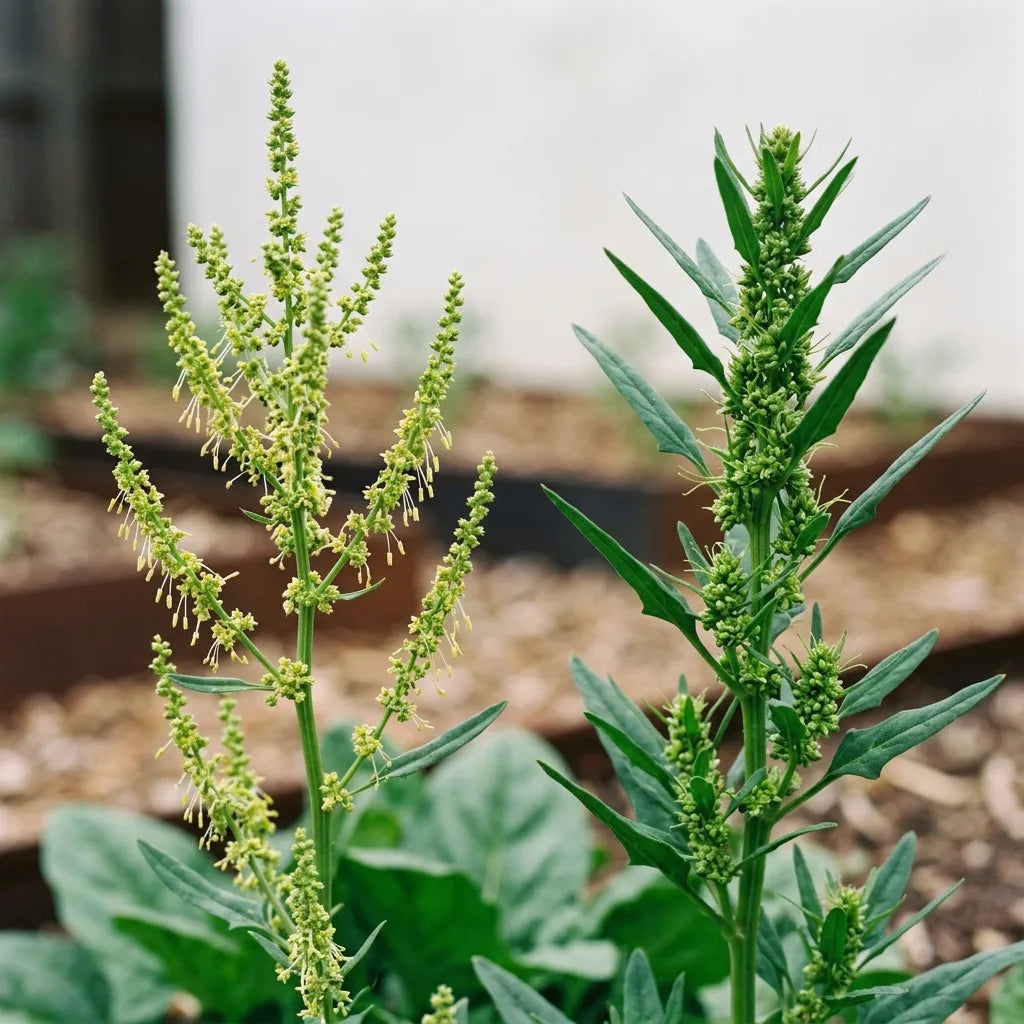
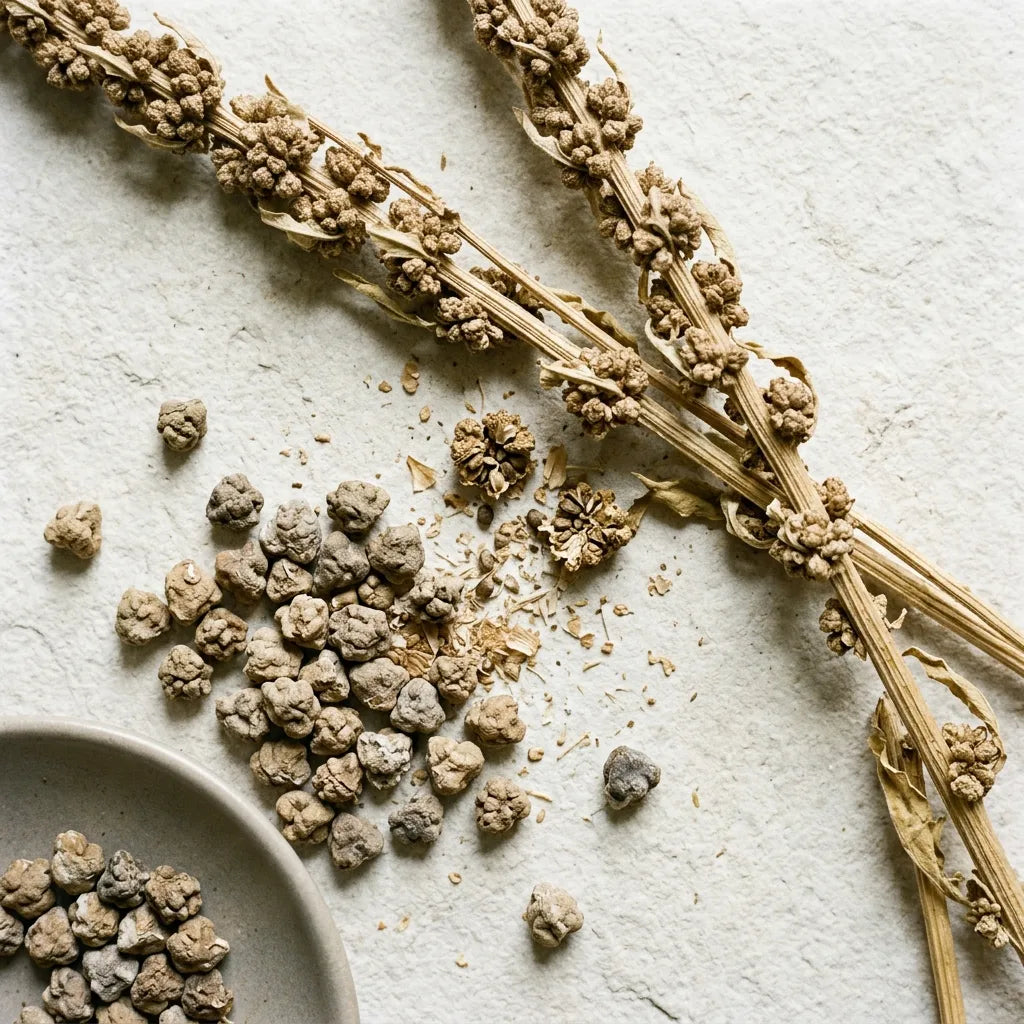
Spinach is dioecious: keep several plants to have both male and female plants. Let them bolt, then harvest the seeds from the female plants when they turn brown. See saving your seeds.
Commitment to Quality: at SemiSauvage - Permaculture, we grow and select our seeds with respect for living things as our guiding principle. Based near the Volcanoes of Auvergne, we choose reproducible, non-hybrid varieties, tested for their germination rate, carefully sorted and packaged, with no chemical treatment. Our belief: to give gardeners back the ability to resow, year after year, seeds that truly belong to them.
An heirloom variety with giant leaves, the most productive in the vegetable garden.