Cucurbita pepo
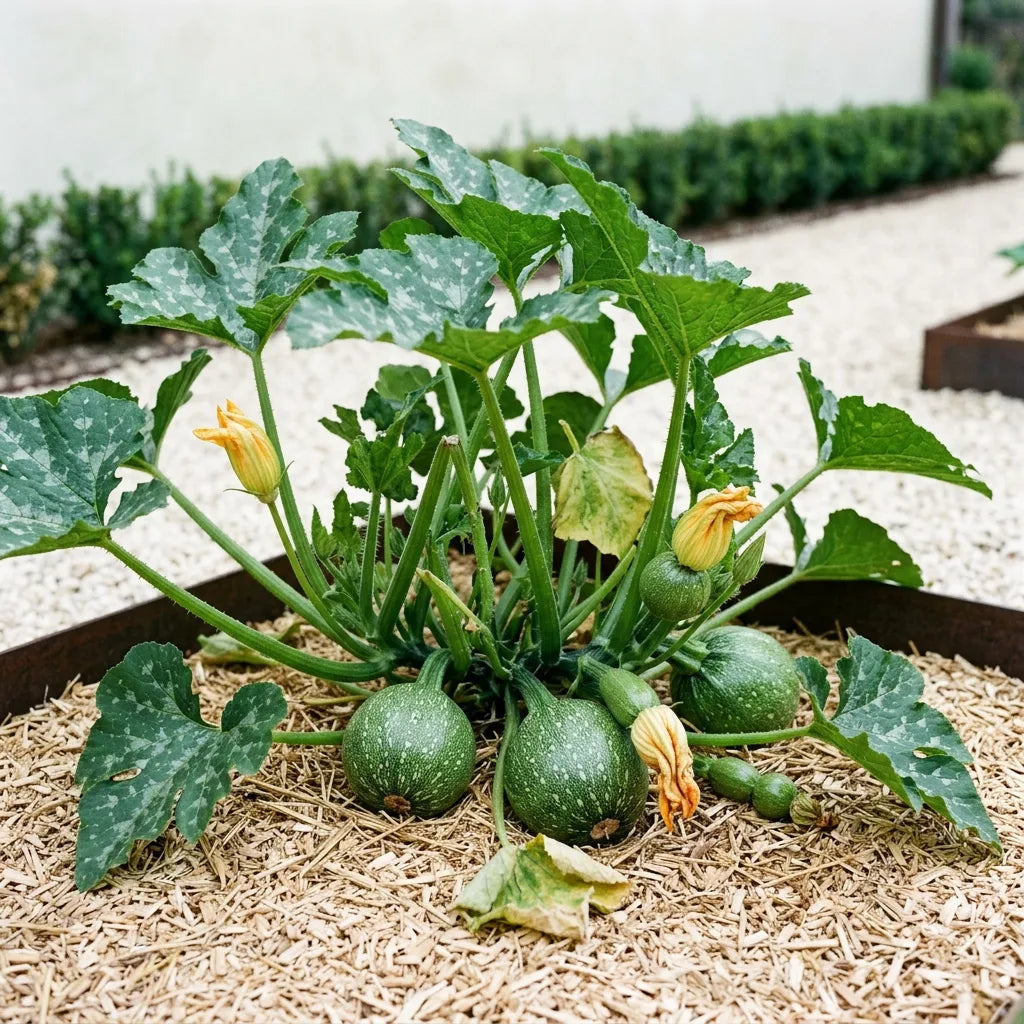
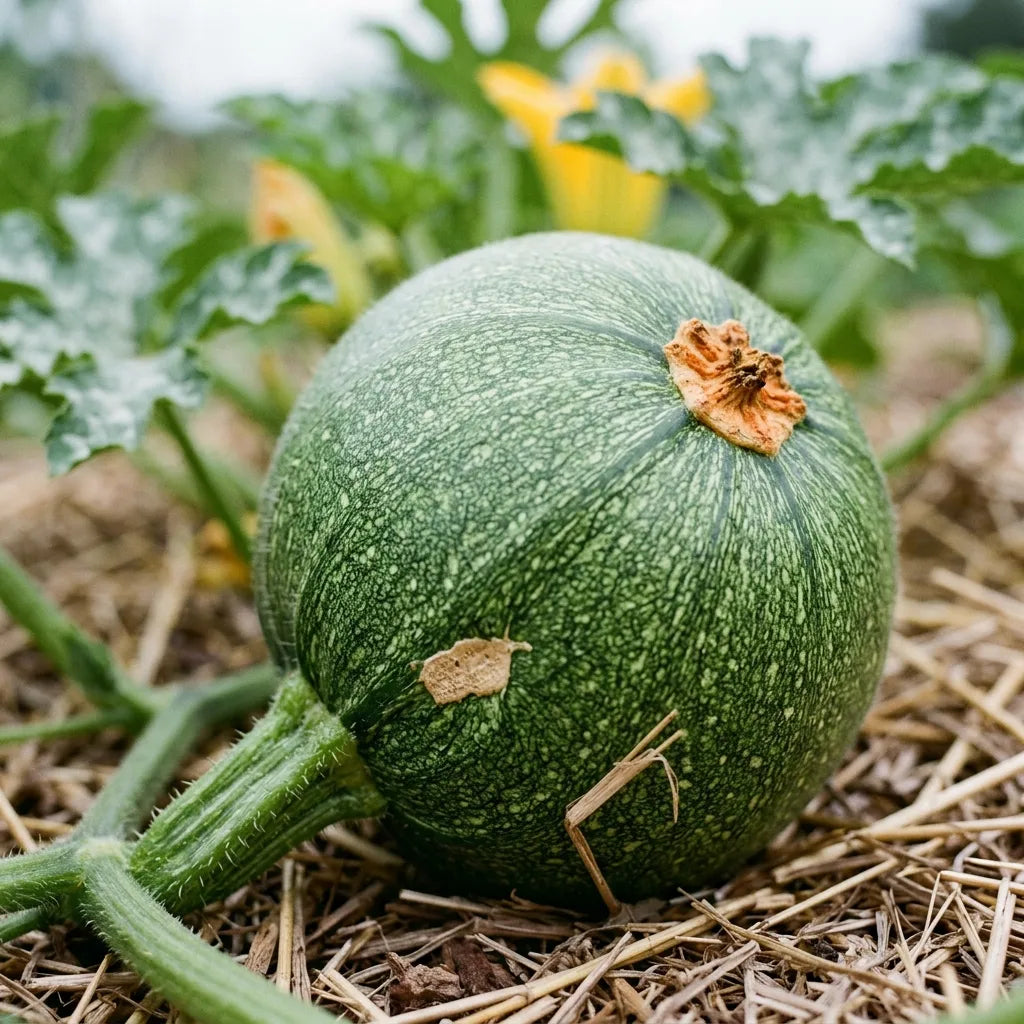
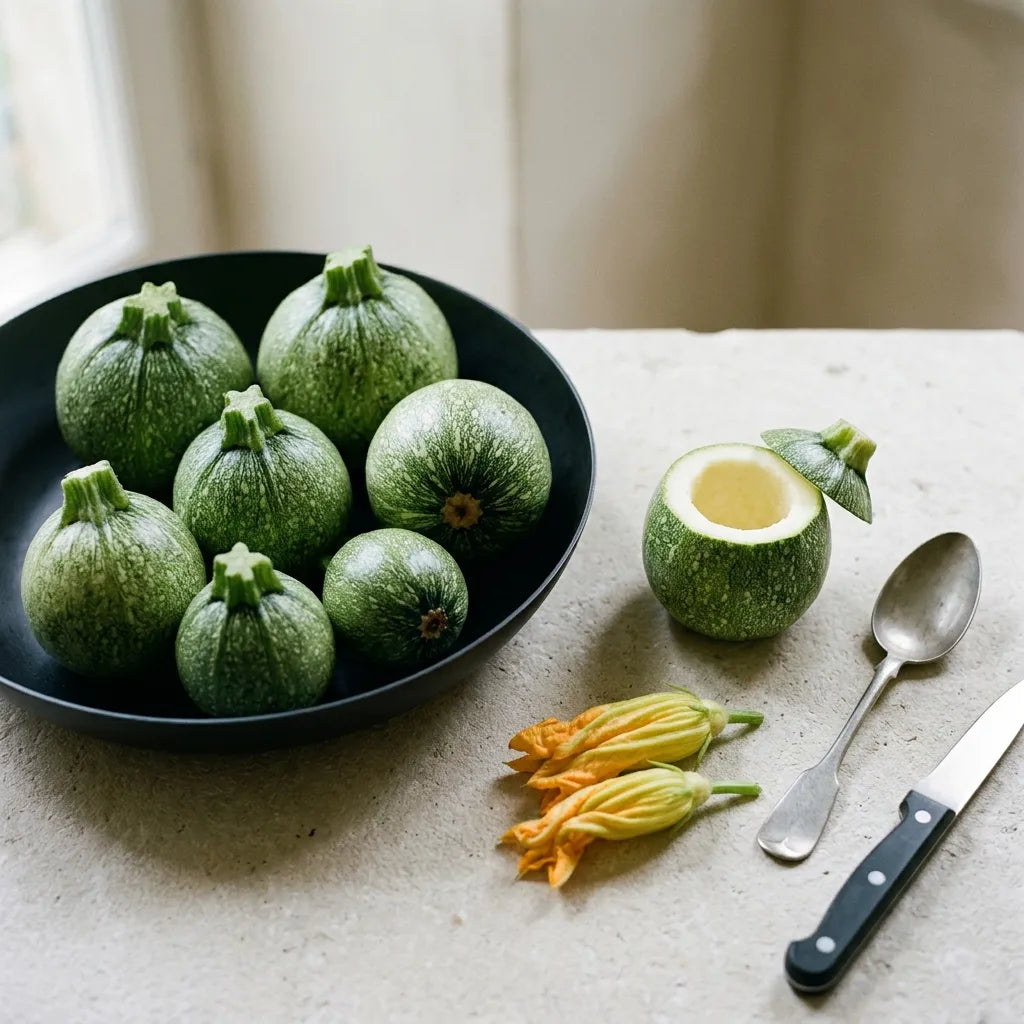
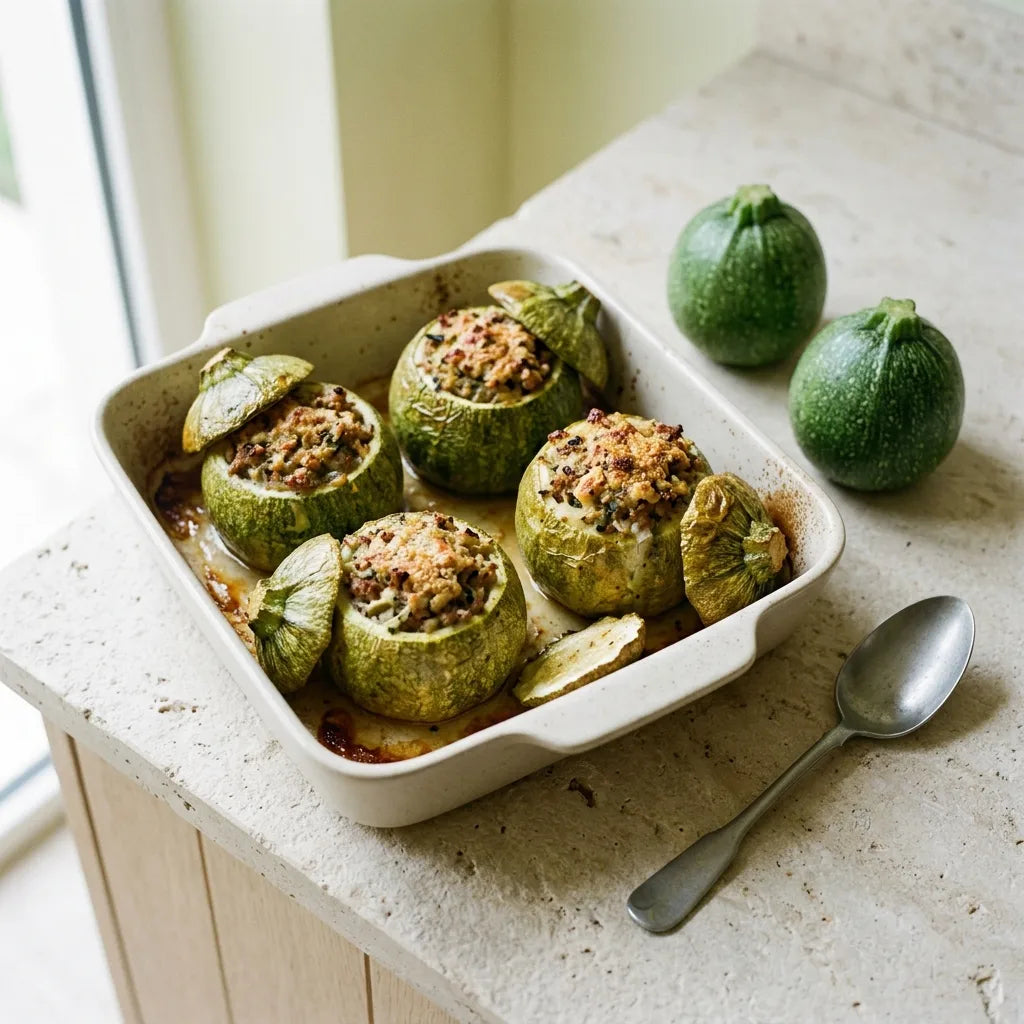
Round zucchini, Nice round-fruited zucchini, golden apple: its spherical shape is more than just a curiosity—it is the ultimate zucchini for stuffing. Whereas a long zucchini needs to be hollowed out into a boat shape, this one is simply topped like a little hat and filled whole.
Characteristics:
-
Spherical shape: ideal for stuffing, it is harvested when the size of a tennis ball.
-
Heirloom variety: traditional to southern France and seed-saving friendly.
-
Highly productive: easy to grow, suitable for beginners and experienced gardeners alike.
-
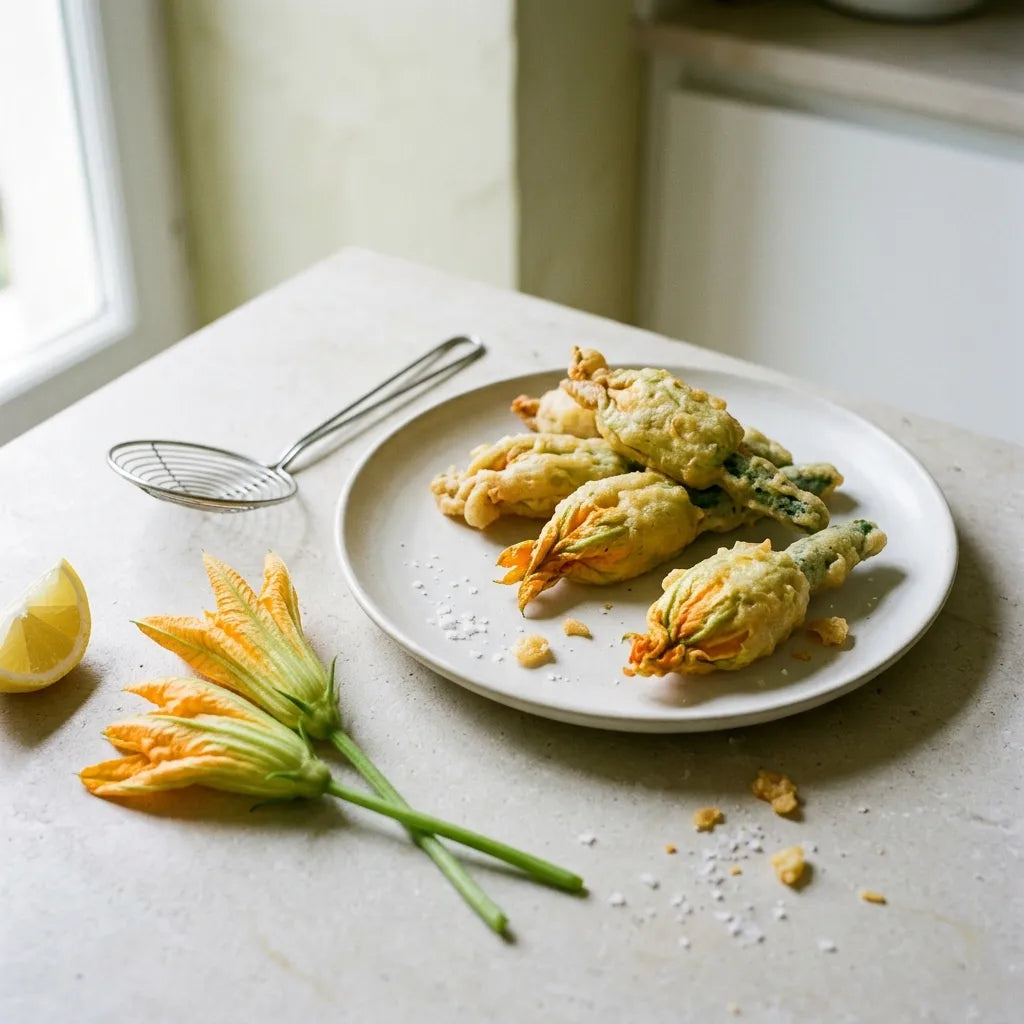
Edible flowers: delicious when made into fritters.
Precautions:
- As with all cucurbits, a fruit with a very bitter taste may contain cucurbitacins, which can irritate the digestive system. Always taste a small piece raw: if the bitterness is pronounced, discard the entire fruit.
Sowing advice:
-
Position: warm and in full sun.
-
Soil: light, well drained, and very rich in humus. A generous addition of mature compost is essential: this is an extremely hungry plant. It does not tolerate stagnant water around the crown.
-
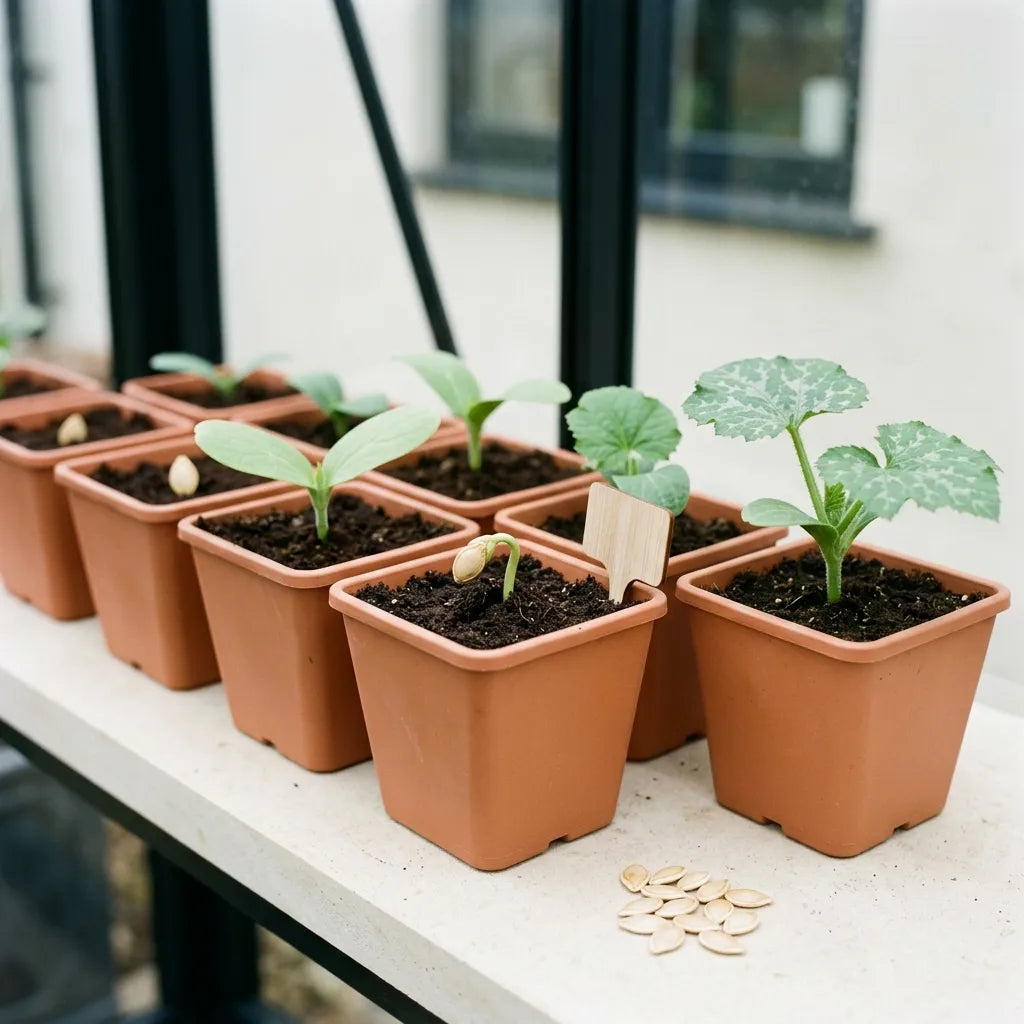
Method: sow in pots under cover from April at 20 °C, or directly in the ground after the last frosts, 2–3 cm deep, with the seed placed on its edge. See how to sow your seeds.
Planting advice:
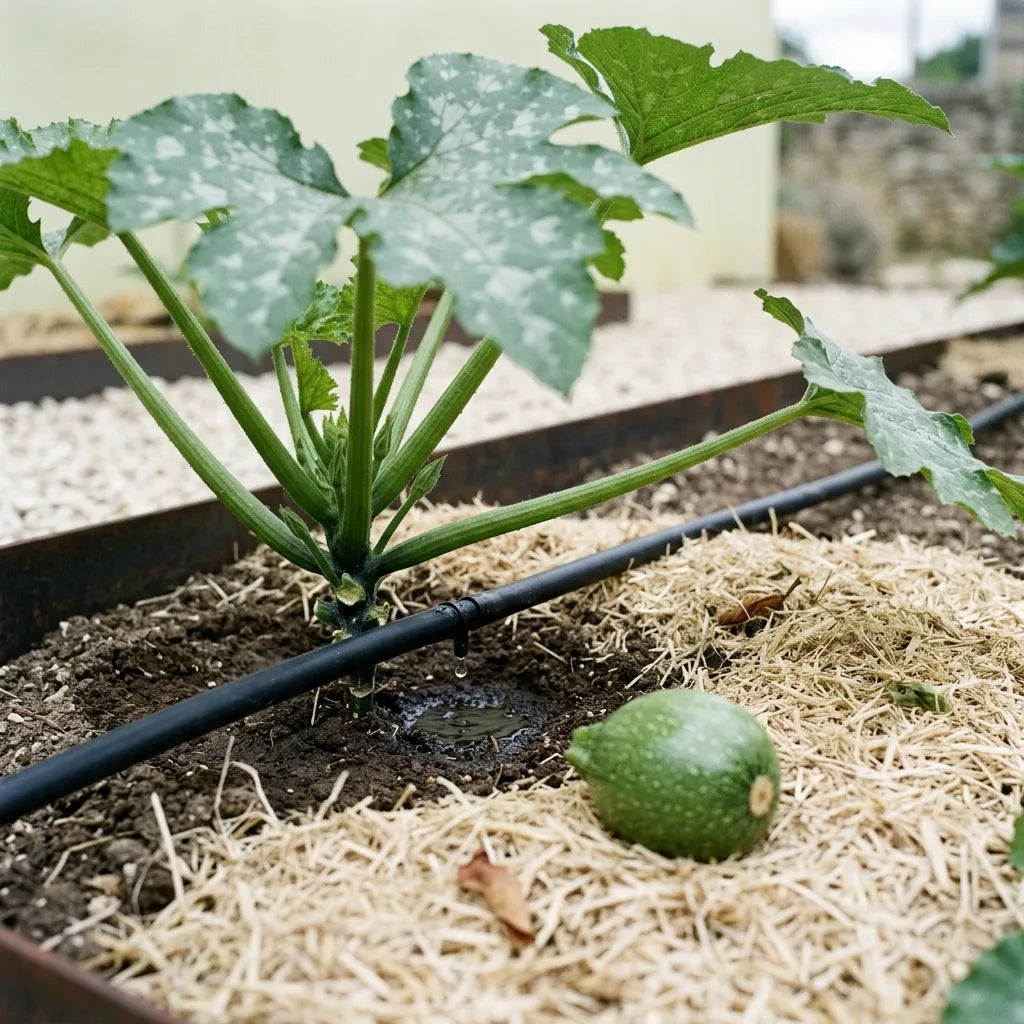
- Transplant after the frosts, spacing plants 1 metre apart. Apply a thick mulch to retain moisture and keep the fruits clean.
Care advice:
- Water generously at the base, without wetting the foliage—that is how powdery mildew spreads.
- Mulch generously: zucchini is just as hungry for water as it is for compost.
Harvesting advice:
- Harvest when the size of a tennis ball, about 10 cm in diameter. If left to grow larger, it fills with seeds and the flesh becomes cottony—the classic drawback of this shape.
- Pick very regularly: every fruit left on the plant slows the production of the next ones.
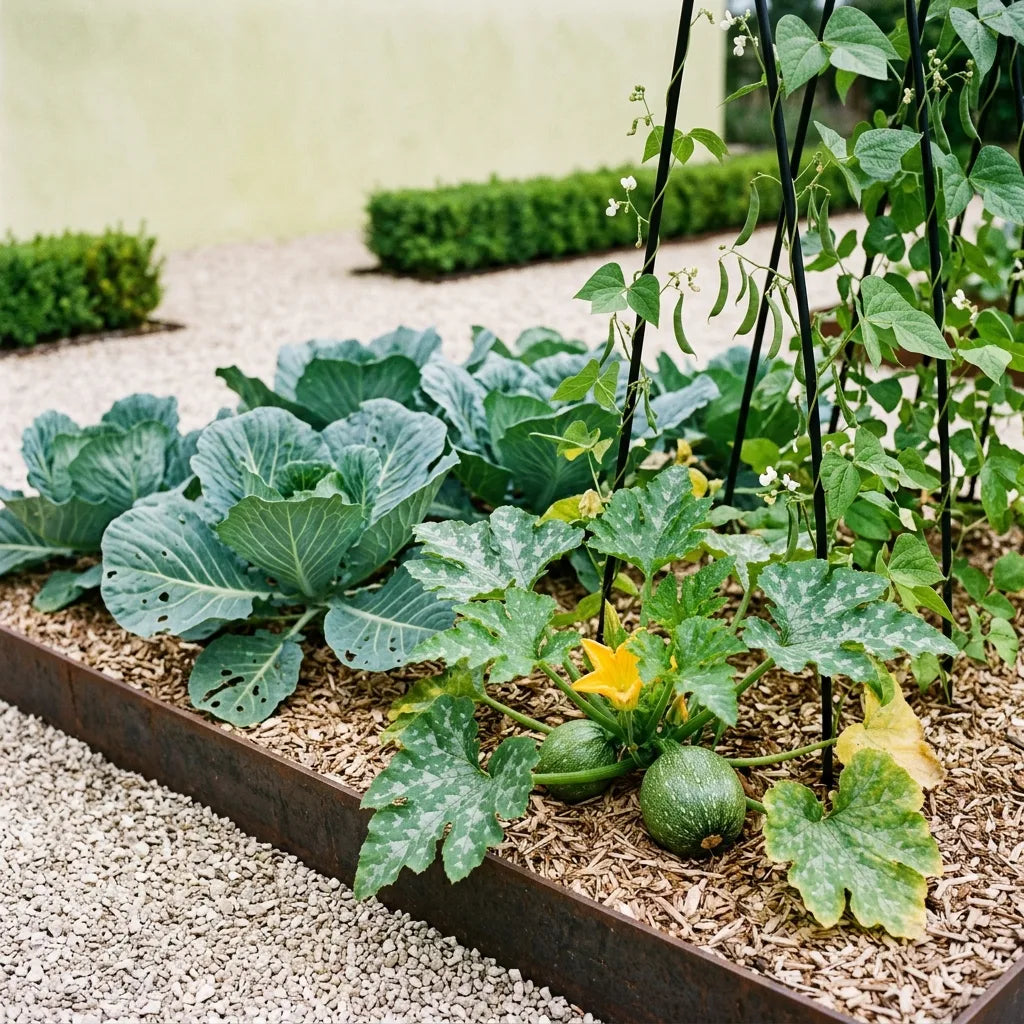
Beneficial companions:
Benefits for biodiversity:
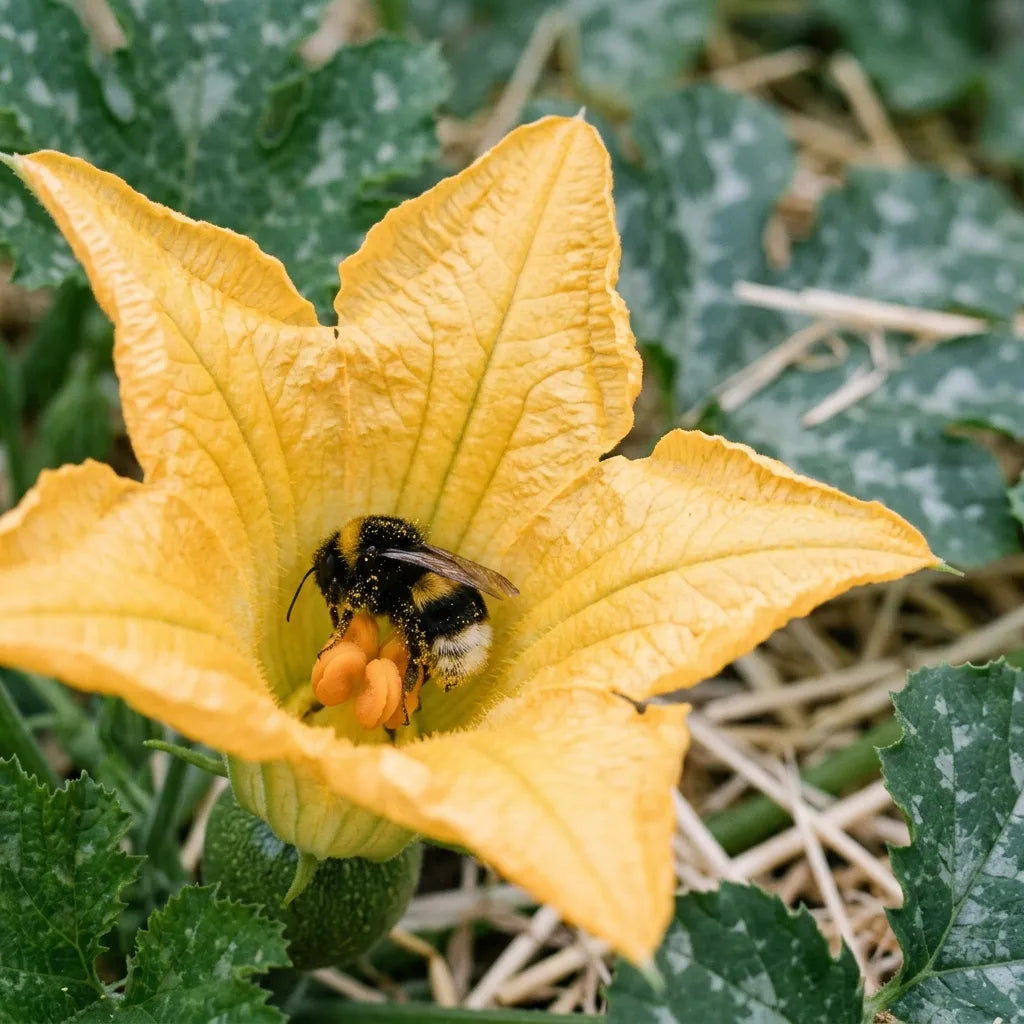
- Its large yellow flowers provide an abundant source of pollen and nectar for bees and bumblebees early in the morning.
- Its spreading foliage covers the soil, limits weeds, and shelters beneficial microfauna.
Uses:
- Baked and stuffed, this is its primary purpose. It is also delicious in gratins, sautéed, or raw in salads when very young. The flowers can be made into fritters.
Saving your own seeds:
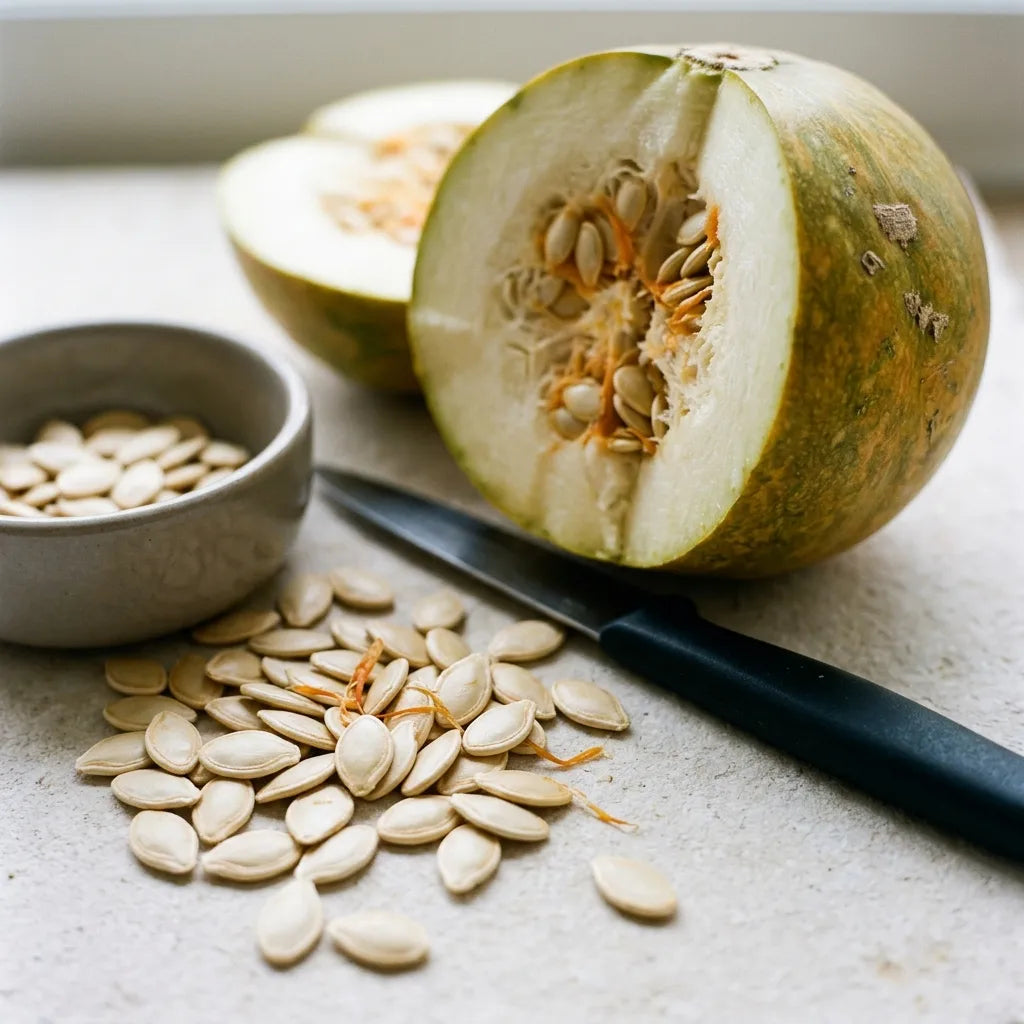
Leave one fruit to grow until the skin has fully hardened, then remove the seeds, rinse them, and dry them flat. Caution: Cucurbita pepo cross-pollinate very easily with one another—keep your seed plant isolated from other zucchini and ornamental squashes. See how to store your seeds.
Commitment to Quality: at SemiSauvage - Permaculture, we grow and select our seeds with respect for living things as our guiding principle. Based near the Auvergne volcanoes, we choose open-pollinated, non-hybrid varieties, tested for their germination rate, carefully sorted and packaged, with no chemical treatment. Our belief: to give gardeners back the ability to resow, year after year, seeds that truly belong to them.
The zucchini made for stuffing.