Nepeta cataria
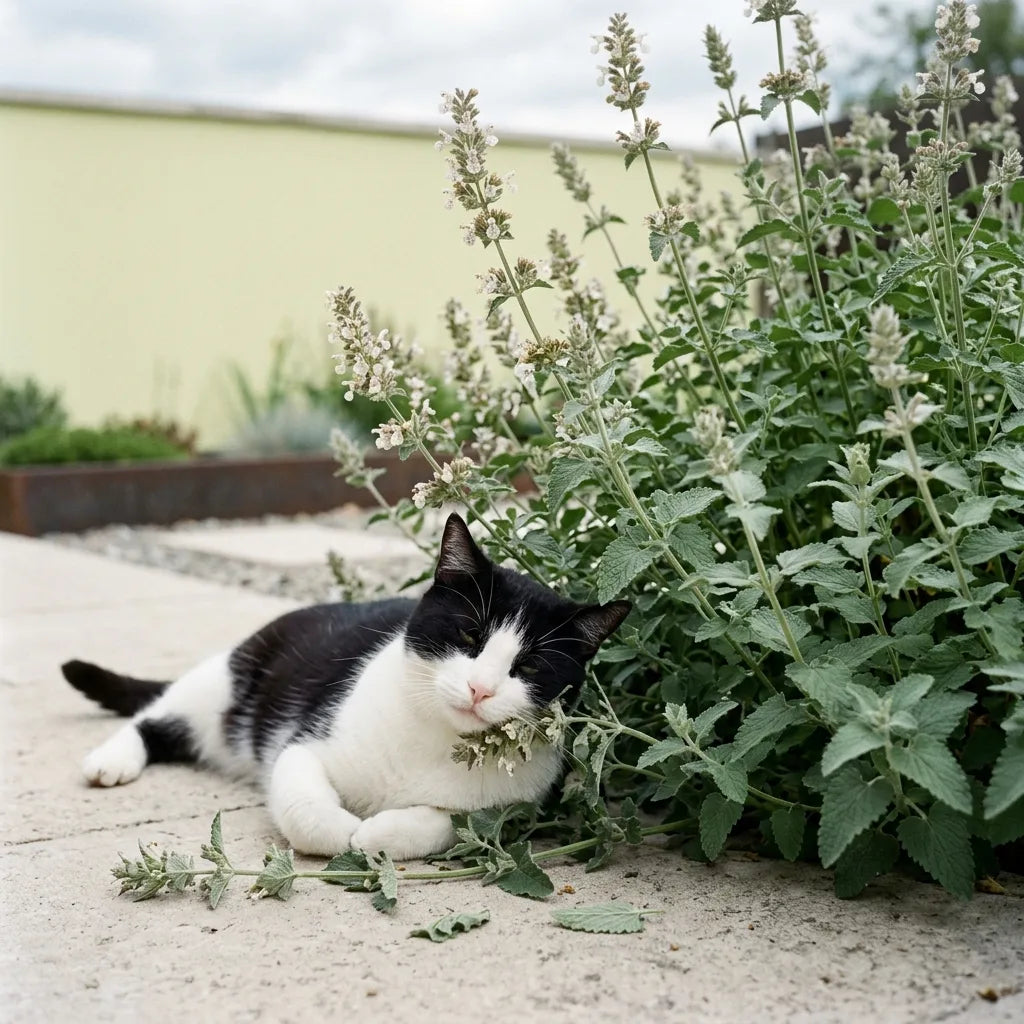
Catnip, catmint, catswort, catmint herb: the molecule responsible for feline euphoria, nepetalactone, affects only some cats — sensitivity is hereditary and affects around two-thirds of them. An additional curiosity: this same molecule is a powerful repellent for many insects.
Characteristics:
-
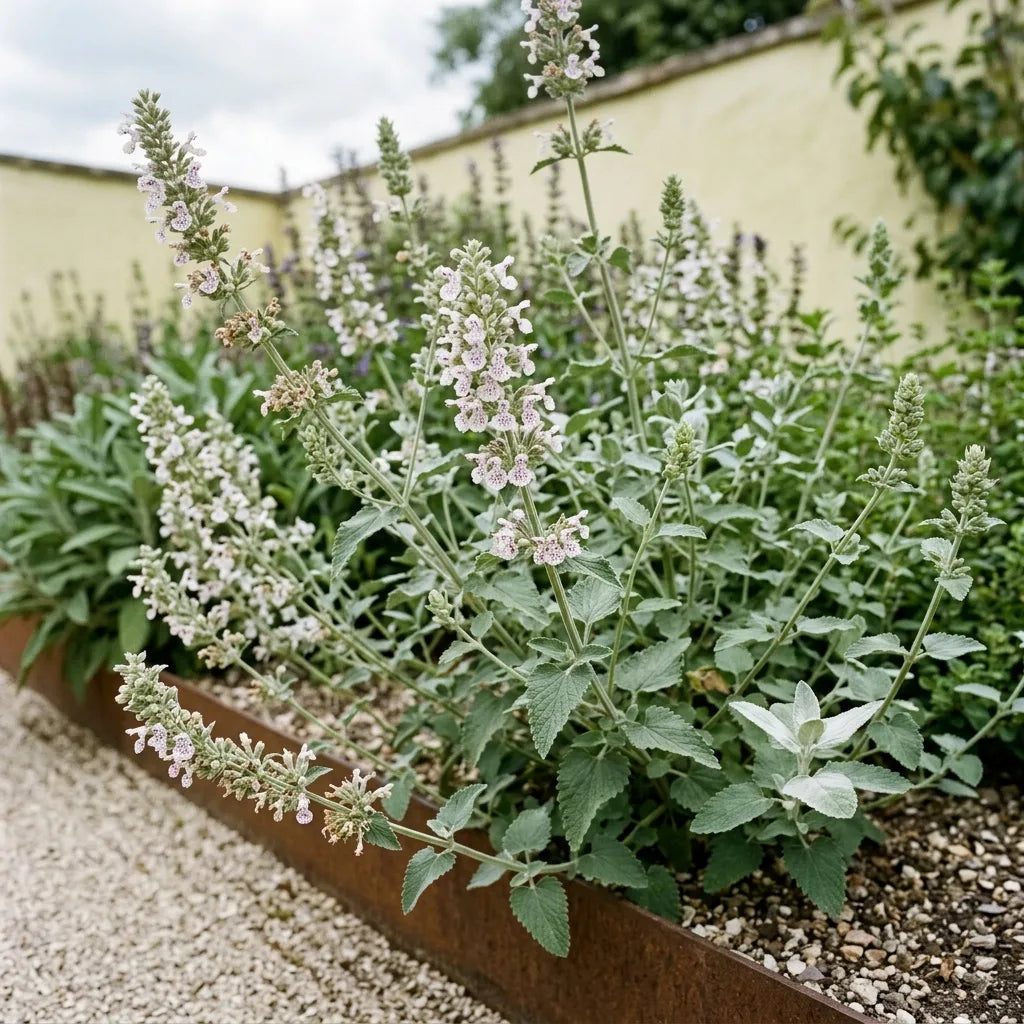
Very hardy perennial: it forms a light, spreading clump that returns every year.
-
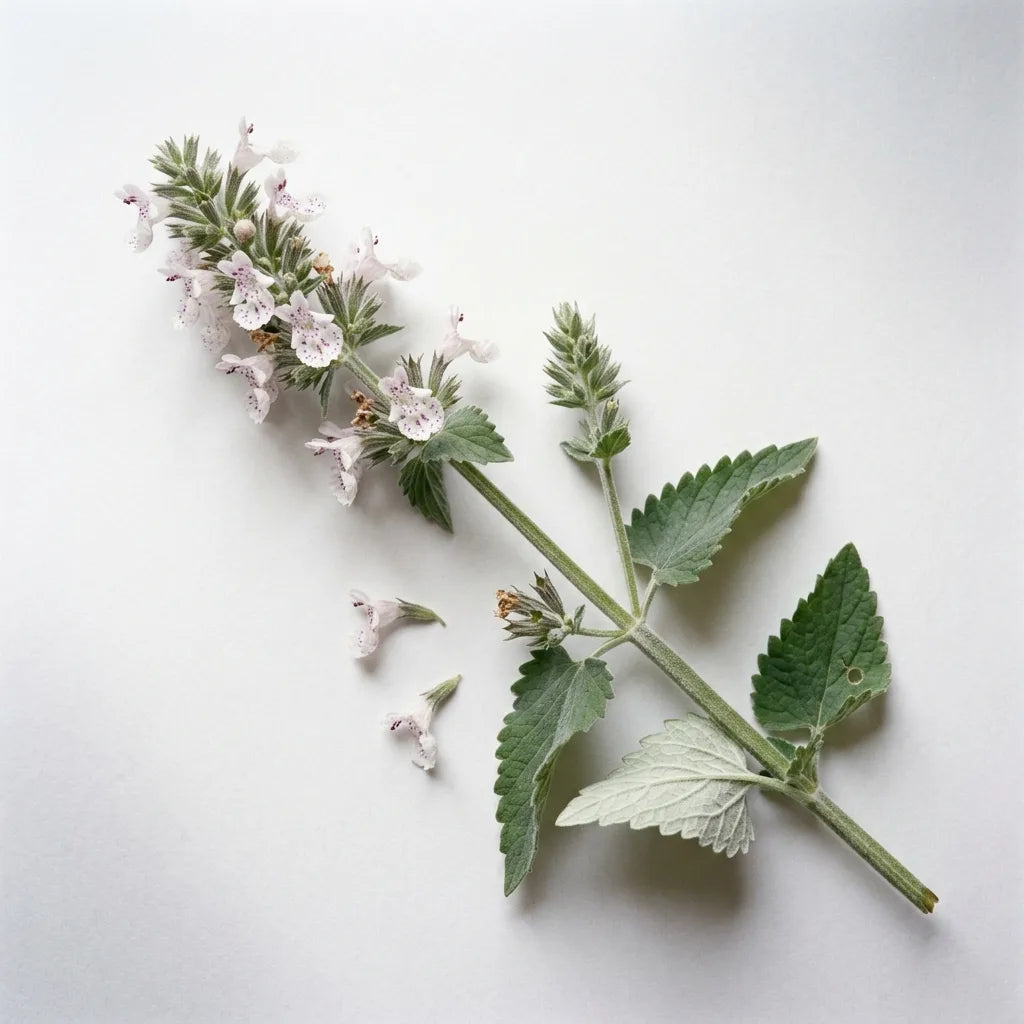
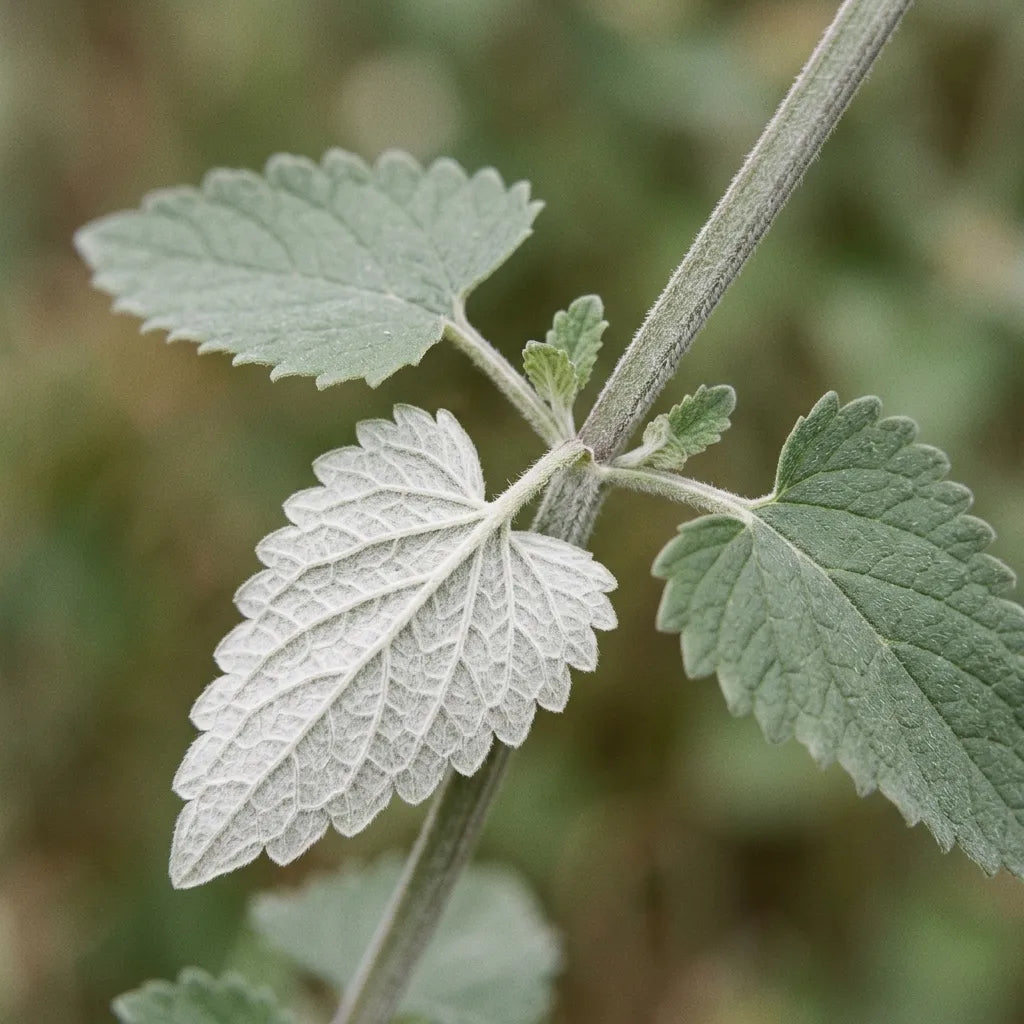
Silvery foliage: oval, toothed, downy leaves ranging from greyish to silvery green.
-
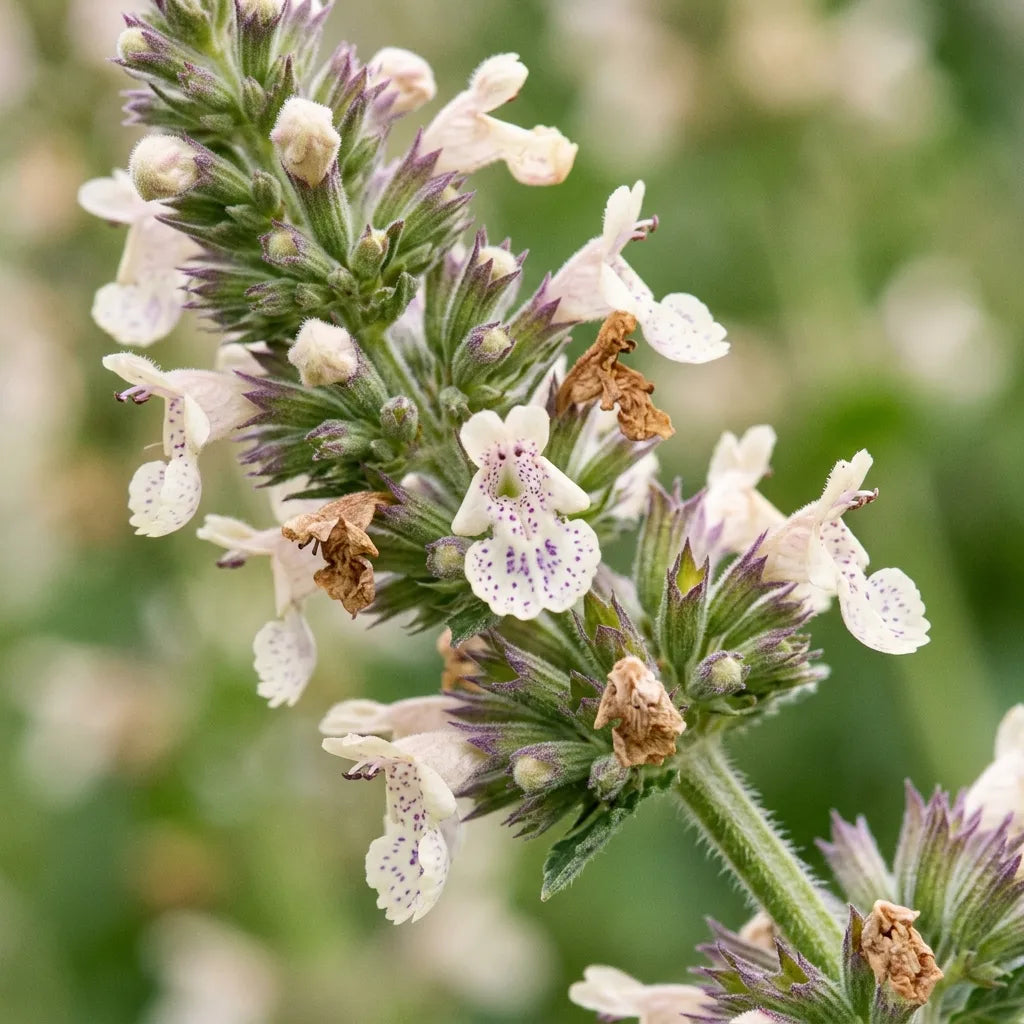
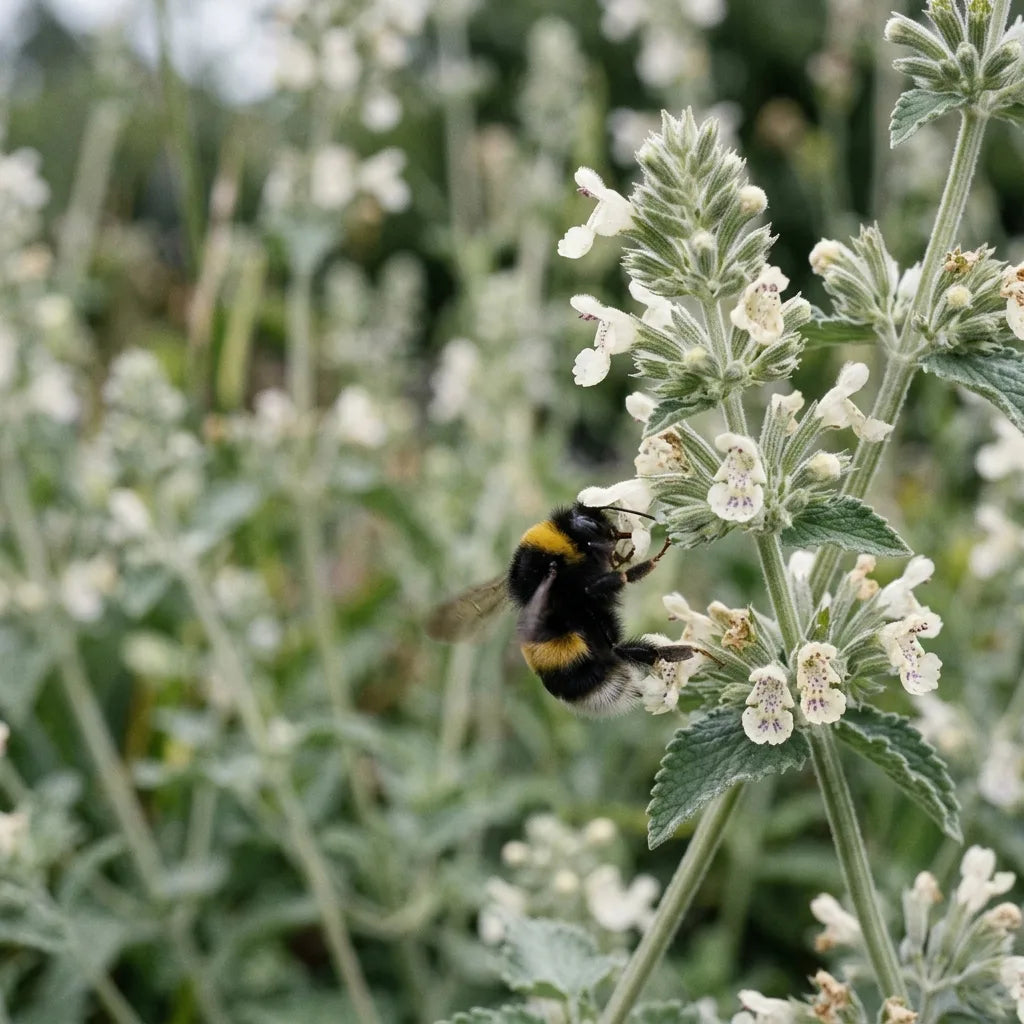
Long, bee-friendly flowering: spikes of small, two-lipped tubular flowers, white with purple markings.
-
Twofold use: irresistible to cats, repellent to many insects.
Precautions:
- Neighbouring cats may roll around in it and flatten the clump. Protect young plants with wire mesh during the first year, while they become established.
Sowing advice:
-
Exposure: full sun to partial shade.
-
Soil: ordinary, light, and above all well drained. Like most aromatic plants in the mint family, it prefers poor soil to rich soil — there is no need to fertilise, as this dilutes its aroma. It is much more sensitive to winter moisture than to cold.
-
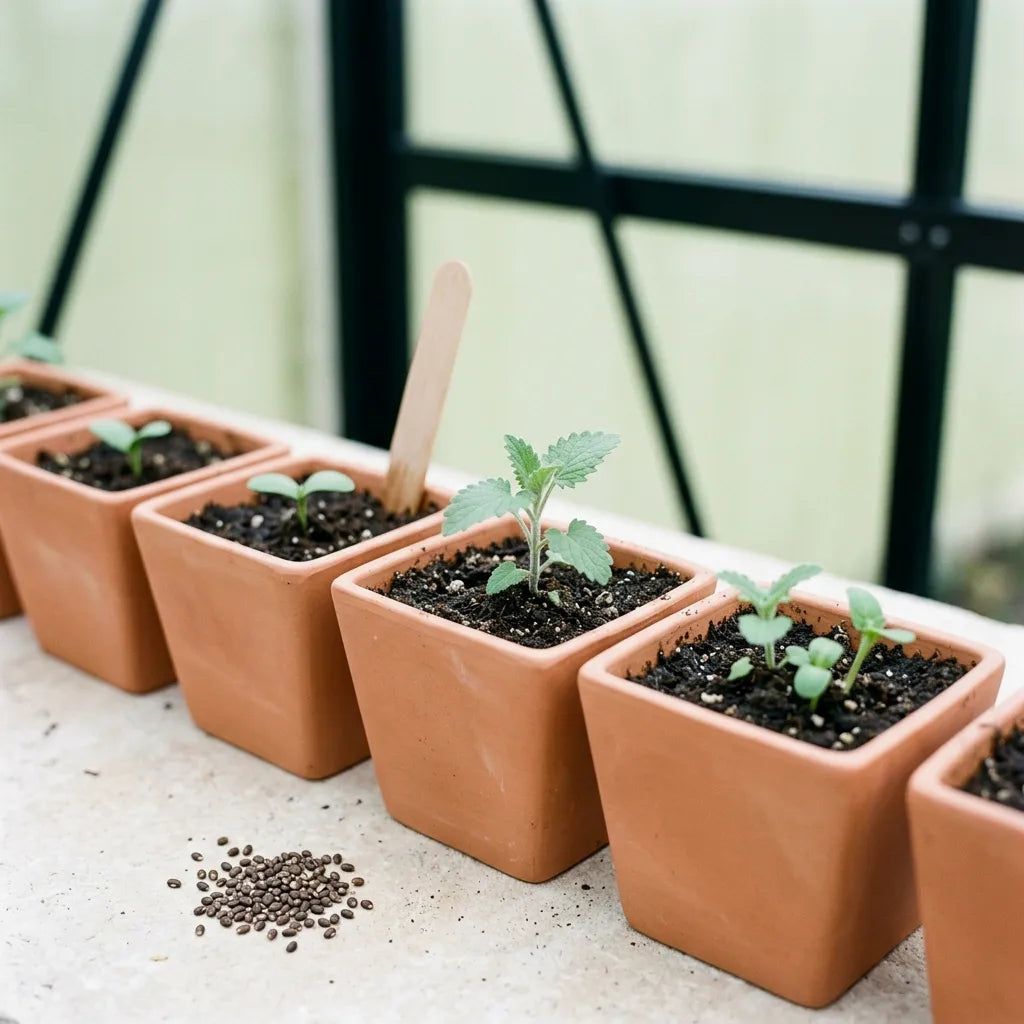
Method: sow in spring, on the surface or barely covered: the seeds need light to germinate. Sow in pots at 18–20 °C, or directly in the ground after the last frosts. See how to sow your seeds.
Planting advice:
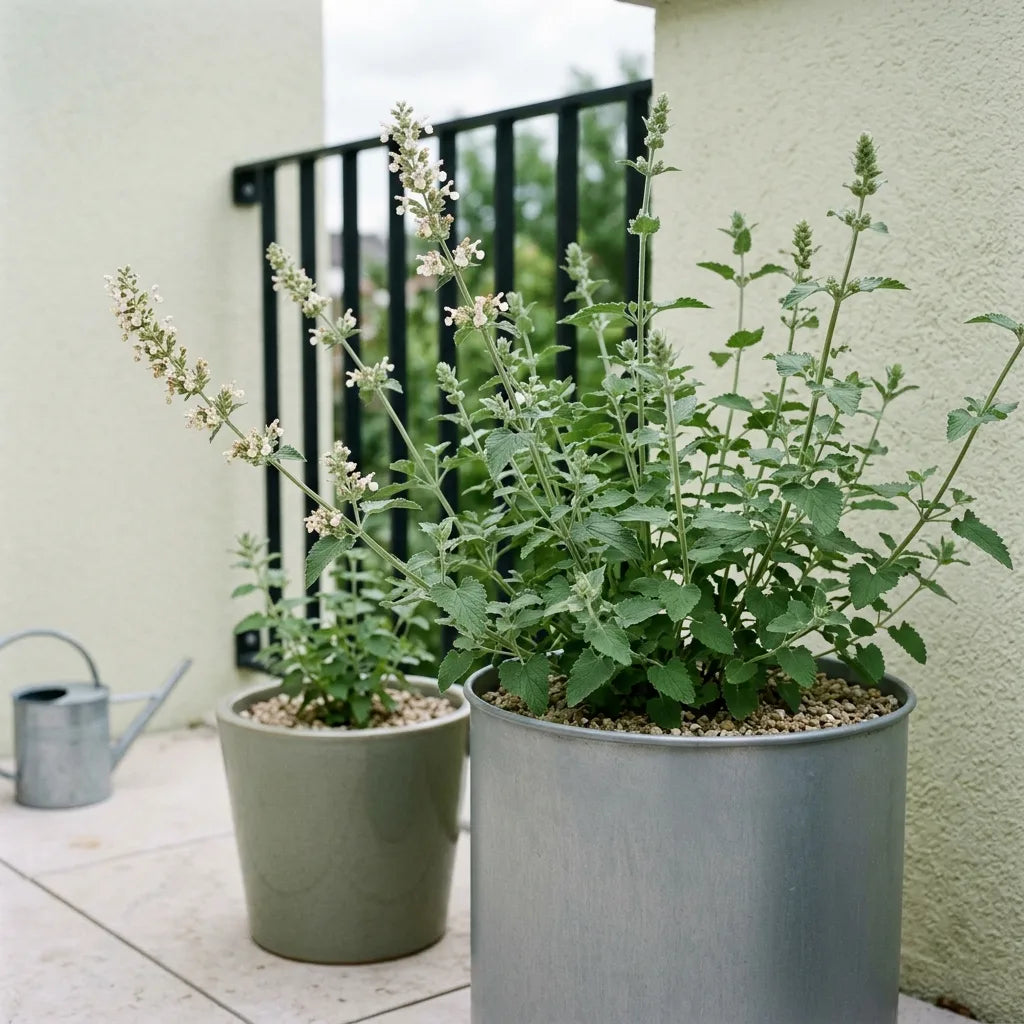
- Transplant with 40 cm spacing. It grows very well in pots or planters on a balcony — a good solution if you want to keep it for your own cat.
Care advice:
- Almost none. Water only during prolonged drought.
- Cut back the clump after flowering: it will regrow and often flower a second time during the season.
Harvesting advice:
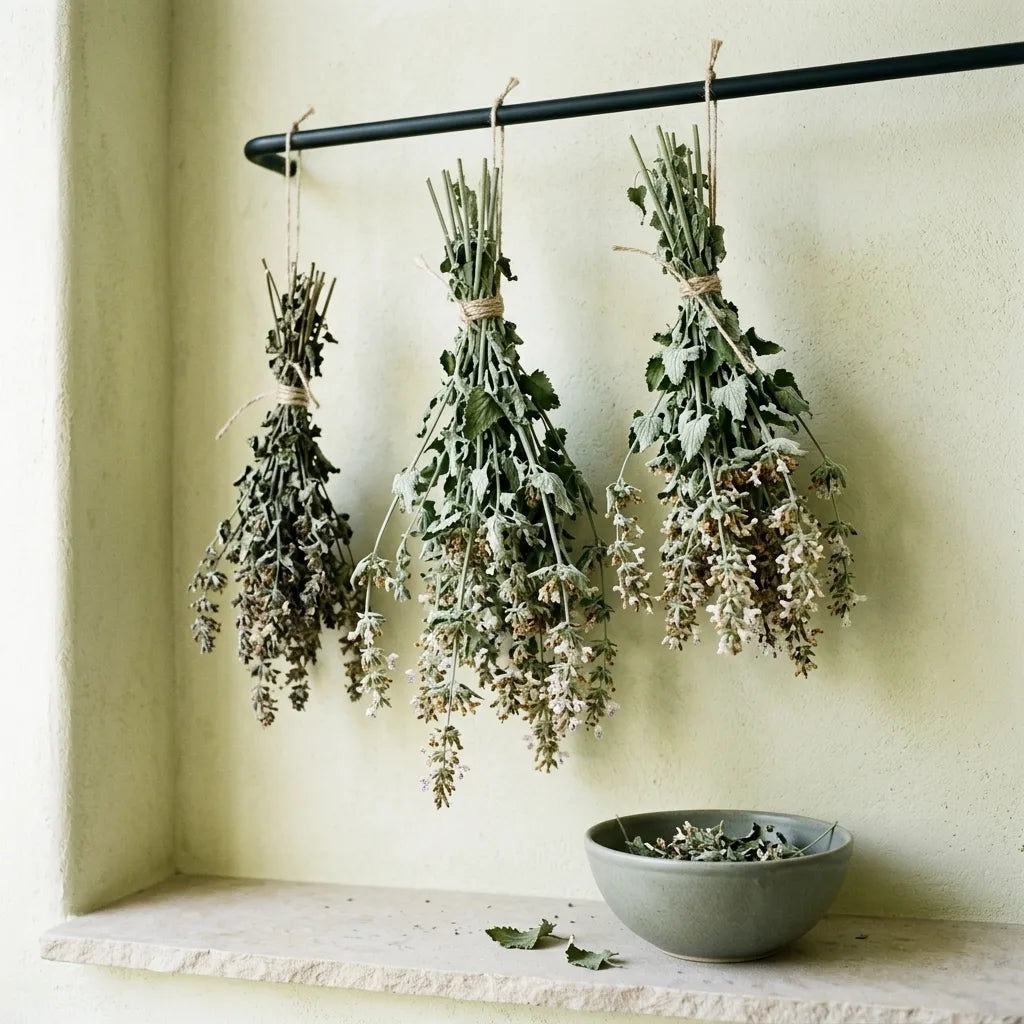
- Pick the flowering tops in dry weather, late in the morning, when the concentration of essential oils is at its highest. Dry them in the shade, upside down, in a well-ventilated place.
Beneficial associations:
- Its repellent oil keeps aphids and various insects away from neighbouring crops. It pairs well with sage and hyssop in a herb garden with well-drained soil. See our repellent plants.
Benefits for biodiversity:
- Its long, staggered flowering period makes it an excellent bee-friendly plant, frequently visited by solitary bees and bumblebees.
- It also attracts hoverflies, whose larvae devour aphids — its effect in the vegetable garden therefore combines repellent properties with beneficial insects.
Uses:
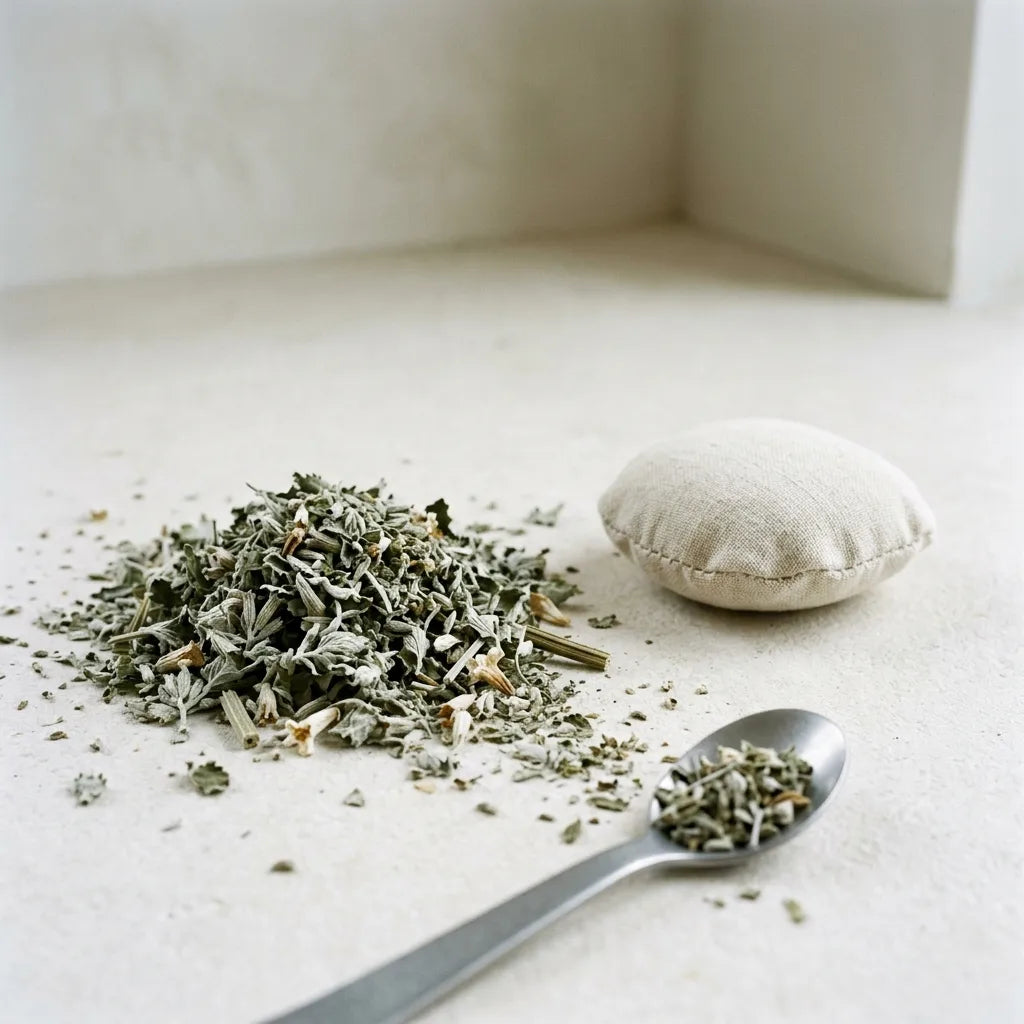
- Dried leaves to fill cat toys and cushions. In cooking, its young mint-flavoured leaves subtly season salads and infusions.
- A traditional medicinal plant, used in European herbal medicine since the Middle Ages. See our medicinal plants to sow.
Symbolism:
Before tea arrived in Europe, catnip was one of the most common herbal infusions in English households — it was routinely grown in the physic garden.
Harvesting your own seeds:
Leave a few flower spikes to dry completely on the plant, then rub them over a container to release the small brown seeds. Catnip also readily self-seeds. See how to store your seeds.
Commitment to Quality: at SemiSauvage - Permaculture, we grow and select our seeds with respect for living things as our guiding principle. Based near the Auvergne Volcanoes, we choose reproducible, non-hybrid varieties, tested for their germination rate, sorted and carefully packaged, with no chemical treatment. Our belief: to give gardeners back the ability to sow, year after year, seeds that truly belong to them.
Happiness for your cat, and a natural repellent for the vegetable garden.